Semiconductor

Search documents
Stock Market Today, March 27: Crude Surges Above $110, Driving Broad Sell-Off
Yahoo Finance· 2026-03-27 21:31
Market Performance - The S&P 500 fell 1.67% to 6,375.85, marking its fifth consecutive weekly drop [1] - The Nasdaq Composite declined 2.15% to 20,948.36, entering correction territory after a drop of over 10% from its October high [1] - The Dow Jones Industrial Average lost 1.73% to 45,166.64, driven by high oil prices and technology sector concerns [1] Sector Performance - Energy stocks outperformed as Brent crude oil prices rose above $110, benefiting producers like Suncor Energy, Exxon Mobil, and Chevron Corporation [2] - Major tech companies, including Nvidia, faced challenges due to risk-off sentiment, concerns over AI spending, and legal pressures, leading to declines in Meta Platforms, Alphabet, Amazon, and Microsoft [3] Geopolitical Impact - Heightened geopolitical tensions negatively affected airline and cruise stocks, with Delta Air Lines and United Airlines experiencing declines, and Carnival cutting its 2026 outlook [4] Oil Prices and Inflation - The ongoing Iran war and rising oil prices present significant challenges for markets, with Brent crude climbing 7% to finish at $113 per barrel, raising concerns about long-term inflation [5] Volatility and Investment Strategy - The CBOE Volatility Index increased by 13% to close at 31.05, the highest level since last April, indicating heightened market volatility [6] - Investors may consider dividend plays and defensive sectors while focusing on long-term investment objectives in the current headline-driven market [6]





Google Just Unveiled TurboQuant: Should You Sell Sandisk Stock Now?
Yahoo Finance· 2026-03-27 17:29
Core Insights - Sandisk is positioned favorably in the rapidly growing sectors of AI, cloud computing, and big data, which are driving demand for high-performance memory solutions [1][2] - The company has seen significant stock performance, with SNDK stock increasing 1,072% since its spin-off from Western Digital, reflecting strong investor interest in AI-driven storage solutions [7][8] - Recent developments, such as Google's TurboQuant algorithm, may impact future memory demand, raising concerns among investors about the sustainability of growth in the memory sector [4][10] Company Overview - Sandisk, based in Milpitas, California, specializes in NAND flash memory solutions, including SSDs and memory cards, with a market capitalization of $89 billion [2] - The company has a vertically integrated model that enhances efficiency and innovation, positioning it well for future growth in enterprise storage [6] Financial Performance - Sandisk reported Q2 fiscal 2026 revenue of $3.03 billion, a 61% year-over-year increase, driven by strong performance across data center, edge, and consumer segments [14][15] - Non-GAAP EPS for the same period was $6.20, significantly up from $1.23 the previous year, with gross margins expanding to 51.1% [16] - The company has a strong balance sheet, with cash and equivalents of $1.54 billion and reduced long-term debt of $583 million [17] Future Outlook - Management has guided Q3 fiscal 2026 revenue between $4.4 billion and $4.8 billion, with non-GAAP EPS expected in the $12 to $14 range, indicating continued growth [18] - Analysts are optimistic, forecasting a significant EPS increase of 1,741% year-over-year for fiscal 2026, followed by a further 125.5% rise in fiscal 2027 [18] Analyst Sentiment - BofA Securities maintains a "Buy" rating with a price target of $900, citing strong demand from hyperscalers and a strategic focus on higher-margin products [20] - The consensus rating for SNDK is "Moderate Buy," with 14 out of 20 analysts recommending a "Strong Buy" [21]
DDIC供应商酝酿涨价
WitsView睿智显示· 2026-03-27 07:43
Core Viewpoint - The rising costs in semiconductor wafer foundry and packaging testing are pressuring Display Driver IC (DDIC) manufacturers to consider price increases, driven by escalating raw material prices and production costs [4][5][6]. Cost Structure and Price Increase Potential - Wafer foundry costs account for 60-70% of the overall DDIC costs, while packaging and testing costs represent about 20% [4]. - The increase in costs is attributed to rising prices of raw materials, energy, and labor, particularly affecting the eight-inch wafer capacity, which has not expanded for a long time [5]. - The twelve-inch wafer segment is also experiencing tight supply due to reduced high-voltage process capacity from Taiwanese foundries, leading customers to shift to Nexchip, a major DDIC foundry [5]. Impact of Material Costs - The cost of gold for bumping materials has been rising since 2024, adding pressure on DDIC manufacturers, although some are exploring alternatives to reduce reliance on gold [6]. - The price adjustments for DDIC will depend on product types, application markets, and customer structures, with potential increases in response to ongoing cost pressures from wafer foundry and packaging services [6]. Market Dynamics - DDICs are used in various display products such as TVs, monitors, laptops, and smartphones, meaning cost changes may eventually be passed on to panel manufacturers and end brands [6]. - The pricing adjustments will be influenced by upstream cost trends, supply-demand dynamics, and end-market demand, which are critical indicators to monitor [6].

研报 | 晶圆代工与封测成本同步上涨,DDIC供应商正酝酿上调报价
TrendForce集邦· 2026-03-27 04:09
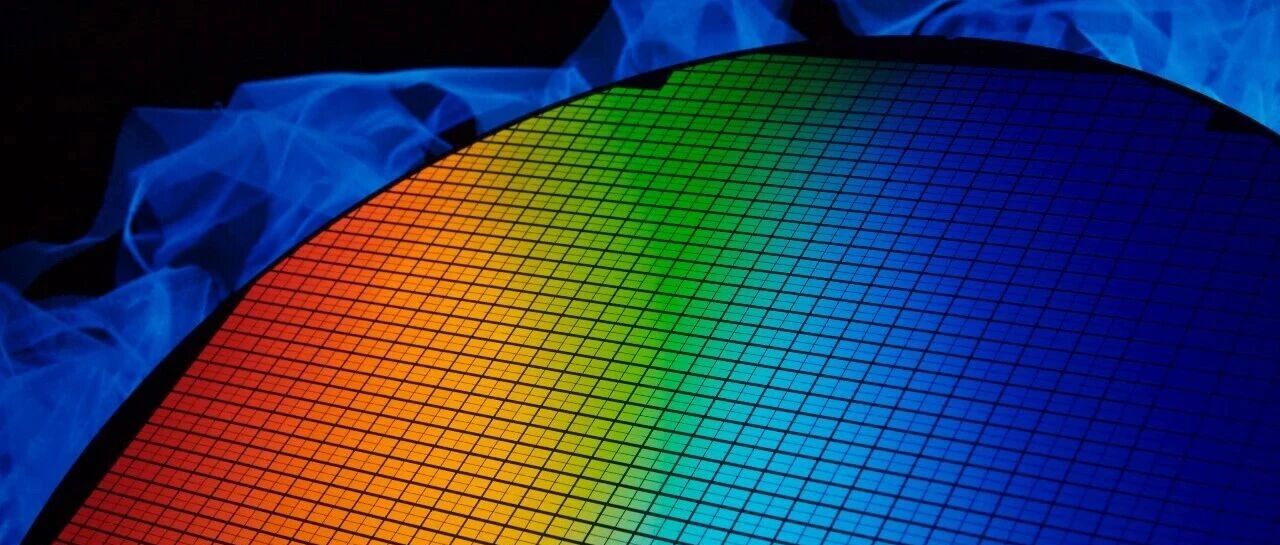
Core Insights - The article discusses the rising costs in the semiconductor foundry and packaging sectors, particularly affecting Display Driver IC (DDIC) manufacturers, who are considering price increases due to these pressures [2][4][5] Cost Structure and Price Adjustments - The cost structure of DDIC shows that wafer foundry costs account for 60-70% of total costs, while packaging and testing costs make up about 20% [2] - Recent increases in raw material, energy, and labor costs have led to higher wafer foundry prices, particularly for 8-inch wafers, which have not seen capacity expansion for a long time [2][3] - The tightening of capacity in both 8-inch and certain 12-inch mature processes has resulted in an overall increase in wafer costs, making it difficult for DDIC suppliers to absorb these costs [3] Product and Market Dynamics - The type of product, application market, and customer structure will influence the extent of price increases for DDIC [4] - The packaging processes for DDIC, including bumping, packaging, and testing, are facing cost pressures due to tight capacity and rising material and labor costs, particularly for COF and COG product lines [4] - The international gold price has been rising since 2024, increasing the cost of bumping materials, although some manufacturers are exploring alternatives to reduce reliance on gold [4] End-User Impact - DDICs are used in various display products such as TVs, monitors, laptops, and smartphones, meaning cost changes may gradually be passed on to panel manufacturers and end brands [5] - The adjustment of DDIC pricing will depend on upstream cost trends, supply-demand conditions, and end-market demand, which are critical indicators to monitor [6]
SRAM,更难了
半导体行业观察· 2026-03-27 00:52
Core Viewpoint - SRAM is a critical component in all computing systems, but it has failed to keep pace with the expansion of logic circuits, leading to increasingly challenging issues, particularly over the past five years [1][4]. Group 1: Memory Wall and SRAM Challenges - The concept of the "memory wall" was identified as a key bottleneck for future processing capabilities, with memory capacity and performance becoming critical issues [1][4]. - SRAM's capacity and performance improvements have stagnated, resulting in a higher proportion of chip area being occupied by SRAM as process nodes shrink, leading to increased reliance on slower external memory [4][8]. - The performance of processors is often limited by memory and memory bandwidth rather than computational power, with many processors operating at only 20% utilization [7][9]. Group 2: Technological Limitations - Traditional 6T SRAM cells have reached physical and process deviation limits, hindering further miniaturization and performance improvements [8]. - As process nodes shrink, factors such as electrostatic control and random fluctuations become significant constraints, limiting SRAM density improvements to less than 15% at advanced 2nm nodes, compared to 50%-100% improvements seen in earlier nodes [8][9]. - The gap between memory density growth and logic density growth has been widening since the 1980s, with current computer performance improvements not matching memory bandwidth enhancements [9]. Group 3: Software Implications - The reliance on large local SRAM and multi-layer caches in processor architectures is increasingly challenged, as SRAM occupies a larger proportion of chip area and cost [11]. - Software must adapt to a more complex memory hierarchy, with locality, partitioning, and predictability becoming critical for system-level performance [11][12]. - AI models are particularly affected, as memory bandwidth and on-chip cache become performance bottlenecks, necessitating optimizations in data locality and memory-aware scheduling [12]. Group 4: Alternative Solutions - The industry is exploring 3D stacking technologies and chiplet designs to address SRAM limitations, allowing for higher bandwidth and lower power consumption [13][17]. - Emerging memory technologies like MRAM and ReRAM are gaining traction, offering scalability and cost advantages, but they are not expected to fully replace SRAM [15][16]. - The concept of memory computing or near-memory computing is evolving, indicating a shift in traditional models as SRAM scalability issues become more pronounced [15]. Conclusion - The memory bottleneck is becoming increasingly evident, with little sign of change in the short term. The expansion of SRAM is unlikely to return to previous levels, necessitating the search for alternative solutions and more efficient utilization of existing memory [18].
Microsoft's role in an AI agent world is a problem for them, says Intelligent Alpha's Doug Clinton
Youtube· 2026-03-26 22:59
Core Viewpoint - The discussion highlights concerns regarding the performance of major tech stocks, particularly Microsoft and Meta, in the context of AI leadership and market competition. The uncertainty surrounding AI's future role in enterprise operations poses challenges for these companies. Company Performance - Microsoft has seen a decline in stock performance, attributed to its lagging position in AI compared to competitors like OpenAI and Anthropic [2][4] - Meta has faced difficulties with its previous investments in the metaverse, leading to a shift in focus towards AI, although skepticism remains about its ability to compete effectively in this space [8][10] Industry Trends - The software industry is experiencing a transformative phase with the emergence of AI agents, raising questions about the future relevance of current software companies [3][4] - Companies like Google, Amazon, and Nvidia are noted for their leadership in AI, with better stock performance year-to-date compared to others [6] Investment Strategies - The investment community is shifting focus towards custom silicon and alternative tech investments, moving away from heavily owned stocks like Nvidia [11][12] - There is a belief that many companies will invest significantly in AI without yielding substantial returns, affecting both major and secondary players in the market [9][10]
Forget GPUs: Custom AI Chips Are the Next Trillion-Dollar Opportunity. Here Are 2 Stocks to Buy Now.
Yahoo Finance· 2026-03-26 22:25
Core Insights - Nvidia's dominance in the GPU market for AI is being challenged by competitors like Alphabet's TPU, which is tailored for specific AI applications [1][2] - Companies such as Anthropic and OpenAI are shifting towards TPUs, indicating a trend away from Nvidia's general-purpose GPUs [2][3] - Broadcom is positioned as a key player in this transition, having co-designed the TPU for Google and targeting significant revenue growth in AI chips [4][5] Group 1: Industry Trends - The AI industry is moving towards custom-designed chips that better meet the specific needs of AI programs, reducing reliance on Nvidia's GPUs [3] - Major companies like Advanced Micro Devices and Qualcomm are emerging as direct competitors to Nvidia, intensifying the competitive landscape [3] Group 2: Company Developments - Broadcom has established a multiyear partnership with OpenAI to develop custom AI accelerators, aiming for 10 gigawatts of computing power [5] - Broadcom is projected to capture a 60% market share in the AI server compute application specific integrated chip (AISC) market by 2027, bolstered by partnerships with Microsoft, Amazon, and Meta Platforms [6] - Broadcom's net revenue for 2025 is expected to reach $63.8 billion, reflecting a 24% increase from 2024, with diluted EPS growing 40% to $6.82 [6]

Jury Finds Meta, Google Liable for Addiction | Bloomberg Tech 3/26/2026
Youtube· 2026-03-26 21:05
Group 1 - The U.S. administration emphasizes the importance of preventing Iran from acquiring nuclear weapons, viewing it as a critical national security objective [4][5][6] - There is a preference for military options over diplomatic negotiations regarding Iran, with the administration asserting its readiness to use all available tools [2][6] - The Iranian military capabilities have been significantly diminished, leading to a perception of increased U.S. options in dealing with Iran [1][7] Group 2 - The market is reacting to the uncertainty surrounding potential negotiations with Iran, with notable impacts on energy prices and stock movements [9][14] - The administration's mixed signals about willingness to negotiate with Iran have led to volatility in equity markets, particularly affecting technology stocks [9][10] - The ongoing conflict and the administration's stance on Iran are contributing to a broader risk aversion in the market [15][16] Group 3 - A landmark jury verdict has found Meta and Google liable for designing addictive social media products, which could have significant implications for the industry [18][20] - The case is seen as a potential turning point for social media companies, drawing comparisons to historical cases against the tobacco industry [34][35] - The verdict may lead to increased scrutiny and regulatory changes in the social media landscape, affecting business models and advertising practices [39][40][41] Group 4 - The legal landscape for social media companies is evolving, with multiple cases pending that could further impact their operations and reputations [26][36] - Companies are facing pressure to implement changes in their platforms to address concerns about addiction and user safety, which could alter their business strategies [41][42] - The market perception of social media companies is shifting, with potential reputational damage affecting their advertising revenue and user engagement [51][52]

Terafab: Elon’s Plan To Dominate Semiconductors | The Brainstorm EP 124
ARK Invest· 2026-03-26 20:00
Hello everyone and welcome back to another episode of the brainstorm. This week we're talking terraab. What if I told you the entire global semiconductor industry isn't building fast enough.At least according to Elon Musk. Today we're talking about what was announced, what's credible, and what's just a pure moonshot. Sam Brett, help break it down for us.Okay, I'll start at the very high highest level there is. There's three ingredients for the future of civilization. Solar panels, launch capacity, and semic ...


Micron and SanDisk stocks are getting pummeled this week. Is the memory chip rally over?
Fastcompany· 2026-03-26 17:56
Core Viewpoint - The article discusses the implications of memory technology advancements and their impact on the semiconductor industry, particularly focusing on the demand for memory chips and the competitive landscape among major players [1] Group 1: Industry Trends - The memory chip market is experiencing significant growth, driven by increasing demand from data centers and consumer electronics [1] - The global memory market is projected to reach $200 billion by 2025, reflecting a compound annual growth rate (CAGR) of approximately 10% [1] - Innovations in memory technology, such as 3D NAND and DDR5, are expected to enhance performance and efficiency, further fueling market expansion [1] Group 2: Company Dynamics - Major companies in the memory sector, including Samsung, Micron, and SK Hynix, are intensifying their investments in research and development to maintain competitive advantages [1] - Samsung remains the market leader, holding a 35% share of the global memory market, while Micron and SK Hynix follow with 20% and 15% shares, respectively [1] - The competitive landscape is characterized by price fluctuations and supply chain challenges, which could impact profit margins for these companies [1]