美妆

Search documents
美妆企业2025年三季报公布,业绩分化趋势明显
Xi Niu Cai Jing· 2025-11-19 07:07
Core Viewpoint - The beauty industry in China's A-share market is experiencing a clear divergence in performance among companies, indicating that the era of overall growth may be coming to an end [2][3]. Group 1: Company Performance - Proya reported a revenue of 7.098 billion yuan for the first three quarters of 2025, a year-on-year increase of 1.89%, but a decline in Q3 revenue by 11.63% to 1.736 billion yuan [2]. - Shanghai Jahwa achieved a revenue of 4.961 billion yuan for the first three quarters, up 10.83%, with Q3 revenue increasing by 28.29% to 1.482 billion yuan [2]. - Betaini's revenue for the first three quarters was 3.464 billion yuan, down 13.78%, with Q3 revenue decreasing by 9.95% to 1.092 billion yuan [2]. - Shuiyang reported a revenue of 3.409 billion yuan for the first three quarters, up 11.96%, with Q3 revenue increasing by 20.92% to 909 million yuan [3]. - Marubi's revenue for the first three quarters was 2.450 billion yuan, a 25.51% increase, with Q3 revenue rising by 14.28% to 686 million yuan [3]. - Fulejia's revenue for the first three quarters was 1.297 billion yuan, down 11.54%, with Q3 revenue decreasing by 17.58% to 434 million yuan [3]. Group 2: Market Trends and Challenges - Many beauty companies are facing significant development pressures, with only a few maintaining growth in both the first three quarters and Q3 [3][4]. - Proya's slowing growth and decline in Q3 revenue and net profit highlight a shift from previous rapid growth [4]. - Fulejia, despite being labeled as the "first stock of medical beauty masks," is experiencing market challenges that have affected its performance [4]. - Shuiyang attributes its positive performance to the gradual realization of its high-end strategy, although it faces long-term challenges in the high-end beauty market [4]. Group 3: Strategic Moves - Proya and Marubi have initiated plans for a Hong Kong listing, which may be a strategy to break through growth bottlenecks [5]. - The shift from incremental competition to stock competition in the beauty industry gives more significance to the Hong Kong listing, although achieving internationalization remains a challenge [5].


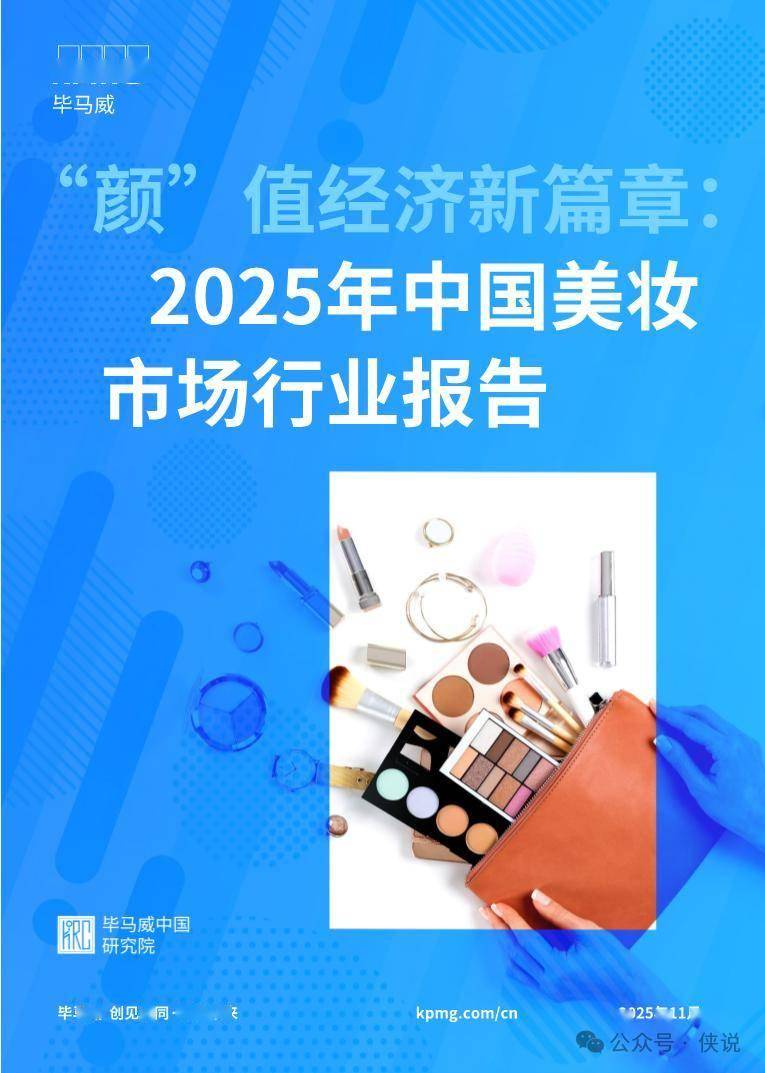
“颜”值经济新篇章:2025年中国美妆市场行业报告
Sou Hu Cai Jing· 2025-11-19 06:37
Core Viewpoint - The Chinese economy has shown resilient growth, with GDP reaching 101.5 trillion yuan and a year-on-year increase of 5.2%. The beauty industry, as a key component of the "aesthetic economy," is reshaping consumer patterns, reflecting a structural shift in consumption from material to emotional needs [1][8][18]. Group 1: Economic Context - The beauty industry is a significant driver of the "aesthetic economy," indicating a transition in consumer spending from material goods to experiences and emotional fulfillment [1][8]. - China's cosmetic retail sales have grown from 204.94 billion yuan in 2015 to an expected 435.65 billion yuan in 2024, with a compound annual growth rate of approximately 10.5% [1][18]. - The market has maintained a scale exceeding one trillion yuan for two consecutive years, solidifying its position as the largest cosmetic consumption market globally [1][42]. Group 2: Industry Development - The beauty industry has evolved through various phases, including market reactivation, foreign investment, and a channel revolution driven by e-commerce and content platforms [1][8]. - The "14th Five-Year Plan" has prioritized the cosmetics industry, with multiple regulatory and innovation support policies set to be implemented by 2025, promoting lifecycle management and core technology innovation [1][26]. Group 3: Consumer Trends - The retail performance of cosmetics has shown a mixed trend, with significant sales peaks during promotional events, but also a decline in consumer confidence reflected in a consumer confidence index of 87.9 in June [19][23]. - The market is experiencing a shift towards high-quality, cost-effective products, with consumers increasingly favoring products priced between 300 to 500 yuan [60][61]. Group 4: Regulatory Environment - The regulatory framework for the cosmetics industry is transitioning from traditional post-market oversight to a more comprehensive lifecycle management approach, enhancing safety and quality standards [26][30]. - New policies are being introduced to encourage innovation in raw materials and support the development of high-end domestic brands, reflecting a commitment to high-quality industry growth [29][30]. Group 5: Market Structure - The Chinese beauty market is characterized by a high entry and exit rate for brands, with a significant number of new entrants relying on marketing and social media for rapid growth [50][51]. - The market structure shows a concentration of companies in economically developed regions, particularly Guangdong, which houses the largest number of beauty enterprises [47][48].
逸仙电商四连涨!
Xin Lang Cai Jing· 2025-11-19 04:31
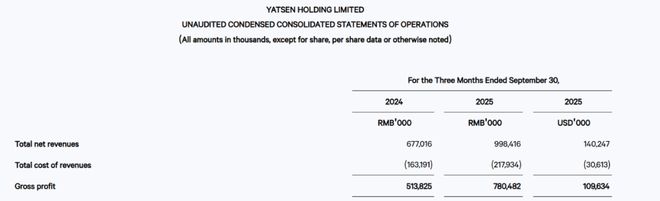
Core Viewpoint - Yatsen Holding Limited reported a significant recovery in its financial performance for the third quarter of 2025, with net revenue reaching RMB 998 million, a year-on-year increase of 47.5%, marking the fourth consecutive quarter of positive growth [1][4]. Financial Performance - The company achieved total net revenue of RMB 29.18 billion for the first three quarters of 2025, reflecting a 30.2% year-on-year growth, the best performance for the same period in nearly four years [1][4]. - Gross profit for the third quarter was RMB 780 million, up 51.9% year-on-year, with gross margin improving from 75.9% to 78.2% [1][2]. - Despite still facing losses, the net loss for the third quarter narrowed to RMB 70.4 million, a 41.9% reduction compared to the previous year [4][5]. Business Segments - The skincare segment has become the core growth driver, with net revenue reaching RMB 491 million, a remarkable increase of 83.2% year-on-year, and accounting for 49.2% of total net revenue [6][7]. - The color cosmetics segment also showed recovery, with a 25.2% year-on-year increase in net revenue, driven by flagship brand Perfect Diary's focus on core products [8]. Strategic Initiatives - The company has initiated a "second entrepreneurship" strategy, focusing on skincare as a key area for growth since the launch of its new five-year strategic transformation plan in April 2022 [6][9]. - Yatsen is enhancing operational efficiency, with operating expenses growing at a slower rate than revenue, leading to a reduction in the expense-to-revenue ratio from 96.8% to 86.5% [5][9]. Future Outlook - The company aims for total net revenue to reach between RMB 1.32 billion and RMB 1.49 billion in 2025, representing a year-on-year growth of 15% to 30% [10]. - Yatsen is preparing for the upcoming "Double Eleven" shopping festival, indicating confidence in its product lineup to drive fourth-quarter performance [9][10].

报告关注“颜值经济” 国货美妆持续突破
Zhong Guo Xin Wen Wang· 2025-11-19 01:16
中新网北京11月18日电 (记者 张素)"颜值经济"成为中国消费市场重要增长领域之一。近日发布的 一份关于美妆产业的报告称,国货品牌的成功不仅体现在销售数据,更体现在技术创新突破。 《"颜"值经济新篇章:2025年中国美妆市场行业报告》(下称《报告》)由毕马威发布,其中援引统 计数据称,2025年前三季度,社会消费品零售总额达到36.6万亿元(人民币,下同),同比增长4.5%,而 化妆品零售额达3288亿元,同比增长3.9%。 "当前,'颜值经济'已成为中国消费市场中最具成长性的板块之一。"毕马威中国客户及业务发展主 管合伙人江立勤说,美妆产业正步入集中度提升与模式重塑的关键阶段。 《报告》显示,2025年上半年,化妆品新原料备案数量达80个,国产原料占比高达82%。其中,抗 衰老成分在化妆品新原料备案中占据主导地位,本土特色植物成分备案频次较高,显示出本土植提原料 正逐步从概念走向技术落地,未来有望形成差异化竞争力。 《报告》注意到,消费者不再盲目追随大牌与营销,而是更加关注产品成分、安全性与实际功效。 与此同时,监管体系的完善为行业健康发展保驾护航。 "随着国货美妆品牌在品质、技术和创新方面的持续突破,其 ...
华西证券:双11美妆延续复苏态势 行业景气度有望继续回升
Mei Ri Jing Ji Xin Wen· 2025-11-19 00:51
Core Insights - The beauty sector during the Double 11 shopping festival has continued its recovery trend observed since the beginning of the year, with various platforms implementing measures to stabilize and boost the market [1] - Foreign brands have shown improvement this year, while domestic brands have also performed steadily, with leading brands maintaining their positions at the top of various rankings [1] - Domestic brands that possess core technology, ingredient backing, and highlight Eastern cultural characteristics, along with strong brand power, product quality, and operational capabilities, are expected to continue leading and stand out in the competitive landscape [1]

华西证券:双11美妆延续复苏态势,行业景气度有望继续回升
Xin Lang Cai Jing· 2025-11-19 00:30
Core Insights - The beauty sector during the Double 11 shopping festival continues to show recovery trends observed since the beginning of the year, with various platforms implementing measures to stabilize and boost the market [1] - Foreign brands have shown improvement this year, while domestic brands have also performed steadily, with leading brands maintaining top positions on major rankings [1] - Domestic brands that possess core technology, ingredient backing, and highlight Eastern cultural characteristics, along with strong brand power, product quality, and operational capabilities, are expected to continue leading and stand out in the competitive landscape [1]
Z世代的亲密关系,是21世纪的未解之谜
虎嗅APP· 2025-11-18 14:03
Core Insights - The article discusses the evolving relationship dynamics among Generation Z, highlighting their preference for short-term relationships and emotional connections over long-term commitments [5][10][11]. Group 1: Relationship Trends - Generation Z is experiencing a "situationship" crisis, characterized by ambiguous relationships that lack clear commitments [10][11]. - The popularity of short-term relationships is evident, with significant discussions on social media platforms, indicating a cultural shift towards casual dating [12][14]. - Various new terms have emerged to describe different types of relationships, reflecting the complexity of emotional connections among young people [14][21]. Group 2: Emotional Landscape - Generation Z exhibits high levels of loneliness, with a Cigna survey indicating an average loneliness score of 48.3, the highest among all generations [23]. - The generation's loneliness is exacerbated by the internet, which, while providing connectivity, also diminishes the quality of relationships [25][27]. - Despite their reliance on technology, 53% of childless Generation Z individuals express a desire to have children in the future, indicating a longing for deeper connections [28][29]. Group 3: Consumption Patterns - The consumption decisions of Generation Z are heavily influenced by their emotional needs, with a growing trend towards experiences that provide emotional satisfaction [34][52]. - The rise of virtual relationships and AI companions reflects a strong demand for emotional support, with 83% of Generation Z feeling they can form meaningful connections with AI [42]. - There is a notable shift towards experiential social activities, as young people seek authentic interactions beyond digital platforms [47]. Group 4: Brand Engagement - Brands are increasingly focusing on emotional resonance with Generation Z, as 67% believe brands should reflect their modern relationship experiences [62]. - Successful brands, like Hinge, have capitalized on the complexities of Generation Z's relationship dynamics, achieving significant revenue growth by aligning with their values [63]. - The emphasis on emotional value in consumption is reshaping brand strategies, with a focus on creating meaningful connections with consumers [66].

双11第17年,为什么说自然堂是大促破局的“最优解”?
FBeauty未来迹· 2025-11-18 12:43
Core Viewpoint - The article discusses how the competitive landscape of the Double Eleven shopping festival has evolved from a focus on short-term traffic acquisition to a long-term strategy centered on brand trust and consumer loyalty, exemplified by the Chinese beauty brand Chando's innovative approach during this year's event [4][5][22]. Group 1: Chando's Strategy - Chando implemented a significant "1 billion RMB subsidy" strategy, moving away from price wars to focus on brand value and consumer trust [4][6][13]. - The brand's approach included a comprehensive marketing strategy that combined subsidies, celebrity endorsements, and extensive outreach to maximize consumer engagement [7][14]. - Chando's subsidy initiative was designed to create a perception of sincerity and inclusivity, effectively countering consumer fatigue from traditional promotional tactics [7][10]. Group 2: Market Trends - The article highlights a shift in consumer behavior, with 51.27% of users motivated by the price of essential goods, while impulsive buying driven by promotional atmospheres has decreased to 24.94% [12]. - Consumers are increasingly focused on quality-price ratios, indicating a demand for high-value products rather than mere discounts [12][13]. Group 3: Execution and Impact - Chando's marketing matrix included a multi-channel approach, ensuring that the "1 billion subsidy" was effectively communicated across all platforms, enhancing user experience and brand perception [15][21]. - The brand's collaboration with global ambassador Gong Jun significantly boosted visibility and consumer trust, leading to impressive engagement metrics during the campaign [16][17]. - Chando achieved remarkable sales growth during Double Eleven, with offline sales increasing by over 50% and online sales seeing a growth of over 30% in key categories [25]. Group 4: Long-term Considerations - The article emphasizes the importance of continuous product innovation, customer service, and compelling brand narratives to convert new customers into loyal ones post-promotion [27]. - Chando's success during Double Eleven is seen as a case study for navigating the challenges of promotional sameness in the market, focusing on value commitment and brand trust [22][27].

年内两次投资本土品牌,欧莱雅意欲何为
Bei Jing Shang Bao· 2025-11-18 11:40
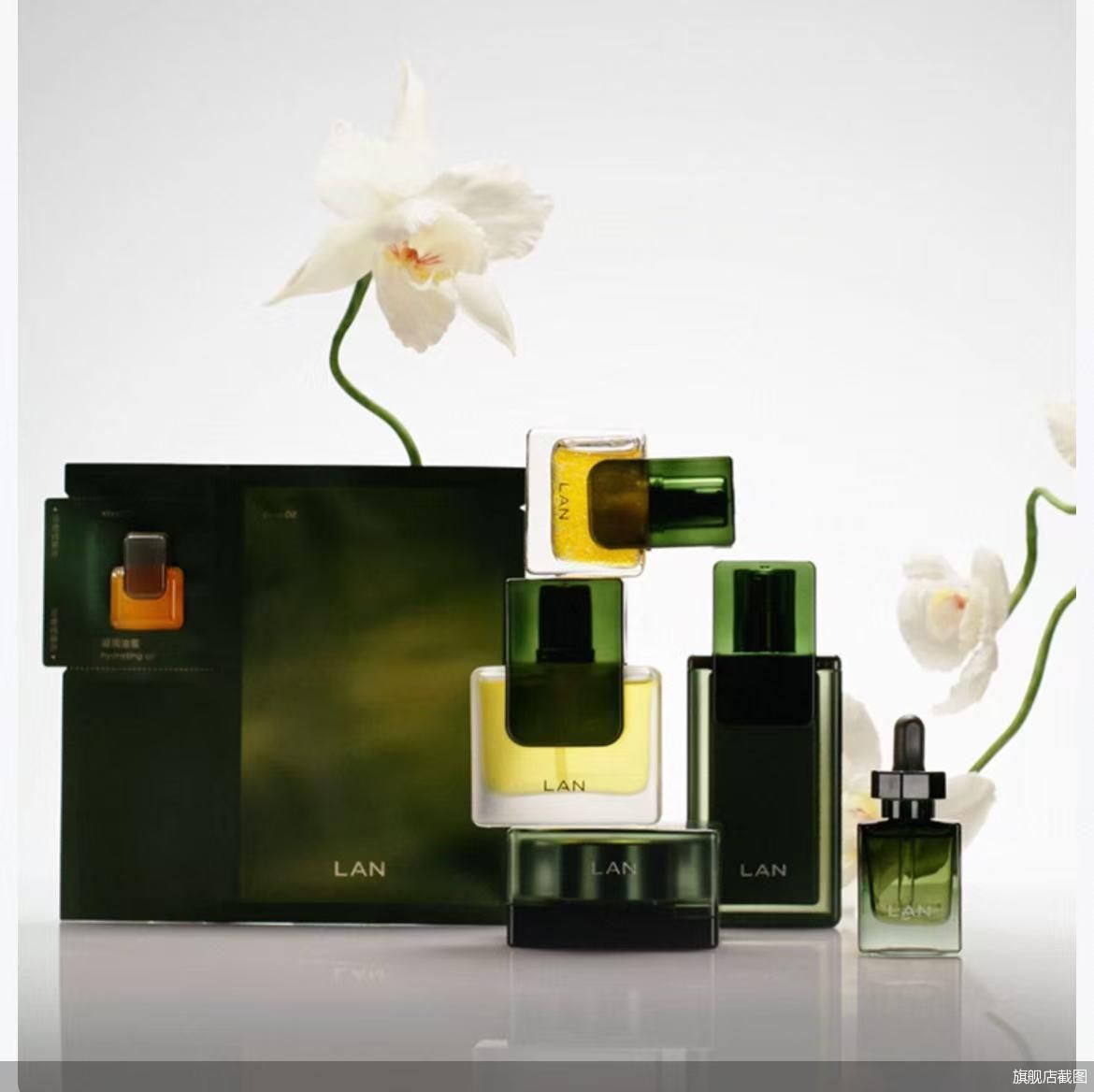
Core Insights - L'Oréal has announced a minority stake investment in the Chinese skincare brand "LAN" through its investment company, Shanghai Meici Fang, although the exact shareholding ratio and investment amount have not been disclosed [2] - "LAN" is a domestic skincare brand established in 2019, known for its unique "oil-based skincare" approach, and has shown rapid growth with significant revenue achievements [2][3] Investment Strategy - Since its establishment, Meici Fang has completed multiple investments in Chinese beauty brands, focusing on beauty technology and high-end fragrance sectors [3] - L'Oréal has also invested in other local brands, such as Naturals, where it invested €4.42 million for a 6.67% stake prior to the brand's IPO [3] Market Performance - L'Oréal's sales for the first three quarters of the year reached €32.8 billion, reflecting a growth of approximately 1.2%, which is a slowdown compared to the previous year's 6% growth [4] - The North Asia market has seen a decline in sales, with a 1.1% drop year-on-year for the first three quarters, indicating a need for new growth avenues [4]
冯卫东:我们投的鲍师傅,找到了不依赖上市的盈利方式
创业家· 2025-11-18 10:27
Core Viewpoint - The article emphasizes the long-term value of consumer investment despite recent challenges, advocating for a strategic shift towards non-IPO exit strategies in investment practices [1][3][7]. Investment Strategy Adjustments - The company has expanded its investment focus to include sectors like biomedicine and low-altitude economy, categorizing consumer investments into technology and non-technology segments [1]. - Acknowledging the lengthy IPO process, the company is exploring alternative exit strategies, as the current IPO pipeline is insufficient to accommodate the number of viable projects [1][2]. Non-IPO Exit Strategies - **Merger and Acquisition (M&A) Fund**: This strategy targets diversified groups selling business units, "first-generation" entrepreneurs selling companies to ensure continuity, and serial entrepreneurs who prefer to sell during early growth stages [4]. - **Industry Integration Fund**: Collaborations with industry leaders and local governments to create investment funds, such as partnerships with listed companies like Ziyan Food and L'Oréal for early-stage beauty and related industries [5]. - **Dividend Strategy**: The establishment of a SPAC product in Macau, focusing on revenue-sharing models, allows for investment in profitable businesses without collateral, facilitating cash flow through dividends [6][10]. Market Outlook - The strategic adjustments have opened new investment opportunities that were previously overlooked due to the IPO-centric approach, enhancing the potential for high returns [9][13]. - The company believes that the shift in transaction structures will become a consensus in the industry, with new strategies already showing promise [13].