快餐

Search documents
赛百味中国CEO朱富强:开启在华万家扩张新征程
Xin Hua Cai Jing· 2025-08-08 13:36
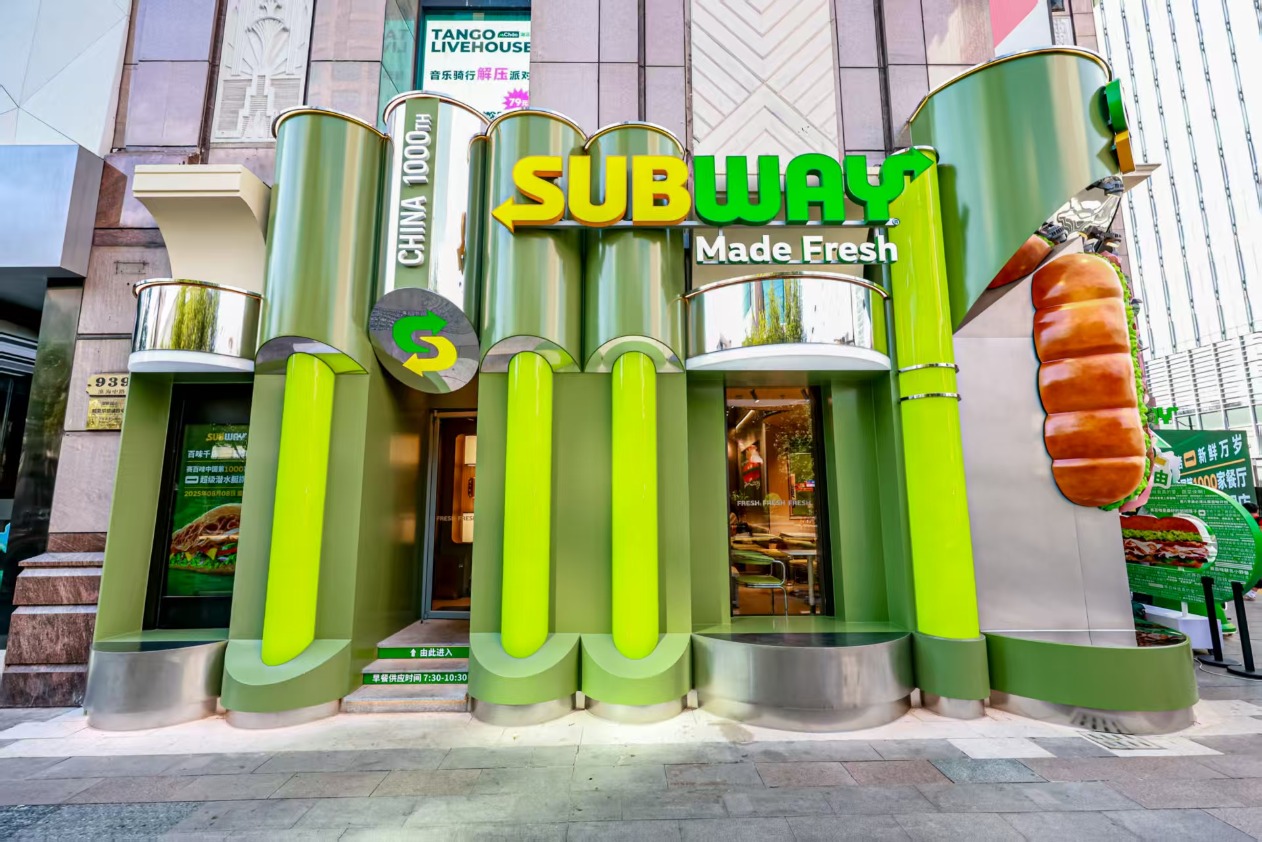
新华财经上海8月8日电(记者王淑娟)8日,赛百味在中国的第1000家门店——"超级潜水艇"旗舰店在上海的标志性商业街淮海中路开业。这不仅彰显赛百 味深耕中国市场的决心,也见证赛百味中国的强劲发展势头。 赛百味中国CEO朱富强日前接受记者专访。他表示,现在是赛百味在中国发展的最好时机,赛百味将以千家门店为起点,坚定在中国市场长期发展的信心, 加快开店步伐,2025年赛百味在中国开店数将超过300家,门店总数将超过1100家。 产品作为西式快餐的核心竞争力,同样是此次升级的重点。朱富强透露,经过多次菜单优化,赛百味中国推出的现磨咖啡与早餐套餐目前效果不错,早餐营 业额占比从原来的不到4%增长至超过20%,客流量增长超过30%。 值得注意的是,全新的赛百味中国目前选择以直营模式替代加盟模式进行扩张。朱富强表示,虽然这属于重资产投资,但能更好地控制产品品质与服务标 准,目标是20年内在中国区实现万家门店的规模。 他强调,赛百味中国的核心产品理念始终围绕"新鲜健康"展开。客单价控制在20至50元之间,面向大众日常饮食需求,强调产品价值感而非单纯低价。新鲜 健康体现在很多细节,例如面包每日现场发酵、现场烘烤,区别于其他品 ...

百胜中国8月7日合共回购约8.74万股股份
Zhi Tong Cai Jing· 2025-08-08 11:38
百胜中国(09987)公布,2025年8月7日于港交所耗资约626.79万港元回购1.75万股股份,于纽约证券交易 所耗资约320万美元回购69,855股股份。 ...
保持开店“加速度”,赛百味中国地区门店达到1000家
Bei Ke Cai Jing· 2025-08-08 08:12
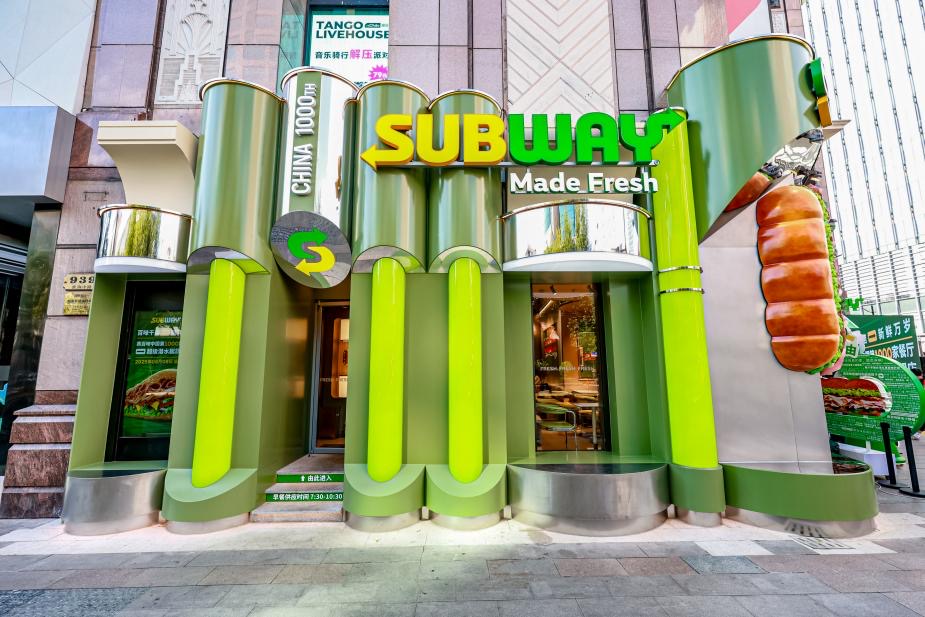
Group 1 - Subway opened its 1000th store in China, a "Super Submarine Flagship Store" located in Shanghai, with plans to exceed 300 new stores by 2025, bringing the total to over 1100 stores [1][3] - The flagship store features innovative design elements, including a 2.5-meter high suspended sandwich installation and over 10 mini submarine models, aiming to attract trendy consumers [1] - The new franchise agreement with Fuyushi aims to accelerate Subway's growth in China, with nearly 500 new stores opened in just over two years [3] Group 2 - The fast-food market in China is experiencing significant expansion, with competitors like Domino's, McDonald's, and Yum China also planning aggressive store openings [4] - Domino's opened 240 new stores last year and plans to add 300 this year, while McDonald's maintains a pace of adding 1000 stores annually [4] - Starbucks has reached a total of 7758 stores in China, with over 1100 located in Shanghai alone as of Q2 2025 [4]
赛百味中国第1000家门店暨“超级潜水艇旗舰店”落子上海
Jing Ji Guan Cha Wang· 2025-08-08 06:43
Group 1 - Subway has officially opened its 1000th store in China, marking a significant milestone in its expansion within the region [1] - The new flagship store features innovative design elements inspired by the brand's iconic "Submarine Sandwich," creating a unique dining atmosphere [1] - Subway's Asia-Pacific President emphasized that this milestone represents a new starting point for accelerated growth in China [1] Group 2 - This year marks the 60th anniversary of the Subway brand, which was founded in 1965 in Connecticut, USA [2] - The company focuses on fresh ingredients and a transparent kitchen concept, aligning with the evolving consumer preferences towards healthier and fresher food options in China [2] - Subway plans to open over 300 new stores in China by 2025, bringing the total number of locations to over 1100, reflecting confidence in the long-term growth potential of the Chinese market [2]
赛百味中国第1000家门店暨“超级潜水艇旗舰店”落子上海淮海中路
Zheng Quan Ri Bao Wang· 2025-08-08 06:12
Core Insights - Subway has opened its 1000th store in China, marking a significant milestone in its expansion strategy in the region [1][3] - The new flagship store, located on Shanghai's Huaihai Road, features innovative design elements aimed at attracting a younger demographic and enhancing the brand's image [2][3] - The company aims to accelerate its growth in China, with plans to exceed 1100 stores by 2025, reflecting confidence in the Chinese market's potential [3] Group 1 - The opening of the 1000th store is described as a new starting point for Subway's expansion in China [1] - The flagship store incorporates unique design features, including a 2.5-meter high sandwich installation and a futuristic dining atmosphere [1][2] - Subway's CEO emphasizes the importance of fresh and healthy food options, aligning with changing consumer preferences in China [2] Group 2 - Subway has experienced rapid growth in China, with nearly 500 stores opened in just over two years under a new franchise agreement [3] - The company has witnessed a shift in consumer behavior towards fresh and healthy eating, which aligns with its core values [2][3] - By 2025, Subway plans to open over 300 new stores in China, indicating a strong commitment to long-term growth in the market [3]
77年都不用冰箱、微波炉!这个快餐品牌年收超151亿元,单店客流是麦当劳近4倍
首席商业评论· 2025-08-08 04:10
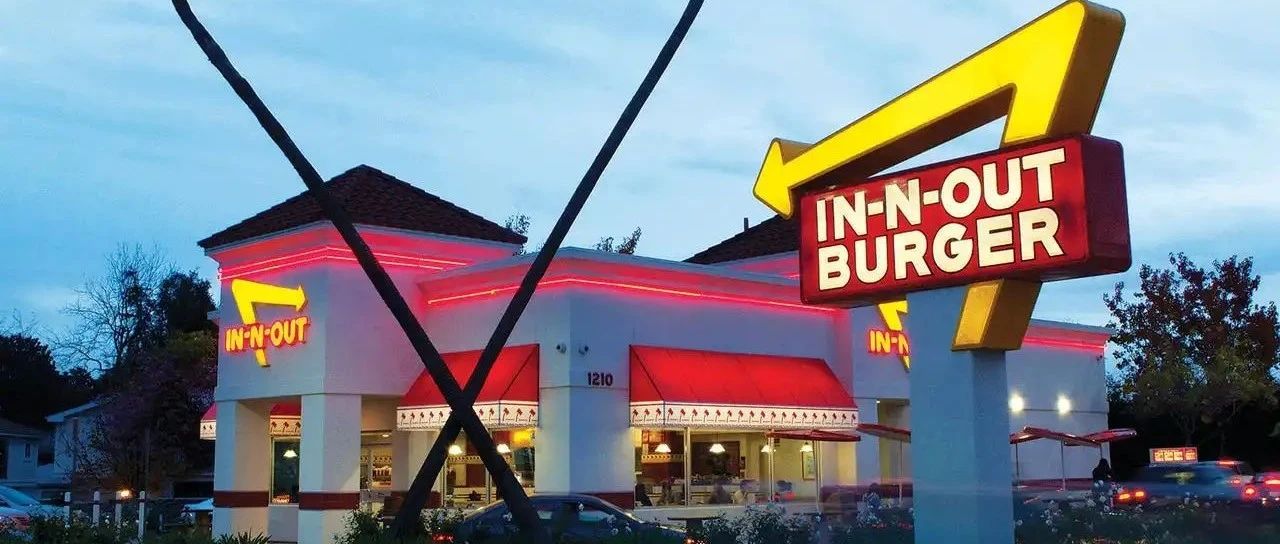
Core Viewpoint - In-N-Out has established a unique position in the fast-food industry by maintaining a commitment to quality, fresh ingredients, and a simplified menu, while resisting pressures to expand rapidly or compromise on its values [4][10][50]. Group 1: Business Model and Strategy - In-N-Out is a family-owned business that refuses to franchise or go public, prioritizing its independence over financial offers [4][19]. - The company has a limited menu with fewer than 15 items, focusing on three main burgers, fries, and shakes, which has contributed to its brand identity and operational efficiency [8][10]. - In-N-Out's average store sales were reported to be nearly double that of McDonald's in 2018, with an estimated profit margin of 20%, surpassing competitors like Shake Shack and Chipotle [10][13]. Group 2: Supply Chain and Quality Control - The company emphasizes a vertical supply chain, sourcing fresh ingredients locally and maintaining control over every aspect of production, from meat processing to distribution [24][27]. - In-N-Out has established its own meat processing facilities and delivery fleet to ensure the freshness of its products, avoiding frozen ingredients entirely [30][32]. - The pricing strategy has allowed In-N-Out to keep its burger prices lower than competitors, with only a 25% increase since 2020, the lowest among nine burger chains studied [34][36]. Group 3: Brand Identity and Customer Loyalty - In-N-Out aims to be a beloved brand rather than the largest fast-food chain, fostering a unique identity that resonates with customers [37][48]. - The brand has cultivated a loyal customer base, evidenced by long lines during new store openings and its presence at high-profile events like the Oscars [38][39]. - Employee satisfaction is prioritized, with higher-than-average salaries and a dedicated training program, contributing to lower turnover rates and better customer service [43][45]. Group 4: Challenges and Future Outlook - Despite its success, In-N-Out faces challenges in a competitive market, including concerns about its ability to adapt to changing consumer preferences and the implications of its slow expansion strategy [50]. - The company has announced plans to open a new office in Tennessee, although it reassured that it will not relocate its headquarters from California [19][20].
解决价格争议成关键 大摩维持麦当劳(MCD.US)“持股观望”评级
Jin Rong Jie· 2025-08-08 03:57
Core Viewpoint - Morgan Stanley maintains a "hold" rating on McDonald's (MCD.US) with a target price of $326, indicating that the company's Q2 performance was largely in line with expectations, with most metrics exceeding market consensus, particularly in international markets [1][2] Financial Performance - Q2 revenue increased by 5% year-over-year to $6.84 billion, surpassing analyst expectations of approximately $6.7 billion [1] - Excluding certain special items, Q2 earnings per share (EPS) were $3.19, higher than the average analyst estimate of $3.14 [1] - Global same-store sales rose by 3.8% year-over-year, exceeding analyst expectations, with the U.S. market showing a same-store sales increase of 2.5%, reversing a 0.7% decline from the previous year [1][2] Market Dynamics - The international market was highlighted as the biggest growth driver, while the U.S. market's performance was deemed to be in line with expectations, showing improvement in a currently weak quick-service restaurant (QSR) environment [1][2] - The company is regaining market share through a "value for money" strategy, which aligns with its long-standing expectations [2] U.S. Market Challenges - The earnings call indicated that there is still room for improvement in the U.S. market, particularly regarding core menu pricing, which remains a pain point for some consumers [3] - The company may need to take more proactive measures to enhance the perception of "value for money" and potentially adjust pricing strategies to demonstrate long-term benefits to franchisees [3]

肯优麦瑞蜜组合席卷全国商场,成商业地产新宠
Sou Hu Cai Jing· 2025-08-08 03:56
Core Insights - The emergence of the "KFC-UNIQLO-McDonald's-Luckin-Coffee-MiXueBingCheng" brand matrix reflects a significant shift in China's consumer market and commercial real estate strategies, showcasing the competitive strength of these brands in attracting consumers [4][6][15] Group 1: Brand Matrix and Consumer Behavior - The "KFC-UNIQLO-McDonald's-Luckin-Coffee-MiXueBingCheng" combination serves as a powerful marketing tool, enhancing the competitive appeal of shopping centers [4][6] - This brand alliance highlights the complementary nature of these businesses, covering various high-frequency consumption scenarios, thus meeting diverse consumer needs [6][7] - The collective presence of these brands leads to a significant increase in foot traffic, with shopping centers featuring the full brand matrix experiencing 15%-20% higher daily foot traffic and up to 30% on weekends compared to those lacking any of the brands [6][14] Group 2: Financial Performance and Market Position - KFC's parent company, Yum China, reported a 4% year-on-year increase in total system sales for Q2 2025, with operating profit rising 14% to $304 million, marking a historical high for the quarter [8][10] - In contrast, McDonald's faced challenges globally, with a 3% decline in net profit to $1.87 billion in Q1 2025, although its Chinese operations remained stable [10] - UNIQLO's parent company, Fast Retailing, saw a 10.6% increase in total revenue for the first three quarters of 2025, but reported a 5% decline in revenue in mainland China for Q3 2025 [11] Group 3: Market Trends and Future Outlook - The "KFC-UNIQLO-McDonald's-Luckin-Coffee-MiXueBingCheng" phenomenon illustrates a trend towards brand familiarity and trust in an uncertain economic environment, with consumers gravitating towards established brands [7][15] - The brands represent different market segments, with KFC and McDonald's dominating the mid-range fast food market, UNIQLO leading in affordable apparel, and Luckin and MiXueBingCheng capturing the mid-range and mass beverage markets [7][11] - Future challenges include KFC's need to adapt to health-conscious consumer trends, UNIQLO's competition from local fast fashion brands, and McDonald's requirement to innovate in the Chinese market [14][15]



一个汉堡,卖出10亿美元身家
创业邦· 2025-08-07 10:22
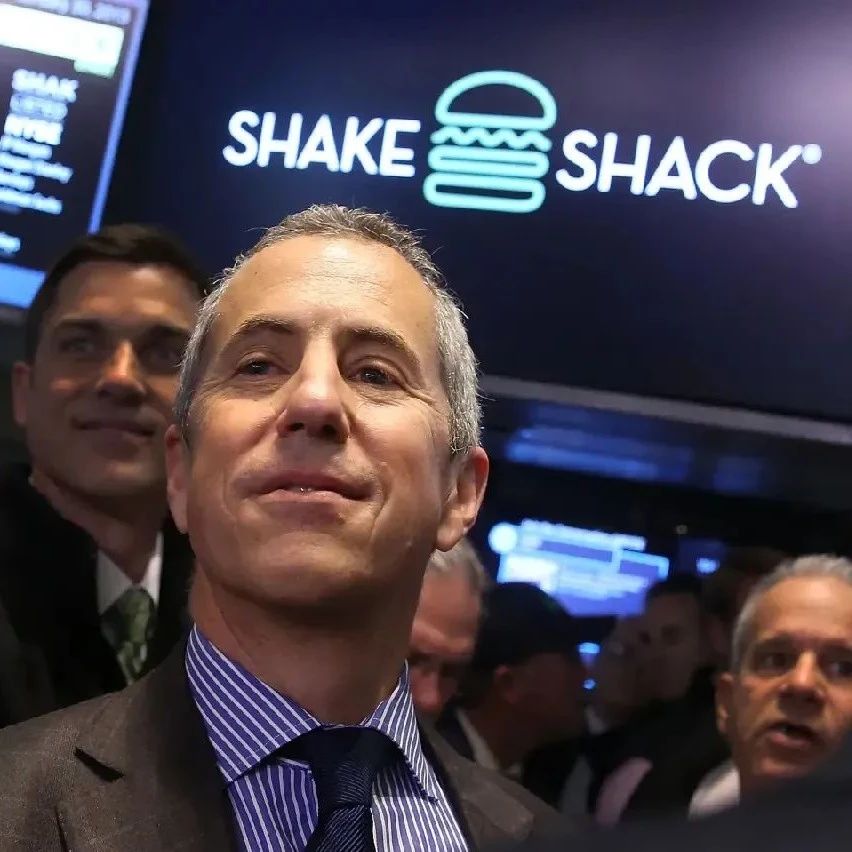
Core Insights - Danny Meyer, the founder of Shake Shack, has transitioned from high-end dining to the fast-food industry, becoming a billionaire primarily due to the success of Shake Shack [8][10][21] - Shake Shack currently operates 585 locations and generates annual revenue of $1.3 billion, marking a 15% increase from the previous year [8][18] - The stock price of Shake Shack has surged by 73% over the past year, contributing significantly to Meyer's wealth, which is estimated to be at least $1 billion [8][10] Company Overview - Shake Shack was born from a hot dog stand Meyer opened in 2001 to raise funds for Madison Square Park, which later evolved into a successful burger chain [7][15] - The company went public in 2015 with 66 locations and has since expanded to approximately 380 company-owned stores and 210 franchised locations globally [17][18] - The long-term goal for Shake Shack is to expand its company-owned locations to 1,500 [18] Financial Performance - Shake Shack's revenue reached $1.3 billion, reflecting a 15% growth compared to the previous year [18] - Meyer initially held over 20% of Shake Shack's shares at the time of its IPO but has since reduced his stake to about 4% through regular stock sales [20] Investment and Business Strategy - Meyer has diversified his investments through Enlightened Hospitality Investments, focusing on various food and beverage businesses, including early investments in Joe Coffee and Resy [20] - The brand is positioned as a "fine casual" chain, offering higher quality burgers compared to competitors [20] Personal Background - Danny Meyer started his restaurant career with Union Square Cafe in 1985, which became a landmark in Manhattan [12][14] - His journey reflects a blend of high-end dining experience and a passion for creating welcoming atmospheres in restaurants [21]
10万娶越南新娘的“驸马爷”,靠炸鸡掘金越南
Hu Xiu· 2025-08-07 08:33
Group 1 - The article discusses the entrepreneurial journey of Mei Chuming, who transitioned from the restaurant industry in China to establishing a fried chicken brand in Vietnam, capitalizing on the local market's potential [1][3][12] - Mei's business model focuses on leveraging the low chain rate in Vietnam's restaurant industry, which stands at only 4%, compared to over 20% in China, indicating significant growth potential [9][10][11] - The Vietnamese market is experiencing a consumption upgrade, with a population exceeding 100 million and a projected GDP per capita of $4,700 in 2024, suggesting a burgeoning middle class [7][10] Group 2 - The article highlights the importance of understanding local consumer behavior and preferences, emphasizing that successful brands must align with consumer perceptions rather than solely relying on their established reputation [12][13] - Mei's strategy involves selecting proven market segments, such as fried chicken, which already has established demand in Vietnam, as evidenced by the presence of international brands like KFC and McDonald's [15] - The article outlines the dual strategies in the Vietnamese restaurant market: "mass market" targeting budget-conscious consumers and "premium" offerings for higher-income groups [18][17] Group 3 - The article notes that the current state of Vietnam's offline dining industry is comparable to China's around 2012, with online food delivery still in its early stages, similar to China's 2019 market [32][34] - Three main food delivery platforms in Vietnam are identified: Grab, ShopeeFood, and Be, each catering to different consumer segments and price points [35][36] - Marketing strategies in Vietnam heavily rely on social media platforms like Facebook, which serves as a primary channel for brand exposure and consumer engagement [39][40] Group 4 - The article discusses the challenges of hiring full-time staff in Vietnam, leading to a flexible employment model where one full-time employee is supported by six part-time workers [45] - It emphasizes the need for companies to adapt to local labor laws and cultural expectations, including maintaining good relationships with local authorities to mitigate hidden costs associated with business operations [51][52] - The article concludes with a reminder that successful entrepreneurship in Vietnam requires a deep understanding of local customs and consumer behavior, urging businesses to adapt rather than impose their practices [50]