数字能源

Search documents
华塑科技等成立数字能源技术公司,含AI及机器人业务
Qi Cha Cha· 2025-11-27 03:00
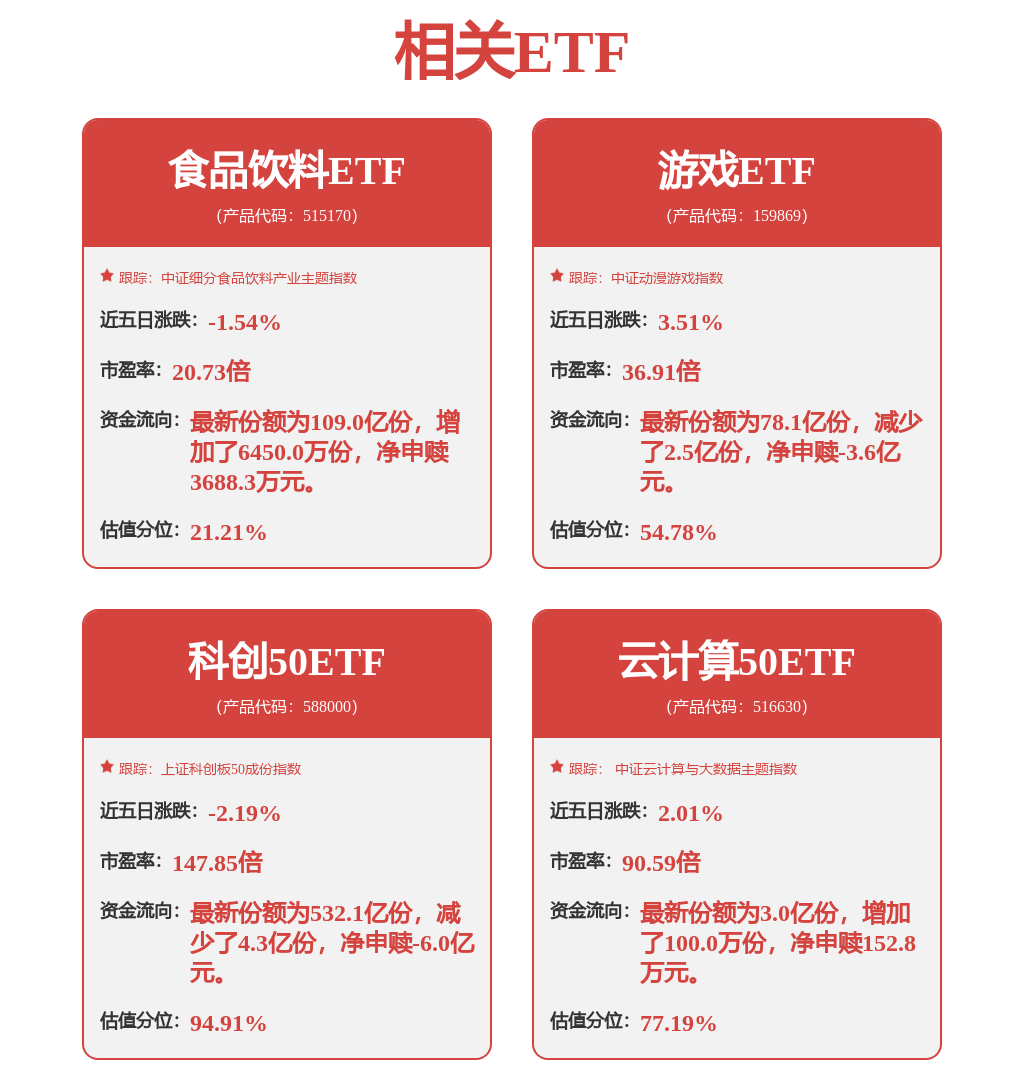
Group 1 - Huzhou Huashu Digital Energy Technology Co., Ltd. has been established, focusing on the development and sales of intelligent robots, AI application software development, and integrated circuit chip manufacturing [1] - The company is wholly owned by Huashu Technology (301157) through indirect shareholding [1] Group 2 - Food and Beverage ETF (Product Code: 515170) tracks the China Securities Food and Beverage Industry Theme Index, with a recent five-day decline of 1.54% and a P/E ratio of 20.73 times [3] - Gaming ETF (Product Code: 159869) tracks the China Securities Animation and Gaming Index, showing a five-day increase of 3.51% with a P/E ratio of 36.91 times [3] - Sci-Tech 50 ETF (Product Code: 588000) tracks the Shanghai Stock Exchange Sci-Tech 50 Index, with a five-day decline of 2.19% and a high P/E ratio of 147.85 times [4] - Cloud Computing 50 ETF (Product Code: 516630) tracks the China Securities Cloud Computing and Big Data Theme Index, with a five-day increase of 2.01% and a P/E ratio of 90.59 times [4]


投资约2亿元 这座“虚拟电厂”落地四川天府新区
Sou Hu Cai Jing· 2025-11-25 06:56
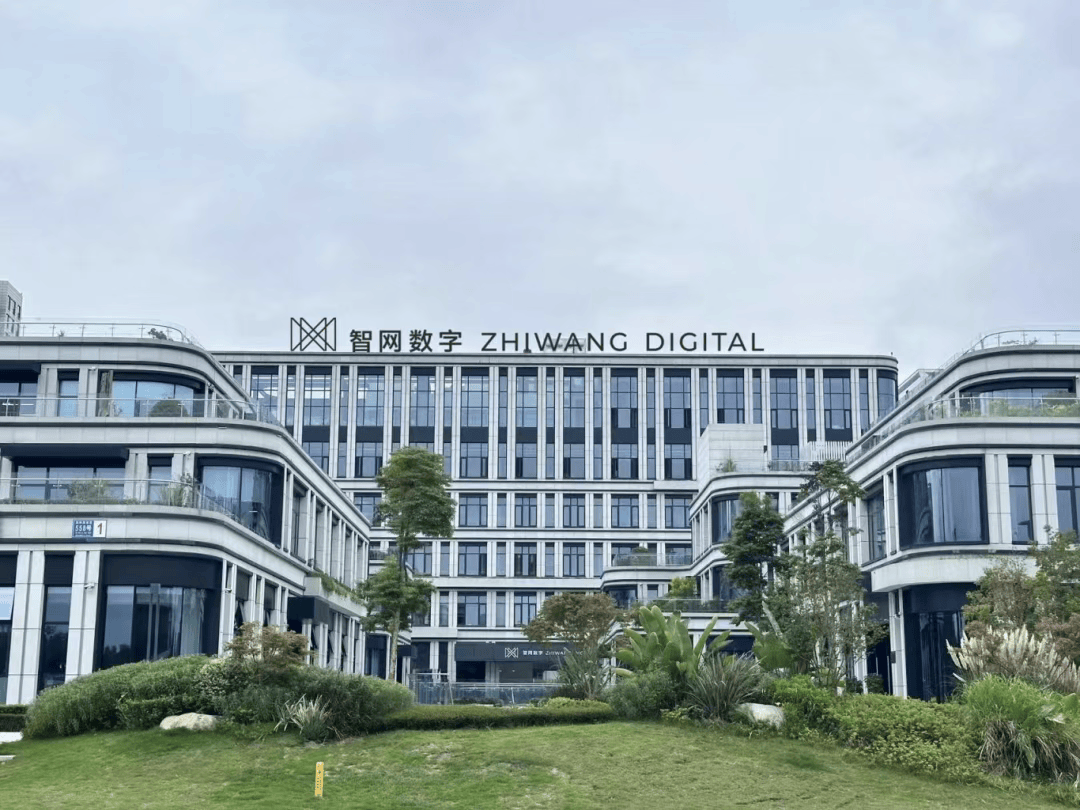
Core Insights - Sichuan Chuaneng Smart Network Co., Ltd. has officially launched its virtual power plant and integrated wind-solar-storage digital platform project in Tianfu New Area [1][3] - The project represents a total investment of approximately 200 million yuan and aims to establish five core functional centers [3] Company Overview - Chuaneng Smart Network, a state-controlled enterprise formed by China Three Gorges Group, Sichuan Energy Development Group, and Chengdu Tian Investment Group, has grown into a national high-tech enterprise since its establishment in 2016 [1] - The company has achieved a market-based electricity trading volume exceeding 30 billion kilowatt-hours annually and serves over 10,000 enterprises, solidifying its position in the digital energy sector [1] Project Details - The project will focus on five key functional centers: product display center, AI scheduling center for urban virtual power plants, AI management center for energy efficiency services for SMEs, AI center for energy financial services, and an innovation research and development center [3] - The core of the project relies on self-developed algorithms for the energy sector, integrating "Internet + IoT + virtual power plant" technologies to provide a one-stop solution for the virtualization and intelligent management of electricity resources [3] Strategic Importance - The platform aims to aggregate demand-side resources from industrial, commercial, and public utility sectors, transforming dormant resources like distributed energy, flexible loads, and storage facilities into "digital energy assets" with system regulation capabilities [3] - The company emphasizes that its roots in Tianfu New Area align with the strategic positioning and development capabilities of the national-level new area, benefiting from favorable industrial policies and a strong cluster effect of internet and technology enterprises [3]
打造五大核心功能 绿色新能源项目落地四川天府新区
Sou Hu Cai Jing· 2025-11-25 03:12
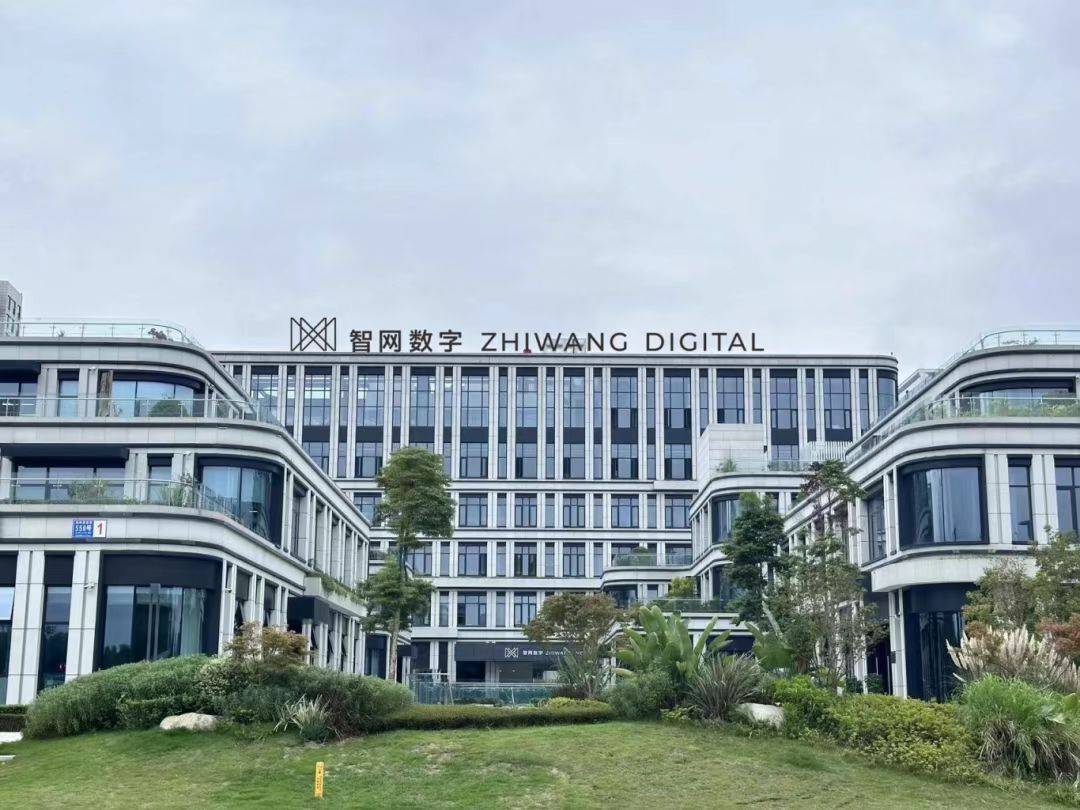
Core Insights - Sichuan Chuaneng Smart Grid Co., Ltd. has officially launched its virtual power plant and integrated wind-solar-storage digital platform project in Tianfu New Area, with a total investment of approximately 200 million yuan [2] - The project aims to enhance the development of the new energy industry and park city construction in Tianfu New Area by establishing five core functional centers [2] Group 1 - The project will focus on five core functional centers: product display center, AI scheduling center for urban virtual power plants, AI management center for energy efficiency services for SMEs, AI center for energy financial services, and innovation research center [2] - The company, established in 2016, has become a national high-tech enterprise and a "little giant" enterprise recognized for its specialization and innovation, with over 30 billion kilowatt-hours of market-oriented electricity trading annually and services provided to over 10,000 enterprises [2][3] Group 2 - The core of the project relies on self-developed energy industry algorithms, integrating "Internet + IoT + virtual power plant" technologies to provide a one-stop solution for the virtualization and intelligent management of electric resources [3] - The platform aims to convert dormant resources such as distributed energy, flexible loads, and storage facilities into "digital energy assets" with system regulation capabilities, participating in electricity market transactions and grid operations [3] - The innovative model has been successfully implemented in several regions in Southwest China, addressing urban energy digital management challenges and enabling public utility units to reduce electricity prices, energy consumption, and management costs [3]
【行业深度】一文洞察2026年中国数字能源行业发展前景及投资趋势研究报告
Sou Hu Cai Jing· 2025-11-24 02:13
Core Insights - The Chinese digital energy industry is experiencing rapid expansion and technological deepening, with a projected market size of approximately 93.4 billion yuan in 2024, representing a year-on-year growth of 13.21% [2] - The integration of digital technologies such as AI, IoT, and blockchain is enhancing the efficiency of the entire energy production, transmission, and consumption chain, supporting the achievement of carbon neutrality goals [2][3] - Future developments in digital energy will focus on smarter, greener, and more integrated solutions, contributing to energy security and the global energy transition [2] Industry Overview - Digital energy is a product of the deep integration of digital technologies like IoT, big data, and AI with the energy sector, aiming to enhance energy efficiency and reduce carbon emissions, thereby supporting the dual carbon goals of peak carbon emissions by 2030 and carbon neutrality by 2060 [3] Relevant Policies - The Chinese digital energy sector is accelerating its development under national and local policy support, with significant technological innovations and emerging business models [5] - By 2027, the integration of energy and AI is expected to be established, with significant breakthroughs in core technologies and broader applications anticipated by 2030 [5][7] Industry Value Chain - The upstream of the digital energy industry includes traditional and renewable energy resources, as well as equipment like solar panels, wind turbines, and energy storage batteries [8] - The midstream focuses on the integration of digital energy technologies and platforms, while the downstream encompasses smart generation, smart grids, and intelligent energy management [8] Digital Energy Upgrade Areas - The digital energy upgrade revolves around six key areas: smart generation, smart grids, smart energy markets, smart storage, smart management, and smart consumption, all aimed at facilitating a low-carbon transformation of the energy sector [10]
无锡发布“能碳未来”超级场景
Xin Hua Ri Bao· 2025-11-15 20:06
Core Insights - Wuxi has launched its third city-level super scene, "Infinite Wuxi, Carbon Future," focusing on green transformation, technological empowerment, and systematic carbon reduction [1][2] - The city has facilitated cooperation on 80 city-level super scene projects, with a total cooperation amount exceeding 4 billion yuan [1] - The initiative integrates advanced photovoltaic technology, new energy storage, zero-carbon parks, and near-zero carbon renovations across 15 independent scene directions [1] Group 1 - The "Infinite Wuxi, Carbon Future" super scene aims to explore urban green development practices through energy structure optimization, industrial green upgrades, and low-carbon lifestyle transitions [1] - Over 150 companies participated in the event, showcasing their green innovation capabilities and facilitating precise matching of low-carbon innovation demands with technological supply [1] - Wuxi has initiated a financial service model called "scene loan," with the first batch of signed agreements totaling 150 million yuan [2] Group 2 - Wuxi has opened 85 scene opportunities and 192 scene capabilities, conducting over 100 supply-demand matching activities throughout the year [2] - The city aims to create a first-class ecosystem driven by innovation and scene application, positioning itself as a benchmark city for scene innovation in the country [2] - Future plans include aligning with national and provincial policies to deepen scene application and foster a collaborative carbon reduction system [2]
出口信用保险护航江苏企业绿色出海
Zhong Guo Jin Rong Xin Xi Wang· 2025-11-12 12:37
Core Viewpoint - The article highlights the role of China Export & Credit Insurance Corporation (Sinosure) in supporting green finance initiatives, particularly in Jiangsu province, to enhance the competitiveness of local enterprises in international markets through various insurance products and financing solutions [1][2][3][4]. Group 1: Green Finance Initiatives - Sinosure has been actively involved in supporting green energy projects since the issuance of the 2016 guidelines on building a green financial system, expanding its coverage to energy conservation, green transportation, and other sectors [1][2]. - In 2023, Sinosure Jiangsu branch supported green trade and project insurance amounting to $42.77 billion, showcasing its commitment to enhancing the competitiveness of Jiangsu's green industry overseas [2][3]. Group 2: Project Financing Solutions - Sinosure provided a comprehensive financing insurance solution for the construction of a waste-to-energy plant in Hanoi, helping secure approximately $200 million in financing, significantly lower than other financing methods [3][4]. - The company has developed tailored insurance policies for various projects, including overseas investment insurance and specific contract insurance, to facilitate smooth project execution and mitigate financial risks [2][3]. Group 3: Risk Management and Support - Sinosure has established a dynamic assessment system to address the complex risks associated with green projects, offering customized credit evaluations and industry risk analyses to help enterprises manage overseas risks effectively [3][4]. - The company aims to play a pivotal role in promoting high-quality green development by continuously increasing support for the green industry and leveraging its policy-oriented functions [4].
前三季度,全市高技术制造业增加值同比增长8.3%
Nan Jing Ri Bao· 2025-11-06 03:21
Group 1: Aerospace and Technology - The successful launch of the Shenzhou 21 manned spacecraft was supported by various sensor and monitoring systems developed by Nanjing Gaohua Technology Co., Ltd, ensuring the mission's success [1][2] - Gaohua Technology has a strong presence in aerospace, having participated in key projects such as manned spaceflight, lunar exploration, and the BeiDou project, showcasing its technological capabilities [2][3] - The aerospace industry in Nanjing is a key focus area, with policies aimed at creating a nationally influential aerospace research and manufacturing hub, leading to significant growth in high-tech manufacturing [3] Group 2: Medical Equipment - Nanjing Puhui Medical Equipment Co., Ltd has become the second-largest supplier of medical X-ray imaging systems in China, with a strong market presence in mobile C-arms [4] - The company recently received FDA approval for its large flat-panel C-arm product, marking a significant step in its global expansion strategy [4] Group 3: Internet and Modern Services - The rise of internet platforms in Nanjing is enhancing the modern service industry, with companies like Huitongda Network leveraging AI to improve retail operations for small businesses [5][6] - China Manufacturing Network, a core platform under Focus Technology, has seen significant growth, with a 35% increase in site traffic and a strong presence in emerging markets [6] Group 4: Innovation and Industry Development - Nanjing is fostering a modern industrial system through innovation, with companies like Tianchuang Intelligent Technology showcasing advanced robotics at international expos [8] - The city is also focusing on high-end manufacturing and digital transformation, with significant investments in R&D and technology innovation across various sectors [9]
共铸高质量 智赢高价值丨2025华为中国数字能源创新大会成功举办
Sou Hu Cai Jing· 2025-11-05 03:33
Core Insights - The 2025 Huawei China Digital Energy Innovation Conference was successfully held in Linyi, focusing on high-quality development and green transformation in the energy sector [1][19] Group 1: Industry Trends - The renewable energy industry is a key focus for strategic emerging industries and is seen as a battleground for the new technological revolution and industrial competition [3] - Shandong Province is a major energy production and consumption area, with a strong emphasis on renewable energy as a priority for its development [3] - The integration of digital technology and energy systems is crucial for enhancing the efficiency and sustainability of the energy sector [8][9] Group 2: Technological Innovations - Huawei's "low-carbon park + megawatt supercharging + green logistics" model is highlighted as a key to unlocking new applications of renewable energy [5] - The launch of the "Laiya Supercharging" station marks a significant advancement in the supercharging ecosystem, enhancing profitability and environmental friendliness [5] - Huawei's innovative solutions, such as the first "15-minute level" megawatt supercharging solution for electric heavy trucks, address rapid energy replenishment challenges [11] Group 3: Collaborative Efforts - Huawei collaborates with various enterprises, universities, and institutions in Shandong to create replicable and scalable outcomes in energy system construction and project implementation [9] - The partnership between Huawei and Guohua Investment in offshore photovoltaic projects serves as a global benchmark for large-scale development in this sector [13] - The establishment of a comprehensive green smart charging network in Linyi, supported by Huawei, aims to enhance logistics efficiency and sustainability [16] Group 4: Achievements and Future Goals - As of September this year, Shandong Province has achieved a renewable energy installed capacity of 124 million kilowatts, accounting for 50% of its total capacity, with solar power leading nationally for eight consecutive years [6] - The conference showcased the "Ten-Year High-Quality Power Station" and "Huawei Shandong Digital Energy Benchmark Points," highlighting successful collaborations and innovations in energy efficiency and sustainability [18] - By 2025, Linyi plans to establish 36 "Laiya Supercharging" stations, contributing to a comprehensive charging infrastructure and supporting the city's green logistics transformation [24]

中国人寿:拟出资20亿元投资股权投资计划,主要投资半导体等领域
Bei Jing Shang Bao· 2025-10-30 15:15
Core Viewpoint - China Life Insurance Co., Ltd. announced a joint investment with related parties in a fund aimed at investing in sectors such as semiconductors, digital energy, and smart electric vehicles [1][5]. Group 1: Investment Details - The company plans to invest RMB 2 billion and its affiliate, Guoshou Industrial Investment Co., Ltd., will invest RMB 10 million in the Guoshou Investment - Yuanzhi Fund Equity Investment Plan [1][5]. - The investment will be made through a trust agreement with Guoshou Investment Insurance Asset Management Co., Ltd. [1][5]. Group 2: Purpose and Objectives - The primary purpose of this transaction is to implement the central government's decision to enhance financial services for the real economy and improve investment returns from insurance funds [5]. Group 3: Transaction Classification - This transaction constitutes a related party transaction but does not qualify as a major asset restructuring [6]. - The transaction does not meet the standards for shareholder meeting review [6].

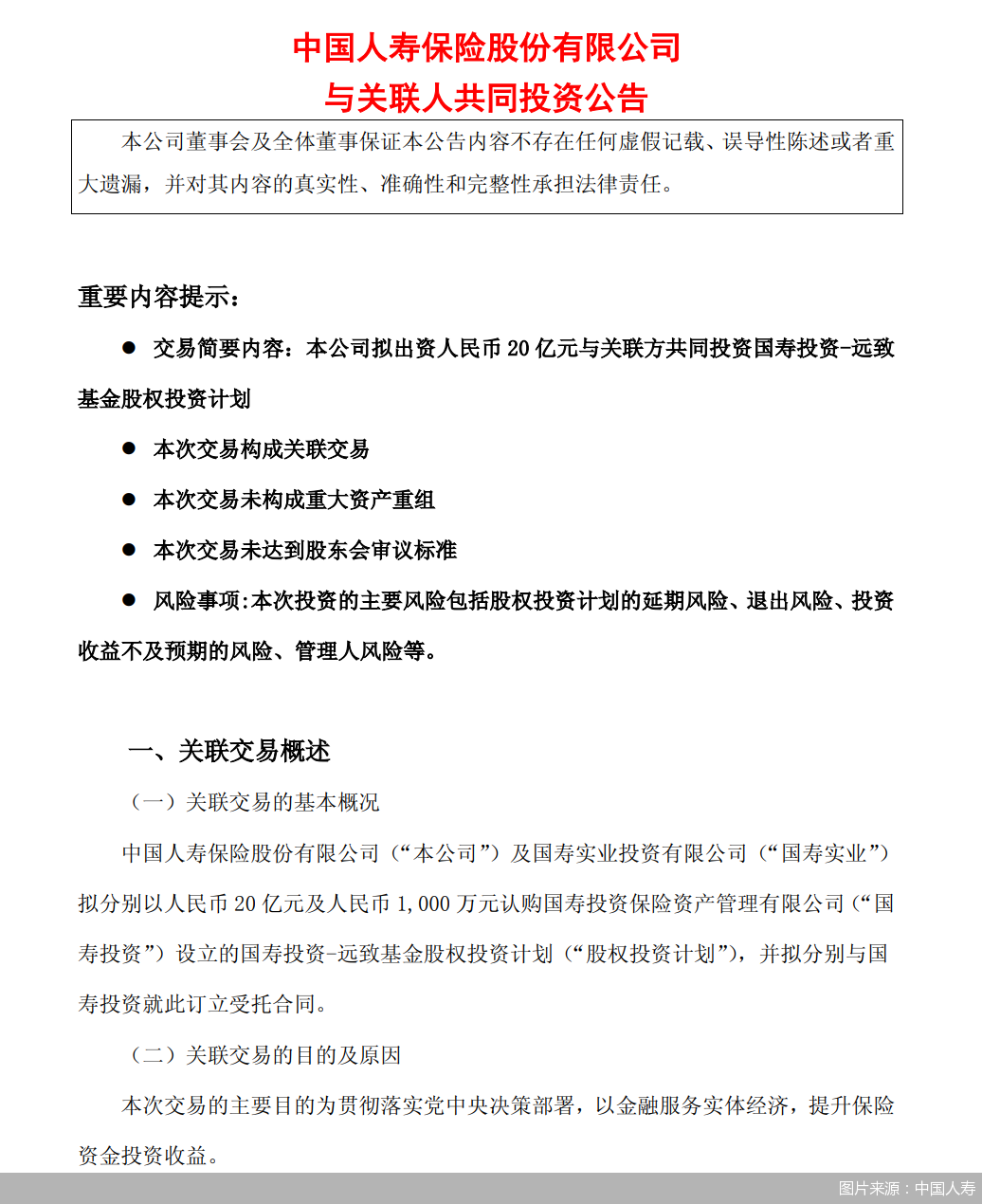
算力奔涌,可靠先行:华为数字能源以RAS理念引领智算基建升级
Sou Hu Cai Jing· 2025-10-29 22:23
Core Insights - The rapid penetration of AI large models across various industries presents both opportunities and challenges, particularly in the construction of intelligent computing centers [1] - Traditional data center construction methods are becoming inadequate, necessitating a shift towards standardized and modular distributed architectures [1][3] - Huawei's RAS (Reliable, Agile, Sustainable) concept addresses the industry's transformation needs and is being implemented in benchmark projects like the National Meteorological Administration [1][8] Group 1: Security and Reliability - The security value of data centers has reached new heights, with AI cluster power density increasing to 20-50 kW, potentially reaching 200 kW [2] - A 10 MW intelligent computing center can deliver computing power equivalent to hundreds of traditional data centers, making security a core competitive advantage [2] - Huawei has developed a comprehensive lifecycle security system covering product, architecture, intelligence, and operations [2] Group 2: Agile and Modular Construction - The construction cycle for data centers has shortened from 18-24 months to a demand for 6-12 months, necessitating a modular approach [3] - Huawei's modular technology enables flexible deployment and rapid iteration, focusing on subsystem decoupling, functional modularization, prefabrication, and high-density integration [3] - The Huawei Cloud (Wuhu) data center project exemplifies this approach, completing delivery in just three months [3] Group 3: Green and Low-Carbon Initiatives - Data centers must meet increasing computing power demands while also addressing low-carbon development responsibilities [6] - Huawei's UPS systems achieve up to 99.1% efficiency, and the company promotes the integration of air and liquid cooling technologies [6] - The National Meteorological Administration project showcases Huawei's green solutions, achieving a PUE value below 1.3 while supporting high-density computing [6] Group 4: Ecosystem Collaboration - Huawei aims to drive high-quality industry development through technology output and ecosystem collaboration, rather than operating in isolation [7] - The future of data centers will see a shift from being mere power suppliers to value creators, emphasizing technological innovation and ecosystem synergy [7] - Huawei's end-to-end capabilities allow for precise matching of power, cooling solutions, and computing needs, enhancing operational efficiency [7] Group 5: Energy as a Strategic Resource - The demand for electricity in data centers is escalating, with the industry entering the "gigawatt era" [8] - Huawei's goal is to create a secure, agile, and green foundation for intelligent computing, ensuring efficient conversion of electricity into computing power [8] - The company's RAS concept is reshaping the development landscape of intelligent computing centers, supporting initiatives like the "East Data West Computing" strategy and carbon neutrality goals [8]