
海洋生物医药

Search documents
智库共探中国东盟蓝色经济合作
Zhong Guo Xin Wen Wang· 2025-09-17 20:26
Core Viewpoint - The China-ASEAN 2025 Think Tank Forum held in Haikou focuses on building a blue partnership between China and ASEAN countries, emphasizing cooperation in blue economy sectors such as marine renewable energy, sustainable fisheries, and marine biomedicine [1][2]. Group 1: Blue Economy Cooperation - Experts suggest that China and ASEAN countries should engage in substantial blue economy cooperation, promoting joint research and industrial investment in marine renewable energy, sustainable fisheries, and marine biomedicine [1]. - A proposed "China-ASEAN Blue Economy Industrial Park" aims to enhance regional marine governance and facilitate experience sharing in coastal management and marine spatial planning [1]. Group 2: Framework for Collaboration - A common blue economy framework is recommended, focusing on five key areas: economic development and trade connectivity, energy security and climate change response, food security and sustainable fisheries, innovation, technology and digitalization, and marine environmental protection [1]. - The collaboration between China and ASEAN in marine ecological protection has already begun, with projects like the marine ranching initiative between China and Indonesia, which includes artificial reefs and intelligent monitoring [1][2]. Group 3: Regional Synergies - The blue economy roadmap developed by Indonesia aligns well with the development strategies of Hainan Free Trade Port in areas such as marine science, aquaculture, and renewable energy, suggesting potential for joint ventures in seafood value chains and green marine fuel research [2]. - Strengthening technical cooperation and legal frameworks is essential to enhance communication security in the South China Sea, particularly concerning undersea cables vulnerable to natural disasters and fishing activities [2].
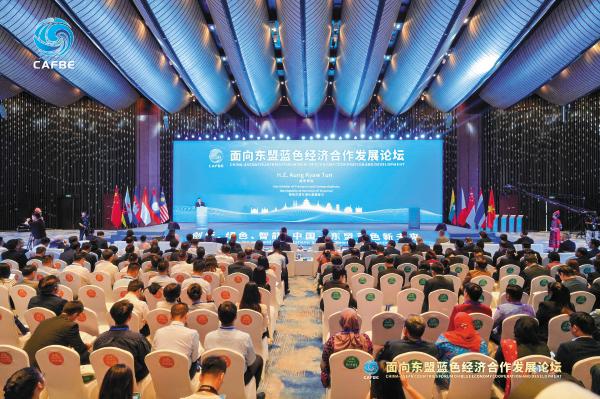
面向东盟蓝色经济合作发展论坛丨海南自由贸易港研究院院长郭达:蓝色经济是中国—东盟的共同大市场
Zhong Guo Zi Ran Zi Yuan Bao· 2025-09-17 07:28
Group 1 - The forum on "Innovation, Green, Smart, China-ASEAN Blue New Future" was held in Nanning, Guangxi, focusing on blue economy cooperation and development [2] - Over 500 representatives and experts from China and ASEAN countries participated in discussions on innovation-driven development, industrial upgrading, and harmonious human-ocean relationships [2] - The China-ASEAN Blue Economy Common Market aims to be a "blue engine" for economic growth and regional economic integration [3] Group 2 - Key terms for the China-ASEAN Blue Economy Common Market include economic growth, trade cooperation, and industrial transformation [4] - Blue economy is projected to contribute to a 5% economic growth target over the next 5-10 years, with a potential increase of nearly $10 billion in market size for every 1% rise in seafood trade between China and ASEAN [4] - The fishing industry, where China and ASEAN account for 80% of global aquaculture and 60% of global fishery catch, is a focal point for transformation and upgrading [4] Group 3 - Key areas for building the China-ASEAN Blue Economy Common Market include marine tourism, fisheries, and emerging fields like marine biomedicine [5] - Establishing a marine tourism common market involves creating an island tourism economy community and promoting cross-border standards and management [5] - The marine fisheries common market aims for ASEAN's seafood exports to China to reach 25% of total exports by 2024, transitioning from trade to integrated supply chains [5] Group 4 - Guangxi and Hainan are encouraged to collaborate in building the China-ASEAN Blue Economy Common Market, focusing on seafood trade and port infrastructure connectivity [6] - The establishment of a seafood procurement and distribution center in Guangxi, in cooperation with Hainan, is recommended to enhance trade standards [6] - Development of a cruise tourism cooperation network and a blue technology innovation hub is also suggested to strengthen ties with ASEAN [6]

山东:产业集聚支撑“蓝色经济”动能澎湃
Xin Lang Cai Jing· 2025-09-15 01:17
Core Insights - The marine characteristic industry agglomeration area is a crucial engine for high-quality development of the marine economy and a key carrier for cultivating and developing new productive forces in the marine sector [1] - Shandong is actively promoting the construction of modern marine characteristic industry agglomeration areas to provide solid support for building a high ground for modern marine economic development [1] Group 1: Industry Development - Dongying's new energy equipment company has secured orders for wind turbine main shafts until 2026, highlighting its leading position in the domestic market [1] - The local efficient model of "port manufacturing and convenient delivery" is attributed to the precise layout of the offshore wind power equipment industrial park [1] - The establishment of two 10,000-ton offshore wind power dedicated berths, with a total investment of 600 million yuan, enhances the transportation capacity for large wind power equipment [2] Group 2: Technological Innovation - The marine biological company in Qingdao is producing seaweed polysaccharide capsules, showcasing the innovative application of marine plants in the pharmaceutical industry [2] - The collaboration with the Chinese Academy of Sciences has led to breakthroughs in the formulation and drying technology of seaweed polysaccharide capsules, enabling a transition from industrial to pharmaceutical-grade products [2] Group 3: Economic Impact - The modern marine biological industry agglomeration area in Qingdao has gathered over 80 marine biological pharmaceutical enterprises, forming a diverse ecosystem for industry development [3] - Shandong has cultivated 13 agglomeration areas with a total output value exceeding 140 billion yuan, achieving a marine industry agglomeration degree of 78% [3] - By 2027, Shandong aims to have around 20 marine characteristic industry agglomeration areas, with 10 of them expected to exceed 10 billion yuan in output value, driving the "blue economy" forward [3]

共赴蔚蓝之约 擘画海洋未来
Zhong Guo Zi Ran Zi Yuan Bao· 2025-09-12 07:52
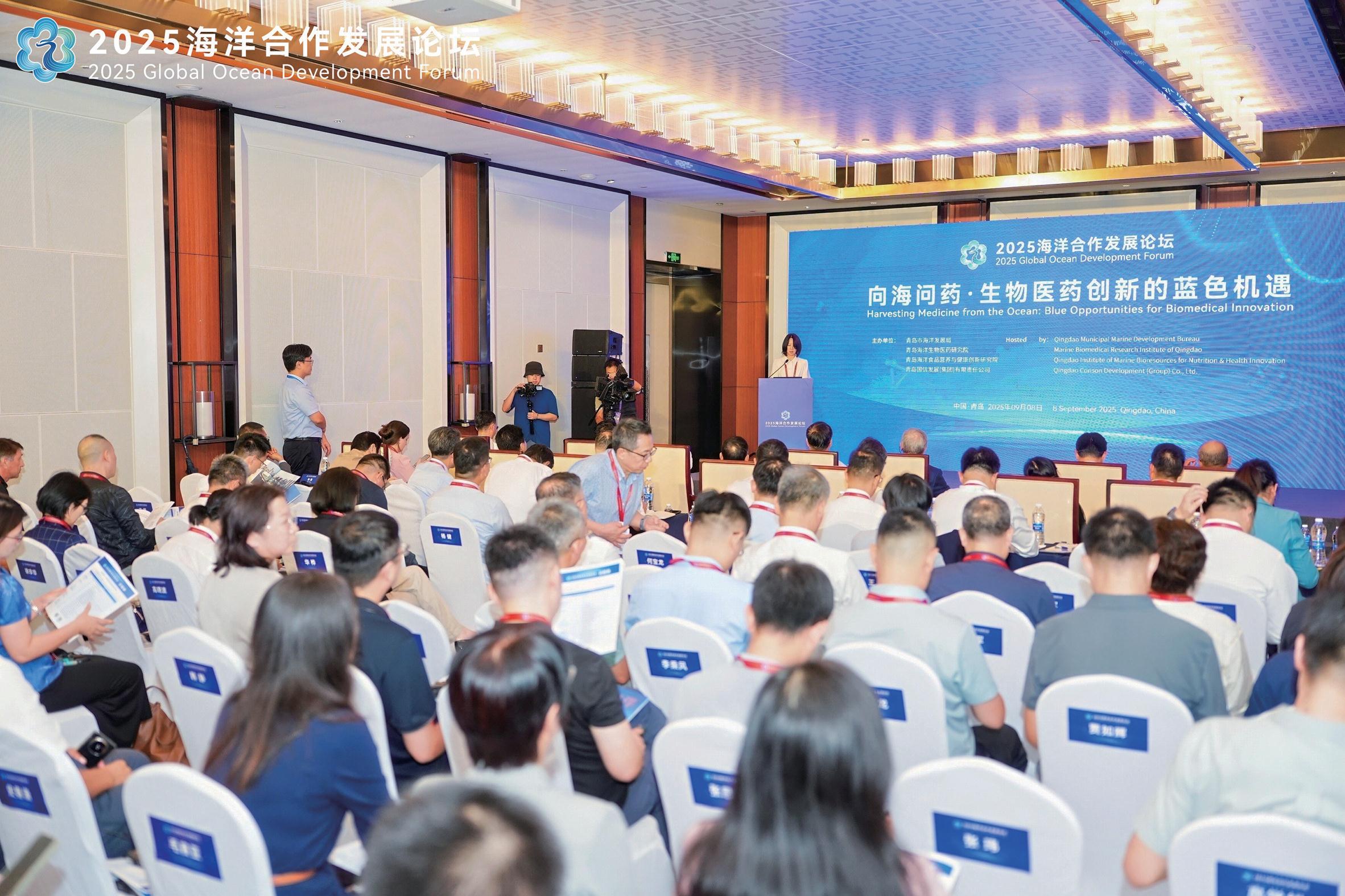
Core Insights - The 2025 Global Ocean Development Forum was held in Qingdao, attracting nearly 700 representatives from 68 countries and regions to discuss sustainable ocean economy and development strategies [1][5][23] - Key outcomes included the release of the 2025 China Ocean Development Index and the 2024 Guangdong-Hong Kong-Macao Greater Bay Area Marine Ecological Status Report, providing new guidance for marine development [1][5] Group 1: Ocean City Cooperation - The Ocean City Mayors Dialogue featured mayors from various countries sharing innovative strategies for urban governance and marine tourism, emphasizing the balance between economic growth and ecological protection [3][4] - The East Asia Ocean Cooperation Platform Blue Economy Development Alliance was launched to integrate resources and promote best practices in blue economy among member countries [5][19] Group 2: Parallel Forums and Discussions - Four parallel forums focused on topics such as "Ocean + AI," green shipping, marine biomedicine, and youth talent in marine fields, exploring new paths for global marine development [7][9][11] - The establishment of the Marine Artificial Intelligence Model Industry Alliance aims to accelerate the application of AI technology in marine sectors [7] Group 3: Marine Industry and Economic Cooperation - The forum included specialized activities like the "Blue Treasure" marine mineral exploration meeting, discussing technological breakthroughs and industry upgrades in deep-sea resource development [14] - The "Intelligent Deep Blue" marine engineering innovation meeting highlighted the importance of AI and digital technologies in enhancing deep-sea drilling efficiency and safety [15] Group 4: Youth Talent Development - The forum provided a platform for young marine scientists to share research and career experiences, fostering international cooperation among emerging talents [11][12] - Activities aimed at nurturing marine technology leaders were organized, enhancing collaboration among youth in the marine sector [12] Group 5: Ecological Protection and Sustainable Development - The forum's focus on marine ecological protection included discussions on advanced technologies and scientific solutions for marine ecosystem restoration [20] - The successful hosting of the forum is expected to contribute significantly to marine economic development, technological innovation, and ecological sustainability [23]
德州|德州:地处内陆,拥抱 “深蓝”
Da Zhong Ri Bao· 2025-09-08 00:39
Group 1: Marine Economy Development - Shandong is implementing the "Ten Actions" to enhance marine economic competitiveness, with Dezhou focusing on marine equipment manufacturing, marine biomedicine, and marine tourism [1] - Dezhou enterprises are actively engaging in marine sectors, with significant advancements in marine oil and gas exploration technologies [5][6] Group 2: Marine Equipment Manufacturing - Hengli Electric, a leading manufacturer of marine electric motors, has a market share exceeding 75% in China and is expanding into offshore wind power [2][3] - Baoding Heavy Industry has developed the world's largest G95 engine crankshaft component, gaining recognition from global engine giants [3][4] - Baoding Heavy Industry has established itself as a key supplier in the shipbuilding industry, delivering over 200,000 tons of heavy ship components [4] Group 3: Marine Biotechnology - Shandong Yuwang Pharmaceutical has developed advanced fish oil processing technologies, producing 20,000 tons of fish oil annually, with products exported to over 80 countries [8][9] - Weir Bio-Tech is set to launch a project producing 100 tons of polylysine, a natural biopreservative, expected to generate significant revenue [9] Group 4: Marine Tourism - Dezhou has seen growth in marine tourism, with attractions like the Ocean Polar World and the Dezhou Ocean Museum drawing significant visitor numbers [10]
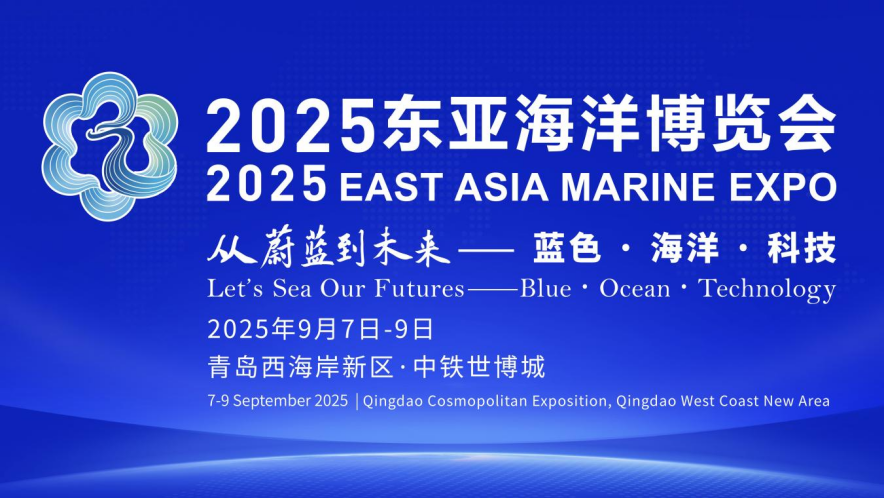
“深蓝重器”亮相2025东亚海洋博览会
Qi Lu Wan Bao Wang· 2025-09-07 23:24
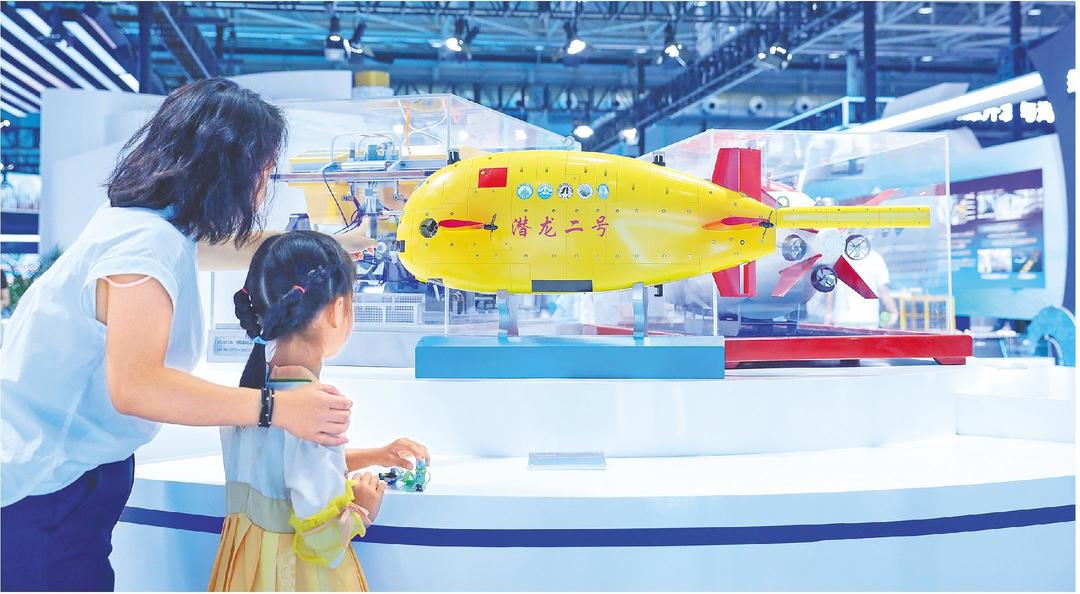
Group 1 - The 2025 East Asia Marine Expo has commenced, featuring five exhibition areas and over 450 participating enterprises, with a significant presence from Shandong-based companies [3][6] - The Marine Development Achievements Exhibition Area showcases over 70 representative models and artifacts from Shandong's marine sector, emphasizing the theme of building a marine community [3][5] - A notable highlight is the "Academician Team" from various marine research institutions, which has attracted considerable attention at the expo [3][5] Group 2 - The expo includes a focus on marine bio-pharmaceuticals, with 85 leading enterprises showcasing a complete ecosystem from marine biological resources to end products [6] - A partnership between a leading marine technology company and a pharmaceutical university has led to the establishment of a joint laboratory for marine peptide drug research, demonstrating innovation in the marine bio-pharmaceutical sector [6] - The introduction of a multifunctional intelligent mobile detection robot for offshore wind turbines represents a significant advancement in marine engineering technology, enhancing safety and efficiency in maintenance [5][6]
2025东亚海博会海洋生物医药展9月7日上线
Qi Lu Wan Bao Wang· 2025-09-03 12:11
Group 1 - The 2025 East Asia Marine Expo Marine Biomedicine Exhibition will be held in Qingdao, covering an exhibition area of 10,000 square meters with 85 participating enterprises and institutions [3][4] - The exhibition aims to build a full industry chain cooperation platform, showcasing the complete ecosystem and innovative achievements from marine biological resources to terminal biomedicine products [3][4] - Key technologies such as algal extraction are highlighted, showcasing the medicinal potential of algae, which is rich in polysaccharides, polyphenols, and other active substances [4][5] Group 2 - Leading companies in the industry, such as Qingdao Mingyue Algae Group, will present various algal functional materials and marine functional materials at the exhibition [4][5] - The exhibition will feature midstream enterprises with strong industrialization capabilities, focusing on new drug research and biopharmaceutical production [4][6] - Companies like Qingdao Guoxin Pharmaceutical, the first marine drug production enterprise in China, will showcase their innovative products, including BG136, which targets tumor immunotherapy [6][7] Group 3 - The exhibition will also gather downstream enterprises focusing on clinical application transformation and health product industrialization, including medical institutions and third-party testing organizations [6][7] - Notable products include health supplements developed by companies like Langyatai Dijia Pharmaceutical, which utilize unique marine biological components to regulate blood lipids and blood sugar [6][7] - The event aims to stimulate collaboration and innovation within the marine biomedicine sector, promoting a blue economy and a healthier future [7][8]
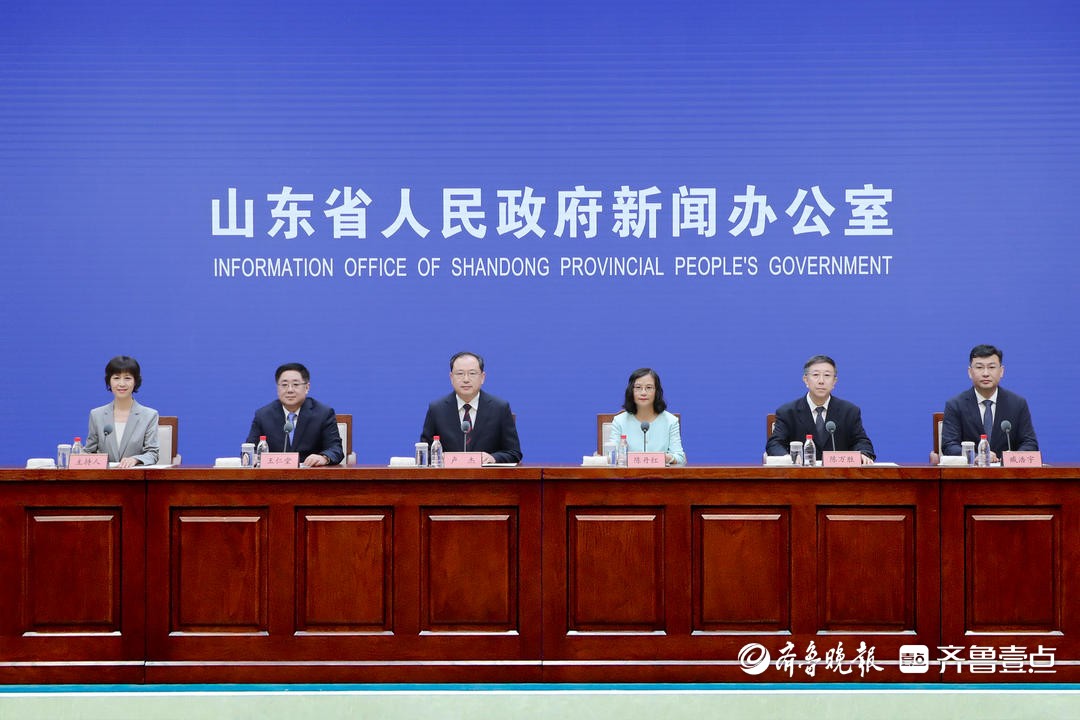
到2027年,山东将培育20个海洋特色产业集聚区,海洋生产总值突破2万亿元
Qi Lu Wan Bao· 2025-08-29 02:19
Core Viewpoint - The Shandong Provincial Government is actively promoting the 2025 Marine Cooperation Development Forum to enhance the modern marine economy through four key strategies aimed at international collaboration and technological innovation [1][3]. Group 1: Marine Industry Cooperation - The forum aims to deepen marine industry cooperation and establish a blue economy growth pole by integrating with the Belt and Road Initiative and RCEP, creating marine industrial parks, and attracting investments to upgrade traditional industries such as marine fisheries and shipping [3]. - The goal is to cultivate 20 marine characteristic industrial clusters by 2027, with marine production value exceeding 2 trillion yuan [3]. Group 2: Marine Technology Cooperation - The forum will gather global marine technology ideas and top talents, attracting international research teams to collaborate with Shandong's universities and research institutions to establish joint laboratories [3]. - A series of technology cooperation demonstration projects will be implemented to accelerate breakthroughs in key technologies in deep-sea resource exploration and high-tech shipbuilding [3]. Group 3: Marine Port Development - The initiative includes accelerating the construction of marine ports to create an international logistics corridor, enhancing global supply chain capabilities, and developing a modern port and shipping system [4]. - By 2027, the coastal port cargo throughput is expected to reach 2.2 billion tons [4]. Group 4: Marine Governance Cooperation - The forum will provide an international platform for marine ecological protection, with Shandong actively participating in global marine governance and international standard-setting in emerging marine fields [4]. - Efforts will focus on the systematic protection and restoration of coastal wetlands and habitats for important marine species, contributing to global marine ecological protection [4].
速看!“2025 海洋合作发展论坛” 即将启幕,五大亮点不容错过
Qi Lu Wan Bao· 2025-08-29 02:19
Core Viewpoint - The 2025 Marine Cooperation Development Forum aims to promote sustainable marine economy and enhance international collaboration in marine sectors, building on the success of the previous year's event [1][3]. Group 1: Theme and Focus - The forum's theme is "From Blue to Future - Developing Sustainable Marine Economy, Building a Beautiful and Abundant Ocean," aligning with the Central Financial Committee's directives [3]. - It will focus on sharing advanced experiences and cases in the marine economy, aiming for broader and deeper marine open cooperation [3]. Group 2: Structure and Topics - The forum will feature a "1+1+4+5" structure, emphasizing guidance, foresight, constructive communication, and sustainable cooperation [3]. - Key areas of focus include artificial intelligence, ports, biomedicine, and youth talent, with parallel forums dedicated to these topics [3]. Group 3: Participation and Engagement - The forum will host participants from 68 countries and regions across six continents, with over 160 foreign guests and more than 180 business representatives from marine-related enterprises [3][4]. - The event aims to enhance high-level cooperation and exchanges in the marine economy [4]. Group 4: Outcomes and Achievements - The forum will release ten outcomes, including the "2025 China Marine Development Index," and establish the Marine Artificial Intelligence Large Model Industry Alliance [4]. - It will facilitate exchanges among mayors of marine cities, expanding the dialogue to include representatives from cities like Yeosu, South Korea, and Mombasa, Kenya [4]. - Eight matchmaking meetings will be organized to promote marine industry development, focusing on high-end equipment, intelligent manufacturing, renewable energy, desalination, and marine biomedicine [4]. Group 5: Organization and Services - The forum will adhere to principles of frugality, sustainability, and high-quality service, with a comprehensive organizational structure led by provincial government leaders [4]. - A multi-level organizational framework will ensure effective preparation and execution of the forum [4].
山东海洋生产总值将突破2万亿元
Qi Lu Wan Bao· 2025-08-28 21:25
Core Viewpoint - Shandong aims to enhance the effects of the 2025 Marine Cooperation Development Forum by focusing on four key areas to establish a modern marine economy development hub Group 1: Marine Industry Cooperation - Deepening marine industry cooperation to create a blue economy growth pole by integrating with the Belt and Road Initiative and RCEP, establishing marine industrial parks, and implementing blue economy cooperation demonstration projects [1] - Attracting quality domestic and international enterprises to invest in Shandong, accelerating the transformation and upgrading of traditional industries such as marine fisheries, marine mining, marine transportation, and marine chemicals, while nurturing emerging industries like marine biomedicine, marine engineering equipment, marine new energy, and seawater desalination [1] - By 2027, the goal is to cultivate 20 marine characteristic industrial clusters and achieve a marine production value exceeding 2 trillion yuan Group 2: Marine Technology Cooperation - Strengthening marine technology cooperation to establish a source of technological innovation by attracting international research teams to collaborate with Shandong universities and research institutions [2] - Organizing a series of technology cooperation demonstration projects to accelerate breakthroughs in key technologies in deep-sea resource exploration, high-tech ships, and deep-sea aquaculture [2] - Developing a technology achievement transformation platform to facilitate the landing of advanced domestic and international technologies in Shandong, fostering leading marine technology enterprises and specialized small and medium-sized enterprises [2] Group 3: Marine Port Development - Accelerating marine port construction to build an international logistics corridor by enhancing the connectivity of ports and expanding multimodal transport networks [3] - Improving the radiation capacity of Shandong ports and their position in the global supply chain, constructing bulk commodity storage and transportation bases, and promoting integrated development of maritime trade along the Silk Road [3] - By 2027, the target is to achieve a cargo throughput of 2.2 billion tons at coastal ports [3] Group 4: Marine Governance Cooperation - Promoting marine governance cooperation to build a community of shared marine destiny by actively participating in global marine governance and international standard-setting in emerging marine fields [4] - Engaging in international cooperation on marine disaster prevention and mitigation, ecological protection, and marine observation [4] - Collaborating with international organizations on marine ecological protection and advancing the systematic protection and restoration of coastal wetlands and important marine habitats [4]