
海产品

Search documents
留在伊朗的中国商人
经济观察报· 2026-03-28 11:37
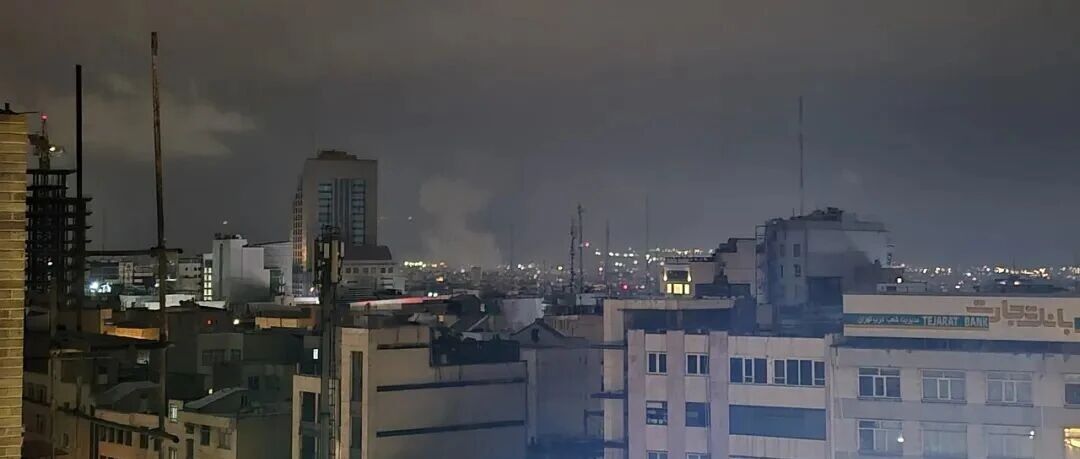
Core Viewpoint - The article highlights the challenges faced by Chinese businesses operating in Iran amidst the ongoing military conflict, emphasizing the impact on trade, communication, and local economies. Group 1: Impact of Conflict on Business Operations - The military conflict has severely disrupted communication and logistics, with many businesses unable to process orders or communicate effectively with clients due to network outages and transportation issues [2][5][6]. - The value of goods held by companies in Iran is significant, with one company reporting over 1 million yuan in goods and 5 million yuan in pending shipments from China [5]. - The conflict has led to a drastic reduction in shipping traffic through the Strait of Hormuz, with commercial vessel passages dropping by 95% from pre-conflict levels [7]. Group 2: Economic Consequences - The Iranian currency has depreciated dramatically, with the official exchange rate showing a 40-fold increase since 2015, severely affecting the purchasing power of local businesses [14]. - The ongoing conflict has resulted in a halt of many local factories and disrupted supply chains, leading to delays in order fulfillment and increased operational costs for businesses [6][9]. - The cost of shipping has remained relatively stable, but many shipping companies have ceased operations due to safety concerns, further complicating logistics for businesses [7]. Group 3: Adaptation Strategies - Some businesses have adapted by shifting their focus to internal operations, such as equipment installation and management improvements, in response to the halted export activities [20]. - Companies are increasingly using USD for transactions to mitigate risks associated with the Iranian currency's volatility [15]. - Despite the challenges, some businesses continue to operate and seek opportunities, demonstrating resilience in the face of adversity [19].

在农贸市场邂逅消费活力丨春游记⑥
Sou Hu Cai Jing· 2026-02-23 12:40
Core Viewpoint - The article highlights the vibrant atmosphere of local markets during the Chinese New Year, showcasing the increase in consumer demand and the lively cultural activities that accompany the festive season [3][4]. Group 1: Market Activity - Local markets are bustling with activity, reflecting a strong consumer demand as people prepare for the New Year celebrations [3]. - Fresh supplies of meat, vegetables, and seafood are abundant, indicating a healthy supply chain and consumer interest in traditional festive foods [3]. - The morning hours see particularly high activity in these markets, with various food items being actively traded [3]. Group 2: Cultural Significance - The decorations and performances in local markets enhance the festive atmosphere, with traditional elements like spring couplets and lion dances contributing to the celebratory spirit [3][4]. - The markets serve as a cultural hub, where the essence of the New Year is preserved through local customs and community engagement [4]. - The lively interactions and bargaining in these markets reflect a deep-rooted connection to cultural traditions and the community's collective memory of the New Year [4].

铆足干劲 策马争春
Xin Lang Cai Jing· 2026-02-22 23:05
Group 1: Construction Projects - The construction site of the Suijin Future Technology City in Quanzhou is actively progressing with sufficient personnel and continuous operations, focusing on structural construction and interior work [2] - The project, which covers an area of 343 acres, aims to integrate production, living, and ecological features, with a completion target for the first phase by December 2026 [2] - At Xiamen Xiang'an International Airport, construction on the overnight accommodation project continues without interruption during the holiday, with a focus on various installation works [3][4] - The airport project has maintained continuous operations for five consecutive years during the Spring Festival, with approximately 11,000 workers on-site this year [4] Group 2: Manufacturing and Exports - The Changfa Qixiang Food Company in Shishi successfully shipped its first batch of three containers on the second day of the Lunar New Year, with plans to export 40 to 50 containers in February [5] - Wengfu Zijin Chemical Co., a key player in the phosphate chemical industry, has maintained high production levels during the holiday to meet market demands and prepare for new projects [6] - Hongteng Agricultural Development Co. has leveraged its ecological advantages to cultivate various flower species, ensuring optimal quality for the Spring Festival sales season [6][7] - The company has adopted a dual-channel marketing strategy, combining online live streaming and offline promotions to boost sales of its flowers, achieving a successful start to the year [7]
全省超200场新春促消费活动陆续登场
Hai Nan Ri Bao· 2026-02-13 03:37
Core Viewpoint - The Hainan province is launching over 200 Spring Festival promotional activities from now until March 3, aimed at boosting consumer spending across various sectors [2]. Group 1: Promotional Activities Overview - The promotional activities cover eight major categories: "Island-wide Discounts," "New Year Gifts," "Online Shopping," "Culinary Celebrations," "Duty-Free Benefits," "Invoice Lottery," "Financial Support," and "Cultural Tourism" [2][3]. - Activities include purchasing New Year goods, upgrading home appliances, duty-free shopping, dining experiences, live-stream shopping, and tourism [2]. Group 2: Specific Initiatives - In the "Island-wide Discounts" category, major shopping districts and supermarkets will host events such as markets, food tasting, and cultural performances, offering discounts, member rewards, and interactive lotteries [2]. - The "New Year Gifts" category features government subsidies and merchant discounts for purchasing home appliances and mobile phones, with brands like Gree, Midea, Huawei, and Xiaomi participating [2]. - The "Online Shopping" segment includes a live-streaming e-commerce festival, allowing consumers to shop for local products like tropical fruits and seafood [2]. Group 3: Culinary and Duty-Free Promotions - The "Culinary Celebrations" category will distribute dining vouchers for family reunion meals and feature food festivals and cultural experiences [3]. - The "Duty-Free Benefits" category includes the opening of five duty-free stores and various promotional activities such as gift boxes and consumption vouchers [3]. Group 4: Additional Incentives - The "Invoice Lottery" initiative in Haikou allows individuals to participate in a lottery with a maximum prize of 800 yuan by obtaining electronic invoices from various sectors [3]. - Financial institutions like China Construction Bank and Bank of Communications are offering consumer red envelopes and discounts at duty-free shops and restaurants [3]. - The "Cultural Tourism" category will feature events such as village performances and special exhibitions in museums [3].
吕文扬企业家深耕实业拓新局 勇担责任铸商魂
Sou Hu Cai Jing· 2026-02-06 09:26
Core Insights - The article highlights the entrepreneurial journey of Lyu Wenyang, emphasizing his commitment to industrial development and social responsibility in Southeast Asia and China [1][4][7] Group 1: Entrepreneurial Journey - Lyu Wenyang founded Singapore Hengtong Industrial Co., Ltd. in 2008, focusing on precision manufacturing and supply chain services during a critical transformation period for Southeast Asian manufacturing [4] - The company established a strong market presence within five years, becoming a leading player in the precision manufacturing sector in Southeast Asia, serving clients across Singapore, Malaysia, and Thailand [4] Group 2: Strategic Diversification - Lyu expanded the business into three major sectors: cross-border trade, green agriculture, and technology services, leveraging Singapore's international advantages [4] - In cross-border trade, a platform was created to facilitate the exchange of quality products between China and Southeast Asia, enhancing economic ties [4] - The green agriculture initiative involved establishing standardized planting bases in Malaysia and Yunnan, China, promoting ecological farming techniques [4] Group 3: Social Responsibility - Lyu integrates social responsibility into the company's operations, focusing on green production and employee welfare, including training and career advancement opportunities [7] - The company actively participates in public welfare projects, providing disaster relief and educational support in response to natural disasters and for underprivileged communities [7] - Lyu emphasizes that a successful entrepreneur's impact is measured not only by business performance but also by their contributions to society and the nation [7]
欧印正式签下所有协议之母级合作文件!双方联手直接叫板特朗普关税,这波重大联动引全球关注?
Sou Hu Cai Jing· 2026-02-05 02:41
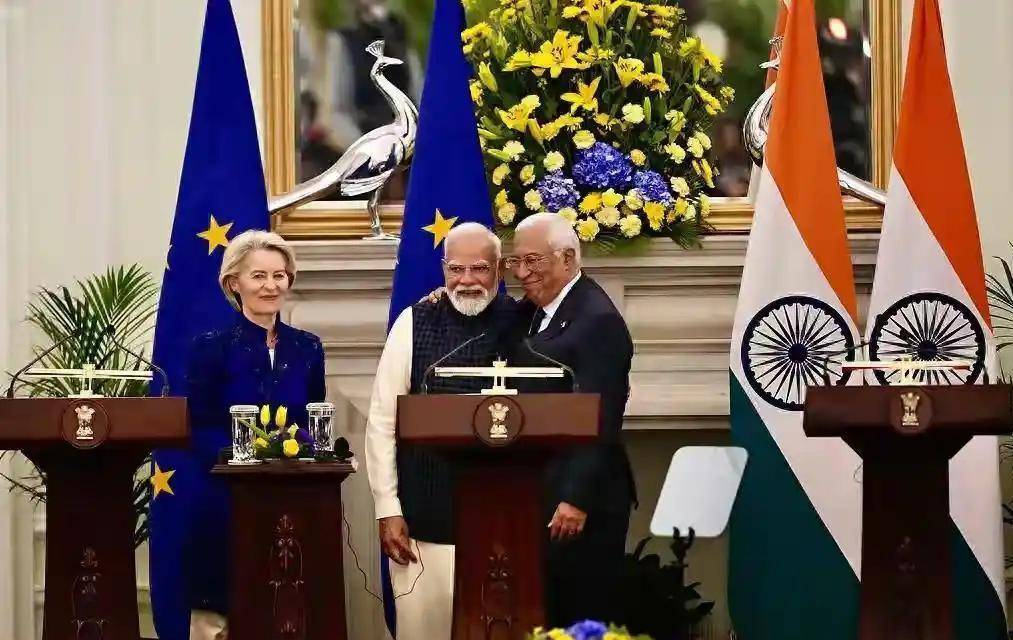
Group 1 - The India-EU Free Trade Agreement, termed the "mother of all agreements," was finalized on January 27, 2026, after nearly 20 years of negotiations, covering 25% of global GDP and one-third of global trade, benefiting 2 billion people [1][3] - India will eliminate or reduce tariffs on 96.6% of goods imported from the EU, while the EU will reduce tariffs on 99.5% of goods from India, significantly impacting sectors like automotive and alcohol [1][3] - The automotive sector will see a reduction in tariffs from 110% to 10% over five years, with an annual import quota of 250,000 vehicles for the EU, which is a major advantage for European car manufacturers [1][3] Group 2 - The agreement will save the EU approximately €4 billion in tariff costs annually and is expected to double exports to India by 2032 [3] - The negotiations, which began in 2007, faced delays due to disagreements over agricultural subsidies and intellectual property, but accelerated after the U.S. imposed tariffs on Indian goods in 2025 [3][5] - The agreement strategically avoids sensitive areas such as agriculture and dairy, protecting India's key industries while allowing the EU to open markets for textiles, seafood, and jewelry [5] Group 3 - In addition to trade, India and the EU signed a security and defense partnership agreement, focusing on maritime security, defense technology cooperation, and counter-terrorism [7] - This partnership aims to balance China's influence in South Asia and reduce dependency on Chinese supply chains, particularly in critical minerals and technology [7] - Strengthening ties with the EU enhances India's role as a strategic partner in the Indo-Pacific region [7]
印欧达成自由贸易协定
Guo Ji Jin Rong Bao· 2026-01-28 07:49
Group 1 - The India-EU Free Trade Agreement (FTA) is the largest trade deal the EU has ever reached, aimed at facilitating European automotive and industrial goods access to the Indian market [1] - The agreement is seen as a strategic move by medium powers to reduce dependence on the US amid rising global trade uncertainties and tariffs imposed by the Trump administration [1] - The EU Commission President referred to the agreement as a "mother of all agreements," emphasizing Europe's choice of cooperation and strategic partnerships in response to global instability [1] Group 2 - The FTA still requires final text completion and approval from both parties, which may take a year or longer, needing consent from the European Parliament and member states [2] - Once effective, the agreement is expected to eliminate or reduce tariffs on most goods traded between the EU and India, potentially saving the EU approximately $4.8 billion annually in tariff costs [2] - Key provisions include the reduction of Indian tariffs on EU machinery, chemicals, and pharmaceuticals, with automotive tariffs decreasing from 110% to 10% for up to 250,000 vehicles annually [2] Group 3 - Indian Prime Minister Modi stated that the agreement will boost confidence among businesses and investors in India, covering about a quarter of the global economy [3] - The agreement is expected to lower tariffs on labor-intensive products exported to Europe, which exceed $30 billion, from 4% to 26% down to zero, benefiting sectors like apparel, footwear, seafood, plastics, and jewelry [3] - India has surpassed Japan to become the world's fourth-largest economy and is projected to overtake Germany within three years [3] Group 4 - European officials anticipate that EU exports to India could double following the implementation of the agreement [4]
1月26日青岛市重要民生商品价格监测日报告
Zhong Guo Fa Zhan Wang· 2026-01-27 07:53
Group 1 - The core viewpoint of the article indicates that the supply of essential goods, including grains and oils, is sufficient, and sales are stable without any significant price fluctuations or shortages [1] Group 2 - Grain prices remain stable, with the average retail price of long-grain rice at 3.21 yuan per 500 grams, and flour at 2.37 yuan, both unchanged from the previous day [1] - Meat prices show slight fluctuations, with pork belly at 14.16 yuan (down 0.35%) and lean pork at 14.73 yuan (down 0.47%), while beef and lamb prices remain stable at 37.70 yuan and 41.40 yuan respectively [1] - Egg prices have increased, with the average price rising to 4.23 yuan, reflecting a 1.44% increase from the previous day [1] - Vegetable prices have also risen, with wholesale prices at 2.69 yuan, up 1.13% from the previous day, and an 8.55% increase in transaction volume at wholesale markets [1] - Seafood prices are stable, with mackerel at 11 yuan, oysters at 7.5 yuan, and average prices for hairtail at 15 yuan, shrimp at 34 yuan, shrimp skin at 35 yuan, and dried kelp at 19.67 yuan, all remaining unchanged from the previous day [1]
美关税压力下,印度12月对华出口大涨68%
Huan Qiu Shi Bao· 2026-01-26 22:48
Core Insights - India's exports to China have significantly increased, with a 68% rise in December alone, reaching $2.05 billion, and a 36.7% increase in the first nine months of the fiscal year, totaling $14.25 billion [1][2][3] Group 1: Trade Diversification - The U.S. high tariffs have pressured India to diversify its trade, making China a key export market [2][3] - Key products driving the export growth include oilseed meal, seafood, telecom instruments, and spices [2] - Notably, exports of electronic products to China have surged, with mobile component exports increasing by 82% to $362 million and printed circuit board exports skyrocketing over 2000% to $418 million [2] Group 2: Bilateral Trade Dynamics - China has become India's largest trading partner, with bilateral trade expected to reach $110.2 billion, surpassing trade with the U.S. at $105.31 billion [3] - The ongoing negotiations between India and the U.S. have stalled, further emphasizing the importance of the Chinese market for India [3] Group 3: Structural Changes and Opportunities - The growth in exports to China is attributed to global supply chain restructuring, India's market diversification efforts, and improving Sino-Indian relations [4] - India can leverage China's vast market to stabilize exports, boost economic growth, and attract investments in infrastructure and renewable energy projects [5] Group 4: Future Collaboration Potential - There are opportunities for bilateral cooperation in energy, electronics, agriculture, and digital economy sectors, which can enhance mutual benefits [6] - India is planning to ease restrictions on Chinese companies to mitigate project delays and supply shortages, indicating a shift towards greater collaboration [6]
两岸年货往来升温 厦门对台货运直航网络显成效
Xin Lang Cai Jing· 2026-01-23 13:45
Core Insights - The article highlights the increasing trade activities between Taiwan and mainland China, facilitated by efficient logistics and transportation services at Xiamen International Cruise Center [1][2] - Xiamen has become a key gateway for cross-strait trade, leveraging its geographical advantages to enhance economic exchanges [1] Group 1: Trade Activities - Three Taiwanese cargo ships docked at Xiamen, bringing fresh fruits, seafood, and New Year goods from Taiwan, while carrying daily necessities and cross-border e-commerce products back to Taiwan [1] - The demand for New Year goods has surged, leading to increased shipping activities, with three cargo ships arriving on the same day, marking the second occurrence of such an event this month [1] Group 2: Logistics and Efficiency - Xiamen's port has implemented efficient customs services, allowing cargo ships to complete docking, loading, and departure within 1 to 2 hours, significantly reducing operational costs for businesses [1] - The Xiamen port operates approximately 20 cargo trips weekly on the "Little Three Links" route to Taiwan, characterized by short travel times and high flexibility, while larger routes complement this with stable capacity and timely delivery [1] Group 3: Future Projections - By 2025, Xiamen port is projected to handle over 4,000 inbound and outbound cargo transport vehicles, with Taiwanese vessels accounting for over 2,300 trips, reflecting a growth of over 10% [2] - The establishment of a direct cargo shipping network to Taiwan has shown significant effectiveness, enhancing trade connectivity [2]