中药

Search documents
风口财评|几百年商誉也禁不起“贴牌”消耗
Da Zhong Ri Bao· 2025-12-17 01:24
Group 1 - The incident involving a product claiming "99% high purity" Antarctic krill oil, which was found to have a phospholipid content of 0, has led to a trust crisis for Tong Ren Tang, a brand with a 355-year history [1] - The involved product was produced under a private label, highlighting a lack of quality control due to uncontrolled brand authorization, which has damaged consumer trust and the brand's long-standing reputation [1] - The core asset of a time-honored brand is not the trademark but the trust built over generations through quality, as emphasized by Tong Ren Tang's principle of meticulous production and quality assurance [1] Group 2 - Many time-honored brands view trademark authorization as a quick profit method, but short-term gains do not equate to long-term brand value [2] - The Ministry of Commerce reports that among 1,455 "Chinese time-honored brands," nearly 1,000 are involved in intangible cultural heritage projects, indicating that these brands carry both commercial value and cultural significance [2] - Tong Ren Tang Group should not merely issue statements to evade responsibility but must establish a comprehensive quality control system and clarify the responsibilities associated with trademark authorization [2]

努力推动中医药国际化
Ren Min Ri Bao· 2025-12-16 21:51
Core Insights - Pianzaihuang has been recognized as a "Chinese brand worth recommending to the world" at the 2025 China-France Brand Week in Paris, highlighting its efforts in promoting traditional Chinese medicine internationally [1] Group 1: Company Overview - Pianzaihuang Pharmaceutical Co., Ltd., established in 1999, focuses on pharmaceutical manufacturing, with products including liver disease medications, cold remedies, and dermatological treatments, while also expanding into daily chemicals and health foods [1] - The company has seen a year-on-year increase in sales of Pianzaihuang capsules, primarily among consumers under 40 years old [1] - Pianzaihuang is actively involved in the "Round Mountain Plan" in Zhangzhou, signing contracts with 240 renowned doctors and establishing four medical studios, serving 225,000 people [1] Group 2: Research and Development - A recent study by Professor Yu Jun's team at the Chinese University of Hong Kong has drawn attention to Pianzaihuang's role in preventing and treating non-alcoholic fatty liver disease [2] - The company has established an innovation research base in Daxing District, Beijing, planning to create a cultural and product display center that integrates product experience, cultural promotion, and traditional Chinese medicine consultations [2] Group 3: International Expansion - Pianzaihuang is actively exploring overseas markets, conducting market assessments in Brazil, Argentina, Singapore, and Malaysia to find quality partners for deep cooperation [3] - The company has obtained registration approvals for multiple traditional Chinese medicine products in countries like Laos and Mozambique, enhancing its international market access [2]

调研汇总:富国、华夏基金等100家明星机构调研佐力药业!
Xin Lang Cai Jing· 2025-12-16 14:02
Core Viewpoint - Zhaoli Pharmaceutical is acquiring a multi-element injection asset group from Future Pharmaceutical, focusing on enhancing its product structure and marketing synergy in the field of parenteral nutrition [11][12][46]. Acquisition Details - The asset group includes already listed types I and II, and the in-review type III injection, focusing on trace element supplementation for parenteral nutrition. The net profit for the first nine months of this year was 45.79 million yuan, indicating good profitability [2][37]. - The acquisition will be paid in cash in phases and will not affect the company's stable dividend strategy [4][38]. Synergy and Market Outlook - The integration of sales channels is expected, with Zhaoli covering over 15,000 hospitals and Future Pharmaceutical covering over 1,000 specialized hospitals. This will enhance academic promotion systems and leverage Zhaoli's experience in centralized procurement to penetrate grassroots markets [2][37]. - The market for multi-element injections is projected to reach approximately 1.8 billion yuan in 2024, with continued growth expected, particularly in pediatric and adult critical nutrition support [12][46]. Production and R&D - Current production capacity can meet demand for the next 2-3 years, but new factory construction is planned for future expansion. The "Wuling + X" R&D project will focus on digestive systems, male health, and the broader health sector, expanding the Wuling product line [2][37]. Sales Forecast - Wuling capsules are expected to maintain steady growth due to their essential medicine status, with a focus on grassroots medical institutions and strengthening OTC and online channels [3][37]. - The Bailing series is anticipated to achieve a scale of 1 billion yuan by 2026, benefiting from nationwide centralized procurement [3][38]. Financial Projections - The company forecasts net profits of 667 million yuan, 842 million yuan, and 1.067 billion yuan for 2025, 2026, and 2027 respectively, with corresponding EPS of 0.95, 1.20, and 1.52 yuan per share [11][48].


南极磷虾油造假风波:同仁堂贴牌模式再陷信任拷问
2 1 Shi Ji Jing Ji Bao Dao· 2025-12-16 11:13
Core Viewpoint - The incident involving a counterfeit Antarctic krill oil product has highlighted the branding issues and trust crisis faced by Tong Ren Tang, a well-known traditional Chinese medicine brand [1][3][4]. Group 1: Incident Overview - The Shanghai Consumer Protection Commission conducted tests on 15 popular Antarctic krill oil products, revealing that a product labeled as "Beijing Tong Ren Tang 99% high-purity Antarctic krill oil" had a phospholipid content of 0, indicating potential fraud [1][4]. - The product in question was not directly produced by Beijing Tong Ren Tang but was distributed by its subsidiary, Sichuan Health Pharmaceutical Co., Ltd., with manufacturing outsourced to Anhui Habio Pharmaceutical Co., Ltd., exemplifying a typical private label model [3][4]. - Following the investigation, Habio Pharmaceutical admitted to not adding the claimed "Antarctic krill oil" during production, and Sichuan Health Pharmaceutical was urged to conduct a self-examination and issue an apology to consumers [5][9]. Group 2: Brand Trust Crisis - Beijing Tong Ren Tang, with a history dating back to 1669, has faced multiple trust crises due to private label issues, leading to concerns about its brand management and quality control [3][4][7]. - The company has issued statements emphasizing that the problematic product was unauthorized and that it has initiated legal proceedings against the involved parties, attempting to distance itself from the issue [5][6]. - Experts suggest that the brand's response may not fully alleviate public concerns, as consumers may still associate the subsidiary's products with the Tong Ren Tang brand [6][7]. Group 3: Quality Control and Regulatory Issues - The incident has raised questions about the quality control measures in place for private label products, with calls for stricter oversight and a clearer delineation of brand responsibilities [8][9]. - Habio Pharmaceutical has been involved in multiple legal disputes and administrative penalties over the past three years, indicating ongoing compliance issues [9][10]. - Experts recommend that Habio Pharmaceutical establish a comprehensive compliance system and improve its production processes to prevent future incidents [10].
检出含量为0!百年老字号同仁堂 卷入造假风波
2 1 Shi Ji Jing Ji Bao Dao· 2025-12-16 11:10
Core Viewpoint - The scandal surrounding Antarctic krill oil has highlighted the branding issues and quality control failures associated with Tongrentang, a well-known traditional Chinese medicine brand [2][4][11]. Group 1: Incident Overview - The Shanghai Consumer Protection Commission conducted tests on 15 popular Antarctic krill oil products, revealing that a product labeled as "Beijing Tongrentang 99% High Purity Antarctic Krill Oil" contained 0% phospholipid, indicating potential fraud [2][5]. - The implicated product was not directly produced by Beijing Tongrentang but was distributed by its subsidiary, Sichuan Health Pharmaceutical Co., Ltd., with manufacturing outsourced to Anhui Habio Pharmaceutical Co., Ltd., exemplifying a typical private label model [2][4]. - Following the investigation, both the distributor and manufacturer were summoned by the Shanghai Consumer Protection Commission, with Habio admitting to not including the claimed Antarctic krill oil in the production process [6][8]. Group 2: Brand Trust Crisis - Beijing Tongrentang, established in 1669, has faced multiple trust crises due to private label issues, leading to concerns about its brand management and quality control [4][11]. - The Antarctic krill oil market has seen a surge in popularity, but the wide price range and varying quality have made it difficult for consumers to discern reliable products [5][11]. - Experts suggest that the brand's response, which includes legal action against the involved companies and a reminder for consumers to verify the authenticity of the "Double Dragon" trademark, may not fully alleviate public skepticism [9][11]. Group 3: Regulatory and Compliance Issues - The Shanghai Consumer Protection Commission has urged Sichuan Health Pharmaceutical to conduct a self-examination, apologize to consumers, and recall the problematic products [8][12]. - The incident has raised questions about the accountability of Beijing Tongrentang regarding its subsidiaries and the need for clearer brand management and authorization boundaries [11][12]. - Experts recommend that Beijing Tongrentang establish a comprehensive quality control and traceability system to prevent future issues, including stricter oversight of its subsidiaries and private label products [13][15]. Group 4: Manufacturer's Legal Troubles - Anhui Habio Pharmaceutical, the manufacturer of the disputed krill oil, has been involved in multiple legal disputes, including trademark infringement cases, indicating a pattern of compliance issues [14][15]. - The company has faced administrative penalties for various violations, highlighting the need for a robust compliance framework to ensure product quality and legal adherence [15].
检出含量为0!百年老字号同仁堂,卷入造假风波
2 1 Shi Ji Jing Ji Bao Dao· 2025-12-16 10:49
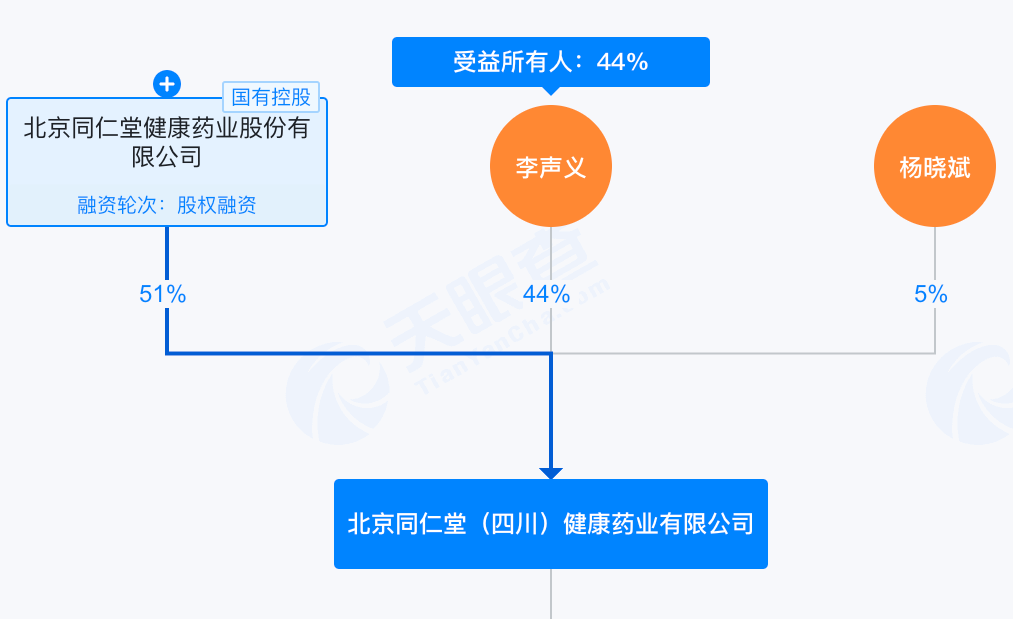
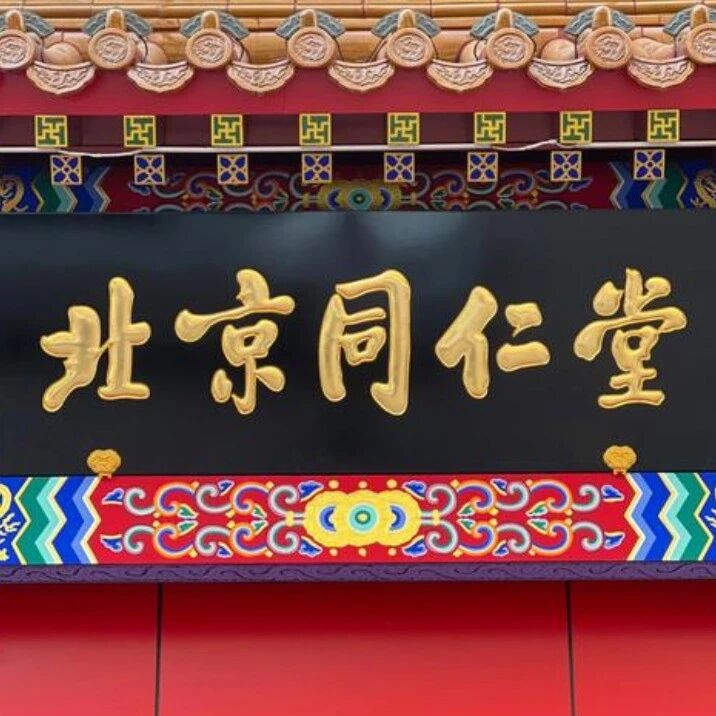
记者丨闫硕 编辑丨季媛媛 视频丨柳润瑛 见习记者陈泽锴 一款南极磷虾油引发的造假风波,再次将同仁堂贴牌乱象推向台前。 近日,上海市消保委对市面上热销的15款国内外南极磷虾油产品开展了检测和调查,其中一款标称"北京同仁堂99%高纯南极磷虾油"的产品,磷 脂含量为0,涉嫌造假。 这款涉事产品并非北京同仁堂直接生产,而是由其孙公司北京同仁堂(四川)健康药业有限公司(简称"四川健康药业")负责经销,实际生产 代工方为安徽哈博药业有限公司(简称"哈博药业"),属于典型的贴牌模式。 12月15日下午,上海市消保委正式约谈了该产品的经销商与生产商,哈博药业承认在生产过程中未添加其对外宣称的"南极磷虾油";产品包装 按照四川健康药业要求制作。 与此同时,同仁堂健康会员微信公众号发布声明:这款产品未经授权擅自突出使用"北京同仁堂"字样,涉嫌违法,公司已启动司法程序,对涉 事企业进行起诉。目前,四川健康药业已停止经销该产品。 北京同仁堂是"同仁堂"商标唯一合法持有人,其起源可追溯至1669年,凭借数百年的品牌积淀成为中药行业老字号标杆。但近年来,北京同仁 堂多次因贴牌乱象陷入信任危机。有业内观点认为,其在品牌授权管理、子公司管控 ...
检出含量为0!百年老字号同仁堂,卷入造假风波
21世纪经济报道· 2025-12-16 10:42
记者丨 闫硕 编辑丨季媛媛 视频丨柳润瑛 见习记者陈泽锴 一款南极磷虾油引发的造假风波,再次将同仁堂贴牌乱象推向台前。 近日,上海市消保委对市面上热销的15款国内外南极磷虾油产品开展了检测和调查,其中 一款标称"北京同仁堂99%高纯南极磷虾 油"的产品,磷脂含量为0,涉嫌造假。 这款涉事产品并非北京同仁堂直接生产,而是由其孙公司北京同仁堂(四川)健康药业有限公司(简称"四川健康药业")负责经销, 实际生产代工方为安徽哈博药业有限公司(简称"哈博药业"),属于典型的贴牌模式。 12月15日下午,上海市消保委正式约谈了该产品的经销商与生产商, 哈博药业承认在生产过程中未添加其对外宣称的"南极磷虾油"; 产品包装按照四川健康药业要求制作 。 北京同仁堂陷信任危机 南极磷虾油在调节代谢与心血管保护、骨骼健康维护、神经保护与认知等方面有一定功效。 最近,南极磷虾油成为健康圈的"香饽 饽",但市面上南极磷虾油品牌繁多,价格差距悬殊,品质更是难以辨别 。 与此同时,同仁堂健康会员微信公众号发布声明:这款产品未经授权擅自突出使用"北京同仁堂"字样,涉嫌违法,公司已启动司法程 序,对涉事企业进行起诉。目前,四川健康药业已停止经 ...
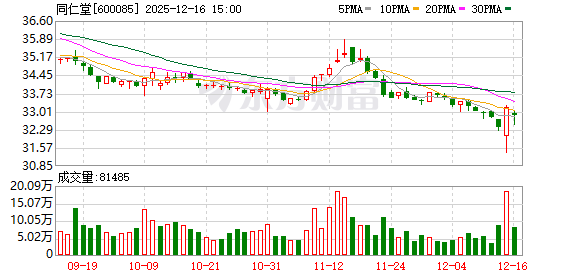
中药板块12月16日跌1.29%,*ST长药领跌,主力资金净流出8.48亿元
Zheng Xing Xing Ye Ri Bao· 2025-12-16 09:09
以上内容为证券之星据公开信息整理,由AI算法生成(网信算备310104345710301240019号),不构成投资建议。 从资金流向上来看,当日中药板块主力资金净流出8.48亿元,游资资金净流入7596.09万元,散户资金净 流入7.72亿元。中药板块个股资金流向见下表: 证券之星消息,12月16日中药板块较上一交易日下跌1.29%,*ST长药领跌。当日上证指数报收于 3824.81,下跌1.11%。深证成指报收于12914.67,下跌1.51%。中药板块个股涨跌见下表: ...

2025年中国中药行业市场研究报告
硕远咨询· 2025-12-16 09:00
Investment Rating - The report does not explicitly state an investment rating for the Chinese traditional medicine industry Core Insights - The Chinese traditional medicine industry is experiencing rapid growth, driven by increasing health awareness, aging population, and supportive government policies [21] - The market is expected to benefit from technological innovations and a shift in consumer preferences towards personalized and diverse health products [21] - The industry is characterized by a complex supply chain, with significant reliance on natural resources and traditional practices, while also integrating modern technology [8][54] Industry Overview - Traditional Chinese medicine (TCM) is defined as a system of medicine that utilizes natural substances from plants, animals, and minerals, processed through traditional and modern techniques [4] - TCM encompasses a wide range of products, including herbal medicines, decoctions, and various formulations like pills and injections [6][7] - The industry chain includes cultivation, processing, production, distribution, and end-use, with each segment interdependent [8][9] Market Demand Analysis - Consumer behavior is shifting towards recognizing TCM as a natural therapy, with a growing preference for its preventive and health-promoting benefits [26] - Different age groups exhibit varying preferences, with older consumers focusing on chronic disease management and younger consumers leaning towards wellness and beauty products [27] - Traditional pharmacies and medical institutions remain primary purchasing channels, but e-commerce is rapidly gaining traction, especially among younger demographics [28][29] Competitive Landscape - Leading companies in the TCM sector, such as Tongrentang and Yunnan Baiyao, leverage their historical brand strength and modern R&D capabilities to maintain market leadership [39] - Small and medium-sized enterprises (SMEs) play a crucial role, often focusing on niche markets and innovative product development [42] - The competitive advantage in the industry is driven by brand influence, R&D capabilities, production processes, and distribution networks [45] Industry Chain Analysis - The cultivation of medicinal herbs is concentrated in regions with favorable climatic conditions, such as Anhui, Sichuan, and Yunnan, ensuring quality and supply stability [52] - The production process is increasingly modernized, incorporating advanced extraction and manufacturing technologies to enhance product quality [58] - Quality control systems are comprehensive, covering all stages from raw material sourcing to final product testing, ensuring safety and efficacy [60]
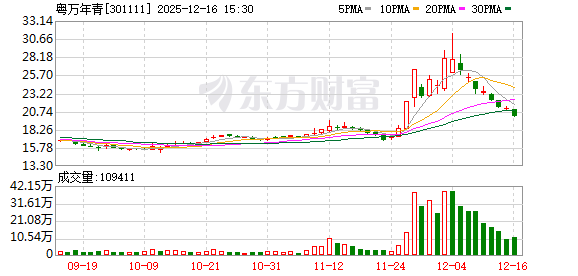
粤万年青:关于使用部分闲置募集资金(含超募资金)和自有资金进行现金管理的公告
Zheng Quan Ri Bao· 2025-12-16 08:38
证券日报网讯 12月15日晚间,粤万年青发布公告称,公司于2025年12月15日召开了第三届董事会第十 次会议和第三届董事会审计委员会第七次会议,审议通过了《关于使用部分闲置募集资金(含超募资 金)和自有资金进行现金管理的议案》,同意公司在确保不影响正常运营和募集资金投资项目建设的情 况下,使用不超过人民币2.5亿元(含2.5亿元)的闲置募集资金(含超募资金)及不超过人民币2.5亿元 (含2.5亿元)的自有资金进行现金管理,上述额度自股东会审议通过之日起12个月内有效。在上述额 度和期限范围内,资金可循环滚动使用,并授权公司管理层在额度范围内行使相关决策权、签署相关合 同文件等。 (文章来源:证券日报) ...