
养老服务

Search documents
国开行山东分行:6.04亿元资金支持山东发展银发经济
Zhong Guo Jin Rong Xin Xi Wang· 2025-11-03 11:40
Group 1 - The core viewpoint emphasizes the importance of pension finance as a key component of the financial sector, with the National Development Bank Shandong Branch actively supporting the elderly care industry and silver economy through policy-driven financial services [1][2] - Since 2025, the National Development Bank Shandong Branch has issued pension loans totaling 604 million yuan, demonstrating its commitment to financing elderly care projects [1] - The construction of the Qushan Elderly Care Service Center in Jinan, covering an area of approximately 43,300 square meters, will add over 800 elderly care beds, addressing the infrastructure needs in the Tianqiao District [1] Group 2 - In Dezhou, the National Development Bank Shandong Branch is financing the construction of the Yuehu Elderly Care Service Center, which will cover 10,600 square meters and provide 240 new elderly care beds, enhancing local elderly care services [1] - The collaboration between the National Development Bank Shandong Branch and GoerTek Inc. focuses on developing age-friendly smart wearable devices, which will support the elderly care sector and promote high-quality development in manufacturing [2] - The National Development Bank Shandong Branch aims to leverage its role as a policy financial institution to support the high-quality development of the elderly care industry and address pension challenges in Shandong [2]

徐家汇街道“物业+居家养老”服务中心揭牌 梳理四张清单 新增两种特色
Jie Fang Ri Bao· 2025-11-03 01:49
Core Viewpoint - The integration of property management companies into elderly care services is being explored in Shanghai's Xuhui District, aiming to enhance home-based elderly care through a "property + home care" service model [1][2]. Group 1: Service Model Development - The "property + home care" service model has been continuously promoted since last year, providing essential living care, housekeeping, maintenance, and nursing services directly to the elderly at home [1]. - A physical "property + home care" service center has been established in Xuhui District, transforming a basic maintenance station into a comprehensive service center of over 300 square meters, which will also offer additional services like haircuts and laundry [1][2]. Group 2: Service Offerings - Four service lists have been developed, including maintenance services covering 32 items (water, electricity, air conditioning, etc.), nursing services (medication management, vital signs monitoring), housekeeping services (cleaning, cooking, laundry), and care services (assisting with heavy items, home visits) [2]. - The elderly can access these services at a discounted rate of 50 yuan per hour, with certain care services provided as public welfare [2]. Group 3: Additional Features - A "24-hour service for the elderly" has been introduced, featuring smart monitoring systems installed in homes, with a professional service team available to respond to emergencies within 15 minutes [3]. - The annual fee for this service is 2000 yuan, which includes 20 hours of home service, covering daily care and emergency medical assistance [3]. - A project called "Worry-Free Travel" is being piloted in the Leshan area to improve accessibility for the elderly by enhancing public spaces with ramps and smart navigation systems [3].

自主移动机器人仍是推动日本医疗护理转型的主力军
Di Yi Cai Jing· 2025-11-02 12:35
Group 1: Core Insights - The aging population in Japan is creating a significant demand for professional nursing services, with over 7 million elderly individuals requiring care, representing 19.4% of the elderly population [1] - The Japanese government is responding to the crisis in elderly care by encouraging day care institutions to expand home care services, with a new subsidy program expected to be implemented next year [1] - The autonomous mobile robot (AMR) market in Japan is projected to grow from $225.76 million in 2024 to $1.07934 billion by 2033, reflecting a compound annual growth rate (CAGR) of 19.20% from 2025 to 2033 [2] Group 2: Market Dynamics - Japan's Ministry of Economy, Trade and Industry (METI) has allocated $3.2 billion in 2024 to promote the application of robotics in labor-intensive sectors, including healthcare [3] - The elderly care market in Japan is expected to grow from $10.96 billion in 2023 to $20.99 billion by 2032, with a CAGR of 7.49% from 2024 to 2032 [4] - By 2024, 2,800 AMRs are expected to be deployed in 450 elderly care facilities, assisting with tasks such as medication delivery and patient care [4] Group 3: Technological Advancements - Hospitals like Tokyo Medical University Hospital rely on AMRs for 8,500 medication deliveries daily, while Osaka General Medical Center uses them for waste management and internal logistics [5] - AMRs equipped with natural language processing capabilities are being deployed in elderly care settings to enhance interaction with seniors and reduce caregiver fatigue [5] - A new elderly care robot designed to assist bedridden patients is expected to be developed by 2040, highlighting the long-term potential of robotics in addressing care shortages [5] Group 4: Investment Opportunities - The aging population in China presents a larger market for elderly care services, with the market expected to exceed 12 trillion RMB by 2025, indicating significant investment opportunities [7] - Both Japan and China are experiencing a shift in elderly care models, leading to new investment avenues in high-end care facilities, telemedicine, and robotic caregiving [7]

民生一件事|多管齐下让年轻人“留得下、有奔头” 破解养老行业人才短缺
Yang Shi Wang· 2025-11-02 05:49
Core Viewpoint - The aging population in China, with over 310 million people aged 60 and above, has led to a national strategy focusing on addressing the talent shortage in the elderly care industry, particularly among young professionals [1][6]. Group 1: Current Situation - The elderly care industry is facing a significant shortage of young talent, with only about 5 out of 45 graduates from a specific class remaining in the field [5]. - The potential demand for elderly care personnel in China is over 10 million, yet there are only around 300,000 currently employed [6]. Group 2: Initiatives and Innovations - Jiangsu province has pioneered a professional title system for elderly care workers, aiming to retain young talent by providing clear career progression [6][8]. - In 2021, Jiangsu established the first undergraduate program in elderly service and management in collaboration with Nanjing University of Traditional Chinese Medicine, with a 100% employment rate for graduates in 2025 [10]. Group 3: Policy and Incentives - Zhejiang province is implementing a multi-faceted approach that includes policy incentives, improved compensation, and technological enhancements to attract and retain elderly care professionals [11]. - A special allowance system linked to professional skill levels has been introduced in Zhejiang, with over 36 million yuan distributed in 2024 [13]. Group 4: Technological Integration - The integration of technology in elderly care, such as digital twin nursing homes and robots for medication delivery, is being utilized to alleviate the workload of caregivers [15].

“95后”养老服务师的七年坚守
Yang Shi Wang· 2025-11-01 22:53
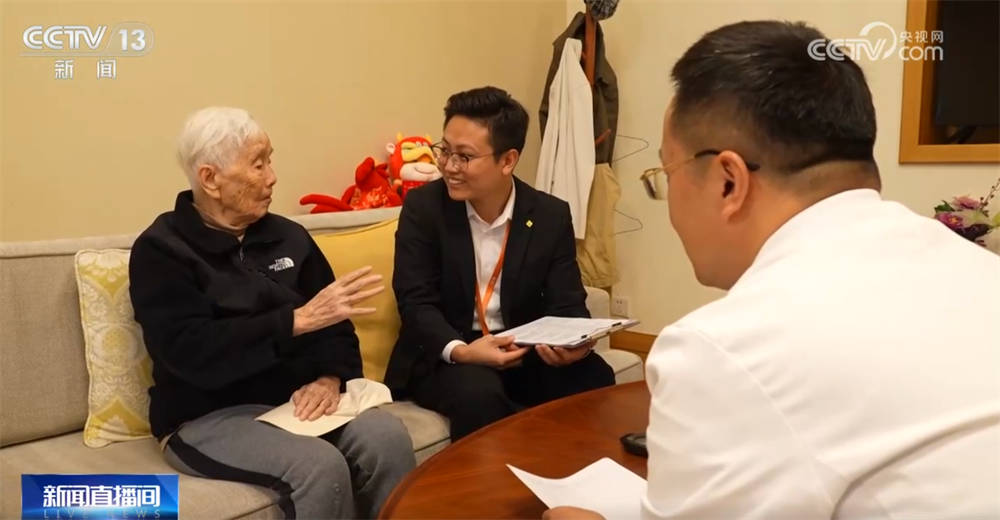
Core Insights - The aging population in China has surpassed 310 million individuals aged 60 and above, accounting for 22% of the total population, making it a national strategic priority to address the challenges of an aging society [1] - The introduction of "elderly care service workers" as a new profession highlights the government's response to the aging issue, although the industry is currently facing a significant shortage of young talent [1] Industry Overview - The elderly care sector is becoming increasingly important due to the growing number of elderly individuals, necessitating the development of new roles and services to support this demographic [1] - The story of a "post-95" elderly care service worker illustrates the dedication required in this field, emphasizing the emotional and social aspects of caring for elderly patients, particularly those with Alzheimer's disease [1]
民盟盟员解读上海养老新规:陪护假彰显人文关怀
Zhong Guo Xin Wen Wang· 2025-11-01 12:30
Core Points - The revised "Shanghai Senior Citizens' Rights Protection Regulations" took effect on November 1, marking the first significant amendment in nearly a decade to enhance the legal framework for protecting the rights of the elderly in Shanghai, which has the highest aging population in China [1] - By the end of 2024, the elderly population aged 60 and above in Shanghai is projected to reach 5.7762 million, accounting for 37.6% of the total population, indicating a significant aging trend [1] - The amendment integrates the national strategy for actively addressing population aging and promotes a positive view of aging and healthy aging concepts throughout economic and social development [1] Group 1 - The newly added caregiving leave system has garnered social attention, providing relief for caregivers of elderly patients, highlighting the importance of humanistic care in the context of AI-driven "smart elderly care" [2] - The development of the silver economy is a major highlight of the new regulations, which call for the cultivation of a silver consumer market and the promotion of various industries related to elderly care, including smart elderly care and health services [2] Group 2 - The Fudan University Institute of Aging, established in 2021, focuses on three main research areas: high-quality population development and the silver economy, health management tailored to Chinese demographics, and ethical standards for AI applications in elderly care [3] - The institute is collaborating with industry partners to develop AI corpus standards and an "AI value target field" aimed at reviewing applications relevant to the elderly population [3]
西湖区按下科技养老跨界融合“加速键”
Mei Ri Shang Bao· 2025-10-31 22:19
Core Insights - The event held in Xihu District on October 29, 2023, focused on promoting elderly care and showcased new achievements in building an elderly-friendly society and enhancing elderly services through technology [1][2] - The "E Yang Le Ju Intelligent Body" was developed in collaboration with Xingyu Intelligent, utilizing AI to provide personalized and accessible support for elderly individuals [2][3] Group 1: Event Overview - The event was themed "Caring for the Elderly in the Era of Health and Technology" and included the launch of new technology-driven elderly care projects and the unveiling of a comprehensive silver-haired consumption complex [1] - The "Xihu District Technology Elderly Care Scene Innovation and Pairing Action" was officially launched, involving partnerships between elderly care enterprises and AI companies to accelerate the integration of technology in elderly services [1] Group 2: Technological Innovations - The "E Yang Le Ju Intelligent Body" leverages a city brain intelligent hub and integrates a large model with multi-modal emotional companionship algorithms to create a highly interactive AI system for elderly support [2] - Key technological breakthroughs include the ability to extract core demands from elderly individuals' expressions, provide emotional support through voice recognition, and implement intelligent regulatory measures to prevent policy overlap [2] Group 3: Service Applications - The "Xiao Min" AI system is fully applied in the Xihu District's civil affairs sector, offering comprehensive services such as policy consultation, funding supervision, resource matching, and data analysis for elderly care [3] - This system aims to explore a new path for elderly services through a combination of intelligent decision-making and emotional companionship [3]
陈颖:以整合式生态破解养老痛点,探索品质康养新路径
Xin Hua Cai Jing· 2025-10-31 12:22
Core Insights - The article discusses the challenges and solutions in the elderly care sector in China, particularly focusing on the innovative strategies employed by Taikang to address these issues [1][2]. Group 1: Current Challenges in Elderly Care - The elderly care sector faces three core challenges: supply imbalance with occupancy rates below 50%, misallocation of medical resources leading to difficulties in accessing healthcare, and dual pressures of aging without adequate preparation and low pension replacement rates at 46% [2]. - The phenomenon of "one and a half years rotating through eight facilities, employing eight caregivers, and seeking medical help four times" exemplifies the shortcomings of the current elderly care system [1]. Group 2: Taikang's Innovative Solutions - Taikang has developed a "longevity era solution" that integrates payment, investment, and service into a comprehensive model, addressing the fragmentation and disconnection in elderly care services [2]. - The company has established 46 elderly care communities across 37 cities in China, with over 20,000 residents expected by the end of the year, and has served more than 1,400 elderly individuals in Chengdu [2]. Group 3: Future Directions - Taikang aims to deepen the integration of medical and elderly care services, leveraging five medical centers and a partnership with Wuhan University to promote a comprehensive approach to healthcare [3]. - The company is also embracing smart elderly care solutions, utilizing AI and voice interaction technology to enhance service efficiency and reduce feelings of loneliness among the elderly [3].
首届海峡养老产业博览会在福州开幕 机器人应用受关注
Zhong Guo Xin Wen Wang· 2025-10-31 11:15
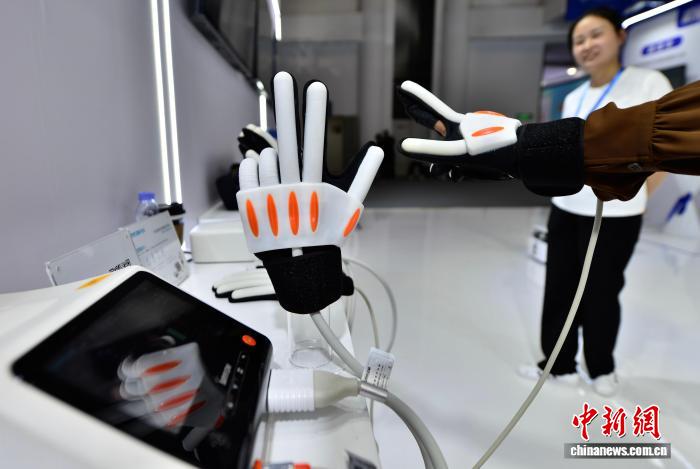
Core Insights - The first Straits Elderly Care Industry Expo opened in Fuzhou, highlighting the growing interest in robotic applications within the elderly care sector [1]. Group 1: Event Overview - The expo showcased various innovative robotic technologies aimed at enhancing elderly care, including rehabilitation robots and AI-assisted health solutions [1][2][3][4][5]. Group 2: Robotic Technologies - Featured technologies included a flexible mirror rehabilitation robot designed for hand functionality, a chair-assisted rehabilitation exercise robot, and an AI Chinese medicine robot [2][3][4]. - Attendees had the opportunity to experience the AI Huaxia Health Intelligent Mirror, which integrates advanced technology for health monitoring and assistance [5].
在北京怀柔,一场邻里互助的养老实验正在进行
Xin Jing Bao· 2025-10-31 10:44
Core Insights - The article discusses the innovative neighborhood mutual assistance elderly care model being implemented in Beijing's Huairou District, particularly in Beigou Village, as a solution to the challenges of elderly care in rural areas [1][3][4] Group 1: Neighborhood Mutual Assistance Model - The neighborhood mutual assistance elderly care model involves local residents, known as mutual assistance workers, visiting elderly individuals to provide companionship and assistance with daily tasks [2][5] - In Beigou Village, there are 18 mutual assistance workers who regularly visit elderly residents, helping with chores and providing social interaction, which is crucial for their mental well-being [2][6] - This model aims to address the loneliness and social isolation faced by elderly individuals living alone, emphasizing the importance of communication and companionship over just physical care [2][4] Group 2: Implementation and Structure - Huairou District has established a three-tiered elderly care service system that integrates neighborhood mutual assistance with public and social services, creating a comprehensive support network for the elderly [3][4] - The district has been designated as a national pilot area for innovative county-level elderly care services, with a focus on adapting to the unique challenges of rural and mountainous regions [3][8] - The mutual assistance model is designed to leverage local community ties, utilizing volunteers from the village to provide care, thereby fostering a sense of community and support among residents [4][6] Group 3: Future Goals and Challenges - The goal is to expand the neighborhood mutual assistance model across all mountainous areas within five years, integrating it with government and social services to create a modern elderly care system [8] - Challenges remain in training mutual assistance workers, enhancing their professional skills, and developing personalized service offerings to meet the diverse needs of elderly individuals [8]