电动车

Search documents
大和:升小米集团-W(01810)目标价至76港元 次季收入及经调整纯利大致符预期
智通财经网· 2025-08-20 06:52
手机方面,由于发布的产品有限,该行对小米第三季的出货量转趋审慎,预期第三季的出货量为4,220 万部,全年的出货量为1.72亿部,相对于小米全年1.7亿至1.75亿部的目标。 智通财经APP获悉,大和发布研报称,小米集团-W(01810)第二季收入及经调整盈利大致符合市场预 期。在SU7 Ultra等的较高平均售价及规模经济的带动下,小米第二季电动车毛利率达到26.4%,该行预 期第三季电动车毛利率将进一步上升至28%。这将有可能使小米汽车业务在下半年实现单季或单月盈亏 平衡。基于电动车毛利率预测获上调,上调小米2025至27年每股盈测2%至9%。重申"买入"评级,并将 目标价由72港元上调至76港元。 ...

大行评级|大和:上调小米目标价至76港元 下半年汽车业务或实现单季或单月盈亏平衡
Ge Long Hui· 2025-08-20 05:47
Group 1 - The core viewpoint of the report indicates that Xiaomi's Q2 revenue and adjusted profit largely met market expectations [1] - The gross margin for electric vehicles reached 26.4% in Q2, driven by higher average selling prices and economies of scale, with expectations for an increase to 28% in Q3 [1] - Xiaomi's electric vehicle business may achieve breakeven on a quarterly or monthly basis in the second half of the year [1] Group 2 - Due to a limited number of product launches, the company is cautious about Xiaomi's Q3 shipment volume, projecting it to be 42.2 million units, with an annual total of 172 million units [1] - This annual projection is slightly below Xiaomi's target of 170 to 175 million units [1] - Based on the revised gross margin forecast for electric vehicles, the company has raised its earnings per share estimates for Xiaomi for 2025 to 2027 by 2% to 9% [1] - The target price for Xiaomi has been increased from HKD 72 to HKD 76, maintaining a "buy" rating [1]
高盛:降小米集团-W目标价至65港元 次季业绩大致符预期
Zhi Tong Cai Jing· 2025-08-20 05:43
Core Viewpoint - Goldman Sachs reports that Xiaomi Group-W (01810) Q2 performance is largely in line with expectations, with a 30% year-on-year revenue growth and a 75% increase in adjusted net profit, exceeding the bank's forecasts by 7% to 13% [1] Financial Performance - Revenue increased by 30% year-on-year, driven by strong performance in AIoT, which grew by 45%, surpassing Goldman Sachs and market predictions by 2% and 8% respectively [1] - Adjusted net profit rose by 75% year-on-year, exceeding Goldman Sachs' expectations [1] Product Performance - Electric vehicle sales offset weak smartphone sales, indicating a shift in product demand [1] Forecast Adjustments - Revenue forecasts for Xiaomi from 2025 to 2027 remain largely unchanged, but adjusted net profit forecasts have been lowered by 1% to 4% due to increased R&D investments and taxes [1] - Target price has been reduced from HKD 69 to HKD 65, while maintaining a "Buy" rating [1] Stock Performance - Over the past three months, Xiaomi's stock performance has aligned closely with index trends, with a year-to-date increase of 54% [1] - Concerns about the slowdown in AIoT sales growth and the gradual increase in electric vehicle manufacturing capacity have been noted, despite a slight rise in delivery volumes in August [1]
高盛:降小米集团-W(01810)目标价至65港元 次季业绩大致符预期
智通财经网· 2025-08-20 05:41
Core Viewpoint - Goldman Sachs reported that Xiaomi Group-W (01810) second-quarter performance was largely in line with expectations, with a year-on-year revenue growth of 30% [1] Revenue Performance - Revenue increased by 30% year-on-year, driven by strong performance in Artificial Intelligence of Things (AIoT), which grew by 45%, exceeding Goldman Sachs and market forecasts by 2% and 8% respectively [1] - Electric vehicle sales offset weak smartphone sales, contributing positively to overall revenue [1] Profitability - Adjusted net profit increased by 75% year-on-year, surpassing Goldman Sachs' and market forecasts by 7% to 13% [1] - Due to increased R&D investment and higher income tax, adjusted net profit forecasts were revised down by 1% to 4% [1] Target Price and Rating - The target price was lowered from HKD 69 to HKD 65, while maintaining a "Buy" rating [1] Stock Performance - Over the past three months, Xiaomi's stock performance has been in line with index trends, with a year-to-date increase of 54% [1] - Concerns regarding the downward revision of smartphone revenue/gross margin estimates have been noted, as the company has consistently provided lower forecasts than the market since early 2025 [1] Future Outlook - There are worries about a slowdown in AIoT sales growth in the second half of the year due to diminishing incremental benefits from China's national subsidy program [1] - Since July, the increase in electric vehicle manufacturing capacity has been relatively slow, although there was a slight rise in delivery volumes in August [1] - Following two years of exceeding expectations and upward adjustments, the forecast adjustments for revenue and earnings per share have been moderate [1]
高盛:小米次季业绩基本符合预期 目标价下调至65港元
Jin Rong Jie· 2025-08-20 03:37
Core Viewpoint - Goldman Sachs reports that Xiaomi's Q2 performance largely meets expectations, with a year-on-year revenue growth of 30% and a strong performance in AIoT, which grew by 45%, exceeding both the bank's and market forecasts by 2% and 8% respectively [1] Group 1: Financial Performance - Revenue increased by 30% year-on-year, driven by strong AIoT sales [1] - Adjusted net profit grew by 75% year-on-year, surpassing Goldman Sachs' and market forecasts by 7% to 13% [1] - Despite weak smartphone sales, electric vehicle sales helped offset the decline [1] Group 2: Stock Performance - Xiaomi's stock performance has been in line with index trends over the past three months, but has risen 54% year-to-date [1] - Concerns over reduced smartphone revenue and gross margin estimates have led to a downward adjustment in forecasts since early 2025 [1] Group 3: Future Outlook - The bank maintains its revenue forecasts for Xiaomi from 2025 to 2027, but adjusts the net profit forecast down by 1% to 4% due to increased R&D investments and taxes [1] - Target price is revised from HKD 69 to HKD 65, while maintaining a "Buy" rating [1]
大行评级|高盛:小米次季业绩基本符合预期 目标价下调至65港元
Ge Long Hui· 2025-08-20 03:27
Core Viewpoint - Goldman Sachs reported that Xiaomi's Q2 performance largely met expectations, with a year-on-year revenue growth of 30% and a strong performance in AIoT, which grew by 45%, exceeding both the bank's and market forecasts by 2% and 8% respectively [1] Group 1: Financial Performance - Xiaomi's Q2 revenue reached 116 billion yuan and net profit was 10.8 billion yuan, both setting new historical highs [2] - Adjusted net profit increased by 75% year-on-year, surpassing Goldman Sachs' and market forecasts by 7% to 13% [1] Group 2: Market Dynamics - Electric vehicle sales offset weak smartphone sales, contributing positively to overall performance [1] - Concerns about a slowdown in AIoT sales growth in the second half of the year due to diminishing incremental benefits from China's subsidy program [1] Group 3: Stock Performance and Forecasts - Xiaomi's stock price has performed in line with the index over the past three months, but has risen 54% year-to-date [1] - Goldman Sachs maintains its revenue forecasts for Xiaomi from 2025 to 2027 but has slightly lowered adjusted net profit forecasts by 1% to 4% due to increased R&D investment and taxes [1] - Target price adjusted from 69 HKD to 65 HKD, with a "Buy" rating maintained [1]
Model Y L中国上市日,英国特斯拉打5折
汽车商业评论· 2025-08-20 02:27
Core Viewpoint - Tesla is facing contrasting market dynamics globally, with significant challenges in the UK and regulatory pressures in the US, while attempting to adapt its strategies to maintain sales and market presence [3][6][30]. Group 1: Market Strategies - In China, Tesla launched the extended six-seat Model Y L at a starting price of 339,000 RMB, aiming to cater to local family needs and boost sales [4][25]. - In the UK, Tesla has reduced leasing monthly payments by nearly half to stimulate sales, with Model 3 monthly payments dropping to 252 GBP (approximately 2,446 RMB) and Model Y below 400 GBP (approximately 3,883 RMB) [5][9]. - The strategy in the UK involves providing up to 40% backend discounts to leasing companies, allowing Tesla to manage inventory without lowering retail prices [10][11]. Group 2: Sales Performance - Tesla's vehicle registrations in the UK plummeted to 987 units in July, a nearly 60% year-on-year decline, resulting in a market share of only 0.7% [6][13]. - The overall market in the UK also saw a 5% decline in July, but the penetration of electric vehicles continues to grow [13]. - In Europe, Tesla's registrations have faced similar declines, with a 45% drop across ten key markets in July, as competition from Chinese brands intensifies [18]. Group 3: Legal and Regulatory Challenges - Tesla is under increasing legal and regulatory pressure in the US, highlighted by a $243 million judgment related to Autopilot and a collective lawsuit from shareholders regarding Robotaxi risks, leading to a market value loss of approximately $68 billion [20][21]. - The ongoing legal issues are consuming cash flow and management resources, impacting Tesla's marketing and product launch strategies [21]. Group 4: Global Market Dynamics - Tesla's approach varies by region: in Europe, it uses leasing and financial solutions to manage inventory; in China, it focuses on new product launches; and in the US, it employs high incentives and low-interest financing to maintain sales volume [28][29]. - The overarching goal across these strategies is to lower monthly payment thresholds to enhance conversion rates and accelerate turnover, countering the uncertainties posed by legal challenges [29][30]. Group 5: Future Outlook - The future trajectory for Tesla hinges on product innovation and clarity in compliance pathways, which will determine the balance of volume and pricing, as well as the timeline for market expectations [33].


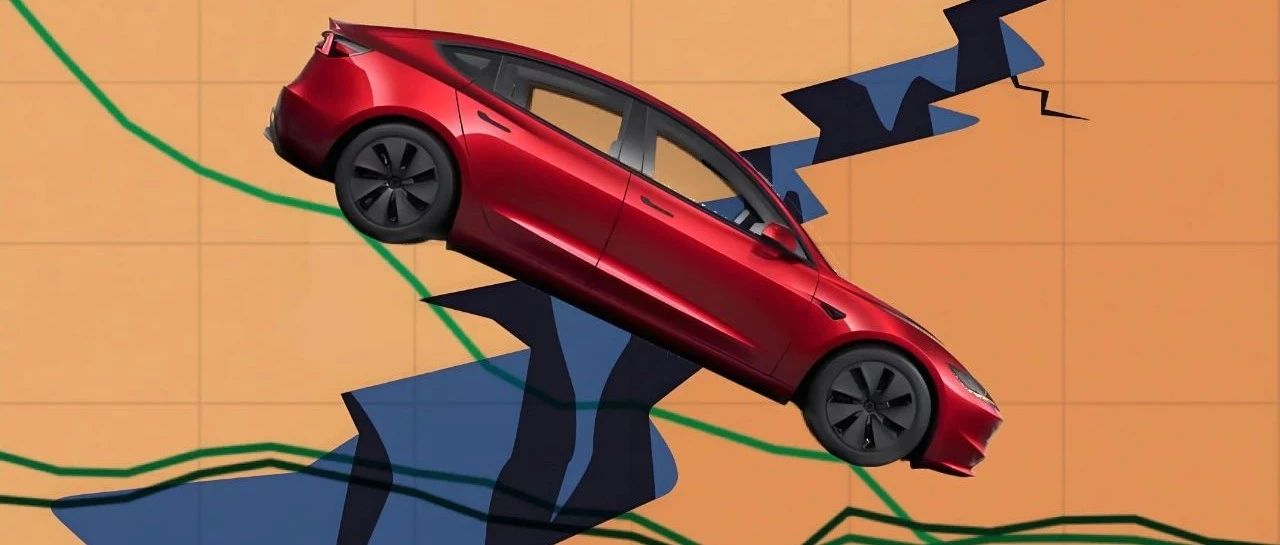
特斯拉被迫40%甩卖,电动车泡沫破了?
3 6 Ke· 2025-08-20 00:18
Group 1 - Tesla is facing significant demand weakness in the UK, with reports indicating that leasing companies are being forced to offer discounts as high as 40% [1][9][10] - In July, Tesla sold approximately 987 new cars in the UK, a nearly 60% drop compared to 2,462 units sold in July of the previous year [1][12] - The decline in sales is attributed to a shift in the electric vehicle market from attracting early adopters to appealing to mainstream consumers who are more price-sensitive and practical [2][11] Group 2 - Mainstream consumers prioritize practicality, affordability, and convenience over brand prestige, making it challenging for Tesla to maintain its previous growth trajectory [5][11] - The competitive landscape has intensified, with traditional automakers and Chinese manufacturers like BYD offering more diverse and cost-effective electric vehicle options [8][20][21] - Tesla's significant price cuts signal a recognition of market demand challenges and a potential oversupply of vehicles, leading to concerns about inventory management and financial health [15][16][30] Group 3 - The company's profit margins are under pressure due to ongoing price reductions, which could impact its ability to invest in future innovations and maintain its competitive edge [30][32][34] - Tesla's reliance on government incentives is diminishing, with changes in policies in both the US and Europe increasing consumer costs and complicating sales strategies [34][36] - The company is experiencing product cycle anxiety, as its main models, the Model 3 and Model Y, have been on the market for several years without a revolutionary update, while competitors rapidly introduce new models [36][37] Group 4 - Elon Musk's leadership is increasingly viewed as a double-edged sword, with his controversial public persona potentially harming Tesla's brand reputation and consumer perception [22][25][29] - Concerns about Musk's focus and the potential impact on Tesla's strategic direction are growing, especially as he manages multiple high-profile ventures simultaneously [28][29] - The stock market has reacted negatively to these challenges, with Tesla's stock price dropping over 18% this year, reflecting a reassessment of its growth potential and valuation [40][42][44]
小牛电动上涨2.55%,报4.625美元/股,总市值3.61亿美元
Jin Rong Jie· 2025-08-19 14:37
Group 1 - The core viewpoint of the news is that NIU Technologies has shown significant financial growth, with a notable increase in revenue and net profit for the fiscal year ending June 30, 2025 [1][3] - As of August 19, NIU's stock price rose by 2.55% to $4.625 per share, with a total market capitalization of $361 million [1] - The company's total revenue reached 1.938 billion RMB, representing a year-on-year growth of 34.08%, while the net profit attributable to shareholders was -32.9642 million RMB, reflecting a year-on-year increase of 58.65% [1] Group 2 - NIU Technologies, established in 2014, is a leading provider of smart urban mobility solutions, aiming to offer convenient and environmentally friendly transportation tools [2] - The company is recognized as the first lifestyle brand in China's urban mobility sector, promoting the brand philosophy of technology, style, and freedom [2] - NIU has launched several electric vehicle series, including NQi, MQi, and UQi, and has received multiple prestigious design awards globally for its products [2]

后悔已经晚了!中国重锤加拿大之后,全球超160国接到中方通知
Sou Hu Cai Jing· 2025-08-19 12:25
Group 1 - China has filed a complaint against Canada at the WTO regarding import restrictions on steel and other products, indicating a significant escalation in trade tensions [1][13] - Canada has imposed a 100% tariff on electric vehicles imported from China, alongside targeted measures against the Chinese steel and aluminum industries, reflecting a strategic economic confrontation [4][9] - The Canadian government's steel tariff measures, which include a 25% direct tariff and strict import quotas, are seen as a violation of international trade rules and a part of a broader U.S. strategy to contain China [5][7] Group 2 - China's response to Canada's actions has been swift and severe, with significant retaliatory measures including high anti-dumping duties on Canadian canola, leading to a loss of approximately $2 billion in market value for Canadian exports [15][17] - The impact of these trade restrictions has severely affected Canadian agricultural exports, including canola, seafood, pork, and peas, resulting in price drops and financial distress for Canadian farmers [19][21] - The economic relationship between Canada and the U.S. has been strained, with Canada facing a trade surplus with the U.S. while simultaneously dealing with high tariffs and pressures on key industries [23][24] Group 3 - The Canadian economy is experiencing significant challenges, with a rising unemployment rate of 7.4% and GDP growth slowing to 1.2%, largely due to the decline in agriculture and manufacturing sectors [29][32] - The Canadian government is struggling to find effective solutions to the economic fallout from its trade policies, with attempts to negotiate with Southeast Asian countries yielding little progress [31][32]