Semiconductors

Search documents
Rohm, Toshiba, Mitsubishi Elec to begin power chip integration talks, Nikkei says
Reuters· 2026-03-26 08:56
Group 1 - Japan's Rohm, Toshiba, and Mitsubishi Electric will begin talks to integrate their power semiconductor businesses, potentially creating the world's second-largest power chip group after Infineon [1][2] - The integration talks may be announced as early as Friday, which could impact Denso's bid to acquire Rohm [2]

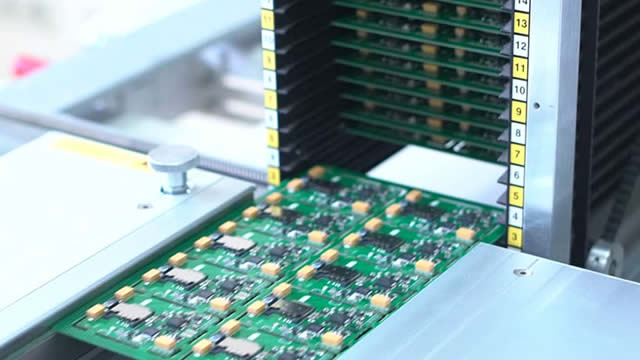
半导体精品公众号推荐!
国芯网· 2026-03-26 08:48
Core Viewpoint - The article emphasizes the importance of revitalizing the domestic semiconductor industry in China while also looking at global opportunities [1]. Group 1 - The article promotes the idea of focusing on both domestic and international markets for the semiconductor industry [1]. - It encourages engagement with the semiconductor community through platforms like the World Semiconductor Forum [1].
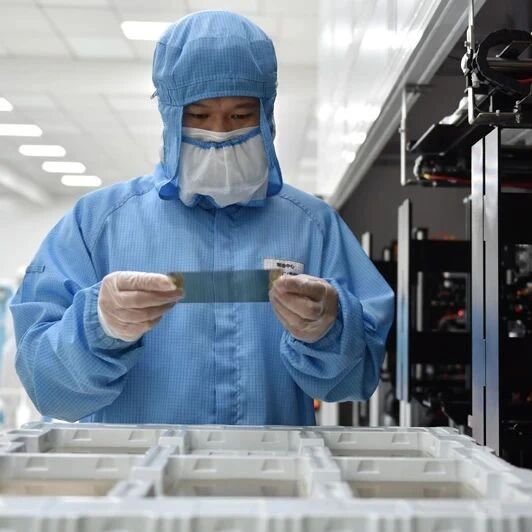
CPU缺货!英特尔、AMD通知涨价!
国芯网· 2026-03-26 08:48
Core Insights - The PC hardware market is experiencing a price increase of approximately 10% to 15% for CPUs, affecting both server and consumer products [2][4] - Intel and AMD have notified customers of price hikes for all processor lines starting in April, with delivery times extending from weeks to months [4] - The demand for AI computing resources is driving the supply-demand imbalance, as manufacturers prioritize data center products over consumer-grade CPUs [4] Group 1 - The CPU supply is expected to tighten further by Q2 2026, as manufacturers allocate more capacity to data center lines, resulting in reduced availability for consumer PCs [4] - The ongoing shortage of CPUs is compounded by the fact that while AI training relies heavily on GPUs, other system components still depend on CPUs [4] - The entire PC hardware ecosystem is under increasing pressure, with storage product prices also rising significantly, leading to potential price increases of 25% to 30% for certain PC products in the coming quarter [4]


How I'd Invest $10,000 in AI Stocks Right Now
The Motley Fool· 2026-03-26 08:15
Core Viewpoint - The current investment trend in artificial intelligence (AI) presents significant opportunities, particularly in the context of geopolitical instability affecting the market. Group 1: Nvidia - Nvidia is a leading company in AI investing, primarily through its powerful graphics processing units (GPUs) that are essential for training and running AI models [3][4] - Nvidia reported a remarkable 73% revenue growth in its most recent quarter and anticipates a further 77% growth in the next quarter, with expectations of generating $1 trillion in lifetime sales from its flagship GPUs by the end of 2027 [4][6] Group 2: Broadcom - Broadcom is emerging as a key player in AI computing with its custom AI chips, which are projected to deliver greater growth than Nvidia's offerings over the next few years [7][8] - The custom AI chip business is expected to generate $100 billion in sales by the end of 2027, with the division housing these chips reporting total sales of $8.4 billion in Q1 of fiscal year 2026 [7][8] Group 3: Taiwan Semiconductor Manufacturing - Taiwan Semiconductor Manufacturing Company (TSMC) is the largest chip foundry globally and produces chips for both Nvidia and Broadcom, benefiting from the overall growth in AI spending [9][11] - TSMC's business model is considered safer as it relies on elevated AI spending, which is projected to continue rising through 2030 [11] Group 4: Microsoft - Microsoft is heavily investing in AI computing resources and is generating significant revenue from its cloud platform, Azure, which saw a 39% revenue growth in its latest quarter [12][14] - Despite its strong business performance, Microsoft's stock is down approximately 30% from its all-time high, presenting a potential buying opportunity [14] Group 5: Nebius - Nebius is a smaller AI-focused cloud computing company that has partnered with Nvidia, positioning itself as a popular choice among AI hyperscalers and developers [15][16] - The company anticipates substantial growth, projecting an annual run rate of $7 billion to $9 billion by the end of 2026, up from $1.25 billion at the end of 2025 [16]





Clarivate Reveals the AI50 - the Organizations Leading Artificial Intelligence Invention
Prnewswire· 2026-03-26 08:00
Core Insights - Clarivate Plc has announced the AI50, a benchmark identifying organizations leading in high-impact artificial intelligence inventions [1][2] - The AI50 includes major players like NVIDIA, Micron Technology, Alphabet, Qualcomm, and Foxconn, which are pivotal in translating AI into complex systems and products [2] - The report highlights that over half of the AI50 organizations are also featured in the 2026 Top 100 Global Innovators [2] Geographic and Industry Concentration - Approximately 80% of the AI50 organizations are based in four regions: Mainland China (15), the United States (14), South Korea (6), and Japan (6) [3] - The cohort includes a significant number of government and academic research institutions, followed by organizations in software and media, electronics and computing equipment, and semiconductors [3] Research Methodology - The AI50 analysis is based on research from the Clarivate Center for IP and Innovation Research, utilizing the Derwent Strength Index to evaluate the influence and success of inventions [4][6] - Only the top 0.5% of AI inventions are selected, with a focus on those having patent family members in at least two countries [6] Innovation and Collaboration - Key contributors to foundational AI inventions include Alphabet, Huawei, IBM, Microsoft, NVIDIA, and Tencent, focusing on breakthroughs in model architecture and hardware [7] - The AI50 demonstrates higher levels of cross-border and academic collaboration, with 10% of inventions involving academic partners and 20% involving international inventor teams [7] Organizational Impact - The AI50 organizations are responsible for a significant share of high-strength AI inventions, which have measurable technical impacts and multinational protections [5] - The report emphasizes the role of these organizations in shaping industries and everyday life through AI applications, particularly in sectors like healthcare [5]


Got $2,000? 2 Semiconductor Stocks to Buy Before the Memory Supercycle Peaks.
The Motley Fool· 2026-03-26 07:45
Group 1: Micron Technology - Micron is a major player in the DRAM market, generating approximately 80% of its revenue from DRAM and the remainder from NAND memory [2] - The DRAM market is currently experiencing a shortage due to increased demand for high bandwidth memory (HBM), which is essential for optimal performance of GPUs and AI chips [3][4] - DRAM prices have surged, leading to a significant increase in Micron's revenue, which rose to $23.9 billion last quarter, nearly tripling year-over-year, and gross margins expanded to 74.4% from 36.8% a year ago [6] - Analysts predict DRAM prices will increase by 130% to 150% in the first half of the year compared to the previous quarter [7] - Micron's stock is currently undervalued with a forward P/E ratio of 4 times fiscal 2027 estimates, despite the cyclical nature of the memory market [8] - The company is adapting to the AI infrastructure demand by seeking longer contracts, including a five-year deal, enhancing revenue visibility [9] Group 2: Sandisk - Sandisk, spun off from Western Digital, is the only pure play in the NAND supercycle, focusing on long-term storage solutions [10] - The rise of AI has led to increased demand for high-performance solid-state drives (SSDs) that utilize NAND, resulting in soaring prices similar to the DRAM market [11] - Last quarter, Sandisk's revenue increased by 61%, driven by a 76% rise in data center sales, with gross margins improving from 32.3% to 50.9% [13] - Management anticipates revenue to nearly triple in the next quarter, with gross margins projected to expand to between 64.9% and 66.9% [13] - Sandisk trades at a forward P/E of 8 times fiscal 2027 estimates, which is considered reasonable, and has potential growth opportunities with the introduction of high bandwidth flash (HBF) technology [14]


英伟达慌了,重返中国无望?它已被“中国英伟达”包围了
Xin Lang Cai Jing· 2026-03-26 07:33
Core Viewpoint - Nvidia's market share in China has plummeted to 0%, with no sales of its AI chips, as confirmed by CEO Jensen Huang [1][3]. Group 1: Market Dynamics - Nvidia once held a 95% market share in China, but it has now been completely overtaken by domestic competitors [1]. - The Chinese AI chip market is dominated by local companies such as Huawei, Alibaba, and Cambricon, which have developed competitive products that outperform Nvidia's offerings [3][5]. - Huawei's latest AI accelerator card, Atlas 350, features the Ascend 950PR processor, which is 2.87 times more powerful than Nvidia's H20 [3]. Group 2: Competitor Landscape - Alibaba's self-developed GPU chip, Zhenwu 810E, has shipped over 470,000 units and is used by more than 400 domestic enterprises, matching the performance of Nvidia's H20 [3]. - Cambricon has achieved profitability in 2025, earning over 2 billion yuan, and has significantly replaced Nvidia's chips in the market [5]. - Haiguang Information has developed its own DCU chip, which also matches the performance of Nvidia's H20 and has been widely adopted by domestic companies [5]. Group 3: Emerging Players - The "GPU Four Little Dragons" including Moore Threads, Muxi Technology, Biran Technology, and Tian Shu Zhixin have successfully gone public, securing substantial funding for research and development [7]. - Numerous other GPU companies are entering the AI sector, contributing to the trend of domestic substitution of Nvidia's chips [8]. Group 4: Industry Trends - The tightening of U.S. export controls on AI chips has led to a strong emphasis on "domestic substitution" within China's AI chip industry, with more companies opting for local solutions over Nvidia's products [8].
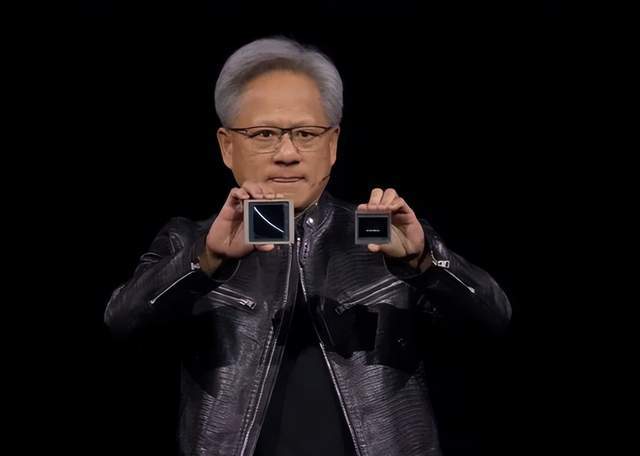
Nvidia Could Crash Over 70%, Warns Scott Galloway, Says AI Is 'Corporate Ozempic'
Benzinga· 2026-03-26 07:25
Group 1 - The core argument presented is skepticism regarding the high expectations for AI-centric companies, which now constitute about 40% of the S&P 500, suggesting that a market correction may be necessary if these companies cannot justify their high revenue multipliers [1][2] - Galloway predicts that major tech companies will soon experience significant reductions in their valuations [2] - AI is characterized as a tool for corporate efficiency rather than a threat to the workforce, allowing companies to reduce their workforce while maintaining profit margins [3][4] Group 2 - Galloway argues that the warnings from tech founders about AI's potential to destroy jobs are often a cover for managerial incompetence, such as poor business forecasting and overhiring during the pandemic [5][6] - The narrative of AI-driven layoffs is perceived as more favorable to investors than admitting to previous business miscalculations [6] Group 3 - NVIDIA (NVDA) shares have seen a year-to-date decline of 4.19%, closely following the Nasdaq 100 index's drop of 4.14% during the same period [7] - Over the last six months, NVDA's stock increased by 0.56%, and it has risen by 48.05% over the past year, closing at $178.68 [7] - Current stock rankings indicate NVDA has a weak price trend in the short and medium term but shows a strong long-term trend with a solid quality score [7]
Nvidia Says the "Inflection Point of Inference" Has Arrived. Here Are 2 AI Stocks to Buy for 2026.
The Motley Fool· 2026-03-26 06:45
Core Insights - Nvidia's CEO Jensen Huang stated that the market for inference is expected to surpass the market for training AI models, marking a significant shift in the AI landscape [1] - The demand for cloud and computing infrastructure to support AI inference is projected to grow as more businesses deploy AI products [2] Microsoft - Microsoft is well-positioned to benefit from AI inference growth through its integration of Copilot across products and its Azure enterprise cloud platform [3] - CEO Satya Nadella referred to Microsoft as a "cloud and token factory," emphasizing its extensive data center capabilities and efficiency in processing inference workloads [4] - Microsoft has achieved a 50% increase in throughput for high-volume inference workloads with OpenAI, indicating improved efficiency and profitability [5] - The company reported 15 million paid seats for Microsoft 365 Copilot, reflecting a 160% year-over-year increase, and is focused on maximizing token throughput per dollar spent on infrastructure [7][8] Broadcom - Broadcom is positioned to benefit from the increasing capital expenditures in AI infrastructure, with tech giants spending $410 billion last year, an 80% increase from 2024 [9] - The company has seen a doubling of its AI semiconductor revenue to $8.4 billion year over year, driven by demand for its custom AI accelerators [12] - Broadcom's AI networking revenue grew 60% year over year, supported by strong demand for its networking gear [13] - Management anticipates achieving over $100 billion in revenue from AI chips by 2027, with a forward P/E of 28 backed by expected 40% annualized earnings growth [14]
Arm Just Broke Its 35-Year Business Model: 5 Chip Stocks to Own Now
Investing· 2026-03-26 05:36
View all comments (0)0 Jaachi Mbachu, ACIArb Articles(32)| My Homepage Arm Just Broke Its 35-Year Business Model: 5 Chip Stocks to Own Now | Investing.com Iran rejects U.S. war proposal, says no talks before conditions met Oil prices climb over 2% as Iran reviews US proposal to end war This is the hottest stock in the market because of its Claude exposure MU, WDC, SNDK fall: Why Google's TurboQuant is rattling memory stocks Arm Just Broke Its 35-Year Business Model: 5 Chip Stocks to Own Now By Jaachi Mbachu ...