港口航运

Search documents
路上一道辙
He Nan Ri Bao· 2025-10-06 23:20
Core Insights - The article highlights the development of Henan's logistics and transportation infrastructure, emphasizing the synergy of four routes: air, land, sea, and digital, contributing to the Belt and Road Initiative [5] Air Silk Road - Zhengzhou Airport has seen a significant increase in cargo volume, surpassing 700,000 tons this year, a growth of over 24% compared to the previous year, with cross-border e-commerce goods now accounting for 52% of international outbound cargo [6][7] - The opening of the Zhengzhou-Luxembourg international cargo route in 2014 marked the beginning of a transformation for Henan, establishing a vital air link between Central China and Europe [6][8] - The airport's operational efficiency has improved, with daily peak cross-border e-commerce cargo exceeding 1,000 tons, and a typical delivery time of 72 hours from domestic manufacturers to global destinations [7][8] Land Silk Road - During the National Day and Mid-Autumn Festival, multiple China-Europe freight trains departed from Zhengzhou, transporting goods such as machinery parts and clothing to various destinations, including Belgium and Russia [8][9] - The Zhengzhou International Land Port has become a hub for logistics, with an average daily traffic of over 2,000 vehicles during the holiday period, reflecting the growing demand for international logistics [9][10] - Since the launch of the first China-Europe freight train in 2013, the service has expanded from 1 station and 1 port to 26 stations and 9 ports, with over 16,000 trains operated, enhancing trade and cultural exchanges [10] Sea Silk Road - The Luhe Port is experiencing increased activity, with logistics companies and shipping enterprises establishing operations, indicating a growing demand for inland waterway transport [11][12] - The port's expansion project aims to significantly enhance its throughput capacity to 18.25 million tons per year, improving logistics efficiency and integrating with other regional ports [12][13] - The port's strategic location offers logistical advantages, with water transport costs being significantly lower than rail and road, while also accommodating larger volumes [11][12] Digital Silk Road - The cross-border e-commerce sector in Henan is thriving, with over 50 companies in the China Post Zhengzhou Cross-Border E-Commerce Industrial Park, generating an annual sales volume of around 1 billion USD [13][14] - The park provides integrated services for e-commerce sellers, including logistics and customs clearance, reducing average customs clearance time from 24 hours to under 12 hours [14][15] - Henan's cross-border e-commerce exports have grown from over 76 billion RMB in 2016 to over 260 billion RMB projected for 2024, reflecting the province's deep integration into global supply chains [15]


琼州海峡复运海口新海港、秀英港两港多措并举高效疏运
Zhong Guo Jin Rong Xin Xi Wang· 2025-10-06 09:34
Core Viewpoint - The impact of Typhoon "Maidum" is gradually diminishing, and transportation in the Qiongzhou Strait is resuming, with the company implementing measures to ensure efficient transport for drivers, passengers, and goods [1] Group 1: Company Actions - Hainan Strait Shipping Co., Ltd. has taken steps to ensure efficient transport operations post-typhoon, including the removal of temporary flood control facilities and the repair of damaged signage and lighting [3] - The company has deployed 18 and 9 berths at Haikou New Port and Xiuying Port respectively to maximize berth resource utilization and enhance vehicle throughput efficiency [4] - A professional team has been organized to conduct comprehensive inspections and adjustments of key facilities, ensuring that conditions for resuming operations are met [3][4] Group 2: Passenger and Cargo Services - The ports have prioritized the transport of fresh agricultural products by implementing policies for "priority entry, loading, and boarding" to ensure smooth transportation of perishable goods [6] - To improve passenger experience, the ports have increased the number of volunteers to provide assistance and information, thereby alleviating transportation pressure and enhancing the sense of comfort for travelers [6] - The company has established a 24-hour hotline for ticket refunds and inquiries, ensuring timely and accurate information dissemination to travelers [8] Group 3: Future Plans - The company plans to continue optimizing service processes and improving service quality to provide a safer, more convenient, and comfortable travel environment for passengers in the future [8]

再破纪录!3016辆“中国造”直航墨西哥
Yang Zi Wan Bao Wang· 2025-10-04 09:56
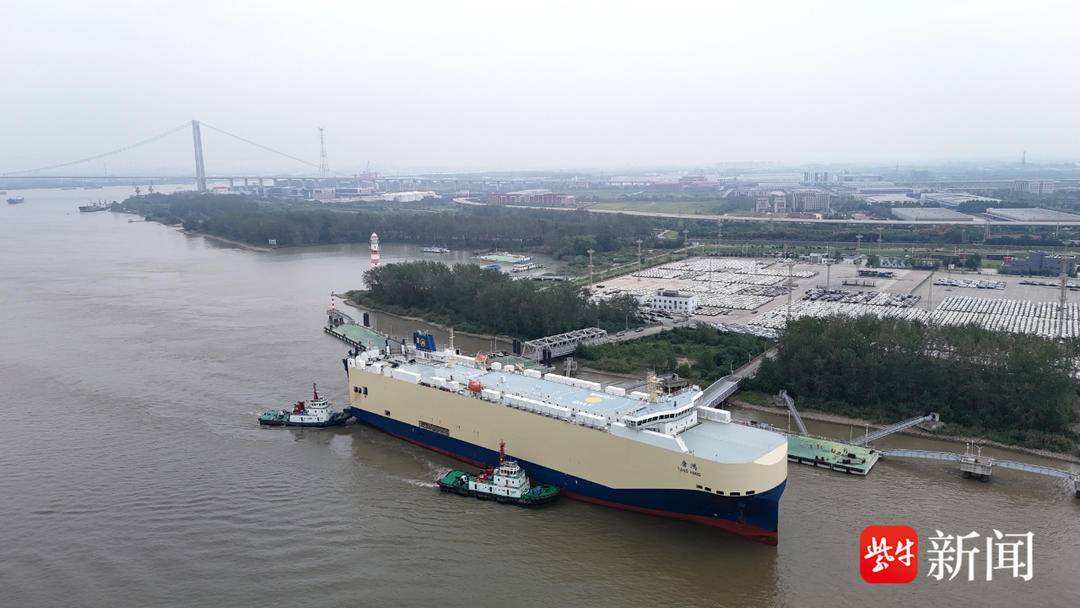
Core Viewpoint - The successful export of 3,016 domestically manufactured vehicles via the "Tanghong" vessel marks a significant milestone for Nanjing's international logistics capabilities and enhances its status as a regional shipping and logistics hub [1][3]. Group 1: Export Achievement - The "Tanghong" vessel, with a total length of 169.1 meters and a gross tonnage of 35,000 tons, can carry up to 3,800 standard vehicles, representing the highest number of complete vehicle exports in Nanjing's history [3]. - This export breakthrough is expected to enhance the logistics hub function of Nanjing Port, expanding its automotive logistics distribution range and providing optimized solutions for local automotive manufacturers [3][5]. Group 2: Port and Logistics Development - Nanjing Port serves as a crucial deep-water port and international transfer hub, being the endpoint of the Yangtze River's 12.5-meter deep-water channel, significantly impacting the economic development of the Yangtze River basin and the central and western regions [3]. - The Nanjing Maritime Safety Administration plays a key role in ensuring the safe entry and exit of foreign trade vessels, providing comprehensive support for customs clearance and operational efficiency [5][6]. Group 3: Future Plans - The Nanjing Maritime Safety Administration aims to continue leveraging its maritime expertise to enhance port openness and solidify Nanjing's position as a logistics hub in the middle and lower reaches of the Yangtze River [6].

受台风影响 海口“三港”明日16时起停运
Yang Shi Xin Wen· 2025-10-03 13:41
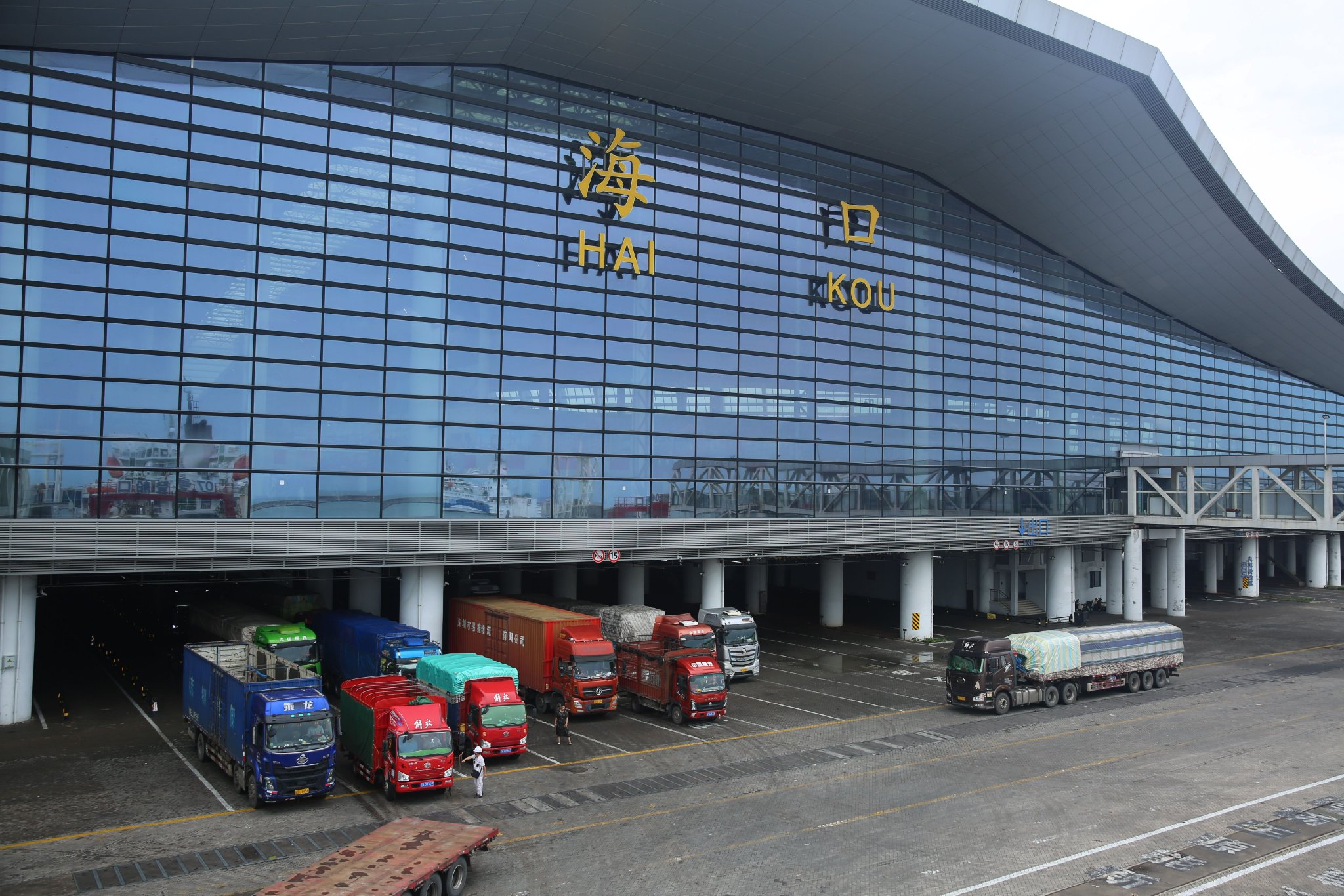
Core Points - The Haikou Transportation and Port Management Bureau announced the suspension of operations at Haikou Xinhai Port, Xiuying Port, and Railway South Port due to Typhoon "Maidum" [1] - The suspension will begin at 16:00 on October 4 and is expected to last until the afternoon of October 6, with the exact resumption time dependent on weather conditions [1] - Travelers and drivers are advised to plan their trips accordingly, purchase tickets in advance, and avoid traveling during the suspension period [1]
海湾国家如何用关键一招破解中东局势?
Hu Xiu· 2025-10-03 07:59
Core Insights - The article highlights the geopolitical implications of economic corridors in the Gulf region, emphasizing their role in trade, regional development, and geopolitical influence amidst shifting global dynamics [1][3][4]. Group 1: Economic Corridors Overview - The three major economic corridors discussed are the India-Middle East-Europe Corridor (IMEC), the Iraq Development Road Corridor (IDRC), and the Belt and Road Initiative (BRI) [1][7][10]. - IMEC aims to connect Indian manufacturing, Middle Eastern energy, and European markets, but faces challenges due to political resistance from Gulf and Arab nations regarding Israel's inclusion [1][7]. - IDRC seeks to establish a land bridge from Iraq's Basra to the Turkey-Iraq border, but its success is contingent on funding and regional stability, particularly concerning Iranian influence and Kurdish participation [10][11]. Group 2: Gulf States' Strategic Positioning - Gulf countries are leveraging their geographical advantages and capital reserves to position themselves as key players in a multipolar world, adopting a strategy of "active neutrality" [3][4]. - Significant infrastructure investments are being made, such as Saudi Arabia's $1.7 billion investment in Jeddah Port and the UAE's 900 km railway network, aimed at enhancing regional connectivity [4][5]. - Sovereign wealth funds in the Gulf, exceeding $1 trillion, are pivotal in diversifying economies and investing in emerging sectors like AI and cryptocurrency [5][6]. Group 3: Geopolitical Dynamics - The Gulf states are cautious in their participation in various economic corridors to avoid being drawn into the US-China rivalry, maintaining communication channels with multiple global powers [3][14]. - The article discusses the potential for economic corridors to create new trade routes and opportunities, particularly for previously isolated regions like Central Asia [15][16]. - However, the corridors face challenges such as geopolitical risks, funding issues, and the need for effective governance and transparency [16][19]. Group 4: Future Prospects and Digital Integration - The integration of digital technologies into economic corridors is transforming trade efficiency and infrastructure management, with Gulf states adopting AI and smart logistics [22][23]. - The shift towards digital payments is simplifying cross-border transactions and reducing reliance on traditional banking systems, positioning Gulf economies as innovative trade centers [23][24]. - Despite advancements, challenges remain in ensuring interoperability with global standards and addressing regulatory barriers that may hinder technological integration [23][24].
受台风影响 海口新海港、秀英港或将于10月4日中午前后停运
Zheng Quan Shi Bao Wang· 2025-10-02 11:12
Core Viewpoint - The company Haixia Co., Ltd. (002320) announced that due to the impact of Typhoon "Maidum" No. 21, the Haikou New Port and Xiuying Port are expected to suspend operations around noon on October 4, depending on weather conditions [1] Summary by Relevant Sections - **Operational Impact**: The ports of Haikou New Port and Xiuying Port will likely cease operations due to the approaching typhoon, which may affect transportation and logistics in the region [1] - **Capacity Status**: Currently, both ports have sufficient capacity, and travelers are advised to plan their trips accordingly and make reservations in advance [1]
周年新起点!“并行港+新通道”扩围增效
Sou Hu Cai Jing· 2025-10-01 23:40
Core Insights - The "Parallel Port" logistics model has entered a new phase of regular and efficient operation, marking a significant milestone in its integration with the Western Land-Sea New Corridor [1] - The first "secondary transfer" operation from Zhanjiang to Hainan via Chongqing has been successfully completed, showcasing enhanced cooperation among the three regions [4] - The initiative aims to expand the international logistics corridor, improving trade facilitation and connecting the southwestern region with Southeast Asia [5] Group 1 - The successful delivery of goods from Chongqing to Hainan via Zhanjiang signifies the deepening integration of the "Parallel Port" model with the Western Land-Sea New Corridor [1] - The operation involved two layers of sea-rail intermodal transport, highlighting the collaborative efforts of local governments and customs [4] - As of September 29, the "Parallel Port" vessels have completed 45 voyages, carrying a total of 271,000 tons of cargo [5] Group 2 - Zhanjiang Customs plans to continue enhancing customs reform and regulatory services to maximize the synergistic effects of the "Parallel Port" model and the Western Land-Sea New Corridor [9] - The initiative aims to position Zhanjiang as a high-level open hub that serves national strategies and connects inland areas with global markets [9]

边检+”服务点燃码头“增长极
Xin Hua Ri Bao· 2025-09-30 22:07
Core Viewpoint - The opening of the "Yangtai" container shipping route marks a significant step for the Rudong Yangkou Port in integrating into the Yangtze River Delta logistics network, enhancing cargo flow efficiency and port operational capabilities [1] Group 1: Operational Enhancements - The Rudong border inspection station has implemented a "Border Inspection +" service system to ensure efficient cargo flow along the new shipping route [1] - Close collaboration with starting, transit, and export ports allows for real-time sharing of vessel dynamics, crew information, and loading/unloading progress, effectively reducing connection times and improving overall port response efficiency [1] - A 24-hour communication mechanism has been established to monitor the shipping route's operational status and respond promptly to enterprise needs [1] Group 2: Support for Enterprises - The border inspection station has dispatched personnel to port companies to explain container export-related border inspection policies and provide one-on-one guidance for key processes such as crew clearance and cargo inspection [1] - The station aims to deepen the "policy delivery + precise guidance + cross-regional collaboration" service model to help port enterprises reduce costs and increase efficiency [1] Group 3: Economic Impact - The opening of the "Yangtai" route strengthens the safety defense of the port and significantly enhances the container business handling capacity of Yangkou Port [1] - This initiative lays a solid foundation for deepening regional port cooperation and fostering new economic growth points [1]
北部湾港:截至目前,共开通内外贸集装箱航线91条,其中外贸集装箱航线56条(远洋航线9条)
Mei Ri Jing Ji Xin Wen· 2025-09-30 09:47
Core Viewpoint - The company is actively expanding its international shipping routes, with a focus on meeting the export needs of businesses in its hinterland. Group 1: Shipping Routes and Capacity - The company has opened a total of 91 container shipping routes, including 56 foreign trade routes, which account for 61.54% of the total [1] - The near-sea routes cover major ports in Southeast Asia and Northeast Asia [1] - The long-distance routes provide direct shipping services to regions including Africa, North America, South America, the Indian subcontinent, and Pacific island nations [1] Group 2: Future Plans and Customer Focus - The company is committed to continuously monitoring the export demands of hinterland enterprises [1] - It aims to coordinate with shipping companies to provide better route services based on cargo volume and structure [1]

走近山东港口集团青岛港:航运指数期货运用场景不断得到拓展
Qi Huo Ri Bao· 2025-09-30 08:29
Core Insights - The article discusses the impact of shipping index futures on the logistics and shipping industry, particularly in Qingdao Port, which is a significant trade hub in northern China. The introduction of shipping index futures has allowed companies to manage price volatility and enhance their risk management capabilities [1][8]. Group 1: Shipping Industry Performance - Qingdao Port has seen a positive performance in cargo throughput, achieving 434 million tons in the first seven months of the year, a year-on-year increase of 2.1%. Container throughput reached 19.24 million TEUs, up 7.8% year-on-year [1]. - The proportion of container transport to the US has decreased due to tariff impacts, while the share for European and Mediterranean routes has increased significantly [1]. Group 2: Challenges Faced by Freight Forwarders - Freight forwarders are facing increased cost pressures due to fluctuating shipping rates and changing US tariff policies, leading to lower profit margins in traditional business models [2][3]. - The lack of strong customer loyalty and the unpredictable nature of shipping rates have resulted in intense competition among freight forwarders, further squeezing profit margins [2]. Group 3: Adoption of Shipping Index Futures - The introduction of shipping index futures has provided freight forwarders with tools to hedge against price volatility, enhancing their ability to manage risks associated with shipping rates [2][4]. - By utilizing futures contracts, freight forwarders can offer more competitive long-term pricing to clients, thereby improving their market position and customer retention [3][4]. Group 4: Case Study of Risk Management - A case study highlights a downstream agricultural processing export company that successfully used shipping index futures to hedge against rising logistics costs, effectively controlling their shipping expenses [6][7]. - The company established futures positions before actual shipping, which allowed them to offset increased spot market costs with profits from the futures market, demonstrating the effectiveness of this risk management strategy [7]. Group 5: Future Outlook - The successful implementation of shipping index futures has led to positive feedback from local companies, indicating a strong potential for broader adoption in the industry [8]. - There is an expectation that more freight forwarders and foreign trade enterprises will utilize shipping index futures for risk management, contributing to the development of Qingdao as an international shipping center [8].