
种业

Search documents
农业农村部:推进“十五五”期间种业高质量发展 加快实现种业科技自立自强、种源自主可控
Ge Long Hui· 2025-11-13 14:11
Core Viewpoint - The Ministry of Agriculture and Rural Affairs emphasizes the importance of implementing the seed industry revitalization action plan to achieve high-quality development during the 14th Five-Year Plan period, focusing on technological self-reliance and independent control of seed sources [1] Group 1 - The meeting highlights the need to enhance responsibility in implementing the seed industry revitalization action plan [1] - It calls for concentrated efforts to address challenges, fill gaps, strengthen advantages, and control risks in the seed industry [1] - The plan aims to accelerate the precise identification of germplasm resources and promote germplasm improvement programs [1] Group 2 - The Ministry plans to compile and implement the "14th Five-Year" modern seed industry enhancement engineering plan to cultivate urgently needed breakthrough varieties [1] - There is a focus on strengthening the cultivation of leading enterprises to enhance their innovative capabilities [1] - High-standard construction of national seed industry bases is emphasized to improve modernization levels [1] Group 3 - The meeting stresses the importance of comprehensive regulation of the entire variety chain and strict protection of seed industry intellectual property rights [1] - It also highlights the need to reinforce agricultural biosecurity and technological safety measures to maintain the safety baseline of the seed industry [1]
“中国粮”主要用“中国种” 透过“硬核”数据看我国种源安全水平稳步提升
Yang Shi Wang· 2025-11-13 12:20
Core Insights - The core viewpoint of the articles highlights the significant advancements in China's seed industry since the launch of the seed revitalization initiative in 2021, with a focus on self-sufficiency and technological innovation in crop and livestock breeding. Group 1: Seed Industry Developments - Since the initiation of the seed revitalization action in 2021, the self-breeding crop varieties have exceeded 95%, while domestic seed sources for livestock and aquaculture have captured over 80% and 85% of the market, respectively [1] - The establishment of three national gene banks for crops, livestock, and marine fisheries has been completed, enhancing the foundation of genetic resources [1] - A total of 105 superior maize genetic resources have been successfully created under the crop genetic resource improvement plan [1] Group 2: Technological Integration and Efficiency - The proportion of high-quality rice varieties in the country has reached approximately 55%, marking a 10 percentage point increase since 2020 [4] - Research is ongoing to integrate artificial intelligence with traditional breeding and biotechnology to enhance breeding efficiency and quality [4] Group 3: Seed Supply Capacity - The seed supply capacity in China has significantly improved, with a national seed supply guarantee rate reaching 80%, an increase of 10 percentage points since 2020 [7] - The formation of a robust national team for quality seed breeding includes 216 crop seed production counties, 333 core livestock breeding farms, and 95 aquatic original seed farms [7]

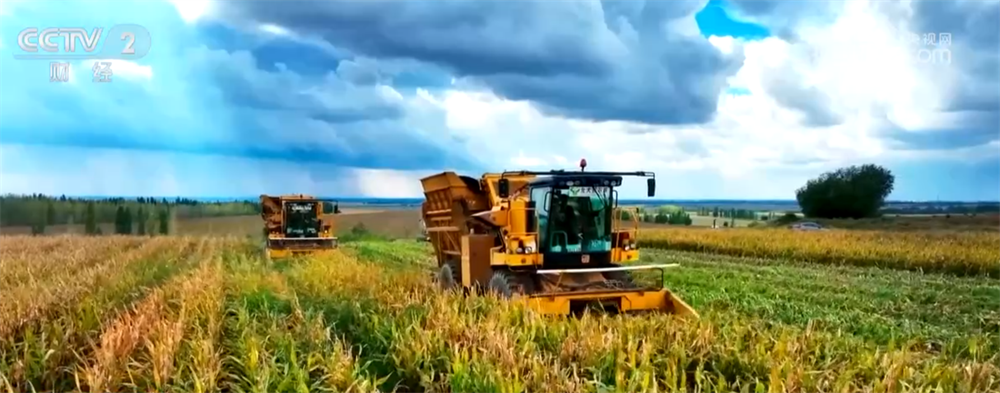
四大场景探索见效 广州全力打造城市级“全域场景”
Xin Hua Cai Jing· 2025-11-13 05:22
Core Insights - The implementation opinions emphasize the need for local regions to explore and cultivate early-stage scenarios, aiming to create a robust ecosystem for new industries and business models in Guangzhou [1][4] - Guangzhou has identified four key areas for initial focus: clean energy, modern seed industry, all-space unmanned systems, and deep-sea development, integrating scenario cultivation into urban industrial development [1][3] Group 1: Clean Energy - Guangzhou aims to build a cross-regional collaborative demonstration scenario for the hydrogen energy industry, with a local hydrogen production capacity exceeding 7,000 tons by October 2025 and 17 hydrogen refueling stations established [1] - The city is actively participating in mixed-ownership reform with Guangdong Baohydrogen Technology Co., leveraging by-product hydrogen from the steel industry to create a broader hydrogen energy scenario [1] Group 2: Agricultural Technology - Guangzhou has made breakthroughs in key variety breeding and industrialization, establishing a digital breeding technology system for pigs that serves 75% of national core breeding farms, and has undertaken 91 projects with financial support of nearly 120 million yuan [2] - The city has registered over 700 new national agricultural plant varieties, showcasing its strength in agricultural innovation [2] Group 3: Unmanned Systems - Guangzhou is exploring cross-space collaborative operation standards and regulatory models, with over 4,000 enterprises in the low-altitude economy sector, covering the entire industrial chain from core component development to application [2] - The city has established a comprehensive unmanned system management platform, integrating various unmanned devices for operational efficiency [2] Group 4: Deep-Sea Technology - Guangzhou has released a "10+10" supply-demand application scenario list in the deep-sea sector, attracting high-tech companies and achieving breakthroughs in commercial orders for deep-sea robots [3] - The city is advancing towards becoming a "vertical model capital" with 56 registered AI models across nine fields, including smart cities and intelligent manufacturing [3] Group 5: Future Initiatives - Future measures include enhancing scenario construction as a major reform tool, creating a layered and categorized mechanism for scenario openness, and promoting the market-oriented allocation of key elements [4] - The city aims to establish a supportive environment for scenario innovation and deepen the reform of the business environment to position Guangzhou as a national hub for scenario innovation [4]
“帅才科学家”负责制释放青海农业科创活力
Ke Ji Ri Bao· 2025-11-13 02:16
Core Viewpoint - The "Talent Scientist" responsibility project in Qinghai Province has led to significant advancements in agricultural technology, including the development of new crop varieties and innovative breeding techniques, aimed at enhancing local agricultural productivity and sustainability [1][4][8]. Group 1: Project Overview - The "Talent Scientist" responsibility project is designed to address major strategic needs in Qinghai's economic and social development, focusing on innovation in key industries [1][2]. - The project allows for flexible funding management, enabling researchers to allocate resources as needed without strict budget constraints [2]. - The initiative has attracted prominent scientists from across the country to collaborate on agricultural research, addressing local challenges in rural technology [2][3]. Group 2: Achievements in Crop Breeding - The project has successfully created and screened 836 new grass seed materials and developed several new potato varieties, including "Qing Shu Early No. 1" and "Qing Shu Color No. 1" [1][4]. - The "Qing Shu No. 9" potato variety has achieved a national planting area of 7.17 million acres in 2023, making it the most widely planted variety in the country [5]. - New high-yield and quality hybrid rapeseed varieties, such as "Qing Za No. 19," "Qing Za No. 20," and "Qing Za No. 21," have been developed to improve production efficiency [6][7]. Group 3: Technology Transfer and Impact - The innovative results from the "Talent Scientist" projects are being effectively translated into practical applications in agriculture, enhancing productivity and sustainability [7][8]. - The "Qing Za No. 21" rapeseed variety has been included in the National Crop Variety Promotion Directory for 2025, indicating its significance in the agricultural sector [7]. - The establishment of demonstration zones for the Tibetan sheep industry has led to improved breeding practices and increased productivity, showcasing the project's impact on local livestock farming [8].
登海种业:截至2025年11月10日股东人数是65764户
Zheng Quan Ri Bao Wang· 2025-11-12 13:51
证券日报网讯登海种业(002041)11月12日在互动平台回答投资者提问时表示,截至2025年11月10日股 东人数是65764户。 ...

570+新品种亮相!广东种博会(惠州分会场)打造全产业链“示范田”
Nan Fang Nong Cun Bao· 2025-11-12 09:05
Core Viewpoint - The 24th Guangdong Seed Industry Expo in Huizhou showcases over 570 new crop varieties and emphasizes the importance of agricultural modernization and innovation for food security and rural revitalization [6][12][19]. Group 1: Event Overview - The event features a wide range of crops including fresh sweet corn, specialty vegetables, and local agricultural products, highlighting the diversity of the agricultural sector [3][4][5]. - The expo is part of a broader initiative to promote agricultural modernization and innovation in Guangdong, aligning with the provincial "Yue Qiang Seed Core" project [12][14][18]. Group 2: Agricultural Innovation - The Huizhou Agricultural Science Research Institute has developed 10 provincial-level approved varieties and established 20 demonstration bases, showcasing 500 crop varieties annually [22]. - The event aims to provide a platform for local farmers and growers to observe and compare crop varieties and technologies, facilitating informed decisions on planting [66][67]. Group 3: Technological Advancements - A seminar on smart agriculture highlighted the challenges of precision execution in agricultural practices, despite advancements in sensing technology [36][39]. - The need for interdisciplinary collaboration and the development of high-precision execution equipment were emphasized to overcome existing bottlenecks in smart agriculture [46][48]. Group 4: Comprehensive Industry Chain - The expo aims to build a comprehensive industry chain from seed to table, covering various aspects such as seedling, green pest control, seasonal vegetables, and agricultural finance [72][75]. - Financial institutions like Industrial and Commercial Bank of China and PICC provided credit and insurance services at the event, enhancing support for the agricultural sector [73].

一粒玉米种子赔5000万:中国为什么必须打赢一场“种子战争”?
3 6 Ke· 2025-11-12 08:47
Core Viewpoint - The article highlights a significant legal case in China regarding the infringement of plant variety rights, emphasizing the importance of intellectual property protection in the agricultural sector, particularly in seed production and breeding [1]. Group 1: Legal Case and Intellectual Property - A company was ordered to pay over 53 million yuan for infringing on the exclusive rights of another company regarding a corn variety, marking the highest compensation in a plant variety infringement case in China [1]. - The ruling reflects a growing emphasis on intellectual property rights in agriculture, likening seeds to "agricultural chips" and underscoring their critical role in modern agriculture [1][3]. Group 2: Historical Context and Challenges - Historically, seeds were considered free, with farmers using self-selected seeds for planting, but modern agricultural practices have shifted this perception due to low yields and vulnerability to disasters [4][6]. - China has a rich genetic resource base but lacks modern breeding technology and commercial operations, leading to a dependency on foreign seed varieties [6][18]. Group 3: Global Seed Industry Dynamics - The article discusses historical instances of seed theft and the resulting impact on global agricultural markets, such as the British appropriation of Chinese tea and soybean varieties [7][10][15]. - The dominance of multinational corporations in the seed industry, particularly Bayer (formerly Monsanto), is highlighted, showcasing their significant market share and extensive patent holdings [29][30]. Group 4: Current State of China's Seed Industry - China's seed industry is characterized by a large number of small and scattered companies, with only a few capable of integrated breeding, production, and sales [32][34]. - The lack of robust intellectual property protection has led to rampant imitation and a focus on low-cost competition, hindering innovation and quality in the seed market [42][45]. Group 5: Regulatory Developments and Future Outlook - Recent legal reforms, including the introduction of punitive damages for infringement, aim to strengthen intellectual property protections in the seed industry [48][50]. - China's self-sufficiency in vegetable seeds has improved significantly, and the country is moving towards greater innovation and competitiveness in the agricultural sector [52][54].

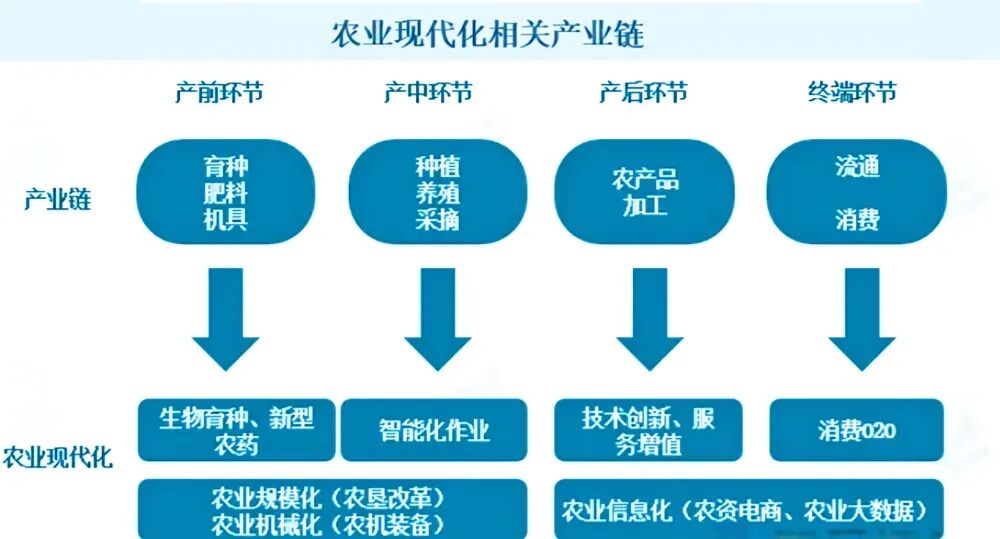
新华财经|开放共享形成合力 推动新场景大规模应用“落地开花”
Xin Hua She· 2025-11-12 02:06
Core Viewpoint - The State Council's recent implementation opinion emphasizes the importance of scene cultivation and large-scale application of new scenarios, highlighting the need for enhanced intelligence levels and multi-party participation in various sectors [1][2]. Group 1: Scene Cultivation and Key Areas - The implementation opinion focuses on five areas, proposing 22 key fields for scene cultivation and opening, including digital economy and artificial intelligence [2]. - The mining safety sector is identified as a key area for intelligent construction, with efforts to enhance safety management and accident rescue through intelligent scene development [2]. - The agricultural sector, particularly seed industry innovation, is encouraged to adopt open scene models, as demonstrated by Guangzhou's initiative to transform closed production bases into open R&D platforms [2][3]. Group 2: Multi-Party Participation and Collaboration - The implementation opinion calls for increased scene openness, particularly from state-owned enterprises, to attract participation from private enterprises and research institutions [4]. - This approach aims to create significant business opportunities by relaxing entry restrictions for social capital and private enterprises [4]. - Companies like Conch Cement are leveraging digital technology to enhance their core business through collaborative innovation and open scene strategies, achieving notable efficiency improvements [4]. Group 3: Localized and Scalable Applications - The implementation emphasizes the need for localized strategies that consider regional resources and conditions to avoid redundant construction [6]. - Cities like Guangzhou are focusing on specific fields such as clean energy and modern seed industry to establish themselves as innovation testing grounds [6]. - The International Advanced Technology Application Promotion Center in Hefei is actively developing public service platforms for robotics, aiming to create a market scale of over ten million yuan through pilot applications [6][7]. Group 4: Future Directions and Investment - The National Development and Reform Commission plans to accelerate the launch of significant comprehensive scenes that drive new technologies and products in various sectors [7]. - The initiative has already led to the selection and publication of over 350 application scenarios, attracting nearly 40 billion yuan in investments [7].

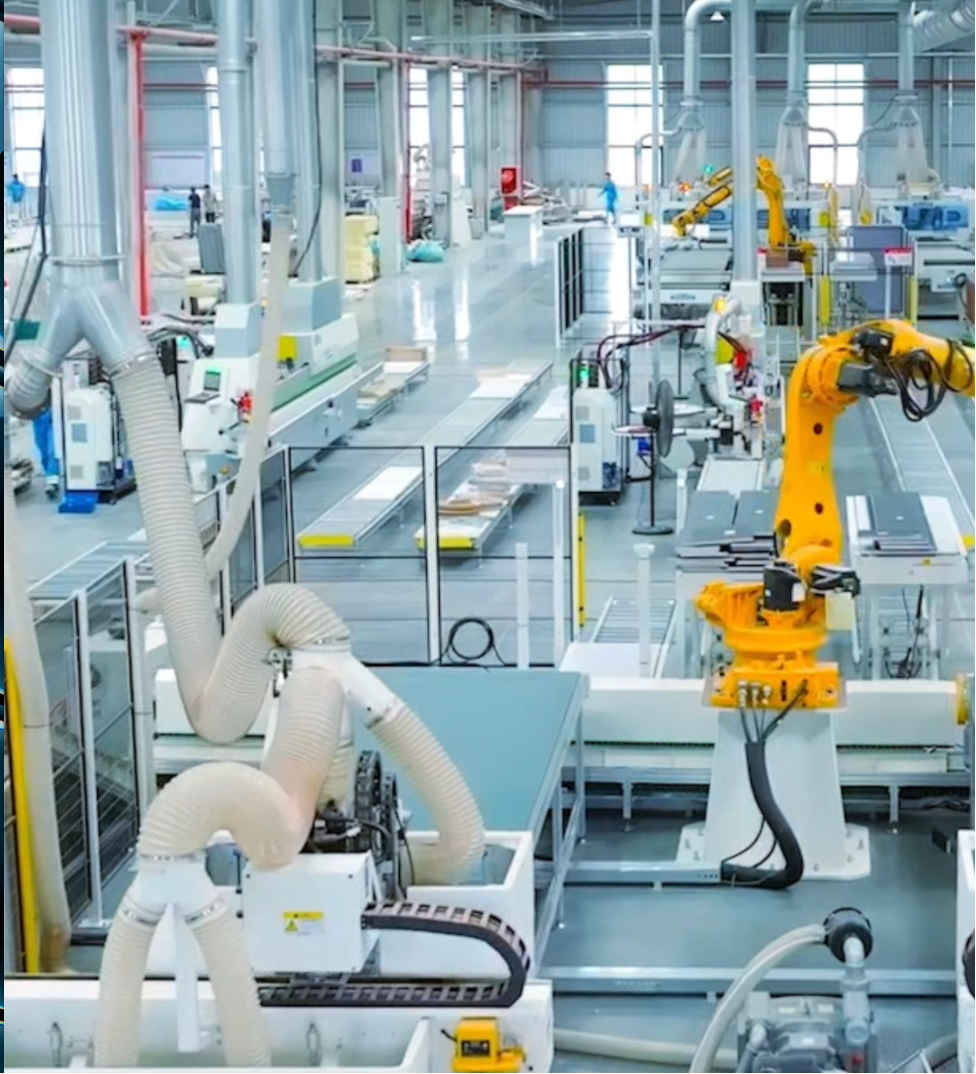
大北农11月11日获融资买入8204.44万元,融资余额9.30亿元
Xin Lang Cai Jing· 2025-11-12 01:26
Core Insights - Dabeinong's stock increased by 1.67% on November 11, with a trading volume of 575 million yuan [1] - The company reported a net profit growth of 92.56% year-on-year for the first nine months of 2025 [2] Financing and Trading Activity - On November 11, Dabeinong had a financing buy-in of 82.04 million yuan and a net financing buy of 3.39 million yuan, with a total financing balance of 943 million yuan [1] - The financing balance represents 5.07% of the circulating market value and is above the 80th percentile of the past year [1] - Dabeinong's short selling activity included a repayment of 17,200 shares and a sale of 83,900 shares, with a short selling balance of 13.06 million yuan, also above the 90th percentile of the past year [1] Company Overview - Dabeinong was established on October 18, 1994, and listed on April 9, 2010, focusing on feed production, sales, and crop seed cultivation [1] - The company's revenue composition includes 63.42% from feed products, 25.08% from pig farming products, and smaller contributions from other agricultural products [1] Shareholder and Institutional Holdings - As of September 30, 2025, Dabeinong had 227,400 shareholders, a decrease of 5.84% from the previous period [2] - The top institutional shareholder is Guotai CSI Livestock Breeding ETF, holding 76.99 million shares, an increase of 27.76 million shares [2] - Hong Kong Central Clearing Limited is the fifth-largest shareholder, with 51.63 million shares, an increase of 14.93 million shares [2]

安徽宿州:大豆玉米一地两收
Jing Ji Ri Bao· 2025-11-11 22:14
Core Insights - The article highlights the successful implementation of the soybean-corn strip intercropping model in Suzhou, Anhui, which has shown a 7% year-on-year increase in the area planted, reaching 15,000 acres [1][5] - The local government and agricultural organizations are actively promoting this model to enhance grain production capacity and improve farmers' income through scientific breeding and technical support [3][6] Group 1: Agricultural Practices and Innovations - The soybean-corn intercropping model is being promoted due to favorable climate and soil conditions, as well as the establishment of a local soybean industry cluster [1][3] - The Anhui Quanyin Xingda Seed Industry Co., Ltd. has established a 1,200-acre research and breeding base to develop suitable soybean varieties for this intercropping model, with the "Wanshu 112" variety being promoted on 100,000 acres in 2024 [2][5] - The complexity of managing intercropped fields requires specific technical guidance, as different herbicides are needed for soybeans and corn, which can lead to crop damage if not managed properly [3][4] Group 2: Government Support and Training - The local government has initiated five major actions to support the intercropping model, including resource protection, innovation, and market purification [3][5] - Continuous technical guidance and training are provided to farmers, including the distribution of "technical clarity papers" that outline best practices for planting ratios and management techniques [4][6] - The area under the soybean-corn intercropping model has expanded significantly, from 100,000 acres in 2022 to a stable implementation of 265,000 acres annually since 2023, demonstrating the model's growing acceptance [6][5] Group 3: Yield Performance - Despite adverse weather conditions, the intercropped fields achieved impressive yields, with corn yielding 579.8 kg per acre and soybeans yielding 131.8 kg per acre [6]