铁矿石

Search documents
永安期货铁矿石早报-20251009
Yong An Qi Huo· 2025-10-09 00:39
Report Information - Report Title: Iron Ore Morning Report [1] - Research Team: Black Team of the Research Center [2] - Report Date: October 9, 2025 [2] - Data Source: MYSTEEL [6] Spot Market Price Changes - The Platts 62 Index was at 103.45, down 0.45 daily and 3.30 weekly [3] - Most Australian mainstream iron ore varieties remained stable daily, with weekly declines ranging from 12 to 17 [3] - Some Brazilian mainstream iron ore varieties remained stable daily, with weekly declines ranging from 12 to 17 [3] - Some non - mainstream iron ore varieties had a daily increase of 1, with weekly declines ranging from 15 to 17 [3] - PB block/block ore premium was at 909, down 1 daily and 17 weekly; U - ball/ball pellet premium was at 906, up 1 daily and down 15 weekly [3] - Tangshan iron concentrate powder remained stable daily at 1002, with no weekly change [3] Import Profits - Import profits varied among different iron ore varieties, with some showing losses and others showing profits, such as the 26.99 profit for Super Special powder [3] Futures Market Price Changes - On the Dalian Commodity Exchange, the i2601 contract was at 780.5, down 3.5 daily and 23.0 weekly; the i2605 contract was at 759.5, down 3.0 daily and 23.5 weekly; the i2609 contract was at 740.5, down 2.5 daily and 21.5 weekly [3] - On the Singapore Exchange, the FE01 contract was at 100.49, down 0.22 daily and 2.54 weekly; the FE05 contract was at 98.47, down 0.14 daily and 2.49 weekly; the FE09 contract was at 105.30, down 0.02 daily and 0.39 weekly [3] Month - to - Month Spreads - The month - to - month spreads of different contracts also showed certain changes, for example, the i2601 - i2605 spread was - 40.0, with a daily change of 3.5 and a weekly change of 6.5 [3] Basis/Internal - External Market Spread - The basis/internal - external market spreads (in RMB) of different iron ore varieties and contracts also had different situations [3]
暂停美元采购!中国矿企与澳大利亚铁矿巨头博弈定价权与人民币结算
Sou Hu Cai Jing· 2025-10-08 19:44
Core Viewpoint - The recent decision by China Mineral Resources Group to suspend the purchase of iron ore from BHP Billiton priced in US dollars has significant implications for both the Australian mining industry and the global commodity pricing system, indicating a potential shift in the dominance of the US dollar in international trade [1][3][18]. Group 1: Market Reaction - Following the announcement, BHP's stock price dropped sharply, resulting in a market capitalization loss of nearly 12 billion AUD, equivalent to approximately 57 billion RMB [1]. - The Australian mining sector is facing pressure with nearly 100 billion RMB worth of iron ore inventory becoming burdensome, as the supply chain struggles to find alternative markets [1][8]. Group 2: Negotiation Dynamics - The failure of the recent China-Australia trade talks, where China proposed to switch to RMB pricing for long-term contracts while BHP insisted on maintaining USD pricing with a 15% markup, highlights the ongoing struggle for pricing power and currency dominance [3][5]. - The negotiation reflects a broader contest over who defines value and sets the terms of trade, with China seeking to transition from a passive follower to an active rule-maker in the pricing structure [5][18]. Group 3: Dependency Analysis - China relies heavily on Australia for iron ore, importing about 60% of its needs from the country, while Australia is even more dependent, with approximately 85% of its iron ore exports going to China [7][8]. - The suspension of USD-denominated purchases allows China to exert more control over the transaction dynamics, while Australia faces the reality of its reliance on a single major buyer [7][8]. Group 4: Structural Factors - Australia's competitive advantage in iron ore mining stems from its high-grade deposits and efficient extraction methods, which have historically allowed it to command higher prices in the market [9][12]. - The long-standing pricing practices, which have favored Australian exporters, have resulted in significant financial gains for them, amounting to nearly 700 billion RMB from the Chinese market over the past decade [12][18]. Group 5: Strategic Shifts - China is actively diversifying its sources of iron ore and building a network of storage facilities to mitigate supply risks and enhance its bargaining position [14][15]. - The establishment of a centralized procurement platform by China Mineral Resources Group aims to consolidate orders from various steel mills, thereby increasing negotiating power against global mining giants [15][26]. Group 6: Currency and Financial Implications - The insistence on USD pricing by BHP is not only a matter of tradition but also a strategy to leverage financial tools and currency fluctuations for profit [16][18]. - China's push for RMB settlement is part of a broader strategy to reduce reliance on the US dollar and establish a domestic currency ecosystem for international trade [18][19]. Group 7: Future Outlook - Potential outcomes of the current situation include BHP making concessions on pricing and currency, Australia seeking alternative buyers, or China continuing to enhance its supply chain resilience [25][26]. - The recent developments signal a shift in the negotiation landscape, prompting both parties to reconsider their strategies regarding pricing mechanisms and currency choices in future discussions [26].


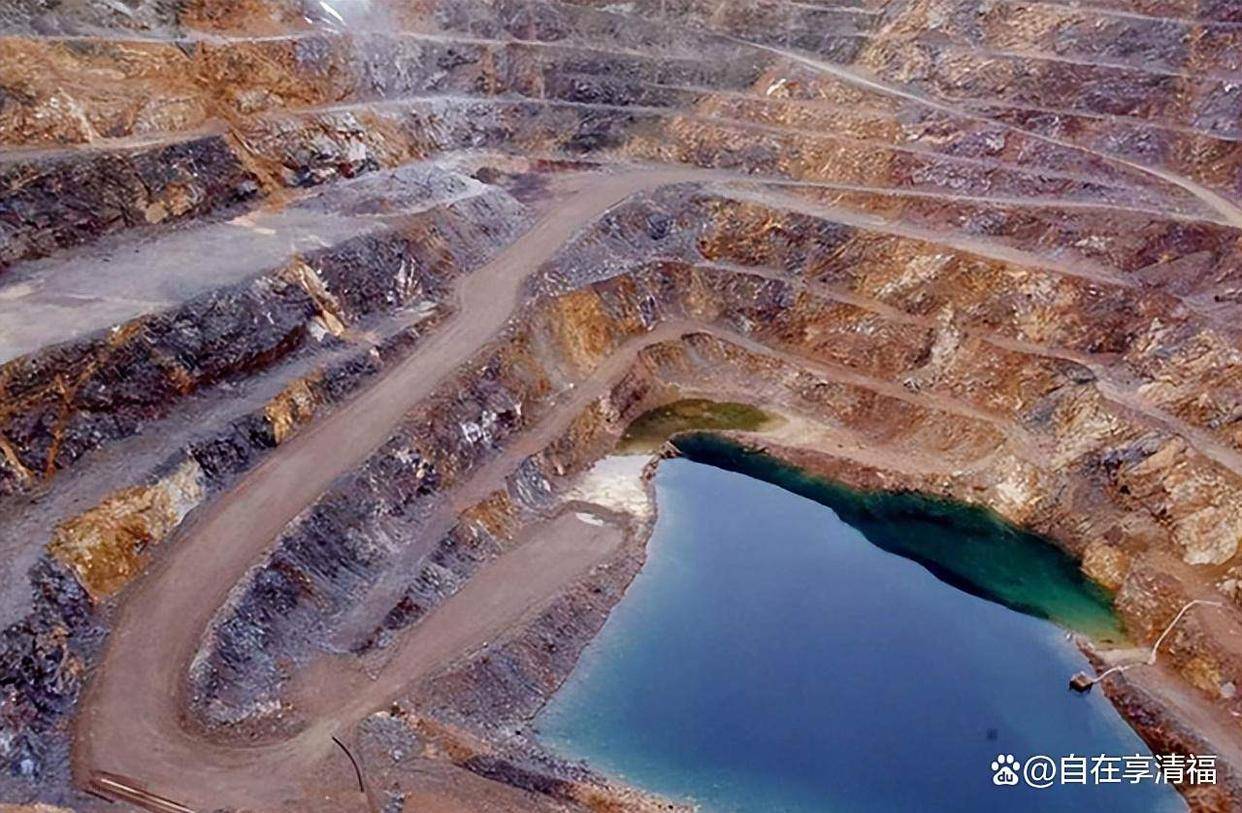
中国开始全面反击:暂停澳铁矿石进口!大豆与铁矿关键被中国抓住
Sou Hu Cai Jing· 2025-10-08 18:12
Core Viewpoint - The suspension of iron ore purchases by China Mineral Resources Group from BHP is a strategic move aimed at negotiating pricing power, shifting from USD to RMB settlements and adjusting the pricing cycle from quarterly to monthly [1][3][12]. Group 1: Market Dynamics - The pricing of iron ore has historically followed the Platts index plus a premium, which has favored sellers during upturns, leading to increased costs for Chinese steel mills [2][12]. - The shift to RMB settlements aims to eliminate exchange rate risks and align purchasing closer to market fluctuations, providing buyers with more flexibility [3][12]. Group 2: Responses from Stakeholders - Australian Prime Minister Albanese expressed disappointment over the suspension, indicating a challenge to the established order where resources have been used as diplomatic leverage [5][13]. - BHP's stock fell by 1.7% following the announcement, reflecting market concerns, although the overall market remained stable due to China's sufficient iron ore inventory [5][18]. Group 3: Broader Implications - The suspension of iron ore contracts coincided with China's halt on new contracts for Australian soybeans, signaling a broader strategy of leveraging trade relationships [7][11]. - Australia's heavy reliance on iron ore exports, particularly to China, raises concerns about its economic stability in light of changing buyer strategies [13][20]. Group 4: Negotiation Strategies - The negotiation tactics employed by China involve creating uncertainty to pressure sellers into reconsidering contract terms, such as the frequency of pricing and currency used [16][19]. - The focus on technical barriers, like quality assessments for soybeans, serves as a subtle reminder of the interconnectedness of trade and the need for compliance from both parties [7][11]. Group 5: Future Outlook - The ongoing negotiations will likely revolve around whether to accept monthly pricing cycles and the potential for dual currency settlements, which could reshape the terms of trade [19][21]. - China's diversification of supply sources, including projects in Guinea and Brazil, aims to enhance its bargaining position and reduce dependency on Australian iron ore [15][21].
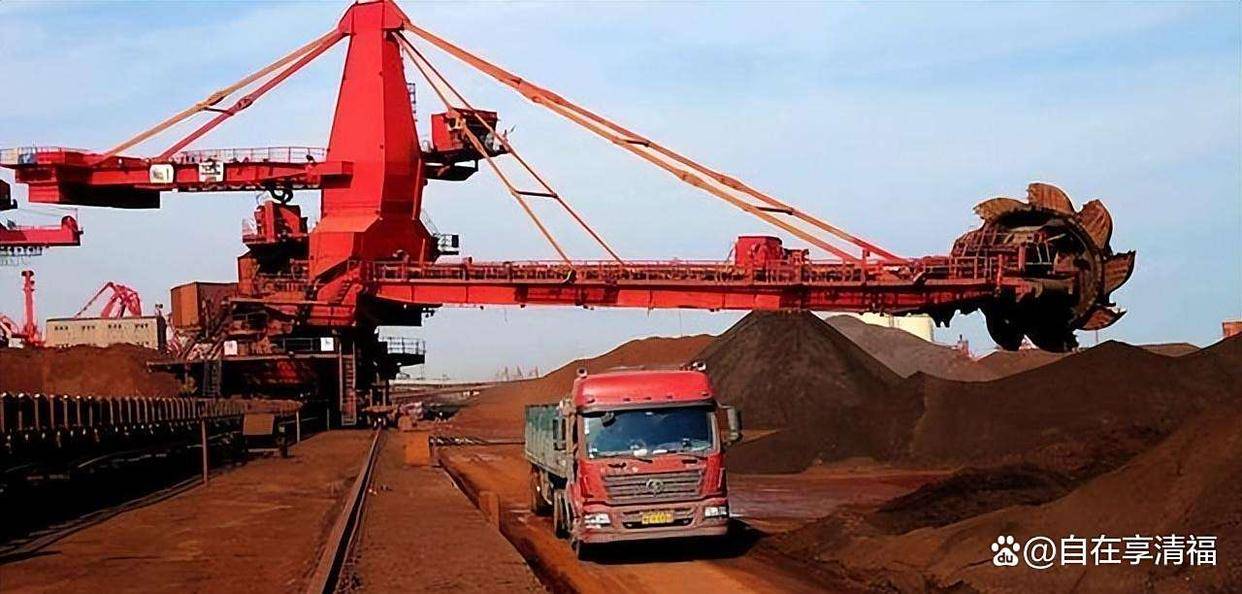
铁矿石人民币结算、大豆零采购,美国利益受冲击,外媒为何如此紧张?
Sou Hu Cai Jing· 2025-10-08 12:02
Group 1 - China's recent actions on the international stage indicate a shift in its approach, no longer considering the feelings of the United States or passively accepting Western rules [1] - The Chinese mineral resources group has announced a halt to purchasing Australian iron ore priced in US dollars, opting for RMB settlements and prioritizing supplies from Brazil and Guinea [3][5] - China has diversified its supply chain for iron ore, signing long-term agreements with Brazil and Guinea, and increasing domestic production, thus reducing reliance on Australia [5][9] Group 2 - The US soybean farmers are facing difficulties as China has not purchased US soybeans for several months, instead sourcing from Brazil and Argentina, with China demanding the removal of unreasonable tariffs to resume purchases [7] - China's military advancements, particularly with the Fujian aircraft carrier and its capabilities, have positioned it as the second country globally to master electromagnetic catapult technology, altering the strategic landscape [9][11] - The changes in China's approach reflect its enhanced comprehensive strength, allowing it to prioritize its own interests and actively participate in rule-making rather than being a passive rule-taker [11][13] Group 3 - China's ability to respond to trade barriers and military provocations with strategic adjustments demonstrates its transition to a more proactive role in international relations [13][15] - The ongoing adjustments in China's international strategy are aimed at creating a fairer global playing field, indicating a new normal in international dynamics that others must adapt to [15]

人民币结算令下,铁矿石市场震动,澳矿巨头的两种抉择
Sou Hu Cai Jing· 2025-10-08 09:42
Core Viewpoint - The global iron ore trade is experiencing significant shifts as Chinese buyers suspend the acceptance of BHP's dollar-denominated iron ore, while Rio Tinto readily accepts transactions in RMB, indicating a strategic pivot in the market dynamics [1][3]. Group 1: Company Responses - Chinese buyers have set the condition for resuming purchases to be the acceptance of a "floating price + RMB settlement" model, leading to disappointment from Australian Prime Minister [3]. - Rio Tinto has agreed to the new RMB settlement terms, while BHP remains the only Australian miner insisting on dollar-denominated transactions [3][10]. - BHP's shareholder structure, dominated by American capital, influences its strategy to maintain the dollar system, creating a financial "dollar umbilical cord" that complicates a shift to RMB [10][12]. Group 2: Market Dynamics - China's deep integration with Rio Tinto is evident, as the company derives 57.4% of its total revenue from the Chinese market, making its decisions heavily reliant on Chinese market sentiments [6][8]. - In 2023, Rio Tinto's procurement from China reached a record $4.2 billion, highlighting the strong business ties that dictate its strategic choices [8]. - The emergence of the China Mineral Resources Group in 2022 has consolidated China's previously fragmented purchasing power, allowing for a more unified approach in negotiations [15][17]. Group 3: Future Supply and Pricing Power - The anticipated production from Guinea's Simandou iron ore, with reserves exceeding 5 billion tons, is expected to significantly impact market supply by the end of the year [19]. - Brazil's Vale has raised its annual production targets, contributing to a shift from a seller's market to one characterized by oversupply, with an expected global production increase of over 66 million tons this year [20]. - China's ultimate goal is to establish a pricing system based on RMB for iron ore, aiming for a comprehensive integration of spot, futures, and index pricing [22][26]. Group 4: Broader Implications - The shift towards RMB settlement is part of a broader strategy to reclaim pricing power in the commodities market and reduce reliance on the dollar, which has historically subjected Chinese steel companies to external monetary policies [22][24]. - The growing trend of local currency settlements is not isolated, as seen in various global markets, indicating a significant shift in the landscape of international trade [28]. - The Australian economy, heavily reliant on iron ore exports to China, faces a critical decision: to adapt to the new RMB settlement norms or risk losing market share to competitors like Brazil and emerging African sources [30][32].

澳大利亚:中美关税战打得好好的,怎么突然打到我的脑袋上?
Sou Hu Cai Jing· 2025-10-08 07:57
Core Insights - The trade war between the US and China has unexpectedly drawn Australia into its complexities, affecting its economy despite not being a direct participant [1][5][19] Group 1: Economic Impact - Australian stock market fell over 6% within three days following the announcement of new US tariffs on China, with the Australian dollar hitting a five-year low [5] - Australia's economic ties with China and the US are intricate; while the US is only the fourth-largest export market for Australia, the indirect effects of US tariffs are significant due to Australia's close relationships with Asian economies [7] - The depreciation of the Australian dollar, while initially seen as beneficial for export competitiveness, has led to significant input inflation due to global supply chain tensions [9][11] Group 2: Sector-Specific Effects - Australia's beef exports surged by $313 million over four months in July 2025, filling the market gap left by reduced US beef exports to China, with Australian grain-fed beef market share in China increasing from 28% to 45% [11] - The energy and minerals sector is experiencing a shift, with Australian liquefied natural gas benefiting from reduced US competitiveness in the Chinese market, although this growth lacks long-term stability [13] - Overall, the Australian economy has contracted by 0.4% due to the direct and indirect impacts of US tariffs, with potential long-term effects reaching 0.7% if the tariffs persist [13] Group 3: Policy and Geopolitical Risks - The Albanese government is attempting to mend relations with China, achieving agreements to reduce trade barriers for agricultural products, yet faces strategic dilemmas due to its alliance with the US [15] - The uncertainty from the trade war is affecting corporate decision-making in Australia, as businesses navigate the geopolitical risks associated with the US-China rivalry [15][17] - Australia is increasingly facing competition from alternative suppliers like Brazil and Indonesia, which could undermine its market position in the future [17] Group 4: Consumer and Investment Sentiment - Despite some export growth, overall investment in Australia declined by 1.2% in Q2 2025, and consumer confidence has been low for six consecutive months, indicating market concerns about the short-term outlook [19] - The uncertainty stemming from the US-China trade war is impacting multiple countries, with Australia exemplifying the "contagion effect" of global trade tensions [19]
人民币结算令,既是对澳大利亚的最后通牒,又是对美国的深远打击
Sou Hu Cai Jing· 2025-10-08 07:46
中国近期宣布将停止采购必和必拓等澳大利亚铁矿商以美元结算的海运铁矿石,并要求以人民币结算。这一政策令澳大利亚矿业巨头深感压力,表面上看 似只是中国与澳大利亚之间的贸易争端,实则影响深远,既是对澳大利亚经济的精准反击,也是对美国金融霸权的一次重击。 全球大宗商品贸易的结算货币问题,早已超越了经济领域,成为国际政治博弈的重要一环。中国作为全球最大钢铁生产国,每年消费全球约七成的铁矿 石,而澳大利亚是世界上最大的铁矿石供应国,两国的经济联系原本应互惠互利。然而,长久以来,澳大利亚矿企凭借市场垄断地位,操控铁矿石定价 权,使得中国每年为铁矿石支付的成本居高不下。尽管铁矿石的开采成本仅为每吨16到18美元,但澳大利亚却将其售价抬高至每吨80到100美元。更不合 理的是,澳大利亚矿企即便在现货价格已经大幅下降的情况下,依旧在长协谈判中要求价格上涨。这种"买得越多,价格越高"的定价方式让中国钢铁企业 每年多支付数百亿美元的额外成本。 中国此次推行铁矿石人民币结算政策,背后是经过深思熟虑的战略布局。此次决策主要集中在三个核心目标上:第一,争夺铁矿石定价权,避免长期承受 不公平的"溢价"困境。中国作为全球最大铁矿石买家,却长期 ...
中国为啥暂停部分澳矿采购?铁矿石定价权博弈,到了一个关键时刻
Sou Hu Cai Jing· 2025-10-08 02:46
Core Insights - China's suspension of iron ore purchases from BHP Billiton marks a significant shift in the global iron ore market, highlighting China's growing assertiveness in negotiating pricing and settlement methods [1][7] - The disparity in profitability between BHP Billiton and China's steel industry underscores the long-standing issue of pricing power in the iron ore market, with BHP's EBITDA for iron ore reaching $26 billion and a profit margin of 53%, while China's steel industry reported a total profit of only 40 million [3][4] - The shift from long-term contracts to the Platts pricing index has led to increased costs for Chinese steelmakers, with iron ore prices rising from $60 per ton in 2009 to $110 per ton, resulting in an additional cost burden of 400 billion RMB [5][4] Industry Dynamics - The iron ore pricing mechanism has evolved from long-term agreements to a more volatile index-based pricing system, which has been criticized for its lack of transparency and potential for manipulation [4][5] - China's steel industry has faced significant challenges, with average profit margins below 1% and nearly half of the industry reporting losses in 2024, contrasting sharply with the high profit margins enjoyed by Australian miners [3][5] - The average monthly salary for Australian miners is approximately 80,000 RMB, while Chinese steelworkers earn less than 4,000 RMB, highlighting the stark income disparity driven by the current pricing structure [3] Strategic Moves - China's recent negotiations with BHP Billiton for long-term contracts have focused on two main demands: settlement in RMB and a base price aligned with current spot prices, reflecting a strategic shift towards greater control over pricing [5][7] - The development of the Simandou iron ore project in Guinea, led by Chinese enterprises, is set to produce high-grade iron ore and is part of China's strategy to diversify its supply sources [6][9] - China's efforts to reduce reliance on Australian iron ore have been successful, with dependence dropping from 62% in 2020 to 53.1% in 2024, aided by increased imports from Brazil and Russia [9][11] Financial Implications - The push for RMB settlement in iron ore transactions aims to reduce the cost of currency exchange and mitigate risks associated with exchange rate fluctuations, which currently exceed $100 billion annually for commodity imports [11] - The establishment of the "Beijing Iron Ore Index," which focuses on RMB-denominated pricing, is part of China's broader strategy to create a pricing benchmark that reflects domestic supply and demand [11]
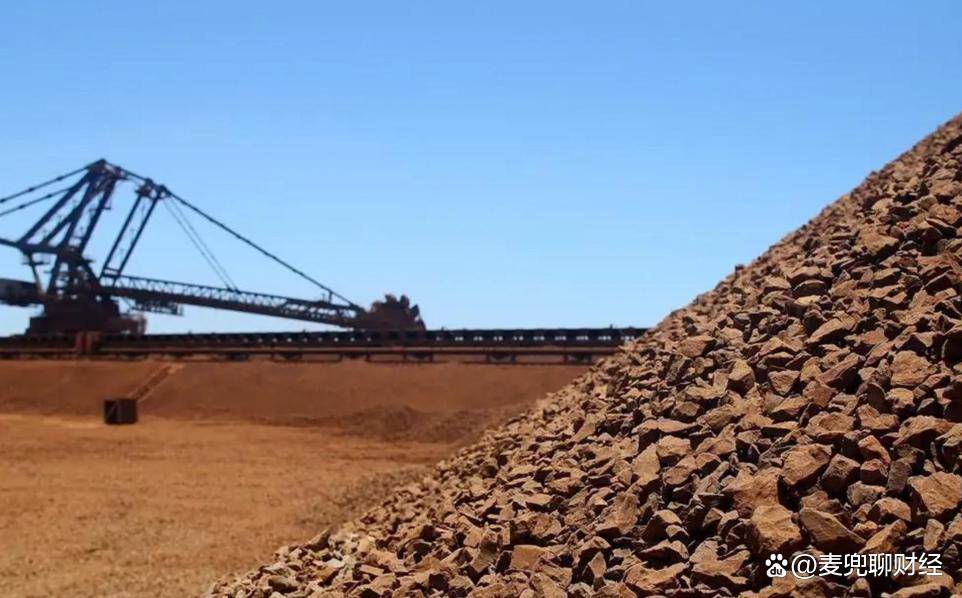
中国叫停美元铁矿订单,澳洲慌了,规则变了谁还认旧账?
Sou Hu Cai Jing· 2025-10-07 20:26
Core Viewpoint - The strategic move by China Mineral Resources Group to halt the purchase of iron ore priced in USD from BHP has sent shockwaves through the global iron ore market, significantly impacting Australia's economy and the iron ore trade dynamics [1][3]. Group 1: Market Impact - Following the announcement, BHP's stock price plummeted by 3.4%, resulting in a market capitalization loss exceeding 12 billion AUD (approximately 60 billion RMB) [3]. - Australia's Treasury estimates that if the supply halt continues until 2026, iron ore export revenues could decline by 11 billion AUD, potentially dragging down the national GDP growth by 0.3 to 0.8 percentage points [7]. Group 2: Pricing Dynamics - China, holding a 75% market share in global seaborne iron ore, has historically lacked pricing power despite being the largest buyer [5]. - In 2024, BHP generated a staggering profit of 224 billion RMB from the Chinese market, averaging 620 million RMB in daily revenue, highlighting the significant profit margin disparity [5]. Group 3: Strategic Developments - China's ability to assertively halt USD-denominated transactions is supported by its diversified supply network, including the Simandou project in Guinea, which is expected to produce 60 million tons annually starting in late 2025 [9]. - China has also signed a long-term procurement agreement with Vale for 50 million tons annually, with imports from Brazil rising to 27.8% in 2024 [9]. Group 4: Currency and Trade Relations - The directive to pause USD transactions, while allowing RMB-denominated trades, reflects a strategic intent to promote the internationalization of the RMB, aiming to establish a closed-loop settlement system in the iron ore market [11]. - The proportion of RMB settlements in Australia's iron ore exports reached 60% in 2024, indicating a shift towards local currency transactions [11]. Group 5: Industry Challenges - The steel industry in China has been under pressure from high iron ore prices, with iron ore accounting for 54% of the cost of iron production in the first half of 2024, leading to an average profit margin of only 1.1% for major steel companies [13]. - The establishment of the "China Mineral National Chain" platform aims to eliminate intermediaries and curb speculation, while the construction of a national iron ore spot trading center will enhance price transparency [13].
澳大利亚猛然惊醒:铁矿石改规矩了,美元订单停了,最大买家要走
Sou Hu Cai Jing· 2025-10-07 18:16
Core Viewpoint - BHP, the Australian iron ore giant, has been officially "cut off" by China, with all state-owned steel mills instructed to suspend purchases of BHP's iron ore priced in USD, leading to a significant drop in BHP's stock price and market value [1][3]. Group 1: BHP's Pricing Strategy - Despite a global decline in iron ore prices, BHP insisted on a long-term contract price of $109.5 per ton, which is nearly 15% higher than the market price of around $80 per ton [3]. - If this pricing strategy were to be accepted, it would result in an additional cost of over $20 billion for Chinese steel companies, given that China imported 740 million tons of iron ore from Australia last year [3]. Group 2: China's Response and Strategy - China has established the China Mineral Resources Group to unify procurement from hundreds of steel companies, allowing for a stronger negotiating position against BHP [7][9]. - China's diversification of iron ore sources has reduced Australia's share of imports from a peak of 62% to 51%, with significant contributions from Brazil and Guinea [11]. - The Chinese government has made it clear that future business with BHP will require pricing at market rates and settlement in RMB, not USD [11][16]. Group 3: Economic Implications for Australia - Approximately 85% of Australia's iron ore exports go to China, and a 10% reduction in Chinese purchases could lead to a 1.2% decline in Australia's GDP [13][14]. - Australian Prime Minister Albanese's initial disappointment reflects the critical importance of the iron ore trade to both nations, as no other country can absorb Australia's iron ore exports at the same scale [14]. Group 4: Shift in Market Dynamics - The iron ore pricing and trading dynamics are shifting, with Chinese futures markets gaining prominence, indicating a transfer of pricing power from Australia to China [16]. - The potential for RMB to become a settlement currency in commodity trading poses a significant challenge to the dominance of the USD, which could have severe implications for the US economy [16][19].