具身智能

Search documents
三家企业同日释放IPO信号具身智能行业上市大年开启?
Shang Hai Zheng Quan Bao· 2026-01-25 18:54
周恒 制图 三家企业同日释放IPO信号 具身智能行业上市大年开启? ◎记者 孙小程 2026年伊始,具身智能行业的资本动作频频。1月23日,上海证券报记者获悉,星海图、众擎机器人已 完成股改。同日,魔法原子宣布将加速上市进程。 在业内看来,宇树科技率先"鸣枪"后,2026年将成为具身智能企业登陆二级市场的"大年"。上市潮的背 后,则是行业对可持续融资能力的追逐。上市意味着企业将获得定增、配股等持续融资的工具,这是其 在技术路径未收敛、商业模式未明朗之前,"留在牌桌上"的关键。 众擎、星海图、魔法原子同日"鸣枪" 股改被视为IPO的前奏,具身智能行业此前已有宇树科技、乐聚机器人、云深处等相继完成股改,并随 后正式启动IPO计划。1月23日,股改名单再度扩容,新增星海图、众擎机器人两家头部企业。 具体来看,星海图(北京)人工智能科技有限公司已于1月完成工商变更,正式更名为"星海图(北京) 人工智能科技股份有限公司",企业类型由"有限责任公司"变更为"股份有限公司(外商投资、未上 市)"。此举使其成为2026年首家完成股改的具身智能企业。 星海图成立于2023年9月,截至目前已累计完成近10轮融资,累计融资额近20 ...


三家企业同日释放IPO信号 具身智能行业上市大年开启?
Shang Hai Zheng Quan Bao· 2026-01-25 18:54
2026年伊始,具身智能行业的资本动作频频。1月23日,上海证券报记者获悉,星海图、众擎机器人已 完成股改。同日,魔法原子宣布将加速上市进程。 在业内看来,宇树科技率先"鸣枪"后,2026年将成为具身智能企业登陆二级市场的"大年"。上市潮的背 后,则是行业对可持续融资能力的追逐。上市意味着企业将获得定增、配股等持续融资的工具,这是其 在技术路径未收敛、商业模式未明朗之前,"留在牌桌上"的关键。 顾诗韬称,当前二级市场的整体热度,对人形机器人公司而言是一个重要机遇。从长期看,具身智能领 域的竞争仍处于商业化落地的早期阶段,未来的竞争将逐步演变为资源、资金与人才的综合比拼。在国 家政策支持、行业趋势向好的时间窗口期内,魔法原子希望通过多元化的方式,积极吸引市场资源,以 支持其长期发展,这是魔法原子推进IPO事宜的原因。 不过,上市并非终点,而是新一轮挑战的开始。长远来看,资本"输血"仅解近忧。具身智能企业最终需 要证明其技术在真实场景中的价值,构建起可持续的盈利模式,才能真正获得资本市场的长期认同。 众擎、星海图、魔法原子同日"鸣枪" 股改被视为IPO的前奏,具身智能行业此前已有宇树科技、乐聚机器人、云深处等相继 ...
未来产业周报第7期(2026、1、18-2026、1、24):双重码降低量子纠错开销,风电直连提升制氢效率-20260125
Shenwan Hongyuan Securities· 2026-01-25 13:42
Group 1: Quantum Technology - The report highlights significant advancements in quantum error correction technology, with Zhejiang University and Tsinghua University demonstrating low-overhead quantum error correction codes, effectively reducing logical error rates below physical error rates [4][5] - Horizon Quantum Computing has formed a strategic partnership with Alice&Bob to accelerate the development of fault-tolerant quantum computing, integrating their software and hardware capabilities [5] - GuoDun Quantum plans to sign a technology licensing contract with the University of Science and Technology of China, involving quantum random number generators and superconducting quantum computing control systems [6][7] Group 2: Biomanufacturing - The Chinese Academy of Sciences has achieved a breakthrough in synthesizing L-arginine using methanol as the sole carbon source, marking a shift towards non-grain-based production methods [8][9] - The Shenzhen Advanced Institute has developed the MARS intelligent system, which integrates multiple AI agents and robots to significantly shorten the new material development cycle from four months to four hours [9][10] - Jinbo Biological has registered a 2 billion yuan private placement to enhance its humanized collagen protein FAST database project, aiming to improve research and development efficiency [11] Group 3: Hydrogen Energy and Nuclear Fusion - The Baowu Clean Energy green hydrogen industrial park project, with a total investment of 11.09 billion yuan, has been launched in Guangdong, establishing a new model for offshore wind power direct hydrogen production [12][13] - A Chinese consortium has signed a significant contract for the ITER edge local model power supply system, marking a major step in China's contribution to global fusion energy projects [15] - Zhejiang Fu Nuclear Power will participate in the development of core components for the China Fusion Engineering Demonstration Reactor (CFEDR), focusing on ultra-high heat load components [16][17] Group 4: Brain-Computer Interfaces - Neuralink has successfully implemented OTA wireless upgrades for its invasive brain-computer interface, allowing for performance optimization without the need for additional surgeries [18][19] - This advancement addresses the traditional limitations of invasive devices, reducing clinical maintenance risks and costs while enhancing the adaptability of the technology [20] Group 5: Embodied Intelligence - World Labs, founded by Fei-Fei Li, has partnered with Guanglun Intelligent to create an evaluation system for embodied intelligence, addressing high verification costs and discrepancies between simulation and reality [21][22] - The Marble model developed by World Labs generates high-fidelity 3D environments from various inputs, solving traditional model issues but lacking physical interaction capabilities [22][23] Group 6: Future Industry Catalysts - The report outlines key catalytic events for 2026 across six future industries, including significant conferences and technological milestones that investors should monitor [28][29]



种地、胡辣汤、外卖小哥,透过河南两会“委员通道”看未来
Xin Lang Cai Jing· 2026-01-25 11:03
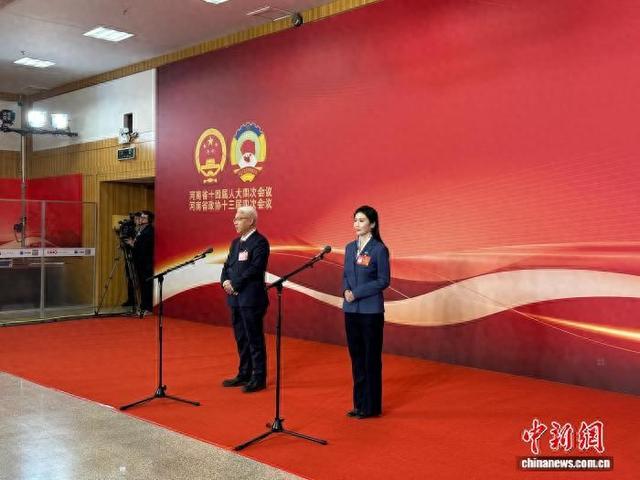
Core Insights - The article discusses the key topics addressed by Henan Provincial Political Consultative Conference members during the 2026 Two Sessions, focusing on high-quality development in Henan province, including artificial intelligence, ecological restoration, and urban governance. Group 1: Urban Governance and Community Support - The establishment of "small new gas stations" in Zhengzhou serves delivery workers, addressing their needs for meals, childcare, and charging stations, highlighting a community-focused governance approach [2] - Delivery workers are becoming "warm-hearted transmitters," actively participating in urban governance by reporting issues and contributing to community well-being [2] Group 2: Agricultural Innovation - The use of drones in agriculture allows farmers to receive detailed "health reports" on their fields, improving efficiency in resource management [2] - Henan's grain production has consistently exceeded 130 billion jin for nine consecutive years, supported by the construction and enhancement of high-standard farmland [2] - The digital economy in Henan is projected to exceed 2 trillion yuan during the 14th Five-Year Plan, contributing over 50% to GDP growth [4] Group 3: Logistics and Market Integration - Henan is positioning itself as a key hub in the national unified market, emphasizing the development of a modern logistics system to enhance domestic and international trade [6] - Recommendations include strengthening supply chain organization and implementing water network projects to support market integration [6] Group 4: Cultural Export and Global Engagement - The popularity of Henan's cultural products, such as Hu La Tang, in international markets exemplifies the province's efforts in cultural export and global engagement [7] - Suggestions include leveraging successful international IP models to transform local cultural symbols into globally appealing brands [7] - Collaboration with international certification bodies is recommended to facilitate the export of Henan's agricultural products, ensuring compliance with global standards [7]
全力打造“千亿镇”!虎门将出台行动方案推动电商高质量发展
Sou Hu Cai Jing· 2026-01-23 14:53
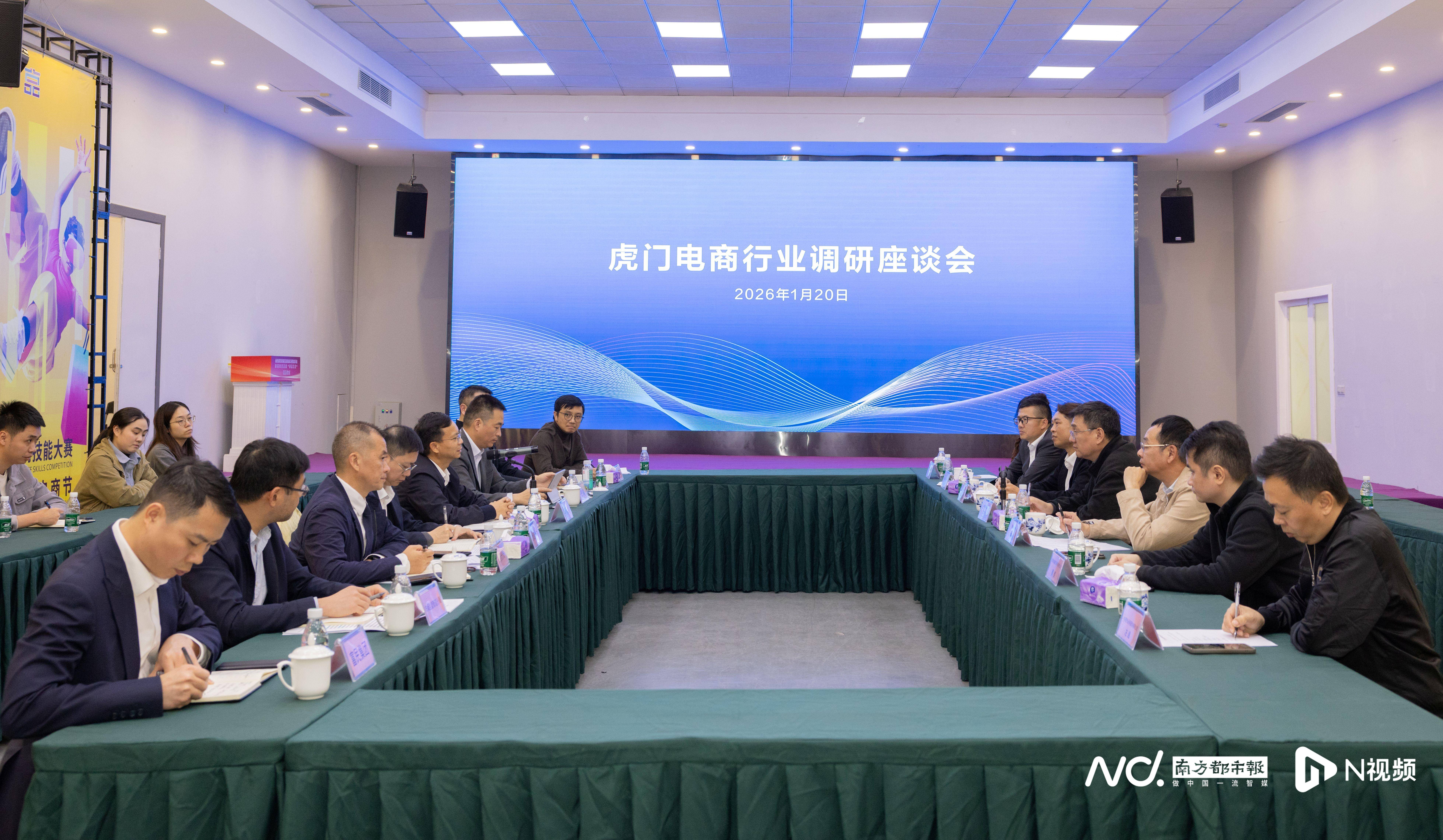
Core Insights - The Dongguan Humen Town is focusing on the development of the e-commerce industry through a specialized research initiative led by Party Secretary Li Huiqin, aiming to gather frontline information to enhance the town's e-commerce development plan and promote high-quality industry growth [1][2] Group 1: E-commerce Development Strategy - Humen Town is set to introduce the "Action Plan for Promoting High-Quality Development of E-commerce" to support the growth of the e-commerce sector [1][10] - The town aims to achieve the "Thousand Billion Town" goal by building a modern industrial system referred to as "2333," which includes various strategic and emerging industries [10] Group 2: Industry Characteristics and Workforce - Humen has established a digital ecosystem that integrates "Internet + Industry + Public Services," making it one of the most distinctive e-commerce hubs in Dongguan [6] - Currently, over 50,000 individuals are directly employed in the e-commerce sector, with more than 250,000 jobs created indirectly, and there are over 20,000 business entities engaged in e-commerce within the town [6] Group 3: Policy Support and Future Directions - The local government plans to enhance policy support, improve public service infrastructure, and provide precise services to enterprises to foster e-commerce development [6] - The "2333" industrial system includes two major traditional industries, three strategic emerging industries, three future industries, and three modern service sectors, with e-commerce being a key focus area [10]
技术驱动下的资本竞速:玖物智能高增长预期与经营风险的平衡难题
Zhi Tong Cai Jing· 2026-01-23 10:49
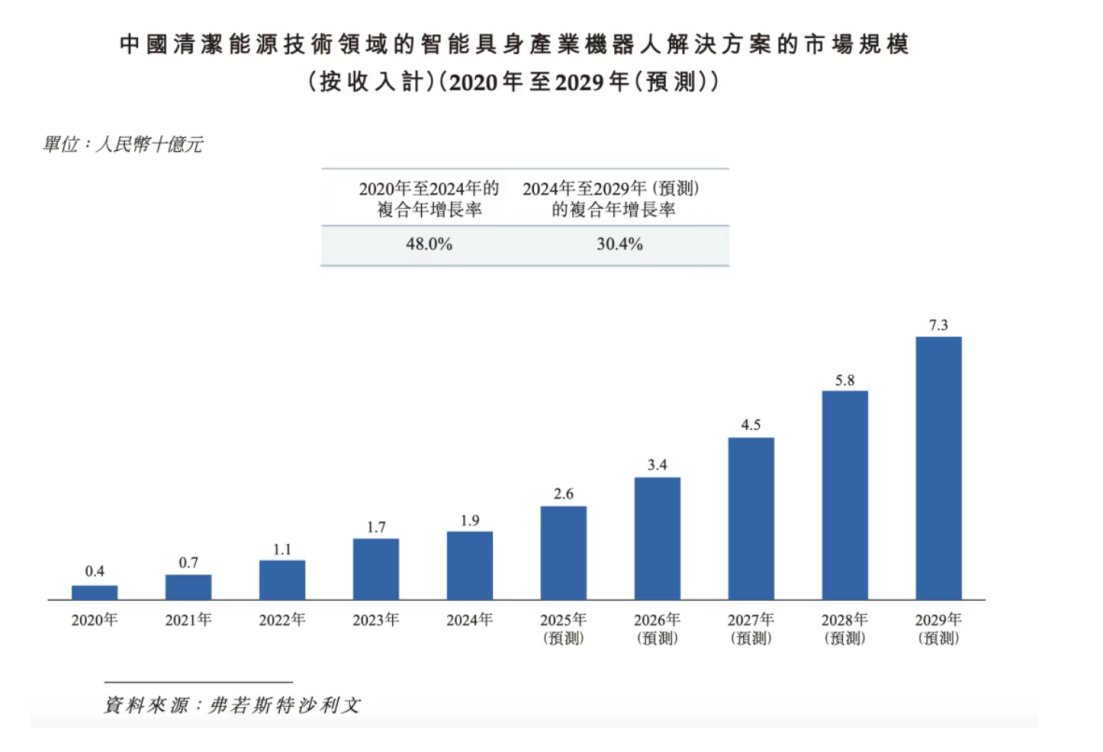
2025年以来,具身智能赛道在全球范围内掀起了一轮汹涌的IPO浪潮,资本市场对这一融合了人工智能与实体交互的下一代技术方向展现出前所未有的热 情。在国内市场,先行者如极智嘉与云迹科技已成功登陆港股,凭借在物流、酒店等标准化场景中验证的商业模式与稳定营收,奠定了其市场地位。 招股书显示,过去五年,中国具身AI机器人是全球市场的核心增长引擎,市场规模从2020年的125亿元增长至2024年的287亿元,复合年增长率达到23.1%。 预计到2029年,具身AI机器人的市场规模将达到1101亿元,2024年至2029年的复合年增长率将进一步提升至30.9%。 清洁能源技术领域在近年来对于智能化的需求也大幅增长,行业规模从2020年的4亿元增长到2024年的19亿元。 这样的行业背景,也拉动着玖物智能的出货量提升。2023年、2024年、2025年前三季度,其机器人销量分别为2267台、4178台、4704台,报告期内累计售出 机器人11152台。 玖物智能在具身智能行业风口下实现了营收规模的跨越式增长,毛利率持续优化验证其业务基本面。然而,2025年财报中骤然放大的资产减值损失,暴露了 其高速扩张背后的资产质量与客户 ...
星海图股改、估值百亿、千台交付,它离IPO还有多远?
Sou Hu Cai Jing· 2026-01-23 09:35
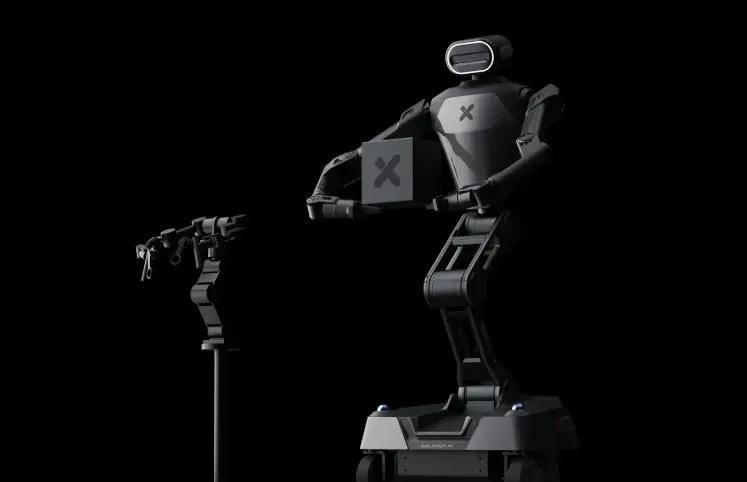
Core Insights - Xinghai Map has completed its share reform and changed its name to "Xinghai Map (Beijing) Artificial Intelligence Technology Co., Ltd.", marking it as the first company in the embodied intelligence sector to do so this year [2] - The shift from a limited liability company to a joint-stock company indicates a transition of capital logic from the primary market to the secondary market for companies focused on "embodied intelligence + model closed-loop" [2] - The company has raised nearly 1 billion yuan in valuation within a year, with backing from major investors including Ant Group, Meituan, Hillhouse Capital, IDG, Lenovo Ventures, and Today Capital [2] Company Development - Xinghai Map's R&D system features a "self-research integration" characteristic, having launched the end-to-end dual-system VLA model G0 and the world's first plug-and-play upgraded version G0 Plus [3] - The Galaxea Open-World Dataset has been downloaded over 500,000 times, and the company's robotic data platform ranks among the top globally [3] - The company has secured large-scale orders from leading domestic automotive and logistics companies, indicating its potential for an IPO narrative transition [3] Financial and Industry Context - Midstream machine manufacturers are currently in a high-cost, high-risk phase, with financial pressures greater than those faced by upstream component manufacturers [4] - The commercial capabilities of such companies, including product integration, software and hardware supply chain collaboration, and downstream customer scenario collaboration, are critical [4] - While Xinghai Map has made progress in deployment and data openness, its ability to achieve standardized large-scale delivery and stable software and hardware iteration paths remains to be observed [4] Founding Team and Industry Trends - The founding team, led by CEO Gao Jiyang, has a strong academic background from Tsinghua University and practical experience in leading autonomous driving companies [5] - This combination of "Tsinghua + overseas PhD + frontline engineering practice" is rare in the field of embodied intelligence, which requires high interdisciplinary integration [5] - Policy and industry trends are shifting towards emphasizing "soft and hard integration," "engineering deliverability," and "industry empowerment" starting in the second half of 2025 [5] Market Signals - The share reform of Xinghai Map signals the overall entry of the embodied intelligence sector into a "realization period" [5] - The primary market may tolerate immature technology as long as the narrative is fresh, but the secondary market requires engineering achievements to support the narrative [5] - Companies lacking complete closed-loop capabilities and unable to cross high delivery thresholds will struggle to enter the IPO channel [5][6]
珠海发布首批22个具身智能应用场景
Zhong Guo Xin Wen Wang· 2026-01-22 13:39
Core Insights - The event titled "Scene Empowerment · Intelligent Use of the Future" was held in Zhuhai, where the first batch of 22 embodied intelligence application scenarios was officially released [1] - The scenarios are derived from real frontline needs and cover five major areas: inspection, security, industry, intelligent services, and cultural tourism guidance [1] - Zhuhai's municipal government aims to gather global innovation resources and release application scenarios to drive high-quality development in the embodied intelligence industry [1] Group 1 - The release of the 22 application scenarios is intended to define products based on demand and drive innovation through specific scenarios [1] - Zhuhai's Secretary of the Municipal Party Committee, Chen Yong, emphasized the importance of focusing on scenarios and gathering wisdom from government and enterprises to answer market needs [1] - Multiple key project signings took place at the event, involving demand-side companies like Zhuhai Water Control Group and suppliers such as Jiechuang Intelligent [1] Group 2 - Over twenty leading enterprises in the industry chain, including China Resources Microelectronics and Aoyi Technology, signed agreements with Zhuhai Technology Industry Group to jointly build an innovation ecosystem for embodied intelligence applications [1] - Zhuhai Technology Industry Group, in collaboration with Zhiyuan Innovation (Shanghai) Technology Co., Ltd., initiated the establishment of an embodied intelligence innovation ecosystem fund [1]
曲道奎:将具身智能炒作成人形机器人,就是在制造行业泡沫
Jing Ji Guan Cha Wang· 2026-01-21 14:42
Core Insights - The embodiment intelligence industry in China is in its early stages, with expectations for market size to reach 400 billion yuan by 2030 and exceed 1 trillion yuan by 2035 [2] - The upcoming Shanghai International Embodiment Intelligence Industry Expo in July 2026 is seen as a pivotal moment for the commercialization of embodiment intelligence [3] - There is a misconception that embodiment intelligence is synonymous with humanoid robots, which is only a small subset of the broader field [4] Industry Development - Local government departments are highly focused on the embodiment intelligence industry, actively planning related products and industries [4] - The industry is expected to transform traditional production and manufacturing models, enhancing technological and intelligent capabilities [4] - Despite the hype, many technical bottlenecks remain, and the market's high expectations may lead to skepticism if actual progress falls short [6][7] Technological Challenges - Current embodiment intelligence technologies are not yet reliable enough for basic care tasks, such as assisting the elderly [6] - Many demonstrations of humanoid robots are more entertainment-focused, lacking the necessary stability and reliability for real-world applications [6][7] - The industry faces challenges in matching technology with practical application scenarios, particularly in industrial settings where specialized equipment is already in use [7] Strategic Initiatives - The China Electromechanical Integration Technology Application Association aims to establish standards for the industry, promote information exchange, and facilitate collaboration across the supply chain [8] - The association plans to publish an annual report on the development of the embodiment intelligence industry to address information asymmetry [8] - The goal is to transition from isolated technological breakthroughs to a comprehensive ecosystem that supports the full development of technology, industry, and talent [8]

新兴产业和未来产业“十五五”如何开局,工信部划出重点
2 1 Shi Ji Jing Ji Bao Dao· 2026-01-21 13:03
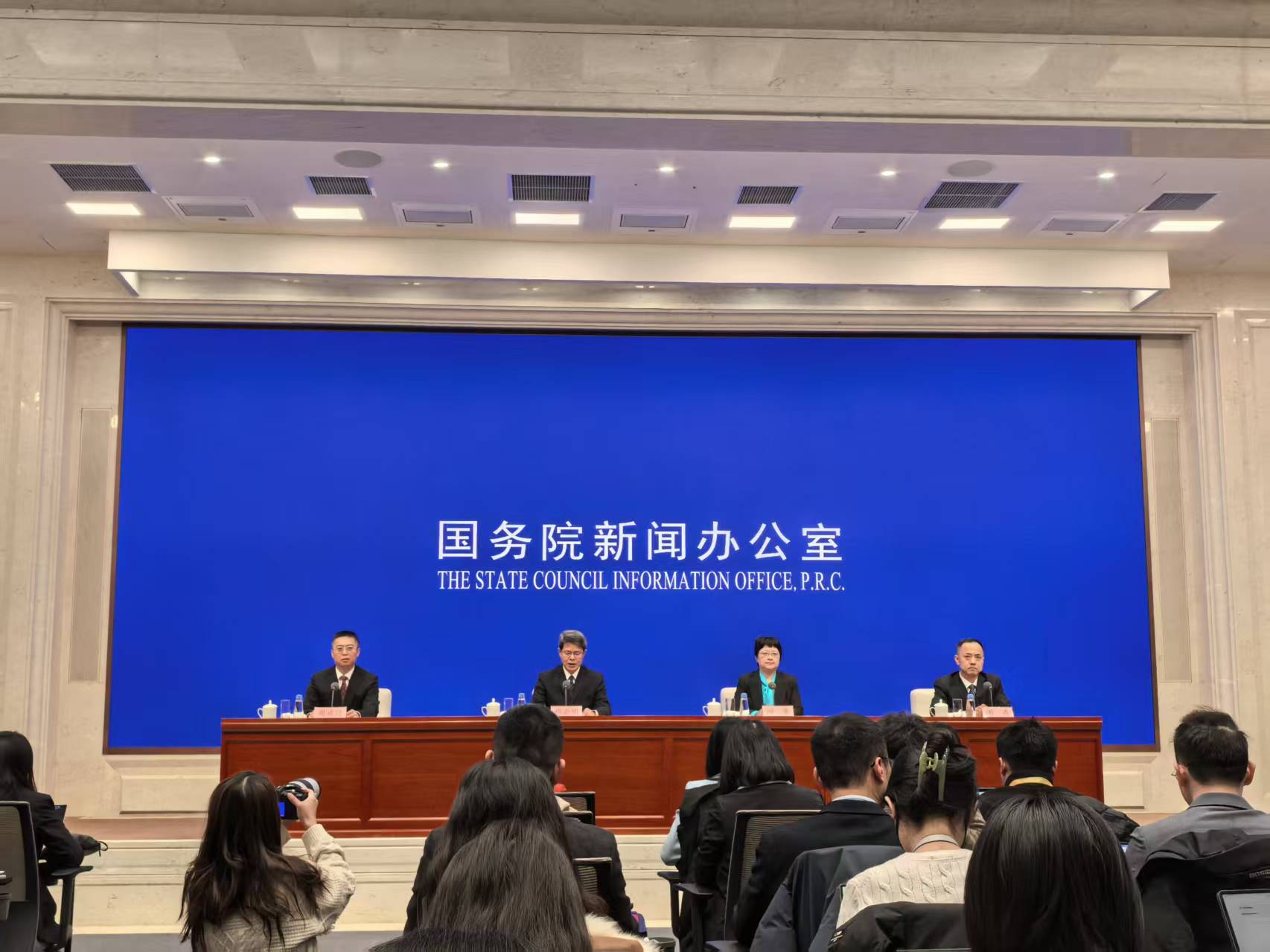
Core Viewpoint - The press conference highlighted China's industrial and information technology development goals for 2025, focusing on emerging industries and future technologies, with an emphasis on new materials, humanoid robotics, and 6G technology [1][4][8]. Emerging Industries - The Ministry of Industry and Information Technology (MIIT) aims to implement actions to develop and strengthen emerging industries, creating new momentum for growth [1][4]. - New materials were specifically mentioned as a key area, with a focus on advanced basic materials, strategic materials, and AI-integrated materials [1][6]. - By 2025, the industrial added value of key sectors like integrated circuits and electronic materials is expected to grow by 26.7% and 23.9% respectively [4]. Future Industries - The MIIT plans to promote future industries such as embodied intelligence and 6G technology, with significant investments in R&D and application ecosystems [1][7][10]. - The first phase of 6G technology trials has resulted in over 300 key technology reserves, with the second phase already initiated [10]. - Humanoid robotics is expected to drive the development of the embodied intelligence sector, with over 140 domestic companies and more than 330 humanoid robot products launched by 2025 [8][9]. Economic Contribution - The industrial and information sectors contributed over 40% to economic growth, with a manufacturing value-added growth of 5.9% year-on-year [4]. - The telecommunications business volume increased by 9.1%, indicating robust growth in the sector [4]. Investment and Innovation - The MIIT has facilitated over 55 billion yuan in new materials entering the market, supporting significant projects like the Shenzhou 21 manned spacecraft and C919 aircraft [6]. - The government is committed to enhancing the innovation capacity and development efficiency of the new materials industry through policy support and funding [6]. AI Development - By 2025, the number of AI companies in China is projected to exceed 6,000, with the core industry scale expected to surpass 1.2 trillion yuan [11]. - The launch of the national AI industry investment fund, with a scale of 60 billion yuan, aims to accelerate the development of AI technologies and applications [11][12]. Support for SMEs - The MIIT will optimize the business environment for small and medium-sized enterprises (SMEs) and implement measures to support their growth [13]. - A three-year action plan will be executed to cultivate specialized and innovative SMEs, enhancing their development mechanisms [13].