消费金融

Search documents
Q2财报季前夜大手笔回购股份,为何说乐信(LX.US)的“含金量”还在上升
Zhi Tong Cai Jing· 2025-07-22 10:02
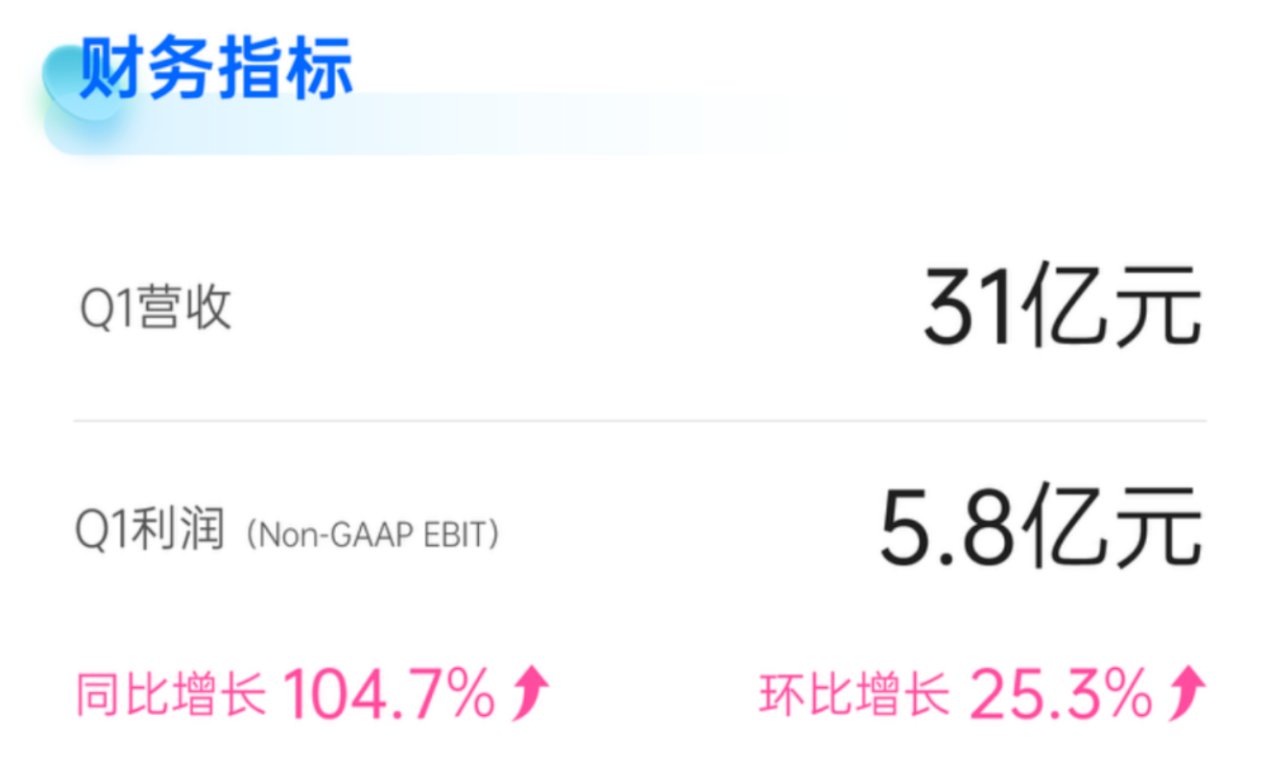
Core Viewpoint - Lexin (LX.US) announced a stock buyback plan of up to $50 million and CEO Xiao Wenjie plans to invest up to $10 million in purchasing company shares, signaling confidence in the company's long-term prospects and a belief that current market valuations are undervalued [1][2] Stock Buyback and CEO Purchase - The stock buyback and CEO's personal investment are seen as proactive measures to boost investor confidence and reflect management's positive outlook on the company's future [1] - Following the announcement, Lexin's stock price rebounded over 11%, indicating market optimism ahead of the upcoming Q2 earnings report [1] Shareholder Returns - Lexin has a history of prioritizing shareholder returns, with a dividend payout of $0.182 per ADS for 2023, representing a 20% payout ratio, and plans to increase this to 25% starting in Q1 2024 [2] - The company is expected to further raise the dividend payout to 30% in the second half of 2024, demonstrating a commitment to rewarding shareholders [2] Financial Performance - For 2023, Lexin's projected net profit is approximately 20.55 billion yuan, with a 30% dividend rate leading to over 600 million yuan in total dividends, resulting in a yield of around 8% [3] - If the buyback plan is fully executed, the total shareholder return could reach approximately 13%, marking a peak since the company's IPO and positioning it favorably compared to peers [3] Growth and Market Position - Lexin's strong financial performance is supported by a robust Q1 report, showing revenue of 3.1 billion yuan and a net profit of 580 million yuan, reflecting a year-on-year growth of 104.7% [4] - Despite positive institutional outlooks, Lexin's valuation remains low, with a dynamic P/E ratio of less than 4, indicating significant undervaluation compared to expected profit growth [7] Business Model and Competitive Advantage - Lexin's business model combines credit and e-commerce, creating a synergistic effect that enhances its competitive edge in the consumer finance sector [7] - The company's ecosystem, including retail installment, personal consumption loans, and inclusive finance, has shown strong progress, contributing to its differentiated competitive advantage [8] Future Outlook - As the next earnings season approaches, Lexin's solid fundamentals and growth potential are expected to be highlighted, making it a compelling investment opportunity [8]


信用信息严监管持续 消费金融机构风控合规待加强
Zhong Guo Jing Ying Bao· 2025-07-22 09:29
Core Viewpoint - The regulatory environment for credit information management in China is tightening, leading to increased penalties for non-bank financial institutions, including Haier Consumer Finance Co., Ltd. [1][4] Business Development - Haier Consumer Finance's loan balance for 2024 is projected to be 38.049 billion yuan, representing a year-on-year growth of 32.94% [2] - The company issued loans and advances totaling 27.943 billion yuan in 2024, a 9.56% increase compared to the previous year, with net interest income rising by 22.23% [2] - The company has intensified its joint lending and assistance loan business, resulting in a 66.30% increase in fee and commission income to 469 million yuan [2] Financial Performance - In 2024, Haier Consumer Finance's net operating income grew by 27.25%, while net profit increased by 22.05% [3] - The company had 28 sales personnel by the end of 2024, achieving an average productivity of 12.2 million yuan per person [3] Digital Transformation - The company is adopting a B2B2C model to connect with service providers in various sectors, offering installment loan services to over 11,000 merchants and 3 million installment users nationwide [3] - Digital services have enabled online self-service processes for users, including facial recognition and loan applications, while assisting merchants with online management tools [3] Risk Management - The number of lawsuits involving Haier Consumer Finance has increased, with over 60,000 cases reported as of July 12 [6] - The company has written off 2.064 billion yuan in bad debts in 2024, recovering 368 million yuan from these write-offs [6] - The overdue loan balance at the end of 2024 was 752 million yuan, with a year-on-year increase of 0.35 percentage points to 2.69% [7]
陆控 (LU.US) 大涨5.05%
Zhi Tong Cai Jing· 2025-07-22 08:32
Group 1 - The core viewpoint of the news is that the stock price of Lu Control (LU.US) increased by over 5%, closing at $2.91, driven by factors such as growth in new loan amounts and an upgrade in ESG ratings [1][2]. - The stock price surge is attributed to a year-on-year increase in new loans and a significant improvement in ESG ratings, which positively influenced investor sentiment [2][3]. Group 2 - In Q2 2025, Lu Control's new loan amount reached RMB 48.9 billion, an 8.1% increase compared to RMB 45.2 billion in Q2 2024 [3]. - Consumer finance loans showed remarkable growth, with Q2 2025 new loans amounting to RMB 28.9 billion, a 30.6% increase from RMB 22.1 billion in Q2 2024 [3]. - The cumulative number of borrowers increased significantly, reaching approximately 27.8 million by June 30, 2025, up 19.9% from about 23.2 million a year earlier [3]. - Lu Control's ESG rating was upgraded from A to AA by MSCI, reflecting improvements in consumer rights protection and performance in privacy, data security, and human capital development [3].
央行:房地产贷款增速回升
财联社· 2025-07-22 08:20
Core Viewpoint - The report indicates a steady growth in various loan categories, with a notable increase in loans to small and micro enterprises, green loans, and loans supporting technological innovation, while real estate loans show signs of recovery [1][2][9]. Group 1: Overall Loan Statistics - As of the end of Q2 2025, the total balance of RMB loans from financial institutions reached 268.56 trillion yuan, reflecting a year-on-year growth of 7.1%, with an increase of 12.92 trillion yuan in the first half of the year [2]. Group 2: Corporate Loans - The balance of corporate loans in both domestic and foreign currencies stood at 182.47 trillion yuan at the end of Q2 2025, growing by 8.6% year-on-year, with an increase of 11.5 trillion yuan in the first half [3]. - Short-term loans and bill financing reached 62.04 trillion yuan, up 9.4% year-on-year, while medium to long-term loans totaled 116.79 trillion yuan, growing by 8.3% [3]. Group 3: Industrial and Infrastructure Loans - Medium to long-term loans for the industrial sector reached 26.27 trillion yuan, with a year-on-year growth of 10.7%, surpassing the overall loan growth rate by 3.9 percentage points [4]. - Infrastructure-related loans also showed a healthy increase, with a balance of 43.11 trillion yuan, growing by 7.4% year-on-year [4]. Group 4: Small and Micro Loans - The balance of inclusive small and micro loans reached 35.57 trillion yuan, with a year-on-year growth of 12.3%, significantly higher than the overall loan growth rate [6]. Group 5: Green Loans - Green loans increased to 42.39 trillion yuan, marking a growth of 14.4% since the beginning of the year, with significant contributions from infrastructure and energy sectors [7]. Group 6: Agricultural Loans - Agricultural loans reached 53.19 trillion yuan, growing by 7.4% year-on-year, with rural loans at 38.95 trillion yuan, also reflecting a 7.4% increase [8]. Group 7: Real Estate Loans - Real estate loans totaled 53.33 trillion yuan, with a year-on-year growth of 0.4%, indicating a recovery trend compared to previous periods [9]. Group 8: Loans Supporting Technological Innovation - Loans to technology-based small and medium enterprises reached 3.46 trillion yuan, with a year-on-year growth of 22.9%, significantly higher than the overall loan growth [10]. - High-tech enterprises also saw a loan balance of 18.78 trillion yuan, growing by 8.2% year-on-year [11]. Group 9: Household Consumption Loans - Household loans reached 84.01 trillion yuan, with a year-on-year growth of 3%, indicating a steady increase in consumer borrowing [12].

8万亿网贷“金主”变局摸底
Hua Er Jie Jian Wen· 2025-07-21 07:51
Core Viewpoint - The major state-owned banks are expected to fully withdraw from the online lending market due to the implementation of the new regulations on internet lending, which will take effect in October 2023. This shift is seen as a silent announcement of their exit from the online lending business, despite the fact that their funding has already significantly decreased since 2023 [1][8]. Regulatory Changes - The new regulations require banks to manage their partnerships with online lending platforms through a whitelist system, mandating public disclosure of these partnerships on their official channels [1][2]. - The regulations also stipulate that banks must include "rights fees" in their overall financing costs and prohibit raising rates above 24% [2]. Current Market Dynamics - The tightening of regulations and internal approval processes have led to a near-complete cessation of online lending activities within state-owned banks [3][4]. - Despite the anticipated exit of major banks, the online lending market has already seen a significant reduction in their funding contributions, indicating that their withdrawal may not drastically reshape the market [8]. Shift to Smaller Banks - Smaller banks are not likely to abandon online lending easily, as they have begun to publicly disclose partnerships with various online lending platforms following the announcement of the new regulations [9]. - Examples include Guangzhou Bank, which has listed 17 cooperative institutions, and other smaller banks that are actively engaging with online lending platforms [9]. Financial Performance and Trends - The net interest margin for different types of banks has been declining, with rural commercial banks experiencing the largest drop, which pressures smaller banks to seek higher-risk, higher-yield products like online lending [9]. - The financing costs for consumer finance companies have reached historical lows, with new debt issuance rates below 2.2%, indicating a potential opportunity for these non-bank financial institutions as traditional banks withdraw [18]. Future Opportunities - Consumer finance companies and trust businesses are expected to benefit from the tightening of regulations on traditional banks, as they may capture more market share in the online lending space [17][19]. - Trust companies have been actively involved in online lending through various funding plans, indicating a shift in the funding landscape as traditional banks retreat [20].
监管摸底助贷权益类产品:拆解“服务费”障眼法
Bei Jing Shang Bao· 2025-07-20 03:06
Core Viewpoint - The regulatory scrutiny on consumer finance companies and lending platforms regarding membership rights products is intensifying, focusing on potential violations such as bundled sales, false advertising, and hidden fees, particularly in the context of the "24% + rights" model that has emerged as a workaround to the 24% interest rate cap [1][4][5]. Regulatory Investigation - Regulatory bodies are conducting thorough investigations into the membership rights products offered by consumer finance companies and their partner lending platforms, aiming to understand the business models, fee structures, and any potential consumer harm [4][5][6]. - The investigation includes inquiries about hidden fees, binding conditions related to loan applications, and whether membership fees are being charged in a manner that violates existing regulations [4][7]. Market Impact - The anticipated regulatory changes are expected to significantly impact small to medium-sized lending platforms that rely on the "24% + rights" model, potentially accelerating market consolidation [2][11]. - The demand for "24%+" clientele remains uncertain, as institutions must adapt their business strategies in response to regulatory pressures [2][11]. Consumer Experience - Consumers have reported being charged additional membership fees alongside their loan repayments, leading to effective interest rates exceeding the legal limit of 24% [12][14]. - Complaints regarding undisclosed membership fees and the lack of clarity about the services provided have been prevalent, indicating potential violations of consumer rights [12][16]. Industry Trends - The "24% + rights" model has become widely adopted among lending platforms as a means to maintain profitability in light of regulatory constraints on interest rates [10][11]. - Many platforms are transitioning away from the previously common "dual guarantee" model, which often resulted in hidden fees, towards more compliant structures [10][11][18]. Compliance Challenges - The industry is facing significant challenges in achieving compliance with the new regulations, particularly for smaller platforms that may struggle to operate within the 24% interest rate cap [18][19]. - There is a call for clearer regulatory guidelines regarding the boundaries of membership fees and their integration into overall loan costs, as well as a potential transitional period for compliance [18][19].

监管摸查“24%+会员权益”业务 消费金融机构:此前曾进行报备
Zhong Guo Jing Ying Bao· 2025-07-19 07:29
Core Viewpoint - The regulatory body is conducting a survey on the membership rights service model ("24% + membership rights") provided by consumer finance companies, focusing on compliance and potential impacts on borrowers and the market [1][2][3]. Group 1: Regulatory Focus - The survey covers four main areas: the provision of membership rights services by consumer finance companies, the timeline and specifics of such services, the fee structures, and the implications for borrowers [1]. - Key concerns include unreasonable fees, false advertising, and whether membership fees are bundled with loan applications or other services [2][3]. - The "24% + membership rights" model emerged after the Supreme People's Court lowered the judicial protection cap on private lending rates, leading to regulatory guidance for consumer finance companies to keep rates below 24% [2][3]. Group 2: Market Dynamics - Some lending platforms are attempting to bypass the 24% cap by charging fees under the guise of membership rights, which has led to a secondary market where companies sell higher-rate loans to banks or small loan companies [3]. - The new regulations clarify that any fees related to credit enhancement services must be included in the overall financing cost, reinforcing the 24% cap on comprehensive rates [3]. Group 3: Industry Challenges - The cost of acquiring customers has risen significantly, with reports indicating that the average cost has surpassed 2000 yuan, making it difficult for companies to cover these costs with traditional lending rates [4][5]. - Companies are focusing on enhancing user engagement and retention through value-added services, as many users do not spend much time on lending apps compared to other platforms [5]. - The repeat borrowing rate has become a critical metric, with leading platforms reporting rates around 80%, indicating a strong reliance on existing customers for sustained growth [5]. Group 4: Competitive Landscape - Consumer finance companies are competing not only with each other but also with e-commerce, live streaming, and other sectors for customer attention and engagement [6]. - Non-licensed institutions express concerns that while licensed banks can meet the 24% requirement, other platforms may struggle to serve clients needing higher rates, potentially leading to a shift in product offerings [6].
消费金融存在哪些风险?
Sou Hu Cai Jing· 2025-07-18 23:30
Group 1: Core Insights - Consumer finance plays a significant role in modern economic life by providing diverse financial services to individual consumers, facilitating consumption upgrades [1] - Credit risk is a key concern in consumer finance, as financial institutions rely on consumer-provided credit information to assess repayment ability and willingness, which can be affected by information asymmetry [1] - Market risk is also critical, with fluctuations in interest rates impacting borrowing costs and repayment burdens, potentially leading to increased default rates during economic downturns [1] Group 2: Operational and Liquidity Risks - Operational risk is present throughout consumer finance operations, arising from poorly designed business processes, non-compliance by employees, and inadequate internal controls, which can lead to significant losses [2] - External fraud is a notable aspect of operational risk, where criminals may use forged identities and false transactions to obtain consumer loans, resulting in direct losses for financial institutions [2] - Liquidity risk is a vital consideration, as financial institutions must maintain sufficient liquidity to meet consumer demands for withdrawals and loans, especially during periods of unstable funding sources [2]
消费金融公司积极落地名单制管理
Jin Rong Shi Bao· 2025-07-18 00:59
Group 1 - The core viewpoint of the articles highlights the increasing regulatory scrutiny on lending institutions, particularly in the context of consumer finance and loan facilitation services [1][2][3][4] - The Ningxia Financial Management Bureau has revoked the operating qualifications of seven lending institutions, indicating a crackdown on local offline lending agencies that provide services to private enterprises and individuals [1] - The Ministry of Public Security and the Financial Regulatory Administration are collaborating to combat illegal financial activities, with a focus on loan-related fraud and illegal intermediary services [2] Group 2 - Consumer finance companies are actively responding to regulatory requirements by publishing lists of compliant lending partners, with 14 licensed financial institutions already disclosing their cooperation lists involving 180 partner institutions [3] - The lending market is showing a trend of concentration among leading platforms, with major players like Ant Group, Meituan, Douyin, and JD frequently appearing in cooperation lists [3] - The implementation of a list management system is expected to enhance consumer protection and provide better security for licensed institutions in their collaborations [4]
“阳光信贷”合规经营,中邮消费金融启动“阳光信贷”活动周
Sou Hu Cai Jing· 2025-07-18 00:04
Core Viewpoint - The company is committed to establishing a long-term, institutionalized, and effective "Sunshine Credit" culture, aiming to integrate compliance into all business processes and combat illegal loan intermediaries [1][2] Group 1: "Sunshine Credit" Initiative - The company has launched the "Sunshine Credit" activity week to reinforce the achievements of the "2024 Sunshine Credit Year" and promote a culture of transparency, honesty, legality, and integrity in credit practices [1] - The initiative focuses on creating a financial ecosystem characterized by public transparency, lawful compliance, and strict supervision [1] Group 2: Internal Management and Public Outreach - The company is enhancing internal management through case warning education, compliance training, and reinforcing business regulations to deepen employees' understanding of "Sunshine Credit" prohibitions [2] - There is a strong emphasis on behavior management and compliance responsibility, including a 100% completion rate for signing the "Sunshine Credit" commitment letter among credit personnel [2] - Public outreach efforts include placing "Sunshine Credit" service supervision cards in prominent locations and promoting financial literacy to enhance consumer awareness and risk prevention capabilities [2]