人工智能硬件

Search documents
MSCI中国指数成份股更新!A、H股均有入选,新面孔有何共同点?
Xin Lang Cai Jing· 2025-08-08 03:48
Core Viewpoint - MSCI's latest quarterly index review includes the addition of 14 Chinese stocks and the removal of 17 existing constituents, effective after market close on August 26, 2025, reflecting a growing international interest in Chinese assets [1][3] Group 1: New Constituents - The new additions consist of 9 Hong Kong-listed companies and 5 A-share companies, with sectors including technology, innovative pharmaceuticals, and emerging consumer goods [1] - Notable Hong Kong additions include Horizon Robotics, Lao Pu Gold, NetEase Cloud Music, 3SBio, and Meitu, while A-share additions include Zhinan, CITIC Bank, Giant Network, Ailisi, and Jingwang Electronics [1] - Over 70% of the new constituents are from technology innovation and pharmaceutical research sectors, aligning with the strong performance of these sectors in the Hong Kong market [1] Group 2: Market Capitalization and Index Inclusion - CITIC Bank (A-share) and Lao Pu Gold (H-share) rank among the top three by market capitalization in the new MSCI Emerging Markets Index constituents [2] - CITIC Bank is included in both the MSCI China Index and the MSCI Emerging Markets Index, highlighting the allocation value of large-cap financial stocks in global index systems [2] - The selection process for the new constituents is based on MSCI's standardized quantitative screening methods, focusing on free float market capitalization, liquidity, and investability for foreign investors [2] Group 3: International Attention and Future Implications - The adjustment reflects a rising international focus on Chinese assets, with several foreign institutions upgrading their ratings for the Chinese stock market in 2025 [3] - Goldman Sachs maintains an overweight rating and raises the MSCI China Index target to 84 points, while Nomura Securities upgrades its rating to tactical overweight, particularly favoring technology sectors like AI and electric vehicles [3] - The inclusion of new constituents into global standard indices connects to approximately $12.5 trillion in international capital allocation needs, indicating a structural shift in market dynamics [3]
前第四范式科学家创业AI玩具赛道,种子轮获阿米巴、商汤、第四范式数百万美元融资|硬氪首发
3 6 Ke· 2025-08-07 09:49
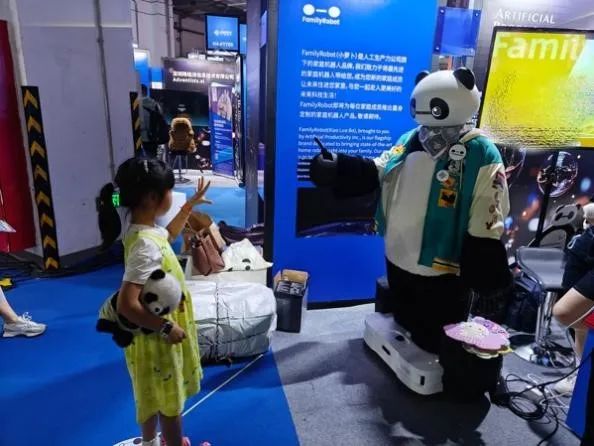
Core Insights - AI hardware company "Artificial Productivity" has completed a multi-million dollar seed round financing, with investors including Amiba Capital, SenseTime Guoxiang Capital, and Fourth Paradigm Fund [1] - The company aims to address the structural challenges in the global toy industry, which is facing growth pressures among leading enterprises despite a market size nearing 1 trillion yuan in 2024 [3] - The founder, Tu Weiwei, emphasizes the importance of making toys engaging and fun, rather than just relying on advanced AI interactions [4] Company Overview - "Artificial Productivity" was founded in 2024 by former Fourth Paradigm chief scientist Tu Weiwei, and its first AI companion robot product, the Panda Robot, has already been delivered [1][3] - The company plans to launch its first mass-produced smart toy aimed at children next month [1] Market Context - The traditional toy market is experiencing competition from video games, which are rapidly capturing children's attention, leading to a dilemma for parents regarding the health risks associated with electronic devices [3] - The company aims to leverage large model technology to revolutionize human-machine interaction in toys, moving beyond traditional remote-controlled functionalities [3] Product Features - The Panda Robot has been tested in children's malls, revealing that its most popular features are simple games like rock-paper-scissors and action imitation, which can keep children engaged for over two hours with a replay rate exceeding 80% [3] - The company focuses on creating a personalized experience for children, utilizing AI Agent's decision-making capabilities to adapt interactions based on user behavior [5] Technology and Development - The core technology includes a self-developed hardware platform that integrates multi-modal interaction, user behavior prediction, and decision-making capabilities [5] - The platform allows for rapid iteration and testing of products at low costs, ensuring that each product's development experience is captured for future improvements [6] Strategic Partnerships and Distribution - The company collaborates with top IPs to integrate content into its AI toy systems, enhancing gameplay experiences [6] - "Artificial Productivity" has established partnerships with major online and offline channels, ensuring a comprehensive distribution strategy that combines the advantages of both sales methods [6] Team Background - The founder Tu Weiwei holds a PhD from Nanjing University and has extensive experience in AI technology development [6] - The core R&D team comprises members from top universities and has previously worked with leading companies in the tech industry, providing a strong foundation for product development [6]

数伴成为ChinaJoy焦点,AI虚拟手办引领人机交互新趋势
Xiao Fei Ri Bao Wang· 2025-08-07 08:24
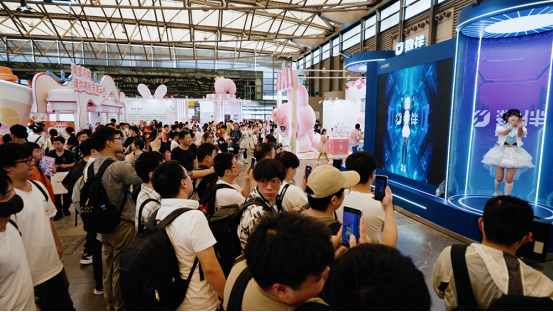
Group 1 - The 22nd China International Digital Interactive Entertainment Exhibition (ChinaJoy 2025) took place in Shanghai, showcasing the Dipal D1, the world's first curved screen pointing holographic AI interaction cabin, which became a popular attraction among Gen Z attendees [1][3] - Dipal's D1 utilizes "pointing holographic technology" to create the illusion of virtual characters floating in space, allowing for dynamic feedback and interaction, leading to long queues of attendees eager to experience its immersive capabilities [3][4] - The D1 redefines human-computer interaction by integrating emotional and personality traits into digital characters, enabling them to remember user preferences and habits, thus enhancing user engagement without the need for wearable devices [4][5] Group 2 - The founder of Dipal, Li Weijia, emphasized that the future of AI hardware transcends mere functionality, aiming to reconstruct the relationship between users and characters, reflecting a new interactive model that combines character personification, emotional interaction, and tangible hardware [5][6] - Dipal operates not only as a hardware manufacturer but also as a content platform, with its "Mojia House" being the largest MMD/3D model creation community in China, facilitating revenue sharing for creators [6][7] - The company plans to collaborate with more ACGN IPs, virtual idols, and game developers to build an open "AI virtual human ecosystem," signaling a shift towards more emotionally engaging AI experiences for younger audiences [7]
最高销量250万,从13个最能卖的AI硬件,我读懂了两个关键变化
3 6 Ke· 2025-08-06 11:29
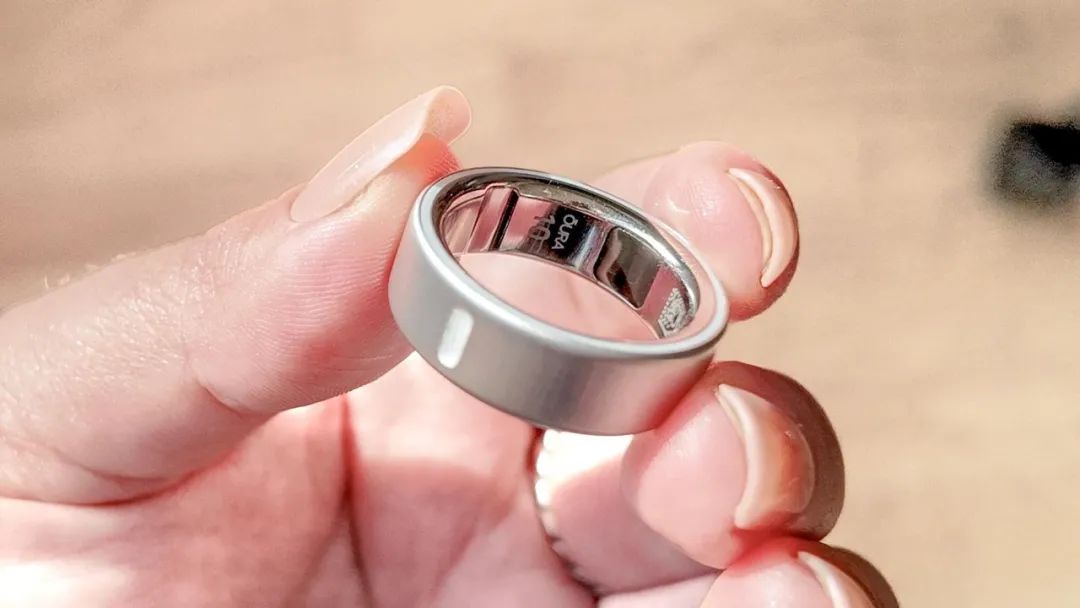
Core Insights - The term "embodied intelligence" has gained popularity since the second half of last year, driven by AI advancements, but practical AI hardware that meets everyday needs remains limited [1] - Successful AI hardware products are those that address specific needs rather than being multifunctional, focusing on usability and user engagement [2] Group 1: AI Hardware Market Trends - The best-selling AI hardware products are those that integrate seamlessly into daily life, such as the Oura Ring and Plaud Note, which have achieved significant sales figures [1][3] - The sales data indicates that Oura Ring has sold over 2.5 million units, while Plaud Note has surpassed $100 million in annual revenue [1][3] Group 2: Product Features and Performance - Oura Ring Gen 4 Horizon serves as a personal health coach, utilizing multi-modal data to provide sleep scores and personalized advice [5] - Plaud Note X1 offers real-time transcription and summarization capabilities, generating significant revenue and sales growth [7] - Rewind Pendant and Haivivi Bubble Pal exemplify AI products that enhance memory and storytelling for users, respectively [9][11] Group 3: AI Hardware Business Models - The business model for AI hardware is shifting from one-time sales to subscription services, with a focus on long-term user engagement [36] - Products like Oura Ring and Whoop 4.0 illustrate the subscription-first approach, where hardware serves as an entry point to ongoing services [37] - Tesla's Optimus 6m² and Rabbit R1 represent models that combine hardware sales with ecosystem expansion and AI capabilities [39][40] Group 4: Future Directions in AI Hardware - The future of AI hardware may involve three main payment structures: subscription-based models, entertainment product IPs, and platform-level product systems [42] - The sustainability of AI hardware business models will depend on user engagement and ecosystem loyalty, emphasizing the importance of high interaction frequency and strong ecosystem ties [44]
“赛博老婆”引爆ChinaJoy!数伴AI硬件成Z世代打卡新宠,预示AI陪伴新趋势
Zhong Guo Chan Ye Jing Ji Xin Xi Wang· 2025-08-06 06:46
Core Insights - The 22nd ChinaJoy showcased Dipal's D1, the world's first curved screen holographic AI interaction pod, which became a popular attraction among Gen Z attendees [1][2] - The D1 utilizes pointing holographic technology to create immersive interactions with virtual characters, resonating strongly with young audiences [2][3] Technology and Innovation - Dipal D1 integrates pointing holographic display technology, anthropomorphic AI, multimodal interaction systems, and the "Mojia House" 3D content platform, allowing users to interact without wearing any devices [3][4] - The technology enables real-time rendering of 3D images based on user perspective, creating a lifelike holographic experience [3][5] Cultural Resonance - The D1's design and interaction style deeply resonate with ACG (Anime, Comic, Game) culture, attracting fans who appreciate customizable virtual companions [4][6] - The shift from static collectibles to dynamic emotional companionship represents a new trend in AI hardware perception [4][5] Market Trends - The strong interest in Dipal's D1 indicates a rising trend in human-character relationships, emphasizing emotional interaction and personalized experiences [5][7] - The company aims to build an open "AI virtual character ecosystem" by collaborating with various ACGN IPs and game developers, expanding the application of digital characters in real-life scenarios [6][7] Future Outlook - Dipal's founder emphasizes that the future of AI hardware lies in reconstructing the relationship between users and characters, moving beyond mere functionality [5][6] - The company is positioned to meet the emotional needs and interaction expectations of Gen Z users, signaling a shift towards more soulful and responsive AI companions [7][8]
港股异动 | 出门问问(02438)再涨超8% 本周股价累计飙升1.3倍 AI硬件TicNote引发关注
智通财经网· 2025-08-01 07:18
Core Viewpoint - Outermost Question (02438) has seen its stock price surge over 130% this week, with a current increase of 8.33% to HKD 0.91, and a trading volume of HKD 137 million [1] Group 1: Product Launch and Features - Outermost Question recently showcased its latest Agentic AI smart hardware, TicNote, and AIGC product matrix at WAIC 2025, introducing the AI art exhibition "Voices of the Hutong" powered by TicNote [1] - TicNote is a hybrid smart hardware device featuring "Shadow AI," designed as a "personal AI thinking partner" suitable for various scenarios such as meetings, interviews, and learning, with a starting price of RMB 999 and a premium version priced at RMB 1499 [1] Group 2: Market Performance and Sales - As of July 15, global sales of TicNote have exceeded 10,000 units, ranking among the top two in relevant categories on Tmall and JD in China, with some domestic regions experiencing stock shortages [1] - The overseas version of TicNote was launched on April 16, 2025, and has received widespread recognition from media and users, while the domestic version was released in June this year [1] Group 3: Competitive Landscape - TicNote's design and functionality closely resemble that of Plaud Note, which was launched in April 2024 primarily for overseas markets, with Plaud achieving global sales of over 1 million units [1]
80%企业明年会消失,AI玩具的生死线不是“套娃”Labubu
Tai Mei Ti A P P· 2025-07-31 02:08
Core Insights - The AI hardware market is experiencing a surge in new products, particularly in the AI companionship sector, which is seen as a promising area due to emotional companionship needs and AI's interactive capabilities [2][3] - The global AI companionship robot market is projected to grow from $13.4 billion to between $70 billion and $150 billion by 2030, with a compound annual growth rate (CAGR) of 200%-236% [3][5] - The entry of major players like Musk's xAI and OpenAI into the market indicates strong interest and investment in AI companionship products [3][5] Market Dynamics - The AI toy market in China is expected to reach 60 billion yuan, accounting for 30% of the global market [5] - The demand for personalized companionship products has surged, driven by changing consumer psychology and emotional satisfaction needs [3][9] - The market is currently undergoing a "de-bubbling" phase, where the focus is shifting towards more humanized technology and practical products [3][8] Investment Landscape - Nearly 100 investment firms are now involved in the AI toy sector, indicating a growing interest in this emerging market [7] - The entry of various companies, including traditional toy manufacturers and startups, has created a diverse landscape with different product interpretations [12][14] Consumer Behavior - The rise of the "loneliness economy" is a significant driver for AI companionship products, with over 13 million individuals in China diagnosed with autism, highlighting a growing need for emotional support [7][9] - AI toys are perceived as more attractive than real pets due to lower costs and fewer responsibilities, making them appealing to consumers seeking emotional companionship [9][11] Challenges and Criticisms - The AI toy market faces skepticism regarding its long-term viability, with concerns about the quality and effectiveness of AI companionship products [8][11] - High return rates for AI toys, similar to those seen in other AI hardware sectors, raise questions about consumer satisfaction and product performance [11][17] - The industry must balance the integration of AI technology with the traditional toy market to create products that meet emotional companionship needs effectively [14][16]
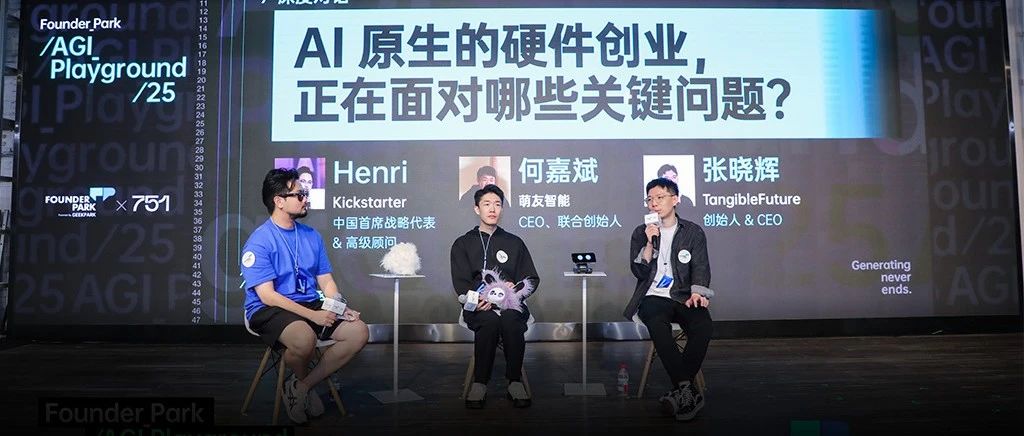
AI 陪伴硬件的反共识讨论:主体性很重要,同质化竞争不存在
Founder Park· 2025-07-08 03:59
Core Viewpoint - The article discusses the ongoing popularity of AI companion products, particularly in the consumer market, highlighting various innovative products and the emotional connections they foster with users [1][6][28]. Group 1: AI Companion Products - AI companion products like "Mirumi," "Moflin," and "LOVOT 3.0" are gaining traction, showcasing emotional interaction capabilities [1][6]. - The market for AI companion products is characterized by a diverse understanding of "companionship," influenced by individual user experiences and emotional needs [7][11]. - The concept of "subjectivity" is emphasized, where users are encouraged to treat these products as living entities rather than mere commodities, enhancing emotional engagement [19][20]. Group 2: Market Dynamics and Competition - Despite apparent similarities among products, true competition is limited due to differing target audiences and emotional expectations [39][40]. - The emotional bond established with users creates a unique value proposition that is difficult to replicate, leading to a sense of irreplaceability [42][40]. - The industry is still in a phase of non-consensus exploration, with many small teams innovating in ways that larger companies may struggle to replicate [29][39]. Group 3: Product Development and User Interaction - The importance of not allowing AI companions to speak is highlighted, as it can diminish the perceived emotional connection and subjectivity [24][26]. - User feedback has been crucial in shaping product features, with a focus on enhancing memory and interactive capabilities to foster deeper connections [26][30]. - The design philosophy emphasizes creating products that resonate emotionally with users, allowing for a more organic and engaging interaction [47][50]. Group 4: Future Outlook and Longevity - The expected lifespan of AI companion products is set at five years, with plans for upgrades to maintain user engagement and emotional connection [30][31]. - The potential for AI companions to evolve and adapt to user needs is seen as a key factor in their long-term success [32][33]. - The exploration of how technology can bridge emotional gaps in human relationships is a central theme for the future of these products [50].
“iPhone之父”和“GPT之父”联手,首款AI设备竟是一支笔?
Hua Er Jie Jian Wen· 2025-06-30 08:39
Core Insights - OpenAI has acquired AI hardware company io, co-founded by Jony Ive, for $6.5 billion in an all-stock deal, marking its largest acquisition to date [1] - The first AI device from this collaboration is speculated to be a "smart pen," which will not have a traditional screen and is designed to be portable [1][2] - The acquisition will bring approximately 55 hardware experts to OpenAI, indicating a significant move into the consumer AI hardware market [4] Group 1 - The collaboration between OpenAI CEO Sam Altman and former Apple designer Jony Ive is generating significant interest in Silicon Valley [1] - The smart pen is expected to serve as a complementary device to smartphones, capable of perceiving the user's environment [1][2] - Jony Ive's personal affinity for pen products and his previous work on the Apple Pencil support the speculation of the smart pen's development [2] Group 2 - The smart pen may feature a projector to display images on surfaces and include a microphone and camera for text scanning and environmental awareness [3] - The device aims to blend traditional pen functionality with AI capabilities, although its "listening" features may raise privacy concerns [3] - OpenAI's acquisition of io is set to be completed this summer, pending regulatory approval, and will merge io's team with OpenAI's existing R&D team [4] Group 3 - Jony Ive's design firm, LoveFrom, will remain independent but will oversee creative and design work for OpenAI's product lines [5] - The AI hardware market is still in its early stages, with competitors like Meta and Alphabet developing smart glasses, and Apple enhancing its devices with camera features [5] - Altman believes the new device will not replace smartphones but will offer a new AI interaction experience, similar to how smartphones did not eliminate laptops [5]
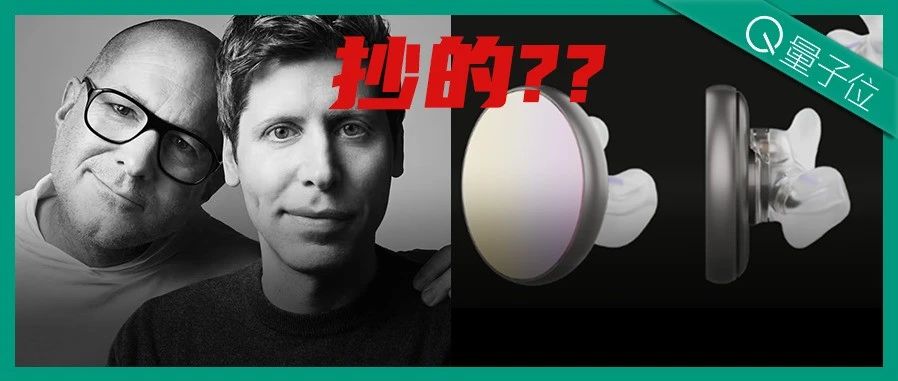
OpenAI硬件陷“抄袭门”,商标/设计极其相似,官方火速删帖
量子位· 2025-06-24 02:40
Core Viewpoint - OpenAI's acquisition of AI hardware company IO for $6.4 billion has led to a lawsuit from IYO, alleging trademark and product design infringement, raising concerns about potential intellectual property theft and competition in the AI hardware space [2][37]. Group 1: Background of IYO - IYO was founded in 2021, incubated by Google X, focusing on "screenless audio computing" technology [3][14]. - The company has a team of approximately 15 people and has invested over $65 million in developing its core product, IYO ONE, an "ear-worn voice computer" [15][17]. - IYO ONE is designed to allow users to perform tasks like translation and searching through voice commands, with a price point of $999 for the Wi-Fi version and $1,199 for the Wi-Fi+LTE version, expected to launch in September-October 2025 with an initial production of 20,000 units [23][24]. Group 2: Allegations Against OpenAI - IYO claims that OpenAI and the LoveFrom team, led by Jony Ive, engaged in discussions with IYO from 2022 regarding potential collaboration and investment, but ultimately launched IO with similar product features [4][5][31]. - The lawsuit alleges that IO's founders and engineers disguised their identities to purchase IYO products and participated in IYO's product trials, indicating a breach of trust [6][35]. - IYO is seeking damages that include three times the profits earned by IO, actual economic losses, and costs for market correction due to the alleged infringement [37]. Group 3: Current Developments - OpenAI has removed all content related to IO following the lawsuit, but the AI hardware project is reportedly still ongoing [10][47]. - The situation has attracted attention from industry figures, including Elon Musk, who has expressed interest in the unfolding events [11].