烘焙

Search documents
消失的网红面包,40元吐司如今9.9元甩卖,终究败给了“性价比”
Sou Hu Cai Jing· 2026-01-01 17:14
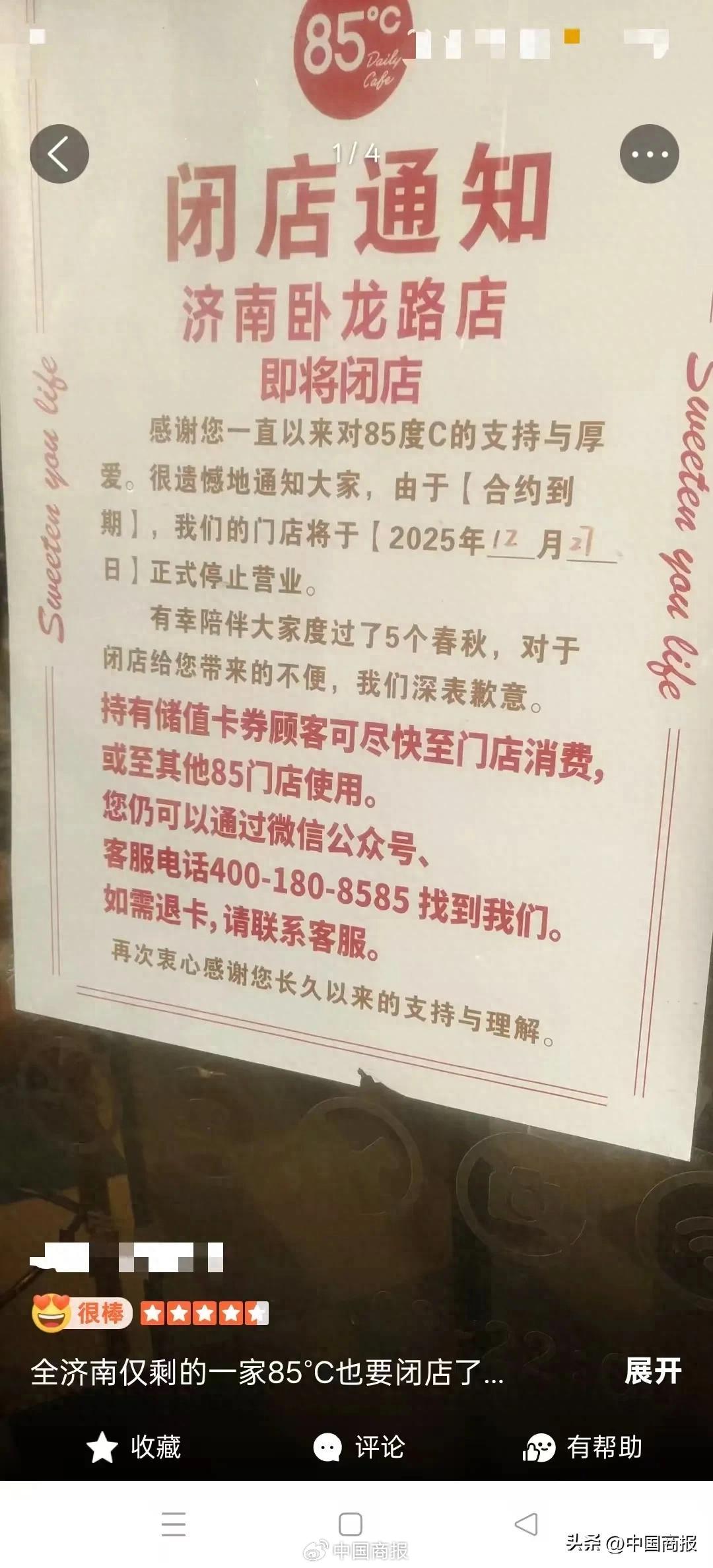
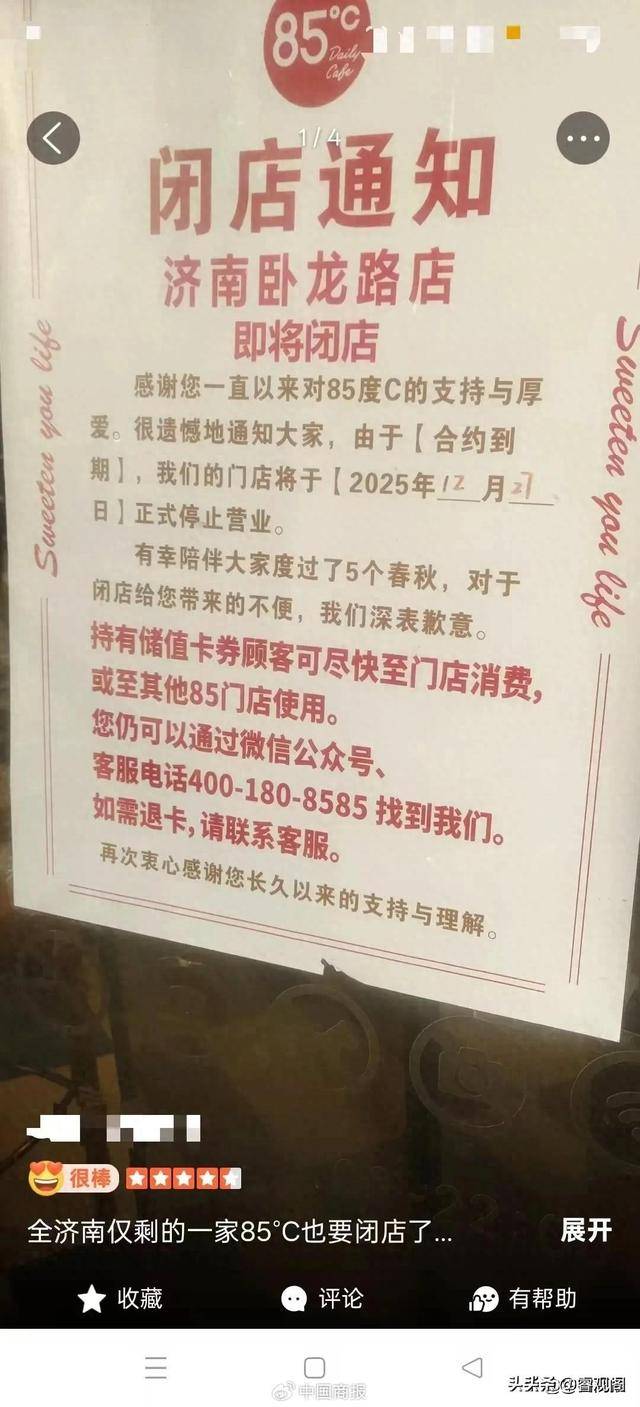
Core Insights - The article discusses the significant decline in the popularity of the "internet celebrity" bakery industry, highlighting that 87,658 bakeries closed in the past year, with an average lifespan of only 32 months for these establishments [3][10][18] Industry Overview - The closure of 85°C stores, including its last location in Jinan, symbolizes the ongoing challenges faced by the internet celebrity bakery sector, which has seen over 40 closures in mainland China this year alone [1][3] - The rapid rise of new bakery brands from 2019 to 2021 was fueled by consumer upgrades and capital investment, leading to a surge in high-end bakery concepts that emphasized aesthetic appeal and social media presence [4][7] Financial Performance - The average gross margin for leading brands in the bakery sector reached over 60%, with some brands achieving a customer price point of 65 yuan and gross margins soaring to 68% [7] - However, rising costs of raw materials, including a doubling of butter prices and a 40% increase in sugar prices, have severely impacted profitability, with net profit margins dropping below 9% for many stores [10][18] Market Dynamics - The shift in consumer behavior towards value and cost-effectiveness has led to a decline in the premium pricing strategy that once characterized the industry, as consumers now prefer lower-priced alternatives [16][18] - The competitive landscape has intensified, with traditional supermarkets and tea brands entering the bakery space, further straining the market for internet celebrity bakeries [14][18] Future Outlook - Despite the challenges, the overall retail market for baked goods in China is projected to grow, reaching 561.42 billion yuan in 2023, with an expected increase to 859.56 billion yuan by 2029, indicating a transition towards a value-driven market [18][20] - Surviving players are adapting by focusing on supply chain efficiencies and offering a range of products to meet diverse consumer needs [20]

“贵价面包”在高线城市不灵了?
虎嗅APP· 2025-12-31 11:37
Core Viewpoint - The rapid expansion of the bakery brand UH Youhe has been met with a surprising number of store closures in major cities, indicating potential operational challenges despite its popularity and growth in store numbers [4][5][9]. Group 1: Store Expansion and Closures - UH Youhe, established in 2016, gained popularity for its freshly baked products and transparent operations, expanding from Hubei to multiple cities including Changsha, Hangzhou, and Chengdu by 2024 [6][7]. - As of now, UH Youhe has opened over 130 stores across various cities, maintaining its expansion momentum [8]. - However, the brand has also closed several stores in cities like Beijing, Shenzhen, and Chengdu, with many closures occurring within a year of opening [9][10]. Group 2: Reasons for Store Closures - The closures are attributed to various reasons, including unsuccessful negotiations for lease renewals and broader business adjustments [10][11]. - Industry analysts suggest that these closures may reflect a strategic move to cut losses on underperforming locations [11]. Group 3: Pricing Strategy - To cope with high operational costs, UH Youhe has been quietly increasing prices across its locations, with individual product prices rising by 1-2 yuan [14]. - The average consumer spending at UH Youhe is around 40 yuan, indicating a shift in pricing strategy to maintain profit margins amidst rising costs [14]. Group 4: Market Trends in Bakery Industry - The premium bakery market has seen intense competition, with many brands facing growth pressures, leading to adjustments in store strategies [15]. - Some brands are shifting focus to lower-tier cities, where there is significant growth potential, as evidenced by the expansion of brands like HOT CRUSH and KUMO KUMO into third-tier cities [16][18]. - The down-market trend is driven by changing consumer preferences, with increased demand for quality and service in less saturated markets [19][21].
聚利宝控股(08527) - (1) 有关復牌进展的季度最新情况;及 (2) 继续暂停买卖
2025-12-31 08:51
香港交易及結算所有限公司及香港聯合交易所有限公司對本公告的內容概不負 責,對其準確性或完整性亦不發表任何聲明,並明確表示,概不對因本公告全 部或任何部分內容而產生或因倚賴該等內容而引致的任何損失承擔任何責任。 聚利寶控股有限公司 ( 於開曼群島註冊成立的有限公司) (股份代號:8527) (1)有關復牌進展的季度最新情況;及 (2)繼續暫停買賣 本公告乃由聚利寶控股有限公司(「本公司」,連同其附屬公司統稱「本集團」) 根據香港聯合交易所有限公司(「聯交所」)GEM 證券上市規則(「GEM 上市規 則」)第 17.10(2)(a)條以及香港法例第 571 章證券及期貨條例第 XIVA 部項下的 内幕消息條文(定義見 GEM 上市規則)發出。 茲提述本公司日期分別為二零二五年三月十八日、二零二五年四月一日、二零 二五年六月二十七日、二零二五年七月四日及二零二五年九月三十日的公告 (「該等公告」)。除另有界定者外,本公告所用詞彙與該等公告所界定者具有相 同涵義。 復牌指引 根據本公司分別於二零二五年七月四日及二零二五年九月三十日刊發的公告所 披露,本公司已接獲聯交所發出的下列復牌指引,要求本公司須: 1 有關復牌進 ...
【独家专访】在一根80米老烟囱下,上海工厂遗址里长出了最野的一家窑烤面包店!
东京烘焙职业人· 2025-12-31 08:34
东京烘焙职业人原创《中国烘焙匠人店》系列已开启。来 # 听创始人说,说他们精彩的创业故事。 我们希望能够从创始人、主理人的经历中,去记录、去观察、去思考开店这件不容易的事情,我们 相信,这是一种值得探索的事。 【独家采访 · 第 200 家】 第一次走到 「共热柴窑」 时,你会下意识怀疑自己是不是走错了地方。 没有精致豪华的橱窗,眼前是一片仿佛被时间按下暂停键的工厂遗址——在得丘热供站艺术区,水 泥结构、裸露钢梁与粗犷空间被完整保留下来,80米高的烟囱直冲天际,而 「共热柴窑」 把一座 真正意义上的法式专业柴窑嵌入其中:室外白窑与烟囱相连,室内黑窑专注披萨。 这里不是"复古风格"的模仿,而是一次对工业空间的再利用,也是一种对窑炉面包专业度的极端坚 持。 「共热柴窑」主理人王志豪最早在法国学习面包时,接触的就是窑炉体系。回国后,他一度放弃这 个想法——在当时的国内市场,窑炉面包几乎没有生存空间。 "那时候觉得,国内可能完全接受不了。" 于是他先做了电烤体系,在成都开了「咸与甜」做日常法式面包。但对于窑炉的热爱并没有消失。 真正促使他下定决心的,不是窑炉面包"火了",而恰恰相反——是他发现市场上很多"窑烤",并没 ...

【独家专访】十年酸面团之路:在卷与不卷之间,这家面包店选择了坚持与“松弛”
东京烘焙职业人· 2025-12-30 08:37
Core Viewpoint - The article highlights the journey of "Settle&Sodough" and its founder, Lao Xia, emphasizing the evolution of sourdough bread in China and the challenges faced in establishing a niche market for this artisanal product [3][30]. Group 1: Background and Development - Sourdough bread has gained popularity in recent years, but Lao Xia has been researching and perfecting it for over ten years [3]. - Initially, the domestic baking market was dominated by soft European bread, with sourdough being largely overlooked [8]. - Lao Xia's fascination with the fermentation process and the unique characteristics of sourdough led her to experiment with it at home, despite the lack of resources and community knowledge [9][11]. Group 2: Product Innovation and Techniques - The bakery's product offerings are distinguished by their unique ingredient combinations and innovative fermentation techniques [13][22]. - Lao Xia has been exploring the application of rice koji, which enhances the natural sweetness of bread and improves texture, as part of her product development [22][25]. - The introduction of a "medium-temperature fermentation" method allows for precise control over the bread's acidity and flavor profile, showcasing a significant evolution in her baking techniques [25][36]. Group 3: Market Challenges and Reflections - The sudden surge in popularity due to social media exposure brought significant pressure on quality control and service, prompting Lao Xia to reflect on the implications of rapid fame for a small artisanal bakery [30][32]. - The article discusses the dual nature of increased visibility, where it can amplify both strengths and weaknesses, leading to a reassessment of priorities in the face of fluctuating market interest [33][36]. - Lao Xia emphasizes the importance of maintaining a consistent rhythm in baking, focusing on daily experimentation and refinement rather than being swayed by market trends [36][38].

销量翻倍方法论:中焙蛋挞&御品轩共创现象级爆款!
东京烘焙职业人· 2025-12-29 09:37
西安的圣诞季,一个烘焙品牌用一款产品撬动了整座城市的节日味蕾。 御品轩的21厘米"巨无霸蛋 挞" ,在社交平台掀起打卡热潮,吸引众多消费者到店体验。 本次 圣诞节"巨无霸蛋挞" 现象级产品的背后,是这个连锁品牌基于消费场景的精准洞察,对蛋挞 这一品类的全新升级。 圣诞季的西安,烘焙市场的竞争早已白热化。这个时间节点的品牌新品如同神仙打架,御品轩的破 局之道是—— 把日常甜点变成节日符号,用一枚仅供在其大师店体验的21厘米巨无霸蛋挞,实现品 牌关注度的集中引爆。 本次大蛋挞亮相的御品轩大师店 巨无霸蛋挞的成功并非偶然。 它本质上是御品轩品牌焕新战略的一次关键落子。 御品轩是一个始于1999年的老品牌,面对老品牌升级与年轻化沟通的命题,御品轩创新性地打造了 "大师店" 这一门店模型。大师店不仅是销售终端,更是品牌与消费者进行情感连接、输出创意美学 与新奇体验的沉浸式空间。 巨无霸蛋挞正是为此场景量身定制的 "体验引擎" 。 「御品轩」 是扎根于古都西安的知名烘焙品牌,拥有94家直营连锁专卖店,是西安消费者心中高品 质烘焙的代名词。在此之前御品轩已经凭借 "百变蛋挞节" 形成标志性品牌IP,不仅更深层次地教 育了市 ...

传统行业的可参考转型:华美食品如何把文化变成第二增长曲线
3 6 Ke· 2025-12-29 02:55
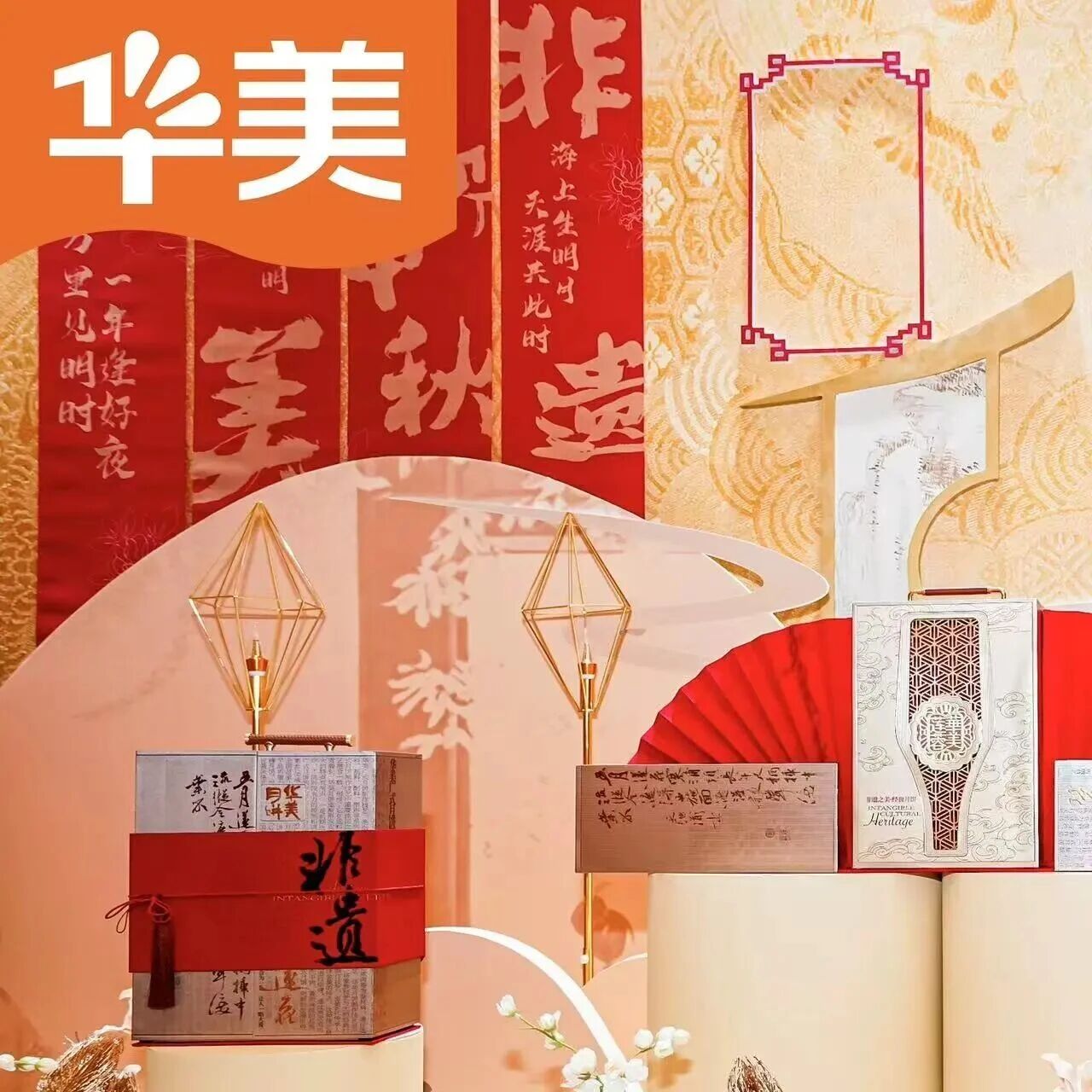
Core Insights - The article discusses the growing importance of intangible cultural heritage (ICH) in the cultural market, highlighting its potential as a resource for economic vitality while also addressing the challenges faced by traditional brands, particularly "old brands" that struggle with profitability and relevance in a modern context [1][3] Group 1: Cultural Heritage and Economic Impact - ICH is increasingly recognized as a vital part of national culture, moving beyond static museum exhibits to become a dynamic economic resource [1] - Many traditional brands, despite their historical significance, face operational challenges and are at risk of being removed from "old brand" lists due to poor management [1] - The balance between cultural heritage preservation and economic viability is a pressing issue for many traditional brands [1] Group 2: Brand Strategy and Market Positioning - Huamei Foods has been awarded for its innovative approach, focusing on a "cultural + industry" integration model that emphasizes both heritage and innovation [1][3] - The company aims to build a brand foundation based on "certainty," focusing on quality and emotional connections with consumers rather than engaging in price wars [3][5] - The brand's strategy includes creating a reliable and trustworthy image through transparent operations and quality assurance [5][6] Group 3: Cultural Experience and Consumer Engagement - Huamei Foods has redefined itself as a "guardian of Mid-Autumn culture," creating a "cultural-experience-consumption" business loop that enhances consumer engagement [7][10] - The company has launched initiatives like the "Mooncake Dream Factory," which combines cultural education and product experience, significantly increasing customer engagement [8][10] - The success of these initiatives has sparked interest among competitors, leading to a trend of establishing cultural centers in the industry [10][13] Group 4: Innovation and Future Growth - Huamei Foods' innovative approach includes developing over 50 cultural-themed gift boxes that modernize traditional craftsmanship, resulting in increased sales during peak seasons [10][14] - The company collaborates with national intangible cultural heritage projects to create a cultural ecosystem, enhancing brand visibility and social responsibility [13][14] - The integration of cultural elements into all aspects of the business is seen as a key driver for future growth, emphasizing the need for a systematic approach to cultural heritage in product development and marketing [14]

传统行业的可参考转型:华美食品如何把文化变成第二增长曲线
36氪· 2025-12-29 00:00
Core Viewpoint - The article emphasizes the importance of integrating intangible cultural heritage (ICH) into business models, highlighting how companies can leverage cultural assets for sustainable growth while maintaining economic viability [1][2][3]. Group 1: Cultural Heritage and Economic Viability - Intangible cultural heritage is increasingly recognized as a vital resource that can stimulate economic vitality, moving beyond being mere static exhibits in museums [2]. - Many traditional brands, despite their historical significance, face challenges such as poor management and financial struggles, raising concerns about balancing cultural preservation with economic performance [3][4]. - The case of Huamei Foods illustrates a successful model of integrating "culture + industry" to achieve steady growth while preserving traditional cultural values [3][4]. Group 2: Brand Strategy and Consumer Behavior - In a rapidly changing consumer landscape, Huamei Foods focuses on building "certainty" as a brand foundation, emphasizing quality, reliability, and emotional connection with consumers [6][9]. - The company addresses challenges such as supply chain pressures, intensified competition, and evolving consumer habits by avoiding short-term trends and instead focusing on consistent brand values [7][10]. - Huamei Foods' commitment to quality is demonstrated through initiatives like "transparent factories" and a "recipe upgrade" plan, ensuring trust in product quality [9]. Group 3: Cultural Integration and Innovation - Huamei Foods redefines itself as a "guardian of Mid-Autumn culture," creating a "cultural-experience-consumption" business loop that enhances consumer engagement [11][13]. - The company has developed innovative projects like the "Mooncake Dream Factory," which combines cultural education and product experience, significantly increasing customer engagement [14]. - The "Non-Heritage Beauty" product line showcases over 50 culturally themed gift boxes, translating traditional techniques into modern designs, leading to increased sales during peak seasons [16]. Group 4: Strategic Collaborations and Community Engagement - Huamei Foods collaborates with national intangible cultural heritage projects and educational institutions, fostering a cultural ecosystem and reaching over ten thousand students annually [18]. - The company's innovative model not only enhances its capabilities but also integrates cultural and commercial aspects, creating a new atmosphere where culture drives business and vice versa [18][19]. - The exploration of the "Non-Heritage +" growth curve indicates the need for companies to systematically incorporate cultural elements into all aspects of production and marketing, creating new product forms and business models [19].
视频|克莉丝汀退市一周年,投资5亿元、荒废10年的甜蜜城堡被爆破拆除,创始人之子计划回归烘焙界
Xin Lang Cai Jing· 2025-12-28 10:30
Core Insights - The article does not provide any specific content or insights regarding companies or industries [1] Summary by Categories - No relevant information available for summarization [1]
网红面包卖不动了?烘焙门店平均存活时长仅32个月
Xin Lang Cai Jing· 2025-12-28 01:57
Core Viewpoint - The closure of 85°C stores in China highlights the challenges faced by traditional bakery brands, indicating a significant strategic contraction in the industry as consumer preferences shift and competition intensifies [4][12]. Group 1: Company Developments - 85°C closed its last store in Jinan on December 27, marking a significant reduction in its presence in China, with over 40 closures planned for the year, the largest in five years [4]. - The parent company, Meishi-KY, acknowledged the need to optimize operations, leading to this strategic retreat [4]. - The last store in Beijing closed on October 31, further indicating the brand's declining footprint in major markets [1]. Group 2: Industry Trends - Established brands like 85°C and Paris Baguette are experiencing brand aging and a lack of product differentiation, resulting in diminished appeal to younger consumers [5]. - Paris Baguette has closed 205 stores over four years, with a net increase of only 26 stores, reflecting a broader trend of declining store numbers in the bakery sector [5][7]. - The bakery market is undergoing rapid changes, with new entrants leveraging innovative strategies to attract consumers, while traditional brands struggle to keep pace [7][13]. Group 3: Market Dynamics - The average lifespan of bakery stores in China is only 32 months, with over 57% closing within two years, indicating a highly volatile market [12]. - The competitive landscape is shifting as new players from tea, coffee, and convenience store sectors enter the bakery market, utilizing their existing advantages to capture market share [13]. - The demand for high-quality, cost-effective products is rising, with new business models like low-cost bakeries gaining traction in the market [14]. Group 4: Financial Insights - A typical 100-square-meter bakery store with a monthly revenue of 270,000 yuan faces significant cost pressures, resulting in a low profit margin of approximately 8.9% [12]. - The rising costs of ingredients and rent, coupled with the need for substantial marketing investments, are squeezing profit margins for traditional bakery brands [12].