烘焙行业洗牌

Search documents
网红面包卖不动了?烘焙门店平均存活时长仅32个月
Xin Lang Cai Jing· 2025-12-28 01:57
Core Viewpoint - The closure of 85°C stores in China highlights the challenges faced by traditional bakery brands, indicating a significant strategic contraction in the industry as consumer preferences shift and competition intensifies [4][12]. Group 1: Company Developments - 85°C closed its last store in Jinan on December 27, marking a significant reduction in its presence in China, with over 40 closures planned for the year, the largest in five years [4]. - The parent company, Meishi-KY, acknowledged the need to optimize operations, leading to this strategic retreat [4]. - The last store in Beijing closed on October 31, further indicating the brand's declining footprint in major markets [1]. Group 2: Industry Trends - Established brands like 85°C and Paris Baguette are experiencing brand aging and a lack of product differentiation, resulting in diminished appeal to younger consumers [5]. - Paris Baguette has closed 205 stores over four years, with a net increase of only 26 stores, reflecting a broader trend of declining store numbers in the bakery sector [5][7]. - The bakery market is undergoing rapid changes, with new entrants leveraging innovative strategies to attract consumers, while traditional brands struggle to keep pace [7][13]. Group 3: Market Dynamics - The average lifespan of bakery stores in China is only 32 months, with over 57% closing within two years, indicating a highly volatile market [12]. - The competitive landscape is shifting as new players from tea, coffee, and convenience store sectors enter the bakery market, utilizing their existing advantages to capture market share [13]. - The demand for high-quality, cost-effective products is rising, with new business models like low-cost bakeries gaining traction in the market [14]. Group 4: Financial Insights - A typical 100-square-meter bakery store with a monthly revenue of 270,000 yuan faces significant cost pressures, resulting in a low profit margin of approximately 8.9% [12]. - The rising costs of ingredients and rent, coupled with the need for substantial marketing investments, are squeezing profit margins for traditional bakery brands [12].


20年老字号破产清算,烘焙行业已经开始大洗牌?
Sou Hu Cai Jing· 2025-12-12 21:25
Core Insights - The article discusses the bankruptcy of "Floating Forest," a well-known bakery brand in Hangzhou, marking a significant event in the ongoing reshaping of the baking industry in China [2][19]. Company Overview - Floating Forest, established in 2000, initially thrived by adopting a "factory store + fresh baking" model, which allowed it to build a strong local reputation for affordable and quality cakes [3][4]. - The company went public on the New Third Board in 2016, becoming the first Taiwanese-funded bakery in Zhejiang to do so, amidst a booming baking market projected to grow significantly [4]. Decline Factors - The decline of Floating Forest can be attributed to several factors: - The traditional business model became increasingly unsustainable, with high sensitivity to customer traffic and revenue fluctuations, especially after the pandemic reduced demand for key cake consumption scenarios [5][12]. - The brand failed to innovate its product offerings and customer experience, lagging behind competitors who adapted to new consumer preferences for visually appealing and social media-friendly products [9][12]. - Financial and governance issues compounded the company's struggles, leading to multiple store closures and a loss of consumer trust, ultimately resulting in bankruptcy proceedings in October 2025 [12][19]. Industry Context - The baking industry is not experiencing an overall decline; rather, it is undergoing a significant reshuffle, with traditional brands facing intense pressure from new entrants and changing consumer preferences [14][19]. - New players in the market, particularly in the new-style pastry segment, are rapidly expanding, capturing market share from established brands [14]. - The competitive landscape is shifting from a focus on store quantity to operational efficiency, emphasizing the importance of supply chain management and customer engagement strategies [15][16]. Challenges for Regional Brands - Regional brands like Floating Forest are particularly vulnerable to market disruptions, often finding themselves in a cycle of high debt and declining revenues when faced with changing consumer dynamics [17][19]. - The article highlights that the failure of Floating Forest is emblematic of a broader trend affecting local brands that have not adapted to the evolving market landscape [20].

太突然!知名品牌在上海全部闭店!曾是顶流网红,不少网友专程前往打卡
Huan Qiu Wang· 2025-09-05 02:29
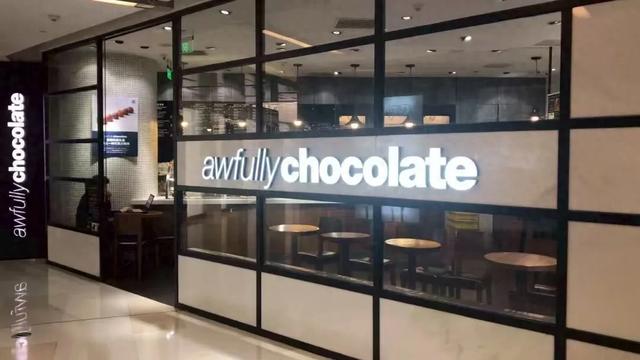
Core Points - Awfully Chocolate, a popular dessert brand, has closed all its stores in Shanghai, marking a significant retreat from the market [3][10] - The brand had peaked with 12 locations in Shanghai, including prominent shopping centers, but now all are listed as "temporarily closed" [3][10] - The closure reflects a broader trend in the baking industry, which is undergoing a deep restructuring with several well-known brands shutting down [14][16] Company Summary - Awfully Chocolate was founded in Singapore in 1998 and opened its first store in Shanghai in 2007, known for its chocolate cakes and ice creams, with an average spending of around 50 yuan per customer [10] - The brand's closure has evoked nostalgia among consumers, highlighting its role in many sweet memories [10][13] Industry Summary - The baking industry is experiencing significant challenges, with multiple brands like BreadTalk and Gontran Cherrier also closing stores due to rising operational costs, intense market competition, and management issues [14][15] - Notable closures include BreadTalk's 11 stores in Chengdu and the last store of Gontran Cherrier in Beijing, among others [14][15] - Despite the challenges, some brands are thriving by adopting differentiated strategies, such as Holiland's fresh product guarantee and Lu Xihe's focus on traditional Chinese pastries [16] - The industry is also seeing cross-sector innovations, with tea, coffee, and hot pot brands exploring "baking+" models to capture new market segments [16]
烘焙的倒闭故事,还在继续
创业邦· 2025-08-06 03:08
Core Viewpoint - The baking industry is experiencing a significant wave of closures, with many popular brands failing to sustain operations due to increased competition and rising costs, leading to a rapid market reshuffle [8][9][56]. Group 1: Current State of the Baking Industry - A large number of popular baking brands, including "BreadTalk" and "Gontran Cherrier," have recently closed multiple locations or ceased operations entirely, indicating a troubling trend in the industry [10][17][25]. - The closure rate in the baking sector is accelerating, with 2024 and early 2025 seeing a continuous stream of brand shutdowns, including notable names like "Panda Not Going" and "ABC Cooking Studio" [29][30]. - As of December 2024, the baking sector saw a net increase of only 8,000 stores, with a closure rate of 34.2% compared to an opening rate of 37.1% [30]. Group 2: Market Dynamics and Trends - Despite the closures, the baking market remains vibrant, with new brands emerging that focus on product innovation and quality, appealing to younger consumers [34][58]. - The market is witnessing a bifurcation into high-end and low-cost segments, with premium brands emphasizing quality and unique offerings, while budget brands focus on affordability and high volume [58][60]. - Major players like "Hai Di Lao" and "Cha Yan Yue Se" are entering the baking space with competitive pricing strategies, which may disrupt existing market dynamics and challenge high-priced brands [51][62]. Group 3: Future Outlook - The baking industry is expected to continue its rapid reshuffle, driven by supply chain efficiency, consumer insights, and brand resilience, with a focus on health, digitalization, and unique consumer experiences [62][63]. - Brands that can effectively navigate these trends and establish a strong market presence are likely to thrive, while those lacking core competitiveness may face accelerated exit from the market [63].


又一家老牌烘焙,批量关店
3 6 Ke· 2025-07-15 03:29
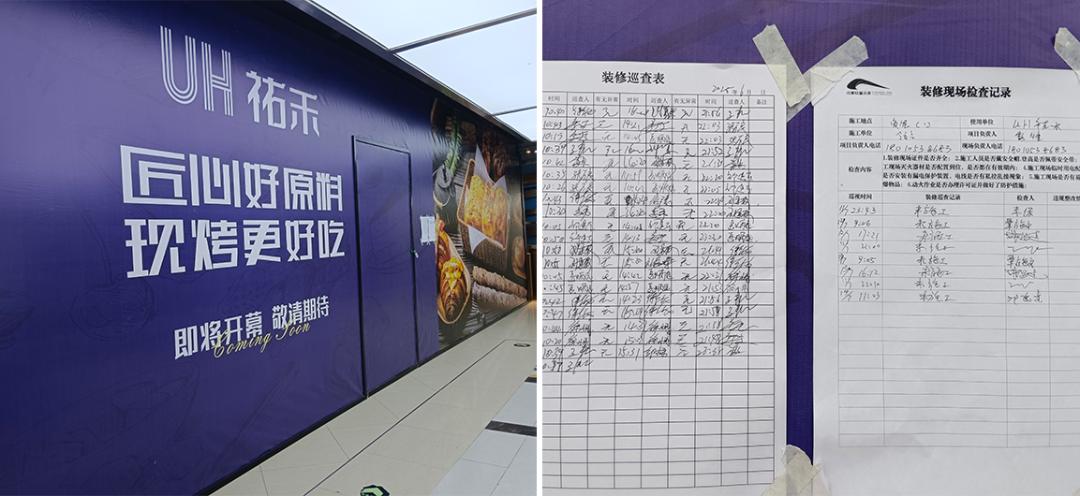
Core Viewpoint - The well-known bakery brand Bread Talk has closed all 11 of its stores in Chengdu, marking a significant retreat from the market and highlighting the challenges faced by established brands in the baking industry [1][3][7]. Group 1: Company Overview - Bread Talk, founded in Singapore in 2000, was once a leading player in the bakery sector, achieving rapid expansion and reaching 418 stores in China by 2014 [9][11]. - The brand's revenue from mainland China accounted for 31.6% of its total revenue in 2014, making it a crucial market for the company [11]. - However, the company has faced significant challenges, including food safety issues and an unstable franchise model, leading to a decline in consumer trust and a series of store closures [12][14][15]. Group 2: Recent Developments - The recent closure of all stores in Chengdu was framed as a "renovation and upgrade" by the company, but it has been revealed to be a complete shutdown [3][7]. - Since 2021, Bread Talk has experienced negative growth in store numbers, with only one new store opening this year, leaving a total of 173 operational stores primarily in Guangdong, Jiangsu, and Shanghai [18]. - The company has faced legal challenges, including two consumption restriction orders in 2021 and 2023, indicating ongoing financial difficulties [8]. Group 3: Industry Context - The bakery industry is undergoing significant upheaval, with many once-popular brands facing closures. In 2024, the industry saw a net increase of only 8,000 stores despite 10.3 million new openings and 9.5 million closures [22]. - The competitive landscape is shifting, with new brands emerging and established ones struggling to maintain market share. Brands like Good Day and others are expanding aggressively, while traditional players like Bread Talk are retreating [30][31]. - The rise of cross-industry competition, with tea and restaurant brands entering the bakery space, adds further pressure on traditional bakery brands [31].
零售商为什么都盯上了烘焙?
东京烘焙职业人· 2025-07-05 00:42
Core Viewpoint - The article discusses the rising trend of baked goods in supermarkets, highlighting their increasing sales and popularity as a response to the challenges faced by traditional fresh food categories [3][10][19]. Group 1: Sales Performance of Baked Goods - Sam's Club's Swiss roll became a phenomenon, contributing 8%-10% to monthly sales in some stores, with annual sales exceeding 1 billion yuan [6]. - Hema's strawberry box sales approached 200 million yuan during the recent sales season, with four baked goods surpassing 100 million yuan in sales since 2020 [6][10]. - The "big mooncake" from Pang Donglai reportedly exceeded 200 million yuan in annual sales [7]. Group 2: Shift in Supermarket Strategy - Supermarkets are shifting focus from fresh produce to baked goods due to the inability to differentiate in the fresh food market, which has been impacted by e-commerce and community group buying [9][10]. - Dazhonghua's new brands "Runfa Workshop" and "Good Wheat" emphasize fresh and healthy baked goods, with products like potato bread selling out on launch day [11][13]. - The bakery segment has significantly boosted sales for stores like Yonghui, with some locations seeing over 520% year-on-year growth in bakery sales after adjustments [13]. Group 3: Competitive Pricing and Quality - Supermarket baked goods are gaining popularity due to their high cost-performance ratio, with prices significantly lower than specialty bakeries [19][21]. - For example, Sam's cranberry bagels are priced at 23.8 yuan for seven, while Costco's cinnamon raisin bagels are 19.5 yuan for six [19]. - Supermarkets maintain quality by using premium ingredients, such as 100% animal cream and imported New Zealand milk powder, while also employing longer fermentation processes for better flavor [23][24]. Group 4: Marketing and Consumer Engagement - Supermarkets leverage social media platforms like Xiaohongshu to promote new products and engage consumers, creating a buzz around popular items [27][31]. - Special promotions and limited-time offers during holidays further drive consumer interest and foot traffic to stores [29][30]. - The combination of competitive pricing, quality ingredients, and effective marketing strategies has positioned supermarket baked goods as attractive options for consumers [24][27]. Group 5: Industry Trends and Future Outlook - The traditional bakery sector is facing challenges, with notable brands like Christine and Huan Niu Cake House shutting down due to financial difficulties [15][17]. - The market share of traditional bakeries is declining as supermarkets capture a larger portion of the baked goods market, with offline supermarkets accounting for 37.7% of the main consumption channels in 2024 [17]. - The competition in the baking sector is expected to intensify, with supermarkets increasingly focusing on product innovation and consumer trends to differentiate themselves [41].