生态修复

Search documents
2亿拿下控制权 + 71倍PE收购迷你AI公司:冠中生态控制权变更案深度拆解!
Xin Lang Cai Jing· 2025-12-11 02:52
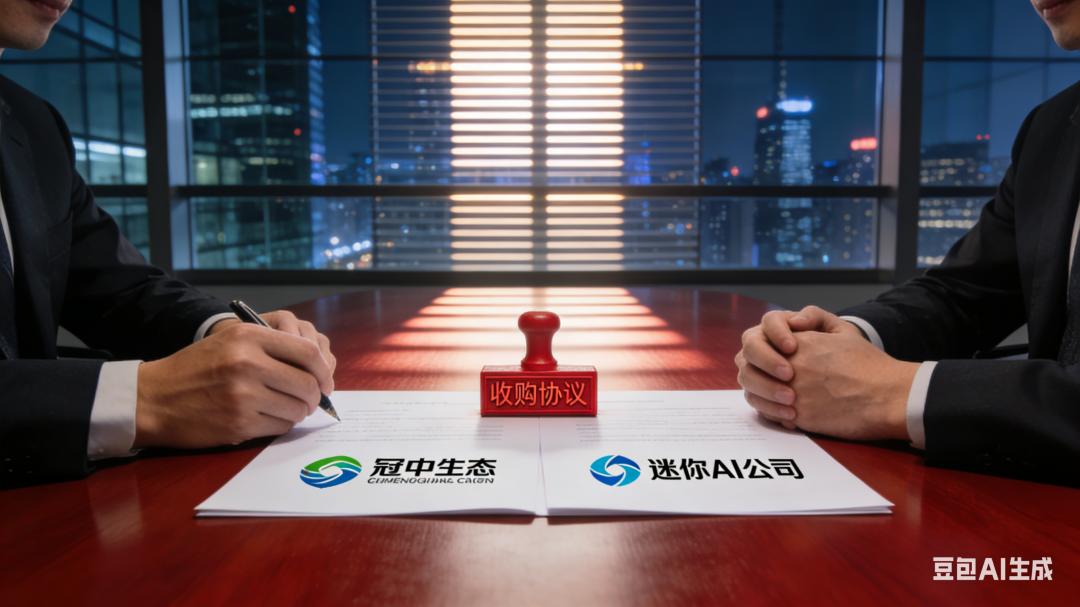
Core Viewpoint - The article discusses a controversial capital operation involving the ecological restoration company Guanzhong Ecological (300948) acquiring the AI tax service provider "Jing Suan Jia," while the original controlling shareholders transfer their shares and voting rights, allowing Jin Chunping and his controlled Deep Blue Finance to acquire control of the listed company at a low cost of 220 million yuan. This "quasi-shell" operation is filled with intriguing details regarding the quality of the target, transaction price, and operational path [2]. Group 1: Company Overview - Guanzhong Ecological, established in 2000, focuses on ecological restoration and municipal construction projects, heavily relying on government contracts, which has led to a decline in performance due to tightening local government finances [3]. - The company's financial data shows a continuous decline in revenue and net profit from 2022 to 2025, with 2024 revenue dropping by 61.46% to 145 million yuan and a net loss of 70.9 million yuan [3][4]. - As of Q3 2025, Guanzhong Ecological had accounts receivable of 545 million yuan, which is 3.75 times its total revenue for 2024, indicating significant cash flow pressure [3]. Group 2: Target Company Analysis - The acquired company, Jing Suan Jia, established in September 2022, provides customized tax services for small and micro enterprises but raises several red flags regarding its scale and operations [6]. - In 2024, Jing Suan Jia reported an unaudited revenue of 47.97 million yuan and a net profit of 7.92 million yuan, with a very small office space and only about 10 employees, raising questions about its 560 million yuan valuation [6]. - The company has minimal public information and its core product was only launched two months before the transaction, lacking a proven business model [6]. Group 3: Acquisition Details - The transaction consists of two parts: Guanzhong Ecological will cash purchase 51% of Jing Suan Jia for a maximum price of 286 million yuan, which corresponds to a price-to-earnings ratio of nearly 71 times, significantly higher than the industry average [10][15]. - The second part involves Deep Blue Finance acquiring 15.5% of Guanzhong Ecological's shares through a combination of share transfer and voting rights relinquishment, allowing it to become the controlling shareholder at a low cost [12][14]. - The original controlling shareholders will relinquish their voting rights for 33.74% of their shares, enabling Deep Blue Finance to control the company with only 10.5% of the shares [12][14]. Group 4: Market Reaction - Following the announcement of the transaction, Guanzhong Ecological's stock price experienced a significant increase, hitting a peak of 23.23 yuan per share, doubling from the pre-announcement price of 11.20 yuan [13]. Group 5: Key Highlights of the Transaction - The transaction allows Deep Blue Finance to acquire control at a low cost of 220 million yuan for 10.5% of the shares, raising concerns about potential hidden agreements and the impact on minority shareholders [14]. - The high valuation of Jing Suan Jia, despite its small size and lack of audited financials, has led to skepticism regarding the rationale behind the acquisition price [15]. - The transaction structure avoids triggering major asset restructuring regulations, allowing for a smoother process without significant regulatory hurdles [17][18].

绘就点绿成金“导航图”
Zhong Guo Zi Ran Zi Yuan Bao· 2025-12-10 10:57
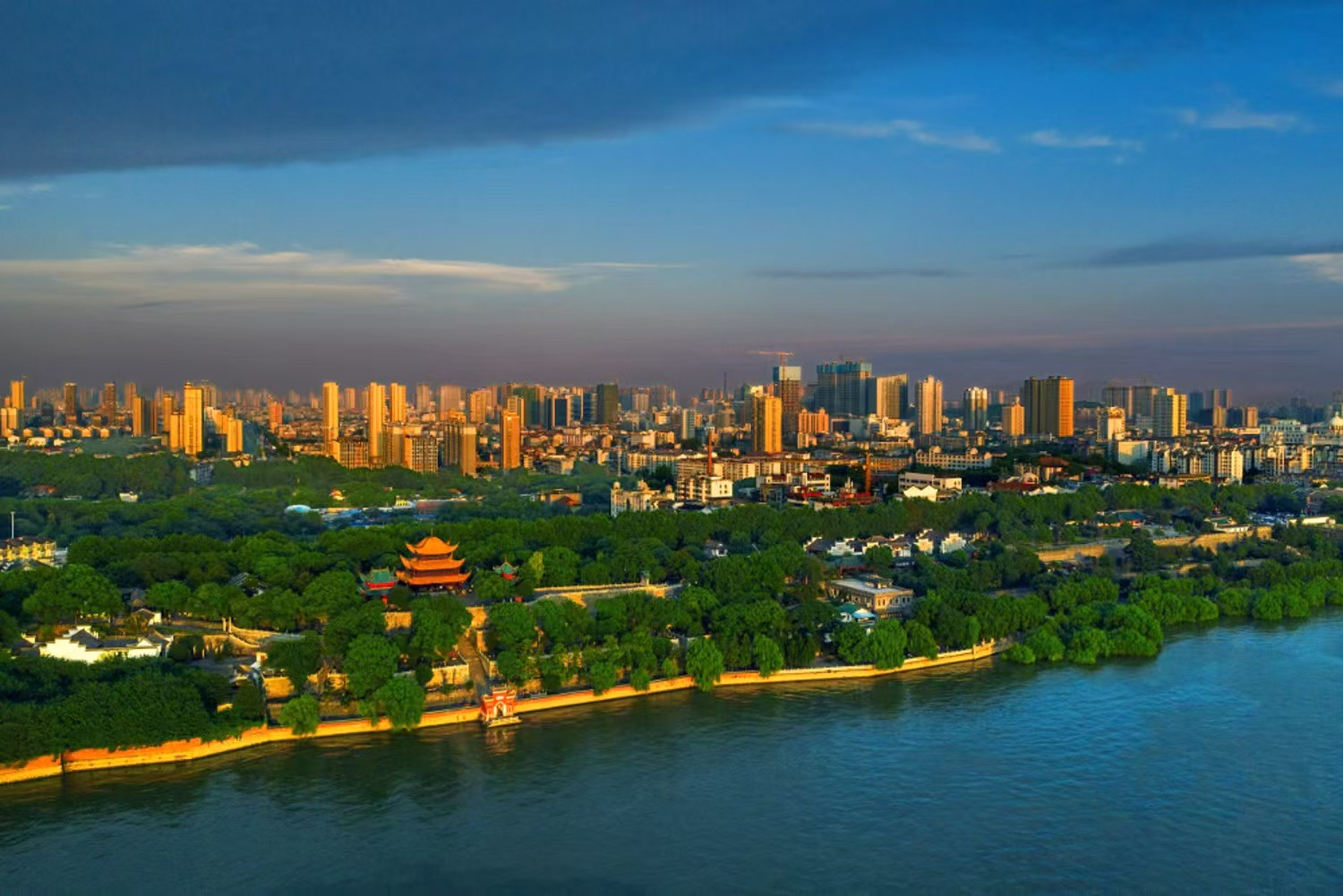
Core Viewpoint - The transformation of ecological advantages into economic benefits in Yueyang, Hunan Province, is guided by a comprehensive national land spatial planning framework aimed at achieving high-quality development and carbon neutrality goals [3][4]. Group 1: System Construction - The realization of ecological product value is a systematic project, with Yueyang's Natural Resources and Planning Bureau establishing a "three-level, three-type" land spatial planning system that integrates overall, detailed, and special planning [5]. - The top-level design emphasizes the integration of ecological protection and economic development, ensuring that the planning goals and strategies reflect the value of ecological products [5]. - The planning framework includes collaborative special plans for ecological restoration, transportation, cultural tourism, and forestry development, providing comprehensive spatial support for the entire chain of ecological product production, assessment, transaction, and transformation [5]. Group 2: Strategic Direction - The overall planning serves as a strategic engine for urban development, guiding the realization of ecological product value by defining direction and development pathways [7]. - Yueyang's planning focuses on becoming a "cultural city at the confluence of rivers and lakes," prioritizing ecological protection and setting strict environmental quality standards as fundamental constraints [8]. - The planning outlines a "three-life space" development baseline, ensuring that by 2035, the total area of ecological protection red lines will not be less than 3,250.86 square kilometers, safeguarding critical ecological spaces [8]. Group 3: Differentiated Development - To avoid uniformity in development, Yueyang implements differentiated development strategies based on resource endowments and location conditions, with specific plans for ecological protection areas, ecological control areas, and urban development zones [9][10]. - In ecological protection areas, strict protection measures are prioritized, enhancing ecosystem service functions through various ecological restoration methods [10]. - In urban development zones, the planning promotes the integration of ecological elements into urban life, enhancing city quality and attractiveness while generating indirect economic benefits [11]. Group 4: Cultural Empowerment - The highest value of ecological products lies in their unique cultural connotations, with Yueyang integrating local cultural elements into ecological spatial planning to enhance brand value [12]. - The planning includes a "cultural + ecological" approach, creating cultural ecological tourism demonstration zones that connect cultural resources with tourism experiences, significantly increasing the added value of tourism products [12]. - The development of regional brands incorporates cultural symbols into ecological products, transforming ordinary agricultural and tourism products into culturally rich offerings that enhance market recognition [12].
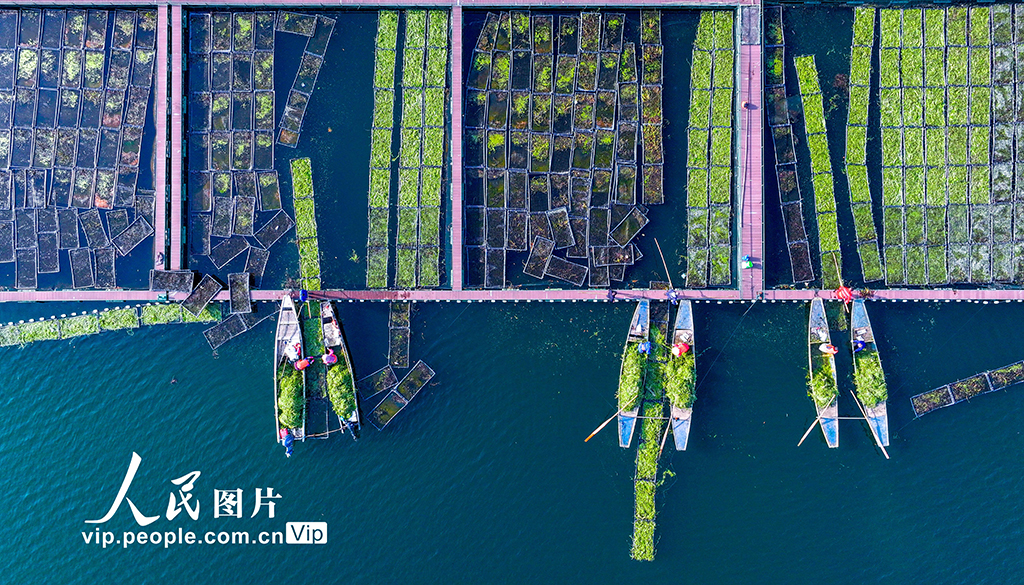
浙江淳安:千岛湖南山生态浮岛忙“冬种”
Ren Min Wang· 2025-12-10 07:33
Core Viewpoint - The article highlights the winter planting activities on the ecological floating islands in Qiandao Lake, Chun'an, Zhejiang, emphasizing the importance of ecological conservation and sustainable agriculture practices in the region [2][3][5]. Group 1: Ecological Initiatives - The ecological floating islands are being actively utilized for winter planting, showcasing innovative agricultural practices that align with environmental sustainability [6][7]. - These initiatives aim to enhance biodiversity and improve water quality in Qiandao Lake, contributing to the overall health of the ecosystem [5][6]. Group 2: Agricultural Practices - The winter planting on the floating islands includes various crops that are well-suited for the local climate, promoting food security and sustainable farming [3][4]. - The project reflects a growing trend in integrating agriculture with ecological conservation efforts, demonstrating a model for other regions to follow [2][7].
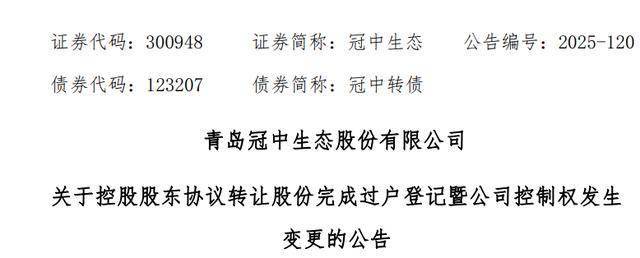
冠中生态控股股东由冠中投资“易主”深蓝财鲸,实控人变为靳春平
Sou Hu Cai Jing· 2025-12-07 11:48
公告显示,2025年9月26日,原控股股东青岛冠中投资集团有限公司(简称"冠中投资")及原实际控制 人李春林、许剑平与杭州深蓝财鲸人工智能科技合伙企业(有限合伙)(简称"深蓝财鲸")签署《股份 转让协议》,冠中投资拟分两期向深蓝财鲸转让2170.49万股公司股份,占公司股份总数的15.50%(截 至2025年9月19日公司总股本1.40亿股)。本次过户登记涉及第一期1470.33万股标的股份,协议转让价 格为15.00元/股,转让价款为2.21亿元。 同时,原控股股东冠中投资及其一致行动人许剑平、青岛和容投资有限公司、青岛博正投资有限公司与 深蓝财鲸签署《表决权放弃协议》。协议商定:一是第一期标的股份交割日后25日内,维持公司董事会 9席数量不变,冠中投资提名2名非独立董事及1名独立董事,深蓝财鲸提名3名非独立董事及2名独立董 事;二是同期内,冠中投资促使公司高级管理人员调整,委任冠中投资提名人士任董事长、总经理、董 事会秘书,委任深蓝财鲸提名人士任财务总监,原财务总监留任财务副总监,委任双方提名人士任副总 经理;三是第一期标的股份交割后,公司将现有业务及资产整合到全资子公司,冠中投资有权按评估净 资产价格收 ...
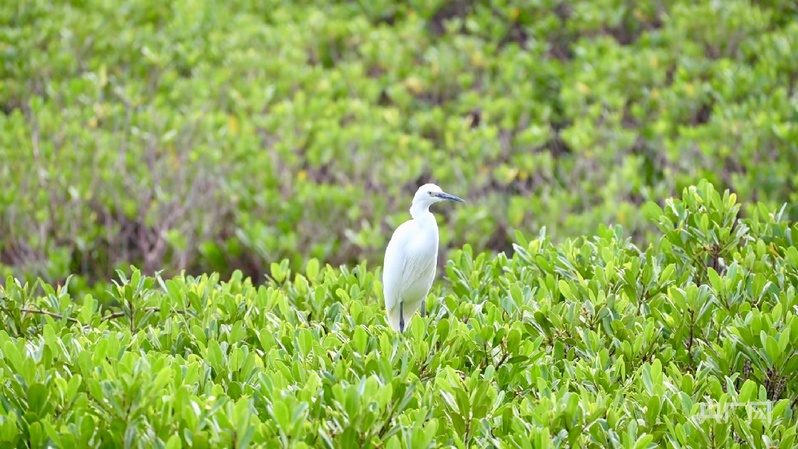
滩涂堵点蝶变亮点 看“海上森林”的生态奇迹
Yang Guang Wang· 2025-12-07 09:24
Core Viewpoint - The transformation of the Xiamen coastal area, particularly the restoration of the mangrove ecosystem at Xiatanwei, highlights the successful integration of ecological protection and economic development, showcasing Xiamen's commitment to high-quality marine economic growth [1][3]. Group 1: Ecological Restoration - The Xiatanwei area, once a polluted wasteland, has been transformed into a vibrant 85-hectare "marine forest" through extensive ecological restoration efforts initiated in the 1990s [1][2]. - The restoration project included the planting of various mangrove species and the implementation of measures such as land reclamation and waterway dredging, resulting in the recovery of 44 hectares in the first phase and an additional 36 hectares in the second phase [1][2]. Group 2: Biodiversity and Environmental Impact - The biodiversity in the restored area has significantly increased, with the number of benthic species rising from 20-30 to 80, and bird species expanding from primarily waterbirds to over 70 species, including forest birds [2][3]. - The mangrove ecosystem serves as a crucial carbon sink, contributing to a total blue carbon trading volume of 210,000 tons by October 2025, accounting for approximately 80% of the national market [2]. Group 3: Economic and Social Benefits - The Xiatanwei Mangrove Park has become a popular recreational destination, attracting over 2 million visitors annually, with a peak daily attendance of 46,000 [3]. - The park not only provides ecological benefits but also serves as an educational base for marine science, illustrating the balance between ecological preservation and economic activity in Xiamen [3].
行进的海岸线|滩涂堵点蝶变亮点 看“海上森林”的生态奇迹
Yang Guang Wang· 2025-12-06 02:16
Core Viewpoint - The transformation of the Xiamen coastal area, particularly the restoration of the mangrove ecosystem at Xiatanwei, highlights the successful integration of ecological protection and economic development, showcasing a model for sustainable marine economic growth in Xiamen [1][6][7]. Group 1: Ecological Restoration - Since the 1990s, Xiamen has initiated mangrove protection and restoration efforts, with significant milestones including the cultivation of approximately 5 hectares of experimental forest in 2005 and the launch of a large-scale ecological restoration project in 2010, which restored 44 hectares in the first phase and added 36 hectares in the second phase [2]. - The Xiatanwei Mangrove Park now spans 404 hectares, with 85 hectares dedicated to mangroves, featuring design elements that reflect ecological principles, such as walkways that minimize visual disturbance to wildlife [2]. Group 2: Biodiversity Recovery - The biodiversity in the Xiatanwei area has significantly improved, with the number of benthic species increasing from 20-30 to 80, and bird species expanding from primarily waterbirds to over 70 species, including forest birds like the magpie robin and the white wagtail [4]. Group 3: Economic Impact - The ecological restoration has also yielded economic benefits, with Xiamen's blue carbon trading volume reaching 210,000 tons by October 2025, accounting for 80% of the national market, positioning the 85 hectares of mangroves as a valuable carbon sink [5]. - The Xiatanwei Mangrove Park has become a popular recreational destination, attracting over 2 million visitors annually, with a peak daily attendance of 46,000, contributing to local tourism and education [6].
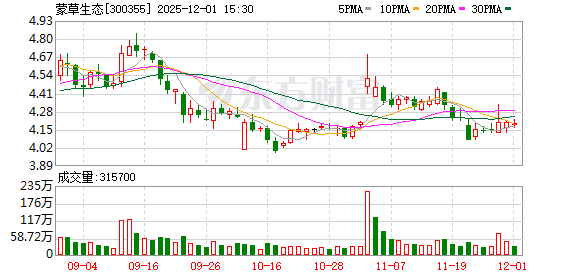
蒙草生态草种科技助力“三北”工程攻坚战
Zheng Quan Ri Bao· 2025-12-01 12:41
Group 1 - The core viewpoint of the articles highlights the efforts of Mongolian Grass Ecological Environment Group Co., Ltd. in ecological restoration and sand control through innovative seed technology and collaborative projects with various industries [2][3] - The company has implemented sand control projects covering 5 million acres, utilizing local grass species to enhance restoration accuracy and sustainability [2] - Mongolian Grass has established a national grass seed resource library and has developed 109 proprietary grass seed varieties, with 25 included in the "Three North" project good seed catalog [2][3] Group 2 - The company has created 280,000 acres of good seed and forage bases, producing 4,500 tons of grass seeds annually to support the "Three North" project [2] - Mongolian Grass has innovated over 1,300 sets of mechanized equipment, increasing restoration efficiency by 30 times [2] - The company is leading the establishment of a national grass industry technology innovation center, collaborating with over 100 enterprises and research institutions to achieve 167 technical results in sand control [3] Group 3 - Mongolian Grass is the only publicly listed company in China focusing on grass seed technology, providing quality product supply and innovative technical services for ecological restoration and grass seed production [3] - The company has preserved over 2,300 types of plant genetic resources and 165,000 soil samples in its resource library, and has established 18 research institutes focused on grass seed technology [3] - Through partnerships with renewable energy and dairy companies, Mongolian Grass is exploring integrated ecological photovoltaic sand control models, achieving significant economic benefits [3]

生态筑基 转型赋能:棕榈股份书写城乡绿色发展新答卷
Quan Jing Wang· 2025-11-29 03:04
Core Viewpoint - The company, Palm Eco-Town Development Co., Ltd., is deeply engaged in ecological protection and transformation in urban and rural areas, driven by policies, technology, and projects, establishing a three-dimensional system of "ecological restoration + industrial empowerment + low-carbon development" to support high-quality urban and rural development [1][2]. Group 1: Policy Alignment and Strategic Direction - The company aligns its development with national strategies, responding to the 2025 Central Document No. 1, which emphasizes comprehensive rural revitalization and agricultural strength, by focusing on high-standard farmland construction and agricultural technology empowerment [2]. - Palm has implemented advanced agricultural practices in multiple counties in Henan, transforming traditional agriculture into a more intensive model that enhances food security and aligns with the national strategy of "storing grain in the land and technology" [2]. Group 2: Technological Innovation and Environmental Management - The company has developed a comprehensive environmental governance system covering the entire project lifecycle, from planning and design to construction and operation, under its "one body, two wings" green development strategy [2]. - Palm has integrated sponge city concepts into over 30 urban renewal projects and has developed patented technologies for ecological restoration, addressing urban water pollution and enhancing carbon sink capabilities [3]. Group 3: Agricultural Transformation and Productivity Enhancement - The company collaborates with universities for research in crop variety cultivation, soil improvement, and pollution control, achieving over 30% water savings and a 10%-15% increase in crop yields through smart agriculture platforms [3]. - The introduction of composite microbial fertilizers and smart irrigation systems has facilitated the transition of traditional agriculture towards digitization and sustainability [3]. Group 4: Cultural and Economic Integration - Palm leverages its ecological restoration and landscape design expertise in cultural tourism projects, creating eco-corridors that enhance leisure, tourism, and cultural display, thereby boosting local economies [4]. - The company promotes a model of "ecology + industry," ensuring ecological sustainability while expanding income channels, achieving a balance between ecological and economic benefits [4].

甘肃加强生态修复和绿色矿山治理 实施祁连山生态修复项目33个,建成绿色矿山160座
Zhong Guo Zi Ran Zi Yuan Bao· 2025-11-28 02:23
Group 1 - The core viewpoint emphasizes Gansu Province's commitment to ecological protection and green development, focusing on enhancing ecosystem quality and stability through integrated governance and restoration projects [1][2] Group 2 - Gansu has implemented a comprehensive ecological protection and restoration project in the Gannan Yellow River upstream water conservation area, resulting in an increase of nearly 1.3 billion cubic meters in water conservation capacity compared to 2020 and a 3% improvement in vegetation coverage [1] - The province has invested 291 million yuan in ecological restoration projects in the Qilian Mountains, covering an area of 190,000 acres, to strengthen ecological protection [1] - Gansu has identified and is addressing the ecological damage caused by historical abandoned mines, accelerating the implementation of ecological restoration projects for these sites [1] Group 3 - Gansu has established a green mining system and published construction standards and evaluation indicators for six types of mines, achieving comprehensive coverage of standards and evaluation metrics [2] - Since the beginning of the 14th Five-Year Plan, Gansu has built 160 green mines, showcasing exemplary enterprises such as the Baijiazui Nickel-Copper Mine and the Guojiaogou Lead-Zinc Mine [2] - The province is enhancing ecological restoration effectiveness by promoting social capital participation and collaborating with policy banks to attract investment for comprehensive land remediation and historical mine restoration projects [2]
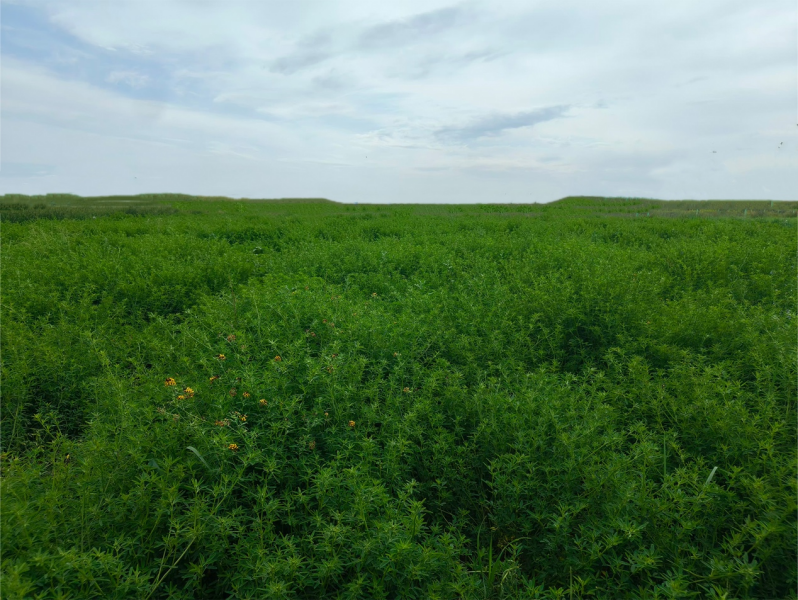
蒙草生态培育花苜蓿新品种通过国家审定,高产性突出、草质优良
Quan Jing Wang· 2025-11-26 07:45
Core Viewpoint - The recent development of the Mengnong No. 3 alfalfa variety by Mongolian Grass Ecological Company in collaboration with Professor Shi Fengling's team from Inner Mongolia Agricultural University marks a significant advancement in high-yield, drought-resistant, and salt-alkali tolerant forage crops [1][4]. Group 1: Product Details - The Mengnong No. 3 alfalfa variety has been officially registered as a breeding variety with registration number 691 [1]. - This new variety is characterized by its tall growth, with an average height of approximately 112 cm and a seed weight of about 2 grams per thousand seeds [1]. - It is suitable for production in arid and cold regions of northern China, particularly in areas with annual precipitation above 250 mm and soil pH ≤ 8.6 [3]. Group 2: Agricultural Benefits - Mengnong No. 3 alfalfa can produce high-quality hay and is effective in soil improvement, making it a good preceding crop for crop rotation [3]. - The average dry grass yield over three years reaches 6365.28 kg/hm², representing a 9.42% increase compared to the previous Mengnong No. 2 variety [6]. - The protein content of this alfalfa variety can reach up to 22%, indicating its high nutritional value [4][6]. Group 3: Cultivation Techniques - Recommended sowing time for the Mengnong No. 3 alfalfa in central and western Inner Mongolia is mid-May, with adequate base fertilization prior to sowing [7]. - The optimal sowing method includes a row spacing of 40-50 cm and a seeding rate of 0.5-1.0 kg per mu, with a sowing depth of 1-2 cm [7]. - Harvesting should occur at the end of September to prevent seed loss, with post-harvest processing to enhance seed yield [7]. Group 4: Company Achievements - Mongolian Grass Ecological Company currently holds 109 varieties with independent intellectual property rights, contributing to various ecological applications such as sand control, grassland restoration, and saline-alkali land improvement [7].