电池

Search documents
宁德时代涨薪!
起点锂电· 2026-03-21 09:22
Group 1 - The 2026 (Second) Starting Point Lithium Battery Cylindrical Technology Forum and the Top 20 Cylindrical Battery Ranking Conference will be held on April 10, 2026, in Shenzhen [3] - The event theme focuses on "All-Ear Technology Leap and Leading the Large Cylindrical Market" [3] - Major sponsors and speakers include companies like Penghui Energy, Dofluor, Chuangneng, and others, indicating strong industry participation [3] Group 2 - Contemporary Amperex Technology Co., Limited (CATL) is undergoing a critical transformation, having released several new battery products in 2025, including the second-generation supercharging battery and the dual-core battery [4] - In 2025, CATL reported a revenue of 423.7 billion yuan and a net profit of 72.2 billion yuan, marking a 42% year-on-year growth [4] - The company announced a record dividend plan of 31.5 billion yuan, which accounts for 44% of its annual net profit, with cumulative cash dividends from 2023 to 2025 reaching approximately 83.5 billion yuan [4] Group 3 - Recent salary increases in the new energy vehicle sector reflect heightened competition for talent, with CATL raising salaries for 2026 campus recruits by up to 2,000 yuan for core R&D positions [4] - Other companies like Chery and BYD have also implemented salary increases, with Chery's rumored increase around 10% and BYD's increases for key talent reaching up to 4,500 yuan [4]


“十五五”开局:电动化从车轮到万物,圆柱电池还有多少机会?
高工锂电· 2026-03-21 04:31
Core Viewpoint - The article discusses the transition of electrification from the automotive sector to a broader range of mobile devices, emphasizing the growing importance of cylindrical batteries in various applications, including robotics, drones, and electric transportation tools [3][8][41]. Industry Trends - In 2026, China's economy will enter the "14th Five-Year Plan" phase, with "new quality productivity" at its core, focusing on emerging industries such as artificial intelligence, low-altitude economy, and new energy [4]. - The State Development and Reform Commission has projected that by 2030, the scale of six emerging industries, including those mentioned, will double from 2025, reaching a total scale of 10 trillion yuan [4]. Battery Demand Evolution - Historically, battery demand was primarily driven by consumer electronics, power tools, and electric vehicles. Recently, batteries have begun to power a wider array of devices that previously did not rely on battery power [7][10]. - The demand for cylindrical batteries is increasing significantly, particularly in small devices, with a projected growth in shipments from 300 million units in 2020 to 1.1 billion units by 2024, reflecting a compound annual growth rate of over 45% [11]. Technological Advancements - The cylindrical battery structure has inherent advantages in terms of manufacturing consistency and performance, which are becoming increasingly relevant as electrification expands into smaller devices [14]. - The global fast-charging lithium battery market is expected to reach $8.07 billion by 2025, with cylindrical batteries holding a dominant market share of 41% [17]. Company Focus - Ruin New Energy Technology Co., Ltd. recently completed a Series A financing round of 300 million yuan, which will be used for technological upgrades and capacity expansion in cylindrical batteries [22][23]. - The company aims to focus on high-end cylindrical battery markets, avoiding low-end competition and concentrating on performance optimization [26][30]. Product Development - Ruin's core products include the 21700 series cylindrical cells, which emphasize high power performance and rapid charging capabilities, achieving energy densities above 270 Wh/kg [33][34]. - The company has adopted a unique "tabless" design that significantly reduces internal resistance, enhancing power performance and thermal management [33]. Manufacturing Excellence - Ruin implements a strict manufacturing standard known as "zero freedom manufacturing," ensuring high consistency and quality control throughout the production process [36][38]. - The company utilizes advanced detection methods and automated systems to minimize variability and enhance product reliability [39]. Market Opportunities - The evolving landscape of electrification presents new opportunities for cylindrical batteries, particularly in high-performance applications such as robotics and drones, which require specific performance characteristics [20][41].

报名通道 | 2026高工固态电池技术与应用峰会倒计时33天
高工锂电· 2026-03-21 04:31
Core Viewpoint - The solid-state battery industry is entering a critical year in 2026, transitioning from technology validation to large-scale production, driven by policies, technology, capital, and application scenarios [2][3]. Group 1: Industry Development - The industry is moving from "technical exploration" to "industrialization and implementation," with the Ministry of Industry and Information Technology designating solid-state batteries as a core breakthrough direction and establishing national standards [2][3]. - The focus has shifted from basic research to engineering verification and mass production, with the period from 2026 to 2027 identified as a key window for small-scale production [2][3]. Group 2: Technological Trends - Sulfide electrolytes are becoming the mainstream research direction due to their high ionic conductivity and process compatibility, while other routes like oxides and polymers are pursuing differentiated strategies [3]. - The industry is transitioning from multiple exploratory routes to a focus on mainstream technology and supporting process adaptation [3]. Group 3: Application Scenarios - High-end passenger vehicles remain the core window for the large-scale implementation of solid-state batteries, while new scenarios such as eVTOL, humanoid robots, AIDC data centers, and commercial aerospace are emerging as new battlegrounds for performance validation and commercial value exploration [3]. - The application of solid-state batteries is also expanding into consumer electronics, including two-wheelers and wearable devices, creating a diverse application landscape [3]. Group 4: Industry Collaboration - Competition in the solid-state battery sector is evolving from a single-point battle among battery companies to an ecosystem competition involving materials, equipment, cells, vehicles, resources, and applications [3]. - Vertical integration trends are becoming more pronounced as automakers and upstream resource giants accelerate their entry into the industry [3]. Group 5: Cost and Supply Chain - Solid-state batteries currently cost over 30% more than traditional lithium batteries, with low yield rates and shortages of high-end raw materials posing significant challenges to mass production [4]. - The industry's development logic is shifting from "technical parameter competition" to creating value across the entire lifecycle, with collaborative innovation across the supply chain being a key path to reducing costs and improving efficiency [4]. Group 6: Summit Highlights - The summit will feature over 200 influential companies and 300 industry leaders, facilitating technical exchanges and new product showcases [7]. - Key topics will include overcoming mass production bottlenecks, advancements in core materials, and the impact of national standards on industry dynamics [9][10].





中国企业占EV电池全球份额的7成
36氪· 2026-03-20 13:35
Core Viewpoint - The market share of Chinese companies in the EV battery sector is expected to exceed 70% by 2025, up from nearly 50% in 2021, indicating a strengthening monopoly in the industry [4][5][11]. Group 1: Market Dynamics - The largest company, CATL, is expanding orders in China and Europe, achieving record profits amid a slowdown in global EV demand [5][10]. - Global EV sales are slowing in certain regions like the U.S., but overall growth continues, with battery installation volumes projected to increase by 32% in 2025, reaching 1,187 GWh, with approximately 60% of this market in China [8][11]. Group 2: Competitive Landscape - CATL's market share is projected to rise to 39.2% in 2025, reflecting a 1 percentage point increase from 2024, supported by a broad product range and competitive pricing [7][11]. - Chinese companies dominate the top 10 global battery manufacturers, holding 6 out of 10 spots, with a combined market share of 70.4% in 2025, an increase of about 4 percentage points from 2024 [11]. Group 3: Challenges for Competitors - South Korean companies are struggling, with their combined market share dropping to 15.3% in 2025, down approximately 3 percentage points from 2024, and significantly reduced from over 30% in 2021 [11]. - LG Energy Solution, the largest South Korean firm, reported a 76% decrease in net profit, highlighting the challenges faced in the U.S. market due to policy changes and declining EV sales [12]. Group 4: Strategic Adjustments - South Korean firms are reevaluating their strategies in the U.S. market, with layoffs and asset sales occurring as they adapt to the changing landscape [12]. - Chinese companies, led by BYD, are focusing on expanding global sales and enhancing their technological capabilities to maintain and strengthen their competitive edge [13].

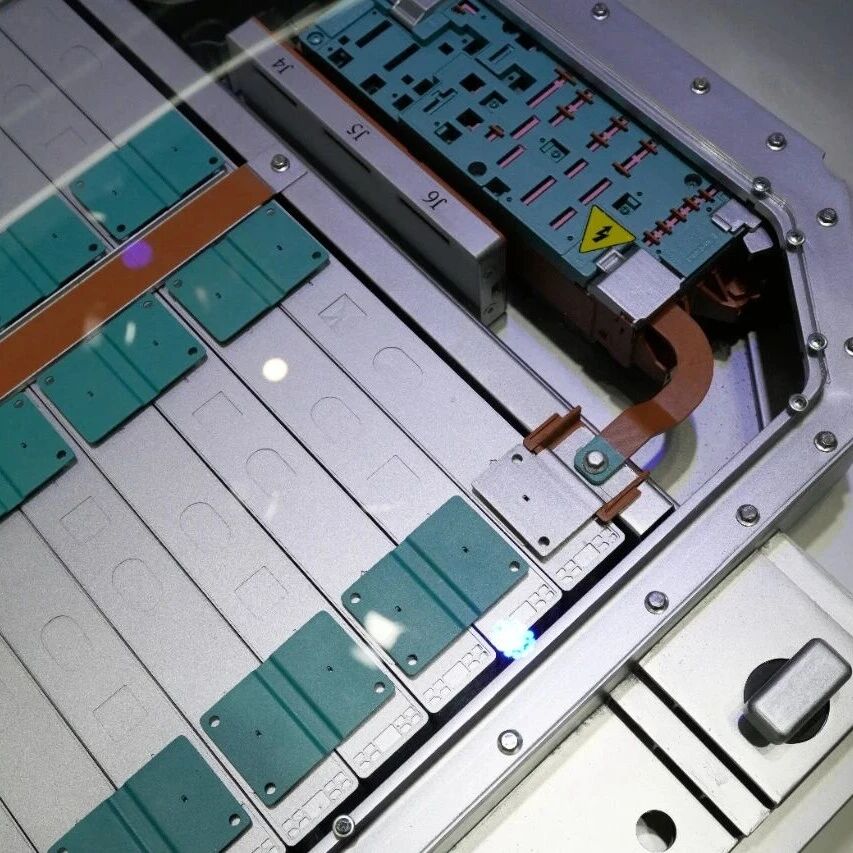
-70℃仍可工作、续航有望翻倍!我国锂电池技术获重要突破
中国能源报· 2026-03-20 12:43
Core Viewpoint - A significant breakthrough in lithium battery technology has been achieved in China, enabling batteries to operate at extremely low temperatures and significantly enhancing energy density and endurance [2]. Group 1: Technological Breakthrough - A joint team from the China Aerospace Science and Technology Corporation and Nankai University has developed a new hydrogen-fluorocarbon electrolyte for high energy density and low-temperature batteries [2]. - The new technology allows lithium batteries to achieve an energy density greater than 700 watt-hours per kilogram at room temperature and approximately 400 watt-hours per kilogram at -50°C [2]. - This advancement can increase the energy storage capacity of lithium batteries by 2 to 3 times at room temperature, potentially extending the range of electric vehicles from 500-600 kilometers to over 1,000 kilometers [2]. Group 2: Application Prospects - The breakthrough has broad application prospects in high-tech fields, providing endurance and load capacity for spacecraft, drones, and intelligent robots in extremely cold environments [2]. - In everyday life, this technology is expected to significantly enhance the range of electric vehicles and the standby time of mobile phones in low-temperature conditions, addressing consumer concerns about battery capacity and temperature adaptability [2].
报名通道 | 2026高工固态电池技术与应用峰会倒计时34天
高工锂电· 2026-03-20 11:08
Core Viewpoint - The solid-state battery industry is entering a critical year in 2026, transitioning from technology validation to large-scale production, driven by policies, technology, capital, and application scenarios [1][2]. Group 1: Industry Development - The establishment of a national standard system for solid-state batteries marks a shift from conceptual chaos to regulated development, with the Ministry of Industry and Information Technology identifying solid-state batteries as a core breakthrough direction [1]. - The focus of the industry is shifting from basic research to production, with semi-solid batteries entering commercial validation and full solid-state batteries facing significant challenges in stability and yield during production [2][3]. - The mainstream research direction is converging on sulfide electrolytes due to their high ionic conductivity, while other routes like oxides and polymers are pursuing differentiated strategies [2]. Group 2: Application Scenarios - High-end passenger vehicles remain the primary market for solid-state battery commercialization, while new applications in eVTOL, humanoid robots, AIDC data centers, and commercial aerospace are emerging [2]. - The industry is developing a multi-dimensional application landscape, with consumer electronics such as two-wheelers and wearables seeing increased adoption of solid-state batteries [2]. Group 3: Industry Collaboration and Challenges - Competition in the solid-state battery sector is evolving from individual companies to a collaborative ecosystem involving materials, equipment, cells, vehicles, resources, and applications [3]. - Current solid-state battery costs exceed traditional lithium batteries by over 30%, with low yields and shortages of high-end materials posing significant production challenges [3]. - The industry is shifting from competing on technical parameters to creating value across the entire lifecycle, emphasizing collaborative innovation across the supply chain [3]. Group 4: Summit Highlights - The summit will feature discussions on overcoming production bottlenecks, core material breakthroughs, and the reshaping of the ecosystem [6][8]. - Key topics include the scaling of solid-state batteries in high-end models, their application in humanoid robots, and the role of solid-state batteries in energy storage [6][8]. Group 5: Participating Companies - Notable companies in the battery sector include CATL, BYD, and Guoxuan High-Tech, while material companies like Tianqi Lithium and equipment manufacturers such as Liyuanheng will also participate [8].
永安期货晨会纪要-20260320
Xin Yong An Guo Ji Zheng Quan· 2026-03-20 05:37
Group 1: Market Overview - The A-share market experienced a significant decline, with the Shanghai Composite Index dropping by 1.39% to 4006.55 points, and the Shenzhen Component Index falling by 2.02% [1] - The Hang Seng Index also saw a sharp drop of 2.02%, closing at 25500.58 points, while the Hang Seng Technology Index decreased by 2.19% [1][5] - In the external market, major European indices closed lower, and the US indices also saw slight declines, with the Dow Jones down by 0.44% to 46021.43 points [1][5] Group 2: Central Bank Actions - The European Central Bank (ECB) maintained interest rates, with President Christine Lagarde stating that the bank is prepared to respond to the risks posed by the ongoing war [8][14] - The ECB warned that the conflict in the Middle East is accelerating inflation and slowing economic growth, indicating a commitment to stabilize inflation around the 2% target [14] - The ECB's projections suggest that inflation could peak at 6.3% in 2027 under severe scenarios related to the conflict [14] Group 3: Geopolitical Developments - Israeli Prime Minister Benjamin Netanyahu announced that Israel would no longer target Iranian energy facilities and would assist the US in attempting to reopen the Strait of Hormuz [8][14] - Netanyahu claimed that Iran is no longer capable of uranium enrichment or missile manufacturing, suggesting that the war would end sooner than expected [8][14] Group 4: Economic Indicators - China's fiscal expenditure in January-February recorded the fastest growth since 2022, with a year-on-year increase of 6%, while total fiscal revenue fell by 1.4%, leading to a deficit exceeding 1 trillion yuan [8][14] - The increase in fiscal spending is seen as a measure to support the economy amid rising external uncertainties [14]
阵容拉满!30+电池展商齐聚2026 FINE先进电池大会
DT新材料· 2026-03-19 16:06
Core Insights - High safety, long endurance, and low-cost battery technology are crucial for the development of emerging industries such as electric vehicles, smart robotics, low-altitude economy, data center energy storage, consumer electronics, and communication [1] - The 2026 FINE Advanced Battery and Energy Materials Exhibition will focus on high-performance lithium batteries, solid-state batteries, and sodium batteries, featuring over 200 exhibitors showcasing cutting-edge technologies and materials [1] Industry Overview - The event will take place from June 10-12, 2026, at the Shanghai New International Expo Center, with participation from over 30 battery manufacturers including leading companies like CATL, BYD, and Gotion High-Tech [3][1] - The exhibition aims to facilitate communication among industry elites and showcase the latest products and technological advancements in battery manufacturing [1] Key Exhibitors - **Zhongke Goneng**: Established in October 2022, focuses on solid-state battery technology and has developed a continuous production line for sulfide solid electrolytes [3] - **Jin Yu New Energy**: Founded by a team of young PhDs from Peking University, specializes in solid-state battery R&D and has launched a production line for 1.2 GWh solid-state batteries [5] - **Jinghe Energy**: Focuses on sulfide solid electrolytes and solid-state batteries, with plans for small-scale delivery in 2026 and large-scale production in 2027 [7] - **Penghui Energy**: A leading battery manufacturer with 25 years of experience, focusing on solid-state and sodium-ion batteries, and has completed its pilot line for solid-state batteries [9] - **TianNeng Battery**: A major player in the battery industry, recognized for its closed-loop ecosystem from design to recycling, and has a strong patent portfolio [10] Technological Innovations - **Xingchu Century**: A global provider of intelligent microgrid solutions, has initiated R&D in sodium-ion batteries and achieved international certification for its products [12] - **Xibei Power**: Focuses on high-performance sodium-ion battery technology and has secured significant orders from major manufacturers [13] - **Guoneng Energy**: Achieved rapid advancements in sodium battery technology and has launched the first domestic production line for sodium-ion batteries [14] Event Agenda - The conference will include various forums focusing on solid-state batteries, sodium batteries, humanoid robot batteries, and AI data center energy storage, among others [37] - Over 80 industry experts will share insights and reports, with an expected attendance of over 1,000 participants [35]
亿纬锂能,全固态电池成功下线
DT新材料· 2026-03-19 16:06
Core Viewpoint - EVE Energy has achieved significant milestones in solid-state battery technology with the successful launch of the Longquan No. 3 and No. 4 solid-state batteries, marking a key innovation in the industry [1]. Group 1: Product Development - The Longquan No. 3 solid-state battery is designed for consumer electronics, operating under low-pressure conditions (below 2MPa) and featuring high volumetric energy density [1]. - The Longquan No. 4 solid-state battery targets the power sector, with a capacity of 60Ah and the ability to cycle under pressures of ≤5MPa, showing initial practical application potential [1]. - The Longquan No. 2 solid-state battery, previously launched, has a capacity of 10Ah and utilizes high-nickel ternary materials, achieving an energy density of 300Wh/kg and volumetric energy density of 700Wh/L, aimed at high-end applications like humanoid robots and AI [1]. Group 2: Future Projections - EVE Energy plans to develop an Ah-level sulfide-based solid-state battery prototype, aiming for production breakthroughs in 2026, targeting an energy density of 350Wh/kg and 800Wh/L for the first generation [2]. - The company anticipates launching a high-energy solid-state battery (2.0) with over 1000Wh/L by 2028 [2].
美国特别竞争研究项目:《中美技术竞争中谁领先、谁落后及未来走向》
欧米伽未来研究所2025· 2026-03-19 15:40
Core Viewpoint - The SCSP report highlights the competitive landscape between the U.S. and China in key technology sectors, indicating a complex, fluid, and uncertain multi-dimensional competition rather than a clear-cut dominance by either side [2]. Group 1: China's Strengths - China leads in four strategic technology areas: advanced batteries, advanced manufacturing, commercial drones, and 5G infrastructure, with high confidence ratings [4]. - In the battery sector, China's manufacturing capacity reached 1,705 GWh in 2023, compared to the U.S. at 93 GWh, marking an 18-fold difference. China controls 80% of global lithium-ion battery component shipments and holds about 60% of the global electric vehicle battery market [4]. - China accounts for approximately 35% of global manufacturing output, while the U.S. is at about 12%. The number of industrial robots deployed by Chinese companies in 2023 matches the total of all other countries combined [5]. - China has deployed over 4 million 5G base stations, averaging 206 per 100,000 people, compared to the U.S. with about 100,000 base stations or 77 per 100,000 people. By 2024, China is expected to have over 1 billion 5G users, covering 88% of its mobile users [5]. Group 2: U.S. Strengths - The U.S. maintains a lead in artificial intelligence, quantum computing, semiconductors, fusion energy, and internet platforms, relying on foundational research breakthroughs and private sector innovation [6]. - In AI, U.S. private investment reached $67.2 billion in 2023, compared to China's $7.76 billion, a nearly 9-fold difference. Most foundational AI models have originated from U.S. private companies [6]. - The semiconductor sector is rated as "U.S. leading, high confidence," with the CHIPS Act expected to drive over $400 billion in private investment, projecting that the U.S. will hold 28% of global advanced logic chip capacity by 2032 [7]. Group 3: Structural Weaknesses - A recurring structural pattern is observed: U.S. innovation versus Chinese commercialization. The U.S. holds 39% of global biotechnology patents but has seen a shift in the production side, with Chinese companies supplying about 17% of U.S. active pharmaceutical ingredients (APIs) [9]. - In synthetic biology, the U.S. market is valued at $16.3 billion compared to China's $1.05 billion, yet China controls 70% of global fermentation capacity, highlighting a significant production bottleneck for U.S. firms [10]. - DJI dominates the global consumer drone market with over 90% share, raising national security concerns for the U.S. as it lacks comparable domestic alternatives [10]. Group 4: Strategic Recommendations - The report suggests establishing a "Technology Competition Council" to unify strategic direction and coordinate responses across departments, addressing the misalignment between private sector focus and government priorities [11]. - The trajectory of fusion energy illustrates the competitive dynamics, with the U.S. currently leading but facing significant investment from China, which may narrow the gap in the coming years [12].