购物中心

Search documents
北京多家商业项目冲刺开业:发力年末消费
Bei Jing Ri Bao Ke Hu Duan· 2025-12-21 16:36
Core Insights - Beijing's commercial market is experiencing a wave of new openings by the end of 2025, with projects like Zhongguancun Daluocheng East District officially opening, enhancing the supply of brand goods in the area [1][3] - The new projects aim to capitalize on the upcoming peak consumption seasons during the New Year and Spring Festival, with multiple commercial projects launching to attract consumer attention [3][4] - The openings reflect a response to the trend of consumption upgrades, aiming to activate potential demand with higher quality offerings [5] Group 1: Project Openings - Zhongguancun Daluocheng East District has opened with over 60 first stores, including COACH concept store and gaga flagship store, enhancing the area's commercial offerings [3][6] - Other projects like Lianhua Hui and Wanli in Tongzhou District are set to open by the end of the year, with Wanli already in trial operation and focusing on cultural, sports, and family entertainment [3][4] - Lianhua Hui is transforming from a hypermarket to a "neighborhood lifestyle space," introducing tech retail brands like Huawei and Xiaomi, along with various dining options [3][7] Group 2: Market Positioning - The new projects have distinct positioning, with Zhongguancun Daluocheng focusing on high-end consumption and filling gaps in brand offerings in Haidian District [6][7] - Wanli aims to leverage its proximity to Universal Beijing Resort to attract tourists and convert them into overnight and experiential consumers [6][7] - Lianhua Hui's transformation caters to community needs, maintaining its supermarket while expanding dining and entertainment options [7] Group 3: Consumer Engagement Strategies - New commercial projects are encouraged to create engaging experiences through events and unique offerings to maintain consumer interest and ensure sustainable operations [8][9] - Operators should adapt tenant mixes based on market changes and consumer feedback, continuously innovating marketing activities to attract diverse customer groups [8][9] - The integration of online and offline shopping experiences is crucial, with a focus on creating themed spaces for younger consumers and utilizing data analytics for targeted marketing [9]

发力年末消费 北京多家商业项目冲刺开业
Bei Jing Shang Bao· 2025-12-21 06:42
Core Insights - The Beijing commercial market is experiencing a wave of openings by the end of 2025, with new projects aimed at enhancing consumer offerings and responding to market demand [1][5][6] Group 1: New Openings and Market Strategy - The Zhongguancun Daluocheng East District has officially opened, featuring over 60 first stores, including brands like COACH and gaga [5][10] - New projects in Tongzhou District, such as Lianhua Hui and Wanli, are set to open by the end of the year, targeting the peak consumption season [1][5] - The opening of these new commercial projects is strategically timed to capture the holiday shopping surge during New Year's and Spring Festival [6][10] Group 2: Differentiation and Market Positioning - The new projects exhibit distinct positioning, with Zhongguancun Daluocheng focusing on high-end consumption, while Wanli aims to leverage its proximity to Universal Studios for tourism-related spending [10][11] - Lianhua Hui is transforming into a "neighborhood lifestyle space," retaining its supermarket while expanding dining and entertainment options [11][12] - The differentiation among these projects reflects a mature trend in Beijing's commercial market, emphasizing targeted offerings for specific consumer segments [11][12] Group 3: Long-term Sustainability and Consumer Engagement - The success of new commercial projects hinges on creating engaging events and unique attractions to maintain consumer interest [14][15] - Operators are encouraged to adapt tenant mixes based on market feedback and performance, ensuring a dynamic shopping environment [14][15] - The integration of online and offline shopping experiences is becoming increasingly important, with a focus on personalized consumer engagement and data-driven marketing strategies [15]
非遗锦鲤游进都市夜空,照亮“情绪治愈”之路!五角场合生汇变身冬日灵感发生器
Xin Lang Cai Jing· 2025-12-21 05:19
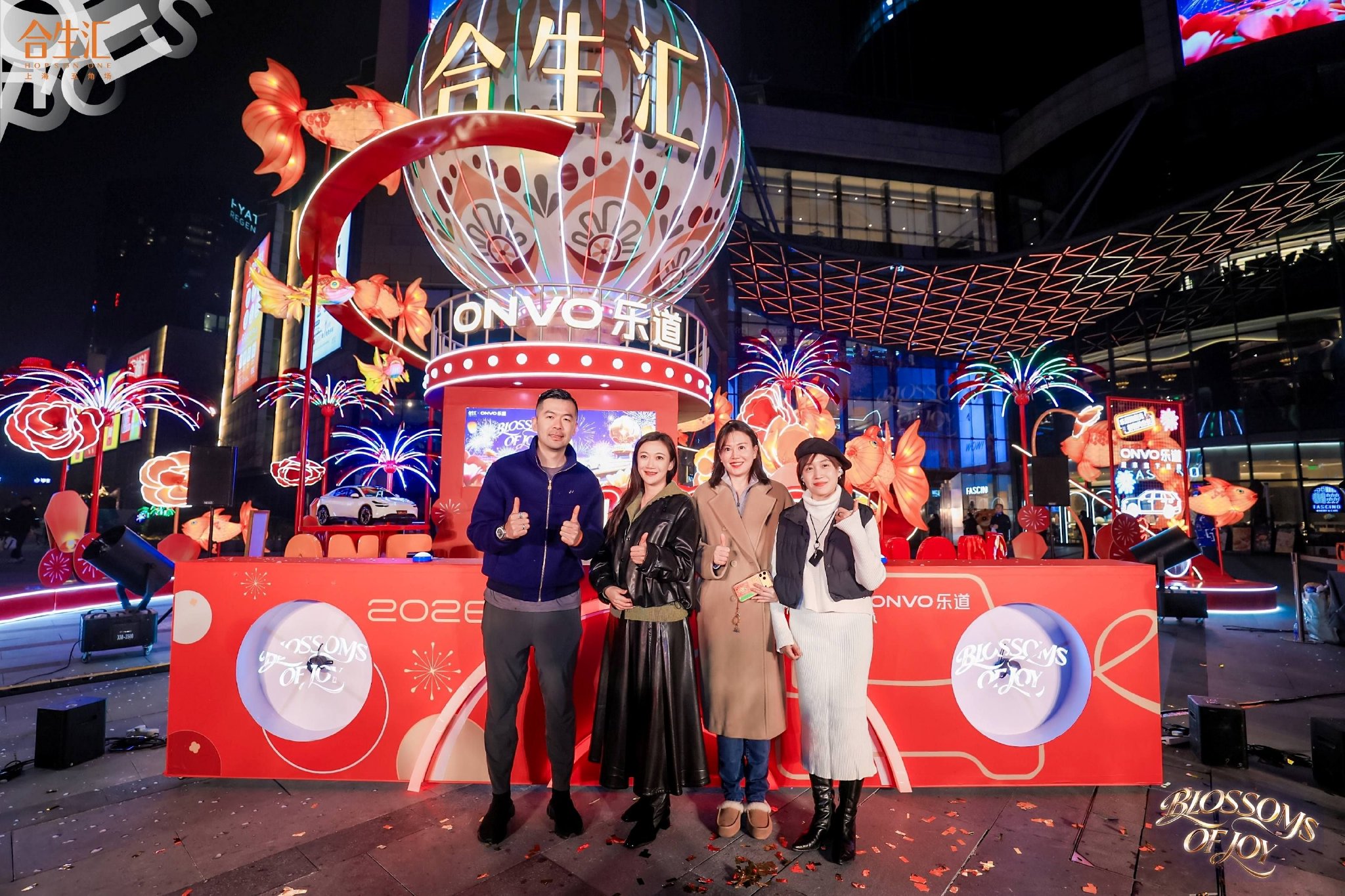
Group 1 - The core event is a unique lighting ceremony at Hexinghui, which sets the tone for a winter narrative, blending traditional Chinese lantern craftsmanship with modern architecture [2][3] - The lighting ceremony is not just about illumination; it serves as an emotional healing experience for young people, providing a moment of romance amidst the end-of-year busyness [3] - Following the lighting event, Hexinghui hosted the national premiere of the popular domestic animation IP "Meiji and Big Mouse," which aims to resonate with the complex emotional states of Generation Z [3][4] Group 2 - Hexinghui has identified that the core demand of young consumers has shifted from merely purchasing products to seeking recognition and experiences [4] - The lighting ceremony and the IP premiere are part of a broader winter campaign at Hexinghui, which aims to create an immersive narrative for young urbanites throughout the season [4] - The winter campaign includes diverse brand experiences, such as DIOR's aesthetic space and interactive offerings from various brands, creating a sensory feast woven into the shopping experience [4]
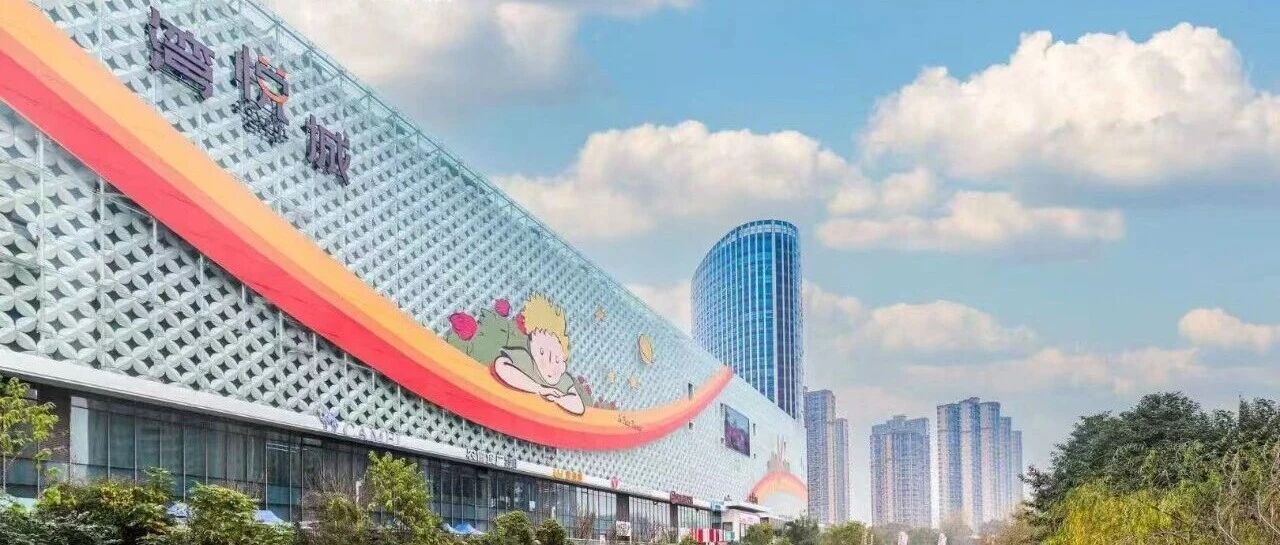
美凯龙成都湾悦城重磅开业,启幕城南新生活
市值风云· 2025-12-20 13:46
Core Viewpoint - Chengdu Bay Yue City officially opened on December 20, 2025, with a total commercial space of 144,000 square meters, positioning itself as a vibrant family gathering place in the southern city [1]. Group 1: Project Overview - The project is a collaboration between Red Star Macalline and Jianfa Property Management, representing a significant update in urban commerce and a new lifestyle [3]. - Key figures from local government and corporate leaders attended the opening ceremony, highlighting the project's importance [5]. Group 2: Consumer Engagement - The opening attracted a large crowd, with many citizens arriving early to take photos and engage with the new space [7]. - The mall features a variety of popular fitness and outdoor brands, such as COLNAGO and CAMEL, catering to urban families' pursuit of health and nature [9]. Group 3: Family and Dining Experience - The mall includes numerous child-focused brands and diverse dining options, creating a comprehensive experience for family life [11]. - Three main thematic areas have been developed: an immersive family sports social space, a parent-child interactive leisure area, and a relaxing rooftop garden, all designed to enhance family bonding and social interactions [13]. Group 4: Promotional Activities - During the opening period, the mall is offering significant discounts and promotional activities, including substantial subsidies and giveaways, to enhance consumer satisfaction [15].
引入近百家首店 中关村ART PARK大融城全面开业
Bei Jing Shang Bao· 2025-12-19 10:45
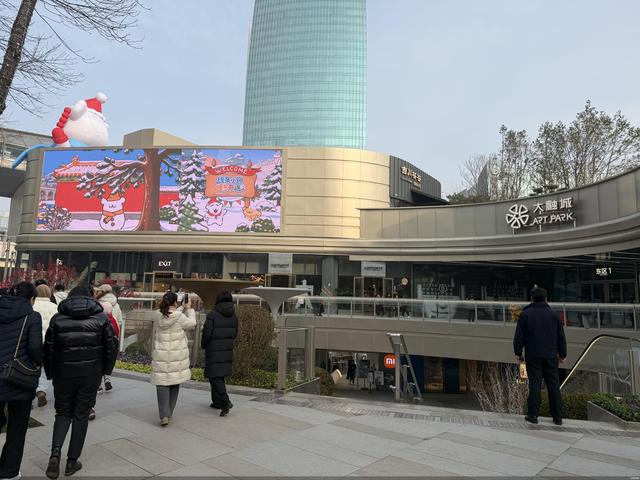
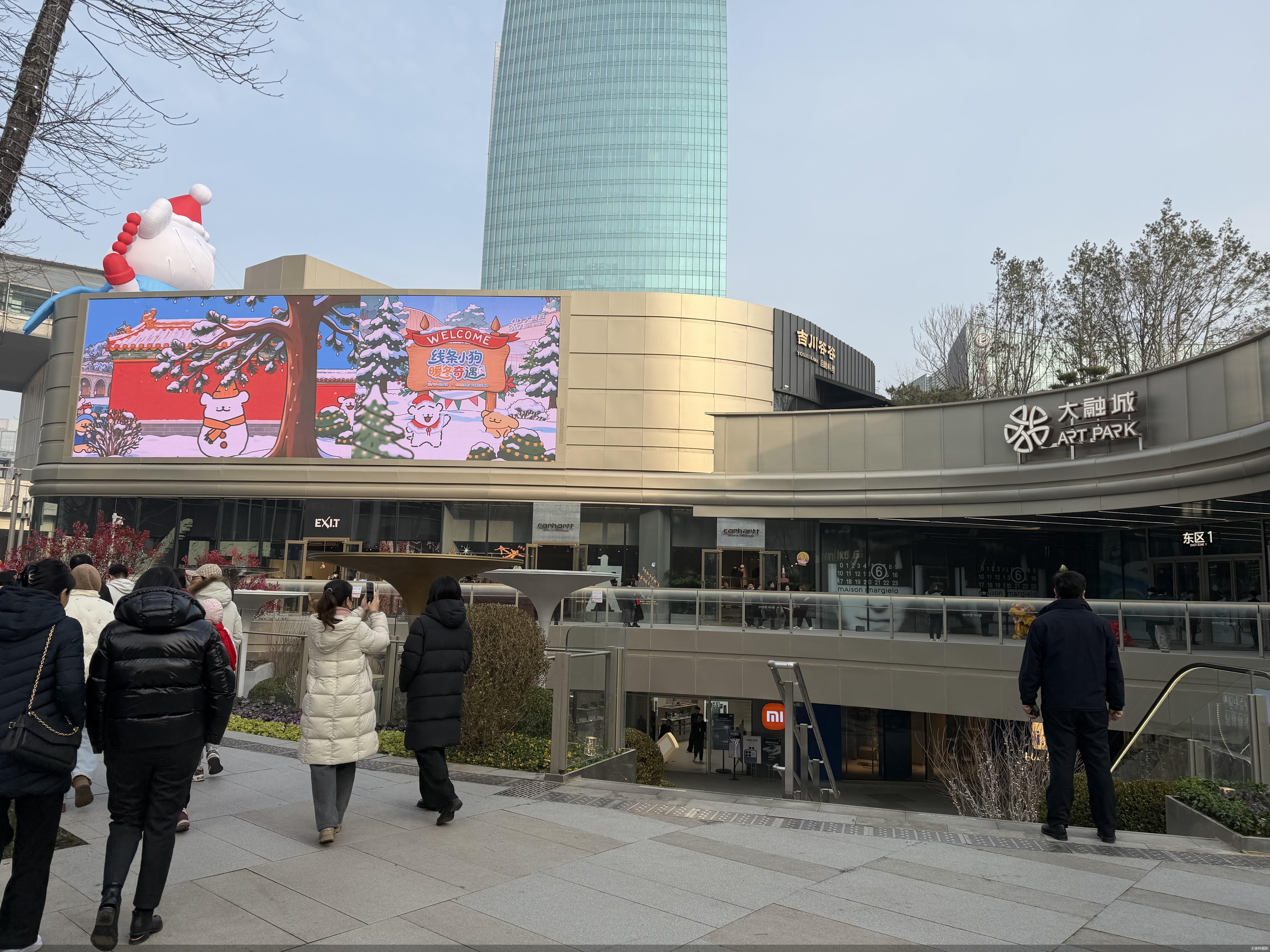
在整体运营方面,中关村ART PARK大融城引入精品生活超市、高端餐饮等业态。同时,项目引入跨界 品牌、潮流创意品牌等,以高比例的品牌首店矩阵出圈,带动区域消费升级。 北京商报讯(记者 王维祎)12月19日,中关村ART PARK大融城东区正式对外营业,这也意味着该项 目全部贯通,全面开业。 据悉,项目东区引入多家国际潮流品牌作为主力店,涵盖alexanderwang、MM6 Maison Margiela、 DIESEL、EXI.T、barbour等品牌,其中,barbour等为京西首店,Chili's等为北京首店,TORY BURCH、SHAKE SHACK、BUTTERFUL & CREAMOROUS黄油与面包等为海淀首店。除此以外,中 关村ART PARK大融城东区还引入了COACH概念店、gaga旗舰店、西西弗城市定制店等。 项目开业填补了区域的品牌短板。12月19日上午,中关村ART PARK大融城开始营业后,部分首店品牌 门店外就逐渐排起队伍。 目前,中关村ART PARK大融城布置了"线条小狗"冬日主题形象北京美陈首展、"年轮-螺旋纪年"-JIN ARTS肖进艺术定制主题装置、以及"鎏光星河" ...

11月全国新开21个商场,“含金量”极高
3 6 Ke· 2025-12-19 05:54
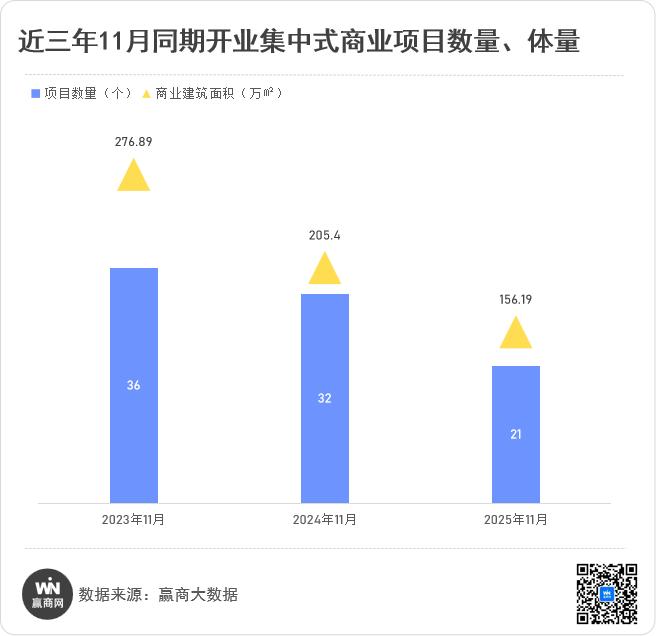
Core Insights - November saw a return to normalcy in new openings, with a focus on high-quality projects across diverse commercial formats, including regional giants and innovative complexes [1][2] - The upcoming December is expected to witness a surge in openings, with numerous projects already announced [2] Group 1: November Opening Statistics - In November 2025, 21 new commercial projects opened nationwide, totaling approximately 1.56 million square meters, a decrease of 44.74% in number and 44.48% in volume compared to October [2] - Among the new openings, three were renovation projects, contributing about 170,000 square meters [2] Group 2: Regional Distribution of New Openings - Nearly 70% of the new openings in November were concentrated in East and South China, accounting for 66.67% of the total openings [4] - East China had a higher volume with three projects exceeding 100,000 square meters, while South China had only one such project [4] Group 3: Notable New Projects - Shenzhen had the highest number of new openings with four projects, including the largest MixC in Shenzhen, while Hangzhou had the largest volume with two significant projects [6] - The Shenzhen Huide MixC spans 180,000 square meters and aims to create a social lifestyle hub [18] - The Yongwang Dream City in Changsha, the largest in Hunan, covers 236,000 square meters and is designed as an urban lifestyle energy center [21] Group 4: Innovative Commercial Concepts - New projects are incorporating innovative concepts such as "XOD" and "POD+TOD" to enhance the commercial experience [10] - The Hangzhou North City Investment Garden City integrates public transport and ecological parks, while the Longfor Hangzhou Shangcheng Tianjie emphasizes park-style commercial spaces [12][15] Group 5: Emerging Trends - The trend of "micro-vacation outlets" is gaining traction, with new outlets in lower-tier cities [10] - Non-standard commercial projects like Nanjing Hongshan Sparkle are targeting young consumers with a focus on experiential spaces [11]
国际商报关注吉林:区域“商业航母”的特质,长春欧亚集齐了
Sou Hu Cai Jing· 2025-12-18 10:18
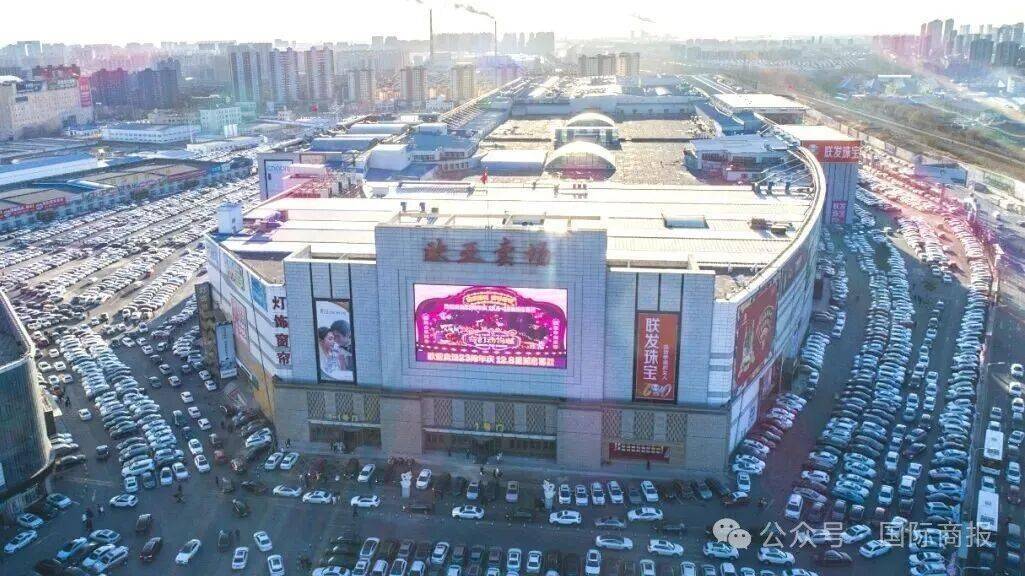
Core Insights - The essence of business enterprises lies in meeting the emotional value of consumers, which is driven by three core forces: product strength, pricing power, and service quality [1] Group 1: Company Overview - Eurasia Mall, established at the end of 2000, has become a significant commercial hub in Northeast Asia, achieving annual sales exceeding 10 billion yuan at its peak [3] - The mall's transformation involved innovative models, management, and policies, successfully transitioning from a traditional shopping center to a modern consumption ecosystem [3] Group 2: Government Support - The successful advancement of the Eurasia Mall project is attributed to strong collaboration among government, enterprises, and social forces, with the Jilin Provincial Department of Commerce incorporating the mall's renovation into a three-year action plan for retail innovation [5] Group 3: Operational Strategies - The mall employs a closed-loop renovation system based on the concept of "ecology, business, vitality, and life," focusing on differentiated positioning and innovative management practices [7] - A collaborative ecosystem has been established involving brands, professional institutions, and consumers, enhancing project recognition and sustainability [7] Group 4: Economic Impact - Post-renovation, sales and customer traffic have significantly increased, with sales in Eurasia Gold Street rising by 39.4% and daily foot traffic reaching 12,000, five times that of before the renovation [9] - The project has also created over 500 new jobs and increased annual income for 50 local farmers by 20,000 yuan each [9] Group 5: Innovative Models - The mall's thematic cluster development model addresses traditional retail challenges and is highly replicable [11] - The ecological scene reconstruction model enhances customer retention through natural elements and interactive experiences [11] - The integration of local specialty products with retail platforms exemplifies a successful collaborative mechanism among government, enterprises, and professional institutions [11] Group 6: Management Innovations - A dynamic iteration mechanism ensures that 10% of the mall's area undergoes annual upgrades, aligning with consumer demands [13] - Consumer participation in the renovation process has increased project acceptance and accurately captured market needs [13] Group 7: Policy Innovations - The mall's development aligns with Jilin Province's strategic policies, achieving a balance between commercial and social value [15]

外资品牌扎堆找合伙人?转型背后算盘曝光!背后策略引人关注
Sou Hu Cai Jing· 2025-12-16 10:22
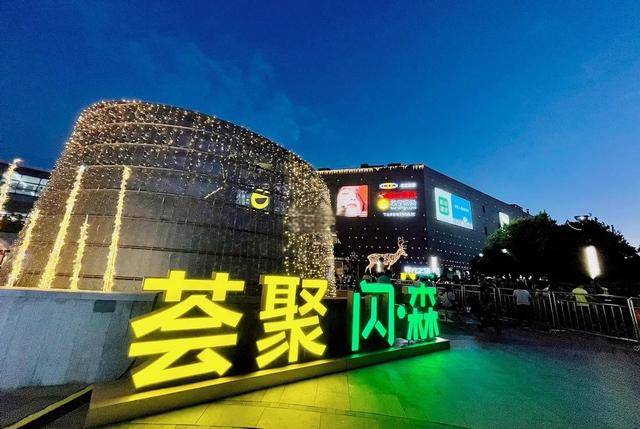
Core Insights - Foreign brands are increasingly partnering with local capital in China, as seen with Ingka Group's collaboration with Gaohe Capital to manage three shopping centers in Wuxi, Beijing, and Wuhan [1][3] - This trend reflects a strategic move by foreign brands to adapt to the evolving Chinese market and leverage local expertise [12][15] Group 1: Ingka Group and Gaohe Capital Partnership - Ingka Group's shopping centers in China have reached a stable profitability phase, with Beijing's occupancy rate consistently above 99% [3] - The partnership allows Ingka to quickly recoup funds to support new projects while retaining brand ownership and exclusive operational rights [5][7] - This collaboration is seen as a "light asset transformation," benefiting both parties through shared operational gains [7][15] Group 2: IKEA's Challenges and Adaptation - IKEA is undergoing a transformation, facing declining revenues and profits, with a 5.5% drop in global revenue and a 46.5% fall in net profit for 2024 [5][10] - The partnership with local capital is expected to alleviate financial pressures and support IKEA's adaptation to the Chinese market [10][15] - Despite the changes, IKEA's core tenant status in the shopping centers remains unaffected, indicating a strong collaboration [8][10] Group 3: Broader Trends Among Foreign Brands - Starbucks and Burger King's majority stake sales to local investors highlight the challenges foreign brands face in adapting to the Chinese market [12][14] - Local capital can enhance operational efficiency and decision-making speed, enabling faster expansion and adaptation to market demands [14][15] - The collaboration between foreign brands and local capital signifies a shift towards a more integrated approach in the Chinese market, enhancing the overall market vitality [15]
88家首店涌入云南,昆明仍是王炸
3 6 Ke· 2025-12-16 02:26
Core Insights - The expansion of first-store presence in Yunnan is characterized by a focus on high-end and local offerings, indicating a differentiated commercial layout across the region [1][2] Group 1: First-Store Growth - In the third quarter, Yunnan opened 88 new first-stores, a significant increase from 68 in the second quarter and 36 in the first quarter, showing a steady upward trend [2] - The proportion of high-tier (A-level) first-stores reached 13.1%, a notable increase from 3.8% in the first half of the year, signaling a shift from quantity to quality in the market [2] - Provincial and city-level first-stores accounted for 92% of the total, with provincial-level stores at 51.1% and city-level at 40.9%, indicating a cautious strategy focusing on core business districts [2] Group 2: City Dynamics - Kunming remains the primary hub for first-stores, showcasing significant agglomeration effects, while other regions like Dali, Zhaotong, and Baoshan are gradually accommodating new stores [2][3] - The commercial logic in regional markets contrasts with Kunming, favoring lifestyle amenities and local dining options over high-end flagship stores [3] Group 3: Notable Projects - In the third quarter, five shopping centers in Yunnan introduced over seven first-stores each, with Kunming's Shuncheng Shopping Center leading by adding more than 10 stores [4] - The Shuncheng Shopping Center's new brands include a mix of fashion, accessories, and dining, enhancing its appeal to younger consumers through engaging events and interactive installations [4] Group 4: Retail Trends - Retail and dining sectors dominate the first-store landscape, with retail holding a 47.7% share and dining at 38.6%, indicating a strong consumer preference for these categories [8] - The beverage and women's fashion segments have emerged as key growth areas, with 12 and 8 new brands entering the market, respectively, reflecting evolving consumer preferences [8][9] - Beverage brands are increasingly focusing on cultural narratives and experiential offerings, while women's fashion is diversifying into various stylistic niches to cater to urban consumers [9]
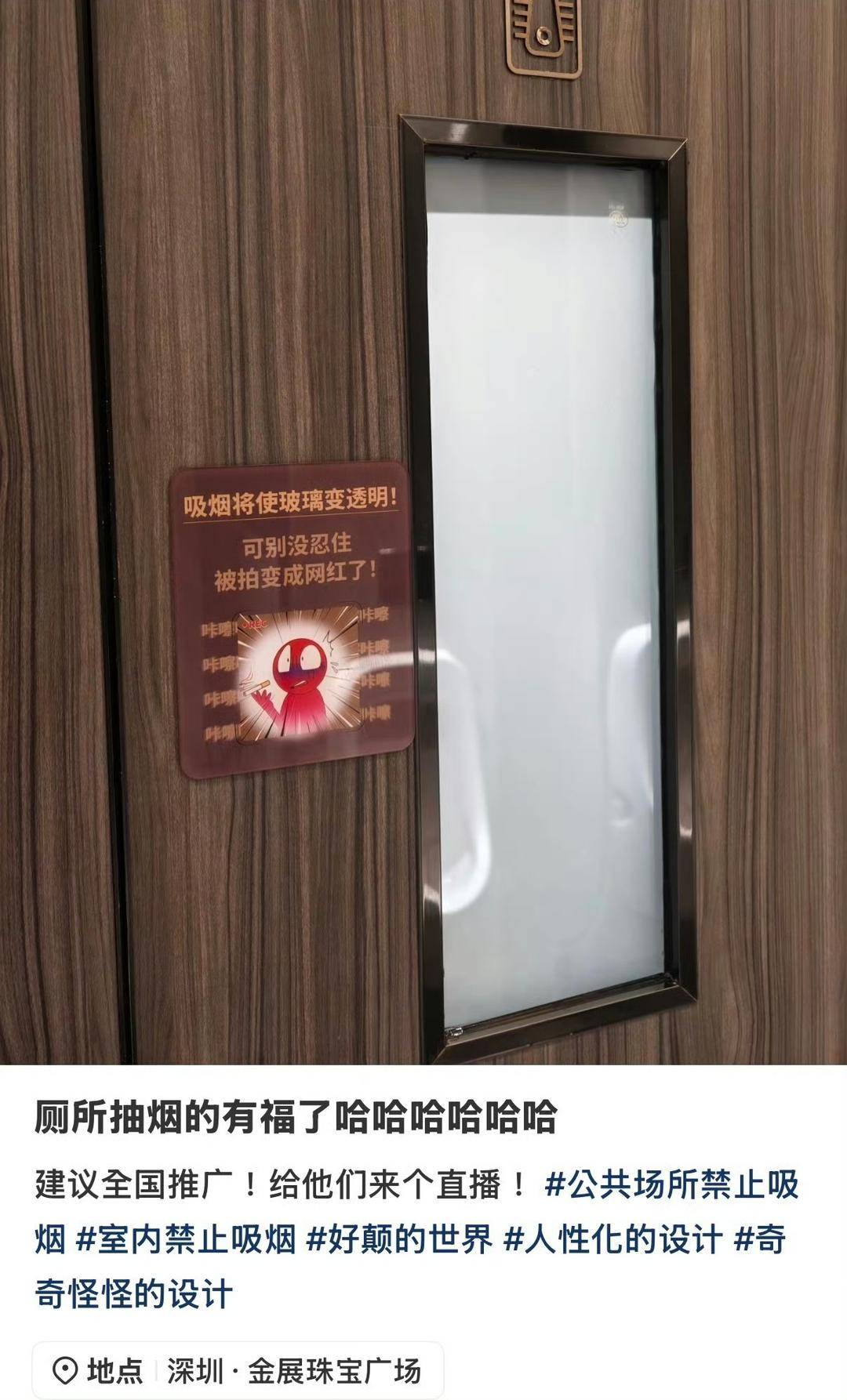
紫牛热点∣深圳一商场内厕所门玻璃只要吸烟就会变透明?商场:不属实,拟发辟谣公告
Yang Zi Wan Bao Wang· 2025-12-15 09:43
扬子晚报网12月15日讯(记者郭一鹏)12月14日,有网友称,深圳金展珠宝广场的厕所成了网红打卡点,因为厕所门上的玻璃很特别,如果吸烟,门上的玻 璃会变透明,这种方式可以有效杜绝厕所内抽烟现象。 不过,也有网友指出,该玻璃为电控调光玻璃,正常通电雾化(不透明),断电/故障时变透明;所谓"吸烟触发",实为烟感联动断电或停电所致,无主动烟 雾感应功能。 而在社交平台上,有网友建议,应该全国推广,并将其称为"控烟黑科技"。网友们认为,传统标语警示、罚款处罚对部分不自觉吸烟者效果有限,这种直 接的威慑手段能精准解决公共厕所吸烟难题。"公司厕所每天都有人在里边抽烟,隔间密闭性还比较好,要是碰到刚抽完烟出来的,里边一股浓重的味 道。"有网友称。 12月15日,扬子晚报/紫牛新闻记者就此联系了商场方,一名工作人员在接受采访时表示,此事不属实。"今天已经接到好多电话询问这事了,要强调一 下,这不是我们商场的,因为商场内厕所的门都没有安装玻璃,也没有粘贴这种提示!"该工作人员称,不知道是谁乱造谣,商场已经准备发辟谣公告 了。 校对胡妍璐 记者在网传的图片上看到,疑似厕所门中间位置上有一块玻璃,门上贴有提示称:"吸烟将使玻璃变透 ...