二次元

Search documents
农夫山泉,还我青春
半佛仙人· 2026-03-31 09:12
Core Viewpoint - The article discusses the innovative strategies of Nongfu Spring in reviving previously discontinued products, particularly focusing on the consumer response and the company's ability to adapt to market demands [2][4][10]. Group 1: Product Revival Strategy - Nongfu Spring has decided to revive several discontinued beverages based on consumer feedback, allowing fans to vote for their favorites to return [4][10]. - The company has demonstrated a keen understanding of market trends and consumer preferences, leading to the successful reintroduction of products like the tomato juice, which had a strong following despite being unconventional [10][11]. Group 2: Historical Context and Innovation - The tomato juice was launched in 2004, capitalizing on a growing demand for fruit and vegetable juices during a health crisis, positioning itself ahead of its time [10][11]. - Nongfu Spring's product development has consistently anticipated consumer trends, such as the introduction of low-sugar options and collaborations with popular culture, like the partnership with the game "Onmyoji" [11][14]. Group 3: Market Positioning and Consumer Engagement - The company has effectively engaged consumers through social media, creating a humorous and interactive environment where fans express their desires for product returns [4][7]. - Nongfu Spring's approach to product innovation, including the introduction of carbonated coffee and non-alcoholic beverages, reflects a commitment to exploring new market segments and consumer preferences [13][15]. Group 4: Long-term Vision - Nongfu Spring understands that consumer choice is paramount, and it is willing to wait for the right moment to reintroduce products, ensuring that quality remains a priority [17]. - The company’s strategy emphasizes that the beverage market is dynamic, and it aims to adapt to changing consumer tastes while maintaining a strong product lineup [17].



快闪春节挤爆商场,二次元“痛楼”单场吸金1000万
3 6 Ke· 2026-02-20 02:57
Core Insights - The article highlights the shift in shopping mall dynamics during the Spring Festival, with a significant rise in pop-up stores featuring popular anime characters, indicating a trend towards youth-oriented marketing strategies [1][9][12] Group 1: Pop-up Store Trends - Shopping malls are increasingly transforming their spaces into "pain buildings" filled with anime character displays, indicating a strong visual marketing strategy aimed at attracting younger consumers [1][9] - Popular IP pop-up events require booking six months in advance, with sales for a single event ranging from 4 million to 10 million yuan [1][2] - Major cities like Shanghai and Beijing are seeing a surge in these pop-up events, with over 40 events reported in Shanghai alone during the Spring Festival [2][6] Group 2: Economic Impact - The pop-up activities have become a significant revenue source for malls, with venues like Shanghai's ZX Creative Park hosting around 450 events in its first year, generating sales of 450 million yuan by 2025 [6][9] - The collaboration model between malls and brands typically involves a "minimum guarantee plus rent" approach, allowing for flexible revenue sharing based on performance [3][6] - The demand for pop-up stores is leading to a reduction in the duration of these events, with many now lasting only seven days to maximize turnover [3][6] Group 3: Consumer Behavior - The rise of "flash purchasing" has given birth to a new profession of pop-up buyers, who often spend significant time queuing to secure limited edition items for clients [1][8] - Consumers are increasingly willing to pay for the experience and exclusivity of these pop-up events, with some individuals earning over 1,000 yuan per day through pop-up buying services [8][9] - The emotional connection and identity recognition associated with these events are driving consumer spending, as fans are eager to participate in immersive experiences [10][11][12]
深圳东门步行街大变样:传统商圈如何寻到新活力|新春走基层
证券时报· 2026-02-16 04:26
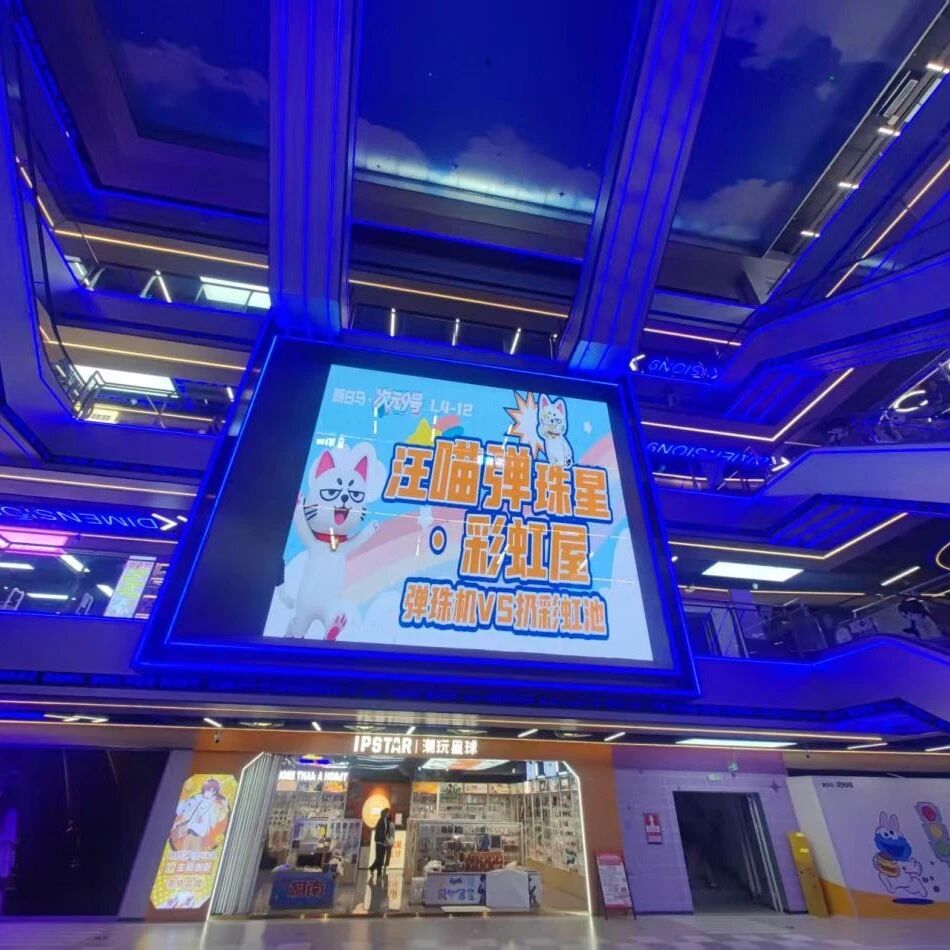
Core Viewpoint - The article highlights the transformation of Dongmen Pedestrian Street in Shenzhen, emphasizing its ability to adapt and rejuvenate while maintaining its traditional charm, particularly in the context of the upcoming Spring Festival [1][5]. Group 1: Transformation and Development - Dongmen Pedestrian Street has undergone significant renovations, including building upgrades, underground utility improvements, and the establishment of a smart business district, all aimed at revitalizing the area without major demolitions [1][5]. - The street has seen an increase in foot traffic, becoming a popular destination during the festive season, showcasing its successful transformation [1][5]. Group 2: New Commercial Concepts - New commercial spaces are being developed, such as the "New White Horse·Dimension 9," which focuses on a blend of anime, gaming, and virtual idols, catering to the interests of the younger generation [3][5]. - The introduction of the "谷子经济" (Guzi Economy), which targets the "二次元" (two-dimensional) demographic, is a strategic move to foster new consumption growth points in Shenzhen [5]. Group 3: Market Positioning and Strategy - The revitalization strategy of Dongmen emphasizes "micro-renovations" to preserve local culture while integrating modern technology and cultural elements, thus finding a new market position [5][6]. - Industry experts suggest that traditional commercial areas like Dongmen should leverage nostalgia and innovative planning to attract customers and differentiate themselves in a competitive market [5][6].
毛毡风熊大熊二刷屏:一场国民IP与可灵AI“破次元”新春节目如何炼成?
21世纪经济报道· 2026-02-15 05:30
Core Viewpoint - The article discusses the successful integration of AI technology in the New Year gala of the popular IP "Boonie Bears," showcasing how AI enhances audience engagement and emotional connection through innovative storytelling and immersive experiences [7][22]. Group 1: Event Overview - The "Boonie Bears" New Year gala, in collaboration with Kuaishou and Keling AI, aimed to preserve traditional New Year vibes while creating a seamless experience between reality and the animated world [7][9]. - The event achieved significant engagement, with a total of 677,000 reservations and a peak online audience of over 100,000, resulting in more than 7.7 million interactions [7]. Group 2: AI Technology Utilization - AI technology was pivotal in creating immersive scenes and effects, allowing for a more imaginative and engaging experience for viewers [9][20]. - Keling AI's O1 model was employed to ensure character consistency and narrative control, addressing the challenges of maintaining IP characteristics during AI generation [13][16]. Group 3: Emotional and Narrative Expression - The gala's AI-generated content was not merely a technical showcase but aimed at emotional storytelling, resonating with the audience's nostalgia and connection to the characters [23][29]. - The design choices, such as the felt-style representation of characters, were made to align with the emotional tone of the IP and enhance audience engagement [23][24]. Group 4: Audience Insights and Trends - Kuaishou's user base includes over 200 million daily active users, with a significant portion being Gen Z, indicating a strong market for IP-driven content [24]. - The success of the gala reflects a broader trend where AI technology is used to revitalize classic IPs, creating new narratives that resonate with contemporary audiences [26][29].

上海马年“二次元”消费红火 场景创新演绎时尚中国年
Xin Hua Wang· 2026-02-08 07:46
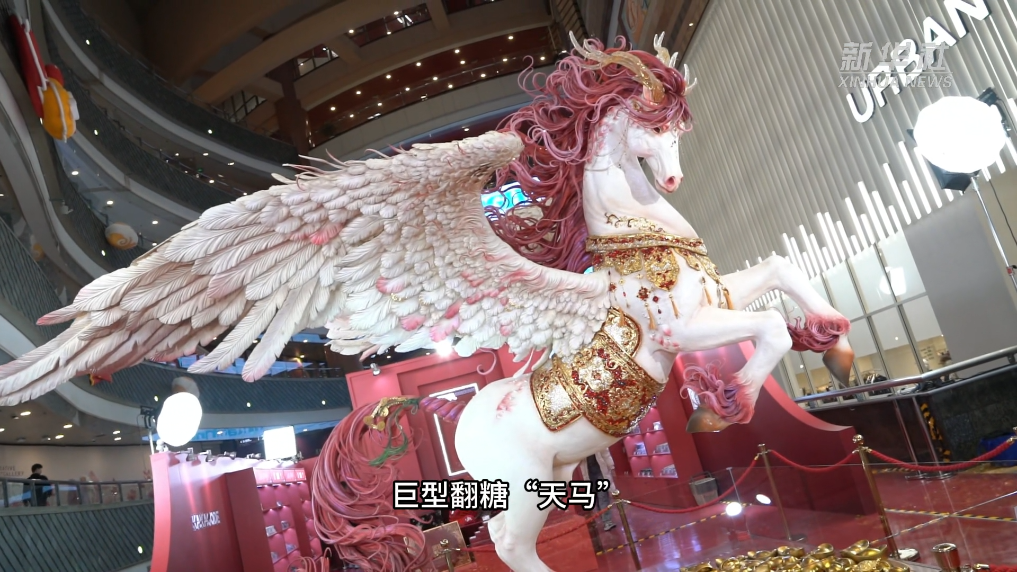
Group 1 - The upcoming Chinese New Year is marked by various "two-dimensional" activities related to the Year of the Horse in Shanghai's landmark attractions and shopping districts [1][4] - Notable events include a New Year garden party featuring the globally recognized IP "My Little Pony" at the Oriental Pearl and a nearly 4-meter tall giant fondant "Heavenly Horse" at the Zhengda Plaza, showcasing a blend of traditional craftsmanship and modern aesthetics [1] Group 2 - The focus on "two-dimensional" IPs aims to enhance the related industry chain, creating new consumer scenarios that deeply integrate culture, commerce, and tourism, thus injecting new vitality into the New Year consumption market [4]
对话市政协委员吴宜夏:将二次元产业打造成为北京新兴消费增长极
Bei Jing Shang Bao· 2026-01-27 08:10
Core Insights - The Chinese ACG (Anime, Comic, Game) market is experiencing explosive growth, with a projected user base of 503 million by 2024 and a market size of 597.7 billion yuan [2][3] - There are challenges in creating a world-class, culturally unique ACG consumption hub in Beijing, including a lack of diverse consumption scenarios and insufficient depth of experience [1][2] Group 1: Market Growth and Consumer Behavior - The ACG market has seen significant growth, with "post-90s" individuals being the primary demographic driving this trend [2] - The rise of "谷子经济" (Guzi Economy) illustrates how ACG enthusiasts are willing to travel for limited-time events, boosting local consumption in transportation, accommodation, and dining [2][3] Group 2: Challenges in Local IP Development - The current ACG ecosystem in Beijing lacks a systematic approach, with low commercial conversion efficiency and weak local IP incubation capabilities [3] - There is a disconnect between content creation and commercialization, leading to situations where there are popular works but no corresponding industry development [3] Group 3: Recommendations for Improvement - To address the single consumption scenario challenge, it is suggested to create immersive theme destinations and year-round operational ACG complexes to meet the social and emotional needs of younger consumers [4] - The proposal includes establishing a "Beijing Original IP Theme Pavilion" to promote local ACG works and derivatives, integrating various cultural elements and creating a continuous offline attraction [5]
记者观察:新百大UP主名单背后的B站内容“底牌”
Zhong Guo Jing Ying Bao· 2026-01-21 14:30
Core Insights - Bilibili's annual "Top 100 UP Master" list continues to generate significant public interest, highlighting the platform's unique position in the video content landscape [1] - The 2025 list features a high retention rate of established creators, with over two-thirds being familiar faces, indicating a strong foundational community [1][2] - The platform's focus on ACG (Animation, Comics, Games) content remains a key strength, with many top creators specializing in this genre [2] Group 1: Creator Retention and New Entries - The 2025 list saw only 27 new entrants, the lowest in history, suggesting a challenging environment for new creators [1] - Notable long-standing creators include "泛式," "老番茄," "逍遥散人," and "木鱼水心," who have consistently ranked in the top 100 for eight consecutive years [1][2] - The retention of established creators indicates a stable and loyal audience base, which is crucial for Bilibili's content ecosystem [1][2] Group 2: Content Categories and Trends - The gaming sector contributed the most UP Masters, with 25 creators, showcasing Bilibili's role as a vital promotional platform for game companies [2] - The rise of knowledge-based content is evident, with creators focusing on educational topics across various fields, including law and history, gaining significant recognition [2][3] - The diversity of content types, including entertainment, educational, and niche genres, reflects Bilibili's broad appeal and adaptability [3][4] Group 3: Selection Criteria and Industry Context - The selection process for the "Top 100 UP Master" involves a rigorous evaluation of growth metrics, with a minimum follower increase of approximately 360,000 per year required for consideration [5][6] - Bilibili's unique evaluation criteria, which include audience engagement and content quality, differentiate it from other platforms, reinforcing its competitive edge [6] - Despite criticisms regarding content quality and platform changes, Bilibili's community engagement remains a core strength, as highlighted by industry insiders [6][7]

当黄金遇上“二次元”
Ren Min Ri Bao· 2026-01-20 19:09
Core Insights - The rising gold prices have pressured traditional gold jewelry sales, yet young consumers are increasingly attracted to fun and cute gold accessories featuring popular IP collaborations, driving market enthusiasm [3][6][10] - The trend of lightweight and emotionally resonant gold products is reshaping consumer behavior, with younger buyers prioritizing emotional value and social expression over traditional investment considerations [6][9][11] Group 1: Market Trends - Young consumers are showing a preference for gold jewelry that incorporates popular culture elements, such as Disney and anime characters, which enhances the appeal of gold products [3][4] - The introduction of various product forms, including lightweight gold pendants and unique gold pieces, caters to the demand for affordable yet visually appealing items [4][5] - Sales records for IP collaboration gold jewelry indicate a strong market response, with some products selling out within hours and generating significant revenue shortly after launch [6][10] Group 2: Consumer Behavior - The emotional connection and cultural identity associated with IP collaboration gold jewelry resonate with young consumers, who are willing to purchase these items for their aesthetic and sentimental value [6][7] - The World Gold Council reports a significant increase in gold jewelry ownership among consumers aged 18 to 24, rising from 37% in 2019 to 62% [7] - The shift in consumer perception of gold from a traditional asset to an emotional symbol and social accessory reflects changing purchasing motivations among younger demographics [9][11] Group 3: Industry Dynamics - Traditional gold jewelry brands are urged to adapt by focusing on design aesthetics and emotional value rather than solely on material weight [11] - The market is witnessing a trend towards lighter, more creatively designed gold products, which are expected to attract younger consumers and enhance profit margins for retailers [9][11] - The integration of cultural elements and innovative designs in gold products is essential for brands to remain relevant and appealing to the evolving preferences of young consumers [10][11]


抖音也要做二次元电子春晚
3 6 Ke· 2026-01-15 00:05
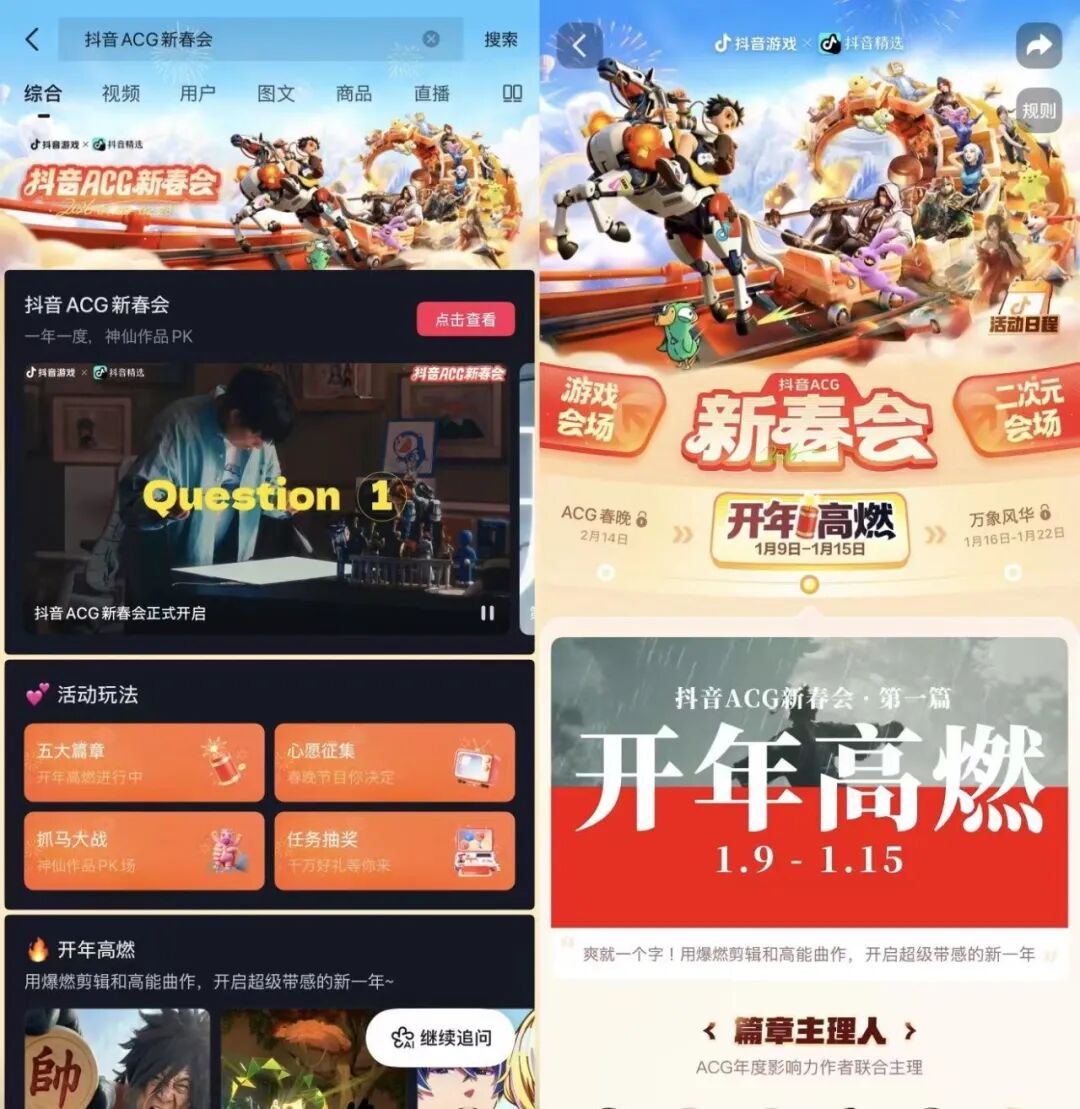
Core Viewpoint - Douyin is launching its first ACG Spring Festival event, integrating elements of the ACG (Anime, Comic, Game) culture with user interaction, aiming to create a unique online celebration that resonates with the audience during the peak content consumption period of the Spring Festival [1][4][12] Group 1: Event Details - The ACG Spring Festival event will officially air on February 14, following a submission and voting phase, and is designed as a "customized electronic Spring Festival Gala" for users [1] - The event will feature a theme submission mechanism, cash incentives for creators, user voting, and various interactive elements, encouraging a dual interaction structure between content creators and users [4][6] - The event will be divided into two main sections: games and ACG, covering a wide range of content including cosplay performances, remixes, and original creations [4][6] Group 2: Market Context - The ACG Spring Festival event is strategically timed during the Spring Festival, a critical period for content supply and consumption, maximizing user engagement and content creation [4][10] - The past year has seen significant growth in ACG content across various platforms, with Douyin's event serving as a pivotal observation point in this trend [3][10] - The ACG user base in China is projected to reach 503 million by 2024, with a notable 95% of Gen Z identifying as ACG enthusiasts, indicating a broadening user demographic [10][11] Group 3: Competitive Landscape - Douyin's initiative reflects a shift in the competitive landscape of short video platforms, moving from traffic efficiency to content structure and user segmentation [9][12] - The event aims to establish a high-visibility aggregation point for ACG content, which is crucial for defining content labels and user engagement strategies [9][12] - Other platforms like Bilibili have historically hosted similar events, indicating a competitive environment where Douyin seeks to carve out its niche in the ACG space [6][10] Group 4: User Engagement and Feedback - Initial user feedback on the ACG Spring Festival event is mixed, with some expressing curiosity while others question the depth of Douyin's ACG atmosphere [9][12] - The success of the event will depend on Douyin's ability to address user perceptions and enhance its ACG community presence [9][12] Group 5: Broader Industry Trends - The transition of ACG content from niche to mainstream platforms is evident, with Douyin's approach aligning with the trend of ACG becoming a significant part of comprehensive content culture [10][12] - The expansion of ACG consumption now includes various sectors beyond traditional media, such as gaming, virtual idols, and live streaming, indicating a diversification of the ACG ecosystem [10][11]

上海交大一间宿舍,走出3个百亿宅男
首席商业评论· 2025-12-14 03:49
Core Viewpoint - The article highlights the remarkable journey of miHoYo, a gaming company that evolved from a small startup to the third-largest gaming company in China, with a valuation of 175 billion yuan, focusing on creating a virtual world that can accommodate a billion people by 2030 [7][34]. Group 1: Company Background and Founding - miHoYo was founded by a group of talented students from Shanghai Jiao Tong University, who initially started with a small loan and a passion for gaming and anime [8][10]. - The founders, including Cai Haoyu and Liu Wei, were recognized for their exceptional academic achievements and shared a common interest in the emerging subculture of anime and gaming [10][12]. - The company was officially established in 2011, with a mission to "save the world through technology" [14][15]. Group 2: Early Challenges and Breakthroughs - The initial years were challenging, with the first game, "Fly Me 2 The Moon," receiving only 3,000 downloads, prompting the team to rethink their business model [16][18]. - miHoYo's breakthrough came with the release of "崩坏学园2" (Honkai Academy 2) in 2014, which capitalized on the rise of mobile gaming and the popularity of the Bilibili platform, leading to significant revenue growth [22][24]. - The company focused on creating a successful commercial product while maintaining its unique style, which resulted in "崩坏学园2" generating revenues of 0.95 billion yuan in 2014 and 2.67 billion yuan in 2016 [24][25]. Group 3: Major Successes and Expansion - The launch of "崩坏3" in 2016 marked a significant turning point, with the game achieving over 1 billion yuan in revenue within the first month and eventually surpassing Tencent's "Honor of Kings" in popularity [29][31]. - Following this success, miHoYo invested heavily in the development of "原神" (Genshin Impact), which was released in 2020 and generated over 3 billion USD in its first month, solidifying the company's position in the global gaming market [32][34]. - By 2022, miHoYo had become the third-largest gaming company in China, with revenues of 27.34 billion yuan, primarily driven by "原神" and "崩坏: 星穹铁道" [36][37]. Group 4: Future Aspirations and Innovations - miHoYo aims to create a virtual world that can host a billion users by 2030, expanding its focus beyond gaming to include AI, brain-computer interfaces, and nuclear fusion technologies [39][41]. - The company has established partnerships with institutions like Shanghai Jiao Tong University to develop cutting-edge technologies and has launched new ventures in AI and the metaverse [39][41]. - The upcoming game "Varsapura" is positioned as a key step towards achieving the ambitious goal of creating a more immersive virtual world [43][45].