矿业

Search documents
矿业储能需求暴涨!【储能应用场景创新】系列观察①
中关村储能产业技术联盟· 2026-01-18 23:40
Core Viewpoint - The deep innovation of application scenarios is becoming the core driving force for the development of the energy storage industry, evolving into a key infrastructure that empowers various industries and reshapes industrial value under the "dual carbon" goals [2]. Group 1: Mining Industry Focus - The mining industry faces three core pain points: cost challenges, safety challenges, and carbon reduction challenges, making energy storage a "must-have" option [5]. - Energy storage technology is reshaping energy utilization models in mining through emergency backup power, load regulation, and renewable energy consumption [5][6]. - The global mining battery market is expected to exceed $8.5 billion by 2025, with the Asia-Pacific region accounting for 52% of the market share, driven by significant growth in China and Australia [7]. Group 2: Market Dynamics - The economic drivers for rapid development in mining energy storage include widening peak-valley electricity price differences and decreasing lithium battery costs over the past decade [7]. - The integration of "solar + storage" solutions is rapidly replacing diesel power generation, particularly in remote off-grid mining areas and high electricity price regions [7]. - Energy storage is becoming a strategic asset for mining giants, transitioning from an optional technology to a key component for achieving cost reduction, safety enhancement, and emission reduction [7]. Group 3: Technological Integration - The integration of intelligent systems, digitalization, artificial intelligence, and IoT technologies will optimize energy storage scheduling and predictive maintenance, maximizing the efficiency of energy systems [8]. - The deep integration of energy storage systems with mining electrification creates a closed-loop clean energy ecosystem, promoting sustainable development [8]. Group 4: Benchmark Applications - Various successful energy storage projects in the mining sector include: - A 2.5MW/3.343MWh emergency power storage project in Guizhou, China [10]. - A 250MWh storage project in the Pilbara region of Australia, transitioning from diesel dependency [12]. - A green microgrid project in the Democratic Republic of Congo, significantly increasing production capacity and reducing diesel costs [14]. - A 39MWh microgrid project in Zambia, enhancing energy security and reducing operational costs [17]. Group 5: Future Outlook - The rapid development of energy storage in mining is a vivid practice of "scenario innovation" and "value reconstruction," indicating that deep integration of energy storage into industrial fabric can generate comprehensive economic, environmental, and social benefits [25]. - The ongoing green revolution driven by energy storage presents opportunities for further exploration of application scenarios and value reconstruction [26].

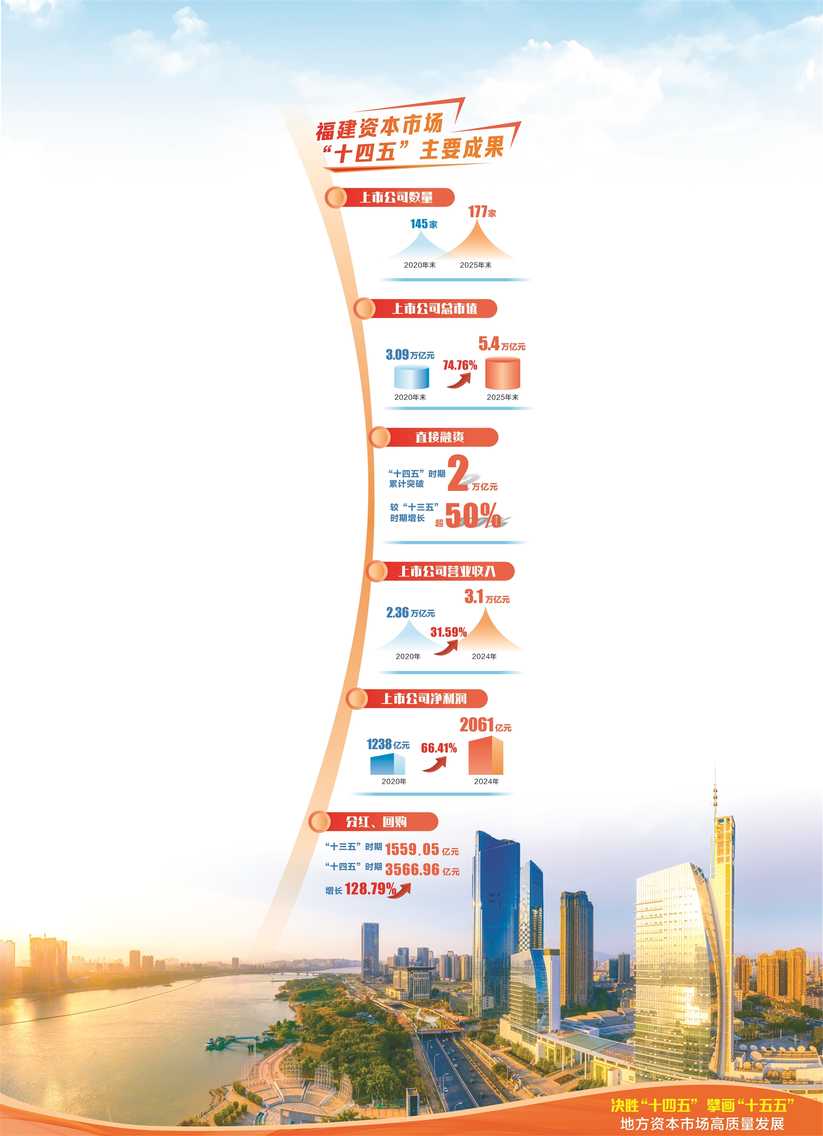
金十数据全球财经早餐 | 2026年1月19日
Jin Shi Shu Ju· 2026-01-18 23:01
男生普通话版 下载mp3 女声普通话版 下载mp3 粤语版 下载mp3 西南方言版 下载mp3 东北话版 下载mp3 上海话版 下载mp3 今日优选 特朗普因格陵兰岛向欧洲8国加税,欧盟将举行紧急会议 欧盟多国考虑对930亿欧元输欧美国商品加征关税 叙政府与"叙利亚民主力量"达成协议 特朗普:想让哈塞特继续留任原职位 载人飞船着陆缓冲技术获成功验证,为中国商业航天首次 上期所调整白银、镍期货相关合约交易限额 国投白银LOF:19日开市起至当日10:30停牌 市场盘点 上周五,特朗普表示希望让哈塞特继续留任原职位,市场猜测哈塞特出任美联储主席的机会降低,美元指数扭转跌势,最终收涨0.02%,报99.38点;基准的 10年期美债收益率最终收报4.227%,对美联储政策利率敏感的2年期美债收益率收报3.592%。 投资者在近期金价创下新高后获利了结,同时地缘政治紧张局势缓和的迹象进一步削弱了黄金的避险吸引力,现货黄金最终收跌0.43%,报4595.03美元/盎 司;现货白银最终收跌2.3%,报90.08美元/盎司。 尽管美国打击伊朗的可能性已经下滑,但伊朗潜在的政治风险仍未消除。WTI原油最终收涨0.12%,报59 ...

港股、海外周聚焦(1月第2期):牛熊之辩:如何看待大宗商品“超级周期”?
GF SECURITIES· 2026-01-18 13:29
Market Overview - The commodity market has shown significant differentiation since 2025, with precious metals like gold and silver leading the market, increasing by 63% and 111% respectively, while energy and agricultural products have underperformed, with crude oil down 16% and agricultural indices only slightly up by 3% [5][12] - As of early 2026, metals such as gold, silver, copper, and aluminum continue to rise, with smaller metals like nickel and tin experiencing sharp increases, indicating a clear rotation in the market and heightened investor sentiment regarding the potential onset of a new super cycle in commodities [5][12] Historical Super Cycles - Since 1850, there have been five historical super cycles in commodities, characterized by a pattern of "bull short, bear long," with the average upward phase lasting about 13 years and a price increase of approximately 75%, while the downward phase averages 21 years with a price decline of about 47% [5][13][21] - The first cycle (1850-1898) was driven by the spread of the Industrial Revolution and global infrastructure development, while the second cycle (1899-1932) was influenced by the Second Industrial Revolution and World War I, leading to price increases in strategic resources like copper and oil [14][16][21] Bullish Logic: Financial Attributes and Industrial Trends - The bullish argument is primarily based on the safe-haven value and industrial demand, with global monetary easing and fiscal expansion contributing to a noticeable recovery in economic sentiment across major economies [23][25] - The ongoing trend of de-dollarization has positioned commodities as a preferred option for sovereign nations to hedge against credit devaluation, with central banks continuing to increase their gold reserves, indicating a potential rise in commodity ETF allocations [25][30] Bearish Views: Demand Slowdown and Policy Constraints - Bearish concerns focus on the demand side, highlighting a lack of new engines for growth, particularly as emerging economies like India exhibit "dematerialization" growth, leading to lower metal consumption per unit of GDP [64] - Central banks are increasingly prioritizing inflation control, which may lead to a tightening response to rapid commodity price increases, potentially suppressing overall commodity market space [64][66]
东南亚指数双周报第 16 期:持续上扬,马来领涨-20260118
GUOTAI HAITONG SECURITIES· 2026-01-18 05:44
Market Performance - Southeast Asia ETF increased by 2.93%, outperforming China, the UK, the US, and India, but underperforming Japan, Latin America, and Africa[7] - The Southeast Asia Technology ETF rose by 1.51%, lagging behind the overall Southeast Asia ETF by 1.42 percentage points[7] Country-Specific Insights - iShares MSCI Indonesia ETF increased by 2.18%, underperforming by 0.75 percentage points, supported by improved growth expectations and positive domestic economic data[8] - iShares MSCI Singapore ETF rose by 1.08%, underperforming by 1.85 percentage points, with strong trading data and optimistic economic outlooks driving market sentiment[8] - iShares MSCI Thailand ETF increased by 0.67%, underperforming by 2.26 percentage points, influenced by ongoing interest rate cut expectations and weak economic growth prospects[8] - iShares MSCI Malaysia ETF rose by 3.14%, outperforming by 0.20 percentage points, bolstered by a drop in unemployment to a multi-year low and targeted financial support measures[8] - Global X MSCI Vietnam ETF increased by 0.08%, underperforming by 2.85 percentage points, supported by strong trade fundamentals[8] Trading Volume and Liquidity - Global X FTSE Southeast Asia ETF had a trading volume of 52.9 million shares, a week-on-week increase of 87.3%[16] - iShares MSCI Singapore ETF trading volume reached 8.583 million shares, up 49.3% week-on-week[15] - iShares MSCI Indonesia ETF trading volume was 4.445 million shares, increasing by 119.8% week-on-week[15] - iShares MSCI Thailand ETF trading volume was 1.243 million shares, up 161.7% week-on-week[15] - iShares MSCI Malaysia ETF trading volume reached 2.875 million shares, increasing by 104.7% week-on-week[15] Economic Indicators - Malaysia's unemployment rate fell to 2.9%, the lowest in 11 years, indicating structural improvements in the job market[23] - Indonesia's GDP growth for Q4 2025 is projected at 5.45%, indicating a recovery trend[17] - Vietnam's exports are expected to grow from $281.5 billion in 2020 to approximately $475 billion by 2025, maintaining an average annual growth rate of about 10%[25]
决胜“十四五” 擘画“十五五”·地方资本市场高质量发展之福建篇:资本聚力培育“八闽”产业 优结构强链条拓海外
Sou Hu Wang· 2026-01-18 03:10
Core Viewpoint - During the "14th Five-Year Plan" period, Fujian Province's capital market has achieved remarkable growth, with direct financing exceeding 2 trillion yuan, marking over a 50% increase compared to the "13th Five-Year Plan" period, and positioning itself as a leader in A-share IPO financing by 2025 [2][3]. Direct Financing and IPOs - Fujian's capital market has seen direct financing surpass 2 trillion yuan in the past five years, highlighting its role in supporting the real economy [3]. - In 2025, the province's direct financing reached a historical high of 500 billion yuan [4]. - A-share IPO financing amounted to 22.446 billion yuan, ranking first in the nation, with Huadian New Energy raising 18.17 billion yuan, becoming the largest IPO project of the year [5]. Company Performance and Quality - By 2024, Fujian's listed companies reported revenues of 3.1 trillion yuan and net profits of 206.1 billion yuan, reflecting increases of 31.59% and 66.41% respectively compared to the end of the "13th Five-Year Plan" [5]. - Average earnings per share reached 1.09 yuan, and average return on equity was 10.77%, significantly above national averages [5]. Market Structure and Industry Development - By the end of the "14th Five-Year Plan," Fujian had 177 listed companies, an increase of 32 from the previous period, with a total market capitalization of 5.4 trillion yuan, ranking sixth nationally [6]. - The province has seen a notable concentration of companies with market capitalizations exceeding 1 billion yuan, with 6 such companies and 75 companies exceeding 100 million yuan [6]. Mergers and Acquisitions - Fujian's regulatory bodies have promoted mergers and acquisitions to enhance resource allocation efficiency, with 69 listed companies engaging in such activities since 2025, involving a total of 35.957 billion yuan [7]. - The province has also seen significant cash dividends and buybacks, totaling 356.696 billion yuan, a 128.79% increase from the previous period [7]. Support for Innovation - Fujian has actively supported technology-driven enterprises, adding 24 new technology-oriented listed companies and facilitating over 200 billion yuan in innovative bond issuance [9]. - Private equity and venture capital funds have invested in 2,125 high-tech projects in Fujian, with a total investment of 83.358 billion yuan [9]. Regulatory Environment - Fujian's regulatory authorities have intensified risk monitoring and management, addressing high-risk areas and ensuring compliance among listed companies [10]. - The province has taken significant actions against market violations, imposing fines totaling nearly 500 million yuan and enhancing market order [10]. Future Outlook - The Fujian Securities Regulatory Bureau plans to continue implementing new policies to strengthen regulation and promote high-quality development in the capital market [11].




必和必拓高管这样看2026年的铜市场
日经中文网· 2026-01-18 00:33
Group 1 - The core viewpoint is that despite the downturn in China's real estate sector, strong performance in electric vehicles (EVs), renewable energy, and machinery is beneficial for copper demand [2][5] - The international price of copper is at a record high, driven by the need for infrastructure in renewable energy and data centers for artificial intelligence (AI), leading to expectations of supply shortages [2][6] - Major economies like the US and China are expected to maintain strong GDP growth, with India projected to experience robust growth, supporting strong copper demand through 2026 [4] Group 2 - Although China's real estate industry is struggling, growth in manufacturing is offsetting this decline, positively impacting copper demand [5] - Speculative funds are flowing into the copper market due to anticipated demand from data centers, which are still in the early stages but will significantly increase copper demand in the next 10-15 years [6] - Current global copper demand is around 25-26 million tons, with an expected increase of 10 million tons by 2035, but achieving a 70% increase in supply by 2050 is challenging due to insufficient investment [7] Group 3 - Existing mines are facing declining ore grades, but some are improving production efficiency, having increased copper output by 30% over the past three years [8]


从“购岛”梦到关税威胁:格陵兰岛为何成美国“必争之地”?
Sou Hu Cai Jing· 2026-01-17 13:21
Core Insights - The U.S. has escalated its interest in Greenland, warning countries that do not support its acquisition plans of potential tariffs, highlighting the strategic importance of Greenland's mineral resources [1] Group 1: Current Situation - Greenland, an autonomous territory of Denmark, has a population of approximately 57,000 and faces significant development challenges due to reliance on Danish funding and weak infrastructure [3] - The local government has expressed the need for investment from traditional Western capital or alternative partners to address economic transformation pressures [3] Group 2: Resource Wealth - Greenland is rich in mineral resources, with 25 out of 34 critical minerals identified by the EU confirmed on the island, including significant rare earth elements essential for electric vehicles and defense industries [4] - The island's rare earth reserves are among the largest globally, with the Tamires rare earth mine recognized as one of the world's largest deposits [4][5] Group 3: Mining Challenges - Despite its resource wealth, Greenland faces multiple challenges in mining development, including extreme cold temperatures, high environmental standards, and community opposition [6] - The lack of adequate infrastructure, such as ports and roads, further complicates large-scale mining operations, necessitating substantial investment [6] Group 4: Geopolitical Dynamics - The U.S. has positioned Greenland as a focal point in its geopolitical strategy, emphasizing its importance for national security and potential military control [7] - Denmark's defense response to U.S. military actions regarding Greenland indicates a complex and contradictory relationship within NATO [7] Group 5: Chinese Interests - Greenland has become a point of contention in U.S.-China relations, with the U.S. perceiving Chinese activities in the Arctic as a threat [8] - Denmark has explicitly prohibited Chinese investments in Greenland, citing security concerns, while U.S. diplomatic pressure has hindered Chinese access to key mineral resources [8]

AI竟返祖用铜缆!中国企业焊死上游,有色疯涨藏玄机
Sou Hu Cai Jing· 2026-01-17 08:25
Group 1 - The recent surge in the non-ferrous metals sector is driven by AI and new energy, with Chinese companies holding an advantage in upstream resources [1][9] - The demand for copper, aluminum, and tin is increasing due to their essential role in AI and new energy technologies, leading to a speculative buying frenzy [3][5] - Nvidia's shift to using copper cables for AI systems highlights the practical needs of the industry, as traditional optical fiber solutions are becoming less viable [5][7] Group 2 - Chinese companies like Zijin Mining and Luxshare Precision are aggressively acquiring mining resources, positioning themselves as key players in the supply chain [9][10] - The mining process is lengthy and challenging, with successful resource extraction rates being low, making it difficult to quickly ramp up production [12][14] - The current market dynamics indicate that the prices of non-ferrous metals are likely to continue rising due to supply constraints and increasing demand from AI and new energy sectors [14]
Up 119% in a Year, This Gold Royalty Stock Just Saw a $2.6 Million Trim Amid a Historic Run
The Motley Fool· 2026-01-17 04:30
Core Viewpoint - OR Royalties is a leading company in the gold-focused royalty and streaming sector, generating stable recurring revenues through its diversified portfolio of precious metals interests [6] Company Overview - As of January 15, OR Royalties' share price was $40.84, reflecting a 119.5% increase over the past year, significantly outperforming the S&P's 17% gain during the same period [3] - The company's market capitalization stands at $7.75 billion, with a trailing twelve months (TTM) revenue of $243.65 million and a net income of $147.95 million [4] Recent Transaction - On January 16, Louisbourg Investments sold 73,600 shares of OR Royalties, valued at approximately $2.58 million based on quarterly average pricing, resulting in a quarter-end position value shift of $3.96 million [2] - Following the sale, Louisbourg retains 219,271 shares of OR Royalties, which constitutes 1.55% of its reported assets under management (AUM) [3] Performance Metrics - OR Royalties delivered 80,775 gold-equivalent ounces in 2025, achieving the top end of its guidance and posting record annual revenue of $277.4 million [10] - The company's cash margin was approximately 97%, highlighting the efficiency of its royalty model in a strong commodity environment [10] Investment Implications - The recent sale by Louisbourg is interpreted as a risk management strategy rather than a loss of confidence, as the fund continues to hold a significant position in OR Royalties [11] - The strong performance of OR Royalties justifies selective profit-taking while maintaining a positive outlook on the company's fundamentals and capital returns [11]

美股多板块股票“直线拉升” 18%标普500成分股年内涨超10% AI与政策变化成主推力
智通财经网· 2026-01-16 23:47
Group 1: Stock Market Trends - Approximately 18% of S&P 500 stocks have seen a year-to-date increase of 10% or more, doubling the average of 9.4% from the past five years [1] - The technology, financial, and metals mining sectors have seen dozens of stocks rise over 50% in the past year, with the total market capitalization of this "surging stock" group exceeding $4 trillion [1] - Notable examples include Micron Technology, Western Digital, and SanDisk, which have benefited from strong storage demand driven by the AI wave, with related storage stocks rising over 200% in the past year [1] Group 2: Semiconductor and Data Center Demand - The demand for computing power has surged as companies integrate AI agents into software systems, leading to an expansion of data centers and a direct increase in semiconductor demand [2] - Connector manufacturer Amphenol has seen its revenue from data centers rise significantly, with its stock price doubling in the past year [2] - Corning, a materials giant, has experienced an 88% increase in stock price due to rising demand from data center expansions [2] Group 3: Commodity Market Impact - Copper prices have risen approximately 30% in the past year, driven by increased demand from data centers, benefiting mining companies like Southern Copper, whose stock has increased by about 91% [2] - Gold mining stocks have also rebounded strongly, with Newmont Mining and Barrick Mining both doubling in stock price, coinciding with a 66% increase in gold prices [2] Group 4: Financial Sector Performance - Major U.S. investment banks, including Citigroup and Goldman Sachs, have seen stock prices rise over 50% in the past year, driven by expectations of a Fed rate cut and increased credit demand [3] - Regulatory changes, such as relaxed capital and reserve requirements, have boosted bank valuations and facilitated more lending and mergers [3] - The acceleration of merger review processes by the FTC and DOJ has reduced transaction costs and increased certainty in deal completions [3]