畜牧业

Search documents
农业农村部月报:预计春节前猪价稳中略涨
Xin Lang Cai Jing· 2026-01-03 03:11
Core Viewpoint - The pork market is experiencing a peak in supply due to high pig slaughter rates, while demand is also increasing as the holiday season approaches, leading to a stable yet slightly rising trend in pork prices. Group 1: Pig Prices and Supply - Pig prices have slightly decreased, with a stable slaughter rhythm and alleviated overcapacity pressure. In October, the slaughter volume reached 38.34 million heads, a month-on-month increase of 7.0% and a year-on-year increase of 26.2% [1] - The average market price for pork in November was 23.05 yuan per kilogram, down 1.5% month-on-month and down 19.7% year-on-year. The average market price for live pigs was 12.55 yuan per kilogram, down 0.2% month-on-month and down 27.6% year-on-year [1] Group 2: Pig Grain Ratio - The pig-to-grain price ratio has increased slightly to 5.44:1 in November, up by 0.07 points from the previous month, although it remains below 5.5:1. The price of feed corn was 2.43 yuan per kilogram, down 1.2% month-on-month but up 3.3% year-on-year [2] - Farmers are facing losses, with self-breeding farmers losing an average of 80 yuan per pig and those purchasing piglets for fattening losing about 270 yuan per pig [2] Group 3: Import and Export Trends - In October, China's imports of fresh and frozen pork were 71,100 tons, down 11.1% month-on-month and down 21.1% year-on-year, with an import value of 144 million USD, down 11.7% month-on-month and down 25.0% year-on-year [3] - Cumulative imports from January to October were 859,600 tons, a year-on-year decrease of 3.3%, while exports increased significantly by 51.6% to 33,200 tons [3] Group 4: European Market Trends - European pork prices have been declining for four consecutive months due to increased production, export obstacles, and seasonal consumption declines, with wholesale prices at 1,700.45 euros per ton, down 4.7% month-on-month and down 11.8% year-on-year [4] Group 5: Future Price Expectations - As the supply of pigs reaches its annual peak and with effective measures in place to control production, pork prices are expected to remain stable with slight increases leading up to the Spring Festival, supported by rising consumer demand during the holiday season [5]
1月3日猪价 | 画风突变,大场、散户都偏弱!
Xin Lang Cai Jing· 2026-01-03 03:11
Core Viewpoint - The national average price for live pigs has shown a downward trend, with the average price at 6.34 yuan per kilogram, reflecting a decrease of 0.03 yuan compared to the previous day [3]. Price Trends - The price of live pigs varies across regions, with the lowest price recorded in Xinjiang at 6.1 yuan per kilogram and the highest in Hainan at 7.0 yuan per kilogram [3]. - A total of 21 regions experienced price declines, while 7 regions remained stable, indicating a widespread decrease in pig prices [3]. Market Dynamics - In the market, both large farms and smallholders are showing weakness, with prices in Henan dropping by 0.5 to 0.6 yuan, and mainstream prices for standard pigs ranging from 6.3 to 6.4 yuan [4]. - The price fluctuations in large farms have been significant, while smallholders have remained relatively stable, with minor declines of 0.1 to 0.2 yuan [4]. - Short-term market expectations suggest a potential for slight fluctuations after an initial rise, advising sellers to consider selling in batches to mitigate risks [4].


罗明生:让产业发展更稳、群众获得感更强|代表委员风采
Xin Lang Cai Jing· 2026-01-02 23:42
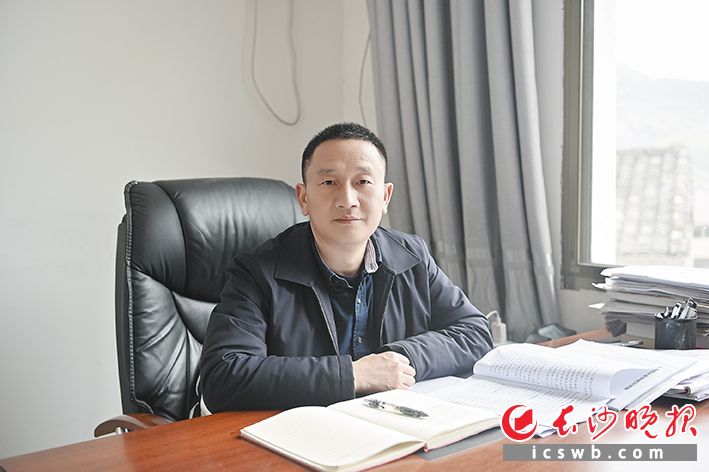
罗明生,长沙市人大代表、浏阳市高坪镇三合水村党总支书记 长沙晚报全媒体记者 匡春林 代表名片 他积极建言献策,做好民意"代言人"。罗明生深入调研,将群众的呼声转化为高质量的代表建议,先后 提交《关于科学分配"小农水"项目的建议》《关于提高对村卫生室服务能力的建议》等涉及交通、水 利、医疗等方面的建议20余条,推动解决了一批长期困扰村民的难点、堵点问题,切实将人大代表职责 落到实处。 他心系群众冷暖,担当排忧"暖心人"。罗明生为突发重病的孩童奔走协调医疗资源,为困难家庭捐款捐 物,始终致力于解决交通、饮水、医疗等民生难题。多年来,他个人累计为困难群众捐款十余万元。 作为村党总支书记,罗明生带领村民不仅富"口袋",更美"家园"。为推动黑山羊产业的发展,他积极争 取项目,改善村容村貌和基础设施,与浏阳餐饮品牌合作打造黑山羊主题餐馆,提升产业附加值。推动 产业从养殖向文旅、品牌延伸,努力将三合水村从传统养殖村升级为产业兴旺、生态宜居的示范村,探 索出一条可持续的乡村振兴之路。 "无论是作为人大代表,还是村党总支书记,归根结底走的都是同一条路,是初心之路,也是赶考之 路。"罗明生说,展望新的一年,他将继续扎根田间地头、 ...
内蒙古以标准引领赋能经济社会高质量发展
Xin Lang Cai Jing· 2026-01-02 18:29
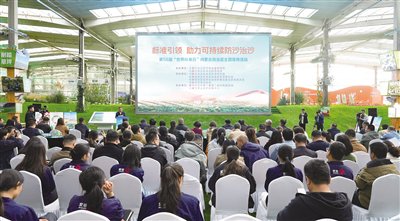
Core Viewpoint - Inner Mongolia is implementing a standardization strategy to enhance high-quality development across various sectors, including agriculture, industry, and social services, leading to significant improvements in product quality and economic benefits [4][5][6][7][8][11]. Agricultural Sector - The annual grape production in Wuhai increased from 680 tons to 800 tons due to standardized cultivation methods [4] - The introduction of the "Meng" brand standard has improved the quality and marketability of local agricultural products, resulting in increased income for farmers, such as a 150 CNY increase per sheep for herders [7] - The establishment of 25 high-quality development standard systems in agriculture has led to significant economic, social, and ecological benefits [8] Industrial Sector - Inner Mongolia has developed 30 high-quality standard systems in the industrial sector, focusing on unique industries like cashmere and rare earth materials, which has filled several industry standard gaps [11] - The rare earth hydrogen storage materials standard system has improved product quality and stability, with sales reaching 1,087 tons in 2023, generating an additional revenue of 23.63 million CNY [11][12] Social Services - The construction of high-quality standard systems in social services, such as elderly care and public safety, has improved service quality and operational standards, leading to enhanced efficiency in governance [5][6] - The implementation of a standardized community elderly care service system has resulted in the establishment of 17 local standards, promoting better service delivery [5] Ecological Governance - Inner Mongolia has developed a comprehensive standard system for ecological governance, focusing on sustainable land management and ecological protection, contributing to the region's ecological safety [6] - The establishment of 23 high-quality development standards in ecological governance has supported the construction of a significant ecological safety barrier in northern China [6] Regional Cooperation - Inner Mongolia is actively participating in regional standardization initiatives, enhancing cooperation with neighboring provinces and promoting the mutual recognition of local standards [13][14] - The region has established a collaborative local standard system for ecological protection in the Yellow River basin, facilitating inter-regional standard connectivity [13] International Standards - Inner Mongolia has led or participated in the development of 21 international standards, enhancing its influence in global industries [15] - The region is working to align its standards with international benchmarks, facilitating the global acceptance of "Chinese standards" [15]
兵团推动农业产业化联农带农促增收
Xin Lang Cai Jing· 2026-01-02 18:29
Core Insights - The article highlights the significant development of the oilseed industry in the Xinjiang Production and Construction Corps, emphasizing the role of systematic policy support in driving high-quality industrial growth and employment increase [1][2] Group 1: Policy Support - The Corps has implemented 25 financial policies aimed at supporting agriculture, which have created over 100,000 job opportunities closely linked to agricultural industries in southern Xinjiang [1] - The establishment of a three-tiered cultivation system has led to the creation of six national-level advantageous specialty industry clusters and five national-level modern agricultural parks [1] Group 2: Financial Subsidies - Financial subsidies include 230 yuan per mu for wheat and 300 yuan per mu for soybean planting, along with a target price subsidy of 18,600 yuan per ton for seed cotton [2] - A total of 360 million yuan has been allocated for livestock industry subsidies, and facility agriculture has been included in the national loan interest subsidy pilot program [2] Group 3: Training and Risk Management - The Corps is actively organizing training programs focused on agricultural machinery operation and digital planting to help traditional farmers transition to skilled technicians [2] - Agricultural insurance covers seven types of crops and sheep, with a 92% coverage rate for specialty fruit and nut insurance in southern Xinjiang, along with small loan interest subsidies for impoverished populations [2]
浅谈“青字号”品牌地理标志知识产权保护
Xin Lang Cai Jing· 2026-01-01 20:49
Core Viewpoint - The geographical indication (GI) products from Qinghai, such as Huangyuan Chen vinegar and Huzhu barley wine, are gaining recognition and protection, enhancing the region's economic development and brand value through a multi-faceted approach to intellectual property rights [1][2]. Group 1: Standardization and Brand Protection - The vitality of geographical indications lies in quality, which is ensured through a standardized cultivation system. Qinghai has established a positive development pattern of "cultivating a batch, applying for a batch, and reserving a batch" [2]. - As of April 2025, Qinghai has 47 geographical indication trademarks and 16 national geographical indication protected products, with over 100 entities using the special logo [2]. - The Huzhu barley wine demonstration area exemplifies standardization, with 20 approved production enterprises achieving a 95% usage rate of the geographical indication logo [2]. Group 2: Legal Protection Framework - Legal frameworks are crucial for the protection of geographical indications. Qinghai has innovated a collaborative legal protection model that has been recognized as a national-level exemplary case [4]. - In Ulan County, the protection of the "Ulan Chaka Sheep" geographical indication involved a specialized team and public hearings to establish a standardized management mechanism, with local government investing 6.9 million yuan for quality improvement [4]. - Public legal education initiatives have been implemented to raise awareness of intellectual property rights among local communities [4]. Group 3: Market Empowerment and Economic Value - The effectiveness of geographical indication protection is ultimately reflected in market value. Qinghai is leveraging its unique ecological resources to enhance brand operation and quality certification [5]. - The Chen vinegar from Huangyuan achieved sales of over 6 million yuan in 2023, a 20% increase, attributed to the geographical indication's market empowerment [6]. - The Chaka salt product, with sales of 67,800 tons of edible salt and 844,300 tons of industrial salt in 2023, generated over 340 million yuan in total output value, showcasing the transformation of traditional industries through geographical indication [7]. Group 4: International Expansion - Qinghai's geographical indication products are rapidly integrating into global markets, with products like the Chaidamu goji berry and Huangzhong oat included in the EU's geographical indication mutual recognition list [8]. - The establishment of the STC Qinghai testing laboratory allows local products to achieve international certification, significantly reducing transaction costs and enhancing brand value [9]. - The provincial government has developed a comprehensive protection network for geographical indications, including administrative, judicial, and social oversight mechanisms [10].
11月份巴西牛肉出口额增长50%
Shang Wu Bu Wang Zhan· 2026-01-01 16:46
巴西《经济价值报》12月19日报道,根据巴西冷冻食品协会(Abrafrigo)发布的数据,2025年11 月,巴西牛肉出口额达18.74亿美元,同比增长50%;出口量为36.19万吨,同比增长30%。2025年前11 个月,巴西累计出口牛肉351万吨,出口总额达165.3亿美元,同比分别增长19%和37.5%。该协会预 计,2025年全年巴西牛肉出口总额将达180亿美元,出口总量约为400万吨。中国继续稳居巴西牛肉最大 出口市场地位。截至2025年11月,巴西对华牛肉出口额为80.29亿美元,出口量达149.9万吨,同比分别 增长48%和23.65%。 (原标题:11月份巴西牛肉出口额增长50%) ...
阿尔及利亚推出三项措施稳畜牧业应对羊价上涨与干旱冲击
Shang Wu Bu Wang Zhan· 2026-01-01 16:46
Core Viewpoint - Algeria is implementing a "three-point plan" to support the livestock industry in response to rising sheep prices and drought impacts [1] Group 1: Measures to Support Livestock Industry - The first measure focuses on ensuring feed supply to address the shortage of pasture caused by drought, with nearly 1.97 million quintals of barley distributed to over 110,000 breeders by December 23, 2025, supplemented by imports and regulation of bran sales to curb speculation [1] - The second measure aims to promote digitalization in the industry, including legislation to regulate livestock farming, implementing nationwide electronic identification for cattle and sheep, and prohibiting the slaughter of female lambs to stabilize population numbers [1] - The third measure enhances animal disease prevention, with a goal to vaccinate nearly 15 million livestock by 2025, including approximately 13 million sheep, with all vaccines provided free of charge [1]
涨涨涨!1月的猪还能涨,能涨多高?
Sou Hu Cai Jing· 2026-01-01 07:18
Group 1 - The core viewpoint is that pig prices have increased significantly since the end of December, reaching an average of 12 yuan/kg by January 1, 2026, indicating a successful price rise during the New Year period [2] - There is ongoing debate in the market regarding whether pig prices can continue to rise in January, with some believing that prices may drop after the holiday stockpiling ends [2] - The main driver of the recent price increase is the heightened sentiment among farmers to hold back pigs from market, influenced by weak market conditions and the upcoming Spring Festival [4] Group 2 - Consumer demand for pork is gradually increasing, with many taking advantage of lower prices to stock up, which provides some support for pig prices [6] - Despite the increase in consumer demand, there is a significant supply of pigs, with slaughter numbers in November showing a year-on-year increase of 17.4% [7] - From January to November, the total number of pigs slaughtered reached 36.246 million, a year-on-year increase of 19.3%, indicating ongoing supply pressure [8] Group 3 - There is a concern that the current stockpiling behavior may lead to a slowdown in future consumer demand, as it effectively preempts later consumption [10] - Although there is potential for prices to exceed the highs seen in October, the risk of increased selling from farmers may limit further price increases [10]
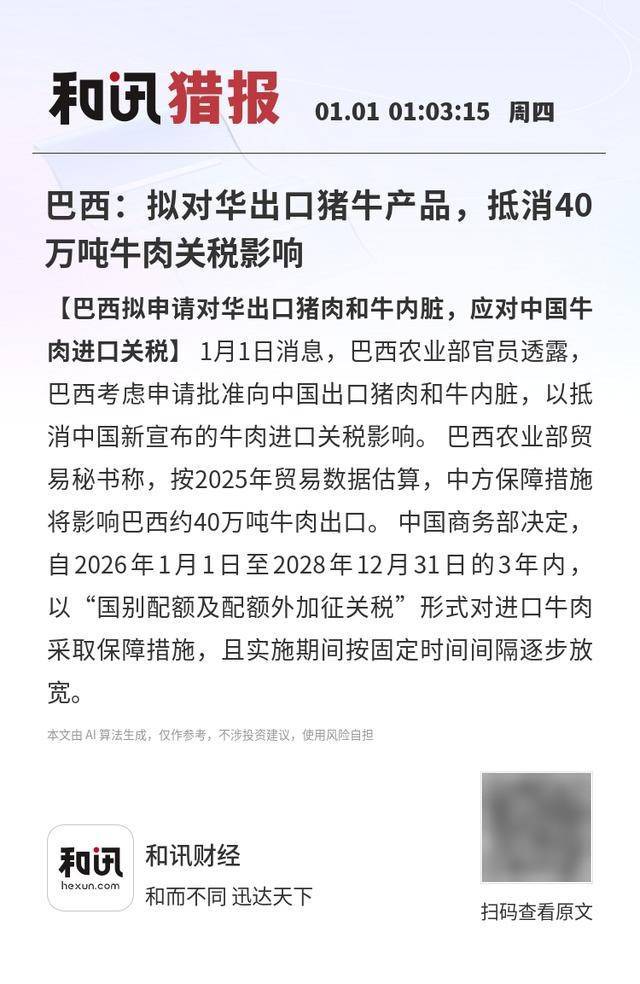
巴西:拟对华出口猪牛产品,抵消40万吨牛肉关税影响
Sou Hu Cai Jing· 2025-12-31 23:11
Group 1 - Brazil is considering applying for approval to export pork and beef offal to China to offset the impact of newly announced beef import tariffs [1][2] - According to estimates based on 2025 trade data, the Chinese safeguard measures will affect approximately 400,000 tons of Brazilian beef exports [1][2] - The Chinese Ministry of Commerce has decided to implement safeguard measures on imported beef from January 1, 2026, to December 31, 2028, in the form of "country-specific quotas and additional tariffs," which will gradually ease over the implementation period [1][2]