
商贸文旅

Search documents
服务业开放提速!宁波、合肥、苏州纳入试点
Guo Ji Jin Rong Bao· 2026-01-13 16:34
Core Viewpoint - The Chinese service industry is accelerating its opening up, with a broader range of benefits, as the Ministry of Commerce has issued a comprehensive pilot task for nine cities, including three in the Yangtze River Delta region, enhancing regional integration and development [1][2]. Group 1: Expansion of Pilot Cities - The number of pilot cities in the Yangtze River Delta has reached six, with the inclusion of Ningbo, Hefei, and Suzhou, which fills key gaps in the regional open layout and forms a comprehensive open network [2][3]. - By the end of 2024, the actual foreign investment in the service sector is projected to reach 8,262.5 billion yuan, with the service industry accounting for 7,845.6 billion yuan, representing over 70% of total foreign investment [2]. Group 2: Regional Economic Development - The expansion of service industry pilot programs is seen as a crucial engine for high-quality regional economic development, particularly in the Yangtze River Delta, which is one of the most active and open regions in China [3][4]. - The pilot program encourages cities to develop unique tasks based on their strengths, fostering a complementary open structure among the cities [4]. Group 3: City-Specific Strategies - Ningbo, leveraging its world-class port resources, focuses on technology services, digital trade, and international shipping, aiming to attract high-end manufacturing enterprises and enhance its cross-border trade environment [4][5][6]. - Hefei is positioned as a regional technology innovation hub, concentrating on reforms in the technology service sector to support high-tech achievements and deepen integration with advanced manufacturing [6][7]. - Suzhou aims to integrate modern services with advanced manufacturing, particularly in the biopharmaceutical sector, and explore mechanisms for efficient and secure cross-border data flow [7][8]. Group 4: Collaborative Development - The inclusion of these three cities in the pilot program is a significant milestone for collaborative opening in the Yangtze River Delta, promoting a multi-layered, differentiated, and high-level open structure [9][10]. - The cities are expected to complement each other, with Hefei focusing on high-tech services, Ningbo on manufacturing and export trade, and Suzhou on service outsourcing, enhancing the overall competitiveness of the region [9][10]. Group 5: National Economic Implications - The pilot exploration in these three cities will support the construction of a higher-level open economy in China, improving international competitiveness and attracting quality foreign investment and talent [11].
已超160家!西北地区唯一双项试点城市
Sou Hu Cai Jing· 2026-01-13 14:36
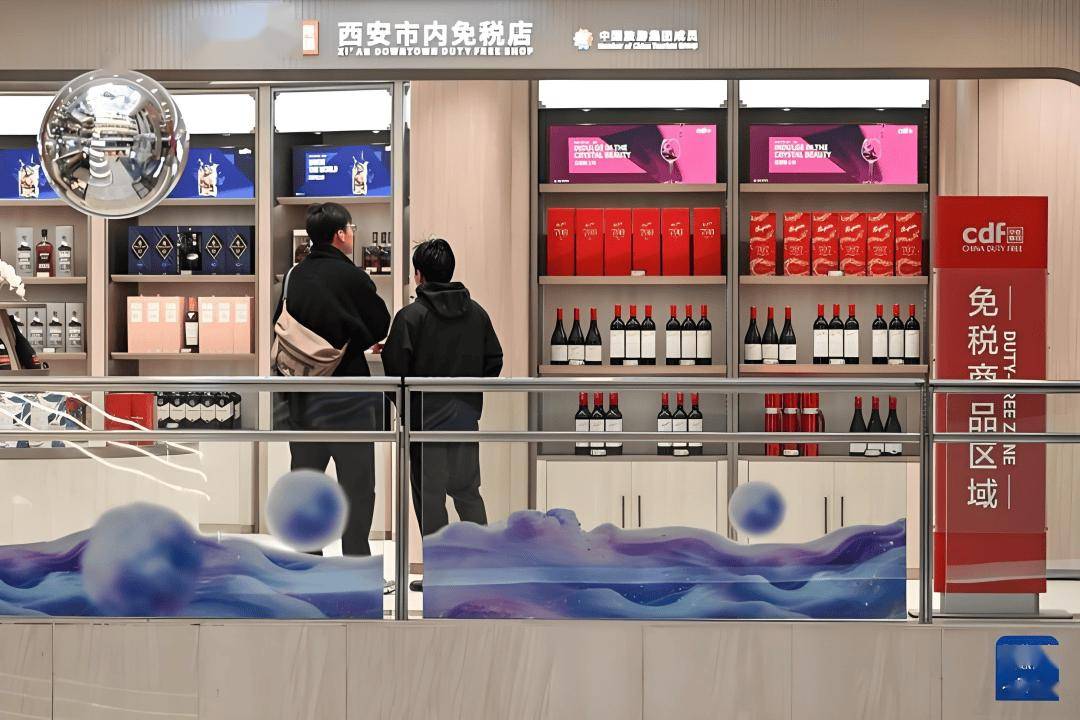
Group 1: Core Insights - Xi'an has been selected as a pilot city for "new consumption formats, new models, and new scenarios" and "international consumption environment construction," making it the only city in Northwest China to receive both designations [1] - The city has also been recognized as one of the first "national retail innovation and enhancement pilot cities" in 2025, further solidifying its status in the consumption sector [1] Group 2: Tax Refund and Duty-Free Shopping - The first city duty-free shop in Northwest China opened in Xi'an, allowing travelers to enjoy "in-city shopping and port pickup" services [3] - Since the introduction of the "immediate refund" policy in 2025, Xi'an's tax refund sales have reached 800,000 yuan, with tax refunds exceeding 70,000 yuan [3] - By the end of last year, there were over 160 tax refund stores in Xi'an, marking a 331% year-on-year increase [3] Group 3: Service Industry Pilot Tasks - The Ministry of Commerce has issued a comprehensive pilot task document for nine cities, including Xi'an, to accelerate the opening of the service industry [4][6] - The pilot tasks focus on three main areas: effective promotion of pilot work, encouraging differentiated exploration based on local advantages, and strengthening organizational implementation [6] Group 4: Specific Areas of Focus - In telecommunications, tasks include removing foreign investment restrictions in app stores and internet access services, and promoting new business models in data processing [7] - In healthcare, support for foreign doctors to open clinics and the establishment of foreign-funded nursing schools is encouraged [7] - In finance, the development of international factoring and green bond rating services is promoted [7] Group 5: Transportation and Talent Mobility - Support for cross-border transportation initiatives and the establishment of a "green channel" for cross-border bus services is included [8] - Measures to facilitate the entry and stay of foreign talent, including visa conveniences for foreign management and technical personnel, are outlined [9] Group 6: Future Development and Innovation - Xi'an is encouraged to conduct pilot reforms in railway consignment rights and to strengthen its role as a national technology innovation center [12] - The city aims to enhance domestic and international innovation cooperation and attract various innovation resources [12]

锐财经丨服务业扩大开放“路线图”上新
Ren Min Ri Bao Hai Wai Ban· 2026-01-12 03:44
Core Viewpoint - The expansion of China's service industry opening-up pilot program is accelerating, with the recent issuance of a roadmap for nine cities, indicating a significant push towards enhancing service sector openness and reform [1][2]. Group 1: Pilot Program Achievements - The national service industry opening-up pilot program has shown remarkable results since its initiation in 2015, with 412.6 billion USD in foreign investment absorbed by 11 provinces and cities in 2024, accounting for 50.2% of the national total in the service sector [2]. - The new pilot cities are expected to promote service industry openness, with the central economic work conference emphasizing the need for orderly expansion of self-initiated openness in the service sector [2]. Group 2: Differentiated Exploration - The pilot cities are encouraged to develop tailored tasks based on their unique resources and industrial strengths, fostering innovation and complementary achievements [3]. - For instance, Ningbo is focusing on technology services and digital trade, while Dalian aims to leverage its position as an international shipping center to support the revitalization of Northeast China [3][4]. Group 3: Project Implementation for Regional Development - The pilot program aims to facilitate regional development through the implementation of specific projects, with the Ministry of Commerce emphasizing the importance of practical execution and coordination among departments [6][7]. - The Ministry will enhance communication with business entities and conduct evaluations of the pilot program's effectiveness to promote high-quality experiences and innovations [7].
大连等九城市服务业扩大开放综合试点任务发布
Ren Min Ri Bao· 2026-01-12 02:13
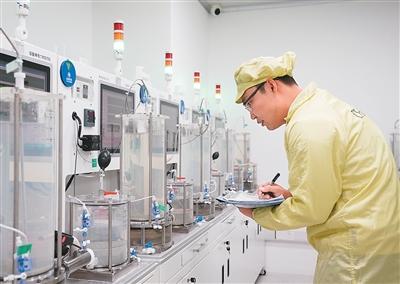
Core Viewpoint - The Ministry of Commerce has issued a comprehensive pilot task document for expanding the service industry in nine cities, encouraging them to leverage their unique advantages and focus on key service sectors such as telecommunications, healthcare, commerce, and finance [1][2] Group 1: Pilot Tasks and City Focus - Nine cities, including Dalian, Ningbo, Xiamen, Qingdao, Shenzhen, Hefei, Fuzhou, Xi'an, and Suzhou, have been assigned a total of 159 pilot tasks [1] - Dalian is encouraged to enhance its role as a Northeast Asia international shipping center and improve logistics transport channels [1] - Ningbo is supported in promoting the healthy development of bonded maintenance new business formats, leveraging its advanced manufacturing and cross-border trade advantages [1] - Xiamen is to facilitate cultural trade and cooperation with BRICS countries, utilizing key parks and platforms [1] - Qingdao will focus on modern marine city development and marine technology innovation, including trialing cruise routes without specific destinations [1] - Shenzhen aims to optimize free trade account functions and trial electronic bills of lading in shipping and trade [1] - Hefei is set to deepen reforms in the technology service sector, capitalizing on its technological innovation and industrial development strengths [1] - Fuzhou will enhance cross-strait economic and trade cooperation, particularly in people's livelihoods [1] - Xi'an is tasked with piloting the property rights reform of railway waybills and strengthening technology innovation and industrial application [1] - Suzhou will explore the import of items for biopharmaceutical research and develop efficient and secure cross-border data flow mechanisms [1]
服务业扩大开放“路线图”上新
Ren Min Ri Bao Hai Wai Ban· 2026-01-12 02:12
Core Viewpoint - The Chinese service industry is experiencing accelerated opening and expansion, with the recent issuance of a roadmap for comprehensive pilot projects in nine cities, aimed at enhancing foreign investment and promoting reform and development in the service sector [4][8]. Group 1: Pilot Project Implementation - The comprehensive pilot project for service industry opening has shown significant results since its initiation in 2015, with 412.6 billion USD in foreign investment absorbed by 11 provinces and cities in 2024, accounting for 50.2% of the national total in the service sector [4][8]. - The new pilot cities, including Dalian, Ningbo, and others, are encouraged to implement common tasks from the previously issued plan while also developing unique tasks based on their regional advantages and industry characteristics [4][5]. Group 2: Regional Differentiation and Focus Areas - The pilot cities are urged to adopt differentiated exploration strategies tailored to their unique resources and industrial foundations, promoting innovation and collaboration across regions [5]. - Specific support is provided to various cities: Ningbo is focusing on advanced manufacturing and cross-border trade, Dalian is enhancing its role in Northeast revitalization, and other cities are targeting areas such as cultural trade, marine technology, and biomedicine [6][7]. Group 3: Consumer Trends and Policy Implementation - There is a notable shift in consumer behavior from physical goods to service consumption, necessitating further opening of the service sector to cultivate new growth drivers and enhance international competitiveness [8]. - The Ministry of Commerce plans to strengthen communication with business entities, provide targeted policy guidance, and evaluate the effectiveness of pilot projects to ensure successful implementation and promote high-quality development in the service industry [9].
大连等九城市服务业扩大开放综合试点任务发布 因地制宜开展差异化探索
Ren Min Ri Bao· 2026-01-12 01:10
Core Viewpoint - The Ministry of Commerce has issued a comprehensive pilot task document for expanding the service industry in nine cities, encouraging them to leverage their unique advantages and focus on key service sectors such as telecommunications, healthcare, trade, and finance [1][2] Group 1: Pilot Tasks and City Focus - Dalian is supported to enhance its role as an international shipping center in Northeast Asia and improve logistics transportation channels [1] - Ningbo is encouraged to promote the healthy development of new business models in bonded maintenance, leveraging its advanced manufacturing and cross-border trade advantages [1] - Xiamen is to facilitate cultural trade and cooperation with BRICS countries, utilizing key parks and platforms [1] - Qingdao is focusing on modern marine city development, emphasizing marine technology innovation and trialing cruise routes without destinations [1] - Shenzhen aims to optimize free trade account functions and trial electronic bills of lading in shipping and trade [1] - Hefei is set to deepen reforms in the technology service sector, capitalizing on its technological innovation and industrial development strengths [1] - Fuzhou is advancing cross-strait economic and social cooperation, enhancing exchanges in various fields [1] - Xi'an is conducting trials for the property rights of railway waybills and strengthening technology innovation and industrial applications [1] - Suzhou is exploring the import of biomedical research materials and developing efficient and secure cross-border data flow mechanisms [1]
服务业扩大开放“路线图”上新(锐财经)
Ren Min Ri Bao Hai Wai Ban· 2026-01-11 23:00
Core Insights - The article discusses the acceleration of service industry opening in China, particularly through the implementation of a comprehensive pilot program in nine cities, including Dalian, Ningbo, and Suzhou, aimed at enhancing foreign investment and promoting various service sectors [4][5][9]. Group 1: Pilot Program Overview - The pilot program for expanding service industry openness has been significantly effective since its initiation in 2015, with 412.6 billion USD in foreign investment absorbed by 11 provinces and cities in 2024, accounting for 50.2% of the national total in the service sector [5][9]. - The latest pilot program, outlined by the Ministry of Commerce, aims to further enhance the role of the nine cities by implementing common tasks and encouraging tailored initiatives based on local advantages [5][6]. Group 2: City-Specific Initiatives - Each of the nine pilot cities is encouraged to develop unique tasks that leverage their specific resources and industrial strengths, focusing on key service areas such as telecommunications, healthcare, and finance [6][8]. - For instance, Suzhou will explore the import of biomedical research materials, while Shenzhen will optimize its free trade account functions [8][9]. Group 3: Expected Outcomes and Future Directions - The shift in consumer behavior from goods to services necessitates the expansion of service industry openness to cultivate new growth drivers and enhance international competitiveness [9][10]. - The Ministry of Commerce plans to strengthen communication with businesses, provide targeted policy guidance, and evaluate the effectiveness of the pilot programs to ensure successful implementation and regional development [10].
159项任务出炉 9城市服务业扩大开放
Xin Lang Cai Jing· 2026-01-11 21:22
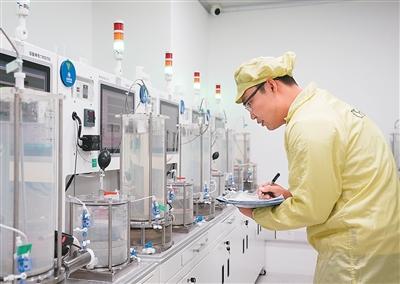
Core Insights - The Ministry of Commerce has issued a comprehensive pilot task document to accelerate the opening of the service industry in nine cities, focusing on telecommunications, healthcare, finance, and trade and tourism sectors [1][2] Group 1: Pilot Task Overview - The pilot task document includes 159 tasks for cities such as Dalian, Ningbo, and Shenzhen, aimed at enhancing the openness and service guarantee levels in various sectors [1] - The pilot program is part of a broader initiative approved by the State Council to promote self-initiated opening in the service industry by leveraging the unique advantages of each city [1][2] Group 2: Regional Differentiation and Innovation - Cities are encouraged to develop tailored tasks based on their regional advantages and key industries, promoting innovation and complementary achievements across different service sectors [2] - Specific examples include Dalian enhancing logistics, Ningbo promoting cross-border trade, and Shenzhen optimizing free trade account functions [2] Group 3: Characteristics of the Pilot Task - The pilot task emphasizes "institutional opening," focusing on high-level service industry openness from a regulatory perspective [3] - It highlights "new quality productivity," targeting emerging industries such as aerospace and smart vehicles [3] - The initiative aims for a differentiated and multi-layered development approach in service industry openness, aligning with the unique demands of the nine pilot cities [3]
合肥入选一国家级试点
Xin Lang Cai Jing· 2026-01-11 16:13
Core Viewpoint - The Ministry of Commerce has issued a comprehensive pilot task for expanding the service industry in nine cities, aiming to accelerate the opening up of the service sector and enhance regional development [1] Group 1: Pilot Task Overview - The pilot task includes 159 specific initiatives across nine cities: Dalian, Ningbo, Xiamen, Qingdao, Shenzhen, Hefei, Fuzhou, Xi'an, and Suzhou [1] - The initiatives focus on three main areas: supporting the development of telecommunications and related digital industries, enhancing the openness and service quality in the healthcare sector, and promoting international cooperation in finance [1] Group 2: Encouragement for Local Exploration - The initiative encourages cities to conduct differentiated explorations based on local conditions, such as supporting Hefei in leveraging its technological innovation and industrial development advantages [1] Group 3: Implementation and Evaluation - The Ministry of Commerce will play a leading role in coordinating and guiding the implementation of these pilot tasks, ensuring that local governments actively explore and practice the initiatives [1] - There will be an emphasis on evaluating the effectiveness of the pilot work, summarizing innovative practices, and promoting successful experiences to enhance the quality and efficiency of the national service industry [1]
九城市获试点任务
Xin Lang Cai Jing· 2026-01-10 17:26
Core Viewpoint - The Ministry of Commerce has issued a comprehensive pilot task for expanding the service industry in nine cities, aiming to accelerate the opening up of the service sector [1] Group 1: Pilot Tasks and Focus Areas - The pilot tasks include 159 specific initiatives for the cities of Dalian, Ningbo, Xiamen, Qingdao, Shenzhen, Hefei, Fuzhou, Xi'an, and Suzhou [1] - The focus areas for these tasks include telecommunications services, healthcare and wellness, trade and tourism, and finance [1] Group 2: City-Specific Support Initiatives - Dalian will enhance its role as a Northeast Asia international shipping center and improve logistics transport channels [2] - Ningbo will leverage its advanced manufacturing and cross-border trade advantages to promote the healthy development of bonded maintenance new business models [2] - Xiamen will facilitate cultural trade and cooperation with BRICS countries by utilizing key parks and platforms [2] - Qingdao will strengthen marine technology innovation and conduct trial cruises for non-destination sea routes [2] - Shenzhen will optimize the functions of free trade accounts and trial electronic bills of lading in shipping trade [2] - Hefei will deepen reforms in the technology service sector by leveraging its technological innovation and industrial development advantages [2] - Fuzhou will enhance cross-strait economic and trade cooperation [2] - Xi'an will implement reforms in railway consignment rights and strengthen technology innovation and industrial applications [2] - Suzhou will explore the import of materials for biopharmaceutical research and establish efficient and secure cross-border data flow mechanisms [2]