
奶业

Search documents
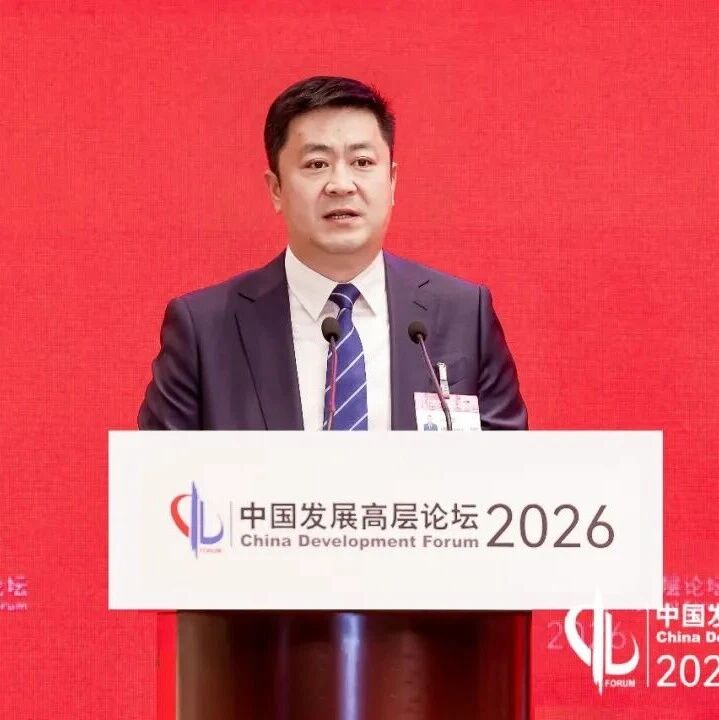
中国发展高层论坛2026年年会开幕:伊利以科技创新推动产业创新,筑牢健康中国根基
凤凰网财经· 2026-03-24 14:06
Core Viewpoint - The article emphasizes the importance of the dairy industry in supporting China's health strategy and highlights the role of Yili Group in driving innovation and quality in the dairy sector to contribute to national health goals [1][4][5]. Group 1: Health Strategy and Industry Development - The "Healthy China 2030" initiative has elevated national focus on public health, marking a golden era for the health industry [4]. - The dairy industry is identified as a cornerstone for building a "Healthy China," with Yili Group aiming to leverage technological innovation to enhance industry quality [4][5]. - Yili's strategy includes aligning with national health priorities and integrating its development into the broader national strategy [5]. Group 2: Nutritional Focus and Product Innovation - Yili is addressing the significant gap in milk consumption in China, where per capita milk intake is only one-third of the global average [6]. - The company is committed to enhancing product quality and expanding its offerings in the health sector, focusing on consumer insights and product iteration [6]. - Yili is innovating in the field of precise nutrition, developing lactose-free milk powder and new health-oriented dairy products based on traditional Chinese dietary wisdom [6][7]. Group 3: Targeting Specific Demographics - The company is focusing on the health needs of the "one old and one young" demographic, which is crucial for the construction of a healthy China [8]. - Yili has initiated a maternal milk research project and developed a comprehensive research strategy to support early childhood nutrition [9][10]. - For the elderly population, Yili is creating specialized nutritional solutions to address health concerns such as bone health and blood sugar management, responding to the growing nutritional needs of an aging society [12]. Group 4: Commitment to National Health Goals - Yili is actively responding to national health strategies by enhancing its product offerings and services to ensure nutritional health for all age groups [7][12]. - The company aims to build a comprehensive health protection network that supports the national "health priority development strategy" and explores replicable paths for deepening the dairy industry's role in the health sector [12].

内蒙古启动实施农牧业“十大工程”
Xin Lang Cai Jing· 2026-02-12 01:01
Core Viewpoint - Inner Mongolia is implementing the "Ten Major Projects" in agriculture and animal husbandry to enhance the supply of high-quality green agricultural and livestock products [1] Group 1: Major Projects - The "Ten Major Projects" include initiatives such as "Seed Core," innovation chain construction, grain production capacity enhancement, dairy industry revitalization, corn biomanufacturing, beef and mutton production efficiency, forage supply improvement, cold-cool vegetable foundation strengthening, deep processing of agricultural and livestock products, brand cultivation, and trading platform construction [1] - The aim is to improve the comprehensive production capacity and quality efficiency of agriculture and animal husbandry, promoting steady growth in the production of key agricultural and livestock products like grain, meat, and milk [1] Group 2: Product Development and Branding - Inner Mongolia plans to enhance deep processing of agricultural and livestock products and develop green organic brands, focusing on high-value industries such as corn biomanufacturing, solid-state dairy products, premium beef and mutton, animal vaccines, probiotics, and small variety amino acids [1] - The region aims to create influential brands for green agricultural and livestock products, including beef, cheese, miscellaneous grains, cold-cool vegetables, sunflower seeds, and fresh corn, to ensure high-quality products reach consumers nationwide [1] Group 3: Economic Development and Farmer Support - Inner Mongolia will promote multi-channel income growth for farmers, vigorously develop county economies and industries that enrich the population, and advance new urbanization with county towns as key carriers [1] - The strategy includes improving mechanisms that connect farmers with agricultural development and continuously enhancing the effectiveness of policies that support agriculture and benefit farmers [1] Group 4: Current Production Status - Inner Mongolia ranks fifth in the country for grain production, with annual outputs of over 1 million tons for both beef and mutton, and maintains leading positions in milk, cashmere, forage production, and the number of "famous, special, excellent, and new" agricultural products [2]

银川海关创新通关模式 宁夏718头优质奶牛出口乌兹别克斯坦
Xin Lang Cai Jing· 2026-02-09 13:06
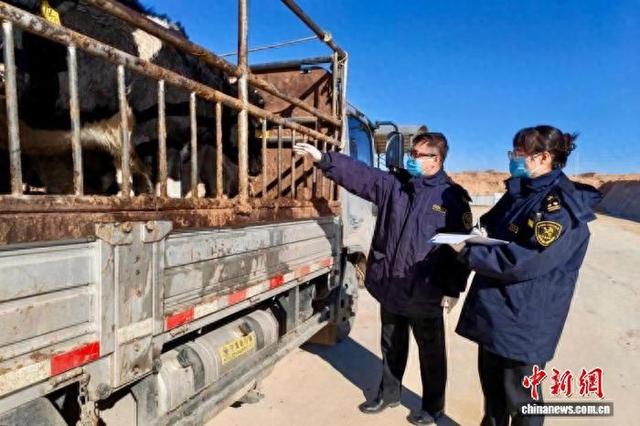
Group 1 - The core point of the news is the successful export of 718 high-quality Holstein dairy cows from Ningxia to Uzbekistan, marking a historical high for single export volume in China [1][2] - The second batch of 298 cows utilized a new integrated customs clearance model, which is the first time this method has been applied for live animal exports by Yinchuan Customs [1][2] - The dairy cows are sourced from the Li Tong District, known as a "golden milk source belt," with milk quality exceeding EU standards in key metrics such as fat and protein content [2] Group 2 - By the end of 2025, the dairy cow population in Li Tong District is projected to reach 227,900, with daily fresh milk production exceeding 3,100 tons, highlighting the region's economic focus on the dairy industry [2] - Yinchuan Customs implemented comprehensive measures to ensure the safe and efficient long-distance transport of live animals, including pre-approval of customs declarations and coordination with Urumqi Customs [2] - The bulk export signifies a strategic shift for Ningxia's dairy industry from processed products like milk powder to diversified exports, enhancing international competitiveness [2]
打造农畜产品新标杆
Xin Lang Cai Jing· 2026-02-06 19:58
Core Insights - Inner Mongolia's agricultural sector achieved significant milestones in 2025, with grain production reaching 840.7 billion jin, ranking fifth nationally, and leading in beef, mutton, milk, and other livestock products [1][3] Group 1: Agricultural Production Achievements - Grain planting area remained stable at over 10 million acres, marking the 22nd consecutive year of increased production [1] - Inner Mongolia is recognized as a crucial production base for grain and livestock, contributing significantly to national food security [1][3] - The region's beef production reached 1.017 million tons in 2025, maintaining its position as the top producer in the country [6] Group 2: Policy Recommendations and Industry Development - Local representatives proposed increasing support for foundational beef cattle breeding to enhance quality and quantity, suggesting broader coverage of subsidy policies [2] - A focus on developing a diversified forage supply system was emphasized to improve production efficiency and reduce costs [2] - Recommendations included establishing a tiered branding system for agricultural products to enhance market value and support farmers [6] Group 3: Technological Advancements and Innovations - Emphasis on leveraging technology for agricultural transformation, particularly in the dairy sector, where Inner Mongolia accounts for about 20% of national milk production [4][5] - Initiatives to enhance soybean production through technological innovation and support for breeding projects were highlighted [5] - The establishment of a "pyramid" breeding system for livestock was suggested to strengthen high-end breeds and optimize local breed structures [7]

人文经济激活消费新动能|在内蒙古嘎鲁图感受奶皮子的“七十二变”
Xin Hua Wang· 2026-01-29 09:43
Core Insights - The article highlights the transformation of Galu Tu, a town in Inner Mongolia, into a vibrant hub for dairy products, particularly focusing on the innovative use of "milk skin" in various culinary applications [1][2][3] Group 1: Industry Development - Galu Tu has initiated a dairy industry revitalization project since 2022, which includes planting over 4,000 acres of early-maturing oats and silage corn to provide stable and high-quality feed for more than 1,300 local herders [2] - The annual milk production in Galu Tu has surged from 817,000 kilograms in 2022 to nearly 5 million kilograms, ensuring a reliable supply of quality milk for the milk skin industry [2] - Modern dairy processing plants have been established, combining traditional craftsmanship with standardized production to enhance capacity and quality [2] Group 2: Innovation and Market Expansion - Galu Tu has embraced new consumer trends by hosting innovation competitions and selecting outstanding dairy artisans, turning the town into a "flavor laboratory" for diverse milk skin culinary creations [3] - Innovative products such as milk skin hot pot, coffee, pizza, and hawthorn-wrapped milk skin have emerged, meeting the modern consumer's demand for diverse and trendy dining options [3] - The integration of traditional dairy products with modern lifestyles has significantly increased the value of milk skin, benefiting local herders economically [3] Group 3: Future Goals - The local government aims to strengthen the entire dairy industry chain, focusing on cattle breeding, milk processing, milk skin sales, cultural tourism, and technological research [4] - The goal is to expand the market reach of Galu Tu's dairy products and ensure that more herders benefit from the industry's growth [4]
人文经济激活消费新动能丨在内蒙古嘎鲁图感受奶皮子的“七十二变”
Xin Hua Wang· 2026-01-29 04:15
Core Insights - The article highlights the transformation of dairy products, particularly "milk skin," in Galu Tu, Inner Mongolia, showcasing its integration into various modern culinary applications and the resulting economic benefits for local communities [1][2]. Group 1: Industry Development - Galu Tu has initiated a dairy industry revitalization project since 2022, which includes planting over 4,000 acres of early-maturing oats and silage corn to provide quality feed for local farmers, significantly increasing the annual milk production from 817,000 kg in 2022 to nearly 5 million kg [2]. - The establishment of modern dairy processing plants has improved production quality and capacity while preserving traditional techniques, ensuring stable output and quality [2]. Group 2: Innovation and Market Expansion - The town has embraced new consumer trends by hosting innovation competitions and awards for dairy producers, leading to creative culinary uses of milk skin, such as in hot pots, coffee, pizzas, and mooncakes, which have increased its market value and profitability for local farmers [3]. - A local entrepreneur has successfully innovated a milk skin candy hawthorn product, which gained popularity after initial resistance, demonstrating the potential for traditional products to adapt to modern tastes [3]. Group 3: Future Goals - The local government aims to strengthen the entire dairy industry chain, focusing on cattle breeding, milk processing, sales of milk skin, cultural tourism, and technological research to expand market reach and share the benefits of industry growth with more farmers [4].
《企业可持续披露准则第1号——气候(试行)》印发,绿债净融资额显著下降:ESG月报(2025年12月-2026年1月)
Huachuang Securities· 2026-01-20 10:30
Investment Rating - The report does not explicitly state an investment rating for the industry Core Insights - The issuance of the "Corporate Sustainability Disclosure Standards No. 1 - Climate (Trial)" aims to standardize corporate sustainability information disclosure and promote sustainable development in economic, social, and environmental aspects [8][10] - Green loans in China have maintained a high growth rate of over 20% for the past five years, with a balance of 43.51 trillion yuan as of Q3 2025, reflecting a year-on-year increase of 22.9% [13] - The report highlights the importance of ESG (Environmental, Social, and Governance) practices in driving sustainable development and the increasing integration of ESG into corporate strategies [17] Industry Development Dynamics Policy Dynamics - The "Corporate Sustainability Disclosure Standards No. 1 - Climate (Trial)" was released on December 25, 2025, to regulate corporate sustainability disclosures [8] - The National Development and Reform Commission encourages the collaborative construction of national computing hubs and clean energy bases to enhance infrastructure integration and modernization [11] Industry Hotspots - The People's Bank of China reported that green loans have consistently grown at over 20% annually, significantly outpacing other loan growth rates [13] - A public letter published in the Indianapolis Star urged major tech companies like Amazon and Google to use clean energy for their data centers to meet climate goals [14] - The "2025 China ESG Top 100" list was released, showcasing leading companies in finance and consumer sectors that are integrating sustainability into their core strategies [16] Industry Practices - The World Wildlife Fund (WWF) and Yili's brand Jindian have collaborated for nearly a decade to promote sustainable practices in the dairy industry, focusing on wetland protection and grassland restoration [18] - BMW Group aims to reduce lifecycle carbon emissions by at least 60 million tons by 2035, with a focus on localized green innovation in the Chinese market [20] Institutional and Expert Opinions - Wang Zhongmin emphasized that AI's future is tied to ESG, highlighting the need for green energy in AI development [21] - Vuk Jeremic stressed the importance of multilateral cooperation for sustainable development amidst geopolitical challenges [22] ESG Capital Market Dynamics Index Performance - As of January 18, 2026, major ESG indices have outperformed the market, with the Sci-Tech ESG index rising by 17.6% [23] Public Funds - Approximately 65 ESG-themed public funds exist, with a total net asset of 36.3 billion yuan as of January 18, 2026 [25] Bonds - As of January 18, 2026, there are 2,750 ESG bonds with a total balance of 39,355 billion yuan, with a significant portion being financial bonds [32] Bank Wealth Management - There are 582 ESG-themed bank wealth management products, with 100 new products launched in December and January [35]
《企业可持续披露准则第1号——气候(试行)》印发,绿债净融资额显著下降:ESG月报(2025年12月-2026年1月)-20260120
Huachuang Securities· 2026-01-20 08:44
Investment Rating - The report does not explicitly state an investment rating for the industry Core Insights - The issuance of the "Corporate Sustainability Disclosure Standards No. 1 - Climate (Trial)" aims to standardize corporate sustainability information disclosure and promote sustainable development in economic, social, and environmental aspects [8][10] - Green loans in China have maintained a high growth rate of over 20% for the past five years, with a balance of 43.51 trillion yuan as of Q3 2025, reflecting a year-on-year increase of 22.9% [13] - The report highlights the importance of collaboration between technology giants and clean energy initiatives to meet climate goals, as emphasized in an open letter urging companies like Amazon and Google to power their data centers with clean energy [14][15] Industry Development Dynamics Policy Dynamics - The "Corporate Sustainability Disclosure Standards No. 1 - Climate (Trial)" was released on December 25, 2025, to regulate corporate sustainability disclosures [8] - The National Development and Reform Commission encourages the integration of national computing hubs with clean energy bases to enhance infrastructure and promote modernization [11] Industry Hotspots - The People's Bank of China reported that green loans have consistently grown at over 20% annually, with a balance of 43.51 trillion yuan as of Q3 2025, outpacing overall loan growth by 16.4 percentage points [13] - An open letter published in the Indianapolis Star called for major tech companies to utilize clean energy for their data centers to achieve climate targets [14] - The "2025 China Enterprise ESG Top 100" list was released, showcasing leading companies in finance and consumer sectors that are integrating sustainability into their core strategies [16][17] Industry Practices - The World Wildlife Fund (WWF) and Yili's brand Jindian have collaborated for nearly a decade to promote sustainable practices in the dairy industry, focusing on wetland protection and grassland restoration [18][19] - BMW Group aims to reduce lifecycle carbon emissions by at least 60 million tons by 2035, with a focus on localized green innovation in the Chinese market [20] Institutional and Expert Perspectives - Wang Zhongmin, former vice chairman of the National Social Security Fund, stated that AI's future is tied to ESG, emphasizing the need for green energy in AI development [21] - Vuk Jeremic, chairman of the Center for Sustainable Development, highlighted the importance of multilateral cooperation for achieving global sustainability goals amid geopolitical challenges [22] ESG Capital Market Dynamics Index Performance - As of January 18, 2026, most major ESG indices outperformed the market, with the Sci-Tech ESG Index rising by 17.6% [23] Public Funds - There are approximately 65 ESG-themed public funds with a total net asset of 36.3 billion yuan as of January 18, 2026, with one new fund launched in December and January [25] Bonds - As of January 18, 2026, there are 2,750 ESG bonds with a total balance of 39,355 billion yuan, with a significant decline in net financing due to increased repayment amounts [29][32] Bank Wealth Management - There are 582 ESG-themed bank wealth management products, with 100 new products launched in December and January [35]
希望更多企业走进黑龙江
Xin Lang Cai Jing· 2026-01-18 22:33
Group 1 - The core viewpoint emphasizes the rich resource advantages of Heilongjiang, including black soil, mineral resources, and unique port advantages, which provide extensive cooperation opportunities for enterprises [1][2] - Heilongjiang has a strong talent reserve, with robust capabilities in high-end talent supported by local research institutions and universities, which enhances the potential for project collaboration [1] - The dairy industry in Heilongjiang has shown significant growth, with strong companies like Feihe and Wandashan, and the association aims to focus on project cooperation to further develop the dairy sector [1] Group 2 - The "Shanxing Bianjiang" event's launch in Heilongjiang reflects the provincial government's high regard for the initiative and aligns with the central government's actions to promote border area development [2] - The event includes activities such as promoting border cities, project matching, and personnel exchanges, establishing a platform for social organizations and enterprises to connect with charitable projects and industrial cooperation in Heilongjiang [2]
山东确定今年一季度全省生鲜乳交易参考价为3.03—3.42元/公斤
Feng Huang Wang Cai Jing· 2026-01-11 23:51
Core Viewpoint - The Shandong Provincial Animal Husbandry and Veterinary Bureau announced the reference price for fresh milk in the first quarter of 2026, set between 3.03 and 3.42 yuan per kilogram, to ensure continuous supply and production stability in the dairy industry [1] Group 1: Price Announcement - The reference price for fresh milk in Shandong Province for Q1 2026 is established at a range of 3.03 to 3.42 yuan per kilogram [1] - The execution period for this price is from January 1 to March 31, 2026 [1] Group 2: Quality Standards - Fresh milk quality must meet the national food safety standards, specifically GB19301-2010, which includes a protein content of 2.8%, fat content of 3.1%, and total bacterial count below 2 million [1] - The actual purchase price of fresh milk should be negotiated based on the reference price, adhering to principles of quality and price alignment [1]