
打火机制造

Search documents
驱动传统产业升级,贵州各地企业向“新”而行强根基
Xin Lang Cai Jing· 2026-01-09 11:28
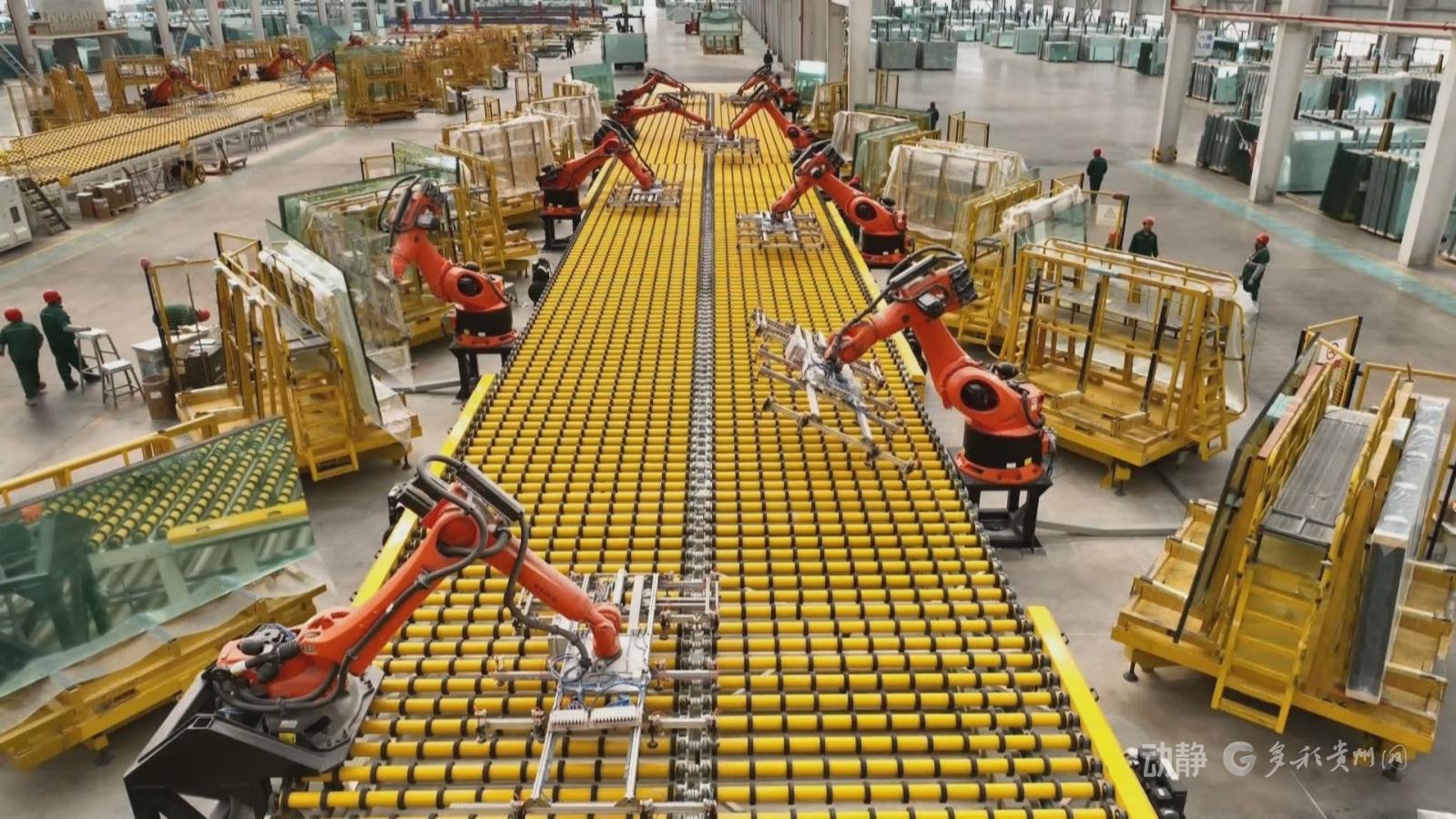
Group 1: Industry Upgrades and Innovations - The "14th Five-Year Plan" emphasizes optimizing and upgrading traditional industries, encouraging enterprises to enhance technology innovation and product quality to revitalize traditional sectors [1] - A glass manufacturing company in Guizhou has achieved a breakthrough in producing 1.4mm ultra-thin glass, reducing thickness from 2mm to 1.4mm through precise temperature control and parameter adjustments [3] - The glass industry upgrade is not only about making products thinner but also about creating specialized products, such as low-radiation coated glass for green buildings, fostering a complementary differentiation among companies [5] Group 2: Economic Development and Support Mechanisms - The Guizhou Luobi Economic Development Zone has become the largest glass industry cluster in the province, housing 20 upstream and downstream glass enterprises, and is working towards becoming a significant glass industry base in Southwest China [8] - The local government is implementing a service mechanism to support existing enterprises in stabilizing and increasing production, aiming to help them achieve full production capacity [8] Group 3: Specific Industry Performance - The lighter and more efficient production methods in the lighter manufacturing sector have led to an annual output of over 1.2 billion lighters, generating a revenue of 420 million yuan, with a global market share of 6.7% for "Cingong-made" lighters [10][13] - Guizhou's liquor industry is also evolving, with companies developing new products and diversifying markets, resulting in a 15% year-on-year increase in production value [15][17] - The liquor company has adopted a dual strategy of producing both strong and sauce-flavored varieties to cater to different regional preferences, with a target growth rate of around 30% for the current year [21]

坚持协调发展,促进城乡融合和区域联动
Ren Min Ri Bao· 2026-01-09 01:19
Group 1: Regional Development Strategy - The core viewpoint emphasizes that regional coordinated development is an inherent requirement of Chinese-style modernization, as highlighted by President Xi Jinping [5][6] - The Central Economic Work Conference stresses the importance of promoting urban-rural integration and regional linkage to enhance domestic circulation [5][6] - Various regions are implementing strategies to advance urbanization and rural revitalization, focusing on building a high-quality regional economic structure [6][10] Group 2: Infrastructure and Connectivity - "Hard connectivity" is being accelerated through the construction of cross-regional transportation networks, facilitating economic and population movement across major urban clusters [8][10] - Major urban clusters like Beijing-Tianjin-Hebei, Yangtze River Delta, and Guangdong-Hong Kong-Macao Greater Bay Area are becoming key drivers of high-quality national development [10] - The establishment of a national comprehensive transportation network is nearly complete, serving about 90% of the country's economic and population total [8] Group 3: Agricultural Modernization - Agricultural modernization is crucial for the overall modernization of China, with a focus on ensuring food security and consolidating poverty alleviation achievements [11][13] - The resilience of the agricultural supply chain has improved, with grain production achieving high levels despite adverse weather conditions, resulting in an increase in average yield by 4.4 kg per mu [13] - The development of agricultural industries in major grain-producing areas is transforming them from "value depressions" to thriving economic zones [14] Group 4: Rural Development and Quality of Life - Rural living conditions are improving, with sanitation facilities reaching a coverage rate of approximately 76% and over 90% of villages having access to waste collection services [15] - Cultural and recreational activities in rural areas are flourishing, with over 70% of farmers participating in cultural and sports events in 2024 [15] - The "14th Five-Year Plan" suggests a tailored approach to rural revitalization, promoting quality living spaces and addressing regional disparities [15] Group 5: Economic Growth and County Development - The county-level economy is experiencing significant growth, with the number of counties exceeding 100 billion yuan in GDP increasing to 62 [17] - Counties are diversifying their economic activities, focusing on industries such as light manufacturing, new energy, and tourism to enhance local development [17] - The integration of urban and rural areas is being facilitated, with policies aimed at improving the living conditions of migrant workers and enhancing their sense of belonging in cities [19]

中国制造新势力:打火机如何点亮全球市场?
Yang Shi Wang· 2025-12-11 22:14
Core Insights - The lighter industry in Shaodong, Hunan, is a significant sector, producing over 15 billion lighters annually, making it the largest production base in China [1] - The retail price of lighters has remained stable at 1 yuan per unit for the past twenty years, indicating a strong market position and pricing strategy [1] Industry Overview - Shaodong is recognized as the largest lighter production base in China, highlighting its importance in the national supply chain [1] - The production volume of over 15 billion lighters per year underscores the scale and demand within the industry [1] Pricing Strategy - The consistent retail price of 1 yuan per lighter for two decades suggests effective cost management and market stability [1]
民营经济活力迸发 湖南邵阳2025年GDP预计超3000亿元
Zhong Guo Xin Wen Wang· 2025-10-27 10:18
Core Insights - The private economy in Shaoyang, Hunan, is expected to see significant growth, with GDP projected to exceed 300 billion yuan by 2025, up from 225.08 billion yuan in 2020 [1][2] Economic Growth - Shaoyang's GDP is forecasted to grow from 225.08 billion yuan in 2020 to 292.63 billion yuan in 2024, and to surpass 300 billion yuan in 2025 [1][2] - The number of business entities in Shaoyang reached 564,700 by the end of September this year, an increase of 211,600 compared to the end of the 13th Five-Year Plan, with 97.8% being private entities [1][2] Private Sector Contribution - The added value of the private economy accounts for over 75% of Shaoyang's GDP [1][2] - The city has cultivated 382 provincial-level specialized and innovative enterprises, a fourfold increase since 2020 [2] Industry Development - The lighter industry sector has surpassed 100 billion yuan, and the lighter industry cluster for lighters produces 15 billion units annually, capturing 70% of the global market share [2] Trade and Investment - Shaoyang has expanded its economic and trade relationships to 186 countries and regions, with over 600 direct investments and related projects by Shaoyang merchants since 2020, leading to over 300 billion yuan in homecoming investments [2] Business Environment - The city has implemented measures to enhance the business environment, including the removal of 22 policies that hinder fair competition and the introduction of "machine-managed bidding," achieving an 89.5% bid success rate for private enterprises [3][4] - Shaoyang has reduced logistics costs for foreign trade enterprises by approximately 30% through optimized transportation routes [4]
1元打火机,狂赚150亿
创业家· 2025-09-07 10:11
Core Viewpoint - The article highlights the success story of Shaodong, a small city in Hunan, China, which has become the world's largest lighter production base, producing approximately 15 billion lighters annually and generating nearly 15 billion yuan in output value. The city has maintained a stable price of 1 yuan for its lighters for 20 years, showcasing effective cost control and innovation in production processes [4][12][28]. Group 1: Industry Background - Shaodong's lighter industry emerged as a result of a shift from the coastal city of Wenzhou, which faced challenges due to international market barriers and regulations [8][13]. - The lighter market was historically dominated by Western brands until Chinese manufacturers, particularly from Wenzhou, began to produce affordable alternatives, leading to a significant market share [11][12]. - The decline of Wenzhou's metal lighter industry due to regulatory challenges opened the door for Shaodong's rise in the injection-molded lighter segment, which began to flourish in the early 2000s [15][16]. Group 2: Key Success Factors - Shaodong's success can be attributed to three main strategies: focusing on technology and craftsmanship to enhance product value, selecting the right market segment, and fostering collaboration among local manufacturers [18][22][26]. - The city has shifted its focus from low-cost production to higher-value products, with exports to Europe and the U.S. reaching a total value of 440 million yuan in 2022 [21][22]. - Shaodong's lighter industry benefits from a well-established supply chain, with over 120 related enterprises providing components and services, allowing for rapid production and cost efficiency [23][25]. Group 3: Pricing Strategy - Despite rising costs in land, materials, and labor, Shaodong has maintained the price of its lighters at 1 yuan for two decades, achieving this through stringent cost control measures [30][31]. - Automation and technological upgrades have significantly reduced production costs, enabling higher output with fewer workers, thus maintaining profitability even at a low price point [33][39]. - The concept of economies of scale plays a crucial role, as increased production volume leads to lower average costs, allowing Shaodong to sustain its pricing strategy effectively [34][35]. Group 4: Broader Implications - The success of Shaodong's lighter industry exemplifies how small products can lead to substantial economic impact, reflecting a broader trend in China's manufacturing sector where low-cost, high-volume production can compete globally [37][41]. - Similar success stories exist in other regions of China, such as the toothbrush industry in Yangzhou and the makeup brush industry in Henan, indicating a pattern of small towns leveraging niche markets for significant economic contributions [36][38].

十年翻番,中国与南亚经贸往来发展势头良好
Xin Hua She· 2025-06-17 11:51
Group 1 - The core viewpoint of the articles highlights the growing trade relationship between China and South Asian countries, with a significant increase in trade volume and cooperation opportunities [1][4]. - The 9th China-South Asia Expo is set to take place from June 19 to 24 in Kunming, Yunnan, serving as an important platform for economic and trade exchanges [1][3]. - Trade volume between China and South Asian countries is projected to approach $200 billion in 2024, reflecting a doubling over the past decade with an average annual growth rate of approximately 6.3% [1][3]. Group 2 - The expo will feature over 1,400 enterprises from 54 countries and regions, including more than 120 Fortune 500 and industry-leading companies, marking a 36% increase from the previous edition [3]. - The event will focus on green trade, digital trade, and service trade, with significant participation from South Asian countries and RCEP members [3]. - The expo will also host nearly 40 specialized activities, including the 6th China-South Asia Cooperation Forum, aimed at facilitating connections between exhibitors and buyers [3].
贵州:小产业“储存”大能量 民营经济助力实现集群效益
Zhong Guo Xin Wen Wang· 2025-06-14 11:48
Group 1: Rice Industry Development - A rice industry enterprise in Huishui County has established a production capacity of 50,000 tons of high-quality rice and 10,000 tons of dry rice flour annually, with a grain storage capacity of 15,000 tons [1] - The enterprise has signed a $1.2 million intention order for rice flour with a restaurant in the United States during the 137th China Import and Export Fair [1] - The company operates on a model of "leading enterprise + cooperative + farmers + expert guidance," which reduces risks for farmers and increases their income by an average of 7,000 yuan per household annually [1] Group 2: Agricultural Modernization in Huishui County - Huishui County is focusing on building a green agricultural product supply base and a specialty food production base to transform from an agricultural county to a strong agricultural county [2] - The county has over 20,000 acres of rice planting orders involving more than 2,000 households, contributing to local economic development [1][2] Group 3: Economic Growth and Employment in Luodian County - In Luodian County, 18 private enterprises in the lighter production industry have established a significant industrial chain, with five companies producing over 2.4 million lighters daily in 2024 [3] - The lighter production industry in Luodian is expected to achieve an annual output value of 120 million yuan and create over 1,200 jobs [3] - A silk production enterprise in the same area consumes about 1,000 tons of fresh cocoons annually, generating an output value of over 50 million yuan and providing 75 jobs [3] Group 4: Policy Support for Private Economy in Guizhou - Guizhou Province has implemented policies to promote the development of the private economy, which is crucial for high-quality development and modernization [4] - As of January 2024, Guizhou has 4.6067 million business entities, with private enterprises accounting for 1.015 million, reflecting a year-on-year growth of 10.18% [4] - The added value of the private economy in Guizhou is projected to reach 1.246969 trillion yuan in 2024, increasing its share of GDP from 53.0% in 2020 to 55.0% in 2024 [4]
好产品到哪里都会有好市场(走市场 看韧性 强信心)——“打火机之乡”湖南邵东一线观察
Ren Min Ri Bao· 2025-05-03 21:33
Core Viewpoint - The article highlights the resilience and adaptability of the lighter manufacturing industry in Shaodong, Hunan, which produces over 15 billion lighters annually, accounting for 70% of global production, and emphasizes the importance of innovation and market diversification in response to external challenges [1][2]. Group 1: Industry Performance - Shaodong's lighter industry has a strong export focus, with companies like Dongyi Electric achieving an export volume of nearly $300 million in the previous year, reflecting a 5% year-on-year growth [2]. - In the first quarter, Shaoyang's exports of lighters and components to Belt and Road countries reached 480 million yuan, a 48.5% increase, while exports to the least developed countries grew by 13.3% to 60 million yuan [3]. Group 2: Innovation and Product Development - Companies are focusing on innovation, with Ringxing Lighter Manufacturing showcasing over 200 types of lighters, including new outdoor lighter products that have seen significant demand growth [4]. - Dongyi Electric invests over 60 million yuan annually in R&D, employing more than 80 dedicated personnel to enhance product quality and production efficiency through automation [5]. Group 3: Market Diversification Strategies - Shaodong's lighter manufacturers are diversifying their markets, with a significant portion of exports going to emerging markets in the Middle East and Southeast Asia [2]. - Companies are also expanding their domestic market presence, with domestic sales accounting for about 70% of some firms' revenues, and plans to increase this share further [7]. Group 4: Government Support and Future Plans - The local government is actively supporting the industry through various initiatives, including training programs for e-commerce and facilitating connections with domestic buyers [8]. - The "4×500" action plan aims to enhance the development of mid-to-high-end lighter products, targeting a production value of 30 billion yuan by 2028 [6].