智能网联交通

Search documents
无人车上月配送129万单 创造价值1110万
Nan Fang Du Shi Bao· 2025-12-22 23:14
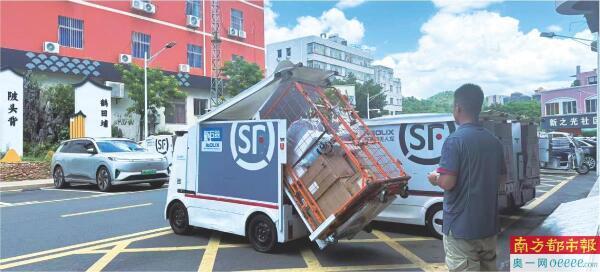
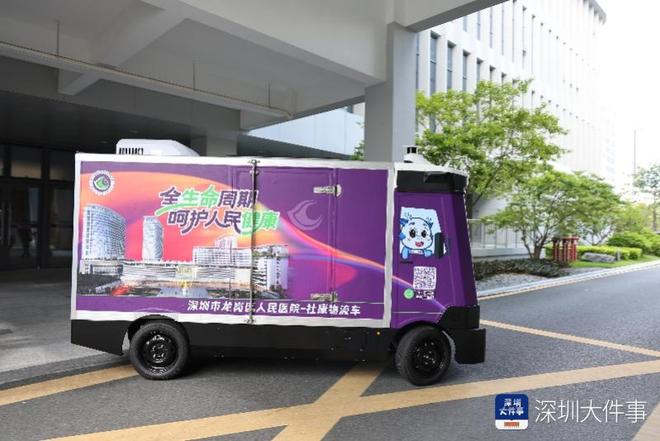
Core Insights - The article highlights the successful implementation and scaling of autonomous logistics vehicles in Shenzhen, which are transforming various sectors including healthcare, community services, and industrial operations [2][3][4]. Group 1: Autonomous Logistics Vehicles in Healthcare - The Longgang District People's Hospital has launched a project utilizing autonomous logistics vehicles to enhance the efficiency of medical supply transportation between the main hospital and community health service centers [3]. - The vehicles are equipped with L4 autonomous driving systems and specialized compartments for transporting medical supplies, ensuring safety and quality during transit [3][4]. - By the end of this year, five routes are expected to be operational, connecting 20 community health centers, thereby optimizing the logistics of grassroots medical services [4]. Group 2: Operational Scale and Efficiency - SF Express operates 135 autonomous vehicles across 180 routes in Shenzhen, significantly reducing transportation costs and labor intensity for delivery personnel [5][6]. - During peak periods, these vehicles can handle up to 90,000 packages in a single day, with November's delivery volume surpassing 710,000 orders, demonstrating substantial commercial value [6][9]. - The operational scale of autonomous vehicles in Shenzhen has reached 916 units, with total running mileage exceeding 550,000 kilometers, marking a 50% increase in November alone [9]. Group 3: Integration with Broader Logistics Systems - SF Express has partnered with Shenzhen Metro Group to create a seamless logistics network integrating aerial drones, ground stations, and underground autonomous vehicles, enhancing efficiency in logistics operations [7]. - The establishment of a smart logistics management system allows for real-time monitoring and management of vehicle operations, significantly improving safety and reliability [4][8]. - By 2026, Shenzhen aims to deploy at least 2,000 functional autonomous vehicles, further developing a collaborative ecosystem involving drones and autonomous logistics vehicles [9].


千辆无人车驶入深圳街头 城配“毛细血管”效率演进
2 1 Shi Ji Jing Ji Bao Dao· 2025-12-22 09:54
Core Insights - The article highlights the rapid advancement and commercialization of autonomous delivery vehicles in Shenzhen, showcasing their integration into daily life and logistics operations [2][3]. Group 1: Industry Growth and Statistics - As of November, Shenzhen has deployed a total of 1,218 functional autonomous vehicles, leading all first-tier cities in China, with 1,594 operational routes covering a total distance of 5,534 kilometers [2]. - During the Double Eleven shopping festival, autonomous delivery vehicles completed approximately 1.29 million deliveries, including 1.08 million express deliveries and 210,000 fresh food deliveries, generating a commercial value of about 11.1 million yuan, while saving over 1.2 million yuan in operational costs [2][7]. Group 2: Regulatory Framework and Support - Shenzhen has established a comprehensive regulatory framework for smart connected vehicles, including the implementation of the "Shenzhen Special Economic Zone Intelligent Connected Vehicle Management Regulations" in 2022, which is the first of its kind in China [3][4]. - The city is further revising its regulations to ease testing requirements for autonomous vehicles, including increasing the number of vehicles allowed for testing and supporting fully unmanned testing scenarios [4][5]. Group 3: Safety and Compliance - In November, only four traffic accidents involving autonomous vehicles were reported, marking a 64% decrease from the previous month, with a monthly accident rate dropping to 0.17 incidents per 10,000 kilometers, indicating significant improvements in safety and regulatory compliance [5][6]. - The compliance rate for vehicles has risen to 99.4%, and the operational compliance rate stands at 94%, reflecting a steady increase in industry standardization [6]. Group 4: Operational Efficiency and Market Impact - Autonomous vehicles have demonstrated higher delivery efficiency compared to traditional delivery vehicles, with an average delivery volume exceeding 200 packages per vehicle per hour [8]. - The cost of using autonomous vehicles for deliveries is approximately 0.06 yuan per package, which is about 0.1 yuan lower than human delivery costs, showcasing the economic advantages of automation [8][9]. Group 5: Future Developments and Innovations - Shenzhen plans to expand the commercial operation scale of autonomous vehicles, aiming to deploy over 1,000 vehicles for large-scale operations by next year, and explore new infrastructure integration for urban last-mile services [6][7]. - The introduction of intelligent warehouse solutions in conjunction with autonomous vehicles is expected to enhance urban delivery efficiency, transitioning from a "one delivery per day" model to "multiple deliveries per day" [9].

规模领跑全国!深圳无人车重构智慧物流与民生服务生态
Nan Fang Du Shi Bao· 2025-12-21 06:32
Core Insights - The article highlights the successful integration of unmanned logistics vehicles in Shenzhen, transforming various sectors such as healthcare, community services, and industrial operations into a smart transportation network that enhances urban development and service efficiency [1][2][4]. Group 1: Industry Applications - Unmanned logistics vehicles are now deeply embedded in Shenzhen's urban operations, addressing transportation challenges across different sectors, including healthcare and event logistics [2][4]. - A collaboration between Longgang District People's Hospital and Huacheng Transportation has initiated a "smart logistics + medical logistics" project, marking a new phase in the intelligent and networked delivery of medical supplies [2][4]. Group 2: Operational Efficiency - The traditional model of "people waiting for supplies" is being transformed into "supplies waiting for people," aiming to create an efficient and reliable transportation network for medical logistics [4]. - The project aims to establish a dedicated smart transportation line connecting the main hospital and community health service centers, addressing core logistical pain points in grassroots healthcare [4][6]. Group 3: Technological Advancements - Each unmanned logistics vehicle is equipped with an L4 autonomous driving system, multi-sensor obstacle avoidance, and real-time high-precision positioning, allowing for optimal route planning and adaptability to complex road conditions [6]. - A smart logistics management system monitors vehicle locations, operational status, and environmental conditions, enhancing the safety and reliability of medical supply transport [6]. Group 4: Market Expansion - Shenzhen has deployed a total of 1,218 functional unmanned vehicles, with 825 being logistics vehicles, leading the nation among first-tier cities [7]. - The vehicles serve various functions, including transporting packages in residential areas and delivering sensitive materials in biopharmaceutical parks, contributing to a comprehensive smart logistics network across the city [7]. Group 5: Business Model Innovation - The core competitiveness of Shenzhen's unmanned vehicle industry has shifted from technology demonstration to precise cost management and economic benefit analysis of specific scenarios [9]. - SF Express has established a significant operational scale with 307 approved unmanned vehicle routes in Shenzhen, achieving regular operations and reducing transportation costs effectively [9][11]. Group 6: Performance Metrics - During peak periods, SF Express's 135 unmanned vehicles can handle up to 90,000 packages daily, with a notable increase in delivery orders during promotional events, reaching 712,000 in November [11]. - The launch of the first national rail logistics station by SF Express aims to create a seamless logistics network integrating drones, ground stations, and underground vehicles, significantly improving delivery efficiency [13][15]. Group 7: Regulatory Framework - Shenzhen's success in scaling unmanned vehicles is supported by an innovative governance framework that balances market vitality with safety [17]. - A digital management platform for functional unmanned vehicles has streamlined the approval process and enhanced safety monitoring through real-time traffic data [17]. Group 8: Future Outlook - The unmanned vehicle industry in Shenzhen is projected to expand to at least 2,000 units by 2026, with a focus on developing a collaborative ecosystem involving drones and unmanned logistics vehicles [18].
万集科技牵头设立湖南合资公司,聚焦车路云一体化业务
Ju Chao Zi Xun· 2025-12-21 02:51
Core Viewpoint - Wanji Technology announced the establishment of a joint venture, Hunan Xiangjiang Intelligent Transportation Technology Co., Ltd., to focus on integrated vehicle-road-cloud business, in collaboration with Xiangjiang Intelligent, Hechuang Future, and Central South University Asset Management Company [2][3] Group 1: Joint Venture Details - The registered capital of the joint venture is 14.29 million yuan, with equity and contribution distribution as follows: Wanji Technology contributes 5.1 million yuan (35.6893%), Xiangjiang Intelligent contributes 4.9 million yuan (34.2897%), Hechuang Future contributes 3.003 million yuan in intellectual property (21.0147%), and Central South University Asset Management Company contributes 1.287 million yuan in intellectual property (9.0063%) [2] - The intellectual property contributed by Hechuang Future and Central South University Asset Management Company has an assessed value of 4.3204 million yuan, with a confirmed contribution value of 4.29 million yuan [2] Group 2: Funding and Company Background - Cash contributions from Wanji Technology and Xiangjiang Intelligent will be made in two phases: the first phase of 5 million yuan (Wanji Technology 3 million yuan, Xiangjiang Intelligent 2 million yuan) must be completed within 60 days of the joint venture's establishment; the second phase of 5 million yuan (Wanji Technology 2.1 million yuan, Xiangjiang Intelligent 2.9 million yuan) must be completed within three years [3] - Xiangjiang Intelligent has a registered capital of 5 billion yuan, primarily responsible for planning, construction, and operation of the national-level vehicle networking pilot area in Hunan (Changsha) [3] - Hechuang Future focuses on the transformation and investment of intelligent connected transportation system analysis technology, while Central South University Asset Management Company is the core operational platform for the commercialization of the university's technological achievements [3] Group 3: Strategic Implications - The establishment of the joint venture is based on strategic layout needs, aiming to leverage the advantages in management, technology, and resources from all parties to achieve technological complementarity and industrial synergy [3] - This initiative is expected to enhance Wanji Technology's market expansion and project undertaking capabilities in Hunan and surrounding areas, contributing positively to the company's sustainable development [3]
万集科技:与湘江智能等共同设立合资公司,注册资本1429万元
Xin Lang Cai Jing· 2025-12-19 10:59
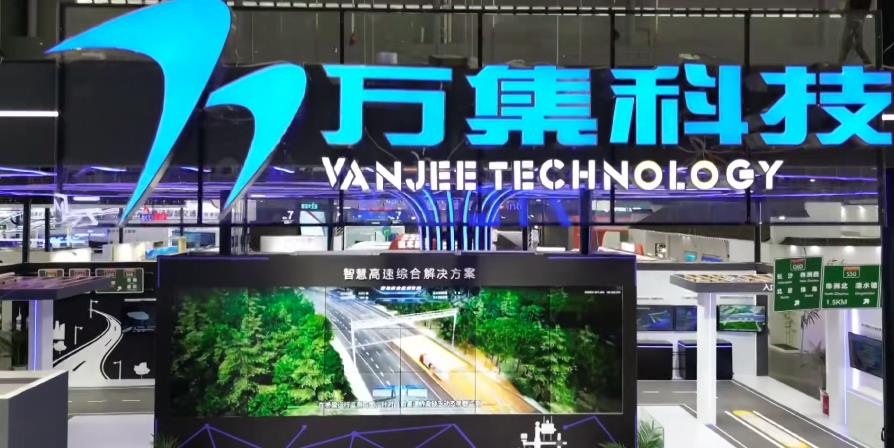
Core Viewpoint - The company plans to establish a joint venture named Hunan Xiangjiang Intelligent Transportation Technology Co., Ltd. with three partners, focusing on smart connected transportation system analysis technology [1] Group 1: Joint Venture Details - The registered capital of the joint venture is 14.29 million yuan [1] - The company will contribute 5.1 million yuan in cash, holding a 35.6893% stake [1] - Xiangjiang Intelligent will invest 4.9 million yuan in cash for a 34.2897% stake [1] - Hechuang Future will contribute intellectual property valued at 3.003 million yuan for a 21.0147% stake [1] - Zhongda Asset Company will also contribute intellectual property valued at 1.287 million yuan for a 9.0063% stake [1] Group 2: Strategic Focus - The joint venture aims to implement and apply smart connected transportation system analysis technology [1] - The initiative is intended to expand business operations in Hunan and surrounding regions [1] - The establishment of the joint venture is part of the company's strategy to enhance its industrial layout and promote sustainable development [1]
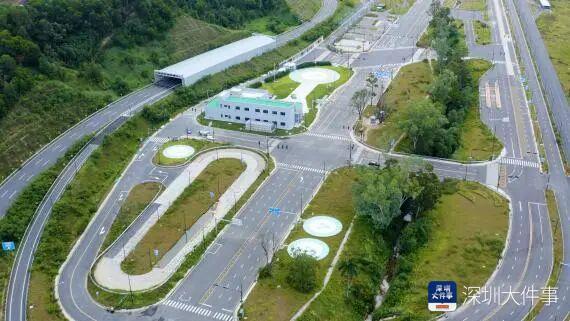
粤港澳大湾区最大“天空试车场”深圳坪山正式投入运营
Nan Fang Du Shi Bao· 2025-10-29 07:17
Core Insights - The launch of the "Shenzhen Land-Air Integrated Intelligent Networked Comprehensive Transportation Testing Base" marks the first of its kind in China, positioning Shenzhen as a key player in the global low-altitude economy [1][3] - The testing base aims to integrate smart connected vehicles with low-altitude flying vehicles, enhancing the future transportation system in the Guangdong-Hong Kong-Macao Greater Bay Area [3][4] Infrastructure and Investment - The Bay Area Intelligent Testing Field covers an area of 645 acres (approximately 0.43 square kilometers) with a total investment of around 800 million yuan, officially opening in June 2024 [3][4] - The facility includes four specialized take-off and landing areas, a comprehensive experimental building, and advanced equipment such as 5G-A base stations and low-altitude detection radars [4] Testing Capabilities - The base will provide a full range of testing and certification services for various types of drones, including micro, light, small, medium, and large drones [4] - It will address core issues in global low-altitude testing, such as insufficient land-air coordination and limited scene coverage, by offering diverse testing services [4][5] Collaborative Ecosystem - Strategic partnerships have been established with various organizations, including China Mobile and Shenzhen Technology University, to foster innovation in low-altitude technology [9][10] - Six major innovation platforms have been launched, focusing on areas such as land-air coordination testing and flying car standard verification [10][11] Economic Development - The low-altitude economy is a key focus of Shenzhen's "20+8" strategic industrial cluster, with over 90 companies involved in the ecosystem [13][14] - The region aims to establish over 100 take-off and landing sites and develop at least eight low-altitude demonstration application scenarios by 2030 [14][16] Future Vision - The testing base is expected to enhance Shenzhen's position in the low-altitude economy, contributing to the development of a comprehensive low-altitude industrial cluster [16] - The facility will serve as a core for a planned 20-square-kilometer low-altitude economic industrial zone, integrating various elements of the industry [16]

深圳打造无人物流新生态 深城交深度参与深圳自动配送2.0体系建设
Zheng Quan Shi Bao Wang· 2025-06-05 05:32
Core Insights - The Shenzhen Intelligent Connected Vehicle Commercialization Forum showcased significant advancements in the integration of vehicle-road-cloud applications in Shenzhen, highlighting the city's leadership in developing an automated delivery ecosystem [1] - The national push for logistics intelligence upgrades presents substantial growth opportunities for the automated delivery industry, supported by government initiatives promoting technologies like unmanned vehicles [1] - The establishment of the "Automated Delivery 2.0" initiative aims to address existing challenges in cross-regional approvals, safety regulations, and operational frameworks, facilitating large-scale implementation [2] Group 1 - Shenzhen has deployed over 300 automated delivery vehicles across various scenarios, including supermarkets, food delivery, and express logistics, with major companies like Meituan, SF Express, and JD Logistics establishing a robust industry ecosystem [1] - The "4123" initiative includes four key advancements: scaling up operations, standardizing management, commercializing services, and enhancing connectivity through data sharing and infrastructure development [2] - The establishment of a dedicated committee for intelligent connected vehicles aims to foster cross-sector collaboration and support national standards for automated delivery [3] Group 2 - The company has developed multiple software and hardware products for urban traffic management, including a government regulatory platform for intelligent connected vehicles and a management platform for unmanned vehicles [4] - Ongoing projects include low-altitude transportation of medical supplies and cross-border logistics trials, indicating the company's active role in expanding automated delivery applications [5] - The company is focused on enhancing the operational capabilities of the TransPaaS platform to support the standardized operation of automated delivery services [3][4]