
游艇产业

Search documents
“探海”投资50亿元布局游艇产业 总部设于深圳 制造基地落户珠海
Sou Hu Cai Jing· 2026-02-25 23:31
Core Insights - The Guangdong province held a high-quality development conference, leading to a significant collaboration between Zhuhai, Shenzhen, and Tanhai Yachts, with a total investment of 5 billion yuan, marking the largest yacht industry project in China to date [3][4] - Tanhai Yachts aims to address the challenges of China's yacht industry, which has been characterized as "small, scattered, and weak," by making a substantial investment that allows it to compete with European and American giants [3][4] Investment and Project Details - The project will establish its headquarters in Shenzhen Qianhai and a manufacturing base in Zhuhai, focusing on creating a comprehensive yacht industry ecosystem that includes R&D, manufacturing, sales, and operations [4] - The collaboration aims to develop smart and electric yachts, enhance marina facilities, and cultivate leisure tourism routes, with an ambition to produce yachts priced at 100,000 yuan to make them accessible to the general public [4][5] Economic Impact - The yacht industry is recognized for its extensive economic impact, with every dollar invested potentially generating 6 to 10 dollars in economic returns, earning it the title of "floating gold industry" [4] - Shenzhen's strategic initiatives, including supportive policies and planning frameworks, have positioned it as a leading city in the yacht industry, contributing to its development as a global marine center [5][6] Future Outlook - The Tanhai Yachts project aligns with Shenzhen's goals to enhance its global marine city status and modern marine industry system, contributing to new consumption growth points [6] - By 2026, Shenzhen is expected to rank among the top five popular tourist destinations in China, indicating a shift towards a new lifestyle and tourism model [6]

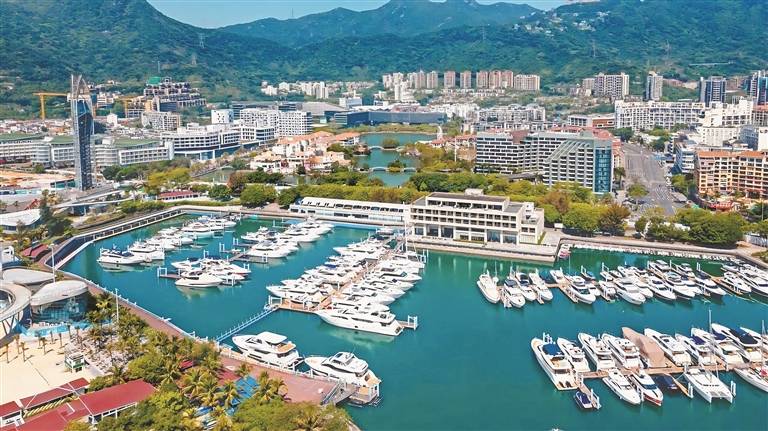
加快发展自驾游、家政、体育赛事等服务消费
Xin Hua She· 2026-02-06 23:37
Core Insights - The State Council has issued a work plan to accelerate the cultivation of new growth points in service consumption, aiming to enhance service consumption quality and benefit the public [1] - From 2020 to 2025, China's per capita service consumption expenditure is expected to grow at an annual rate of 8.5%, with the proportion of service consumption in total per capita consumption rising by 3.5 percentage points to reach 46.1% by 2025 [1] Group 1: Key Areas of Focus - The work plan emphasizes key areas such as transportation services, domestic services, online audio-visual services, travel and accommodation services, automotive aftermarket services, and inbound consumption [1] - Specific innovative support measures will be proposed for each sector, including relaxing market access, removing unreasonable restrictions, cultivating quality brands, and optimizing the consumption environment [1] Group 2: Transportation Services - The transportation sector is highlighted as a key area for promoting service consumption, with a focus on developing self-driving travel services, enhancing the quality of small and micro car rental services, and expanding night cruise economies [1] - The small and micro car rental market is projected to grow at an annual rate of around 15% during the 14th Five-Year Plan period [2] Group 3: Yacht and Domestic Services - The number of yachts in China has been rapidly increasing over the past three years, with expectations for continued growth during the 14th Five-Year Plan period [2] - The government plans to enhance policy support for domestic service enterprises, including extending tax benefits and establishing a credit information platform for consumer confidence [2] Group 4: Inbound Consumption and Travel Services - The Ministry of Commerce will lead the development of policies to promote travel service exports and expand inbound consumption, focusing on various sectors such as tourism, business activities, and cultural entertainment [3] - The micro-short drama market is expected to exceed 100 billion yuan by 2025, doubling from 2024, with regulatory measures being implemented to ensure market fairness [3] Group 5: Sports Events - Sports events are recognized for their role in driving consumption and economic growth, with the government prioritizing the approval process for hosting such events [4] - The State Sports General Administration is working on policies to improve safety management for large-scale events and to promote high-quality development of the sports economy [4]
交通部:扩大游艇消费、自驾游等,今年将新建上万充电枪
2 1 Shi Ji Jing Ji Bao Dao· 2026-02-06 10:09
Core Insights - The Chinese government is promoting new growth points in service consumption, particularly in the transportation sector, through the "Work Plan" aimed at enhancing service consumption in various areas [1] Group 1: Transportation Service Consumption Growth Points - The focus areas for developing new growth points in transportation service consumption include self-driving travel services, high-quality development of small and micro car rentals, night cruise economy, yacht consumption, and expanding cruise consumption [1] - The number of registered yachts in China has been rapidly increasing, with new registrations accounting for approximately 54.7% of the total yacht count. By the end of 2025, it is expected that there will be a total of 9,850 registered yachts in China [1] Group 2: Self-Driving Travel Development - Self-driving travel has emerged as a new hotspot in tourism consumption, with many roads becoming popular "check-in" locations, enhancing consumer demand and improving road service quality [2] - The government plans to enhance highway capacity through road expansion and upgrades, particularly during holidays and peak periods, to improve connectivity with tourist resources and attractions [2] Group 3: Innovative Consumption Scenarios - The initiative includes encouraging new consumption formats such as self-driving camps, rental facilities, boutique homestays, and themed dining along travel routes, aiming to innovate tourism products and enhance overall consumption potential [3] - There are plans to construct over 10,000 charging stations in highway service areas by 2026, with at least 25% being high-power charging stations, to improve charging service capabilities [3]
交通运输部:正加快研究制定扩大游艇消费的若干措施
Di Yi Cai Jing· 2026-02-06 07:39
Core Viewpoint - The rapid growth of yacht registrations in China is highlighted, with new registrations accounting for 54.7% of the total yacht count, indicating a strong upward trend in the industry [1] Group 1: Industry Growth - Over the past three years, the number of yachts in China has been increasing rapidly, with new registrations making up approximately 54.7% of the total yacht count [1] - By the end of 2025, it is projected that there will be a total of 9,850 registered yachts in China, suggesting continued growth during the 14th Five-Year Plan period [1] Group 2: Government Initiatives - The Ministry of Transport is accelerating the development of measures to expand yacht consumption, aiming to enhance supply capabilities while ensuring safety [1] - The focus is on transforming the yacht industry towards mass consumption and large-scale development [1]
免税店更快上新、游艇更受欢迎 封关半月海南有哪些变化
Yang Shi Xin Wen Ke Hu Duan· 2026-01-02 01:54
Group 1 - The Hainan Free Trade Port has seen significant economic activity since its closure operation began, with imports of "zero tariff" goods reaching 420 million yuan and processing value-added domestic sales exempt from tariffs exceeding 47.23 million yuan as of December 31, 2025 [1] - The number of newly registered foreign trade enterprises has increased significantly, with 3,265 new enterprises added, representing a growth of over 200%, and a total of over 30,000 new foreign trade enterprises registered in 2025, marking an increase of over 40% [1] - The duty-free shopping market in Hainan has also experienced a surge, with total shopping amounts exceeding 2 billion yuan and over 300,000 shoppers since the closure [1] Group 2 - The core regulatory model of "one line open, second line controlled" has been effectively implemented, simplifying customs processes and enhancing the efficiency of goods circulation while ensuring precise supervision and the accurate implementation of tax incentives [1] - Local enterprises, such as a nut processing company, have benefited from the new policies, allowing them to meet the processing value-added requirement for tariff exemptions more easily by using locally sourced salt [3][4] - The yacht industry in Hainan is experiencing growth, with new regulations allowing an increase in passenger capacity from 12 to 26 per yacht, which is expected to further boost the tourism and yacht economy [5]
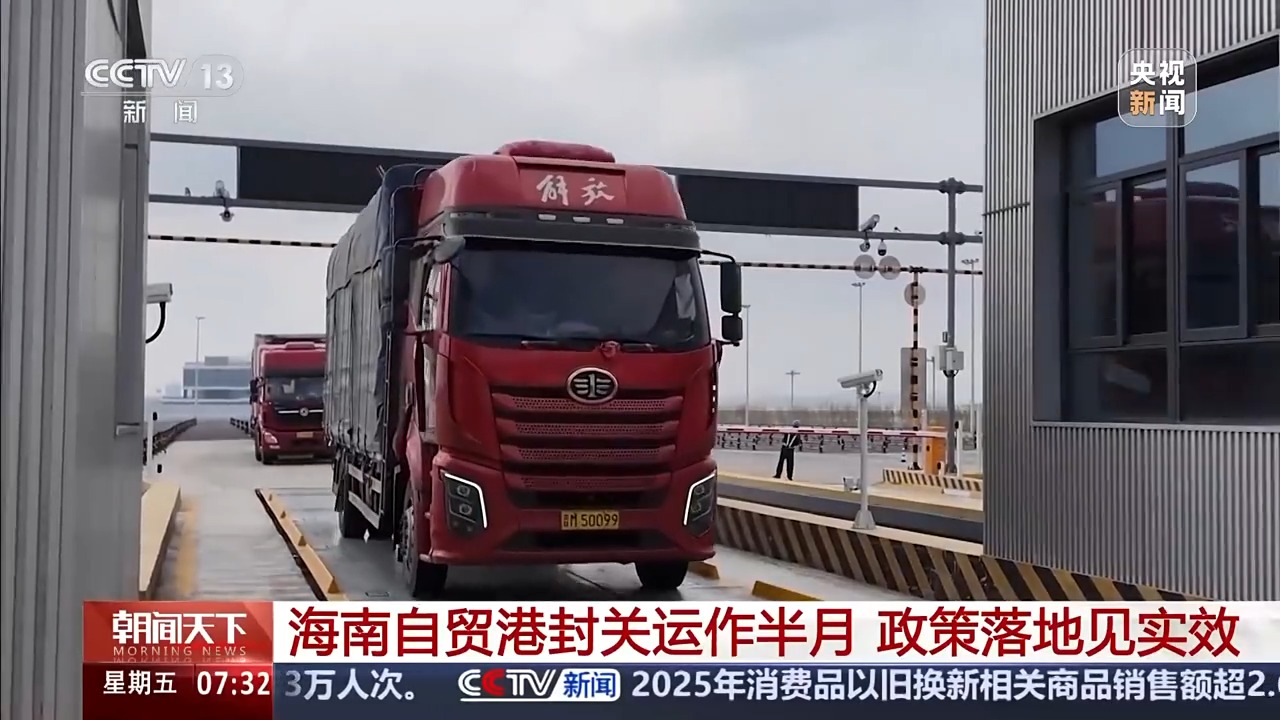
财经观察:政策利好,海南新型产业瞄向全球市场
Sou Hu Cai Jing· 2025-12-18 23:03
Core Viewpoint - The official launch of the Hainan Free Trade Port's full island closure on the 18th is expected to inject new vitality into enterprises through various favorable policies, such as "processing value-added over 30% exempt from tariffs" and "zero tariffs" for new industries like aircraft and yacht maintenance [1][3]. Group 1: Policy Implications - The full island closure marks the beginning of a new phase in Hainan's Free Trade Port construction, creating a "convenient gateway" to the global market and forming new economic growth points [3]. - The "first line" policy allows for "zero tariffs" on imported goods and relaxed trade management measures, enhancing the efficiency of foreign trade and supporting high-quality industrial development [3][4]. - The "second line" policy regulates the flow of goods to the mainland through designated ports, ensuring effective supervision and risk control [4][5]. Group 2: Economic Growth and Industry Development - The Yangpu Economic Development Zone is prioritized for policy implementation, serving as a testing ground for new measures before broader application [5]. - Companies like Auscar International Grain and Oil Co., which have benefited from the "processing value-added 30% exempt from tariffs" policy, illustrate the potential for significant economic growth and reinvestment in R&D [5][6]. - The aviation maintenance industry in Hainan is experiencing rapid growth, with a projected increase in aircraft maintenance volume due to geographical and policy advantages, including "zero tariffs" on maintenance materials [7][8]. Group 3: Sector-Specific Insights - The yacht industry is also poised for growth, with "zero tariffs" on certain components reducing maintenance costs and attracting vessels from Southeast Asia for repairs [9]. - The optimization of customs regulations for yachts, including a single-window declaration process, significantly enhances the customer experience and operational efficiency [9]. - The overall development of Hainan's Free Trade Port is expected to transform the yacht industry from a tourism experience to a comprehensive ecosystem encompassing manufacturing, maintenance, training, and events [9].
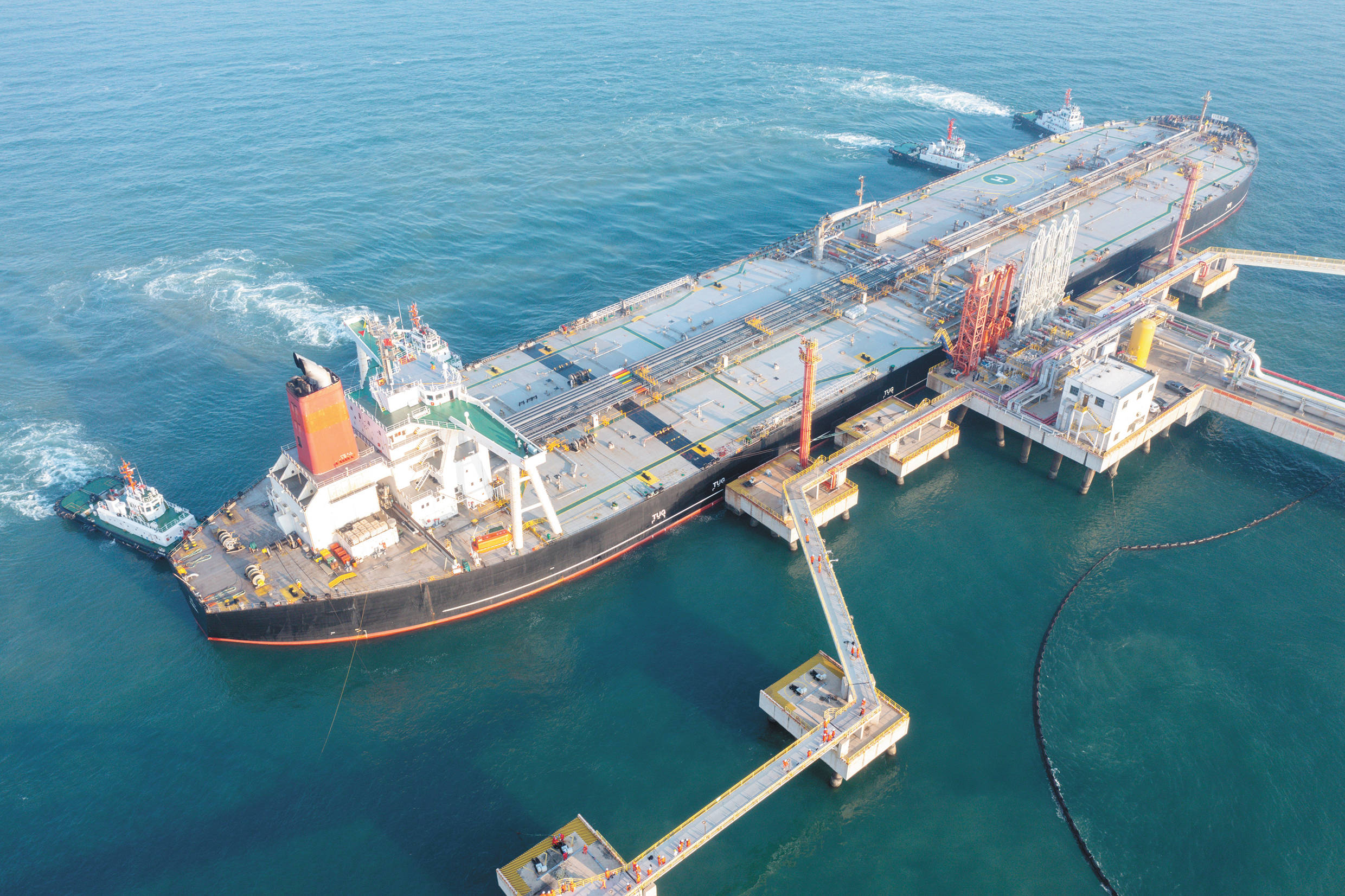
省内首个内河型游艇展示中心启用
Nan Fang Ri Bao Wang Luo Ban· 2025-12-01 07:55
Group 1 - The core event is the launch of the first inland yacht display center in Guangdong, with the opening of 100 berths at the Xijiang International Yacht Club, marking a significant step for the yacht industry in Foshan [1] - The establishment of the Foshan Yacht Industry Association and the signing of key projects indicate a strong commitment to developing the yacht industry in the region [1] - The "Guangdong Province Action Plan for Promoting High-Quality Development of the Yacht Industry (2024-2027)" aims for the industry and related sectors to exceed 100 billion yuan by 2027, with at least 2,500 yacht berths to be constructed [1] Group 2 - The yacht industry integrates high-end manufacturing, modern services, and technological innovation, playing a crucial role in the marine economy [2] - Guangdong's natural advantages, including over 4,000 kilometers of coastline and nearly 2,000 islands, position it well for yacht industry development [2] - The plan includes enhancing yacht R&D and manufacturing, pursuing pilot programs for yacht tourism, improving infrastructure, and fostering new consumption models in yacht tourism [2] - Foshan aims to create a comprehensive ecosystem for the yacht industry that includes manufacturing, display, leisure, and cultural tourism, promoting deep integration with tourism and culture [2]
海南 法治护航打造优质营商环境
Jing Ji Ri Bao· 2025-11-22 21:56
Core Points - The article highlights the efficient legal support provided by the Sanya Phoenix Notary Office to Zhongze Investment (Hainan) Co., Ltd., showcasing the optimization of the legal business environment in Hainan [1] - Hainan is focusing on building a stable, fair, transparent, and predictable business environment, which has attracted more domestic and foreign investors [1] - The implementation of the Hainan Free Trade Port Law has led to the development of four key industries: tourism, modern services, high-tech industries, and tropical agriculture [2] Group 1: Legal and Regulatory Framework - The Hainan Free Trade Port Law has initiated various measures to protect business entities and maintain market order, enhancing market confidence [2] - Sanya has introduced regulations to promote low-altitude tourism and water tourism management, addressing industry challenges and safety concerns [2] - The establishment of the first yacht industry promotion regulations in the country aims to innovate yacht leasing and expand the market [3] Group 2: Enforcement Innovations - Hainan is reforming its enforcement system to create a unified administrative enforcement framework, focusing on flexible enforcement methods [4] - The all-female Elu Women's Enforcement Team in Sanya employs a service-oriented approach to maintain city order, gaining public support [4][5] - New administrative inspection regulations aim to reduce the frequency of enterprise inspections, fostering a better legal environment for business development [6] Group 3: Service Empowerment - The Sanya Phoenix Notary Office has implemented a "green channel" for notarization and certification, streamlining processes for businesses [7] - The "Phoenix Evidence" blockchain service platform addresses challenges in evidence collection and preservation, enhancing legal service efficiency [7] - The establishment of the "Shipping Dispute Multi-Resolution Center" integrates various dispute resolution methods, significantly reducing resolution time and costs for businesses [8]
史星海主席随中国侨商投资考察团赴海南省市县实地投资考察
Sou Hu Cai Jing· 2025-11-14 07:38
Core Points - The China Overseas Chinese Business Investment (Hainan) Conference concluded successfully, co-hosted by the China Overseas Chinese Federation and the Hainan Provincial Government [3] - A delegation of overseas Chinese business representatives from over 80 countries conducted on-site investment inspections in various cities and counties in Hainan, receiving significant attention from local government leaders [6] - The conference aimed to foster investment opportunities in Hainan's free trade port, emphasizing the importance of creating a favorable business environment for overseas Chinese projects [14] Group 1 - The conference included visits to key investment sites such as the Yangpu Development Zone and the Hainan Ecological Software Park, showcasing Hainan's commitment to attracting foreign investment [8][11] - Local leaders expressed gratitude for the delegation's visit and committed to providing comprehensive support for overseas enterprises to ensure successful project implementation [14] - The chairman of the Royal International Investment Holding Group highlighted the potential for deepening cooperation in various sectors, including finance, tourism, and technology innovation, leveraging the benefits of Hainan's free trade port [17] Group 2 - Overseas Chinese business representatives expressed appreciation for the warm reception and noted the significant development opportunities presented by Hainan's upcoming full island closure and favorable trade policies [20] - The delegation plans to study Hainan's investment policies closely and strengthen connections in key industries such as agriculture, tourism, and modern services to promote overseas trade [24] - The conference concluded with a commitment from overseas Chinese business representatives to enhance cooperation and contribute to Hainan's economic and social development [31]
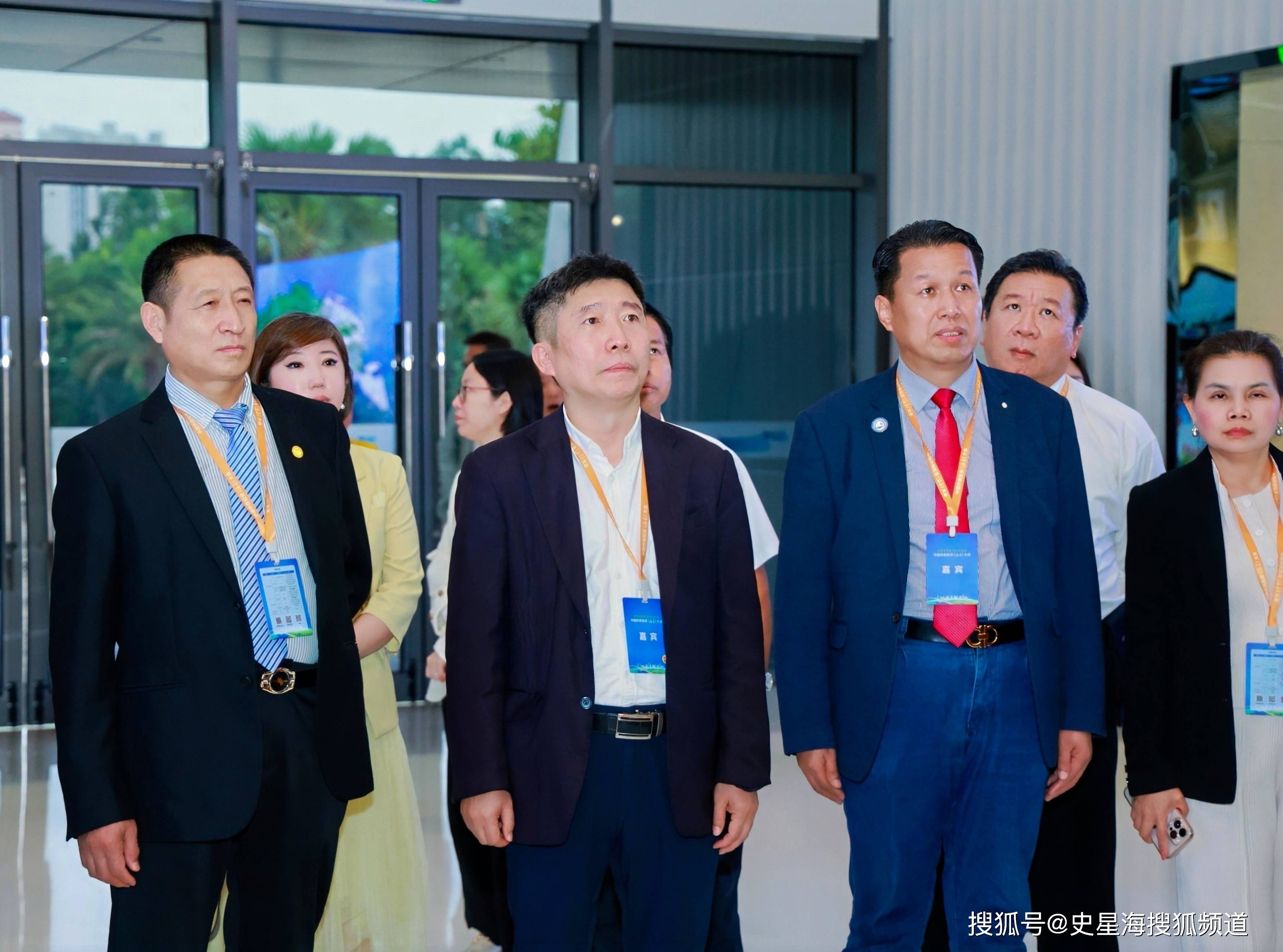
京东集团首席经济学家沈建光:游艇经济有望释放万亿级消费潜力
Sou Hu Cai Jing· 2025-10-24 15:32
Core Insights - The yacht economy is emerging as a significant driver for domestic demand and industrial upgrading in China, with the potential to become a trillion-level new momentum for economic growth during the 14th Five-Year Plan period [1][2] Industry Foundation - China's shipbuilding industry has established a leading global position, with key metrics such as completed shipbuilding volume, new orders, and backlog orders ranking first in the world for 15 consecutive years, holding market shares of 55.7%, 74.1%, and 63.1% respectively [2] - The development of the yacht economy is expected to enhance high-value-added manufacturing, driving growth in related high-end industries such as composite materials, precision instruments, navigation communication, and interior design [2] Economic Impact - The yacht economy is recognized for its ability to integrate manufacturing and services, creating a new business model that connects supply and consumption [2] - Five major effects of developing the yacht economy include addressing manufacturing shortcomings, unleashing service consumption potential, promoting the integration of manufacturing and services, creating a rich employment ecosystem, and improving local infrastructure [2] Policy Environment - Recent policies have created a closed-loop system for the yacht economy, facilitating its development by removing barriers [4] - The Guangdong provincial government has set a target for the yacht and related industries to exceed 100 billion yuan by 2027, with initiatives to enhance operational efficiency through innovative management practices [4][5] Technological Integration - The integration of new energy and intelligent technologies is driving significant advancements in the yacht industry, with automation in production increasing from 31% in 2020 to 49% by 2025 [6] - Innovations in yacht technology, such as electronic fuel injection systems, are improving operational efficiency and reducing environmental impact [7] Market Development - The yacht economy should transition from being an elite sector to a part of mass consumption, with recommendations for clearer development planning and management [8] - The focus is on creating a favorable market environment without large-scale fiscal investment, leveraging digitalization and green initiatives to enhance the yacht economy's growth potential [8]
