
加工增值30%免关税

Search documents
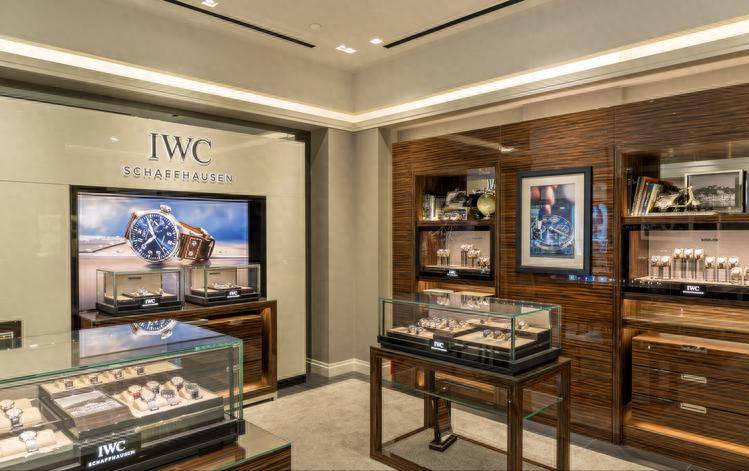
一家瑞士公司连夜搬离新加坡,只因海南一条政策,每年多赚3个亿
Sou Hu Cai Jing· 2026-02-11 12:45
Core Viewpoint - The relocation of a Swiss high-end jewelry company from Singapore to Hainan highlights the significant advantages offered by Hainan's new policies, particularly in terms of tax benefits and operational costs, which are compelling enough to attract businesses away from established hubs like Singapore [1][3][5]. Group 1: Economic Incentives - The Swiss company calculated that moving to Hainan would yield an additional net profit of 300 million yuan annually, primarily due to favorable tax policies [5][14]. - Hainan's "processing and value-added" policy allows for zero import tariffs on jewelry that has been processed locally, significantly reducing tax burdens compared to the traditional model where high tariffs apply [7][15]. - The corporate income tax rate in Hainan is 15%, compared to Singapore's 17%, providing further financial incentives for businesses [16]. Group 2: Operational Advantages - Hainan offers a seamless connection to international markets through FT accounts, facilitating easier capital flow compared to Singapore [20]. - The exemption of tariffs on approximately 6,600 categories of goods, including production equipment and raw materials, enhances the operational feasibility for companies relocating to Hainan [22]. - The shift from Singapore as a mere transit hub to Hainan as a manufacturing and processing base allows companies to add value locally before selling to the Chinese market [27][28]. Group 3: Market Dynamics - The influx of foreign trade enterprises in Hainan surged, with 4,709 new registrations in just 24 days, indicating a rapid shift in business interest towards the region [22]. - The transformation of Hainan into a hub for various industries, including medical devices and art, reflects a broader trend of companies seeking to capitalize on local policies and market access [38][42]. - The competitive landscape is changing, with businesses now considering a dual-core strategy: maintaining financial operations in Singapore while establishing production in Hainan [36]. Group 4: Societal Impact - The relocation of businesses to Hainan is expected to create numerous job opportunities, similar to the early days of Shenzhen, as new companies emerge and existing ones expand [46]. - The return of high-level talent to Hainan is driven by competitive salaries and a favorable entrepreneurial environment, contrasting with the high living costs in major cities [49]. - The overall economic environment in Hainan is evolving, with simplified processes for foreign trade enabling small businesses to participate in international markets [48].

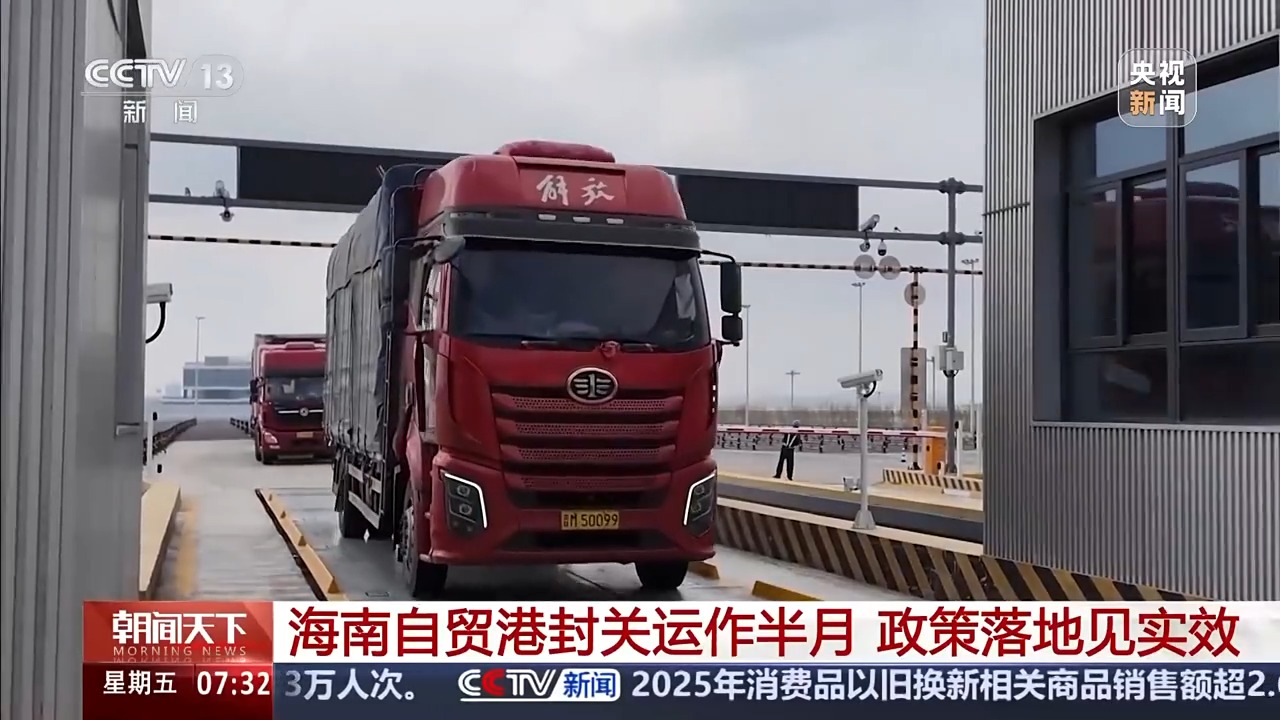
免税店更快上新、游艇更受欢迎 封关半月海南有哪些变化
Yang Shi Xin Wen Ke Hu Duan· 2026-01-02 01:54
Group 1 - The Hainan Free Trade Port has seen significant economic activity since its closure operation began, with imports of "zero tariff" goods reaching 420 million yuan and processing value-added domestic sales exempt from tariffs exceeding 47.23 million yuan as of December 31, 2025 [1] - The number of newly registered foreign trade enterprises has increased significantly, with 3,265 new enterprises added, representing a growth of over 200%, and a total of over 30,000 new foreign trade enterprises registered in 2025, marking an increase of over 40% [1] - The duty-free shopping market in Hainan has also experienced a surge, with total shopping amounts exceeding 2 billion yuan and over 300,000 shoppers since the closure [1] Group 2 - The core regulatory model of "one line open, second line controlled" has been effectively implemented, simplifying customs processes and enhancing the efficiency of goods circulation while ensuring precise supervision and the accurate implementation of tax incentives [1] - Local enterprises, such as a nut processing company, have benefited from the new policies, allowing them to meet the processing value-added requirement for tariff exemptions more easily by using locally sourced salt [3][4] - The yacht industry in Hainan is experiencing growth, with new regulations allowing an increase in passenger capacity from 12 to 26 per yacht, which is expected to further boost the tourism and yacht economy [5]
国家下的百年大棋,海南封关的终极目的:为14亿人饭碗筑防火墙?
Sou Hu Cai Jing· 2025-12-24 05:07
Core Insights - Hainan officially launched its full island closure operation on December 18, 2025, which is perceived as a shopping paradise but has deeper implications for the national economy and food security [1][39] Group 1: Economic Implications - The closure allows for a significant increase in the number of zero-tariff goods from 1,900 to 6,600, meaning approximately 74% of product categories entering Hainan will be tariff-free [9][39] - The "processing and value-added 30% tariff exemption" policy enables imported raw materials to be processed in Hainan and sold to mainland China without additional tariffs if their value is increased by 30% [10][18] - This policy creates a "price buffer zone" that can stabilize domestic prices during international market fluctuations, ensuring that food prices remain manageable for consumers [16][39] Group 2: Agricultural Development - Hainan is positioned as a critical area for seed development, with over 70% of new crop varieties in China having been cultivated in the "South Breeding Valley" [22][29] - The closure facilitates easier access for foreign seed resources, enhancing research and innovation in agricultural technology [28][39] - The strategic focus on self-sufficiency in seed production is crucial for national food security, allowing China to reduce reliance on foreign imports [20][39] Group 3: Strategic Positioning - Hainan serves as a vital gateway for China to the Pacific and Indian Oceans, enhancing its role in global supply chains and acting as a "safety house" amid potential disruptions [34][37] - The closure is part of a broader strategy to test economic resilience and regulatory frameworks in an open environment, preparing for potential global trade challenges [39]
海南“零关税”豪车真相:宝马X5、保时捷卡宴鲜有符合要求车型
Mei Ri Jing Ji Xin Wen· 2025-12-23 11:29
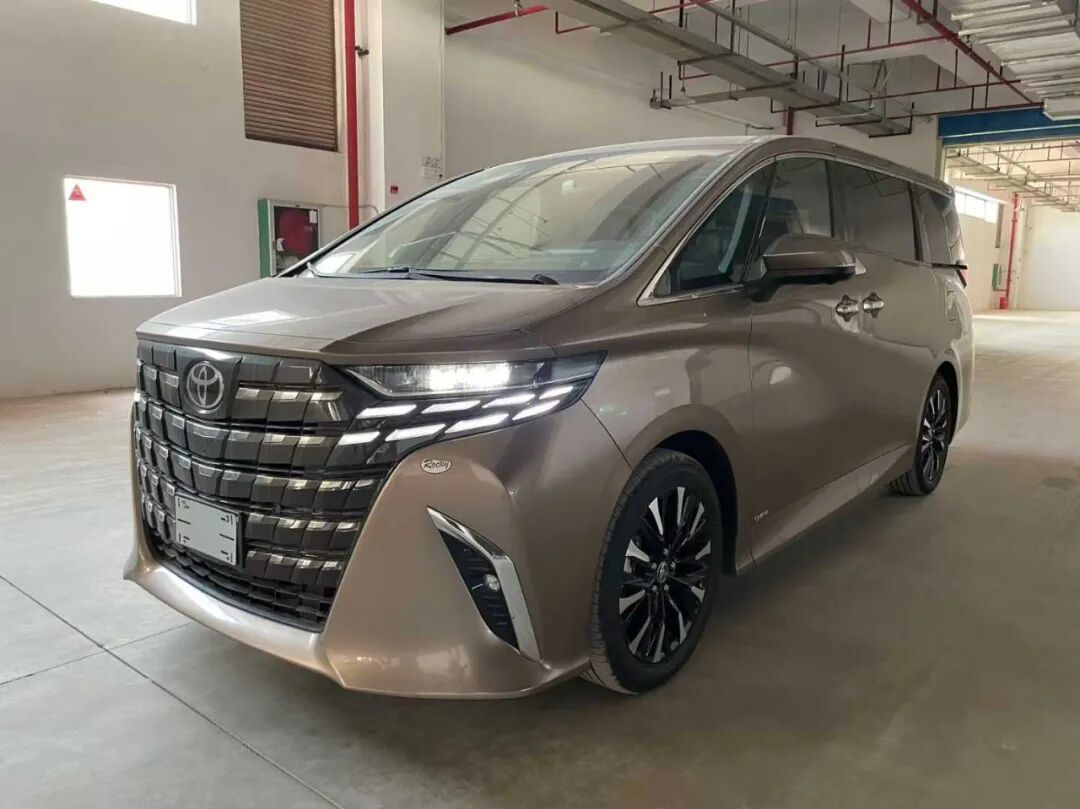
Core Viewpoint - The article discusses the implications of Hainan's "zero tariff" policy for imported luxury cars, highlighting the limited availability of eligible models and the restrictions on personal purchases, which primarily benefit businesses in the transportation and tourism sectors [1][5][9]. Group 1: Market Dynamics - The luxury car market in Hainan is currently focused on models like the Rolls-Royce Cullinan, Bentley Bentayga, and Toyota Alphard, rather than the BMW X5 and Porsche Cayenne, which are not available under the "zero tariff" policy [2][4]. - The price of the Toyota Alphard under the tax exemption is approximately 699,000 yuan, while its market price exceeds 1 million yuan, indicating significant savings for eligible buyers [4]. Group 2: Policy Restrictions - The "zero tariff" policy applies only to vehicles used for business purposes in transportation and tourism, requiring companies to meet specific criteria, such as owning at least 15 operational vehicles or importing a minimum of 15 zero-tariff vehicles [5][7]. - Imported vehicles under this policy have a usage limit of 15 years, after which they can be exported as used cars or transferred after six years [9]. Group 3: Economic Impact - The policy aims to reduce costs for businesses, attract foreign investment, and encourage domestic car manufacturers to establish operations in Hainan, leveraging the tax advantages for production and export [10][12]. - The introduction of tax exemptions and reduced corporate tax rates is expected to enhance profitability for companies operating in Hainan, with potential long-term benefits for consumers as these savings may eventually be passed down [10][12].
海南正式封关:既是红利,也有风险
虎嗅APP· 2025-12-22 11:08
Core Viewpoint - The article discusses the implications of Hainan's recent closure and its potential as a free trade zone, highlighting both opportunities and risks associated with this transition [4][5][7]. Group 1: Economic Opportunities - Hainan's closure represents a significant leap towards a higher level of openness, offering a unique environment characterized by "zero tariffs, low tax rates, and simplified tax systems" [5][7]. - The potential for Hainan to become a new Singapore and the heart of the RCEP (Regional Comprehensive Economic Partnership) is emphasized, contingent on overcoming development bottlenecks [8]. - The introduction of the policy allowing "30% value-added processing to be exempt from tariffs" is seen as a key to reshaping the real economy in Hainan [17]. Group 2: Industrial Challenges - Hainan's economic structure is described as "dumbbell-shaped," with a weak industrial base, relying heavily on agriculture and low-end tourism [9][10]. - The risk of falling into "industrial hollowing" is highlighted, where the economy could become overly reliant on service sectors without a solid manufacturing foundation [11][14]. - Historical examples suggest that economies lacking a robust industrial backbone ultimately face challenges in employment and income stability [14][15]. Group 3: Strategic Development Areas - Three key sectors for development are identified: luxury goods assembly, biomedicine, and future technologies like aerospace and deep-sea industries [19][22][25]. - The luxury goods sector can benefit from a model where high-value assembly occurs in Hainan, leveraging its tariff exemptions [20][21]. - The biomedicine sector can utilize special policies in Boao Lecheng to import and assemble advanced medical devices, enhancing local capabilities [22][24]. Group 4: Logistics and Connectivity - Hainan's geographical isolation poses challenges for becoming a global shipping hub, as it is not located on major shipping routes [28][30]. - The article suggests that Hainan should focus on creating a "functional platform" rather than merely competing on logistics speed [34]. - Strategies include leveraging "seventh freedom rights" for air travel and establishing a competitive fuel pricing model to attract international shipping [35][41]. Group 5: Unique Selling Propositions - Hainan's potential lies in offering unique privileges that cannot be found elsewhere in China, particularly in healthcare, education, data access, airspace, and culture [52][53]. - The establishment of international medical facilities and educational institutions can attract both domestic and international students, capturing significant educational spending [57][59]. - The development of a "digital nomad zone" with unrestricted internet access aims to attract global talent, enhancing Hainan's appeal as a destination for professionals [61]. Group 6: Future Challenges - The article outlines a "triangle dilemma" that Hainan must navigate: overcoming geographical disadvantages, avoiding industrial homogenization, and preventing economic hollowing [64]. - The success of Hainan will depend on integrating high-level open policies with unique local resources to create a vibrant economic ecosystem [65].
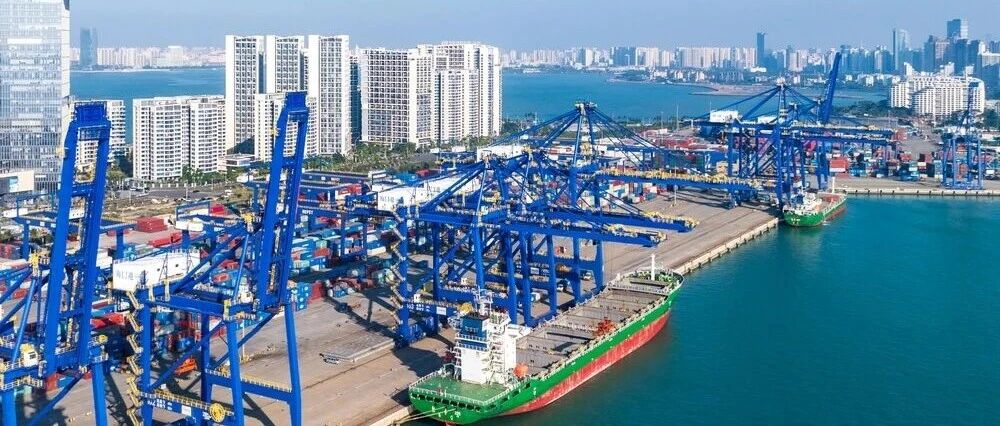
海南不做中国新加坡,30%增值免税改写规则,3天航程颠覆贸易惯性
Sou Hu Cai Jing· 2025-12-22 09:44
Core Viewpoint - The article discusses the potential of Hainan to become a strategic trade hub similar to Singapore, but with a focus on transforming raw materials into value-added products, leveraging China's industrial capabilities and market size [1][20]. Group 1: Comparison with Singapore - Hainan is compared to Singapore in terms of geographical advantages, but while Singapore serves as an efficient transit point, Hainan aims to create a deeper industrial ecosystem [1][10]. - Singapore's success is attributed to its role as a "safe haven" in the old trade order, while Hainan is positioned as a strategic high ground in the evolving global trade landscape [16][18]. Group 2: Hainan's Strategic Advantages - Hainan's geographical location allows for significant reductions in shipping distances and times, making it an attractive alternative for international shipping routes [5][7]. - The "processing and value-added 30% duty-free" policy in Hainan encourages the establishment of factories that can transform raw materials into finished goods, thus enhancing its role in the supply chain [8][12]. Group 3: Future Trade Dynamics - Hainan is seen as a potential new trade gravity center, capable of accommodating shifts in global trade dynamics, especially as traditional rules become less reliable [27][29]. - The region is expected to facilitate new forms of trade, including RMB settlements and digital trade, positioning itself as a key player in the future of global commerce [22][24]. Group 4: Long-term Vision - Hainan's development is framed as a long-term strategic initiative, with tax incentives and infrastructure improvements aimed at preparing for future economic challenges [31][33]. - The region's unique position allows it to test new trade rules while maintaining a robust industrial base, making it a critical component of China's economic strategy [29][31].
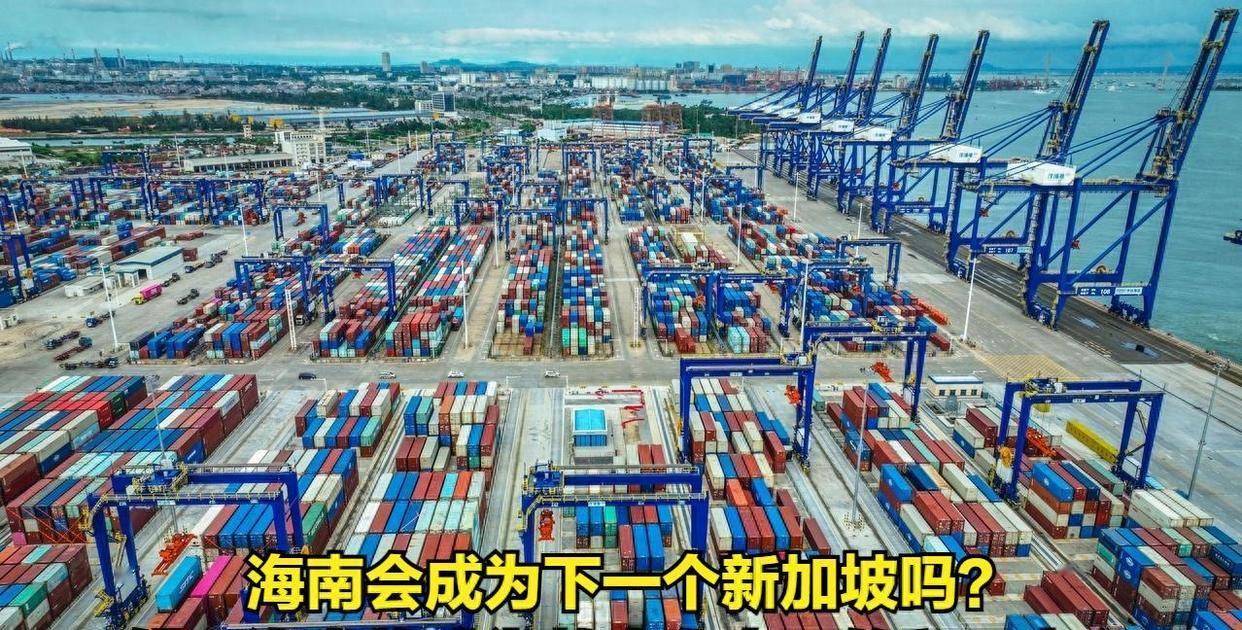
海南正式封关:既是红利,也有风险,这取决于……
Sou Hu Cai Jing· 2025-12-22 03:08
Core Insights - The official launch of Hainan's zero-tariff and low-tax policy marks a significant step towards higher levels of openness, but it poses both opportunities and risks for policymakers, entrepreneurs, and residents [3][5] - The success of Hainan's free trade zone will depend on its ability to transition from a policy-driven economy to one that fosters industrial growth and innovation [5][9] Industry Challenges - Hainan's economic structure is characterized by a weak industrial base, primarily reliant on agriculture and low-end tourism, lacking a robust manufacturing sector [7][9] - The risk of "deindustrialization" looms if Hainan attempts to bypass traditional manufacturing in favor of high-end services without a solid industrial foundation [7][9] Economic Opportunities - The introduction of a 30% value-added tax exemption for processing and manufacturing presents a unique opportunity to revitalize Hainan's economy by attracting high-value industries [9][11] - Potential growth sectors include luxury goods assembly, biomedicine, and advanced technology, leveraging Hainan's unique geographical and regulatory advantages [11][15][17] Strategic Positioning - Hainan must transform from a geographical outlier to a functional hub by creating a platform for international trade and logistics, similar to Dubai's model [19][22] - The implementation of the "seventh freedom" in aviation could enhance Hainan's connectivity and attractiveness for international logistics [22][25] Consumption and Market Differentiation - Hainan's tourism strategy must evolve beyond low-cost offerings to focus on unique privileges and high-value experiences that cannot be found elsewhere in China [35][37] - Key areas for differentiation include healthcare, education, data access, airspace management, and cultural experiences, which can attract both domestic and international consumers [37][38][40][42][45] Future Outlook - Hainan faces a complex challenge of overcoming its geographical disadvantages, avoiding homogeneous competition, and preventing industrial hollowing [47] - The future success of Hainan will hinge on integrating high-level open policies with its unique resources, aiming for a transformation from a policy landscape to a thriving industrial ecosystem [47]
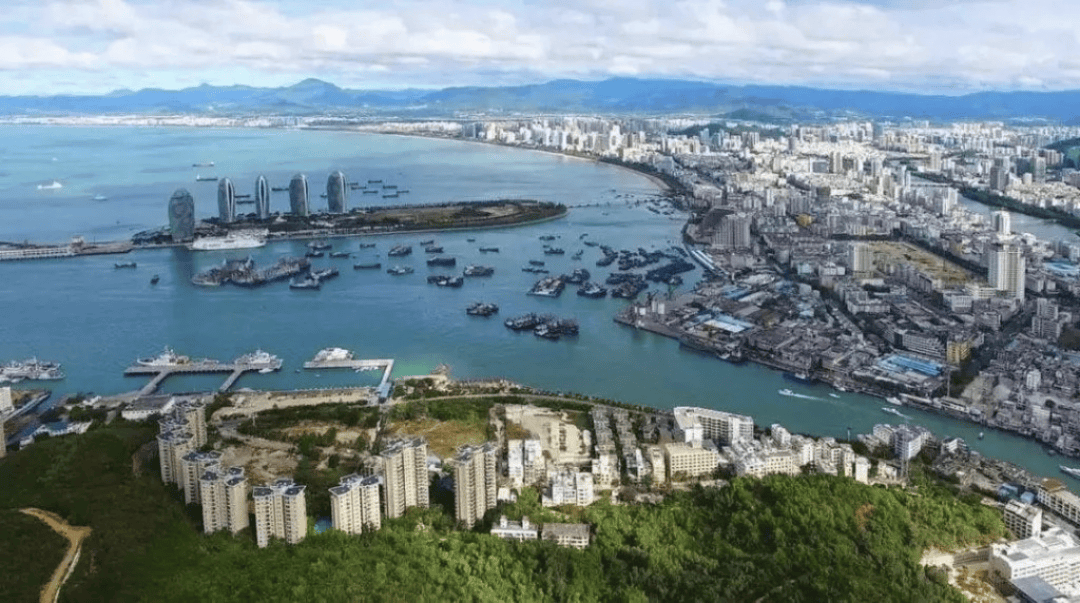
60多万能买到120万的卡宴?海南正式封关,打飞的到海南买进口车可行吗?
Sou Hu Cai Jing· 2025-12-19 13:09
Group 1 - The "zero tariff" policy for imported cars in Hainan has officially been implemented, significantly reducing car prices by eliminating three major taxes: customs duty, value-added tax, and consumption tax, which previously totaled up to 31.26% - 116.58% [2][5] - For example, a 3.0T imported SUV that costs 30 million yuan at the port could reach over 50 million yuan after taxes, while the first "zero tariff" vehicle in Hainan, a Toyota Hiace, saw a price reduction of nearly 40% due to tax exemptions [2][4] - The policy is expected to benefit the automotive industry in China, as it allows companies to import complete vehicles or core components for modification and assembly, provided they add value of over 30%, thus creating a compliant low-cost entry into the Chinese market [9][11] Group 2 - The "zero tariff" policy is not available for individual consumers; it is restricted to enterprises engaged in transportation and tourism, requiring vehicles to be used for operations and meet specific conditions [5][7] - Even for companies, there are strict regulations, including the requirement that vehicles must be registered for operational use, cannot be freely transferred, and must not exceed 120 days of stay outside Hainan [7][8] - The policy may indirectly benefit consumers through lower rental prices for vehicles, as local car rental companies can purchase zero-tariff vehicles and offer them at reduced rates to tourists [8]
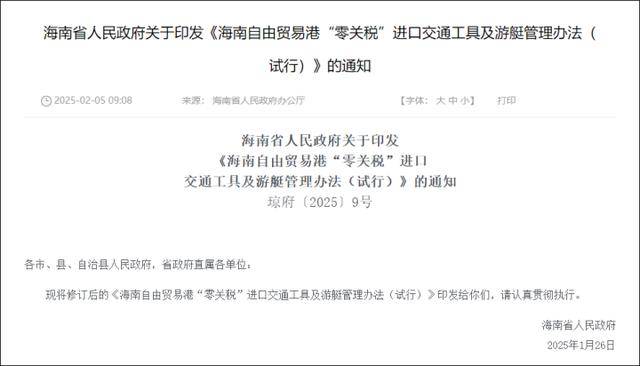
今起海南自贸港全岛封关:不是“封岛”是“开港”,74%零关税背后的开放新局
Sou Hu Cai Jing· 2025-12-18 07:25
Core Viewpoint - The launch of the "electronic fence" system marks a historic moment for Hainan Free Trade Port, transitioning to a fully operational closed-off system that facilitates the flow of people, goods, capital, and data, representing a new model of institutional openness in China [1][4] Policy Benefits - The number of zero-tariff goods has expanded from 1,900 to 6,600, covering 74% of products, with a negative list management system implemented [3] - The "dual 15%" income tax incentives for enterprises and high-end talent have been fully implemented, significantly reducing the corporate tax rate from 25% to 15% for encouraged industries [3] - Goods with over 30% value-added can enter the mainland duty-free, and a visa-free entry policy for citizens from 86 countries has been officially enacted [3] Tax and Regulatory Framework - The core tax and regulatory documents, including the "Hainan Free Trade Port Import Tax Product Directory," came into effect on the first day of closure, clarifying the "gold content" and "conditional limitations" of policy benefits [3] - Specific conditions for tax incentives include the requirement for businesses to belong to one of 14 categories of encouraged industries and to meet operational criteria [3] Consumer Impact - While zero tariffs are expected to provide benefits, consumers should be cautious of potential price traps; for example, a Mercedes-Benz C-Class may save approximately 88,500 yuan in taxes but incurs additional costs if transported to the mainland [3] - Certain consumer goods, such as infant formula and health products, are projected to see price reductions of 15%-20% post-closure [3] Technological Innovations in Regulation - The implementation of the "electronic fence" system enhances regulatory capabilities, utilizing satellite and ground sensors for precise monitoring of goods flow [3] - The efficiency of customs clearance has significantly improved, with a reported 72% increase in processing speed for imported goods [3] International Perspective - Hainan's closure operation has garnered global attention, with comparisons to Miami and recognition as a significant step in China's openness [3][4] - The tax policies and regulatory framework in Hainan are positioned as competitive with established free ports like Hong Kong and Singapore, showcasing a unique institutional advantage [3][4] Future Outlook - The closure is seen as a new starting point for institutional openness, with plans for further development of the free trade port by 2035 and full establishment by the mid-21st century [4] - The introduction of 33 new encouraged industry categories in 2025 presents new opportunities for entrepreneurs in cross-border e-commerce and bonded maintenance sectors [4]
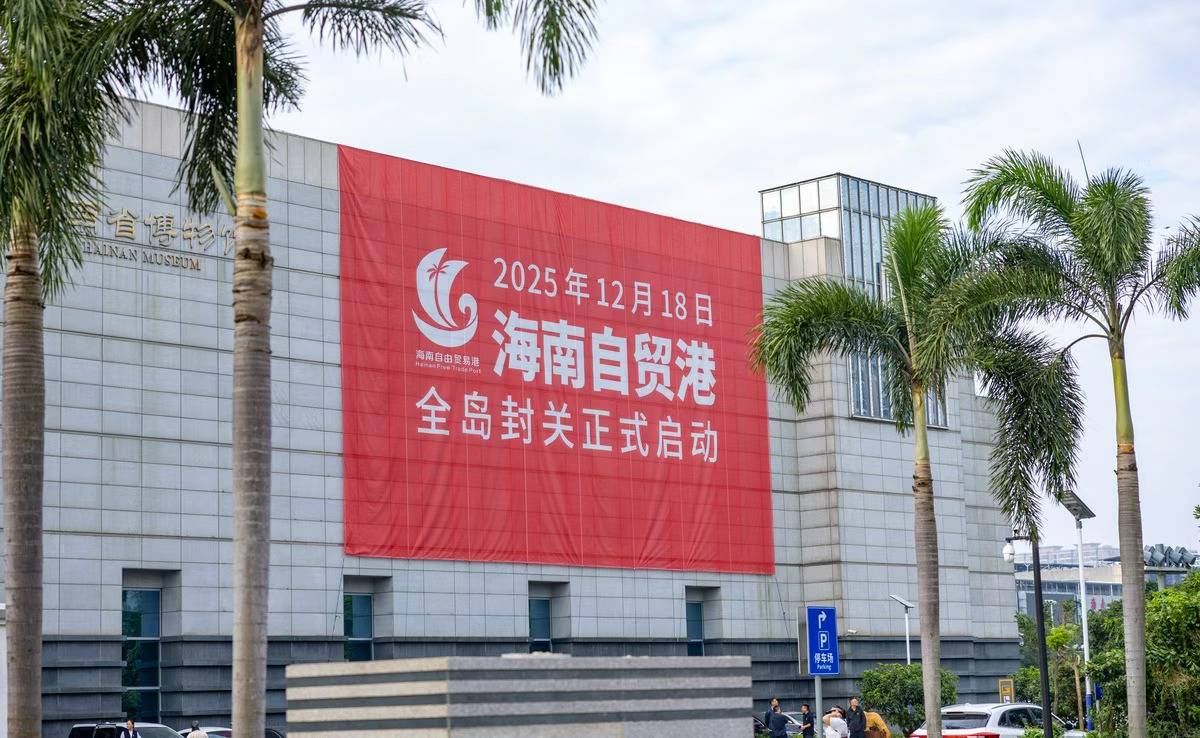
今起,海南全岛封关!去旅游、购物有啥变化?
Jin Rong Shi Bao· 2025-12-18 02:00
Core Viewpoint - The official launch of the Hainan Free Trade Port's full island closure on December 18 signifies a new phase of trade liberalization and convenience, characterized by "one line open, two lines managed, and free flow within the island" Group 1: Customs Closure and Its Implications - The closure refers to establishing Hainan Island as a special customs supervision area, implementing liberalization policies with "one line" open for international trade and "two lines" managed for domestic trade [1] - The proportion of zero-tariff goods for "one line" imports will increase from 21% to 74%, expanding the range of zero-tariff goods to 6,600 tax items [1] - Goods that achieve a processing value-added of 30% can be sold to the mainland without tariffs, enhancing the availability of affordable imported products for consumers [1] Group 2: Management of Trade Lines - The "two lines" management will involve precise control over the flow of goods between Hainan and the mainland, ensuring that the benefits of the "one line" policy are effectively managed [2] Group 3: Free Flow Within the Island - The policy allows for relatively free circulation of various factors within the Hainan Free Trade Port, promoting economic activity and investment [3] Group 4: Clarification on Customs Closure - The customs closure is not a lockdown but an expansion of openness, facilitating more convenient connections between Hainan and international markets [4] Group 5: Travel and Transportation - Current regulations for personnel and goods entering and exiting Hainan remain unchanged, ensuring that travel and business activities are not hindered [5] - Travelers from 86 countries holding ordinary passports can enter Hainan visa-free, enhancing tourism and business opportunities [5] Group 6: Changes in Shopping Experience - The adjustment of the duty-free shopping policy includes expanding the range of duty-free goods and allowing more domestic products to be sold in duty-free shops [6][7] - The minimum age for duty-free shopping has been raised from 16 to 18 years [6] Group 7: Employment Opportunities - High-end talent working in Hainan can benefit from tax incentives, with personal income tax burdens exceeding 15% being exempted [8] - The number of encouraged industries in Hainan has expanded to over 1,100, covering sectors like biomedicine and green building materials, with related companies enjoying a 15% corporate income tax rate [8] - The development of foreign enterprises and projects in Hainan is expected to create more job opportunities [8]