理发

Search documents
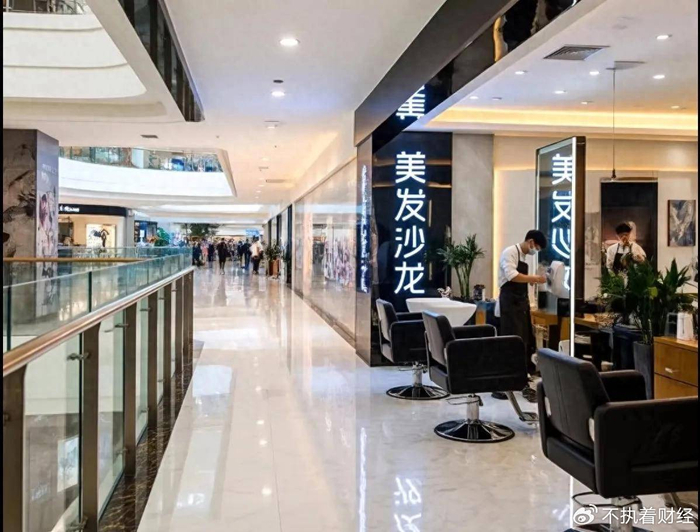
全国理发店陷入倒闭潮,并非缺顾客,而是自己把自己搞垮了!
Xin Lang Cai Jing· 2026-01-28 04:24
Core Viewpoint - The hairdressing industry in China is experiencing a wave of closures, despite a large consumer market, due to self-inflicted issues rather than a lack of customers [1][3]. Group 1: Reasons for Closure - Many consumers prefer low-cost quick haircut shops charging around 15 to 20 yuan, avoiding expensive salons with lavish decor [3]. - High prices at upscale salons are not justified by the quality of service, leading to consumer dissatisfaction. For example, prices range from 128 yuan for a technician to 398 yuan for a chief designer, with little difference in haircut quality compared to cheaper options [5]. - Ambiguous pricing strategies, such as misleading package deals, create distrust among customers, causing them to avoid returning to salons [7]. - The requirement for customers to purchase membership cards for discounts has alienated many consumers, as they feel pressured to spend more than necessary for occasional haircuts [9]. - Some salons engage in deceptive practices by closing old stores after collecting customer prepayments and reopening under new names, leaving customers unable to redeem their prepaid services [11]. Group 2: Recommendations - Consumers are advised to refuse membership card offers from salons and consider quick haircut shops for better value and straightforward pricing [11].

理发师曹秀慧:一推一剪间的“双向奔赴”
Xin Lang Cai Jing· 2026-01-28 04:17
Core Viewpoint - The article highlights the story of Cao Xiuhui, a dedicated hairdresser known for her exceptional skills and community service, particularly her commitment to providing free haircuts to those in need, such as the elderly and patients unable to leave their homes [1][2]. Group 1: Community Engagement - Cao Xiuhui has built a strong reputation in her community over 25 years, characterized by her attentive service and genuine relationships with customers [2]. - She has provided free haircuts to over 3,000 individuals through her volunteer work in community service, demonstrating her commitment to helping those in need [2]. Group 2: Customer Relationships - The bond between Cao Xiuhui and her customers is highlighted by the story of Huang Huiming, who requested a home visit for a haircut after undergoing surgery, showcasing the trust and connection established over years [1][2]. - A young customer, the granddaughter of a long-time client, expressed her family's loyalty to Cao Xiuhui, further emphasizing the lasting relationships she has cultivated [2]. Group 3: Personal Aspirations - As the Lunar New Year approaches, Cao Xiuhui expresses her hopes for a prosperous business and good health, indicating her desire to continue serving her community effectively [2]. - She emphasizes that her volunteer work will persist regardless of external opinions, as it brings her fulfillment and joy [2].
这个团支部集结了2000多名“活雷锋”
Zhong Guo Qing Nian Bao· 2026-01-23 06:32
Core Viewpoint - The establishment of the Xuchang City Jian'an District Learning from Lei Feng Service Center Youth League Branch has effectively mobilized young volunteers from emerging sectors to participate in community service, enhancing grassroots governance and social cohesion [2][8]. Group 1: Service Model and Structure - The Jian'an District Learning from Lei Feng Service Center Youth League Branch was founded in 2019, focusing on the unique characteristics of young workers in emerging sectors such as delivery and ride-hailing, who are often dispersed and lack organization [2]. - A "Industry + Community" service model has been developed, incorporating a three-tiered system of "Community Party Committee + Youth League Branch + Young Volunteers" to enhance service delivery [2][8]. - The volunteer team has grown to include 2,083 registered volunteers, over 900 mobile young volunteers, and more than 500 mobile league members, actively contributing to community governance [2]. Group 2: Community Engagement and Impact - Young volunteers, referred to as "mobile eyes and ears," are actively involved in identifying community issues and providing assistance, such as delivering warm clothing to families in need during winter [3][6]. - The "Love Haircut" project has seen over 240 events conducted, covering 29,000 kilometers and serving more than 7,600 elderly individuals, showcasing the diverse skills of volunteers [3]. - The "Rider Snap" initiative has collected over 1,000 problem reports related to community safety and hygiene, achieving a 98% resolution rate, demonstrating the effectiveness of volunteer engagement in community governance [7]. Group 3: Educational and Psychological Support - The "Golden Autumn Assistance" project has provided essential educational resources, such as tablets, to children in need, while also conducting safety education sessions benefiting over 20,000 children [4]. - The establishment of the "Youth Care Home" initiative has created a psychological support network, with volunteers acting as "psychological observers" to assist youth facing emotional challenges [7]. - The "Youth Custody Group" has been formed to provide after-school programs for children of working parents, offering unique courses that have received positive feedback from the community [7]. Group 4: Future Directions and Growth - The Jian'an District Learning from Lei Feng Service Center aims to continue expanding its volunteer base and enhancing grassroots governance by integrating more young people into community service [8]. - The center is also focused on providing better support for young workers in emerging sectors through various initiatives, including skill training and community service points [8].
理发店没有受到电商冲击,为啥生意也越来越难做?业内奇葩现象被揭秘
Sou Hu Cai Jing· 2026-01-05 01:56
Core Insights - The hairdressing industry is facing a decline despite being a basic service, leading to many shops closing or struggling with low customer traffic [1][3][10] Group 1: Industry Challenges - The low entry barrier has resulted in excessive competition, with many individuals entering the market, leading to a high density of hair salons in various areas [3][10] - Price wars have emerged as salons lower their prices to attract customers, resulting in shrinking profit margins [3][4] - Changing consumer habits have led to decreased frequency of visits to hair salons, with many customers opting for alternative services like mobile hairdressing [4][10] Group 2: Customer Experience Issues - Many salons engage in aggressive upselling of high-margin services, which has alienated customers and led to negative experiences [5][7] - The pushy sales tactics employed by some hairdressers have resulted in customer dissatisfaction and loss of clientele [5][7][9] Group 3: Operational Challenges - Rising labor costs and rent have added financial pressure on salons, making it difficult to maintain profitability [7][9] - Poor working conditions and low wages for employees have led to high turnover rates, affecting service quality and customer experience [9][10] Group 4: Industry Dynamics - The influx of new hairdressing schools has contributed to an oversupply of hairdressers, further intensifying competition [10] - Unethical practices, such as misleading promotions and aggressive customer acquisition tactics, have harmed the industry's reputation [9][10] Group 5: Potential Solutions - Salons need to focus on improving service quality and building strong customer relationships rather than relying solely on price reductions [11] - Some salons are beginning to implement changes, such as enhancing hygiene standards and investing in employee training, to improve customer satisfaction [11]

快剪的市场需求长期存在:老龄化与城镇化背景下的稳定商机
Sou Hu Cai Jing· 2025-12-05 13:11
Group 1 - Haircuts are a basic necessity with an irreplaceable demand, and the fast haircut model targets three core customer groups: elderly (60+ years), middle-aged men (40-60 years), and children (1-12 years) [1][2][3] - The elderly population in China is projected to exceed 300 million by 2025, indicating a growing demand for basic haircut services [1][4] - The fast haircut customer base is expanding, with the proportion of young consumers increasing from less than 30% to 45% by 2025, showing the model's growing appeal [3] Group 2 - The aging population is expected to reach over 400 million by 2035, reinforcing the foundational market for fast haircuts as the elderly increasingly rely on basic services [4] - Urbanization is projected to reach a rate of 67% in 2024, with significant growth potential in third and fourth-tier cities, enhancing the penetration of fast haircut services [5] Group 3 - The fast haircut industry is transitioning from price competition to sustainable operations, with trends including professional management and the requirement for barbers to have over three years of experience [6] - Technological advancements such as online booking and membership systems are improving user experience while reducing labor costs through self-service options [7] - The market is exploring segmentation with differentiated services for children and the elderly, enhancing customer loyalty [8]
追完晓华追 “鸡排哥”,我们到底在找什么?
Hu Xiu· 2025-10-06 08:54
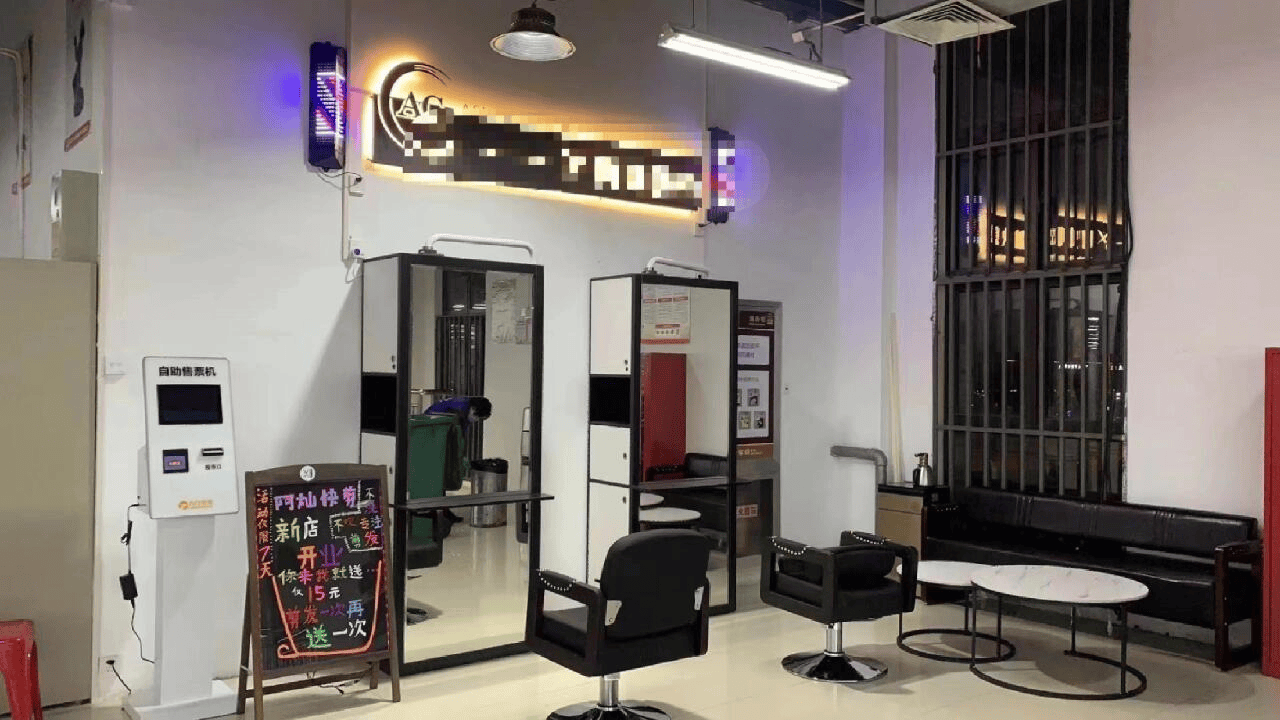
Core Insights - The article discusses the decline in popularity of the "Xiao Hua Hair Salon" and the rise of a new food vendor, "Chicken Chop Brother," highlighting the transient nature of internet fame and consumer behavior [19][30][46] Group 1: Xiao Hua Hair Salon - The salon was once a national sensation, attracting customers from all over for its unique service and the reputation of its owner, Xiao Hua [7][8] - The salon's popularity has waned, returning to a normal state of business with customers now waiting for haircuts out of necessity rather than for social media "check-ins" [11][12] - The initial appeal of Xiao Hua was rooted in her ability to provide a genuine service, contrasting with the typical service industry issues of communication and trust [21][45] Group 2: Chicken Chop Brother - A new vendor, Chicken Chop Brother, has emerged, drawing crowds reminiscent of the previous excitement surrounding Xiao Hua [14][16] - The vendor's success is characterized by a similar emotional connection with consumers, who seek authenticity and value in their purchases [18][19] - The article raises questions about the sustainability of such popularity, suggesting that the cycle of seeking the next "real" figure will continue as consumer trust remains fragile [30][46] Group 3: Consumer Behavior and Market Dynamics - The phenomenon of rapidly rising and falling popularity among service providers reflects a deeper societal craving for authenticity and reliability in consumer experiences [20][22] - The article critiques the short-lived nature of internet fame, indicating that once a service becomes normalized, its appeal diminishes [34][35] - The current consumer landscape is marked by a continuous search for the next "Xiao Hua" or "Chicken Chop Brother," indicating a lack of trust in the broader service industry [46][48]
“十元快剪”来袭,理发行业的“韭菜”割不动了?
Hu Xiu· 2025-08-05 01:06
Core Insights - The hairdressing industry in China is experiencing a dichotomy, with luxurious salons facing closures while low-cost quick haircut shops are proliferating [1] - High-end salons that previously charged over 100 yuan for services are now struggling, with some stylists transitioning to 10 yuan quick cut shops or even setting up roadside stalls [1] - The trend indicates a significant shift in consumer preferences and spending habits within the hairdressing sector [1] Industry Trends - The rise of 10 yuan quick cut shops reflects a growing demand for affordable hair services among consumers [1] - Many upscale salons, despite their lavish decor and high prices, are reporting unprofitability, indicating a potential oversaturation in the high-end market [1] - The financial struggles of mid to high-end salons suggest a redistribution of consumer spending towards more budget-friendly options [1]
电商冲不到,刚需也不缺:理发店为什么还是活不下去?
创业邦· 2025-06-09 10:10
Core Viewpoint - The article discusses the decline of barbershops in China, attributing it to demographic changes rather than competition from e-commerce or consumer traps [3][5][22]. Demographic Changes - The aging population in China is leading to a decrease in the frequency of haircuts, as older individuals tend to require fewer haircuts [6][9][15]. - The median age in China has been rising, with the average age reaching 38.8 years in 2020, and projections indicate that by the end of 2024, over 22% of the population will be aged 60 and above [11][13]. Industry Dynamics - Despite the declining demand for haircuts, the number of barbershops continues to increase, with 1.2913 million related enterprises registered nationwide [17]. - The influx of new barbershops has led to intense competition, resulting in unethical practices such as aggressive upselling and some shops closing down [20][22]. Consumer Behavior - The article highlights that while the demand for haircuts is decreasing due to demographic factors, the overall interest in personal grooming remains strong, suggesting that there is still potential in the industry if businesses focus on value for money [20][22].