绿色转型

Search documents
当以质量标尺看待投资放缓
Jing Ji Ri Bao· 2025-11-29 01:29
当前,我国正处于"十四五"规划收官、"十五五"规划开局的关键节点,综合施策扩大有效投资,更 加关注投资质量和效益,对于经济平稳运行至关重要。 优化政府投资工具使用,提高公共投资效率。比如,稳定并适度扩大直接用于项目建设的债券额 度,确保资金支持实物工作量形成。适度下放专项债管理事权,增强地方自主性。再如,适当加大新型 投资率过高曾是中国经济增长模式的挑战之一,也是导致供求矛盾的一大结构性根源。当前,我国 正处于"十四五"规划收官、"十五五"规划开局的关键节点,综合施策扩大有效投资,更加关注投资质量 和效益,对于经济平稳运行至关重要。 今年以来,全国固定资产投资呈现明显放缓态势。国家统计局数据显示,前10个月,全国固定资产 投资同比下降了1.7%,尤其是10月当月投资增速罕见下滑至-11.2%,一些海外媒体趁机以"投资失速"为 由,大肆渲染中国经济"通缩论""危机论",引发市场猜测与担忧。 投资率过高曾是中国经济增长模式的挑战之一,也是导致供求矛盾的一大结构性根源。中国经济经 过多年高速增长,如今面临着城镇化减速、基础设施建设需求下降等新问题,而投资增速放缓正是其具 体表现之一。当前,中国经济步入了新发展阶段, ...


为了出海,我聊了七国专家
Hu Xiu· 2025-10-24 07:45
Core Viewpoint - The "going global" strategy of Chinese enterprises has evolved from mere market expansion to a comprehensive approach involving global resource integration and industrial chain restructuring, amidst increasing complexities due to global economic uncertainties and changing international political environments [1][58]. Group 1: Opportunities in Different Countries - Indonesia is highlighted as a suitable destination for Chinese enterprises due to its large consumer market of over 270 million people, abundant natural resources, and investor-friendly policies, with a total investment from China amounting to approximately $34.19 billion from 2019 to September 2024 [6][9]. - Kazakhstan is positioned as a key partner in the Belt and Road Initiative (BRI), with significant infrastructure investments and a strategic location that facilitates trade between East Asia and Europe, leading to a projected GDP growth of 6% to 9% with improved logistics [20][21]. - Chile is recognized for its transparent governance and stable political environment, making it a strategic hub for entering the Latin American market [39]. - The Netherlands is considered one of the most business-friendly countries in the EU, providing a pragmatic and efficient environment for trade compliance, which is crucial for Chinese enterprises [42][43]. - The United States is identified as an attractive market due to its large consumer base, mature capital markets, and transparent legal system, offering opportunities for brand internationalization and technological innovation [48]. Group 2: Common Challenges Faced by Chinese Enterprises - In Indonesia, common challenges include regulatory complexities, bureaucratic delays, and ownership restrictions, which can lead to significant disputes and financial losses if not navigated properly [7][8][13]. - In Thailand, communication barriers and local regulatory restrictions pose challenges for Chinese enterprises, particularly due to a lack of English or Chinese speakers [17]. - Kazakhstan presents operational challenges related to technology and production, including delays in equipment maintenance and administrative hurdles that can increase project costs [22][23][24]. - In Chile, language barriers and compliance with local regulations are significant challenges for Chinese enterprises [40]. - In the Netherlands, understanding and adhering to the complex legal framework of EU and domestic laws is a common challenge for Chinese companies [44][45]. - In the United States, compliance with a complex regulatory environment, cultural differences, and intense local competition are the primary challenges faced by Chinese enterprises [49][50]. Group 3: Consulting Issues Encountered - In Indonesia, common consulting issues include budget constraints affecting due diligence and compliance planning, differing expectations regarding timelines, and frequent changes in project scope [10][11][12]. - In Kazakhstan, the most frequent consulting issues revolve around legal protections, administrative burdens, and the complexities of public procurement [29][30][31]. - In Chile, high work pressure and unrealistic expectations from headquarters are common issues faced by consultants working with Chinese enterprises [41]. - In the Netherlands, many Chinese enterprises struggle with export control and compliance issues due to a lack of familiarity with the legal requirements [46]. - In the United States, the most common consulting issues include misalignment of strategic positioning with local realities, compliance awareness, and long-term planning [52][53].
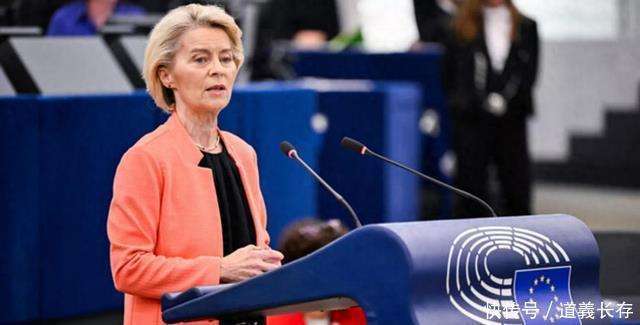
欧洲重要人物访华,准备和中国讨的“定心丸”,让特朗普如坐针毡
Sou Hu Cai Jing· 2025-07-25 09:01
Group 1 - The article highlights the escalating tensions between the US and the EU due to the proposed 30% tariffs on European imports, which has prompted a strong backlash from EU member states [1][3] - The tariffs are expected to severely impact key European industries, including Germany's €87 billion automotive sector, France's wine industry, and Italy's luxury goods sector, which may see a 15% loss in annual revenue [1][3] - In response, the EU has quickly developed a countermeasure list targeting US products, including bourbon whiskey from Kentucky, citrus from Florida, and auto parts from Michigan [1] Group 2 - Experts suggest that mere retaliatory measures will not resolve the underlying issues, and the EU should seek new markets, particularly through collaboration with China, which offers significant market demand and manufacturing capabilities [3][5] - Upcoming visits by European leaders to China aim to discuss economic, technological, and climate cooperation, with hopes of strengthening ties and exploring new opportunities [3][5] - The EU's leaders are motivated by two main objectives: to gain support from China amid US negotiations and to create anxiety in the US regarding the potential strengthening of EU-China relations [5] Group 3 - The article emphasizes the substantial trade volume between the EU and China, projected to exceed €730 billion in 2024, highlighting the importance of this relationship [7] - Some EU politicians are criticized for underestimating China's position and overestimating US willingness to compromise for European interests, leading to a dangerous illusion [7][8] - A significant percentage (67%) of German companies oppose following the US in technology restrictions against China, indicating a shift in market dynamics and the limitations of political influence [8] Group 4 - The ongoing EU-China dynamics reflect deeper global economic changes, with the need for Europe to navigate opportunities and challenges effectively [10]