
菜籽

Search documents
日度策略参考-20260224
Guo Mao Qi Huo· 2026-02-24 05:39
1. Report Industry Investment Rating - Not provided in the content 2. Core View of the Report - After the holiday, A-shares are likely to have a restorative rebound. Asset shortage and weak economy are beneficial to bond futures, but the central bank has indicated interest rate risks in the short term. The macro situation during the holiday is favorable for the market, and the prices of various commodities have different trends [1]. 3. Summary by Related Catalogs Macro Finance - **Stock Index**: Before the holiday, the A-share market adjusted significantly due to the rise of risk aversion. During the holiday, the Hong Kong stock market rebounded, and technology sectors such as AI and robotics attracted wide attention. It is expected that A-shares will have a restorative rebound after the holiday [1]. - **Treasury Bonds**: Asset shortage and weak economy are beneficial to bond futures, but the central bank has indicated interest rate risks in the short term. Attention should be paid to the interest rate decision of the Bank of Japan [1]. Non-ferrous Metals - **Copper**: The macro situation during the holiday is favorable for the market, and the copper price may fluctuate strongly in the short term [1]. - **Aluminum**: The macro situation is mixed, and the aluminum price will fluctuate in the short term. The operating capacity of domestic alumina has decreased, and there are disturbances in the supply of a large alumina enterprise in North China. Attention should be paid to the opportunity of going long at a low price [1]. - **Zinc**: The negotiation between the United States and Iran has reached a deadlock, which has led to concerns about the supply of Iranian zinc mines and supported the zinc price in the short term. Attention should be paid to the resumption of production of downstream enterprises after the holiday [1]. - **Nickel**: The LME nickel price rose slightly during the holiday. Although the tailings landslide in the Indonesian QMB project has limited actual impact, there are still concerns about nickel ore supply. The nickel price will fluctuate strongly in the short term and is still affected by the resonance of the non-ferrous metal sector. Attention should be paid to changes in Indonesian policies and macro sentiment. In the long term, the high global nickel inventory may still have a suppressing effect. It is recommended to pay attention to the opportunity of going long at a low price and control risks [1]. - **Stainless Steel**: The raw material nickel-iron price remains firm, the spot transaction of stainless steel is weak, the social inventory has increased slightly, and the steel mills' maintenance and production reduction have increased in February. The stainless steel futures will fluctuate strongly. Attention should be paid to the demand recovery after the holiday. It is recommended to go long at a low price in the short term and control risks [1]. - **Tin**: The uncertainty of recent macro events is relatively large. Under the influence of US tariffs and geopolitics, the short-term volatility of the tin price may increase. Although the long-term trend of the tin price remains unchanged, investors are advised to pay attention to risk management and profit protection in the short term [1]. - **Precious Metals**: The judgment of the Supreme Court that the "IEEPA tariff" is illegal and Trump's new tariff policy have intensified market concerns about uncertainty. Coupled with the escalation of the geopolitical tension between the United States and Iran, the demand for hedging has supported the price of precious metals. The macro situation is favorable for platinum, and the balance expectation of palladium may improve, which may further support the palladium price in the short term [1]. Agricultural Products - **Palm Oil**: The data of Malaysian palm oil from February 1 to 20 showed a double decline in production and exports. The Malaysian palm oil market rebounded and then faced pressure during the holiday and is expected to fluctuate [1]. - **Soybean Oil**: The US soybean oil has risen under the influence of biodiesel and crude oil prices. The domestic soybean oil may open higher but lacks new driving forces for the time being. It is recommended to wait and see [1]. - **Rapeseed**: The ICE rapeseed rose slightly during the holiday and may be affected by US biodiesel and potential domestic import demand. Attention should be paid to the release of the EPA biodiesel policy and the anti-dumping arbitration announcement of Canadian rapeseed in China [1]. - **Cotton**: The domestic new cotton crop has a strong expectation of a bumper harvest, and the purchase price of seed cotton supports the cost of lint cotton. The downstream startup rate remains low, but the inventory of spinning mills is not high, and there is a rigid demand for replenishment. The cotton market is currently in a situation of "having support but no driving force." Future attention should be paid to the tone of the No. 1 Central Document in the first quarter of next year regarding direct subsidy prices and cotton planting areas, the intention of cotton planting areas next year, weather during the planting period, and the peak demand season from March to April [1]. - **Sugar**: The global sugar market is in surplus, and the domestic new sugar supply is increasing. The short-selling consensus is relatively consistent. If the price continues to fall, there will be strong cost support below, but the short-term fundamentals lack continuous driving forces. Attention should be paid to changes in the capital market [1]. - **Corn**: After the holiday, attention should be paid to the selling pressure of on-the-ground grain in the production areas. However, the quality of Northeast grain is relatively dry this year, and the selling pressure is expected to be limited under the support of the rigid replenishment demand of the middle and lower reaches. In addition, attention should be paid to the release of policy grain and the implementation of import restrictions after the holiday. The overall expectation is to maintain range fluctuations [1]. - **Soybean Meal**: The US tariff policy has changed during the holiday, but the external market fluctuated little, which has limited guidance for the domestic soybean meal market. The Brazilian soybean premium has declined, and the soybean meal market is expected to fluctuate. Attention should be paid to Sino-US trade dynamics and Brazilian selling pressure in the near future [1]. - **Coniferous Pulp**: There is no obvious positive news for coniferous pulp during the Spring Festival. The previous positive factors on the supply side have basically faded. It is expected to fluctuate in the range of 5200 - 5400 in the short term. Attention should be paid to the port inventory after the holiday [1]. - **Log**: The spot price of logs has risen, the log arrivals in February have decreased, and the external quotation is expected to rise. The futures market has an upward driving force [1]. Energy and Chemicals - **Fuel Oil**: OPEC+ has suspended production increases until the end of 2026, the Middle East geopolitical situation is still uncertain, and the sentiment in the commodity market has cooled down. The short-term supply-demand contradiction is not prominent, and it follows the trend of crude oil [1]. - **Asphalt**: The raw material cost has strong support, the sentiment in the commodity market is changeable, the risk appetite of funds has decreased, the downstream demand has weakened before the holiday, and the basis difference has expanded to the high level of the same period [1]. - **Butadiene**: The cost end of butadiene has strong support, the overseas cracking device capacity has been cleared, which is beneficial to the long-term domestic butadiene export expectation. The profit of private cis-butadiene plants has remained in a loss state recently, and the expectation of maintenance and load reduction has increased. The downstream negative feedback has been gradually realized. The butadiene market is in a state of destocking, and the high inventory of cis-butadiene is still a potential negative factor. Attention should be paid to the inventory reduction of cis-butadiene before the Spring Festival and the trading performance of the butadiene market. The short-term market is expected to fluctuate widely, and the BR still has an upward expectation in the long term [1]. - **PX**: The PX-mixed xylene price difference has narrowed to $150, which is still enough to support PX manufacturers to purchase mixed xylene as raw materials. PX maintains fundamental resilience during the high-level correction, and there are still risks of crude oil prices due to the Iranian geopolitical risk. The downstream PTA industry continues to be strong, and the domestic PTA output in January is expected to reach a new high, and there is no plan to reduce production during the Spring Festival, and there is no new PTA production capacity throughout the year [1]. - **Ethylene**: The production profit rate of naphtha cracking has declined due to the rise in raw material prices. The price difference between ethylene and naphtha has reached $83. Several Korean ethylene producers plan to maintain the operating rate of their cracking devices in February. The ethylene glycol price is waiting at a low level [1]. - **Styrene**: The high inventory of pure benzene has weak import demand, and the price difference between the United States and Asia is $88, which is not enough to open the arbitrage window. The Asian styrene price and economic situation have recovered, mainly driven by supply tightening, unexpected shutdowns in the Middle East, surging export demand, and rising cost ends. The continuous strong export, short-term supply gap caused by domestic maintenance, and speculative buying driven by chemical futures support the firmness of the spot price [1]. - **Methanol**: Methanol is generally affected by the Iranian situation, and the future import is expected to decrease, but the downstream negative feedback is obvious. The leading MTO device has stopped, and some enterprises have reduced production, but the Fude plant restarted on January 25. The Iranian situation has eased, but the risk cannot be completely ruled out. The freight has risen due to the cold air in the inland area, and the inventory pressure of enterprises in the northwest has increased, and they have reduced prices to sell goods [1]. - **PVC**: In 2026, there will be less global production, and the differential electricity price in the northwest region is expected to be implemented, which will force the clearance of PVC production capacity. The future expectation is relatively optimistic, but the current fundamentals are poor, and the export rush has slowed down stage by stage [1]. - **LPG**: The CP price in February has risen, and the purchase in March is still relatively tight. The Middle East geopolitical conflict has cooled down, and the short-term risk premium has declined. The driving logic of the overseas cold wave has gradually slowed down, and the market expectation is weakening. It is expected that the basis will gradually expand. The domestic PDH operating rate has declined, and the profit is expected to recover seasonally. The short-term demand side of LPG is bearish, which suppresses the upward movement of the market. The port inventory has been continuously decreasing, but the domestic civil gas is relatively sufficient, showing a divergence between propane and PG [1]. Shipping - **Container Shipping**: The freight rate peaked and fell before the holiday. Airlines are still cautious about tentative resume flights. Airlines are expected to have a strong willingness to stop the decline and raise prices after the off-season in March [1].
日度策略参考-20260205
Guo Mao Qi Huo· 2026-02-05 03:11
Report Industry Investment Rating - The report gives a "Bullish" rating to the precious metals and new energy sectors, and "Neutral" or "Wait-and-See" ratings to most other sectors [1] Core Viewpoints - In the context of low interest rates and an "asset shortage", domestic market funds remain abundant, and the stock index is expected to maintain a long-term upward trend despite short-term volatility [1] - The bond market is favored by the "asset shortage" and weak economy, but the central bank has recently warned of interest rate risks [1] - Metal prices, including copper, aluminum, and nickel, are expected to stabilize and rebound after the release of macro risks, although they are subject to various supply and demand factors and policy uncertainties [1] - Agricultural product prices are affected by factors such as supply and demand, weather, and policy. For example, palm oil is expected to be volatile and bullish, while cotton is in a situation of "support but no driver" [1] - Energy and chemical product prices are influenced by factors like crude oil prices, supply and demand fundamentals, and geopolitical situations. For instance, PTA and ethylene glycol prices have shown different trends due to various factors [1] Summary by Industry Macro Finance - Stock index: Expected to consolidate after a volume-reduced rebound, with a long-term upward trend intact due to abundant funds and economic recovery [1] - Bond futures: Favored by the "asset shortage" and weak economy, but short-term interest rate risks are highlighted [1] Non-Ferrous Metals - Copper: After a significant correction, prices are expected to stabilize and rebound as macro risks are released, with industry fundamentals providing support [1] - Aluminum: Prices dropped due to rising macro risk aversion but are expected to recover as the supply narrative continues and risks are released [1] - Alumina: Supply exceeds demand, and prices are under pressure but are expected to fluctuate around the cost line [1] - Zinc: The cost center is stabilizing, and prices are expected to rebound after a correction due to increased risk aversion [1] - Nickel: Short-term prices are expected to stabilize and rebound, but long-term high global inventories may still exert pressure. Attention should be paid to Indonesian policies and macro sentiment [1] - Stainless steel: Futures prices are expected to fluctuate, with support from the raw material end and repeated macro sentiment. Short-term trading is recommended [1] - Tin: Prices rebounded strongly after a mine accident and significant deleveraging, but high short-term volatility requires risk management [1] Precious Metals and New Energy - Gold and silver: Market sentiment is recovering, but strong US PMI data may slow the short-term upward momentum [1] - Platinum and palladium: Short-term support exists due to Trump's plan to establish a key mineral reserve and the EU's consideration of sanctions on Russian platinum exports [1] - Industrial silicon: Northwest production is increasing while southwest production is decreasing, and the production schedules of polysilicon and organic silicon declined in December [1] - Polysilicon: In the off-season for new energy vehicles, but storage demand is strong. Prices have risen significantly and may need to correct [1] - Lithium carbonate: Expectations are strong, but the spot market is weak, and the continuation of price increases lacks momentum [1] Black Metals - Rebar and hot-rolled coil: Unilateral long positions are advised to exit, and cash-and-carry arbitrage positions can be considered due to factors such as high production and inventory [1] - Iron ore: There is obvious upward pressure, and chasing long positions is not recommended [1] - Coke and coking coal: In the off-season, the focus is on capital sentiment, and opportunities to sell at high prices or establish cash-and-carry arbitrage positions are recommended [1] - Glass and soda ash: Weak current supply and demand are intertwined with strong expectations, and prices are under pressure in the medium term [1] Agricultural Products - Palm oil: Expected to be volatile and bullish as the main consuming countries start purchasing and production areas may reduce production and inventory [1] - Cotton: Currently in a situation of "support but no driver", and future attention should be paid to factors such as policy, planting area, and seasonal demand [1] - Sugar: There is a consensus on short positions due to global oversupply and increased domestic production, but the cost provides support at lower prices [1] - Grains: Before the Spring Festival, the market is expected to correct as pre-holiday stocking ends and funds take profits [1] - Soybeans: Unilateral expectations are for a weakening trend due to factors such as expected rainfall in Argentina and sufficient Brazilian supply [1] - Pulp: It is advisable to wait and see due to supply disturbances and weakening demand after restocking [1] - Logs: The spot price is rising, and the futures price is expected to increase due to a decrease in arrivals and an increase in foreign quotes [1] - Hogs: The spot price is stabilizing, and demand is supported, but production capacity still needs to be further released [1] Energy and Chemicals - Crude oil: OPEC+ has suspended production increases until the end of 2026, and geopolitical tensions in the Middle East may ease. Prices are expected to correct in the short term [1] - Fuel oil: Follows the trend of crude oil, and the supply of Ma Rui crude oil is sufficient [1] - Asphalt: Profits are high, and the demand for catch-up construction during the 14th Five-Year Plan may be falsified [1] - Shanghai rubber: The raw material cost provides support, but downstream demand weakens before the festival, and the futures-spot price difference has widened [1] - BR rubber: The cost of butadiene provides support, and there is an expectation of increased exports in the long term. Short-term prices are expected to fluctuate widely, with an upward trend in the long term [1] - PTA: The PX market is strong, driving up the prices of chemical products. Domestic PTA production is increasing, and the negative feedback from polyester factory production cuts is limited [1] - Ethylene glycol: Overseas prices have rebounded, and the reduction in Middle East exports has boosted market confidence. Speculative demand has increased [1] - Styrene: The futures price has rebounded due to improved supply and demand fundamentals and reduced inventory pressure [1] - Methanol: Affected by the situation in Iran, imports are expected to decrease, but downstream negative feedback is significant, resulting in a mixed situation [1] - PE: The price has returned to a reasonable range, and demand is weak during the holiday after pre-holiday stocking [1] - PP: Supply pressure is high, downstream improvement is less than expected, and the price has returned to a reasonable range [1] - PVC: Global production is expected to be low in 2026, but the current fundamentals are poor, and there may be a rush to export [1] - LPG: The CP price is rising, and the demand side is short-term bearish, suppressing the upward movement of the futures price [1] Shipping - Container shipping on the European route: Freight rates have peaked and declined before the festival, and airlines are expected to raise prices after the off-season in March [1]
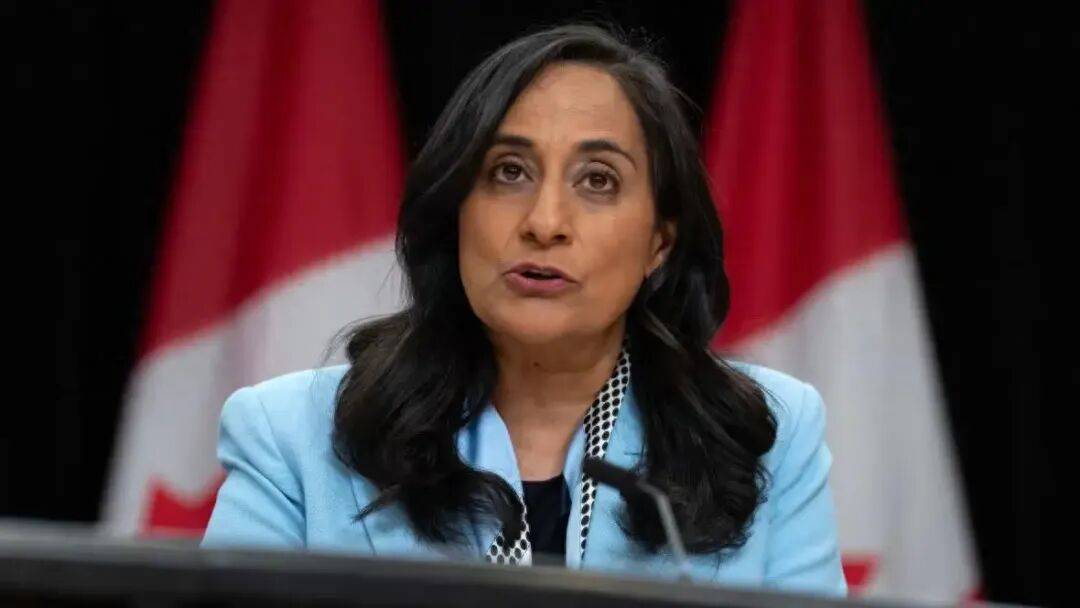
中方宣布:她访华!美国人又不高兴了,开始上“眼药”了
Sou Hu Cai Jing· 2025-11-07 09:45
Core Insights - The visit of Canadian Foreign Minister Anand to China is framed as a "de-escalation journey" amid rising tensions due to tariffs imposed by Canada on Chinese electric vehicles and steel, with China retaliating on agricultural products [1][3] - Despite political pressures, bilateral trade between Canada and China has shown resilience, with a reported trade volume of 133.3 billion CAD in 2024, marking a 6.1% year-on-year increase [3] - Canadian exports to China have increased by 7.8% in the first eight months of the year, highlighting the economic necessity for Canada to engage with China despite U.S. pressures [1][3] Trade Dynamics - The expansion of the Trans Mountain pipeline has resulted in over 50% of Alberta's crude oil being exported to China, generating 2.78 billion CAD in revenue [3] - The liquefied natural gas (LNG) projects have also made significant progress, indicating a growing energy trade relationship between Canada and China [3] - The Canadian government is reviewing tariffs, signaling a potential shift towards restoring economic cooperation with China [3] U.S. Influence - U.S. intervention remains a constant factor, with media narratives emphasizing the sensitivity of Canada's engagement with China, urging caution [3] - The Australian Treasury's stance suggests that trade barriers are not a core interest, reflecting a broader understanding of the importance of economic ties, particularly as 96% of Canada's canola exports depend on the Chinese market [3] - The ability of Canada to navigate U.S. pressures while maintaining beneficial trade relations with China will be crucial for future cooperation [3]

综合晨报-20250730
Guo Tou Qi Huo· 2025-07-30 03:04
Report Industry Investment Rating No relevant information provided. Core Viewpoints of the Report - The geopolitical game deadline between Russia and Ukraine has been advanced, and the macro - situation has positive expectations. The short - term market has upward support, and attention should be paid to the realization of benefits from Sino - US economic and trade talks and US sanctions against Russia [2]. - The short - term precious metals are expected to maintain a volatile trend due to the decline in safe - haven demand, and focus on US economic data and the Fed meeting [3]. - For various commodities, different trends and trading strategies are presented based on factors such as supply - demand relationships, policy impacts, and inventory changes. For example, some commodities are expected to rise, some to fall, and some to fluctuate [4][5][6]. Summary by Related Catalogs Energy and Chemicals - **Crude Oil**: Overnight crude oil futures rose sharply. The geopolitical game deadline has been advanced, and the short - term market has upward support. Attention should be paid to the realization of benefits from Sino - US economic and trade talks and US sanctions against Russia [2]. - **Fuel Oil & Low - Sulfur Fuel Oil**: Macro and geopolitical game news boost oil prices, but the cracking spread is expected to be under pressure. The fundamentals of high - and low - sulfur fuel oils are weak, and the cracking spread is likely to be volatile and weak [22]. - **Asphalt**: The domestic production volume in August decreased compared with July. Demand recovery was delayed, and the inventory destocking rhythm slowed down. The price follows the direction of crude oil, but the upward space is limited [23]. - **Urea**: The futures main contract is running at a low level. Domestic downstream demand is weak, exports are advancing, and short - term prices are likely to run within a range [24]. - **Methanol**: The unloading speed of foreign vessels in coastal areas is slow, and the port is unexpectedly destocked. Domestic supply is sufficient, and the market is likely to continue to fluctuate within a range [25]. - **Pure Benzene**: Night - time oil prices rose sharply, which is expected to boost the cost of pure benzene. Supply and demand decreased in the week, and the port slightly accumulated inventory. Seasonal supply - demand improvement is expected in the third quarter, and it is recommended to conduct monthly spread band operations [26]. - **PVC & Caustic Soda**: PVC showed strength at night. Supply decreased, domestic demand was weak, and foreign demand was expected to improve. Caustic soda showed a volatile trend, with long - term supply pressure and high - level pressure on prices [27]. - **PX & PTA**: Night - time prices rebounded slightly. The fundamentals of PX had limited driving force, and PTA continued to accumulate inventory. The medium - term processing margin has a repair drive, but it needs to wait for downstream demand to recover [28]. - **Ethylene Glycol**: The supply is shifting, short - term oil prices are strong, and downstream demand is stable. The port inventory fluctuates at a low level. Attention should be paid to external variables [29]. - **Short - Fiber & Bottle - Chip**: Prices rebounded following raw materials. Short - fiber is considered for long - allocation in the medium - term, while bottle - chip has long - term over - capacity pressure [30]. Metals - **Precious Metals**: Overnight precious metals fluctuated. Safe - haven demand declined, and short - term precious metals are expected to maintain a volatile trend. Focus on US economic data and the Fed meeting [3]. - **Copper**: Overnight copper prices fluctuated and closed up. The market focuses on the implementation of US tariff agreements and Fed meetings. Short - term support is at the MA40 moving average, and short positions are held against integer levels [4]. - **Aluminum**: Overnight, Shanghai aluminum had limited fluctuations. Demand declined in the off - season, inventory increased, and it is mainly in short - term shock adjustment with resistance at 21,000 yuan [5]. - **Cast Aluminum Alloy**: It fluctuates with Shanghai aluminum. The scrap aluminum market has tight supply, and the price is under short - term pressure but has certain resilience in the medium - term. Consider long AD and short AL when the price difference expands [6]. - **Alumina**: The price has risen sharply, the industry profit has recovered, and the inventory is in a surplus state. Sell short when the price approaches the recent high of 3,500 yuan [7]. - **Zinc**: The black price rebounded, and the zinc price adjustment rhythm was not smooth. Supply increased and demand was weak, and the inventory continued to rise. In the medium - term, the idea of short - allocation on rebounds is maintained, and wait for clear short signals [8]. - **Lead**: The supply - demand is weak, the rebound rhythm is slow, and there is support at 16,800 yuan/ton. You can try long positions lightly and hold them against this price [9]. - **Nickel & Stainless Steel**: Shanghai nickel fluctuated. The speculation of the "anti - involution" theme cooled down, and nickel may return to fundamentals. Wait patiently for short opportunities [10]. - **Tin**: Overnight tin prices fluctuated. Short - term support is at the MA40 moving average and 265,000 yuan. In the long - term, high - level supply expectations will suppress prices. Hold short positions above 270,000 yuan [11]. - **Carbonate Lithium**: It fluctuated, and the trading was active. The market rumors of mine shutdowns were refuted. The inventory increased, and the mid - stream output decreased slightly. Try long positions lightly in the short - term [12]. - **Polysilicon**: The futures rose sharply. The terminal is waiting and watching, and the supply - demand is in a tight balance. After the previous sharp rise, the market enters a wide - range shock. Choose low - long opportunities and control positions [13]. - **Industrial Silicon**: The futures rose slightly. The fundamentals are weak, but the price is at a historical low. Be cautious about short - selling unilaterally and control risks [14]. - **Iron Ore**: The overnight futures rose. Supply increased globally but decreased in domestic arrivals. The inventory pressure is not large, and the demand is weak and stable. The price is expected to be volatile [16]. - **Coke**: The price rose significantly during the day. The fourth round of price increases was proposed, and the inventory decreased slightly. The downward space is relatively limited [17]. - **Coking Coal**: The price rose significantly during the day, and the far - month contract hit the daily limit. The inventory decreased in the production end, and the downward space is relatively limited [18]. - **Silicon Manganese**: The price followed the rise. The long - term inventory accumulation expectation of manganese ore has improved, and there is an upward driving force in the short - term [19]. - **Silicon Iron**: The price followed the rise. The demand is acceptable, and the price may have an upward driving force in the short - term [20]. Agricultural Products - **Soybean & Soybean Meal**: Sino - US economic and trade negotiations are ongoing, and the US soybean growing conditions are good. The price is treated as volatile for now [34]. - **Soybean Oil & Palm Oil**: The US market shows oil - strong and meal - weak. Domestic soybean oil is strong, and the EU policy is positive for palm oil. Maintain the idea of long - allocation on dips [35]. - **Rapeseed & Rapeseed Oil**: Canadian rapeseed rose overnight. The rapeseed meal price stabilized slightly, and the rapeseed oil inventory decreased slowly. Take a short - term neutral attitude towards rapeseed products [36]. - **Domestic Soybean**: After a sharp reduction in positions and a callback, the price stabilized. Pay attention to Sino - US trade negotiations and weather conditions [37]. - **Corn**: The US corn is growing well. The domestic corn market has no major contradictions, and the Dalian corn futures may continue to be weak and volatile at the bottom [38]. - **Live Pigs**: The spot price continued to fall, and the futures are likely to have peaked. Suggest hedging on rallies [39]. - **Eggs**: The futures price fluctuated little. The spot price was stable in most areas. The 09 contract focuses on the seasonal rebound of the spot price, and long positions are more inclined to far - month contracts [40]. - **Cotton**: US cotton's excellent - good rate decreased, and Brazil's harvest progress was slow. Zheng cotton maintained a high - level shock. Temporarily wait and see [41]. - **Sugar**: US sugar is under pressure, and the uncertainty of China's sugar production in the 25/26 season has increased. The short - term sugar price is expected to be volatile [42]. - **Apple**: The futures price fluctuated. New - season early - maturing apples are on the market, and the market focuses on the new - season output estimate. Temporarily wait and see [43]. - **Timber**: The demand is good during the off - season, and the inventory pressure is small. The futures price is expected to continue to rise [44]. - **Pulp**: The price fell slightly. The domestic port inventory is relatively high, the demand is weak, and the price may return to low - level volatility. Temporarily wait and see [45]. Others - **Container Freight Index (European Line)**: The market freight rate inflection point is becoming clear, and the price is expected to decline further. The extension of tariff exemptions may boost market sentiment [21]. - **Stock Index**: A - shares rose steadily in the afternoon, and the futures index rose. The risk preference of the global market is oscillating strongly. Increase the allocation of technology - growth sectors [46]. - **Treasury Bonds**: Treasury bond futures closed down. The global trade sentiment has improved, and the bond market may have increased volatility in the short - term. The probability of a steeper yield curve increases [47].