《人类简史》

Search documents
一句“皇帝没穿衣服”,为何能让全场立刻转向?
3 6 Ke· 2026-01-29 23:16
预期为何难对齐:为什么"知道你知道"比"知道"更重要 生活中处处存在与他人协调合作、实现互惠共赢的机会:约定见面的时间和地点,为聚餐准备不同种类 的食材,在项目中分工协作,给会议室起昵称,合力将笨重的沙发抬上楼梯等。就像牛椋鸟与斑马的共 生关系,此时很少有人会想着欺骗,也很少有人会担心受骗:一旦协调成功,所有人都是赢家。但协调 并不必然轻易发生。即使目标一致,只要彼此判断不同步,协调仍可能失灵——日程冲突、信号错位、 共同目标在细节处搁浅,或被过多参与者打乱节奏。看似琐碎的协作场景背后,指向的是同一个问题: 如何让彼此的预期对齐。 近日,湛庐文化推出了当代思想家史蒂芬・平克的重磅新作《共同知识》,正为我们理解"协调难题"、 洞察共同知识如何建立与维持,提供了深刻而富有启发的思想参照。 聚点与惯例:当无法沟通时,人们靠什么对齐选择? 直接交谈是最便捷的传递方式,不过对他们而言似乎无法实现,但并非全无希望。次优选择是共同显性 (common salience),也被称为聚点(focal point)。假设爪哇咖啡馆正在搞促销活动,在本地报刊亭 贴满了广告,或是这家咖啡馆曾出现在他们之前的对话中,或是最近新闻报道过 ...

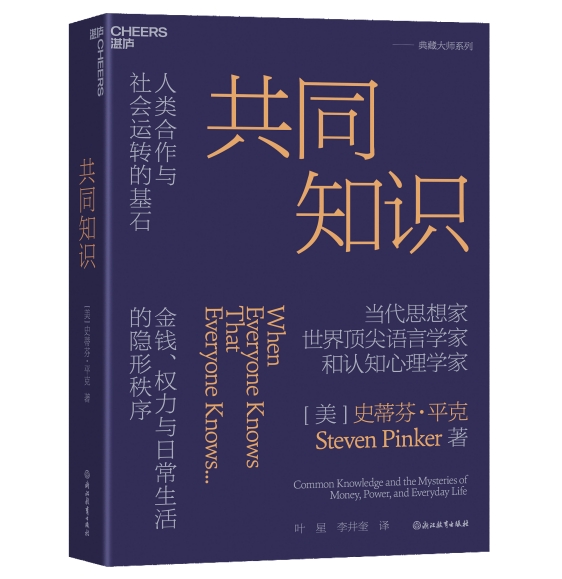
【有本好书送给你】“公开的秘密”为何最难打破:共同知识如何左右市场预期与群体选择
重阳投资· 2026-01-21 07:33
Core Viewpoint - The article emphasizes the importance of "common knowledge" as a foundational concept in human cooperation and social functioning, highlighting its role in shaping societal behaviors and expectations [8][36]. Group 1: Definition and Characteristics of Common Knowledge - Common knowledge is defined as a state where individuals not only know a fact but also know that others know it, creating a recursive understanding that influences behavior [10][36]. - It differs from private knowledge, which only requires individuals to know the same information without awareness of others' knowledge [12][24]. - The concept is crucial for understanding social coordination, as it allows individuals to align their actions based on shared awareness [11][36]. Group 2: Impact on Social Behavior - Common knowledge facilitates cooperation by enabling complementary choices among individuals, leading to mutually beneficial outcomes [12][36]. - It plays a significant role in public life, explaining phenomena such as social norms, rituals, and collective behaviors, which can sometimes lead to negative outcomes like panic or economic bubbles [11][36]. - The article discusses how common knowledge can create non-material realities, influencing societal structures like language, religion, and governance [35][36]. Group 3: Examples and Applications - The article uses the example of the children's story "The Emperor's New Clothes" to illustrate how common knowledge can shift public perception and behavior [10][36]. - It highlights the importance of language as a primary form of common knowledge, enabling effective communication and coordination among individuals [25][36]. - The article also addresses the challenges of achieving common knowledge in social interactions, using the "dating game" scenario to illustrate coordination difficulties [32][36].

预期为何难对齐:为什么“知道你知道”比“知道”更重要
3 6 Ke· 2026-01-18 23:15
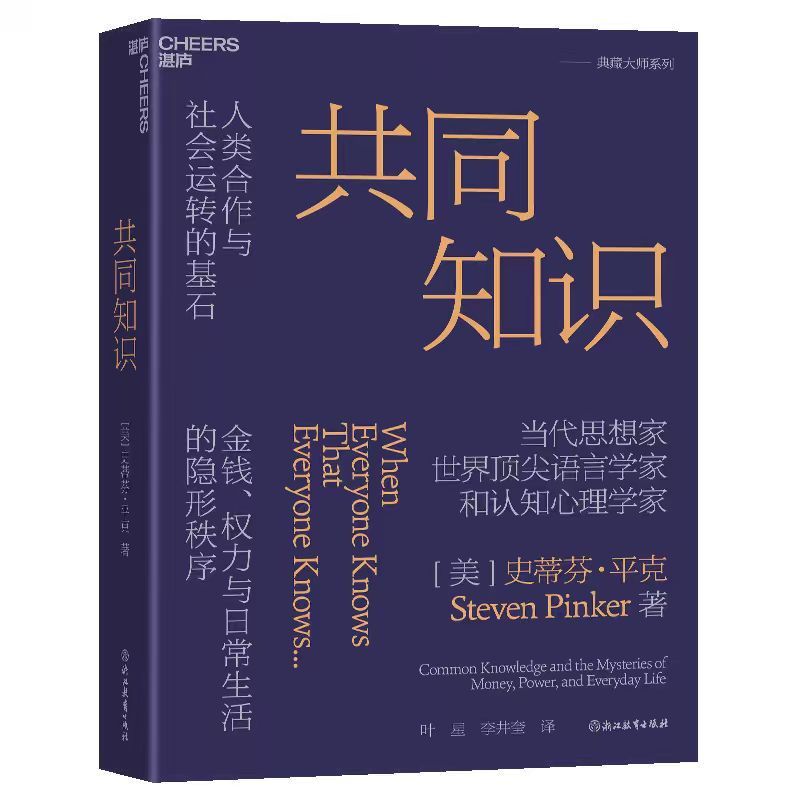
生活中处处存在与他人协调合作、实现互惠共赢的机会:约定见面的时间和地点,为聚餐准备不同种类的食材, 在项目中分工协作,给会议室起昵称,合力将笨重的沙发抬上楼梯等。就像牛椋鸟与斑马的共生关系,此时很少 有人会想着欺骗,也很少有人会担心受骗:一旦协调成功,所有人都是赢家。但协调并不必然轻易发生。即使目 标一致,只要彼此判断不同步,协调仍可能失灵——日程冲突、信号错位、共同目标在细节处搁浅,或被过多参 与者打乱节奏。看似琐碎的协作场景背后,指向的是同一个问题:如何让彼此的预期对齐。 近日,湛庐文化推出了当代思想家史蒂芬・平克的重磅新作《共同知识》,正为我们理解"协调难题"、洞察共同 知识如何建立与维持,提供了深刻而富有启发的思想参照。 [美]史蒂芬·平克 著 叶星、李井奎 译 2026年1月 出版社:湛庐文化/浙江教育出版社 约会博弈:为什么"目标一致"仍会失约 让我们通过一个博弈的故事来揭示协调的核心逻辑,就像囚徒困境揭示合作本质那样。在约会博弈(Rendezoous Game)中,詹姆斯和夏洛特这对好友相约一起喝咖啡,但在敲定地点前,詹姆斯的手机没电了,两人失联。他们 都清楚詹姆斯常去爪哇咖啡馆,夏洛特则常光顾 ...
王华东:今年读了30本书,这是我的年度书单丨2025尾声
36氪· 2025-12-20 01:20
Core Viewpoint - The article emphasizes the importance of "transformation" in various sectors, highlighting the role of Wang Huadong, a partner at Jingwei Venture Capital, in navigating diverse industries and investment opportunities through a coherent understanding of technology and industry evolution [5][6]. Group 1: Investment Philosophy - Wang Huadong exemplifies a seamless transition across different sectors, from media to automotive and advanced manufacturing, driven by a clear logic of technological and industrial evolution rather than mere sector rotation [6][10]. - His approach to investment is characterized by a "scientific investment perspective," focusing on precise layouts informed by extensive cross-disciplinary knowledge [10]. - Wang's commitment to self-discipline is evident in his daily routine, which includes waking up at 5:30 AM and maintaining a high reading volume of over 30 books annually, viewing reading as a means of cognitive enhancement and understanding historical patterns [8][9]. Group 2: Insights from Influential Figures - A notable conversation between Qian Yingyi and Elon Musk left a lasting impression on Wang, emphasizing the value of extensive reading and communication in achieving success [11][13]. - Wang's diligence and ability to distill insights from his readings are highlighted as key factors in his growth as a General Partner (GP) [13][14]. Group 3: Recommended Reading List - The article presents a curated reading list by Wang Huadong, which includes titles that reflect his investment philosophy and insights into technology and human behavior: - "Escape from the Bubble" by Alasdair Nairn discusses the historical patterns of technological investment and the cyclical nature of market bubbles [17]. - "Why We Sleep" by Matthew Walker explores the critical role of sleep in enhancing cognitive abilities and emotional well-being [24]. - "Sapiens: A Brief History of Humankind" by Yuval Noah Harari provides a comprehensive overview of human evolution and the implications of AI on society [36][39].

王华东:今年读了30本书,这是我的年度书单丨2025尾声
暗涌Waves· 2025-12-19 04:39
Core Viewpoint - The article emphasizes the importance of "transformation" in various contexts, from national to personal levels, highlighting the need for continuous adaptation and learning in the investment landscape [2]. Group 1: Investment Philosophy - Wang Huadong, a partner at Jingwei Venture Capital, exemplifies a seamless transition across different industries and sectors, showcasing a clear logic of technological and industrial evolution rather than mere shifts between investment tracks [3][4]. - His approach to investment is characterized by a "scientific investment perspective," focusing on precise layouts derived from extensive cross-disciplinary knowledge [7]. - Wang's commitment to self-discipline is evident in his daily routine, which includes waking up at 5:30 AM and maintaining a high reading volume of over 30 books annually, viewing reading as a process of cognitive enhancement and pattern recognition [5][6]. Group 2: Insights from Literature - The article presents a curated reading list by Wang, which includes titles that explore the historical context of technology and investment, such as "Engines That Move Markets," which analyzes the cyclical nature of technological advancements and market speculation [13][15]. - Other recommended readings focus on the significance of sleep and its impact on productivity, emphasizing the need for quality rest as a foundation for efficiency and long-term happiness [18][20]. - The list also features works that delve into human evolution and the implications of AI on societal structures, highlighting the necessity for deeper contemplation on humanity's future in the face of technological advancements [29][31]. Group 3: Personal Development - Wang's reading selections include autobiographies and insights from influential figures in the tech and investment sectors, such as "The Man Who Solved the Market," which reveals how quantitative investment strategies can outperform traditional methods [37][39]. - The inclusion of works by Yuval Noah Harari underscores the importance of understanding historical narratives to navigate future challenges posed by technological changes [29][31]. - Wang's personal reflections on running and its philosophical implications suggest a holistic approach to personal development, integrating physical activity with mental resilience [23][27].

惊人的“黄金圈法则”:你什么思维,什么命
洞见· 2025-11-23 12:34
Core Insights - The article emphasizes the importance of understanding the "why" behind actions, as proposed by Simon Sinek's "Golden Circle" theory, which suggests that successful individuals start with the purpose (why), then the process (how), and finally the outcome (what) [5][20][38] Group 1: The Importance of Thinking - Ordinary individuals often approach problems from the outside in (what → how → why), leading to ineffective efforts and stagnation [5][7] - High achievers, on the other hand, reverse this order, starting with the purpose, which allows them to address the essence of issues and achieve growth [5][20] - The concept of "pseudo-diligence" is introduced, where individuals work hard without understanding the value or purpose of their tasks, resulting in unproductive busyness [7][14] Group 2: Real-Life Examples - A friend's experience with job insecurity illustrates the consequences of merely following orders without questioning the purpose behind his work, leading to unexpected job loss [9][12] - Warren Buffett's investment strategy is highlighted, where he emphasizes understanding the reasons behind investment decisions, which contributes to his success in the stock market [22][24][26] - Steve Jobs' approach to innovation with the iPhone showcases the significance of questioning the purpose of a product before its development, leading to groundbreaking results [29][31] Group 3: The Power of Purpose - The article argues that life-changing moments stem from understanding the "why" behind actions rather than merely changing what one does [38] - Yuval Noah Harari's shift in research focus from military history to broader historical narratives exemplifies how questioning the relevance of one's work can lead to significant breakthroughs [37] - The conclusion stresses that continuous questioning and deep thinking are essential for personal growth and success, as highlighted by various philosophical perspectives [38][39]

地铁上的阅读(读书有味)
Ren Min Ri Bao· 2025-07-31 22:22
Core Insights - The article highlights the evolving landscape of reading habits in Beijing's subway, showcasing how commuters engage with books amidst a fast-paced environment [2][3][4] Group 1: Reading Trends - The author has documented over 2,800 reading moments and 1,300 different books, indicating a strong culture of reading among commuters [2] - Classic literature remains popular among subway readers, with titles like "Dream of the Red Chamber," "Ordinary World," and "Three-Body Problem" frequently observed [3][4] - The influence of social media and short video platforms is reshaping reading preferences, leading to a rise in books like "The Art of War" due to their association with trending content [4] Group 2: Changes in Book Formats - There is a noticeable shift towards digital reading formats, with more readers opting for e-books and audiobooks, reflecting a trend towards "immersive reading" in a fragmented media landscape [5] - The types of books being read are also changing, with an increase in smaller, more portable editions, while traditional heavy volumes are less common [5] - The publishing industry faces the challenge of adapting deep content to fit the busy lifestyles of modern readers, prompting a reevaluation of how books are presented [5]

惊人的“黄金圈法则”:你什么思维,什么命
洞见· 2025-06-08 10:38
Core Insights - The article emphasizes the importance of understanding the "why" behind actions, suggesting that successful individuals approach problems from an internal perspective (Why → How → What), while ordinary individuals often start from the external (What → How → Why) [6][7][10]. Group 1: Ordinary Thinking - Ordinary individuals tend to engage in "pseudo-diligence," focusing on tasks without questioning their purpose, leading to ineffective efforts [12][13][21]. - A personal anecdote illustrates that merely completing assigned tasks without understanding their significance can result in negative outcomes, such as job loss [16][20]. - The article warns against falling into a cycle of "ineffective busyness," where individuals work hard but fail to achieve meaningful progress [22][23]. Group 2: Expert Thinking - Successful individuals, like Warren Buffett, analyze the underlying reasons for their investment decisions, focusing on the potential of companies rather than just their current performance [28][30][32]. - The article highlights Steve Jobs' approach to innovation, where he questioned the purpose of creating new products, leading to groundbreaking developments like the iPhone [35][38]. - The depth of one's thinking is posited as a determinant of life success, with the ability to see the essence of situations being crucial for achieving significant outcomes [39][40]. Group 3: The Importance of "Why" - The narrative of Yuval Noah Harari illustrates the necessity of understanding the relevance of one's research, which led to a shift from a narrow focus on military history to broader historical narratives [44][50]. - The article concludes that life-changing insights come from asking "why," which guides individuals toward meaningful actions and decisions [54][56]. - It stresses that without a clear understanding of "why," efforts may lead to aimless pursuits, akin to a ship without a compass [57][58].

用这10本必读书籍重新定义你的生活
3 6 Ke· 2025-04-30 07:11
Core Insights - The article presents a list of ten impactful books that can reshape one's understanding of life and decision-making [1][3]. Group 1: Book Summaries - "Thinking in Bets" by Annie Duke emphasizes that life decisions are akin to gambling, highlighting the importance of decision quality and luck [6][7]. - "Man's Search for Meaning" by Viktor Frankl discusses finding meaning in life, even in dire circumstances, and the power of attitude [10][11]. - "The Denial of Death" by Ernest Becker explores humanity's struggle with mortality and the quest for meaning through culture and belief systems [14][15]. - "Sapiens" by Yuval Noah Harari examines human history and the role of shared myths in societal cooperation [19][20]. - "Debt: The First 5000 Years" by David Graeber presents a new perspective on the origins of money and the social implications of debt [22][23]. - "The Better Angels of Our Nature" by Steven Pinker argues that violence has decreased over time and highlights the positive aspects of human nature [25][28]. - "Talking to Strangers" by Malcolm Gladwell discusses the inherent trust in human nature and the complexities of understanding strangers [29][32]. - "Stumbling on Happiness" by Daniel Gilbert reveals the inaccuracies in human predictions about future happiness and the importance of experiences [35][38]. - "Mindset: The New Psychology of Success" by Carol Dweck contrasts fixed and growth mindsets, advocating for the latter as a path to success [39][42]. - "Marriage: A History" by Stephanie Coontz challenges the notion that love is the foundation of marriage, exploring its historical context and evolution [46][49].