转型

Search documents
Integra LifeSciences(IART) - 2025 Q4 - Earnings Call Transcript
2026-02-26 14:32
Financial Data and Key Metrics Changes - Full year 2025 revenue was $1.635 billion, representing 1.5% growth on a reported basis and a 0.7% organic decline [15] - Fourth quarter revenues were $435 million, reflecting a decrease of 1.7% on a reported basis and an organic decline of 2.5% [17] - Full-year gross margin was 61.9%, down 260 basis points year-over-year, while fourth quarter gross margin was 61.7%, down 350 basis points from the prior year [16][18] - Adjusted earnings per share for the full year was $2.23, compared to $2.56 in 2024, and for the fourth quarter was $0.83 compared to $0.97 in the prior year [16][18] Business Line Data and Key Metrics Changes - In the global neurosurgery segment, organic growth was 1.4%, with double-digit growth in CereLink, MAYFIELD Capital, and AURORA [18] - Tissue Technologies revenues were $111.6 million, down 12.8% on both a reported and organic basis, with a 21.4% decline in the Wound Reconstruction franchise [19] - Private label sales in Tissue Technologies were up 20.1% year-over-year, driven by improved partner orders [19] Market Data and Key Metrics Changes - International markets contributed to high single-digit growth in the CSF business, led by double-digit performance in China and Canada [18] - Demand indicators across global markets remain strong, with expectations for continued growth in China [52] Company Strategy and Development Direction - The company is focused on four strategic imperatives: delivering best-in-class quality, driving supply chain reliability, accelerating growth, and igniting innovation [9][10] - A new operating model has been implemented to reduce complexity and improve efficiency, with a focus on disciplined execution and accountability [8] - The company plans to bring key products back to the market, including SurgiMend and DuraSorb, with a new manufacturing facility expected to be operational by mid-2026 [11][24] Management's Comments on Operating Environment and Future Outlook - Management acknowledged uncertainty around new tariffs and their potential impact on guidance for 2026 [4] - The company expects improved cash flow in 2026, with operating cash flow projected to exceed $200 million [31] - Management remains optimistic about long-term growth and value creation prospects, emphasizing the importance of quality management and supply reliability [14][26] Other Important Information - The company has welcomed six new leaders to its executive team, enhancing capabilities and supporting long-term growth [7] - The company is actively monitoring reimbursement changes and believes its pricing is well within the new reimbursement range [32] Q&A Session Summary Question: Free cash flow generation and improvement expectations for 2026 - Management explained that negative free cash flow in the quarter was driven by timing of collections and restructuring costs, but expects significant improvement in 2026 with operating cash flow projected to exceed $200 million [30][31] Question: Status of Tissue Technologies business and reimbursement changes - Management indicated that while there are reimbursement changes, they do not expect negative impacts on their business, as their pricing aligns with new reimbursement levels [32] Question: Growth assumptions for CSS and Tissue Technologies - Management provided insights on growth expectations, indicating low single-digit growth for CSS and low to mid single-digit growth for Tissue Technologies in 2026, driven by supply rather than demand [40] Question: Key milestones for Braintree and product relaunches - Management confirmed that Braintree is on track for operationalization by mid-2026, with ongoing process validations [45] Question: MediHoney remediation efforts - Management stated that revenues for MediHoney have not been accounted for in 2026 guidance, as remediation efforts continue [50] Question: International market dynamics and performance in China - Management noted strong performance in China and Canada, expecting continued growth contributions from these markets [52]

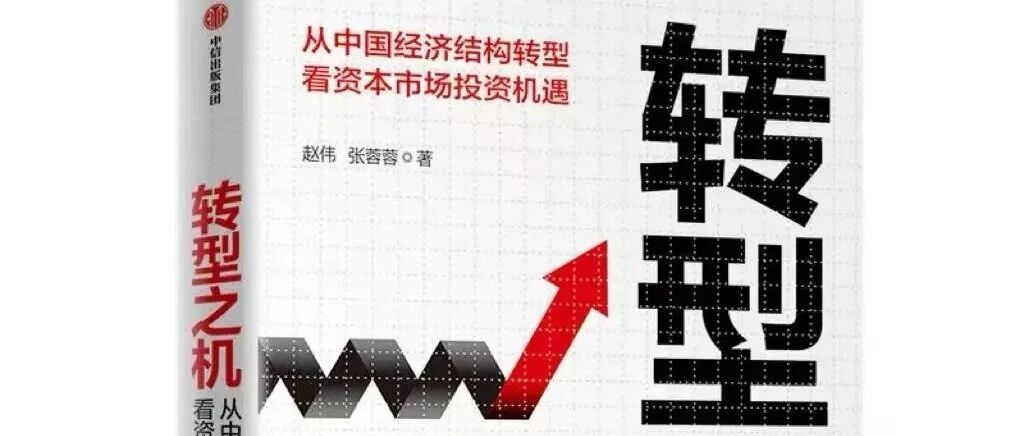
《转型之机》后记摘段
赵伟宏观探索· 2026-02-15 16:04
Core Insights - The transformation of the Chinese economy is a critical issue that requires a new analytical framework due to the failure of traditional analysis methods in interpreting current economic phenomena and guiding market investment activities [2] - The transformation process is a complex system project that involves extensive data and requires a clear understanding of economic operation logic while avoiding vague generalizations [2] - Different economic entities have unique endowments and external environments during key transformation stages, necessitating substantial data analysis to approach the truth and identify universal patterns that can provide insights for China's transformation [2] - Structural differentiation during the transformation is significant, breaking traditional economic laws, which means macroeconomic logic must be supported by solid microeconomic foundations [2] Research Focus - The systematic analysis of China's economic transformation and the adjustment of research frameworks under transformation have been a long-standing interest and research direction for the company, spanning nearly a decade of professional experience [4] - The process of learning, thinking, and reconstructing frameworks is a lengthy growth journey, with many issues still requiring further exploration [4] - Deepening the understanding of transformation issues benefits personal development and helps in comprehending recent economic and financial phenomena [4] - The concept of transformation does not follow a fixed model or path; it requires selecting the most suitable direction based on endowment differences [4] - Transformation is a systemic project that extends beyond economic issues, representing a comprehensive overhaul [4] - The transformation process is akin to a "metamorphosis," where choosing the right direction means that slow progress can be more effective than rushing [4]

以“求变”应“万变”,广汽丰田已经看懂全新竞争逻辑!
财联社· 2026-01-31 13:25
Core Viewpoint - The article emphasizes the shift in the Chinese automotive market towards a "value war" as the industry moves away from price wars, with a focus on high-value, low-energy consumption models in response to subsidy reductions and changing consumer preferences [1][7][19]. Group 1: Market Trends and Changes - By 2025, the penetration rate of new energy vehicles in China's car market is expected to exceed 50%, indicating a positive trend in new energy development [1]. - The reduction of purchase tax subsidies is anticipated to lead to a cooling market at the beginning of 2026, causing a decline in sales for some new energy models that rely heavily on subsidies [1][7]. - The competition is shifting from price-based strategies to value and trust-based strategies, marking a new competitive logic in the industry [1][7]. Group 2: GAC Toyota's Performance - GAC Toyota has proactively initiated reforms since 2024, focusing on both fuel and electric vehicles, and has become one of the few joint ventures to achieve year-on-year growth, showcasing resilience [1][2]. - In the fuel vehicle segment, GAC Toyota's three flagship models—Camry, Highlander, and Sienna—achieved a total sales volume of 378,100 units, accounting for 49% of total sales, with Camry alone seeing a 19.5% year-on-year increase [2]. - GAC Toyota's hybrid models sold 390,400 units, capturing 50.5% of the domestic HEV market, while its pure electric model, the Platinum Zhi 3X, sold 70,000 units, becoming the top-selling joint venture new energy vehicle [4]. Group 3: Strategic Initiatives for 2026 - GAC Toyota plans to launch the D-class luxury pure electric flagship model, the Platinum Zhi 7, in March 2026, aiming to strengthen its position in the new energy market and achieve a target of over 160,000 pure electric vehicle sales [9][11]. - The company is enhancing its product lineup by introducing high-value features in its fuel vehicles, such as standard high-end configurations in entry models, to meet consumer demands for better value [9][11]. - GAC Toyota is implementing a "China Chief Engineer System" to better understand local consumer needs, which will lead to more targeted product development [6]. Group 4: Consumer Trust and Brand Positioning - The article highlights a shift in consumer purchasing decisions towards quality and reliability, with a growing demand for products that demonstrate visible quality and dependable service [18]. - GAC Toyota's commitment to quality and responsibility, including a lifetime warranty on key components, is expected to strengthen consumer trust and support its sales goals for 2026 [15][18]. - The company's established reputation and nearly a million loyal customers provide a strong foundation for its market presence, which is crucial for navigating the upcoming value competition [15][18].

中国皮卡产业正在上演“转型、出海与新能源化”三重奏
Zhong Guo Qi Che Bao Wang· 2026-01-23 03:42
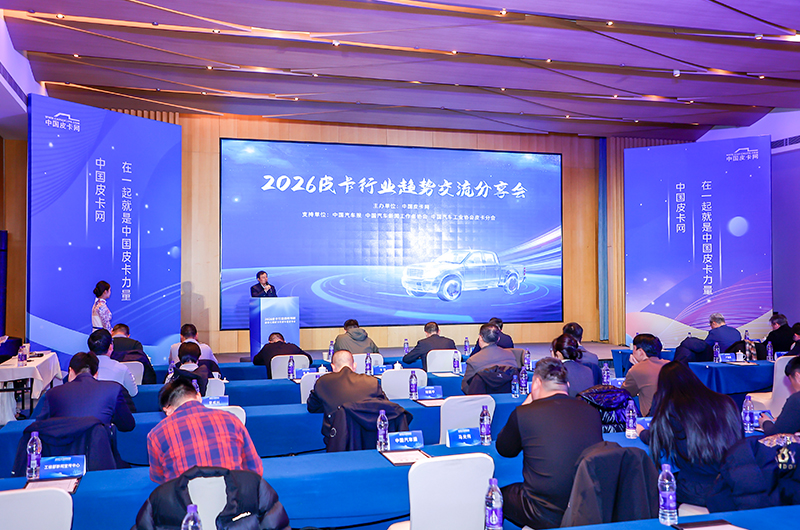
Core Insights - The Chinese pickup truck industry is at a strategic opportunity and transformation phase, driven by new energy and intelligence, with global competition urging faster brand building and technology output [3][5] - By 2025, the domestic pickup market is experiencing intense competition, while exports have surged, accounting for over 50% of total production, marking a significant growth driver for the industry [5][10] - The industry is undergoing profound changes characterized by domestic transformation pressures, robust overseas growth, and accelerated breakthroughs in new energy [7][10] Industry Trends - The main themes of the conference were "transformation, going global, and new energy," indicating a shift from incremental competition to a focus on global market engagement [10][12] - The export volume of Chinese pickups has surpassed domestic sales for the first time, with a notable ratio of 1.22:1, highlighting a significant shift in industry dynamics [10][12] - The penetration rate of new energy pickups is expected to rise from 4% in 2024 to 9% in 2025, indicating a breakthrough in a segment previously considered challenging for electrification [12][14] Future Opportunities and Challenges - The upcoming "15th Five-Year Plan" presents both opportunities and challenges, with expected policy improvements to enhance the pickup market and stimulate consumer demand [7][17] - The year 2026 is anticipated to be a breakthrough year for hybrid pickups, with more companies expected to launch mature plug-in hybrid products at competitive price points [17][18] - The industry faces challenges such as intense competition in the domestic market and the need for sustainable profit models, emphasizing the importance of experience and solution-based competition [18][25] Annual Model Release - The conference included the announcement of the "7th Annual Pickup Model Evaluation," featuring 11 new pickup models from major brands, evaluated through comprehensive testing [19][21] - The evaluation process was detailed, focusing on various performance metrics such as safety, efficiency, comfort, and off-road capability [21][23] - The certification system's role in promoting standardization and quality in the pickup industry was highlighted, with awards presented to models that achieved significant certifications [23][25]
永辉“胖改”巨亏21亿!传统零售的救命稻草,还是沉重枷锁?
Xin Lang Cai Jing· 2026-01-22 02:53
Core Viewpoint - Yonghui Supermarket, once a leader in China's retail industry, is facing significant challenges, reporting a projected loss of 2.14 billion yuan for 2025, marking its fifth consecutive year of losses due to its costly "Pang Reform" strategy inspired by a successful competitor [1][4]. Group 1: Company Challenges - The company has struggled with high costs, declining foot traffic, and an outdated business model, reflecting broader issues within the traditional retail sector amid the rise of e-commerce and community group buying [2][3]. - The ongoing transformation, referred to as "Pang Reform," involves a shift from a focus on scale and efficiency to enhancing customer experience and service, which has resulted in substantial costs and losses [4]. Group 2: Financial Implications - The transformation has incurred over 1.2 billion yuan in costs, with the company facing a high debt ratio of nearly 89%, complicating its financial situation and increasing the risk associated with its strategic overhaul [4]. - The closure of 381 stores is a drastic measure aimed at stemming losses, but the effectiveness of the remaining stores in generating sustainable revenue through the "Pang Reform" remains uncertain [5]. Group 3: Investment Insights - Investors should critically assess the company's ability to balance cost-cutting measures with revenue generation, focusing on key performance indicators such as operating cash flow, same-store sales growth, and debt structure optimization before making investment decisions [5]. - The case of Yonghui serves as a cautionary tale about the complexities of transformation in a rapidly changing industry, emphasizing the need for careful management of strategic execution under pressure [5].

王华东:今年读了30本书,这是我的年度书单丨2025尾声
暗涌Waves· 2025-12-19 04:39
Core Viewpoint - The article emphasizes the importance of "transformation" in various contexts, from national to personal levels, highlighting the need for continuous adaptation and learning in the investment landscape [2]. Group 1: Investment Philosophy - Wang Huadong, a partner at Jingwei Venture Capital, exemplifies a seamless transition across different industries and sectors, showcasing a clear logic of technological and industrial evolution rather than mere shifts between investment tracks [3][4]. - His approach to investment is characterized by a "scientific investment perspective," focusing on precise layouts derived from extensive cross-disciplinary knowledge [7]. - Wang's commitment to self-discipline is evident in his daily routine, which includes waking up at 5:30 AM and maintaining a high reading volume of over 30 books annually, viewing reading as a process of cognitive enhancement and pattern recognition [5][6]. Group 2: Insights from Literature - The article presents a curated reading list by Wang, which includes titles that explore the historical context of technology and investment, such as "Engines That Move Markets," which analyzes the cyclical nature of technological advancements and market speculation [13][15]. - Other recommended readings focus on the significance of sleep and its impact on productivity, emphasizing the need for quality rest as a foundation for efficiency and long-term happiness [18][20]. - The list also features works that delve into human evolution and the implications of AI on societal structures, highlighting the necessity for deeper contemplation on humanity's future in the face of technological advancements [29][31]. Group 3: Personal Development - Wang's reading selections include autobiographies and insights from influential figures in the tech and investment sectors, such as "The Man Who Solved the Market," which reveals how quantitative investment strategies can outperform traditional methods [37][39]. - The inclusion of works by Yuval Noah Harari underscores the importance of understanding historical narratives to navigate future challenges posed by technological changes [29][31]. - Wang's personal reflections on running and its philosophical implications suggest a holistic approach to personal development, integrating physical activity with mental resilience [23][27].

嘉宾建言资产证券化未来发展:夯实基础,回归价值|2025债券市场高质量发展大会
Sou Hu Cai Jing· 2025-12-17 18:51
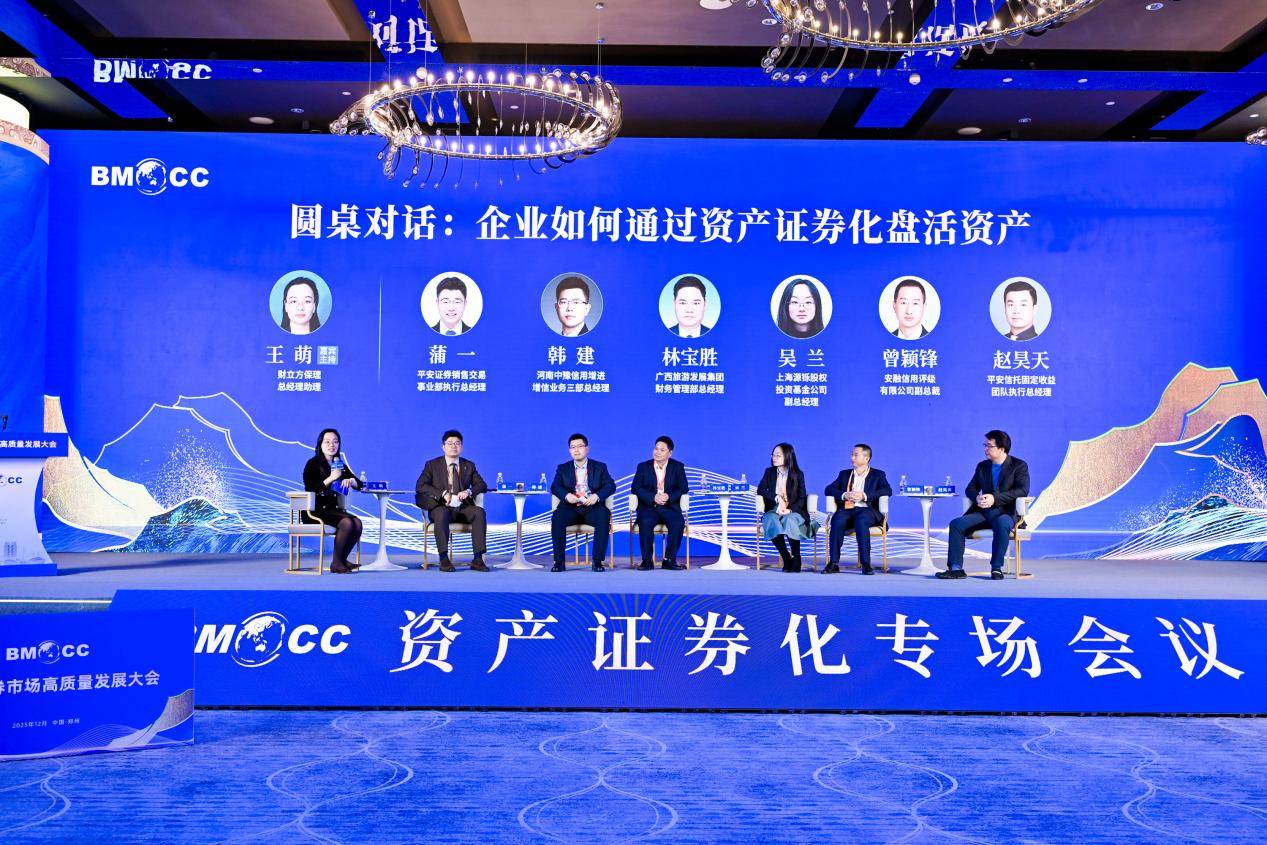
Core Viewpoint - The conference on high-quality development of the bond market emphasizes the importance of asset securitization as a means to transform dormant assets into liquid financial products, aligning with the policy direction of optimizing incremental and revitalizing existing assets [1] Group 1: Strategic Importance of Asset Securitization - The General Manager of the Financial Management Department of Guangxi Tourism Development Group, Lin Baosheng, states that asset securitization is not merely a financing tool but a profound "asset revolution" and a catalyst for strategic transformation [3] - Lin Baosheng outlines the need for systematic internal asset assessment and categorization into five main types, including stable cash flow-generating physical assets and receivables, to design feasible securitization paths [5] Group 2: Key Considerations in Asset Securitization - Zeng Yingfeng, Vice President of Anrong Credit Rating Co., emphasizes three key attributes for quality underlying assets in securitization: predictability, diversification, and cyclical resilience [5] - The future of asset securitization hinges on accurate asset pricing, as stated by Pu Yi, Executive General Manager of the Sales and Trading Division at Ping An Securities, who calls for more issuers to engage in this product type [7] Group 3: Transformation and Local Industry Integration - Han Jian, General Manager of the Credit Enhancement Business at Henan Zhongyu, highlights the importance of transformation to shed ineffective assets and align with local industry characteristics to uncover high liquidity and high-yield quality assets [9] - Wu Lan, Deputy General Manager of Shanghai Yuanshuo Equity Investment Fund Management Co., suggests incorporating investment banking thinking from the project's planning and operational stages to ensure cash flow generation and capital operation potential [12] Group 4: Building Trust and Transparency - Zeng Yingfeng reiterates the need for enterprises to solidify their foundations and transparently disclose cash flows to withstand pressure tests, viewing ratings as a diagnostic tool to reveal value and risks [14] - Zhao Haotian, Executive General Manager of the Fixed Income Team at Ping An Trust, discusses the evolution from traditional corporate bonds to ABS and REITs, emphasizing the necessity of presenting genuine asset conditions to attract long-term capital [14] Group 5: Collective Insights on Asset Securitization - The six panelists, despite differing perspectives, converge on the idea that the vitality of asset securitization lies in the real value of assets, comprehensive information disclosure, forward-thinking strategies, and accountability across the entire chain [17]
国际机构看中国经济 关键词亮了
Yang Shi Xin Wen Ke Hu Duan· 2025-12-07 09:04
Group 1: Key Insights from the World Economic Forum - The core theme for China's economy in 2025 is technology and capability, with significant advancements in robotics and AI applications in manufacturing processes [3][7] - Over 40% of the global lighthouse network members are located in China, highlighting the country's leadership in advanced manufacturing and productivity enhancement [5][7] - Nearly 50% of best practices in artificial intelligence are being implemented in China, showcasing the country's competitive edge in various industries [7] Group 2: Key Insights from the Asian Development Bank - The keywords for China's economy in 2025 are resilience, adaptability, and foresight, particularly in trade relations with ASEAN and global markets [8][10] - China's third-quarter economic growth was 4.8%, with a year-to-date growth rate of 5.2%, indicating strong export performance and resilience against external uncertainties [12] - The adaptability of enterprises and supply chains is crucial, with a diversification of export destinations and an increase in high-quality product exports [14] Group 3: Key Insights from the OECD - The OECD has raised its economic growth forecast for China in 2025 to 5%, attributing this to the country's resilience, transformation, and vitality [15][17] - Significant technological innovations are driving transformative changes across various industries, with emerging fields like low-altitude economy showing promising developments [19] - China remains a key contributor to global economic growth, actively engaging in global economic integration and contributing to technological advancements in green transformation [25]
16大年度词,说透所有车企的难与盼
汽车商业评论· 2025-11-28 23:06
Core Insights - The automotive marketing industry is facing intense competition with a slight market growth and a significant increase in the penetration of new energy vehicles, which has surpassed 50% [4] - The concept of "intelligence" is becoming central to product definitions and user decision-making, with AI-generated content influencing consumer perceptions [5][7] - Companies are adapting to new marketing paradigms, focusing on brand strategy, sales growth, and user communication amidst a complex market environment [4][5] Group 1: Industry Trends - The automotive industry is undergoing profound changes driven by the integration of AI and smart technologies, creating both challenges and opportunities for companies [10] - The rise of "smart" as a key marketing and product development focus is evident, with companies needing to embrace new paradigms and multi-modal strategies [7][10] - The market for pure electric large three-row SUVs is growing, with significant sales increases indicating a shift away from hybrid and fuel models [24] Group 2: Company Strategies - One company emphasizes "oil-electric intelligence" as a brand strategy, showcasing a commitment to smart upgrades across its product line [10] - Another company highlights its focus on "deep cultivation of circles and ecological empowerment," positioning vehicles as intelligent hubs and energy platforms [13] - A brand is transitioning to a dual technology strategy, launching new hybrid models to meet diverse market demands [17] Group 3: Marketing Approaches - The concept of "listening to advice" is highlighted as essential for responding to both expressed and unexpressed consumer needs [37] - Companies are encouraged to return to the essence of communication and user engagement, emphasizing sincerity and genuine interaction [30] - The importance of global insights and respect for diverse markets is underscored as a strategy for successful international expansion [34]

除了“卖油”还要“卖电”,“三桶油”加码售电业务
Hua Xia Shi Bao· 2025-11-21 23:40
Core Insights - Major oil companies are increasingly entering the electricity sales market as part of their strategic transformation in response to the impact of electric vehicles on oil consumption [2][6] - The establishment of China National Petroleum Corporation Electric Power Co., Ltd. (中油电能) marks a significant move by China National Petroleum to position itself as a clean energy service provider [2][4] - The oil companies are leveraging their existing infrastructure, such as gas stations, to integrate electric vehicle charging solutions, thereby enhancing their service offerings [6][10] Company Developments - 中油电能 was re-established from Daqing Oilfield Electricity Sales Co., which was founded in September 2016, and has become the largest enterprise power company in the CNPC system [3][4] - China National Petroleum's unified electricity purchase and sales platform has facilitated over 68 billion kilowatt-hours of electricity transactions by August 2025 [4] - China Petroleum and Chemical Corporation (Sinopec) has also entered the electricity sales market by establishing a new company focused on gas and electricity integration [5] Market Trends - The oil sector is facing declining profits due to falling oil prices, prompting companies to diversify into non-oil businesses and accelerate their green and low-carbon transformation [8][9] - The average price of Brent crude oil fell by 14.3% year-on-year, impacting the revenues of major oil companies [9] - The 2023 policy framework encourages oil and gas companies to develop renewable energy projects and participate in electricity market transactions [7] Strategic Initiatives - The "Three Barrel Oil" companies are focusing on expanding their non-oil business segments, including natural gas, hydrogen, and electricity services [10] - China National Petroleum is committed to building integrated energy stations that combine oil, gas, hydrogen, and electricity [11] - China National Offshore Oil Corporation (CNOOC) is advancing its green transition by developing offshore wind power and carbon capture technologies [11]