《尘白禁区》

Search documents
业绩 “虚胖” 背后:金山软件游戏板块遭遇滑铁卢
Guo Ji Jin Rong Bao· 2026-03-26 13:00
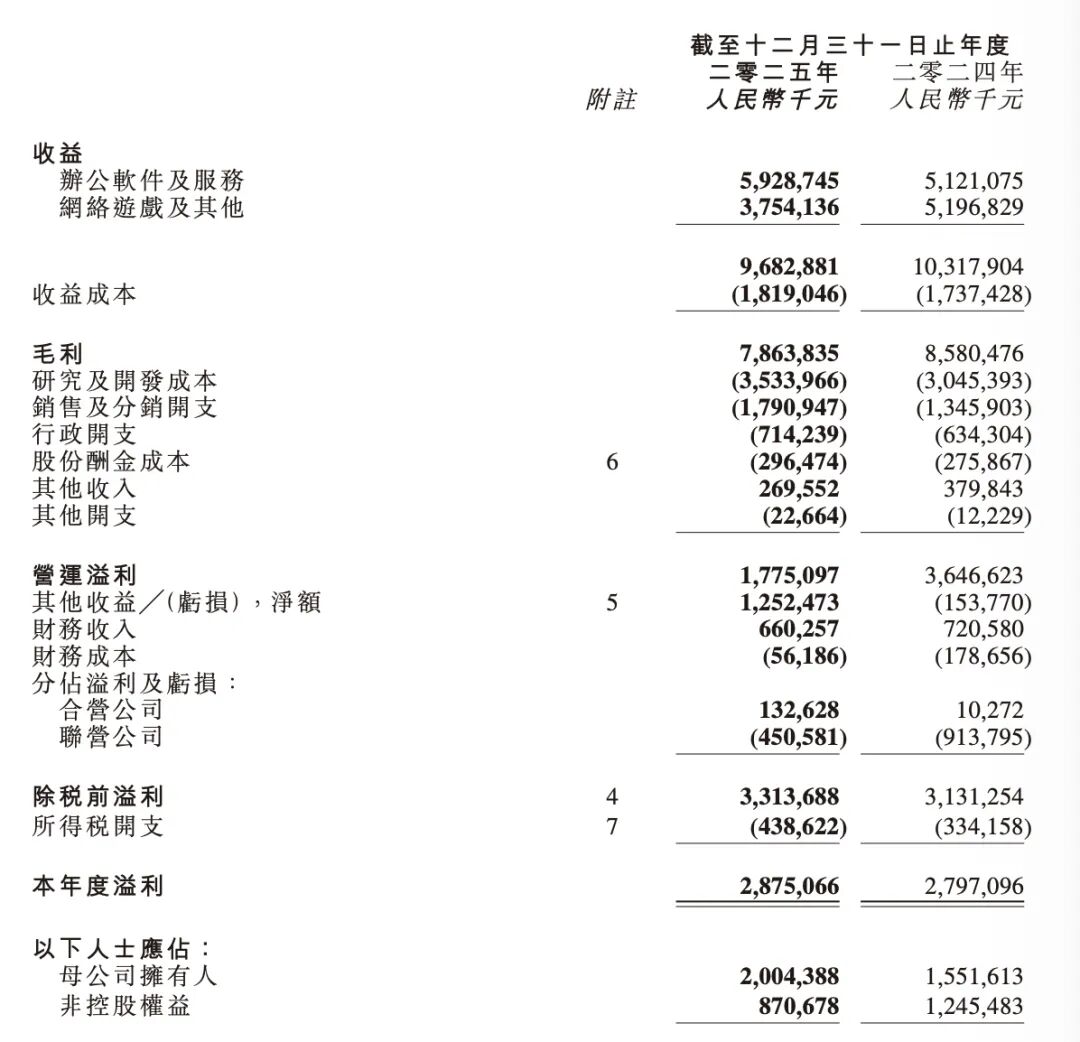
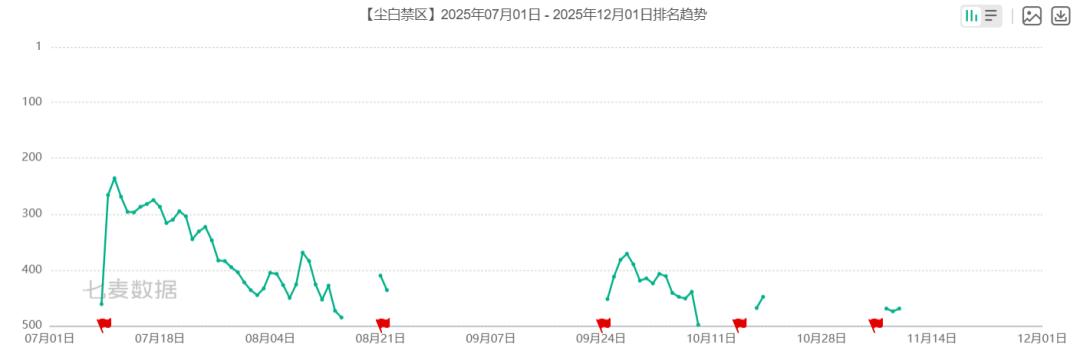
Core Insights - Kingsoft Software's 2025 annual report shows a total revenue of 9.683 billion RMB, a 6% decline year-on-year, while net profit attributable to shareholders increased by 29% to 2.004 billion RMB, largely due to gains from the sale of an associate company [1][2] Revenue Breakdown - The revenue from office software and services reached 5.928 billion RMB, a 15.78% increase year-on-year, accounting for approximately 61% of total revenue [3] - Revenue from online games and other segments fell by 27.77% to 3.754 billion RMB, making up about 39% of total revenue [3] Game Business Performance - The game business experienced a significant decline, with the fourth quarter alone recording a revenue drop of 33% year-on-year to 868 million RMB [3] - The decline in game revenue is attributed to decreased earnings from existing games and a high base from the previous year [3] Key Game Titles and Developments - The "Jian Xia Qian Ren" series, a flagship IP for the company, has shown declining performance as it enters its 16th year [3] - The sci-fi mech game "Jie Xian Ji," developed over nearly a decade, has underperformed since its launch, with peak online users dropping from 132,800 to under 1,000 shortly after release [4] Marketing and Expenditure - Marketing expenses for "Jie Xian Ji" reached 564 million RMB in the launch quarter, a 55% increase year-on-year, contributing to a total sales and distribution expense of 1.791 billion RMB for the year, up 33% [4] Strategic Shifts - Kingsoft Software's CEO acknowledged the underperformance of "Jie Xian Ji" and existing games, suggesting a potential shift in strategy [5] - The success of the social deduction mobile game "Goose Duck" indicates a possible strategic pivot within the company, although its long-term sustainability remains uncertain [5] Controversies and Challenges - The game "Chen Bai Jin Qu" faced backlash over its content and partnership with China Post, highlighting ongoing challenges in the gaming sector [6]


西山居游戏《尘白禁区》意外停服,金山软件游戏业务“冷暖交织”
Mei Ri Jing Ji Xin Wen· 2026-03-05 15:57
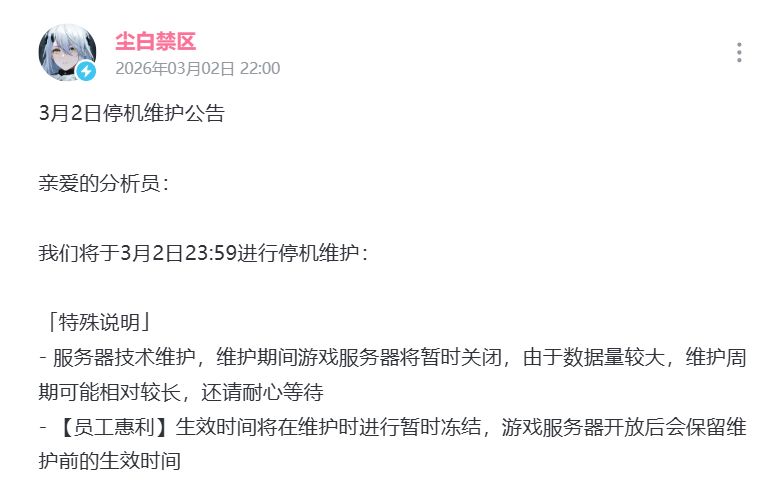
Core Viewpoint - The sudden maintenance announcement of the popular game "Dust White Zone" has raised concerns about operational issues within the game and its developer, Xishanju, a subsidiary of Kingsoft. This situation contrasts sharply with the success of another Kingsoft game, "Goose Duck Kill," highlighting a mixed performance in the company's gaming business [1][6][10]. Group 1: Game Suspension and Controversy - "Dust White Zone" announced an unexpected server maintenance on March 2, citing vague reasons related to server technology and data volume, without specifying a reopening time [1]. - The game had recently faced controversy over its graphic content, leading to the termination of a planned collaboration with China Post due to public backlash [2][5]. - The game's suspension reflects operational challenges for Xishanju and raises questions about Kingsoft's gaming business transformation [2][6]. Group 2: Financial Performance and Business Structure - Kingsoft's gaming segment has shown a stark contrast in performance, with "Goose Duck Kill" experiencing explosive growth, while "Dust White Zone" faces operational setbacks [6][10]. - Kingsoft's third-quarter report for 2025 indicated a 47% year-on-year decline in revenue from online games, contributing to a 17% overall revenue drop for the company [8][9]. - The gaming business, once a cash cow for Kingsoft, is now under pressure, with the company relying heavily on its office software segment for stability [9][10]. Group 3: Industry Trends and Regulatory Environment - The gaming industry is experiencing tighter regulations, prompting companies to prioritize compliance and self-regulation over aggressive marketing strategies [2][5]. - The mixed performance of Kingsoft's games highlights the challenges of dependency on single products and the need for sustainable competitive advantages in a rapidly changing regulatory landscape [10][11]. - Industry experts suggest that Xishanju may need to refocus on its traditional martial arts genre to stabilize its business following the setbacks in the two-dimensional gaming sector [11].
9点1氪丨语音误关大灯致车祸,领克道歉;OpenAI获1100亿美元融资;米哈游内部通报员工意外离世
3 6 Ke· 2026-02-28 01:12
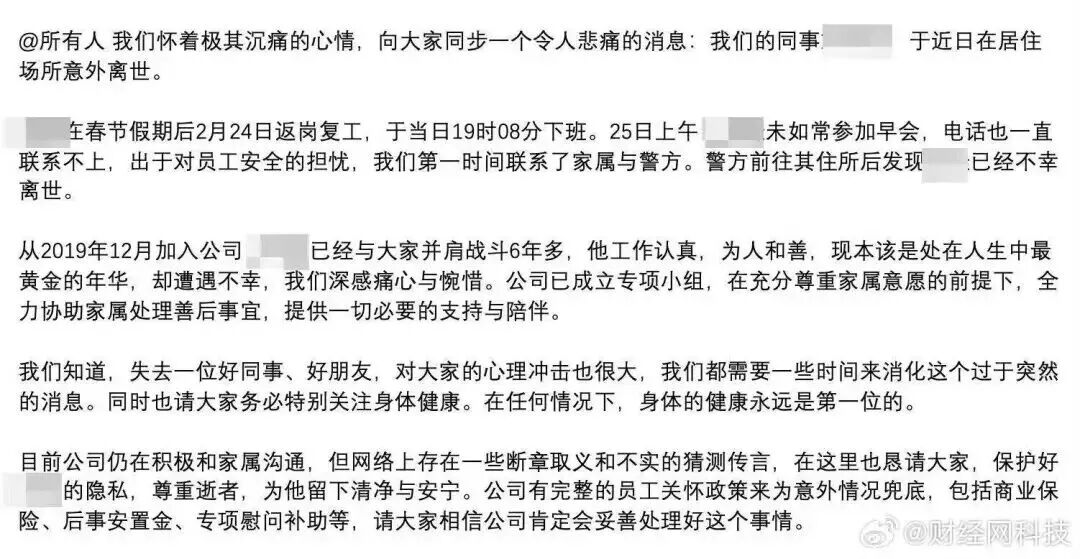
Group 1 - Lynk & Co apologized for a car accident caused by a voice command that mistakenly turned off the headlights of a Lynk Z20 vehicle, and they have implemented a cloud-based update to prevent this issue in the future [1] - OpenAI announced a significant funding round of $110 billion, with major contributions from SoftBank, NVIDIA, and Amazon, and a pre-money valuation of $730 billion [1] - MiHoYo responded to the unexpected death of a 36-year-old programmer, clarifying that the employee did not work excessive hours and that rumors about compensation were false [1] Group 2 - Doubao Mobile addressed claims of security vulnerabilities, stating that they have upgraded protective measures and have not received detailed reports of any issues [2] - Yingshi Innovation announced the conclusion of a 337 investigation by the US International Trade Commission, confirming that their products do not infringe on GoPro patents, allowing them to continue importing and selling in the US [3] - Meizu denied rumors of exiting the smartphone market, stating they are seeking third-party hardware partnerships while their existing business remains unaffected [5] Group 3 - The Shanghai police reported the arrest of three individuals for leaking unreleased game content from MiHoYo, marking a significant case in combating illegal game leaks [6] - China Post has halted a collaboration with the mobile game "Dust White Zone" following public controversy over the game's content [7] - ByteDance's subsidiary, Dongche Emperor, is reportedly considering an IPO in Hong Kong, aiming to raise between $1 billion and $1.5 billion [7] Group 4 - NVIDIA warned of a potential shortage of gaming GPUs in the first half of the fiscal year, which may lead to price increases [8] - Tesla completed road tests of its latest autonomous driving technology in Abu Dhabi under regulatory supervision [8] - The first generic versions of the weight-loss drug Semaglutide are expected to enter the Chinese market soon, potentially leading to a price war [8] Group 5 - Warner Bros. has signed a $110 billion agreement with Paramount for acquisition, which includes approximately $29 billion in debt, marking one of the largest mergers in Hollywood [8] - The Hong Kong Stock Exchange reported a net profit of HKD 17.75 billion for 2025, a 36% increase year-on-year, with a dividend of HKD 12.52 per share [16] - JinkoSolar reported its first loss in 12 years, with a net loss of CNY 6.786 billion for 2025, a significant decline from previous profits [17]





联名活动被批“严重擦边”,中国邮政回应
Xin Lang Cai Jing· 2026-02-27 12:16
Group 1 - The game "Dust White Zone" announced a collaboration with China Post to launch a pop-up event and a limited edition commemorative gift box [1] - Following the announcement, China Post has halted the related service, and "Dust White Zone" has terminated its collaboration with China Post [4] - The game, launched in 2023, has transitioned to an adult-oriented game, prohibiting minors from logging in across all channels [6] Group 2 - Recent media commentary highlights the popularity of co-branding marketing as a strategy for brands to attract diverse audiences and create innovative experiences [6] - Successful collaborations can lead to a win-win situation, but there is a caution against crossing boundaries and neglecting necessary reviews and principles [6]

卸任CEO,但郭炜炜仍在追逐自己的机甲梦
Sou Hu Cai Jing· 2025-12-05 11:52
Core Viewpoint - The resignation of Guo Weiwei as CEO of Xishanju is linked to the underperformance of the game "Jiexianji," which he was responsible for, and the company is at a critical juncture in its transformation [1][6][24]. Group 1: Leadership Changes - Guo Weiwei has stepped down as CEO but will continue as the chief producer at Xishanju, with Zou Tao, CEO of Kingsoft, taking over as interim CEO [1][4]. - The decision for Guo's resignation was made by the board and is not expected to impact business operations [6][24]. Group 2: Game Performance - "Jiexianji," a significant project for Xishanju, launched in July but did not meet expectations, with Kingsoft reporting a 47% year-on-year decline in revenue from online games and other businesses [6][9]. - The game had a peak online player count of over 130,000 at launch but fell to around 4,000 shortly thereafter, indicating a significant drop in player engagement [7][9]. Group 3: Development Challenges - The development of "Jiexianji" faced numerous challenges, including multiple restarts and a shift from international collaboration to a domestic focus, which delayed its progress [17][18]. - Despite substantial investment and resources, the game struggled to establish a strong market presence, reflecting the difficulties of launching a mech-themed game in a niche market [16][26]. Group 4: Financial Context - Kingsoft's Q3 financial report indicated a total revenue of 2.419 billion RMB, a 17% year-on-year decline, primarily due to decreased income from existing titles and the early-stage development of "Jiexianji" [24][26]. - The company has seen some success with other titles, such as "Chunbai Jinqiu," which has generated over 1 billion RMB in annual revenue, but the overall gaming segment is under pressure [23][24]. Group 5: Industry Insights - The mech game genre is not mainstream globally, making the development of "Jiexianji" a challenging endeavor, requiring specialized skills and market understanding [26][27]. - Industry professionals express respect for Guo Weiwei's efforts and hope for the success of "Jiexianji," highlighting the idealistic nature of pursuing such niche projects despite the inherent risks [27][28].
辞任CEO,担任首席制作人,《解限机》还有救吗?
Sou Hu Cai Jing· 2025-12-02 11:21
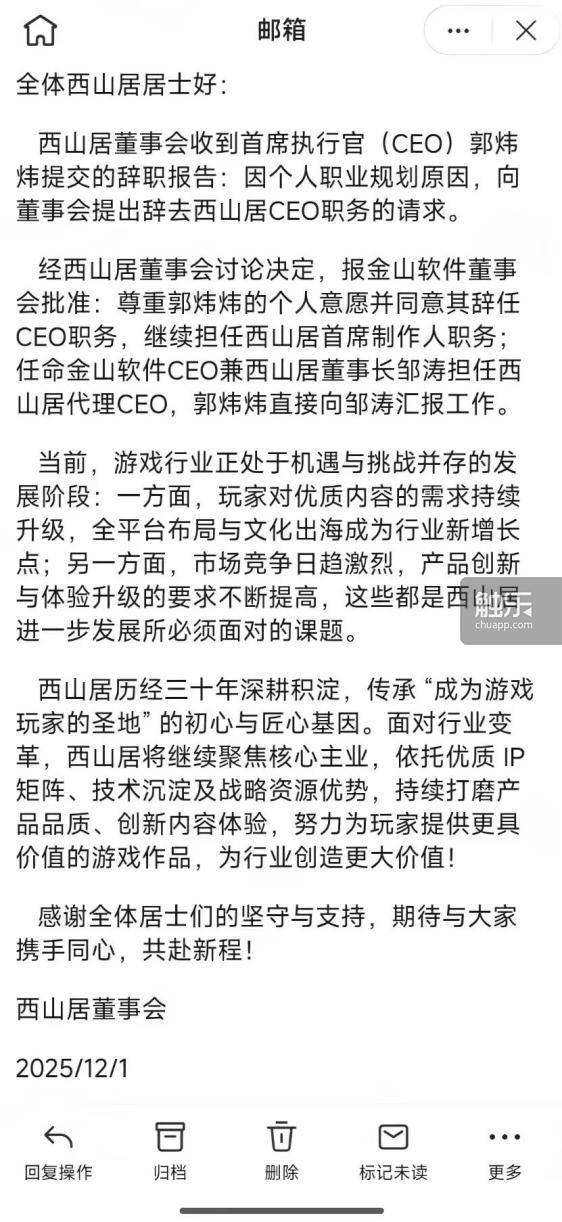
Core Viewpoint - The resignation of CEO Guo Weiwei from Xishanju is linked to the underperformance of the game "Jiexianji," which has seen a significant decline in player engagement and revenue, leading to a broader crisis within the company [1][19][21]. Group 1: Management Changes - Guo Weiwei resigned as CEO for personal reasons but will continue as the chief producer, while Zou Tao, CEO of Kingsoft, has been appointed as the acting CEO [1]. - The resignation was seen as both unexpected and anticipated, with speculation that it was due to the poor performance of the game "Jiexianji" [2][19]. Group 2: Game Performance - "Jiexianji" initially had a peak online player count of 310,000 during testing but saw a drastic drop to under 10,000 within a month of its release [4]. - Despite efforts to revitalize the game through new content and participation in events, the player base continued to decline, with online numbers only briefly rising to 5,000 after the S2 season launch [8][10]. - The game has been criticized for not aligning with player expectations, focusing on less engaging gameplay mechanics while neglecting desired content [10][15]. Group 3: Financial Impact - Kingsoft's gaming revenue has seen a significant decline, with Q3 revenue reported at 898 million yuan, a 47% year-over-year decrease, and the gaming segment's contribution to total revenue dropping from 59% to 37% [19][20]. - Sales and distribution expenses increased by 55% year-over-year, indicating a push for marketing despite poor game performance [20][21]. Group 4: Industry Context - The gaming industry is experiencing intense competition, with a shift towards high production values and rapid content delivery, making it challenging for titles like "Jiexianji" to succeed without substantial investment [12][28]. - The success of previous titles like "Chenbai Jinzhu" provided a false sense of security, leading to misjudgments in the development and marketing strategies for "Jiexianji" [24][25]. Group 5: Future Outlook - Despite the challenges, there remains potential for "Jiexianji" to recover, contingent on the team's ability to focus on quality and align with player expectations [26][29]. - The transition of Guo Weiwei to a production role may allow for a more dedicated approach to improving the game, although time is running out for the title to regain player interest [26][29].

郭炜炜卸任CEO,西山居“产品经理”告急?
Xin Lang Cai Jing· 2025-12-02 04:26
Core Viewpoint - Xishanju, a veteran game developer, is undergoing significant leadership changes as CEO Guo Weiwei resigns after nearly 8 years, with Zou Tao stepping in as interim CEO amid disappointing Q3 financial results from parent company Kingsoft [1][2] Group 1: Leadership Changes - Guo Weiwei's resignation is framed as a personal career decision, but it follows a poor financial report indicating a 47% year-on-year decline in Kingsoft's gaming revenue to 898 million yuan [1][2] - Zou Tao's appointment as interim CEO is seen as a crisis management move, highlighting the company's urgent need for strategic direction [2][7] Group 2: Financial Performance - Kingsoft's gaming revenue has dropped significantly, with the gaming segment's contribution to total revenue falling from 50% to 37% [1] - The decline is attributed to the underperformance of key titles, including "Jian Wang 3" and new releases like "Chen Bai Jin Qu" and "Jie Xian Ji" [1][4] Group 3: Product and Innovation Challenges - The company faces a dual challenge of product inconsistency, with "Jian Wang 3" performing well while new projects like "Jie Xian Ji" have failed to meet expectations [4][10] - Guo Weiwei's management style, which emphasized creativity and user experience, may have hindered his ability to oversee broader strategic and financial responsibilities [3][7] Group 4: Talent and Structural Issues - Xishanju's reliance on a single IP and Guo Weiwei as a key figure has created a talent vacuum, limiting the emergence of new leaders within the company [8][10] - The company struggles with a lack of a robust talent pipeline, as evidenced by the failure of "Jie Xian Ji" due to inadequate project leadership [10][11] Group 5: Future Directions - The transition back to Guo Weiwei as a chief producer may provide short-term stability, but the long-term challenge remains in developing a sustainable model for innovation and product development [12][13] - The ideal future structure for Xishanju may involve a CEO focused on management and strategy, supported by multiple empowered producers leading individual projects [13]

郭炜炜辞任西山居CEO
2 1 Shi Ji Jing Ji Bao Dao· 2025-12-01 13:03
Group 1 - The core point of the news is the resignation of Guo Weiwei as CEO of Xishanju, who will continue as Chief Producer, while Zou Tao, CEO of Kingsoft, will take over as acting CEO [1][2] - Guo Weiwei has been with Xishanju since 2004, holding various key positions, including project leader for "Jian Wang 3" and CEO since 2016 [1] - The game "Jian Wang 3" and the newly launched "Jie Xian Ji" are facing challenges, with the latter's peak online active users dropping from 132,800 at launch to under 5,000 by November [2] Group 2 - Kingsoft's Q3 2025 financial report shows total revenue of 2.419 billion RMB, a 17% year-on-year decline, with net profit down 48% to 213 million RMB [2] - Revenue from online games and other businesses was 898 million RMB, down 47% year-on-year and 6% quarter-on-quarter [2] - The gaming industry is experiencing both opportunities and challenges, with increasing demand for quality content and intense market competition [2]
21年老将郭炜炜卸任CEO退居幕后,西山居仍在“苦等”爆款
3 6 Ke· 2025-12-01 11:23
Core Viewpoint - The resignation of Guo Weiwei as CEO of Xishanju is a significant event, reflecting both personal career choices and the company's urgent need for strategic realignment amid declining performance in its flagship game, "Jian Wang 3" [1][2][7]. Group 1: Leadership Change - Guo Weiwei has served as CEO of Xishanju for nearly 8 years and will return to his role as Chief Producer, focusing on the development of the "Jian Wang 3" IP [1][3]. - Zou Tao, the Senior Vice President of Kingsoft Group, will act as the interim CEO, indicating a shift in management strategy [1][12]. Group 2: Financial Performance - Kingsoft's Q3 2025 financial report revealed a 47% year-on-year decline in revenue from Xishanju, primarily due to decreased income from "Jian Wang 3" and the underperformance of new titles [2][5]. - The revenue contribution from Xishanju dropped from 50% to 37% year-on-year, highlighting the urgent need for new successful products [2]. Group 3: Product Development Challenges - Xishanju's reliance on "Jian Wang 3" has become a liability, as the game shows signs of fatigue after 16 years of operation, with user growth and monetization potential nearing saturation [5][6]. - New titles like "Jian Wang 3 Wujie" and "Chen Bai Jin Qu" have failed to meet expectations, with the latter experiencing a significant drop in popularity and revenue [6][10]. Group 4: Strategic Misalignment - The company has struggled with strategic direction and execution, attempting to diversify its product lineup without achieving significant success [8][9]. - Xishanju's slow development cycle and reliance on outdated operational models have hindered its ability to compete in a rapidly changing market [9][10]. Group 5: Future Outlook - The transition of Guo Weiwei back to a production role is seen as a necessary step, but the company must also cultivate a broader talent pool to avoid over-reliance on individual stars [13][15]. - The new interim CEO, Zou Tao, faces the challenge of stabilizing the company while implementing necessary organizational changes to foster innovation and product development [12][16].
郭炜炜辞任西山居CEO
21世纪经济报道· 2025-12-01 07:53
Core Insights - The CEO of Xishanju, Guo Weiwei, has resigned due to personal career planning but will continue as the chief producer, focusing on product and content development [1] - Zou Tao, the CEO of Kingsoft Software, will take over as the acting CEO of Xishanju, overseeing the company's operations [1] - The game "Jiexianji," which Guo Weiwei produced, has faced significant challenges in revenue and reputation since its launch [2] Company Changes - Guo Weiwei's resignation marks a significant leadership change at Xishanju, where he has been a key figure since 2004, contributing to major projects like "Jian Wang 3" [1] - Zou Tao's dual role as CEO of Kingsoft and acting CEO of Xishanju indicates a strategic move to stabilize the company during this transition [1] Product Performance - "Jiexianji," launched on July 2, has seen a drastic decline in active users, dropping from a peak of 132,800 to under 5,000 by November [2] - The game's reception has been mixed, with a 47% positive rating from players on Steam, indicating unmet expectations [2] Financial Overview - Kingsoft Software reported a 17% year-on-year decline in total revenue for Q3 2025, amounting to 2.419 billion RMB, with a 48% drop in net profit [2] - Revenue from online games and other businesses fell by 47% year-on-year, attributed to declines in existing titles and the early-stage development of "Jiexianji" [2] Industry Context - The gaming industry is currently facing both opportunities and challenges, with increasing demand for quality content and heightened market competition [2] - The need for product innovation and enhanced user experience is critical for companies like Xishanju to navigate the evolving landscape [2]