《飞行家》

Search documents
东北叙事的起落与逸散
Xin Lang Cai Jing· 2026-02-23 21:43
Core Viewpoint - The two films adapted from the works of Shuang Xuetao, "The Aviator" and "My Friend Andrei," are both competent adaptations, but "The Aviator" is considered superior in terms of adaptation quality and narrative coherence [3][5]. Summary by Sections Film Adaptation Quality - "The Aviator" demonstrates a more mature script with a well-structured narrative that effectively incorporates various symbolic elements, enhancing both the story's flow and artistic quality [5][6]. - "My Friend Andrei" struggles with narrative coherence due to its non-linear storytelling, which leads to a disjointed viewing experience [3][4]. Narrative Structure - "The Aviator" features a clear narrative arc with four flights symbolizing the protagonist's journey, while "My Friend Andrei" fails to establish a strong connection between its adult and childhood timelines [5][6]. - The adaptation of "My Friend Andrei" alters the original narrative significantly, leading to a loss of the story's emotional depth and coherence [4][6]. Thematic Elements - Both films explore themes of nostalgia and the impact of industrial transformation on personal lives, reflecting the essence of Shuang Xuetao's original works [7][8]. - The characters in both films represent individuals whose innovative ideas are stifled by their respective societal contexts, highlighting a shared thematic concern [7]. Cultural Authenticity - The adaptations struggle to capture the authentic cultural essence of Northeast China, with actors and directors lacking the regional authenticity that could enhance the storytelling [7][8]. - The loss of local dialects and cultural nuances in the adaptations detracts from the original works' emotional resonance and authenticity [8].


过年返乡,一场大型的方言水平测试 | 编辑部聊天室
Xin Lang Cai Jing· 2026-02-22 03:30
Group 1 - The article discusses the impact of dialects on identity and social interactions, particularly during family gatherings and cultural exchanges [2][4][5] - It highlights the generational differences in language use, where younger individuals often feel pressure to adapt to standard Mandarin in urban settings while older generations may prefer their local dialects [2][6] - The article notes that dialects can carry social connotations, with some being perceived as fashionable while others are seen as less sophisticated, reflecting broader societal values [5][6][9] Group 2 - The discussion includes how dialects are represented in media and entertainment, with dialect films and regional music gaining popularity, showcasing local culture [14][24][25] - It emphasizes the role of social media in reshaping perceptions of dialects, allowing for a more diverse representation of regional identities [9][24] - The article also touches on the preservation of dialects in contemporary society, noting that while some dialects are thriving, others are at risk of fading due to urbanization and the dominance of standard Mandarin [31][32][34] Group 3 - The article explores the evolution of dialects in artistic expressions, such as films and music, where dialects are used to convey cultural narratives and local experiences [14][25][27] - It discusses the significance of dialects in expressing personal and communal identities, particularly in the context of regional pride and cultural heritage [27][29] - The article concludes with examples of how dialects have entered mainstream language, illustrating their adaptability and relevance in modern communication [34][36][37]
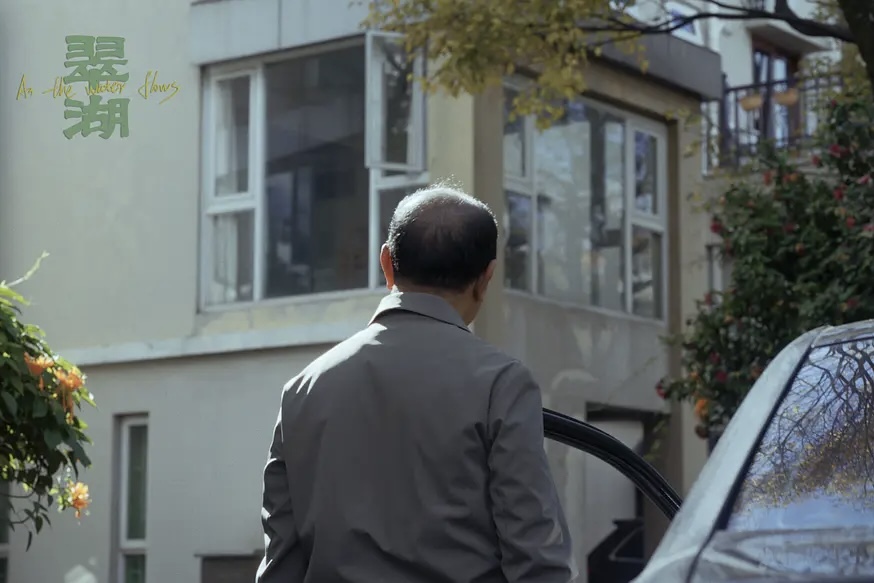
《飞行家》里的百态人生
Xin Lang Cai Jing· 2026-01-31 20:31
Group 1 - The story revolves around Li Mingqi, an engineer in a declining industrial area of Shenyang, who is dedicated to building flying machines despite the pressures of life dimming his dreams [1][2] - The narrative employs flashbacks and non-linear storytelling to create a multi-dimensional character in Li Mingqi, who remains grounded yet aspires to soar into the sky [1][2] - The novel highlights the struggles of women in the story, such as Zhao Suying and Gao Yafeng, who represent the suppressed voices of ordinary women, reflecting broader societal issues [2] Group 2 - "The Aviator" is characterized as literature that belongs to Northeast China, capturing the diverse lives and memories of its people against the backdrop of vast landscapes [3] - The stories within the novel serve as a testament to the enduring nature of these narratives, ensuring they remain vibrant and relevant [3]
《疯狂动物城2》连续3个月获得月度票房冠军
Xin Lang Cai Jing· 2026-01-31 13:19
Group 1 - The total box office for January 2026 reached 19.61 billion, with "Zootopia 2" winning the monthly box office championship for three consecutive months [1] - "Zootopia 2" has significantly contributed to the overall box office performance, indicating strong audience interest and potential for continued revenue generation [1] Group 2 - The film "Seeking the Sound" generated 24.52 billion, representing a 12.5% increase, with an average rating of 36.9 and 4.7 million viewers [3] - "Return to Silent Hill" earned 9.62 billion, with a 4.9% market share, an average rating of 38.2, and 3.6 million viewers [3] - "Pipe Burst" and "Aviator" both earned approximately 5.92 billion and 5.80 billion respectively, each holding a 3.0% market share [3] - "Home Sweet Home" generated 4.85 billion with a 2.5% market share, while "The Battlefield" earned 4.49 billion with a 2.3% market share [3] - "SpongeBob: Deep Sea" saw a remarkable increase of 1152.1% in revenue, indicating a strong comeback or unexpected popularity [3]

大银幕,东北文学的失乐园
Xin Lang Cai Jing· 2026-01-25 13:05
Core Viewpoint - The recent adaptations of novels by Shuang Xuetao, particularly "The Aviator" and "My Friend Andrei," have underperformed at the box office, reflecting a broader struggle within Northeast Chinese cinema to meet audience expectations for strong narratives and deep character development [1][3][9] Group 1: Film Performance and Audience Expectations - "The Aviator" is projected to earn a total box office of 74.98 million, while "My Friend Andrei" is expected to reach 13.4 million, indicating a lack of commercial success for both films [1] - Audiences are increasingly demanding narratives that resonate on a deeper emotional level, moving beyond mere "scenic consumption" to "value consumption" that reflects genuine human experiences [3][22] - The success of recent Northeast dramas like "The Long Season" and "In the World" has raised the bar for cinematic adaptations, making it more challenging for films to achieve the same level of engagement [3][19] Group 2: Adaptation Challenges - Both films attempted to balance authorial expression with commercial viability but ultimately failed to maintain literary integrity and cinematic coherence, leading to a disconnect between narrative and audience engagement [9][22] - "The Aviator" employs a personal heroism narrative within a Northeast context but struggles with a lack of genuine emotional depth, resulting in a score of 7.2 on Douban, which is only slightly above passing [4][9] - "My Friend Andrei" merges road movie elements with Northeast storytelling but suffers from a lack of narrative coherence, making it difficult for audiences to connect with the characters' journeys [6][9] Group 3: The Future of Northeast Cinema - The current landscape of Northeast cinema is marked by a need for innovative storytelling that transcends traditional tropes, as audiences express fatigue with repetitive narratives [17][19] - The transition from niche to mainstream has heightened expectations for Northeast films, necessitating a deeper exploration of themes and character development [19][22] - Successful adaptations must navigate the complexities of literary source material while also addressing the evolving demands of contemporary audiences, which poses significant challenges for filmmakers [22]
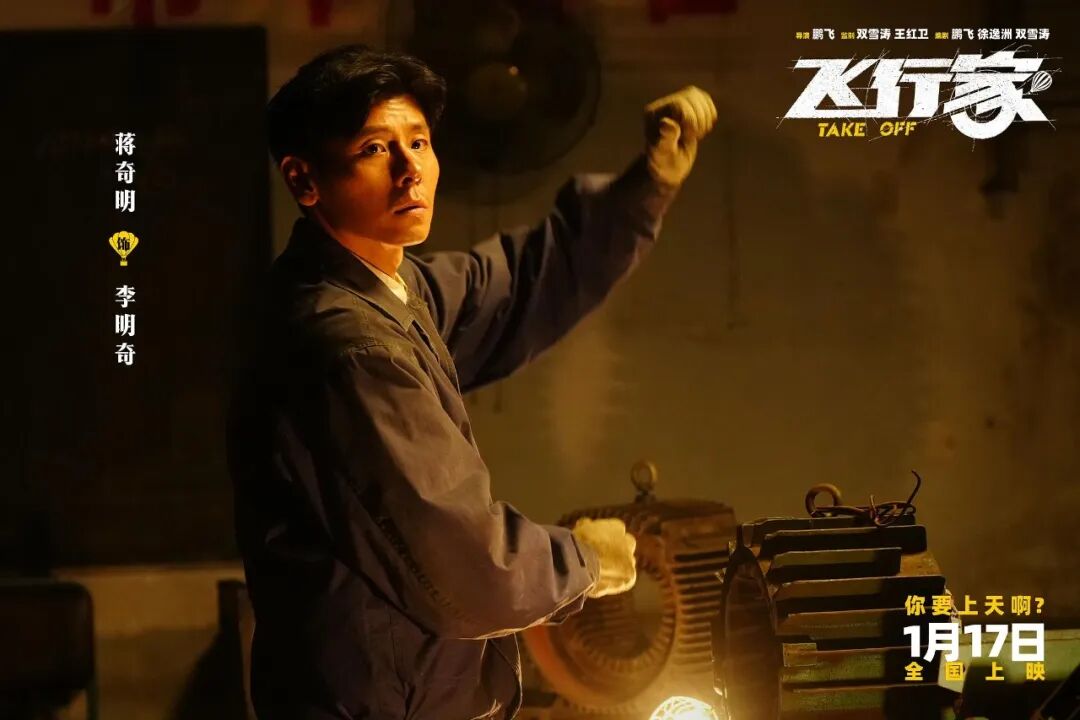
赤诚火热与老派浪漫丨影评
Xin Lang Cai Jing· 2026-01-23 22:58
Core Viewpoint - The film "The Aviator," adapted from a short story by contemporary Chinese writer Shuang Xuetao, has gained significant attention due to its commercial appeal and the incorporation of humor and romance, while still retaining strong regional characteristics [1]. Group 1: Film Adaptation and Storyline - The film "The Aviator" is based on a short story from a novel collection, featuring a first-person dual-time narrative that limits the original content but allows for creative expansion in the film [1]. - The adaptation introduces a new storyline that diverges from the original's heavier themes, adding comedic elements and a romantic atmosphere while preserving the essence of Northeast China [1]. - The film's protagonist, Li Mingqi, is portrayed as an ambitious character dreaming of flight, contrasting with the grounded lives of those in his small town, which adds depth to the narrative [4]. Group 2: Character Development and Themes - The character of Gao Yafeng is significantly developed in the film, showcasing a romantic relationship that supports Li Mingqi's dreams, which was less emphasized in the original story [7]. - The film emphasizes the theme of ordinary people's relentless pursuit of their dreams, highlighting the collective effort of families and communities in overcoming challenges [6]. - Key moments in the film, such as Li Mingqi's attempts to fly and the support from his wife and community, illustrate the warmth of human relationships and the spirit of perseverance [6][7].
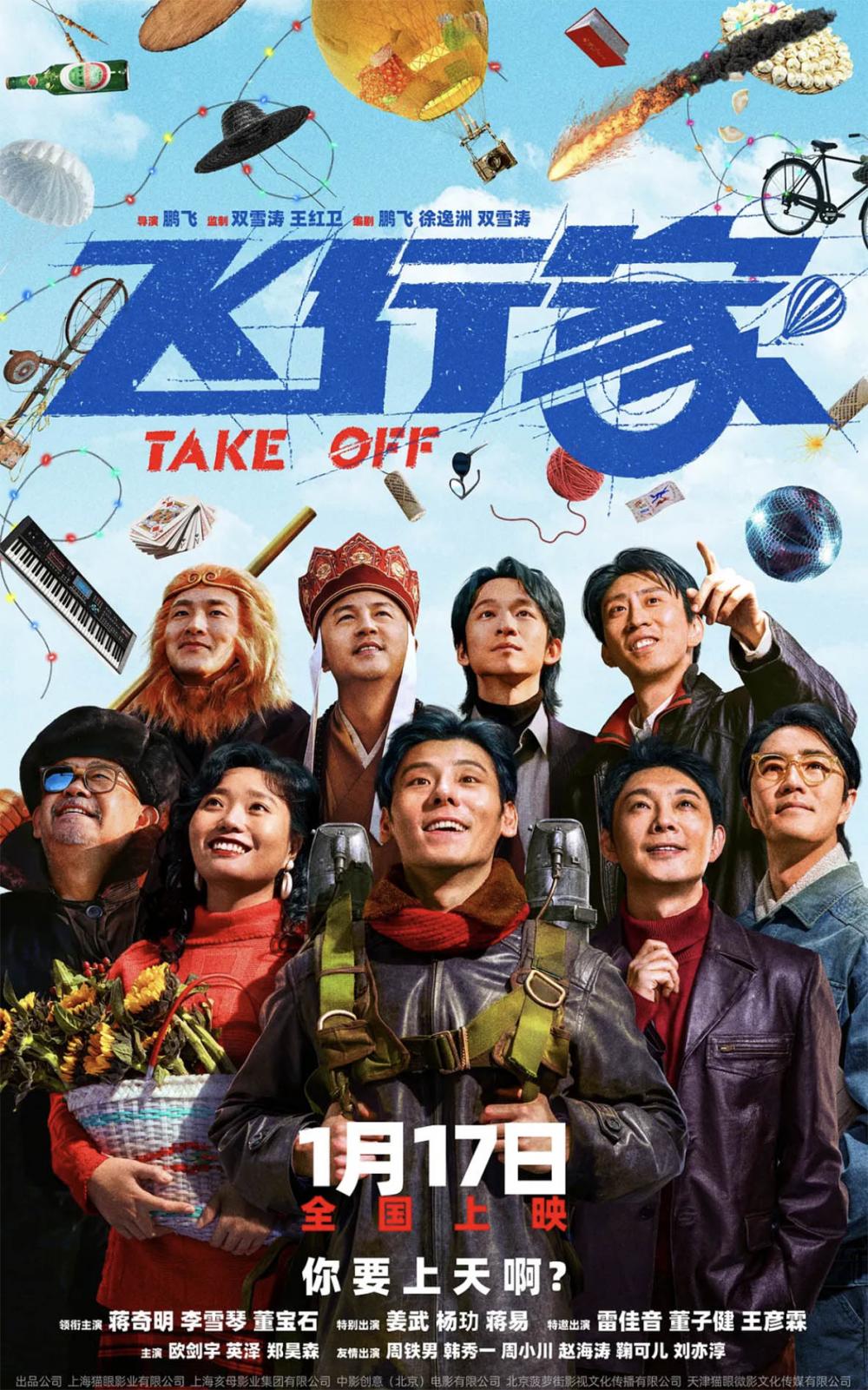
国大影讯 | 《用武之地》《寻秦记》《飞行家》
Xin Lang Cai Jing· 2026-01-16 06:43
Group 1 - The article discusses the film "Seeking Qin" which is adapted from a novel and is set to be released on December 31, featuring a classic revival for New Year's celebrations [4] - The film is produced by multiple companies including Tianxia Film and Television Co., Ltd. and Huawaisa (Tianjin) Co., Ltd. [4] - The film's director is Wu Xuanhui, with notable actors including Gu Tianle [4] Group 2 - The screening schedule for the film "The Aviator" includes multiple sessions on January 17 and 18, specifically for students and faculty members [7][8] - The film "The Aviator" has a runtime of 122 minutes and will be shown at the National Defense University Military Culture Academy [8] - The article outlines specific rules for attendees, including restrictions on food and drink, and emphasizes the importance of maintaining a quiet environment during screenings [8]
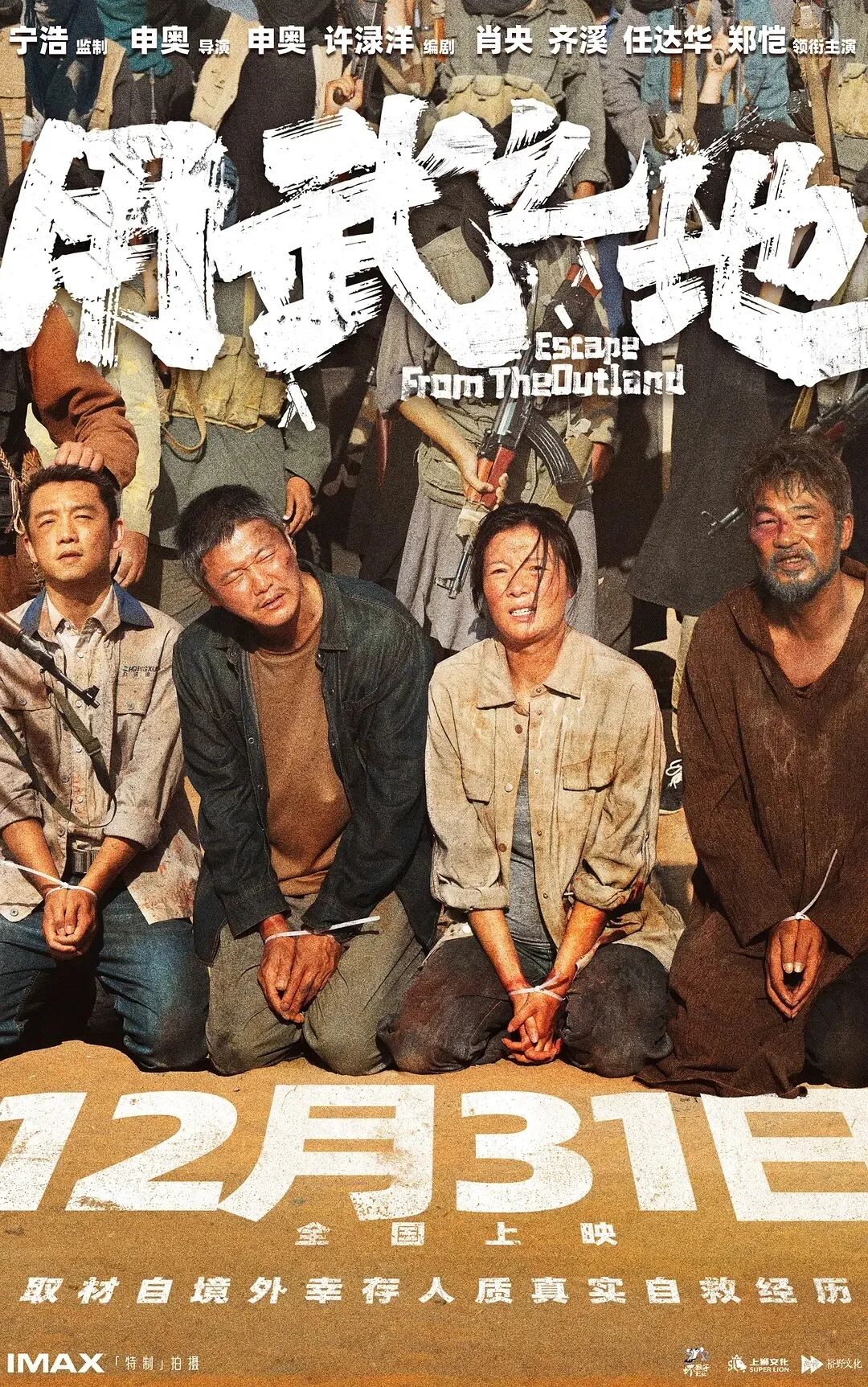
新年看哪部电影?2025年贺岁元旦档电影片单发布
Xin Lang Cai Jing· 2025-12-28 14:15
Group 1 - The core event is the release of the film list for the 2025 New Year's Day holiday, with over 50 films scheduled for release during this period [1][3] - The total box office for 2025 has surpassed 50 billion yuan as of mid-December [1] - The event marks the 30th anniversary of the "New Year's Day" film release period, which began with the release of Jackie Chan's "Rumble in the Bronx" in January 1995 [3] Group 2 - The new domestic films promoted include historical and realistic themes such as "The Place of Arms" and "The Sky of Our Ancestors," as well as light-hearted comedies like "Family Reunion" and "The Flying Man" [5] - Imported films showcased at the event include titles like "New Anaconda," "Eternal Station," and "SpongeBob: Deep Sea Adventure" [5] - The event was organized by the National Film Administration and supported by various media and cultural institutions [5]

猫眼发布新片片单 ,《匿杀》《飞行家》等即将上映
Xin Lang Cai Jing· 2025-11-21 13:04
Core Insights - Cat's Eye Entertainment held a press conference in Xiamen, announcing the upcoming release of 33 films and two strategic initiatives: the establishment of a new animation film brand "Menggu Culture" and the positioning of IP derivative business as a "second growth curve" beyond films [1][10] Film Slate Highlights - The announced film slate includes various genres such as comedy, suspense, animation, and crime, with notable projects like "Panda Plan 2" featuring international star Jackie Chan and the film "Aviator," directed by Peng Fei, set to release on January 17, 2026 [1][3] - "Aviator" is based on a novel and aims to evoke a sense of nostalgia and humor reflective of Northeast China [3] - The animated film "Datang Yaotian," directed by Cheng Teng, is inspired by the well-known character Di Renjie and aims to create a visually striking "mechanical city" [5] - The crime suspense film "Nishan," set to release on December 31, is described as a comprehensive upgrade from its predecessor "Moksha" [7] Strategic Upgrades - The company announced the establishment of a wholly-owned animation subsidiary "Menggu Culture," which will cover the entire chain of animation film investment, development, production, marketing, and IP commercialization [8][10] - Cat's Eye has participated in 15 animation films over the past two years, generating over 3.3 billion yuan in box office revenue [8] - The global IP industry market is projected to reach $369.6 billion in 2024, with China's market at $14.4 billion, indicating significant growth potential in the IP derivative market [8]
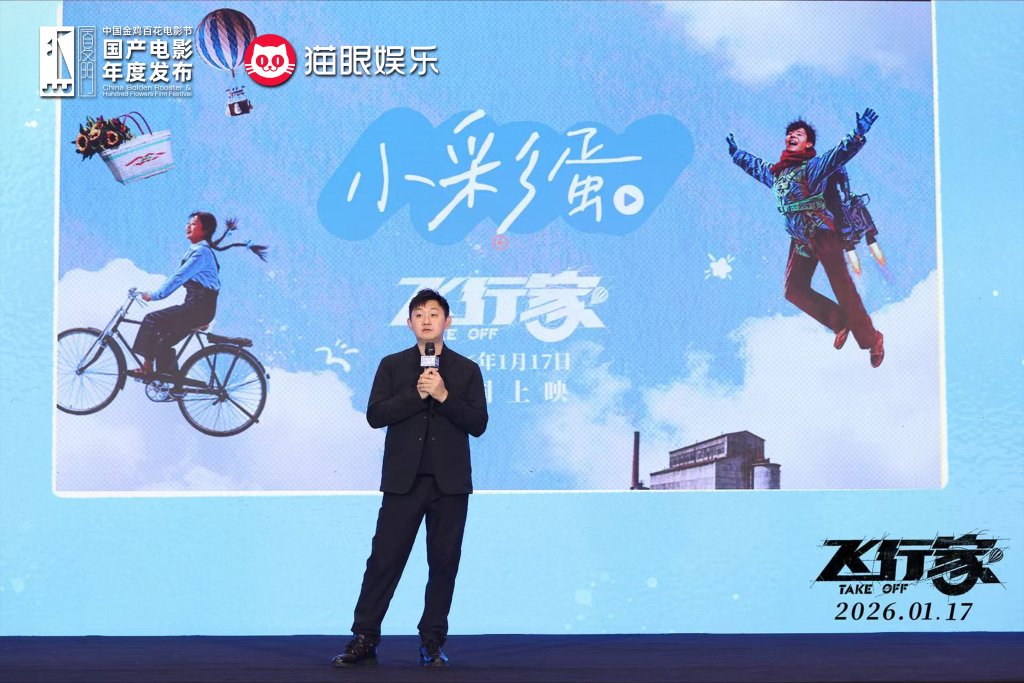
猫眼娱乐发布33部电影片单,《默杀》原班人马打造新作即将上映
Bei Jing Ri Bao Ke Hu Duan· 2025-11-14 23:46
Core Insights - Cat Eye Entertainment held a press conference titled "Universal Attraction: New Dimension" in Xiamen, announcing a lineup of 33 upcoming films and the establishment of a new animation label, marking a strategic expansion into IP derivative businesses [1][9] Film Lineup Highlights - The event showcased several key films, including the family comedy "Panda Project 2," featuring Jackie Chan, which aims to provide a joyful and healing experience for audiences [3] - "The Aviator," directed by Peng Fei and based on a novel by Shuang Xuetao, is set to release on January 17, 2026, and focuses on the adaptation of Northeast literature [3] - "The Great Tang Demon Detective," directed by Cheng Teng, is a comedy detective animation set in a fantastical version of Tang Dynasty Chang'an [3][5] - The suspense film "The Hidden Kill," featuring a team of notable actors, is designed to deliver a thrilling experience for the New Year [7] New Animation Label and IP Business - Cat Eye Entertainment announced the establishment of "Menggu Culture," an independent animation label that will cover the entire animation film industry chain, including investment, production, marketing, and IP commercialization [9] - The company is also launching an IP derivative business, leveraging its IP recognition and management capabilities to expand into broader IP industry sectors, aiming to create a "second curve" of business beyond films [9]