人工心脏瓣膜

Search documents
百亿外周介入市场!国产首款获批上市
Xin Lang Cai Jing· 2026-02-25 13:39
Core Insights - The "Breaking Boundaries · Leading the Way: White Paper on China's Medical Device Innovation" serves as a comprehensive guide for medical device distributors, agents, and companies, focusing on global perspectives and local insights to analyze the market and identify high-potential innovative products while mitigating risks [1][46]. Group 1: Key Values - The white paper aims to empower distributor decision-making by providing in-depth analysis of 16 high-growth sectors and over 72 benchmark cases, breaking down information barriers and reducing information asymmetry [1][47]. - It focuses on high-growth sectors such as cardiovascular intervention, surgical robots, medical imaging, tumor ablation, orthopedics, endoscopy, and new medical materials [1][47]. Group 2: Sector Trends - The report details trends in various innovative medical device sectors, including IVD recovery post-COVID, AI integration in medical imaging, breakthroughs in cardiovascular interventions, and the increasing focus on minimally invasive and precise orthopedic solutions [4][50]. - It highlights the growing importance of diabetes management technologies and the rising domestic production rates of surgical robots, indicating a shift towards international markets [4][50]. Group 3: Policy and Market Dynamics - The white paper emphasizes that the "golden age" of domestic medical device innovation is driven by top-level support, financial incentives, and the establishment of high-standard market systems to broaden market access [5][51]. - It discusses the ongoing efforts across multiple provinces to streamline the entire innovation process in medical devices, enhancing financial support for research and breaking down market barriers [6][52]. Group 4: Global Competition - The report includes an analysis of 75 of the most innovative medical devices globally, providing insights into competitive landscapes and technological advancements [7][53]. - It notes that from 2014 to 2024, the approval of innovative medical devices has shown a consistent upward trend, with cardiovascular interventions leading in approvals [8][54]. Group 5: Approval Trends - The analysis indicates that domestic products now account for over 70% of the innovative medical device market in China, showcasing significant advancements in technology and product quality [37][41]. - The report also highlights the competitive dynamics between domestic and imported products, with domestic innovations increasingly recognized in both local and international markets [37][41].

最新!18款医疗器械进入创新通道
思宇MedTech· 2025-12-24 09:59
Core Insights - The article discusses the recent approval of 18 innovative medical devices by the National Medical Products Administration (NMPA) in China, highlighting the advancements in the medical technology sector and the companies involved in these innovations. Group 1: Company Highlights - Suzhou Xinling Maide Medical Technology Co., Ltd. focuses on cardiovascular innovation, with core products including the pVAD and PoliaValve®, the first polymer aortic valve in China to enter clinical registration [2]. - Medtronic, a global leader in medical technology, has a diverse portfolio across cardiovascular, surgical, neurological, and diabetes sectors, with cardiovascular being the largest segment [2]. - Hangzhou Yuannang Biotechnology Co., Ltd. specializes in regenerative medicine materials, with its core product "Bone 02 Fracture Adhesive" currently in clinical trials for treating complex fractures [4]. - Jiangsu Dazi Biomedical Technology Co., Ltd. and Shanghai Shendun Medical Technology Co., Ltd. are also highlighted for their innovative products in the medical device space [5][8]. Group 2: Product Innovations - The article lists various innovative products, including: - A gene testing kit for tumor origin detection by Nanjing Shihe Medical Devices Co., Ltd., which focuses on high-throughput sequencing for cancer diagnostics [9]. - A minimally invasive laser balloon for intracranial procedures by Hangzhou Juzheng Medical Technology Co., Ltd., which is in clinical follow-up stages [10]. - A pulse ablation system for chronic obstructive pulmonary disease (COPD) by Ronghe Medical Technology (Zhejiang) Co., Ltd., which aims to transform treatment approaches [12]. - A self-expanding aneurysm embolization device by Tongqiao Medical Technology Co., Ltd., which has received multiple regulatory approvals [12][14]. Group 3: Market Trends - The article indicates a growing trend in the medical device industry towards innovative solutions for chronic diseases, with companies focusing on minimally invasive techniques and advanced materials [2][12]. - The approval of multiple products by NMPA reflects a robust pipeline of medical innovations aimed at improving patient outcomes and addressing unmet medical needs [1][19].

进博会扩大开放新图景:让中国大市场成为世界大机遇
Di Yi Cai Jing· 2025-11-03 13:43
Core Insights - The eighth China International Import Expo (CIIE) will take place from November 5 to 10 in Shanghai, aiming to expand China's market opportunities for global businesses [2][3] - The exhibition area has reached a record high of over 367,000 square meters, with participation from over 4,000 companies from 138 countries and regions, including 290 Fortune 500 companies [3][12] - The event serves as a platform for innovation and collaboration, with companies like Honeywell and Medtronic showcasing numerous new products and technologies [4][11] Group 1: Event Overview - The CIIE is designed to enhance China's openness and create opportunities for global businesses, with a focus on innovative display areas and new consumer themes [2][3] - The event has seen a continuous increase in participation, with a notable presence from U.S. companies for seven consecutive years [3][12] - The expo is viewed as a significant signal of China's commitment to global trade and economic stability amid geopolitical uncertainties [5][9] Group 2: Company Participation and Innovations - Honeywell has showcased approximately 170 innovative technologies and solutions at the CIIE, emphasizing its commitment to local innovation in China [4][9] - AstraZeneca plans to unveil two innovative cancer treatment drugs at this year's expo, continuing its trend of rapid product development and market introduction [8][9] - Zeiss is focusing on local manufacturing and innovation, having launched high-end microscopes in China and establishing a comprehensive operational hub [10][11] Group 3: Market Dynamics and Trends - The CIIE is increasingly recognized as a launchpad for global products and technologies, with over 3,000 new products and services showcased in previous editions [7][8] - The event has attracted a growing number of companies from developing countries, with participation from 123 Belt and Road Initiative countries and an 80% increase in African enterprises [12] - The ongoing trend of foreign companies investing in local innovation and production in China highlights the country's role as a key market for global business growth [9][11]


镜观·回响|培育绿色创新的亚太增长动能
Xin Hua She· 2025-10-28 12:54
Core Viewpoint - The Asia-Pacific region, representing one-third of the world's population and over 60% of the global economy, is a vital growth engine and leader in regional economic integration, with a focus on green innovation as a key driver for sustainable development in 2024 [1][4]. Group 1: Economic Integration and Innovation - The Asia-Pacific region is characterized by its significant contribution to global trade, accounting for nearly half of the total trade volume [1]. - China is actively deepening cooperation in green innovation to enhance development momentum in the Asia-Pacific region [4]. Group 2: Infrastructure and Technological Advancements - The Chancay Port in Peru, a key project under the Belt and Road Initiative, is set to become a major shipping hub connecting Asia and Latin America, officially opening in November 2024 [7]. - The Suzhou Industrial Park, a collaboration between China and Singapore, is a hub for emerging industries such as biomedicine and new materials, fostering AI-driven enterprises [9]. - The Tianjin Eco-City, a significant cooperation project between China and Singapore, showcases smart city infrastructure, including intelligent public services [10]. Group 3: Renewable Energy and Electric Vehicles - Indonesia's first 5G smart warehouse and innovation center was inaugurated, marking a significant step in technological advancement in logistics [12]. - Malaysia's "Durian Cloud Platform," developed by Alibaba Cloud, utilizes smart sensors for agricultural guidance, enhancing productivity in durian farming [13]. - Chile has launched a fully electric public transport system with 121 Chinese-made electric buses, becoming the first city in South America to achieve this milestone [14]. - The solar power projects in Malaysia and Thailand demonstrate China's commitment to providing clean energy solutions in the region [17][19]. Group 4: Automotive Industry Expansion - BYD has announced its plans for passenger vehicle development in South Korea, indicating the brand's expansion in the electric vehicle market [15]. - The 2024 Sydney International Electric Vehicle Expo featured numerous Chinese electric vehicle brands, highlighting the growing interest and market presence in Australia [15].

苏州工业园区创新联合体观察|沛嘉医疗:生态融合助推高端医疗器械产业创新突围
Zhong Guo Jin Rong Xin Xi Wang· 2025-09-18 06:38
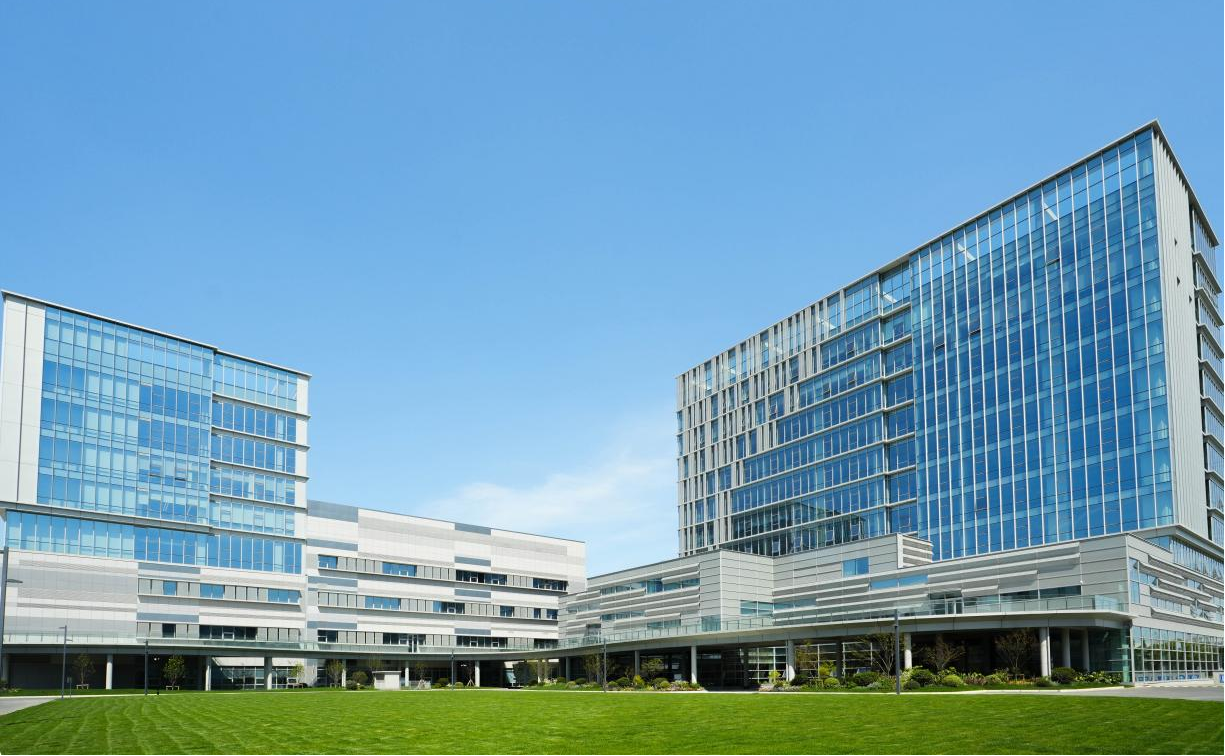
Core Insights - The article emphasizes the importance of innovation consortia in enhancing core competitiveness and overcoming key technological challenges in industries, particularly in the context of Suzhou Industrial Park's efforts in the high-end medical device sector [1][10]. Group 1: Innovation Consortium Structure - The Suzhou Interventional Medical Technology Innovation Consortium, led by Peijia Medical, integrates leading enterprises, innovative companies, research institutions, incubators, and investment funds to create a comprehensive innovation ecosystem [1][3]. - The consortium focuses on collaborative efforts to tackle "bottleneck" technologies in the medical device field, enhancing resource flow and sharing through cross-regional cooperation [3][9]. Group 2: Resource Integration and Infrastructure - Peijia Medical's global headquarters spans approximately 67,000 square meters, serving as a hub for R&D, production, and training, thus facilitating efficient resource integration [2]. - The consortium has established six high-level innovation platforms, including provincial and municipal engineering research centers, to support rapid technology transfer and innovation [6][10]. Group 3: Talent Acquisition and Collaboration - The consortium actively recruits high-level talent globally, focusing on strategic scientists and top professionals to enhance its innovation capabilities [8][9]. - Collaborative projects, such as the development of advanced biomaterials for heart valves, demonstrate the consortium's ability to transform innovative ideas into market-ready products [7][10]. Group 4: Industry Collaboration and Ecosystem Development - The consortium employs a model that combines industry capital, incubation, and empowerment to provide comprehensive support for startups, fostering a full-chain ecosystem from R&D to commercialization [12][13]. - The integration of companies like Zhixian Technology into the consortium exemplifies successful collaboration across the supply chain, enhancing opportunities for innovation and growth in the medical device sector [11][12]. Group 5: Future Directions and Growth - The Suzhou Industrial Park aims to further develop its innovation ecosystem by encouraging the formation of more innovation consortia, focusing on deep integration of technology and industry [14].
透视科技创新和产业创新融合“园区经验”|如何以产业创新需求拉动科技创新突破?
Zhong Guo Jin Rong Xin Xi Wang· 2025-05-21 11:06
Core Insights - The integration of technological innovation and industrial innovation is essential for achieving high-quality economic development, transforming from "strong technology" to "strong industry" and ultimately to "strong economy" [1] - Suzhou Industrial Park aims to be a world-class high-tech park through open innovation, leveraging its strengths as a national economic development zone and high-tech zone to lead in the integration of technology and industry [1] Group 1: Industrial Innovation Driving Technological Innovation - Industrial innovation provides direction for the realization of technological innovation value, serving as a key link in converting technological achievements into economic growth [2] - Suzhou Industrial Park focuses on addressing issues such as lack of emphasis on key research areas and insufficient collaboration in industrial chain efforts, driving technological breakthroughs based on industrial demand [2] Group 2: Targeted Technological Research and Development - The park emphasizes a shift from a "one-size-fits-all" approach to a more precise, demand-driven research strategy, enhancing the relevance of technological breakthroughs to market needs [4] - Collaboration between enterprises and universities is crucial for aligning technological research with industry pain points, ensuring that innovation is market-oriented [4][6] Group 3: Success Stories in Innovation - Suzhou Nano City showcases successful collaborations, such as the partnership between Sujing Group and Suzhou Nano Technology Co., which led to the development of high-quality microspheres for particle detection [5] - The park has seen significant growth in its nano industry, with over 1,400 companies and a projected output value exceeding 170 billion yuan by 2024 [6] Group 4: Collaborative Innovation Ecosystem - The establishment of innovation consortia led by key enterprises facilitates multi-field collaborative innovation, enhancing the efficiency of technology commercialization [7][9] - The park has approved 26 innovation consortia, which have collectively increased patent authorizations by 50.4% year-on-year, demonstrating the effectiveness of collaborative innovation [9] Group 5: Talent and Platform Development - The park has initiated programs to attract high-level talent, supporting over 2,700 projects and contributing to the establishment of 60% of the park's listed companies [10] - A robust public service platform has been developed to provide comprehensive support for enterprises, including technology transfer and commercialization services [11] Group 6: Future Directions - The park aims to further enhance its policy framework and mechanisms to promote the deep integration of technological and industrial innovation, accelerating the development of new productive forces [12]

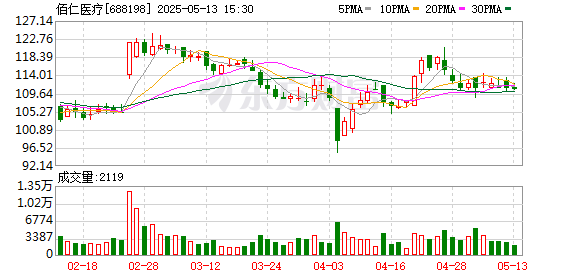
佰仁医疗董事长金磊:坚持原研创新 “从0到1”填补市场空白
Zheng Quan Ri Bao· 2025-05-13 16:09
Core Viewpoint - The article highlights the growing significance of heart valve diseases in the context of an aging population, with Beijing Bairen Medical Technology Co., Ltd. emerging as a key player in the domestic market for artificial heart valves, breaking the monopoly of foreign companies and achieving self-sufficiency in core technologies [2][3]. Company Overview - Bairen Medical is the only A-share listed company in the structural heart disease sector in China, focusing on original research and innovation for over 20 years [2]. - The company has developed a bioprosthetic valve using bovine pericardium, which surpasses imported products in anti-calcification performance and durability, addressing the long-standing reliance on imported valves for Chinese patients [2][3]. Innovation and R&D - The development of bioprosthetic valves requires advanced animal tissue engineering and chemical modification techniques, with Bairen Medical investing significantly in R&D, with a budget of 151 million yuan in 2024, a 53.26% increase year-on-year, representing 30.17% of its revenue [4]. - The company has received approval for 21 Class III medical device products, with 10 filling domestic gaps, and has launched 11 interventional products covering the entire lifecycle of heart valve treatment [4]. Market Performance - In 2024, Bairen Medical achieved a revenue of 502 million yuan, a 35.41% increase, and a net profit of 146 million yuan, a 27.02% increase, with all three business segments showing growth [5]. - The heart valve replacement and repair segment saw a revenue increase of 64.28%, with artificial biological heart valves growing by 75.06% [5]. International Expansion - Bairen Medical is entering international markets, with over ten products registered in Indonesia and plans to expand to Germany, Singapore, and Japan [6]. - The company acquired a U.S. firm, Tianqiong Innovation, to enhance its capabilities in ePTFE materials, addressing the long-standing issue of dependence on imports [6]. Regulatory and Systemic Innovations - The company aims to accelerate the market entry of high-end medical devices through regulatory innovations, advocating for transparent review standards and improved communication mechanisms in the registration process [6].