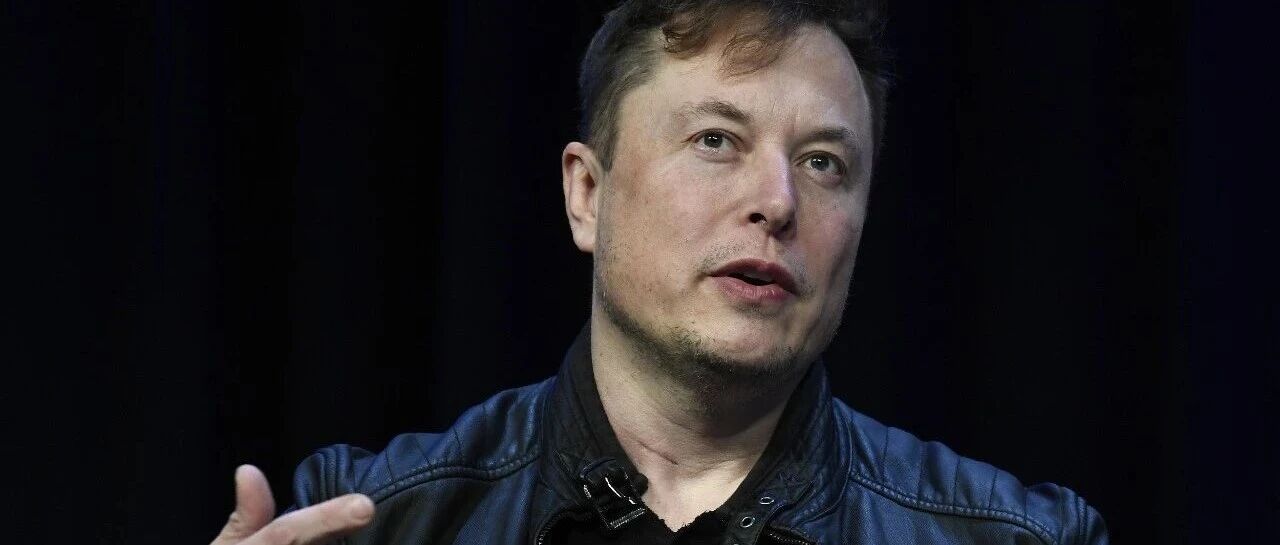
人工智能卫星

Search documents
推迟火星任务,马斯克“转战”月球
Sou Hu Cai Jing· 2026-02-09 02:53
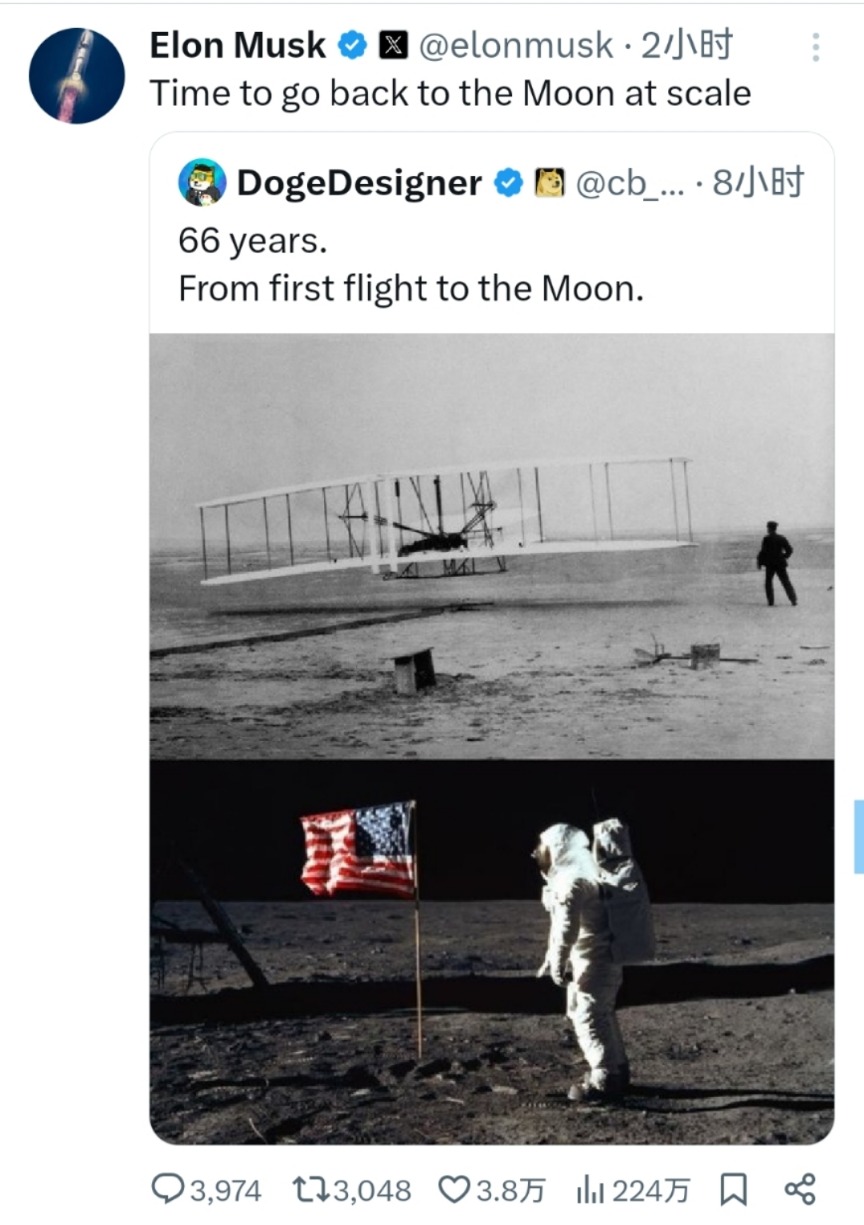
Core Viewpoint - SpaceX is shifting its focus from Mars exploration to lunar missions, with plans to prioritize a lunar landing project by March 2027, while delaying its Mars mission originally scheduled for 2026 [1][2]. Group 1: Lunar Mission Focus - Elon Musk announced on social media that it is time to return to the Moon on a large scale, coinciding with SpaceX's recruitment of engineers in Austin and Seattle for AI satellite and space data center development [1]. - SpaceX has officially stated to investors that it will prioritize lunar exploration, with a goal to complete an unmanned lunar mission by March 2027 [2]. - The Artemis lunar program contract with NASA, worth billions, is a significant funding source for SpaceX, making the completion of lunar missions crucial for fulfilling this contract [2]. Group 2: Mars Mission Delay - The Mars mission, initially planned for 2026, has been postponed, with Musk previously estimating a low probability of achieving the goal of sending five unmanned spacecraft to Mars by that date [2]. - The revised timeline suggests that an unmanned Starship mission to Mars could realistically occur by 2028, with crewed flights potentially happening in 2030 [2]. - The technical challenges and risks associated with lunar missions are lower compared to Mars, making the Moon an ideal testing ground for deep space technologies [2].

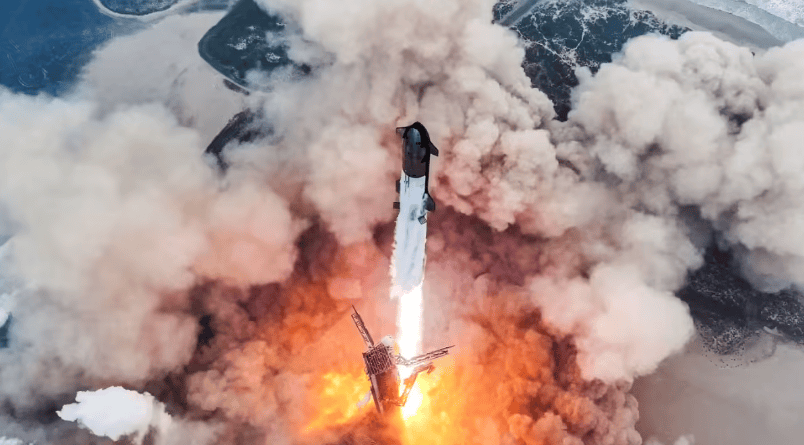
马斯克称SpaceX有望10年内在月球上建造城市,而火星则需20年以上;回应“大规模招聘工程师,以开发人工智能卫星和太空数据中心”:是真的
Sou Hu Cai Jing· 2026-02-09 02:23
Core Viewpoint - SpaceX is shifting its focus to building a self-expanding city on the Moon, aiming to achieve this goal within 10 years, while Mars colonization is projected to take over 20 years [1][3]. Group 1: Lunar City Development - The construction of the lunar city can occur every 10 days with a travel time of 2 days, significantly faster than the Mars mission, which is limited to every 26 months with a 6-month travel time [3]. - SpaceX plans to initiate work on the Mars city within 5 to 7 years, despite the current focus on lunar development [3]. Group 2: Recruitment and Financial Status - SpaceX is reportedly conducting large-scale recruitment of engineers in Austin and Seattle to develop AI satellites and space data centers [3]. - Following the merger of xAI, Elon Musk's personal wealth has surpassed $800 billion, marking his fourth wealth record in four months [3].
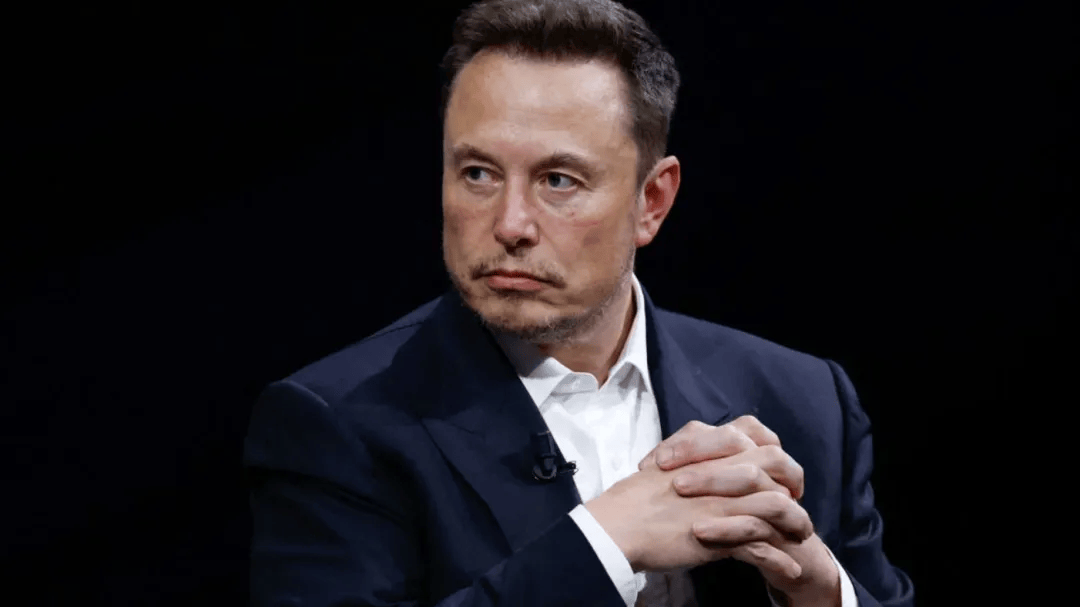
最新!马斯克:是时候大规模重返月球了
Mei Ri Jing Ji Xin Wen· 2026-02-09 00:00
Group 1 - Elon Musk has indicated that it is time for a large-scale return to the Moon, with SpaceX reportedly hiring engineers in Austin and Seattle to develop AI satellites and space data centers [1] - NASA's new administrator, Jared Isaacman, announced plans for the U.S. to return to the Moon during Trump's second term, including establishing a space data center and infrastructure, and mining helium-3 on the Moon [4] - NASA is collaborating with SpaceX, Blue Origin, and Boeing on the Artemis launch missions [7] Group 2 - The White House issued a statement on December 18, 2025, where Trump signed an executive order outlining a vision for a "America First" space policy, aiming for a return to the Moon by 2028 and establishing initial facilities for a permanent lunar outpost by 2030 [8] - The executive order directs the upgrade of launch infrastructure and the development of commercial pathways to replace the International Space Station by 2030, stimulating private sector innovation and investment [8] - The order also instructs the President's science and technology advisor to coordinate national space policy and mandates federal agencies to simplify procurement processes and implement space safety strategies [8]
马斯克设想:每年发射1百万吨AI卫星
财联社· 2025-12-08 05:24
Core Viewpoint - The next significant leap in artificial intelligence may occur in space rather than on Earth due to infrastructure and energy supply bottlenecks [1][3]. Group 1: Elon Musk's Vision - Elon Musk proposed that localized AI computing satellites in low-latency sun-synchronous orbits could become the most cost-effective way to transmit AI data within three years [2][3]. - Musk envisions launching 1 million tons of satellites annually, each equipped with 100 kW of power, which could add 100 GW of AI computing capacity each year without operational or maintenance costs [3]. - The concept includes building satellite factories on the Moon and using mass drivers to accelerate AI satellites to escape velocity, potentially achieving over 100 TW of AI computing capacity annually [3][4]. Group 2: Challenges in AI Development - The rapid growth in AI model sizes and demand is putting significant pressure on existing data centers, fiber networks, and power systems [5]. - There is a need for new energy sources to keep pace with the increasing demand, while also considering factors like latency, climate risks, and political obstacles [5]. Group 3: Competing Projects - Google's "Project Suncatcher" aims to create orbiting computing nodes powered by continuous solar energy, which could operate machine learning models more efficiently than ground-based data centers [6]. - Amazon's "LEO" project seeks to establish a global broadband network of low Earth orbit satellites, potentially providing edge computing services for AI tasks in underserved areas [7]. - Musk is also conceptualizing an "orbital computing farm" for xAI and SpaceX, which would not only run AI models but also train them, addressing the challenges of continuous energy supply and resource consumption [7].
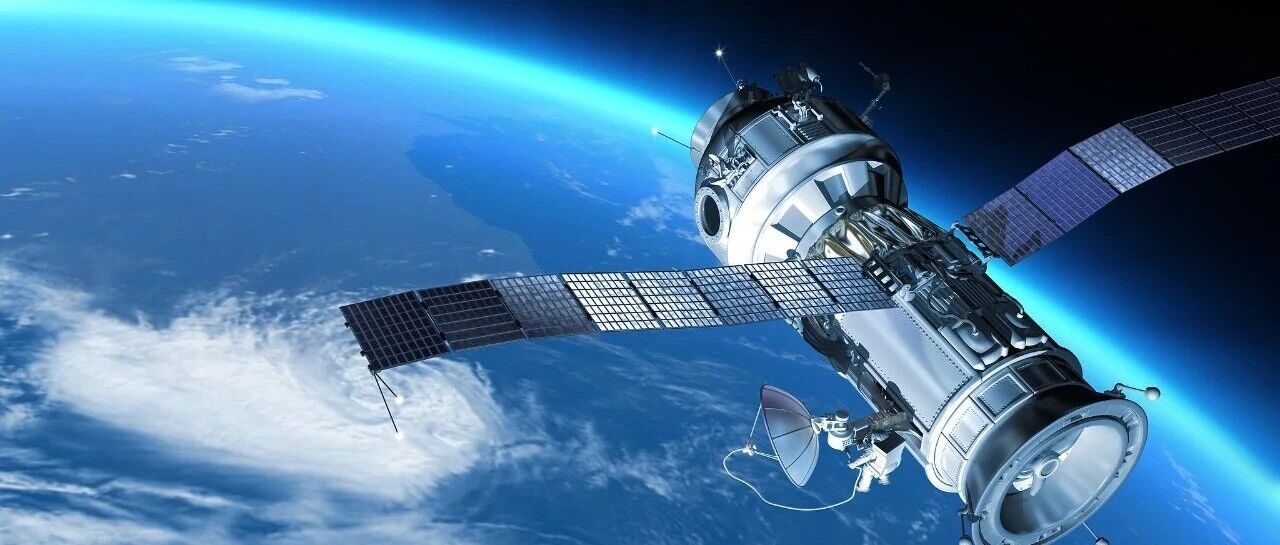
影响市场重大事件:我国星地微波高码率通信技术取得突破;马斯克称计划每年在太空中部署100吉瓦人工智能卫星
Mei Ri Jing Ji Xin Wen· 2025-11-16 22:37
Group 1 - China's space-ground microwave high-rate communication technology has achieved a breakthrough, with data transmission rates reaching 6.0 Gbps in the X band and 20.16 Gbps in the Ka band, marking significant progress in high-speed data transmission solutions [1] - The experiment confirmed the feasibility of high-order modulation technology, achieving stable communication far exceeding previous capabilities, with negligible distortion in the constellation diagram and a zero error rate [1] Group 2 - Elon Musk announced plans to deploy 100 GW of solar-powered AI satellites annually, which could enable large-scale AI operations at minimal costs [2] Group 3 - The Shenzhen Low-altitude Economy Standard System 2.0 and standardization roadmap were officially released, featuring a three-layer vertical and two-wing horizontal design, supporting the entire low-altitude economy chain [3] Group 4 - A new "flash annealing" process developed by researchers allows for rapid temperature changes of up to 1000 degrees Celsius per second, paving the way for high-performance energy storage films [4] Group 5 - The "Automotive Data Export Security Assessment Method" standard has been approved, filling a gap in the automotive industry's data export security assessment, providing clear guidelines for companies [5] Group 6 - Zhejiang Province aims to lower investment thresholds for private enterprises in sectors like renewable energy and AI, enhancing market vitality and encouraging private investment [6] Group 7 - The 2025 Youth Embodied Intelligence and Humanoid Robot Technology Education Seminar was held, focusing on the impact of cutting-edge technology on basic education [7] Group 8 - The Chang'e 6 mission has discovered crystalline hematite in lunar samples, providing new insights into lunar oxidation mechanisms and the causes of large impact events [8] Group 9 - Rokid, a smart glasses company, reported a surge in orders and set ambitious sales targets, aiming to sell over 1 million units next year and reach 10 million by 2028, indicating a potential "iPhone moment" for smart glasses [9] Group 10 - Yiwei Lithium Energy's chairman highlighted two core challenges for the future of power batteries: reducing lifecycle costs and addressing battery performance in extreme cold, emphasizing the need for integration with distributed energy systems [10]
马斯克:计划每年在太空中部属100吉瓦人工智能卫星
财联社· 2025-11-15 11:56
Core Viewpoint - Elon Musk highlighted a viable path to launch 100 gigawatts of solar-powered artificial intelligence satellites annually, which could operate and drive AI at the lowest cost [1] Group 1 - Musk's statement indicates a significant advancement in the integration of solar energy with artificial intelligence technology [1]