人工智能技术应用

Search documents
高通将向印度人工智能战略基金投资至多1.5亿美元
Xin Lang Cai Jing· 2026-02-18 04:25
Core Viewpoint - Qualcomm plans to invest up to $150 million to support the expanding technology and AI startup ecosystem in India [1] Group 1: Investment Details - The funding will be channeled through Qualcomm Ventures [1] - The investment will target startups at various stages of development [1] Group 2: Focus Areas - The primary focus will be on AI applications in the automotive, Internet of Things (IoT), robotics, and mobile sectors [1]

创新奇智荣获“格隆汇金格奖·年度卓越人工智能应用企业”奖
Ge Long Hui· 2025-12-23 10:41
Group 1 - The core viewpoint of the article highlights the recognition of outstanding companies in the field of artificial intelligence, specifically noting that Innovation Qizhi (02121.HK) was awarded the "Annual Outstanding Artificial Intelligence Application Enterprise" at the event [1] - The "Annual Outstanding Artificial Intelligence Application Enterprise" award aims to honor companies that have achieved technological breakthroughs in artificial intelligence and are guiding future development paths [1] - The selected companies span multiple key sectors, such as industrial manufacturing and smart healthcare, applying artificial intelligence technology to create significant commercial value [1]
美股异动丨Palantir涨2.2%,获美国海军最高4.48亿美元合同
Ge Long Hui· 2025-12-10 15:15
Core Insights - Palantir's stock increased by 2.2%, reaching $185.84, following news of a collaboration with the U.S. Navy [1] - The U.S. Navy plans to approve up to $448 million for the application of artificial intelligence technologies [1] - The objective of this funding is to modernize the shipbuilding supply chain and accelerate the ship manufacturing process [1]

粤117所职校开设306个AI相关专业
Sou Hu Cai Jing· 2025-12-01 00:43
Core Viewpoint - The rapid growth of the artificial intelligence (AI) industry has attracted significant investment, leading to high valuations, but concerns about a potential bubble persist. The "AI+" initiative proposed by China is seen as a fundamental solution to address these bubble concerns [2][3]. Group 1: AI Industry Bubble Concerns - The debate over whether the AI industry is experiencing a bubble is a major discussion point, with characteristics such as high investment concentration, unique risks, and prominent bottlenecks being highlighted. Specifically, 95% of AI investments have not yielded actual returns [3]. - Historical lessons from the internet sector, which initially faced similar bubble concerns due to a lack of content industry, suggest that the AI sector can also foster new industries and economic growth through integration with the real economy [3]. Group 2: Integration with the Real Economy - The concept of "embodied intelligence" has been recognized as one of the six future industries in the 14th Five-Year Plan, emphasizing the deep integration of AI with the physical world. This integration is expected to significantly enhance manufacturing levels and productivity across various sectors [4]. - The current focus for most industry players should be on effectively implementing the "AI+" initiative to promote deep integration with the real economy, rather than getting caught up in speculative narratives surrounding AGI [4]. Group 3: Talent Development in AI - Guangdong province has established a robust AI industry with a core scale exceeding 220 billion yuan, featuring a complete industrial chain and numerous leading companies like Huawei and Tencent. The province is also a leader in vocational education, with 606 vocational schools and nearly 3 million students [5]. - Guangdong has initiated programs to align vocational education with industry needs, offering 306 specialized programs in AI technology and applications, and has established partnerships with companies like Huawei to create AI-focused educational institutions [5][6].


“读懂中国”热话题:以 “人工智能+”应对泡沫担忧
Nan Fang Du Shi Bao· 2025-11-30 11:51
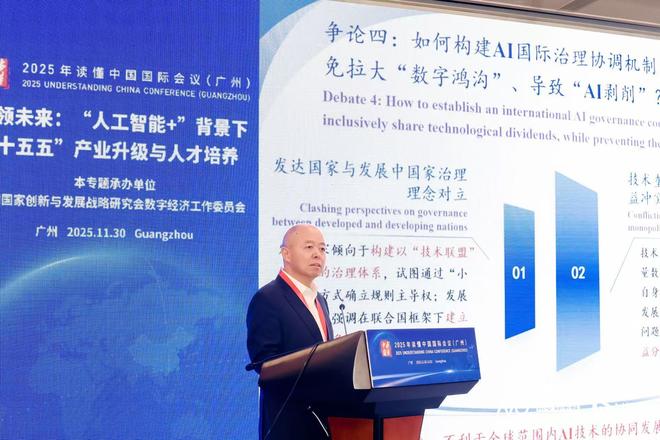
Core Insights - The artificial intelligence (AI) industry is experiencing rapid growth, attracting significant investment and achieving record-high valuations, while concerns about a potential bubble persist [1] - The "AI+" initiative proposed by China is viewed as a fundamental solution to address bubble concerns in the AI sector [1] Group 1: AI Industry Bubble Concerns - The debate over whether the AI industry is in a bubble is a major topic, with high investment concentration, unique risks, and prominent bottlenecks identified as key characteristics [2] - A significant portion of AI investments, specifically 95% of enterprises, have not yielded actual returns, raising concerns about the sustainability of current investment levels [2] Group 2: Integration with the Real Economy - The former Vice Minister of the Ministry of Industry and Information Technology, Wang Jiangping, emphasized the importance of integrating AI with the real economy to mitigate bubble fears [4] - The concept of "embodied intelligence" is highlighted as a critical future industry, representing a deep integration of AI with the physical world, which could enhance manufacturing levels and open new growth avenues [6] Group 3: Educational Initiatives in AI - Guangdong province has established a robust AI industry with a core scale exceeding 220 billion, featuring a complete industrial chain and numerous leading companies [7] - The province has initiated educational reforms, with 117 vocational schools offering AI-related programs, aiming to cultivate high-skilled talent aligned with the intelligent industry ecosystem [9]
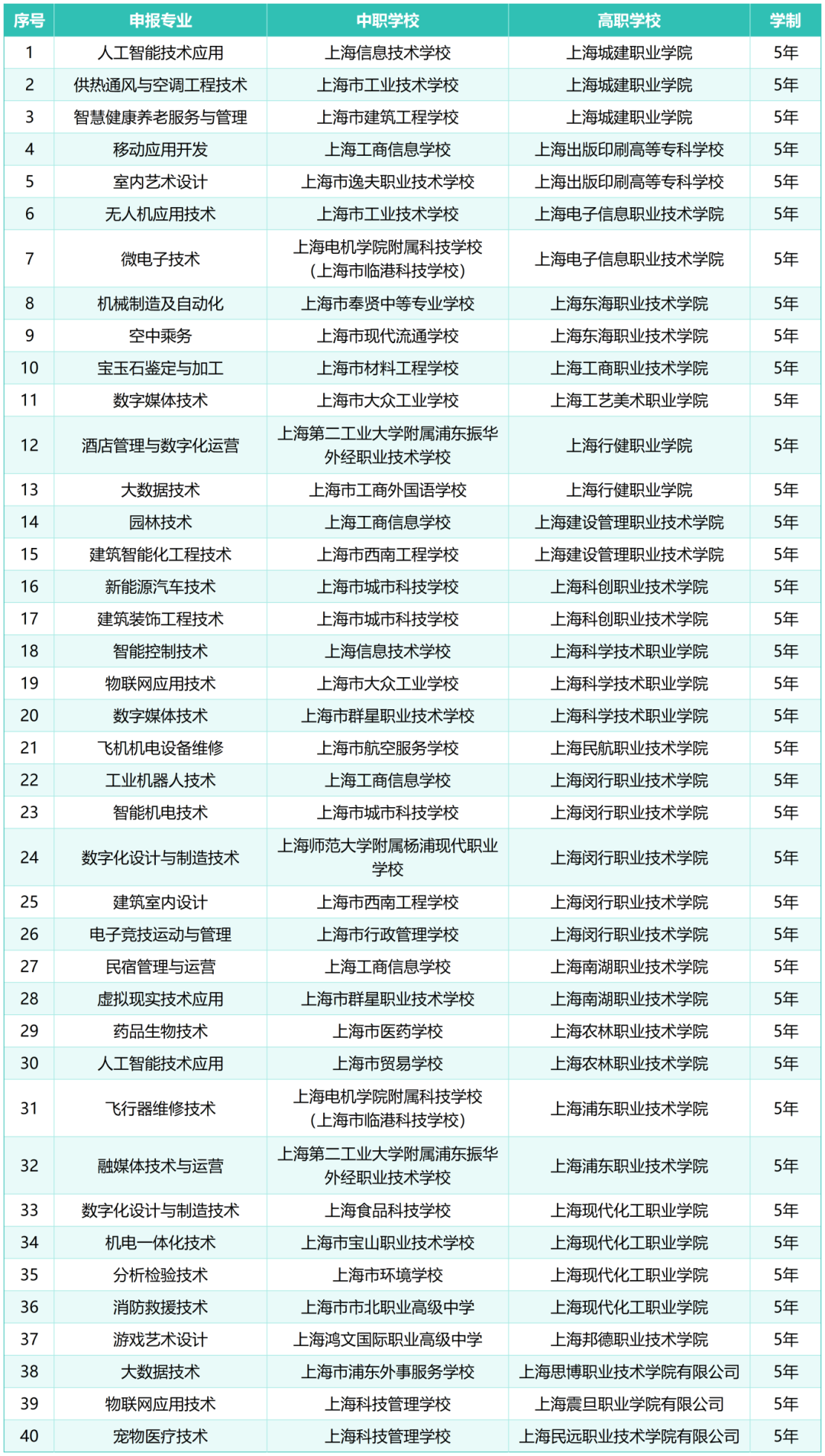
2026年上海将增设40个中高职教育贯通培养模式专业
Yang Shi Wang· 2025-11-20 06:30
Core Points - Shanghai Municipal Education Commission announced the addition of 40 vocational education programs under the integrated training model by 2026 [1] - The programs will be jointly offered by various vocational schools and higher education institutions [1] Group 1: New Programs - The new programs include Artificial Intelligence Technology Application, HVAC Engineering Technology, and Smart Health Care Management among others [3][4] - The management of student enrollment and fee standards will follow the respective regulations for vocational and higher education [1] Group 2: Institutions Involved - Shanghai Information Technology School and Shanghai Urban Construction Vocational College are among the institutions involved in the new programs [3] - Other participating institutions include Shanghai Publishing and Printing College, Shanghai Electronic Information Vocational Technology College, and Shanghai Agricultural and Forestry Vocational College [3][4] Group 3: Program Structure - The first three years of the programs will be managed according to vocational school regulations, while the higher education phase will follow the regulations of the respective colleges [1]
十五五规划建议全文
Sou Hu Cai Jing· 2025-11-04 04:35
Core Points - The "14th Five-Year Plan" has achieved significant accomplishments despite complex international and domestic challenges, laying a solid foundation for the "15th Five-Year Plan" [6][7] - The "15th Five-Year Plan" emphasizes high-quality development, innovation, and the establishment of a modern industrial system, focusing on intelligent and green upgrades of traditional industries and the growth of strategic emerging industries [1][18] - The plan aims to expand domestic demand and build a strong domestic market, with a focus on boosting consumption and effective investment [1][26] Group 1 - The "15th Five-Year Plan" is a critical period for achieving socialist modernization, requiring efforts to consolidate advantages and overcome bottlenecks [7][8] - The plan highlights the importance of a modern industrial system as the material and technical foundation for Chinese-style modernization, emphasizing the need for intelligent, green, and integrated development [18] - The plan outlines the necessity of enhancing the national innovation system and improving self-reliance in technology to drive new quality productivity [22][23] Group 2 - The plan stresses the importance of expanding domestic demand as a strategic foundation for building a new development pattern, focusing on consumer spending and effective investment [26][27] - It emphasizes the need for a high-level socialist market economy system to ensure sustainable high-quality development [29] - The plan includes measures to enhance the quality of life for citizens, improve income distribution, and strengthen social security systems [2][10] Group 3 - The plan aims to promote green development and national security, with specific targets for carbon peak and the establishment of a new energy system [2][17] - It outlines the importance of regional coordinated development and optimizing the economic layout to enhance overall national competitiveness [41][42] - The plan includes initiatives to foster cultural innovation and development, enhancing the influence of Chinese culture globally [45][47]

大众汽车:计划至2030年投资10亿欧元布局人工智能领域
Cai Jing Wang· 2025-09-11 07:23
Core Insights - Volkswagen plans to invest up to €1 billion by 2030 to expand the application of artificial intelligence technology [1] - The investment will focus on three main areas: AI-assisted vehicle development, industrial applications, and high-performance IT infrastructure expansion [1] - Volkswagen anticipates that the use of AI technology will generate up to €4 billion in efficiency gains and cost optimization benefits by 2035 [1]
大众计划投资10亿欧元布局人工智能领域
Xin Lang Cai Jing· 2025-09-09 23:44
Core Insights - Volkswagen plans to invest up to €1 billion by 2030 to expand the application of artificial intelligence technology [1] - The investment will focus on three main areas: AI-assisted vehicle development, industrial applications, and high-performance IT infrastructure expansion [1] - Volkswagen anticipates that the use of AI technology will generate up to €4 billion in efficiency gains and cost optimization benefits by 2035 [1]
这场研讨会 共探中小微企业发展之道
Sou Hu Cai Jing· 2025-08-11 15:03
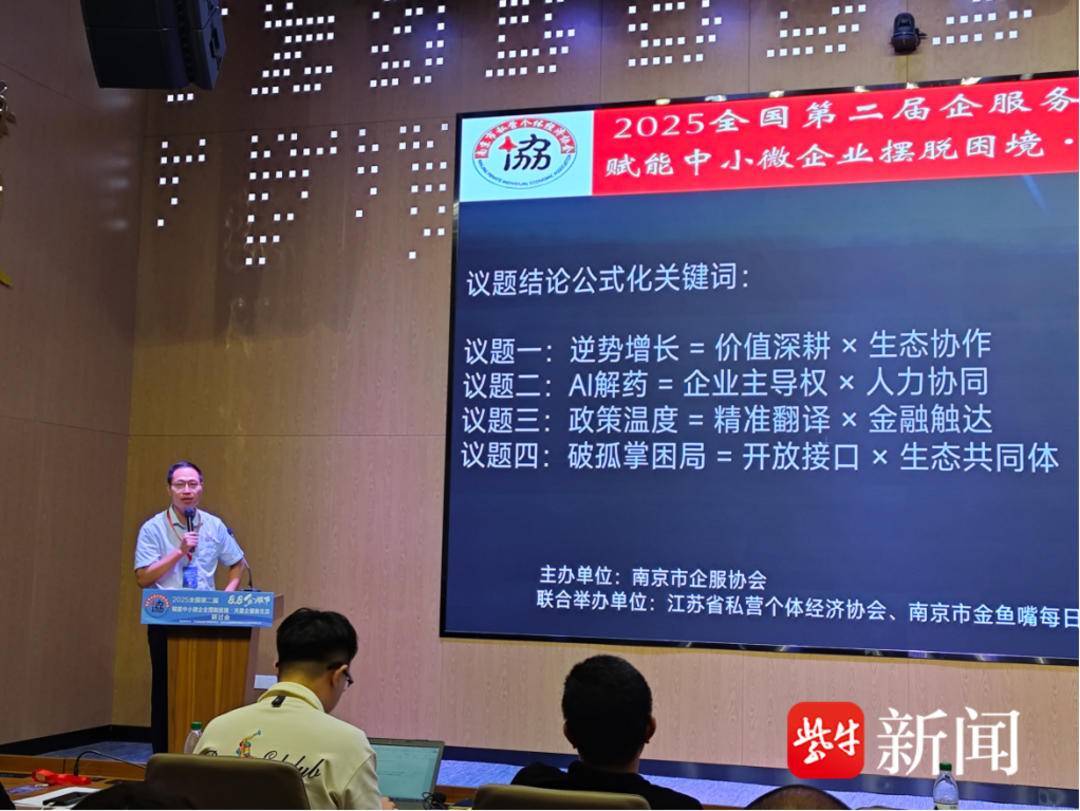
Core Insights - The seminar aimed to empower small and micro enterprises to overcome challenges and inject new momentum into their development [1][5] - Key discussions focused on the practical application of AI technology and the importance of a supportive policy environment for businesses [3][6] Group 1: Event Overview - The seminar gathered government officials, industry associations, and business representatives to discuss the development challenges faced by small and micro enterprises [1] - The event emphasized collaboration, knowledge sharing, and the creation of a new ecosystem for enterprise services [3] Group 2: Key Discussions - Participants discussed the "temperature of policy regulation and the actual experience of enterprises," highlighting the need for a three-tier communication mechanism among enterprises, associations, and government [3] - The importance of a differentiated development path and resilient business strategies for achieving growth in a complex market environment was underscored [3] Group 3: Future Action Plans - The Nanjing Enterprise Service Association outlined future initiatives, including quarterly industry matchmaking events and regular training for business leaders to enhance management capabilities [5] - The association aims to facilitate effective resource flow through a dual-channel cooperation network combining online and offline efforts [3][5] Group 4: Support for High-Quality Development - The seminar included activities focused on sharing experiences and best practices for "cooperation and reverse growth," providing practical references for participating enterprises [6] - The Nanjing Private Individual Economy Association's Enterprise Service Division emphasized its commitment to cooperation, sharing, and mutual benefit as core principles [6]