人民币主权债券

Search documents
中国财政部2026 年第一批人民币主权债券今天在港上市
Sou Hu Cai Jing· 2026-02-16 04:36
Core Viewpoint - The Hong Kong Stock Exchange welcomes the first batch of RMB government bonds issued by the Chinese Ministry of Finance this year, totaling RMB 14 billion across five bonds with various maturities [2] Group 1: Bond Issuance Details - The issuance includes bonds with maturities of 2 years (RMB 4 billion), 3 years (RMB 4 billion), 5 years (RMB 3 billion), 10 years (RMB 2 billion), and 30 years (RMB 1 billion), providing a diverse range of options for investors [2] - The total issuance scale is RMB 14 billion, marking a significant addition to the offshore RMB bond market [2] Group 2: Market Trends - The offshore RMB bond market has been increasingly active, achieving record high issuance totals and marking its eighth consecutive year of growth [2] - By 2025, RMB bonds are expected to account for approximately one-third of the new bond listings on the Hong Kong Stock Exchange, with a total fundraising target of RMB 230 billion for the year [2] - Currently, the number of RMB-denominated bonds listed on the Hong Kong Stock Exchange exceeds 300 [2] Group 3: Future Outlook - The Hong Kong Stock Exchange plans to continue expanding and enhancing its platforms and services to attract more RMB-denominated bonds for issuance and listing [2]


西方制裁逼出大招,俄罗斯砸下200亿人民币债券!美元收割时代或将终结
Sou Hu Cai Jing· 2025-12-10 06:10
Core Viewpoint - The issuance of sovereign bonds by Russia, totaling 20 billion RMB, marks a significant step in defining national credit using the RMB, driven by the need for alternative financing due to Western sanctions [1][3][13]. Group 1: Bond Issuance Details - The bond issuance consists of two tranches: 12 billion RMB maturing in 2029 with a 6% interest rate, and 8 billion RMB maturing in 2033 with a 7% interest rate [1]. - The bonds are available for purchase in RMB or rubles, with both principal and interest paid in RMB, indicating a shift towards RMB-based financing [1][4]. - The final coupon rates were reduced by 50 basis points from initial guidance, reflecting stronger-than-expected market demand [1]. Group 2: Market Context and Demand - The push for RMB usage in Russia is largely a response to severe financial sanctions imposed by the West, which have restricted access to USD and EUR financing [3]. - In 2023, trade between China and Russia reached a record high of over 220 billion USD, with a significant portion of transactions settled in RMB, establishing a robust RMB liquidity ecosystem in Russia [4][6]. - The share of RMB in Russia's sovereign wealth fund assets has increased from 31% in January 2022 to approximately 57% by November 2025, indicating a growing reliance on RMB [6]. Group 3: Internationalization of RMB - The RMB's share in global trade financing reached 8.5% by October 2024, making it the second most used currency after the USD [8]. - The Cross-Border Interbank Payment System (CIPS) has expanded significantly since its launch in 2015, processing 123.06 trillion RMB in 2023, a 27.27% increase year-on-year [9]. - The demand for RMB-denominated bonds from foreign entities is rising, with record issuances of "Panda bonds" and "Dim Sum bonds" in 2024, indicating a broader acceptance of RMB in international markets [11]. Group 4: Geopolitical Implications - The issuance of RMB sovereign bonds is seen as a demonstration of the RMB's internationalization and a potential shift towards a "de-dollarization" trend globally [13]. - Western media views this financial activity as part of geopolitical competition, suggesting it enhances China's global influence and challenges the USD-dominated financial system [14]. - The bond issuance provides a practical example for other countries with trade surpluses with China to consider RMB financing, especially those seeking to diversify away from USD [14].
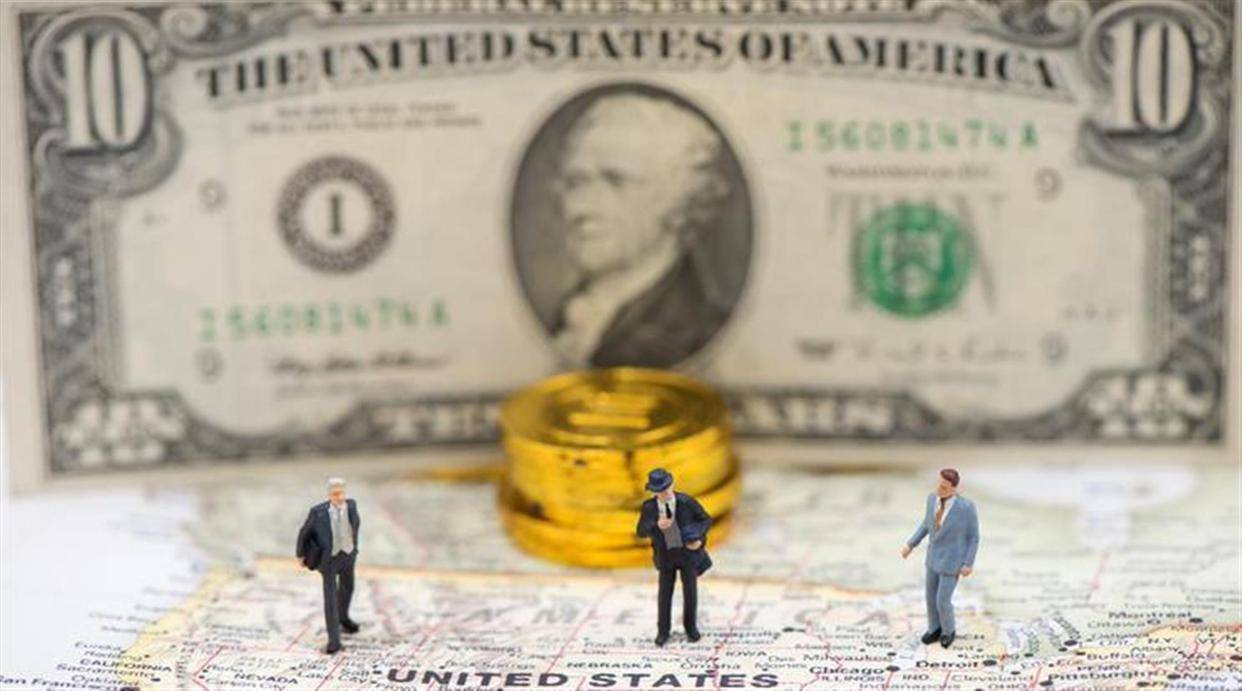
突发特讯!央行公布黄金储备,美元大动脉被切,引爆国际舆论
Sou Hu Cai Jing· 2025-12-08 12:10
Core Insights - The recent increase in China's gold reserves and Russia's issuance of RMB-denominated sovereign bonds signal a shift in global currency dynamics, potentially impacting the international status of the US dollar [1][3][5] Group 1: US Strategic Shift - The US is refocusing its strategic priorities towards the Western Hemisphere, emphasizing "America First" and requiring allies to take on more defense responsibilities [3][5] - This strategy reflects a combination of resource concentration in areas with higher returns while maintaining influence through maritime routes and financial sanctions [3][5] - The US acknowledges China as a near-peer competitor while aiming to avoid direct conflict, allowing for strategic flexibility [3][5] Group 2: China's Gold Reserve Strategy - China's official gold reserves reached 74.12 million ounces by November 2025, increasing by 30,000 ounces, continuing a trend of accumulation since late 2024 [5][7] - This strategy aims to reduce reliance on dollar-denominated assets and enhance the role of gold as a stable reserve asset, thereby managing market expectations [7][9] - The consistent disclosure of reserve data helps anchor market expectations and supports a pricing structure that enhances China's influence in global markets [7][9] Group 3: Russia's RMB Sovereign Bonds - Russia's issuance of RMB-denominated sovereign bonds, totaling 20 billion yuan, marks a significant shift in financing channels from traditional dollar or euro systems to the RMB [9][11] - This move is expected to attract entities holding RMB into a sovereign-backed asset pool, enhancing the credibility and appeal of RMB assets [9][11] Group 4: Challenges to the Dollar - The dollar's strength is rooted in its clearing network and legal protections, but the increasing use of RMB in commodity transactions poses a long-term challenge [11][13] - A decline in the dollar's transaction frequency could lead to higher costs for maintaining global capital inflows, complicating the US's financial position [11][13] - The diminishing effectiveness of economic sanctions as alternative financing channels develop could further weaken the dollar's dominance [11][13] Group 5: Future of Currency Dynamics - The transition towards a more fragmented currency landscape suggests that the dollar's singular dominance is shifting towards a multi-currency system [16][18] - For businesses and investors, diversifying currency exposure and incorporating risk variables into financial models will be crucial in navigating this evolving landscape [16][18] - The internationalization of the RMB hinges on establishing a robust framework for accessible, holdable, hedged, and exit-capable assets [18]
俄踢开美元,人民币地位上升,特朗普通告全球,美联储主席将换人
Sou Hu Cai Jing· 2025-12-06 04:06
Group 1: Core Insights - Russia is set to issue its first RMB-denominated bonds, marking a significant elevation in the status of the Chinese currency [1][3] - The issuance of these bonds is part of a long-term strategy for Russia, aimed at providing new investment options for its enterprises and supporting the internationalization of the RMB [3][4] - The total trade volume between China and Russia is projected to reach $250 billion in 2024, indicating a strengthening economic relationship [3] Group 2: Market Implications - The RMB's share in global trade financing has reached 8.5%, making it the second most used currency after the USD [4] - The issuance of RMB bonds will reduce Russia's reliance on USD and EUR, while also promoting a more complete system for RMB usage, settlement, and investment [4] - The potential change in the U.S. Federal Reserve leadership could lead to a weaker USD, providing more space for other currencies, including the RMB [7][8] Group 3: Broader Trends - The trend of increasing RMB usage is not isolated to Russia; other countries like Kazakhstan and Kenya are also exploring RMB financing options [3] - The global financial landscape is undergoing significant changes, with the RMB's rising international status challenging the dominance of the USD [8]
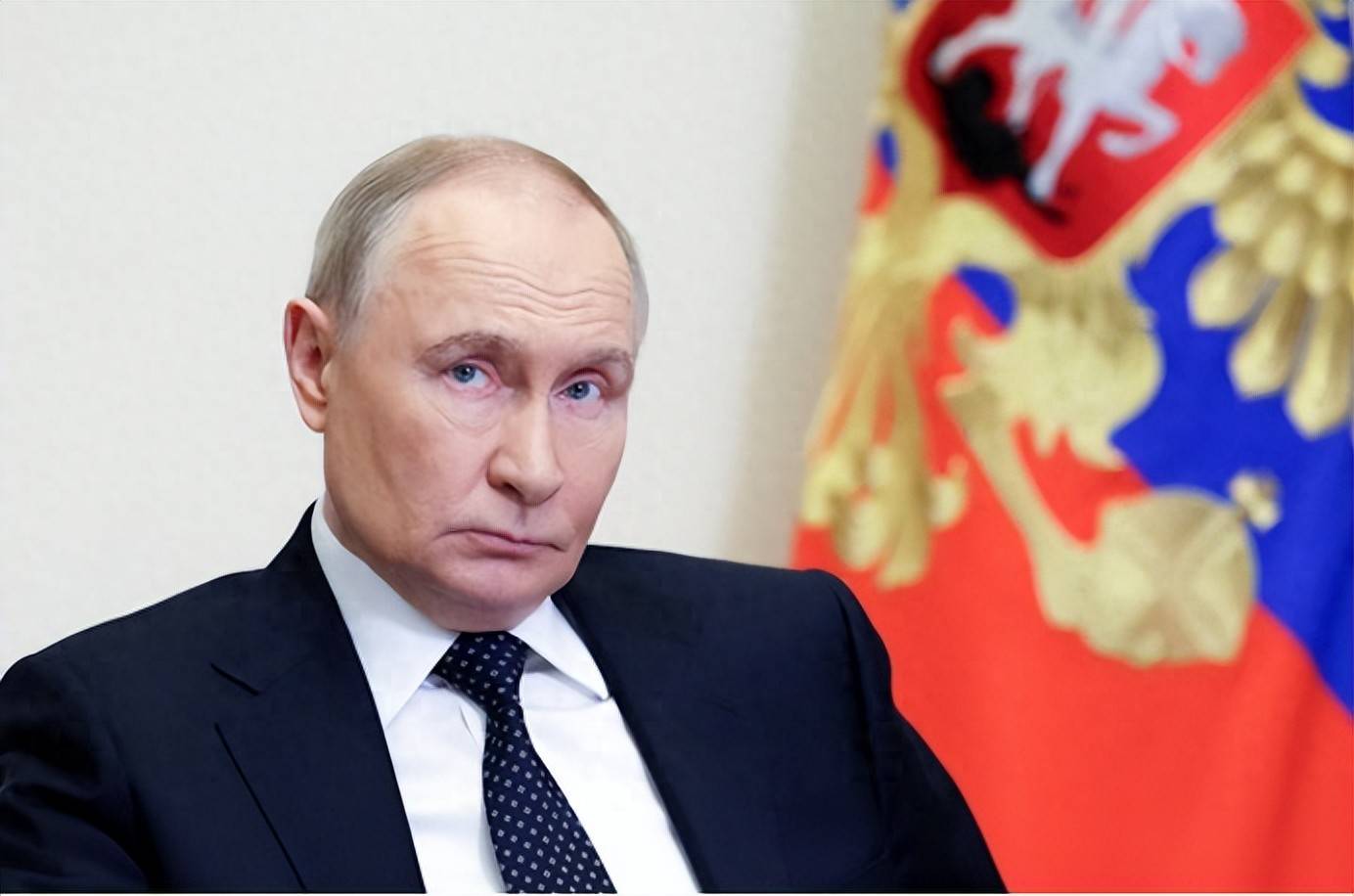
特讯,中俄通告全球,去美元化第一枪打响,中方减持美债至7005亿,俄发二百亿人民币债,人民币或重回6时代
Sou Hu Cai Jing· 2025-12-05 17:26
Core Insights - Recent events in the global financial market have been likened to a "Pearl Harbor attack" for the financial system, with significant implications for the dominance of the US dollar [1] Group 1: US Debt and Economic Concerns - As of October 2025, the total US federal debt has reached an alarming $38 trillion, with a fiscal deficit of $1.3 trillion halfway through the fiscal year [3] - The yield on 10-year US Treasury bonds has surpassed 4.5%, leading to substantial interest payment obligations for the government [3] - Moody's has downgraded the US sovereign credit rating from the highest Aaa level, reflecting growing market concerns about the world's largest debtor nation [3] Group 2: China's Strategy and Gold Reserves - China has been reducing its holdings of US Treasury bonds, viewed as a precautionary measure, while simultaneously increasing its gold reserves, which reached 74.02 million ounces by the end of August 2025 [5] - The global central bank gold buying trend is evident, with over 90% of central banks indicating plans to continue purchasing gold [5] Group 3: Russia's Move Towards Yuan Bonds - Russia plans to issue its first sovereign bond denominated in yuan, with attractive interest rates between 6.25% and 6.5%, as a response to being excluded from the SWIFT system [7] - The issuance of yuan-denominated bonds serves dual purposes: providing necessary funding for the Russian government and utilizing excess yuan held by exporters [7] Group 4: Implications for Currency Dynamics - Russia's actions symbolize a significant shift away from dollar reliance, showcasing the potential for other currencies, like the yuan, to be used for sovereign financing [9] - The internationalization of the yuan is gaining momentum, with countries like Hungary, Indonesia, and the UAE issuing yuan bonds, indicating a growing presence of the yuan in global finance [9] Group 5: Market Reactions and Currency Strength - China's sovereign bonds have been well-received in Europe, with a recent issuance in Luxembourg attracting over 26 times the subscription amount, highlighting a preference for different credit foundations [11] - The yuan has strengthened against the dollar, with the exchange rate surpassing 7.07, driven by improvements in China's economic fundamentals [11] Group 6: Strategic Implications of China's Debt Holdings - China's gradual reduction of its US Treasury holdings is seen as a strategic move, maintaining leverage while minimizing risks associated with a sudden sell-off [13] - The current holdings of over $700 billion in US debt act as a financial deterrent, potentially impacting US financing costs if liquidated abruptly [13] Group 7: Future Currency Landscape - Morgan Stanley's 2025 report predicts a future where the global currency landscape will feature a tripartite system of dollar dominance, euro stability, and yuan diversification [14] - The issuance of yuan-denominated bonds by Russia marks a critical milestone in this evolving trend towards a multipolar currency system [14]
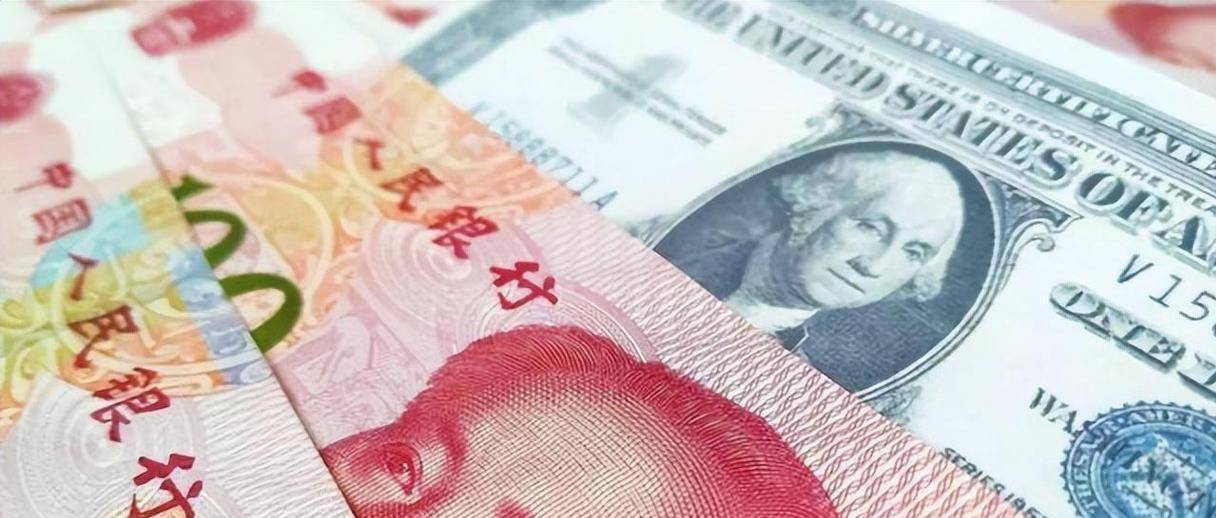
中方运回黄金,人民币债券将发行,种种迹象表明,美国已濒临崩溃
Sou Hu Cai Jing· 2025-12-05 09:12
Group 1 - China is significantly increasing its gold reserves, with a projected 25-fold increase by 2025, indicating a strategic move to detach from US hegemony and the dollar trade system [1][3] - The accumulation of gold serves multiple purposes: optimizing reserve structure to hedge against dollar risks, enhancing financial risk management amid global uncertainties, and solidifying the credit foundation of the renminbi [3][4][6] - The issuance of Russia's first renminbi-denominated sovereign bond is a response to its financing challenges and a step towards de-dollarization, reflecting a high level of trust in the renminbi's credit [6][8] Group 2 - The combined actions of China and Russia signal a deepening global trend of de-dollarization, challenging the dominance of the US dollar and indicating a shift towards a multipolar international monetary system [8][10] - These moves provide a reference for other countries facing Western sanctions or seeking to reduce dollar dependency, potentially expanding the use of the renminbi in global financial markets [8][10] - The essence of these initiatives is a pursuit of financial "deweaponization," demonstrating that strengthening local currency cooperation and increasing gold reserves can reduce reliance on hegemonic currencies [8][10]
金融珍珠港,俄打响第一枪,中国减持美债,人民币或重回6时代?
Sou Hu Cai Jing· 2025-12-04 23:07
Group 1 - Russia is set to issue its first-ever RMB-denominated sovereign bonds with a target coupon rate of 6.25%-6.5% for a 3.2-year bond and a maximum rate of 7.5% for a 7.5-year bond [1][7] - The issuance of RMB bonds is a strategic move for Russia to access financing amid Western sanctions that limit its ability to obtain USD and EUR financing, while also utilizing its substantial RMB assets [6][21] - The trend of "de-dollarization" is gaining momentum, as evidenced by China's reduction of its US Treasury holdings to $765.4 billion, the lowest level since 2009, and a continuous decline over the past 18 months [1][9] Group 2 - Moody's has downgraded the US sovereign rating to Aa1, reflecting market concerns over US debt credit risk, while China's reduction of US Treasury holdings is seen as a proactive measure against potential debt crises [5][21] - The RMB has become the second most used currency in global trade financing, accounting for 8.5% of all transactions, indicating a structural shift in the global financial landscape [9][21] - China's gold reserves have increased to $243.6 billion, with a rising proportion in its foreign exchange reserves, highlighting a strategic shift towards a more resilient reserve system amid geopolitical risks [11][13] Group 3 - The RMB's appreciation against the USD has been driven by both internal economic factors and external environment changes, with the currency breaking the 7.07 mark, the highest in over a year [15][17] - International institutions like Goldman Sachs predict that the RMB exchange rate may approach 6.85 in the next 12 months, supported by positive economic indicators such as a 5.3% year-on-year GDP growth in Q3 [19][21] - The global financial system is undergoing a reconstruction of trust, as evidenced by Russia's bond issuance, China's asset reallocation, and IMF warnings about asset overvaluation risks [21][22]
宋清辉:俄罗斯发行人民币主权债券,有利于人民币国际化更进一步
Sou Hu Cai Jing· 2025-12-03 22:33
Core Insights - Russia is advancing the issuance of its first RMB-denominated sovereign bonds, driven by limited access to Western capital markets due to sanctions and a significant trade surplus with China, which has resulted in a large accumulation of RMB within Russia [3][4][5] Group 1: Economic Context - The ongoing Russia-Ukraine conflict and subsequent Western sanctions have obstructed Russia's access to Euro and Dollar-denominated financing, making RMB a viable alternative for financing and settlement [4][5] - The trade surplus with China has led to a substantial amount of RMB being retained in Russia, while local enterprises lack sufficient compliant investment channels for RMB, creating a demand for RMB sovereign bonds [4][5] Group 2: Bond Issuance Details - The Russian Ministry of Finance has begun accepting subscriptions for RMB bonds, which will be issued in two parts: a 3.2-year portion with a target coupon rate of 6.25% to 6.5%, and a 7.5-year portion capped at 7.5% [3][4] - The issuance of RMB sovereign bonds is expected to facilitate the internationalization of the RMB and provide a benchmark for local RMB interest rates [4][5] Group 3: Implications for RMB Internationalization - The issuance of RMB sovereign bonds by Russia is seen as a significant step towards the internationalization of the RMB, potentially influencing other countries to follow suit, especially those with large trade surpluses with China [5][7] - The demand for local RMB financing in Russia may drive the development of cross-border payment, clearing, and settlement infrastructure, supporting broader RMB usage [5][7] Group 4: Global Trends - Other countries, particularly those with significant trade surpluses with China or limited access to dollar financing, may emulate Russia's approach to issuing RMB-denominated bonds [6][7] - The trend of sovereign entities issuing RMB debt is increasing, with a record issuance of RMB bonds by foreign governments reaching 13 billion this year, indicating a growing acceptance of RMB in global finance [5][6]

金融珍珠港?俄首发人民币主权债,全球130亿跟进,加速去美元化
Sou Hu Cai Jing· 2025-12-03 06:44
Group 1 - Russia announced the issuance of its first sovereign bonds denominated in RMB, marking a significant milestone in the global de-dollarization process [1] - The bonds are divided into two parts: a 3.2-year term with a target coupon rate of 6.25% and a 7.5-year term with a maximum rate of 7.5%, aimed at domestic investors [1] - The issuance is a response to Russia's expanding budget deficit and the cutting off of financing channels in USD and EUR due to Western sanctions [3] Group 2 - China's trade deficit with Russia reached $19 billion in the first ten months of 2025, the highest level since 2022, leading to a significant accumulation of RMB funds by Russian exporters [3] - The issuance of sovereign bonds will provide a yield curve reference for Russian enterprises, facilitating more efficient pricing of RMB debt instruments [3] - The total issuance of RMB bonds by foreign governments reached a record 13 billion RMB in 2025, with notable issuers including Hungary, Indonesia, and Sharjah [3] Group 3 - The share of RMB in global trade finance has risen to 8.5%, making it the second-largest currency after the USD [5] - The proportion of RMB assets in Russia's sovereign wealth fund increased from 31% in January 2022 to 57% in November 2025, highlighting the growing importance of RMB in Russia's financial system [5] - The issuance of RMB bonds by Russia is seen as a potential model for other countries, reflecting a structural shift towards de-dollarization [5][9] Group 4 - The backdrop for these developments includes a decline in USD credibility, with the U.S. national debt surpassing $37 trillion and a projected net deficit increase of over $3.8 trillion in the next decade [5] - The issuance of RMB bonds aligns with the ongoing improvement of infrastructure for RMB internationalization, including the expansion of cross-border payment systems [7] - Emerging markets are reassessing the risks associated with USD assets, leading to increased demand for alternative settlement tools [9]
世界在用脚投票,有什么好惊诧的
Sou Hu Cai Jing· 2025-12-02 22:33
Core Viewpoint - The issuance of sovereign bonds denominated in RMB by Russia marks a significant step in the internationalization of the Chinese currency, reflecting a growing trend among countries to utilize RMB for trade and investment purposes [1][3][4]. Group 1: RMB Sovereign Bonds - Russia's Ministry of Finance will issue its first sovereign bonds in RMB on December 8, with subscription registration starting on December 2 [1]. - Other countries, such as the UK and Indonesia, have previously issued offshore RMB sovereign bonds, indicating a broader acceptance of RMB in global finance [1]. Group 2: Global Financial Dynamics - The increasing attractiveness of the RMB is seen as a challenge to the US's dominance in international finance, with some Western media framing it within a geopolitical context [3]. - Analysts suggest that Russia's decision to issue RMB bonds is driven by a significant trade surplus with China, a large holding of RMB by Russian exporters, and the inability to secure financing in USD or EUR due to fiscal deficits [3]. Group 3: Economic and Market Factors - The choice of currency for transactions is fundamentally based on rational economic decisions, such as optimizing portfolios, diversifying risks, and preserving value [3]. - The international status of a currency is determined by economic strength, institutional trust, and market acceptance, rather than self-proclamation or negative narratives [4]. Group 4: Shift in Global Currency Landscape - The dominance of the USD has been challenged by its use in financial sanctions, leading to increased skepticism about its safety and prompting countries to seek alternative currencies for asset security [5]. - The global financial ecosystem is evolving from a USD-centric model to a multi-currency system, reflecting a desire for stability and risk diversification among investors [5]. Group 5: Future Outlook - The ongoing evolution of the international monetary system is expected to continue as China's economic power grows and its financial markets open up, suggesting a promising future for RMB assets on the global stage [5].