
住宅电梯

Search documents
优化“两新”政策实施 激发绿色转型新动能
Zhong Guo Huan Jing Bao· 2026-02-13 00:39
Core Viewpoint - The recent optimization of the "Two New" policy aims to systematically integrate green development concepts into the entire policy design, execution, and evaluation process, promoting a comprehensive green transformation of China's economic and social development [1][8]. Group 1: Policy Coverage and Implementation - The optimized policy significantly expands its support boundaries, creating a multidimensional green renewal system that encompasses production, daily life, and public services [2]. - It includes support for upgrading public safety and living conditions, such as installing elevators in old residential areas and upgrading firefighting equipment, which enhances public service quality and promotes low-carbon urban infrastructure [2]. - The policy explicitly supports energy-saving renovations in large commercial facilities, which can lead to substantial energy savings and serve as a model for green operations in the commercial sector [2]. Group 2: Subsidy Mechanism Optimization - The policy emphasizes a refined and differentiated subsidy mechanism, focusing on "rewarding excellence and promoting green" to enhance the environmental efficiency of fiscal funds [3]. - It introduces a more scientific and incentive-based approach to subsidies, such as tiered subsidies for residential elevator upgrades based on building floors and prioritizing electric vehicle replacements for old trucks [3]. - The design aims to lower the cost of green purchases for consumers, thereby stimulating immediate energy savings and sending clear market demand signals to production enterprises [3]. Group 3: Implementation Mechanism Enhancement - The policy aims to simplify processes and lower barriers for small and medium-sized enterprises (SMEs), which are crucial for equipment updates and green production [4]. - It introduces evaluations of local execution and auditing, along with a pre-allocation system for funds, to ensure that financial resources effectively support green transitions [4]. - A unified national standard for key category subsidies is established to maintain fairness and prevent fraudulent practices, ensuring that fiscal funds are used to incentivize green transformation [4]. Group 4: Recycling Network and Circular Economy - The policy emphasizes the importance of a smooth recycling and utilization chain, highlighting the need for a comprehensive management approach to resources [5][6]. - It supports the development of a three-tier recycling system and encourages new models like "Internet + Recycling" to create a convenient and standardized recycling network [6]. - The focus is shifting from mere recycling to high-value reuse and remanufacturing, aiming to maximize the value of "urban minerals" and reduce reliance on primary resources [6]. Group 5: Standards and Industry Upgrade - The policy underscores the role of standards in driving industrial progress and green development, aiming to elevate energy consumption and emission standards in key industries [7]. - It mandates stricter enforcement of vehicle scrappage and environmental inspection standards, promoting the timely update of appliances and combating fraudulent energy efficiency labeling [7]. - This combination of measures is designed to accelerate the elimination of outdated, high-energy-consuming equipment while purifying the market environment for green products [7]. Group 6: Overall Policy Integration - The optimization of the "Two New" policy is characterized by a clear logic: expanding coverage for precise guidance, optimizing subsidies for enhanced incentives, improving mechanisms for fairness, facilitating recycling for a closed loop, and elevating standards to drive upgrades [8]. - The comprehensive policy aims not only to stimulate current demand and industrial upgrades but also to shape long-term green production and consumption patterns, integrating ecological civilization into the entire economic and social development process [8].
电梯使用超15年 换新每台补贴15万
Nan Fang Du Shi Bao· 2025-12-18 23:16
Core Viewpoint - The Huicheng District government is actively responding to national policies by initiating a renovation project for old residential elevators, utilizing long-term special government bond funds to address safety concerns and improve living conditions for residents [2] Group 1: Project Initiation and Implementation - A total of 404 old elevators from 59 residential communities in Huicheng have applied for government bond subsidies for upgrades and have passed the review process [2] - The Jinshijie Garden community was the first to complete the replacement of all 24 elevators, serving as a model for using government bond funds to promote urban renewal and address public welfare issues [2] Group 2: Policy Communication and Resident Engagement - The community party branch formed a "Policy Advocacy Pioneer Team" to effectively communicate the elevator renovation policy to residents, transforming complex policies into understandable language [3] - Various methods were employed, including online updates and in-person discussions, to clarify the eligibility criteria for subsidies and the application process, ensuring residents understood the financial implications [3] Group 3: Consensus Building and Coordination - The community party branch established a coordination platform to address diverse owner needs regarding cost-sharing, elevator brand selection, and construction arrangements [4] - A temporary coordination group was formed to facilitate discussions among stakeholders, leading to a fair cost-sharing plan that was accepted by the majority of owners [5] Group 4: Project Supervision and Quality Assurance - The community party branch maintained a hands-on approach throughout the project, ensuring a multi-faceted supervision network was in place to monitor safety, material quality, and project progress [6] - A mechanism for daily inspections and weekly summaries was implemented to keep residents informed and address any concerns regarding construction disturbances [6] Group 5: Long-term Maintenance and Sustainability - The community party branch emphasized the importance of signing long-term maintenance contracts as a core requirement for selecting suppliers, focusing on service quality and response times [7] - After the new elevators were put into operation, a dual supervision mechanism was established to ensure ongoing maintenance and transparency in service records [7]

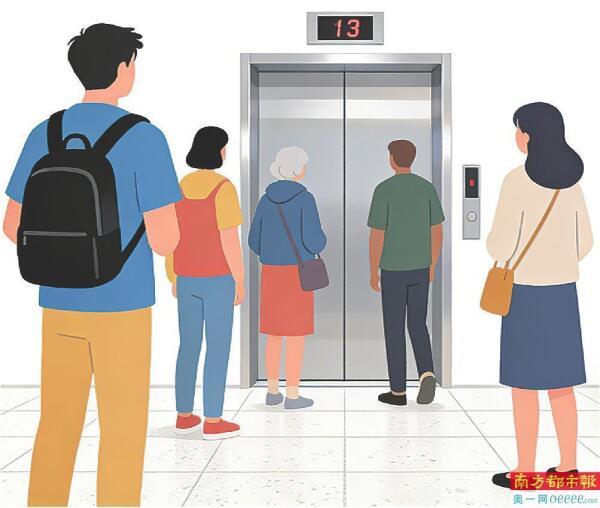
潮鸣街道书写“温暖民生答卷”
Hang Zhou Ri Bao· 2025-07-11 03:13
Group 1 - The core point of the news is the successful installation of the 202nd elevator in the Chao Ming Street area, marking a significant milestone in the renovation of old residential communities [1][2] - The installation of elevators is seen as a testament to grassroots governance and community coordination, highlighting the importance of resident engagement and problem-solving [1][2] - The process of installing the 200th elevator involved extensive community discussions and coordination, demonstrating effective local governance and commitment to improving residents' quality of life [1] Group 2 - As of now, a total of 202 elevators have been installed in the Chao Ming Street area, with additional elevators under construction and in the review stage [2] - The local government plans to expedite the construction process and improve the approval workflow to address the challenges of elevator installation in old communities [2] - The initiative aims to enhance the safety and reliability of the elevators, ensuring they serve as a "happy ladder" for the residents, particularly the elderly [2]
住宅电梯更新鼓励售后不低于5年
Bei Jing Shang Bao· 2025-06-11 16:40
Core Viewpoint - The National Market Supervision Administration has issued a notice to enhance the safety and efficiency of updating old residential elevators, emphasizing the importance of quality components and cost-saving measures in the renovation process [1][3]. Group 1: Safety and Quality Standards - The notice outlines clear safety performance indicators for key components such as drive motors and control systems in the selection of updated elevators [1][3]. - Manufacturers are required to ensure that the safety performance of selected components meets or exceeds current safety technical specifications and relevant special requirements [3][4]. Group 2: Cost Efficiency and Component Utilization - The notice encourages the retention of high-quality, reusable components from old elevators, such as guide rails and counterweights, to save costs and reduce project duration [3][4]. - Manufacturers must conduct on-site assessments of old elevators before signing contracts to develop appropriate updating plans [3]. Group 3: Oversight and Compliance - Local market supervision departments are tasked with ensuring that elevator manufacturers fulfill their production responsibilities and provide high-quality, reasonably priced products with excellent after-sales service [3]. - Strict implementation of elevator supervision inspections is mandated, following the safety technical specifications during the installation of updated elevators [4].
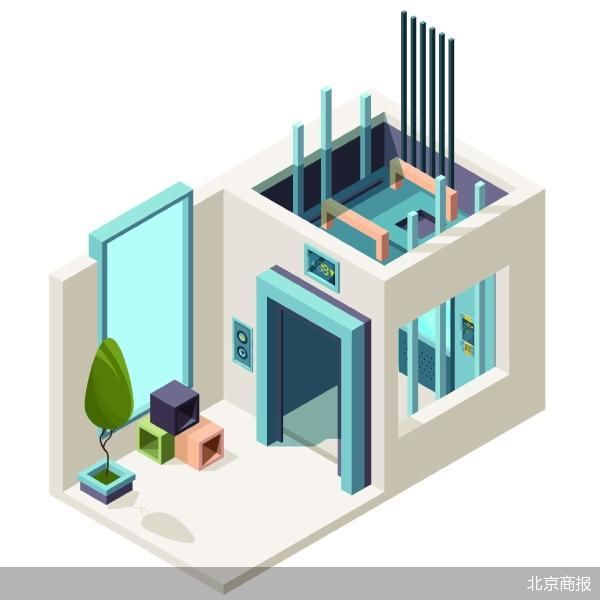
江苏徐州推动老旧电梯更新改造
Ren Min Ri Bao· 2025-06-02 21:43
Core Viewpoint - The aging residential elevators in China pose significant challenges, with approximately 900,000 elevators over 15 years old, leading to high failure rates and reliability issues, prompting government support for upgrades [1][2]. Group 1: Government Support and Funding - The National Development and Reform Commission and the Ministry of Finance have introduced policies to allocate around 300 billion yuan in special long-term bonds to support the replacement of old elevators and other key areas [1]. - Residents can receive a subsidy of 150,000 yuan for each elevator that is over 15 years old, significantly easing the financial burden of upgrades [1]. Group 2: Community Involvement and Funding Model - The funding model for elevator upgrades in the Tongpei Street area includes "bond subsidies + maintenance funds + owner contributions," with residents contributing approximately 600 yuan each [2]. - Community organizations are actively involved in ensuring transparency in the bidding process, selecting elevator brands, and negotiating extended maintenance and warranty periods with manufacturers [2]. Group 3: Progress and Implementation - As of now, nearly 600 applications for national bond support for elevator upgrades have been submitted in Xuzhou, indicating a proactive approach to addressing the issue [3]. - The first batch of 50 elevator upgrades in the Tongpei Street area has been completed, with an additional 120 applications currently under review [2].
5月1日起实施,“好房子”将提升“硬指标”
Nan Fang Du Shi Bao· 2025-05-01 00:57
Core Points - The new national standard "Residential Project Specification" will be implemented starting May 1, 2025, aiming to enhance the quality of new residential buildings, referred to as "good houses" [1][3][14] - Key indicators for "good houses" include a minimum ceiling height of 3 meters, mandatory elevators for buildings with four or more floors, and improved sound insulation standards [4][10][9] Group 1: Ceiling Height and Sound Insulation - The new regulation increases the minimum ceiling height from 2.8 meters to 3 meters, enhancing natural light and ventilation, and accommodating various living needs [4][8] - The specification mandates that the interior height of bedrooms and living rooms should not be less than 2.6 meters, while kitchens and bathrooms should not be less than 2.2 meters [4] - Sound insulation requirements have been tightened, with the maximum sound level between adjacent rooms reduced from 75 decibels to 65 decibels [9] Group 2: Elevator Requirements - From May 1, 2025, all new residential buildings with four or more floors must include at least one elevator, a significant reduction from the previous requirement of seven floors [10][12] - The inclusion of elevators is expected to improve the quality of life for elderly residents and enhance accessibility for all [10][12] - The new standard also requires that public mobile communication signals cover public spaces and elevator cabins, improving safety and convenience [13] Group 3: Overall Quality of Housing - The concept of "good houses" encompasses both physical attributes and management quality, emphasizing the importance of property management in maintaining living standards [14][16] - Effective community governance and management practices are essential for ensuring the long-term quality and comfort of residential properties [16][17]
电动自行车“满电回家”,德州将新增充电端口3万个以上
Qi Lu Wan Bao Wang· 2025-04-22 08:02
Core Points - The Dezhou government is focusing on four key livelihood projects for 2025, including red property management, installation of elevators in existing residential buildings, electric bicycle charging solutions, and self-managed electricity supply for communities [1] Group 1: Red Property Management - The goal is to reduce property-related complaints through the 12345 citizen hotline, aiming for a continuous decline over two years [2] - The implementation involves strengthening party organization guidance, enhancing law enforcement in communities, and improving industry supervision to address 39 key issues [2] - A total of 130 problematic communities will receive targeted assistance from government leaders to resolve historical complaints [2] Group 2: Elevator Installation in Existing Residential Buildings - The target is to install over 100 new elevators by the end of the year [3] - The approach includes policy evaluation, improving service efficiency, and increasing public awareness about the benefits of elevator installation [3] - Efforts will be made to secure funding for the renovation of old elevators [3] Group 3: Electric Bicycle Charging Solutions - The goal is to add over 30,000 charging ports and 30 battery swap stations by the end of the year [4] - The plan involves assessing current charging infrastructure and ensuring that new facilities meet demand [4] - Funding will be sourced from various channels, with a focus on partnerships with reliable third-party operators [4] Group 4: Self-Managed Electricity Supply for Communities - The objective is to complete ongoing projects and start 25 new community projects by June, benefiting 6,200 households [5] - The process includes organizing project applications based on community needs and ensuring strict oversight during implementation [5] - After successful completion, all electrical facilities will be transferred to the municipal power company for management [5]