
健力士

Search documents
帝亚吉欧2026上半财年业绩出炉,管理层正式回应“出售水井坊”传闻:绝不会低价甩卖!
Mei Ri Jing Ji Xin Wen· 2026-02-26 08:15
Core Viewpoint - Diageo reported a decline in organic net sales by 2.8% for the first half of fiscal year 2026, primarily due to weak performance in the U.S. spirits market and a downturn in its Chinese baijiu business, leading to a downward revision of its full-year performance guidance [1][2]. Financial Performance - Diageo's global net sales for the first half of fiscal year 2026 amounted to $10.46 billion, reflecting a 4% year-over-year decline, with an organic decline of 2.8% [1]. - The performance showed regional disparities, with strong growth in Latin America, Europe, and Africa, while the Chinese baijiu and North American markets faced significant challenges [1][2]. Regional Performance - In Europe, organic net sales reached $2.76 billion, with an organic growth of 2.7%. Turkey's whisky sales and revenue both saw growth, with Johnnie Walker achieving double-digit growth due to expanded distribution channels and increased brand exposure [1]. - Latin America and the Caribbean achieved net sales of $1.116 billion, with an organic growth of 4.5%, despite challenges from counterfeit alcohol incidents [2]. - Africa showed comprehensive growth, with net sales of $873 million and an organic growth of 10.9%, driven by ready-to-drink (RTD) beverages in South Africa and strong beer performance in Tanzania [2]. - North America reported sales of $3.79 billion, with an organic decline of 6.8%, attributed to a weak U.S. spirits market [2]. - The Asia-Pacific region experienced a year-over-year decline of approximately 11% in net sales, primarily due to weak Chinese baijiu consumption [2]. Baijiu Business and Asset Management - Diageo's baijiu business is heavily reliant on the brand Shui Jing Fang, which is projected to see a 71% decline in net profit and a 42% drop in revenue for 2025, attributed to industry cycle adjustments and strategic optimizations [3]. - In response to rumors about selling Shui Jing Fang, Diageo's management stated that the company will not sell brands at undervalued prices and emphasized that there are no active plans to divest core assets [3][4]. - Current asset disposal actions include the sale of shares in East African Breweries and a strategic review of the Bangalore Royal Challengers team by United Spirits Limited [4].


帝亚吉欧考虑出售水井坊?
2 1 Shi Ji Jing Ji Bao Dao· 2026-01-14 00:11
Core Viewpoint - Diageo is considering divesting its Chinese assets, including a potential sale of its stake in Sichuan Shui Jing Fang, as part of a strategy to streamline its global business portfolio [2][3]. Group 1: Asset Disposal Strategy - Diageo has engaged Goldman Sachs and UBS to evaluate its business in China, particularly its over 63% stake in Shui Jing Fang, and has begun exploratory discussions with local strategic investors and private equity firms [3]. - The discussions regarding the potential sale are still in the early stages, and Diageo has not made any final decisions or commitments to proceed with any transactions [3]. Group 2: Market Speculation and Historical Context - Speculation about the sale of Shui Jing Fang has been ongoing for a year, closely linked to Diageo's broader asset disposal strategy initiated by the previous CEO to cut costs [4]. - Diageo has faced challenges in the Chinese white liquor market, with declining sales impacting Shui Jing Fang, which has been highlighted in recent financial reports [4]. - The company has been actively selling assets in various regions, including Europe, Africa, and Latin America, with notable transactions such as the $2.3 billion sale of stakes in East African breweries to Asahi Group [5]. Group 3: Leadership Changes - The arrival of new CEO Dave Lewis has reignited speculation about the potential sale of Shui Jing Fang, as he is known for decisive and aggressive cost-cutting measures from his previous roles [6]. - The new CEO has not yet publicly outlined his operational strategy, with expectations for more details to emerge during the mid-term financial report in February [7].
帝亚吉欧空降新CEO,铁腕求逆转|跨国酒企变局2025
2 1 Shi Ji Jing Ji Bao Dao· 2026-01-08 03:18
Core Viewpoint - Diageo has appointed Dave Lewis as the new CEO to navigate the company through current challenges in the global alcohol market, following a significant decline in profits and stock prices [2][4][12]. Leadership Transition - Dave Lewis, aged 60, was appointed by Diageo's board in November last year and officially took over on January 1, 2026, succeeding Debra Crew, the first female CEO, who left after two years [2][4]. - Lewis has a 27-year history at Unilever and over six years as CEO of Tesco, known for aggressive cost-cutting measures [2][4][12]. Current Financial Performance - Diageo's net sales for the fiscal year 2025 remained above $20 billion, but net profit fell sharply by 39.1% year-on-year [4][9]. - In Q1 of fiscal year 2026, net sales dropped by 2.2%, attributed to weak performance in the U.S. and declines in the Chinese market [4][9]. - The company's stock price has decreased by nearly 60% from its peak in 2021, returning to levels seen in 2012 [4][9]. Cost-Cutting Strategy - Diageo has initiated a cost-saving plan aiming for $500 million in savings by 2028, which includes asset sales and operational cutbacks [10][12]. - The company has sold various assets, including stakes in breweries and brands, to streamline operations and reduce debt [10][11]. Market Challenges - The global alcohol market is facing a downturn post-pandemic, compounded by U.S. tariffs on European alcoholic products, affecting Diageo's growth prospects [9][10]. - Diageo's performance is better than some competitors, but market sentiment remains negative, leading to stock price declines [9][10]. Strategic Focus in China - Diageo's operations in China are divided into international spirits and local baijiu, with a focus on adapting to changing consumer preferences [16][19]. - The company is targeting younger consumers and promoting smaller packaging to align with trends towards home consumption [19]. - However, the baijiu segment has faced significant challenges, with sales and net revenue declining sharply [19][20]. Future Outlook - Lewis is expected to continue the cost-cutting approach while also identifying growth opportunities within Diageo's strong brand portfolio, which includes over 200 brands [15][19]. - The future of Diageo's baijiu business, particularly the Water Margin brand, remains uncertain amid ongoing asset sales and market challenges [20][24].

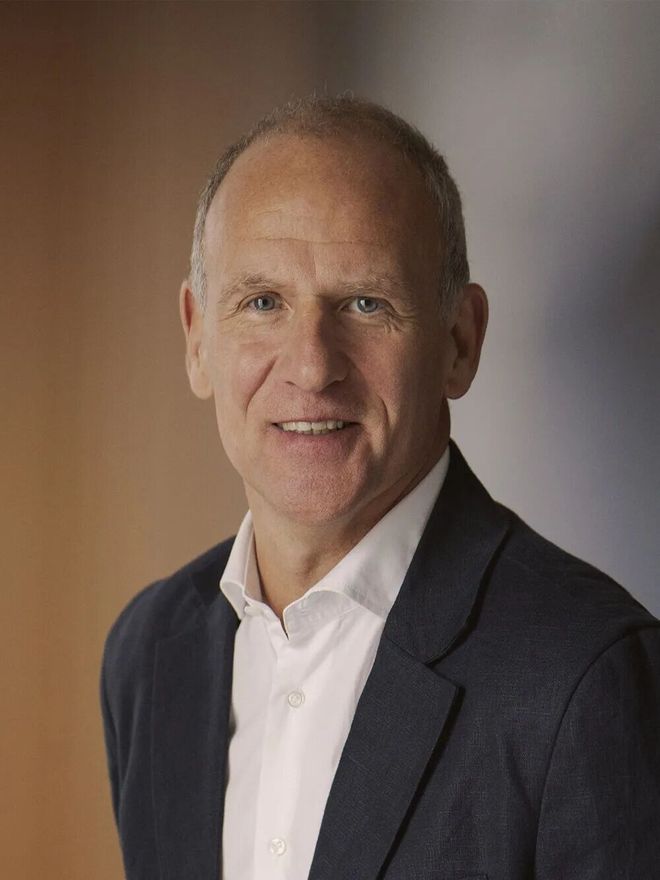
帝亚吉欧空降新CEO,铁腕求逆转
2 1 Shi Ji Jing Ji Bao Dao· 2026-01-08 02:56
Core Viewpoint - Diageo has appointed Dave Lewis as the new CEO to navigate the company through current challenges in the global alcohol market, following a significant decline in profits and stock prices [2][4][5]. Group 1: Leadership Transition - Dave Lewis, aged 60, was appointed by Diageo's board in November last year and officially took over on January 1, 2026 [2][4]. - Lewis has a 27-year tenure at Unilever and over six years as CEO of Tesco, known for aggressive cost-cutting measures [2][4]. - His predecessor, Debra Crew, was the first female CEO of Diageo but left after two years, leading to a temporary leadership by CFO Nik Jhangiani [2][4][5]. Group 2: Financial Performance - Diageo's net sales for the fiscal year 2025 remained above $20 billion, but net profit fell sharply by 39.1% [4][8]. - In Q1 of fiscal year 2026, net sales dropped by 2.2%, attributed to weak performance in the U.S. and declines in the Chinese market [4][8]. - The company's stock price has decreased by 30% over the past year and nearly 60% from its peak in 2021, returning to levels seen in 2012 [5][9]. Group 3: Strategic Initiatives - Diageo has initiated a cost-saving plan aiming for $500 million in savings by 2028 to reinvest in future growth [10][11]. - The company has been actively selling assets, including a $23 billion deal to sell a majority stake in its East African brewery to Asahi Group [11][12]. - Lewis is expected to continue the cost-cutting strategy to improve shareholder value and address declining profits [12][13]. Group 4: Market Challenges and Opportunities - The global alcohol market is facing a downturn post-pandemic, with additional challenges from potential tariffs on European alcoholic products in the U.S. [9][10]. - Diageo's performance is still better than some competitors, but market confidence remains low [8][9]. - The company is adjusting its strategy in China, focusing on younger consumers and new channels, while facing significant challenges in its Chinese baijiu business [16][17]. Group 5: Brand Strategy - Diageo owns over 200 brands, including Johnnie Walker and Guinness, and is exploring new product launches tailored for the Chinese market [14][16]. - The company is promoting smaller packaging options to adapt to changing consumer preferences, such as 50ml bottles of its tequila brands [16][17]. - Despite the challenges in the baijiu segment, Diageo remains committed to its long-term strategy in China, emphasizing the importance of its local brands [18][21].
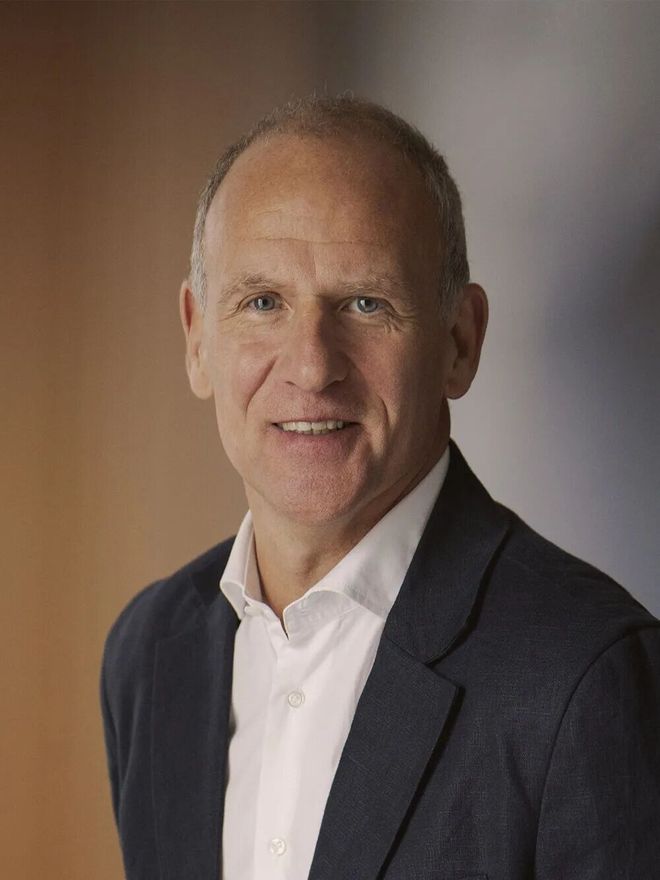
帝亚吉欧任命特易购前负责人戴夫?刘易斯为CEO
Shang Wu Bu Wang Zhan· 2025-11-13 16:29
Core Viewpoint - Diageo has appointed Dave Lewis, former CEO of Tesco, as its new CEO effective January 1, aiming to restore sales growth after facing criticism from shareholders due to poor performance and a prolonged CEO search [1][2]. Group 1: Leadership Change - Dave Lewis will take over as CEO on January 1, succeeding the previous leadership amid shareholder criticism [1]. - Following the announcement, Diageo's stock price surged by 7% during early trading in London [1]. - Lewis has a notable background, having led Tesco from 2014 to 2020 and previously working at Unilever for nearly 30 years [1]. Group 2: Company Performance - Diageo has faced challenges, including a profit warning that caused its stock to drop to a 10-year low [1]. - The company is under pressure to improve its performance and restore sales growth [2]. Group 3: Leadership Experience - Diageo's chairman, John Manzoni, emphasized Lewis's extensive CEO experience and proven leadership skills in building and marketing leading global brands [1]. - Lewis earned the nickname "Dave the Iron Fist" during his tenure at Unilever, known for cost-cutting and transformation efforts [1]. - At Tesco, he successfully repositioned the company as a leading supermarket group in the UK through significant price reductions and a focus on core operations [1]. Group 4: Compensation - Dave Lewis will receive an annual salary of £1.5 million in his new role at Diageo [2].
帝亚吉欧任命特易购前负责人戴夫 刘易斯为CEO
Shang Wu Bu Wang Zhan· 2025-11-13 03:27
Core Viewpoint - Diageo has appointed Dave Lewis, former CEO of Tesco, as its new CEO effective January 1, aiming to restore sales growth after facing criticism from shareholders due to poor performance and a prolonged search for leadership [1][2]. Group 1: Leadership Appointment - Dave Lewis will take over as CEO of Diageo on January 1, succeeding the previous leadership amid shareholder criticism [1]. - Following the announcement, Diageo's stock price surged by 7% during early trading in London [1]. - Lewis previously led Tesco from 2014 to 2020 and has nearly 30 years of experience at Unilever [1]. Group 2: Company Performance and Challenges - Diageo has faced challenges, including a profit warning that led to its stock price hitting a 10-year low [1]. - The company has been criticized by shareholders for its poor performance and the lengthy process of finding a new CEO [1]. Group 3: Leadership Experience and Strategy - Diageo's chairman, John Manzoni, emphasized Lewis's extensive CEO experience and proven leadership skills in building and marketing leading global brands [1]. - Lewis earned the nickname "Dave the Iron Fist" during his 27 years at Unilever, known for cost-cutting and transformation efforts [1]. - At Tesco, he successfully refocused the company on its core UK business through significant price reductions, employee layoffs, and the sale of international operations [1]. Group 4: Compensation - Dave Lewis will receive an annual salary of £1.5 million in his new role at Diageo [2].
价值20亿美元!帝亚吉欧考虑出售其东非啤酒业务
Sou Hu Cai Jing· 2025-08-04 04:17
Group 1 - Diageo has selected Bank of America and Goldman Sachs for a strategic review of East African Breweries Limited, with a potential sale of its beer business valued at approximately $2 billion [1][2] - East African Breweries Limited is recognized as a leading alcoholic beverage company in East Africa, headquartered in Nairobi, Kenya, with a strong portfolio including brands like Tusker, Bell, Pilsner, Guinness, WhiteCap, Senator, Serengeti, and Allsopps [2] - Diageo is seeking a light-asset model to free up capital and restore growth [2] Group 2 - Diageo's stock price has declined by 44% over the past two years, and its debt has doubled since 2017 [4] - Following the sudden death of CEO Ivan Menezes two years ago, Debra Crew took over but is now being asked to step down after only two years, with Nik Jhangiani, the current CFO, appointed as interim CEO [6] - Analysts suggest that the new CEO must immediately optimize the product portfolio by divesting categories and brands with no growth potential [6]
高端龙头啤酒公司渠道专家
2025-06-06 02:37
Summary of Conference Call Records Industry Overview - The high-end beer industry in China is experiencing significant challenges, with overall beer sales declining approximately 10% in May 2025 compared to April 2025, indicating a worsening trend in the market [2][3] - The super high-end price segment (products priced above 12 RMB) saw a decline of 5.3% in May 2025, with specific brands like Blue Girl and Corona also facing declines of 5.5% and 12% respectively [2][4] Company Performance - Budweiser's high-end products experienced a 6.7% decline in sales in May 2025, primarily due to weak performance in Guangdong, where sales dropped nearly 25% [1][3][6] - Core price products saw a significant drop of nearly 18% in May 2025, with brands like Harbin Ice Pure and Snow Beer also reporting declines of 6.1% and over 15% respectively [1][2] - The overall sales decline in the Guangdong region is attributed to increased competition and promotional activities from local brands like Zhujiang Beer, which has rapidly replaced Harbin's market share [12][15] Regional Insights - Guangdong and Northeast regions are identified as the main areas of sales decline, each accounting for approximately 40% of the total sales drop [1][2] - The sales decline in Guangdong began in Q2 2024, exacerbated by promotional activities from Zhujiang Beer and differences in distribution models [12][13] Distributor Challenges - Distributors are facing significant challenges due to a sharp decline in market demand, leading to difficulties in meeting inventory targets [9][10] - The low-profit margins on products sold in small stores are causing distributors to prefer higher-margin products, further impacting Budweiser's market share [14] Strategic Responses - Carlsberg is implementing strategies to manage inventory and optimize its distribution network, including reducing the number of distributors and enhancing brand visibility [10][19] - Budweiser is adjusting its distributor structure by incorporating small distributors as primary distributors to improve profit margins and market coverage [18] Future Outlook - Budweiser is expected to enter a low base growth phase by Q3 or Q4 2025, with potential improvements in sales performance anticipated [6][19] - The company is focusing on increasing market share and brand visibility, particularly in core channels and through innovative regional partnerships, which have shown promising results in areas like Hubei and Anhui [19][21] Key Metrics - In the first five months of 2025, sales in innovative regions increased by 11.5%, with specific growth in core products and value segments [19][21] - The overall beer sales in China from May to December 2024 showed a decline of 3.1%, with Budweiser's sales down by 3.9% during the same period [11]
