冒烤鸭

Search documents
川菜困局:一片餐饮沃土,为何长出品牌的“盐碱地”?
3 6 Ke· 2025-12-25 00:32
Core Insights - The article discusses the challenges faced by Sichuan cuisine brands in achieving long-term brand value due to a reliance on a franchise model that prioritizes short-term cash flow over sustainable growth [1][17]. Group 1: Model Dependency - Sichuan cuisine is complex, leading 80% of restaurateurs to prefer simpler, more replicable business models like hot pot and snacks [4][5]. - The unique flavors and ingredients of Sichuan cuisine create a diverse culinary landscape, but this also complicates standardization and consistency in restaurant offerings [4][5]. Group 2: Resource Dependency - The abundance of culinary resources in Sichuan has led to a "resource curse," where the ease of creating popular dishes diverts focus from building unique Sichuan cuisine brands [6][8]. - Many entrepreneurs are drawn to quick success through single-item brands rather than investing in the long-term development of Sichuan cuisine [8]. Group 3: Marketing Dependency - A strong marketing culture in Chengdu has led to rapid brand creation and a focus on short-term gains, often at the expense of long-term brand value [9][12]. - Many new brands rely heavily on marketing to create buzz and quickly expand through franchising, which can lead to unsustainable business practices [12][18]. Group 4: Competitive Challenges - The high density of restaurants in Chengdu creates intense competition, where successful concepts are quickly imitated, leading to a cycle of rapid brand turnover [13][15]. - The prevalence of imitation and aggressive competition makes it increasingly difficult for brands to establish a lasting presence in the market [15][16]. Group 5: Conclusion - The challenges faced by Sichuan cuisine brands reflect a broader issue within the local restaurant ecosystem, where quick returns overshadow the pursuit of long-term brand value [17][18].

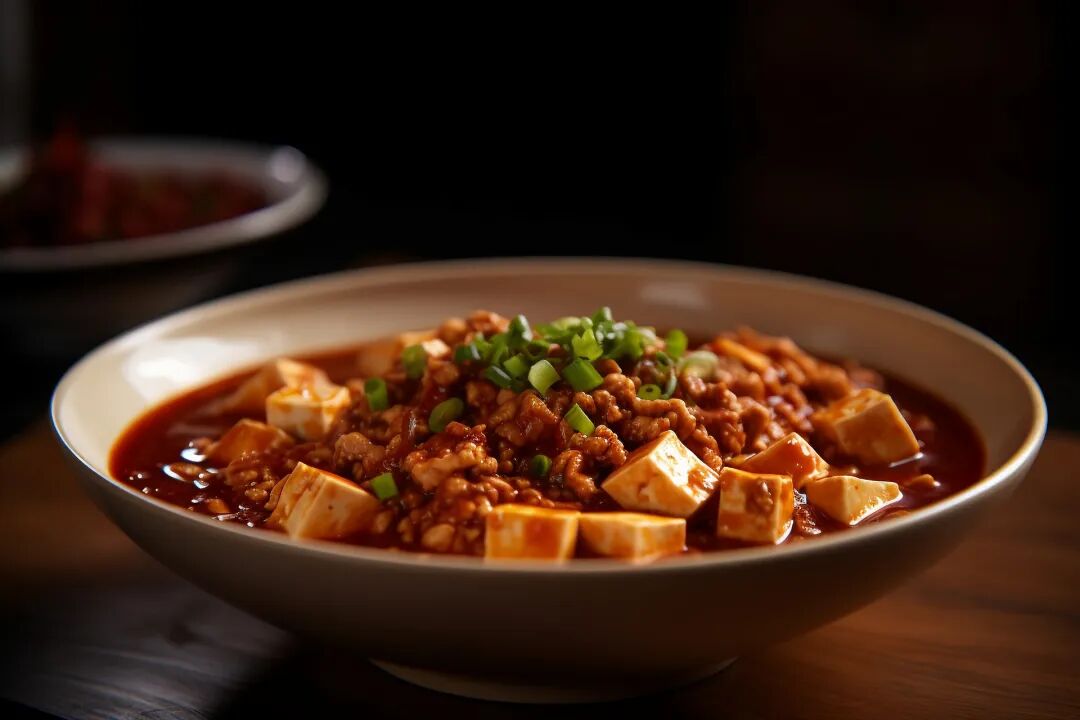
干蒸菜开始倒闭,二手回收都卖不上价了
Hu Xiu· 2025-09-23 07:04
Core Insights - The dry steamed dish industry is experiencing a wave of closures, with many small shops failing within a few months of operation [1][3][4] - The rapid expansion of dry steamed dish brands has led to intense competition, resulting in a lack of differentiation among offerings [20][30] - The reliance on fresh ingredients is critical for the success of dry steamed dishes, yet many establishments struggle to maintain quality [25][28] Industry Overview - The trend of opening dry steamed dish shops began with a popular restaurant in Guangdong, which sparked a surge in interest and new openings across various regions [10][11] - The market saw a significant increase in new store openings, with some brands reportedly achieving a turnover rate of over 500% [13][14] - Despite the initial excitement, many entrepreneurs face harsh realities, including unsold equipment and financial losses [6][9] Business Model Challenges - The low entry barriers for starting a dry steamed dish business have led to oversaturation in the market, with many shops offering similar products [15][20] - The operational model often compromises on ingredient freshness, which is essential for customer retention and repeat business [24][25] - The simplistic cooking method reduces the need for skilled chefs, but this also contributes to a lack of quality control [19][22] Consumer Behavior - The pricing strategy varies, with some establishments offering low-cost fast food options while others position themselves as higher-end dining experiences [23][24] - Consumer feedback highlights issues with food freshness and quality, which can deter repeat visits [26][28] - The market's focus on trendy, low-cost offerings may lead to a cycle of short-lived popularity without sustainable growth [30][32] Historical Context - The current situation mirrors past trends in the food industry, where similar concepts like "mala duck" gained popularity but quickly faded due to lack of product differentiation and quality [30][33] - Industry experts suggest that entrepreneurs should consider established food categories with proven longevity rather than chasing fleeting trends [34][35]
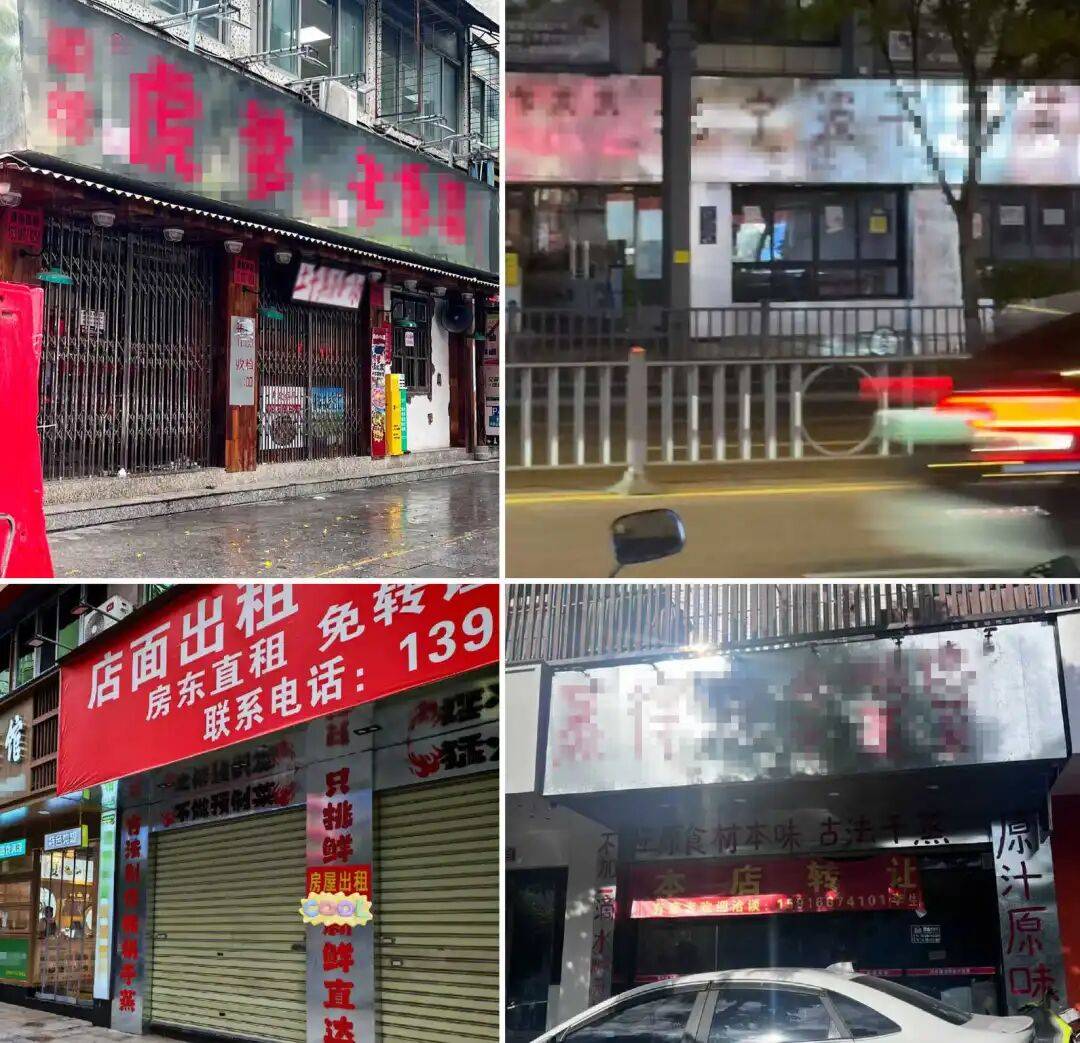
我在县城开店,被套住了
投资界· 2024-12-06 07:16
以下文章来源于真故研究室 ,作者尹凯 真故研究室 . 真问题,更商业 精品县城生活。 作者 | 尹 凯 编辑|龚 正 来源 | 真故研究室 (ID:zhengulab) 2020年播出的电视剧《三十而已》中,王漫妮返回老家县城后,连一杯手磨咖啡都喝不到,溢出屏幕的嫌弃感,让准备返乡的年轻人 望而却步。 如今,县城的商业门面早已天翻地覆。瑞幸、奈雪、蜜雪冰城纷纷下沉。尾随这些大牌其后的,是各种将一线城市业态复制到县城的 区域连锁品牌,包括轻食店、火锅店、零食店等。 降维版的它们,一方面让县城青年吃上了健身餐、喝上了精酿啤酒,过上了能对标一线的"精品级县城生活",但另一方面,千篇一律 的店头也让县城少了些烟火气,关键是部分实力不佳的品牌,还套牢了返乡创业的年轻人。 精品县城生活: 大城市业态的降维版复制 北漂七年的夏天今年5月回到了老家平顶山——一个GDP 只有2700多亿的地级城市,她给自己留出了一年时间做自媒体创业,虽然不 稳定,但幸福感暴增。 以前,她在北京每月花4300元只能租到一间30平小公寓,但在老家花800元就租到了80平的两室一厅,养的猫也由一只变为了两 只。 夏天最大的爱好就是喝酒。在北京时,她 ...