
分期免息

Search documents
金融促消费做好供给侧
Bei Jing Shang Bao· 2026-01-25 17:25
Core Insights - The Chinese consumer market is experiencing deep financial empowerment, with continuous release of fiscal interest subsidies, collaboration between financial institutions and e-commerce companies, and ongoing innovation in consumer financial products [1][2] - Financial policies play a multi-dimensional role in promoting consumption, particularly targeting young consumers and specific groups to reduce their consumption costs [2][5] - The focus should shift from merely increasing lending to enhancing supply-side capabilities and providing high-quality services to meet consumer demands [6][7] Group 1: Financial Empowerment and Consumer Behavior - The collaboration between financial institutions and e-commerce is facilitating easier access to financial services for youth, "credit white households," and new citizens, promoting a healthy consumption cycle [1] - Financial policies should be precise and collaborative, aiming to alleviate the financial burden on specific consumer groups, particularly the youth [2][3] - The recent inclusion of credit card installment plans in personal consumption loan fiscal subsidy policies directly addresses the pain points of young consumers, encouraging them to spend without excessive repayment concerns [2] Group 2: Targeted Financial Services - The consumer market in Beijing is characterized by a large elderly population, numerous students, and parents investing in their children's consumption, necessitating tailored financial services [3][4] - Financial services must be customized based on consumer preferences identified through data analysis, embedding financial products into emerging consumption scenarios [3][8] - The focus should be on new consumption and service sectors, with financial institutions supporting high-quality service supply rather than just increasing credit availability [6][7] Group 3: Policy Recommendations and Implementation - Recommendations include enhancing consumer financial literacy, strict regulation of high-risk consumption models, and industry self-regulation to protect consumer rights [4] - Financial policies should target three core areas: bulk goods, services, and new consumption, with specific financial products designed for unique scenarios in Beijing [7][8] - Effective implementation requires deep integration of financial products into consumer processes, precise targeting of services for different demographics, and collaboration among government, banks, and merchants to ensure benefits reach consumers [8][9]
两会三人行|金融促消费,不能单靠“放贷刺激”
Bei Jing Shang Bao· 2026-01-24 13:40
Core Viewpoint - The Chinese consumer market is experiencing deep financial empowerment, with continuous release of fiscal interest subsidies, collaboration between financial institutions and e-commerce companies, and ongoing innovation in consumer finance products, which facilitate a positive cycle of consumption among various demographic groups [1][4]. Group 1: Financial Empowerment and Consumer Behavior - Financial policies should focus on supply-side improvements rather than merely increasing borrowing, emphasizing the need for innovative credit products tailored to young consumers [1][6]. - The current consumption market shows structural differentiation, with physical goods consumption slowing while service consumption, such as tourism and entertainment, continues to grow [4][5]. - Financial institutions are encouraged to develop products that support the entire industry chain behind popular cultural events, enhancing the overall consumption experience [5][6]. Group 2: Targeting Specific Demographics - Young people, new citizens, and rural residents are identified as key consumer groups with high spending potential but limited access to financial services, necessitating a reduction in information asymmetry [6][7]. - Financial institutions should leverage data to create comprehensive credit profiles for these groups, enabling better access to financial products [7][9]. Group 3: Policy Recommendations and Financial Products - Financial policies should be precise and collaborative, aiming to reduce the consumption costs for specific groups, particularly the youth [10][11]. - The introduction of fiscal subsidies for credit card installment plans is seen as a direct response to the financial pressures faced by young consumers [10][11]. - Financial products should be customized to meet the diverse needs of different demographic groups, such as the elderly and students, to maximize consumption potential [11][12]. Group 4: Strategic Focus Areas - Financial policies should target three core areas: large consumer goods, service consumption, and new consumption models, particularly in sectors like electric vehicles and cultural tourism [13][14]. - The integration of financial products into everyday consumption scenarios is crucial for enhancing user experience and ensuring accessibility [14][15]. - The recent upgrades in consumer loan subsidies have led to increased financial incentives for consumers, enhancing their purchasing power [15].



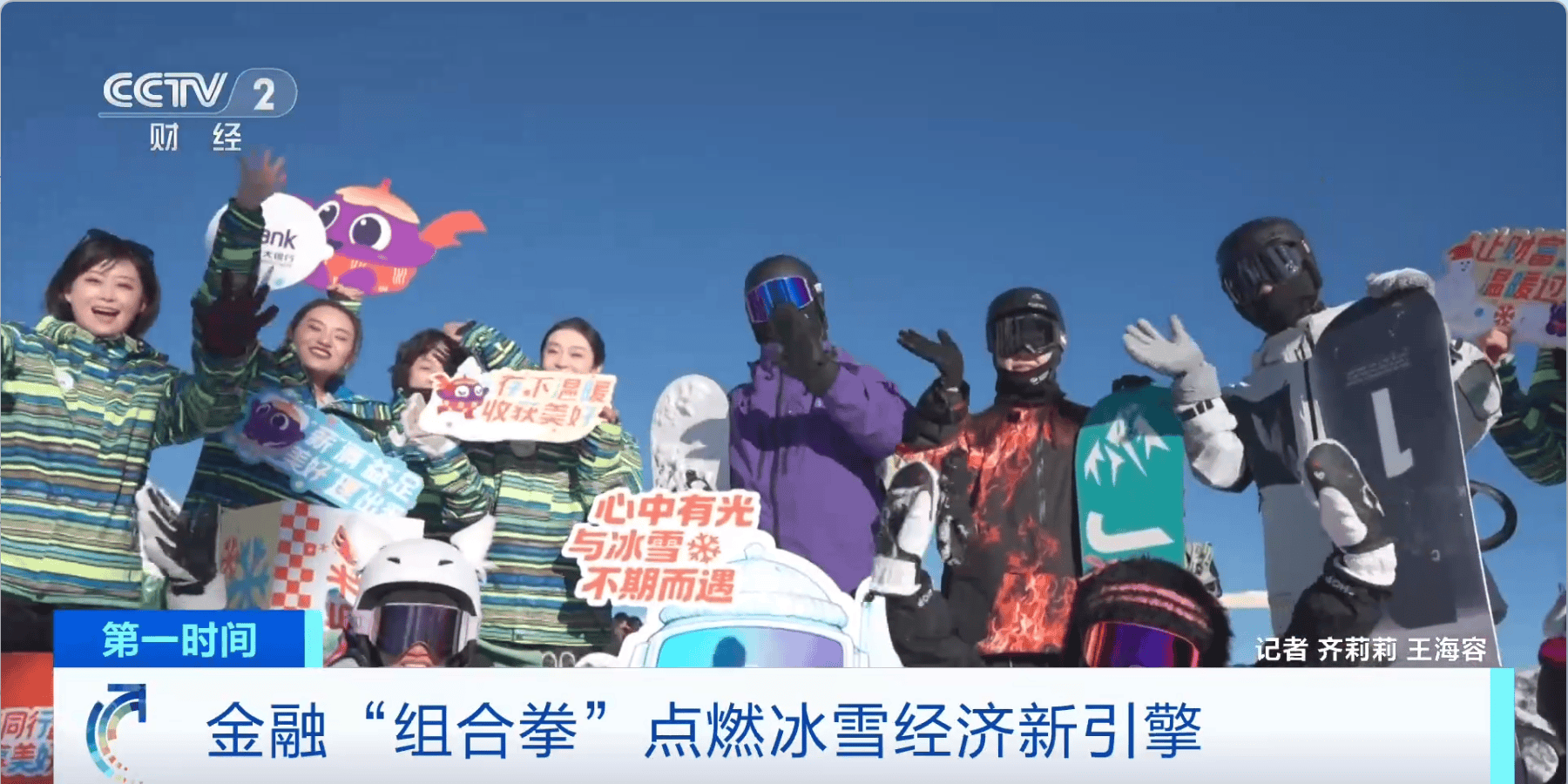
“冷资源”变“热经济”!“金融组合拳”点燃冰雪经济新引擎
Sou Hu Cai Jing· 2025-12-01 08:43
Core Viewpoint - The "Ice and Snow Go Happy Festival" has been launched in Shenyang, Liaoning, aiming to transform cold ice and snow resources into a vibrant consumption economy through cross-regional financial collaboration and benefits for the public [1]. Group 1: Event Overview - The event connects seven cities with ice and snow resources, including Beijing, Harbin, Hohhot, Shenyang, Shijiazhuang, Changchun, and Urumqi, to create a service network that offers a new consumption experience characterized by "one place, one feature, full coverage" [3]. - The festival aims to enhance the ice and snow tourism experience by providing a comprehensive range of consumer benefits across the entire tourism chain [7]. Group 2: Financial Support and Consumer Benefits - The festival leverages cross-regional financial services to provide targeted support to both the upstream and downstream of the industry chain, facilitating a more robust economic environment for ice and snow tourism [7]. - China Everbright Bank is actively supporting small and micro enterprises within the industry by offering credit services, while also providing consumers with significant discounts and subsidies on various services, including flight bookings, hotel accommodations, ski resort tickets, and equipment purchases [9].
消费金融公司“花式”免息助“双11”大促!
Zheng Quan Ri Bao· 2025-10-22 00:18
Core Insights - The "Double 11" shopping festival has commenced on Tmall, with various e-commerce platforms launching promotional activities, including consumer finance companies offering interest-free installment plans and other financial incentives [1] Group 1: Consumer Finance Trends - Consumer finance companies are increasingly offering interest-free installment plans, which are becoming a preferred payment method for consumers, allowing them to reduce the burden of one-time payments [2][3] - This year, some brands are offering interest-free installment plans for up to 24 months, enhancing the attractiveness of high-value purchases during the shopping festival [2] - The integration of digital tools in consumer finance is enabling precise marketing strategies, fostering a deeper connection between finance and consumption [1][5] Group 2: Product and Service Upgrades - Consumer finance companies are focusing their promotional activities on key consumer goods such as home appliances and electronics, with various companies launching themed campaigns to stimulate consumption [4] - Experts suggest that consumer finance products and services need further optimization to better support consumer spending, including innovative financial products tailored to specific consumption areas [4][5] - There is a call for consumer finance companies to enhance their integration with consumption scenarios and ecosystems, ensuring a smoother experience for users [5]
消费金融公司“花式”免息助“双11”大促
Zheng Quan Ri Bao· 2025-10-21 16:44
Core Viewpoint - The "Double 11" shopping festival has commenced on Tmall, with various e-commerce platforms and licensed consumer finance companies launching promotional activities, including interest-free installments and cash red envelopes, to stimulate consumer spending [1]. Group 1: Consumer Finance Trends - Consumer finance companies are increasingly offering interest-free installment plans and flexible repayment options, enhancing the integration of finance and consumption, which injects strong momentum into the consumer market [1][3]. - Interest-free installments are becoming a preferred payment method for consumers, allowing them to reduce the burden of one-time payments. Some brands are offering installment plans of up to 24 months during this year's "Double 11" [2][3]. - The availability of interest-free installments lowers the purchasing threshold for high-value items, benefiting both cash-strapped consumers and those with sufficient funds who prefer to retain liquidity for investments [3]. Group 2: Financial Product Upgrades - Consumer finance companies are focusing their promotional activities on key consumer categories such as home appliances and electronics, with various companies launching targeted campaigns during the "Double 11" period [4]. - Experts suggest that consumer finance products and services need further optimization and innovation to better support consumer spending, including the development of tailored financial products for specific consumption areas [4][5]. - There is a call for consumer finance companies to enhance their integration with consumption scenarios and ecosystems, improve consumer rights protection, and leverage digital technologies to expand service offerings [5].