消费补贴

Search documents
“史上最长”春节假期来临 多部门联动送政策红包
Xin Lang Cai Jing· 2026-02-11 16:40
Core Insights - The Chinese government is implementing a series of measures to boost consumer spending during the upcoming Spring Festival, including a total of 2.05 billion yuan allocated for consumer benefits and over 360 million yuan in consumption subsidies [1][2] - The "2026 Spring Festival Special Activities" will feature a combination of policies and activities aimed at stimulating holiday consumption, with a focus on creating a favorable financial environment for consumers [1][2] Group 1: Consumer Support Initiatives - Three major packages have been introduced for consumers during the Spring Festival: 1. Trade-in subsidies to encourage consumers to exchange old products for new ones [2] 2. A lottery for invoices in 50 cities, with a total of 10 billion yuan in rewards planned for the six-month pilot, including over 1 billion yuan during the Spring Festival [2] 3. Financial support from banks and payment institutions to offer various discounts across multiple sectors, including travel and dining [2][4] Group 2: Financial Environment Enhancement - The financial regulatory authority is promoting a combination of investments in goods and services to enhance consumer financing, focusing on reducing costs, improving services, and ensuring strong guarantees for consumers [1][3] - Financial institutions are encouraged to innovate and tailor financial products to meet the diverse needs of consumers, particularly in new consumption areas such as digital and green services [3][4] Group 3: Market Supply Assurance - The government is taking steps to ensure a stable supply of essential goods during the Spring Festival, with significant increases in inventory levels for staple foods such as grains, meat, and vegetables [8][9] - Various regions are actively organizing supply chains and increasing stock levels to meet the heightened demand during the holiday season, with measures including the release of government reserves to stabilize prices [9][10]
看清税收逻辑,就读懂了消费本质
Sou Hu Cai Jing· 2025-12-15 10:30
Core Viewpoint - The primary goal of stimulating consumption is not merely to encourage spending but to ensure that the money spent can stimulate economic growth and be recaptured by the government through taxation [4][18]. Taxation and Consumption - The largest tax in China is the value-added tax (VAT), which is levied on the value added at the production stage, making it an indirect tax that does not directly relate to consumer spending [4][19]. - This taxation logic leads local governments to favor investments in production over promoting consumer spending [20][21]. Planned Consumption Policies - Consumption policies are designed with a plan, aiming to direct consumer spending towards areas deemed beneficial by the government [6][30]. - The government does not encourage spending on luxury goods or small-scale street vendors, as these do not contribute significantly to tax revenue [7][10][32]. Consumption Loans and Subsidies - The two main tools for stimulating consumption are consumption loans and various rural policies, which are structured to align with tax revenue logic [31][32]. - Consumption loans are primarily directed towards large purchases like home appliances and vehicles, which are associated with larger enterprises that can reliably pay taxes [11][12][32]. Financial Mechanisms - The funding for consumption loans comes from banks and financial institutions rather than direct government spending, allowing the government to stimulate demand without immediate fiscal outlay [12][33]. - This approach contrasts with direct cash transfers, which are irreversible and do not allow for recapture of funds [13][37]. Rural Policies and Real Estate - The most significant rural policy is related to real estate, encouraging rural residents to purchase urban properties, which generates substantial tax revenue for local governments [15][35]. - Real estate development provides dual benefits: land transfer income and comprehensive tax contributions from various real estate-related taxes, which far exceed the benefits of ordinary consumer spending [35][36].

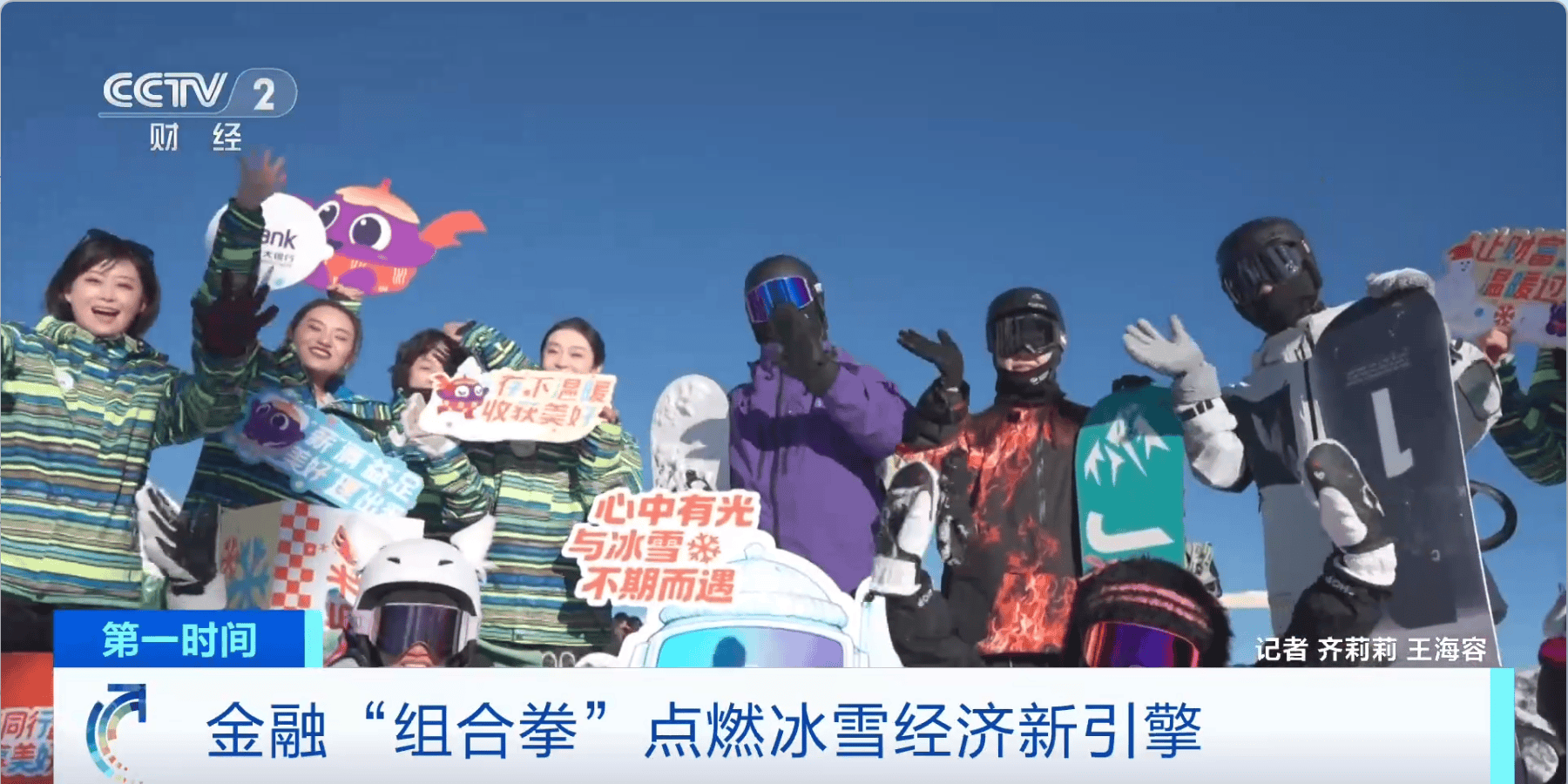
“冷资源”变“热经济”!“金融组合拳”点燃冰雪经济新引擎
Sou Hu Cai Jing· 2025-12-01 08:43
Core Viewpoint - The "Ice and Snow Go Happy Festival" has been launched in Shenyang, Liaoning, aiming to transform cold ice and snow resources into a vibrant consumption economy through cross-regional financial collaboration and benefits for the public [1]. Group 1: Event Overview - The event connects seven cities with ice and snow resources, including Beijing, Harbin, Hohhot, Shenyang, Shijiazhuang, Changchun, and Urumqi, to create a service network that offers a new consumption experience characterized by "one place, one feature, full coverage" [3]. - The festival aims to enhance the ice and snow tourism experience by providing a comprehensive range of consumer benefits across the entire tourism chain [7]. Group 2: Financial Support and Consumer Benefits - The festival leverages cross-regional financial services to provide targeted support to both the upstream and downstream of the industry chain, facilitating a more robust economic environment for ice and snow tourism [7]. - China Everbright Bank is actively supporting small and micro enterprises within the industry by offering credit services, while also providing consumers with significant discounts and subsidies on various services, including flight bookings, hotel accommodations, ski resort tickets, and equipment purchases [9].
政策“组合拳”激活消费新引擎
Huan Qiu Wang· 2025-11-28 06:29
Core Viewpoint - The implementation plan aims to enhance the adaptability of supply and demand in consumer goods, potentially creating a new consumption market worth trillions by 2027 through structural reforms and financial support [1] Group 1: Policy and Financial Support - The plan emphasizes the need for stronger fiscal and financial support to stimulate domestic demand, including the introduction of diverse consumer finance products [1] - Financial institutions are actively launching initiatives such as interest-free installment payments and discounts to boost consumer spending [2] - The "old for new" policy has significantly contributed to market growth, with sales exceeding 2.4 trillion yuan and benefiting over 360 million people in the first ten months of the year [1][2] Group 2: Consumer Finance Trends - Consumer finance is becoming a crucial driver for retail credit, with policies supporting low-cost funding for consumption loans [4] - The retail sales of major consumer goods like home appliances and automobiles have shown robust growth, with retail sales of home appliances and furniture increasing by approximately 20% year-on-year [5] - Financial tools such as installment services are lowering purchase barriers, enhancing the consumption of large-ticket items [5] Group 3: Regional Initiatives - Local governments are implementing supportive policies to enhance regional consumption quality, as seen in Beijing's plan to boost various consumer sectors [7] - As of Q3 2025, Beijing's consumer loan balance (excluding personal housing loans) reached 808.78 billion yuan, growing by 4.7% year-on-year, indicating a stronger growth rate than the national average [7]
稳外贸促消费 深圳持续强化金融支撑作用
Zhong Guo Jing Ji Wang· 2025-11-27 07:18
Core Insights - The Shenzhen banking and insurance sectors have maintained stable operations in 2023, focusing on high-quality development and achieving significant growth in various financial metrics [1][2]. Banking Sector Performance - As of the end of October, the total assets of the banking sector in Shenzhen reached 14.36 trillion yuan, a year-on-year increase of 4.37% [1] - The total liabilities amounted to 13.97 trillion yuan, with a year-on-year growth of 4.44% [1] - The balance of various loans was 9.91 trillion yuan, reflecting a year-on-year increase of 4.92% [1] - The balance of various deposits reached 10.00 trillion yuan, growing by 4.95% year-on-year [1] Insurance Sector Performance - The insurance industry in Shenzhen achieved original premium income of 191.05 billion yuan in the first ten months, marking a year-on-year increase of 12.20% [1] - This growth rate is the highest among first-tier cities in China [1] Support for Foreign Trade - In the first ten months, new loans issued to foreign trade enterprises by Chinese banks in Shenzhen totaled 763.57 billion yuan, up 9.83% year-on-year [2] - The financing balance for cross-border e-commerce increased by 39.92% year-on-year [2] - Loans to small and micro foreign trade enterprises grew by 20.58% [2] - Export credit insurance provided coverage of 93.69 billion USD to 31,000 foreign trade enterprises, a year-on-year increase of 13.80% [2] Consumer Finance Initiatives - Personal consumption loans in Shenzhen reached 835.29 billion yuan by the end of October, with a year-on-year growth of 4.95% [4] - Loans for service sectors such as accommodation, catering, and entertainment totaled 207.99 billion yuan, reflecting a 2.04% increase year-on-year [4] - The financial sector has implemented various measures to stimulate consumer spending, including issuing cash vouchers and promoting digital currency transactions [4][5] Technological Integration in Finance - Companies like 招联消费金融 have utilized AI and technology to enhance consumer finance services, reaching 340 million registered customers and disbursing over 3.2 trillion yuan in loans [5][6] - The focus on new citizen groups has improved the accessibility and inclusivity of consumer finance services [6]
“十五五”如何提高居民消费率?增收入、促消费、宽准入共同发力
2 1 Shi Ji Jing Ji Bao Dao· 2025-11-19 11:48
Core Viewpoint - The article emphasizes the importance of domestic consumption in driving economic growth in China, particularly during the "15th Five-Year Plan" period, highlighting the need for policies to boost consumer spending and enhance residents' consumption capacity [1][2][3]. Group 1: Economic Context - China's final consumption rate has been stable above 50% from 2013 to 2024, with a projected increase from 51.9% in 2013 to 56.6% in 2024 [2]. - The average annual economic growth rate from 2013 to 2024 is 6.1%, with domestic demand contributing 93.1% to this growth, and final consumption accounting for 55% of the economic growth [2]. Group 2: Policy Recommendations - The "15th Five-Year Plan" suggests enhancing consumer capacity through measures such as increasing employment, raising income levels, and improving public service spending [1][3]. - Specific strategies include optimizing the consumption environment, reducing restrictions, and promoting service consumption through innovative scenarios [6][7]. Group 3: Income and Employment - Increasing residents' income is crucial for boosting consumption, with a focus on improving the distribution of national income and enhancing labor remuneration [3][4]. - Addressing structural employment issues and providing better social security for new employment forms are essential for improving consumer confidence [4][8]. Group 4: Consumption Trends - Current consumption rates in China are lower than those in developed countries, with a final consumption rate of around 56%, compared to 81% in the U.S. and 75% in Japan [7]. - The article suggests that achieving a consumption rate increase to over 60% during the "15th Five-Year Plan" will require extraordinary policy measures and a focus on income subsidies for low-income groups [7][8].
华夏时评:黄金周人潮之下的消费韧性
Hua Xia Shi Bao· 2025-09-26 12:18
Core Viewpoint - The upcoming "Double Festival" during the National Day and Mid-Autumn Festival in 2025 is expected to create an 11-day holiday for some families, highlighting the impact of the newly introduced policies aimed at expanding service consumption [2] Group 1: Policy Impact - The Ministry of Culture and Tourism anticipates a significant surge in tourism and hospitality sectors during the holiday, with predictions of record-breaking domestic travel numbers and revenue [2] - The recently released policies have shown immediate effects, with four main benefits observed during the holiday period [3] Group 2: Benefits of the Policies - **Time Benefit**: The inclusion of "optimizing student holidays" in national consumption expansion policies has led to extended holiday periods, facilitating long-distance and in-depth travel [3] - **Scene Benefit**: Many cultural and tourism venues have extended their operating hours, transforming nighttime economy into a primary focus with various nighttime activities [3] - **Financial Benefit**: Initiatives such as the "Hundred Cities and Hundred Districts" cultural and tourism consumption plan and financial incentives from major banks have been launched to stimulate consumption [3] - **Inbound Benefit**: The expansion of visa-free access aims to boost inbound tourism [4] Group 3: Future Considerations - To sustain the momentum of consumer resilience observed during the holiday, further efforts are needed to convert short-term excitement into long-term growth [4] - Recommendations include institutionalizing flexible holiday arrangements, enhancing service standards in county-level tourism, and promoting high-end consumption through financial incentives [5] - The holiday serves as a reflection of policy implementation speed and effectiveness, as well as a measure of the gap between supply and demand [5]
“镇江超级夜”全域看“苏超”活动启动 “1+6+8”激活全城互动体验式消费
Zhen Jiang Ri Bao· 2025-08-15 23:50
Core Points - The "Zhenjiang Super Night" event aims to activate the night economy through innovative consumption scenarios and online-offline integration, running from August 15 to September [1] - The event framework consists of "1 main venue, 6 sub-venues, and 8 major segments," focusing on new business models and experiential consumption [1] - The main venue, "Jingji Relaxation Collection," features over 50 food and beverage vendors, creating a vibrant atmosphere for night-time activities [1] Group 1 - Six core commercial complexes, including Suning Plaza and Wanda Plaza, will host large-screen viewing events and various promotional activities centered around "emotional economy" and "night economy" [2] - The event encourages businesses to extend their operating hours and offers incentives such as "overtime discounts" and "energy supply stations" to enhance the consumer experience [2] - The city has previously launched a consumption promotion plan to stimulate the local economy, distributing over 10 million yuan in subsidies through various platforms [2] Group 2 - During the event, nighttime consumption accounted for over 40% of total sales, with a 13% year-on-year increase in dining expenditures [3] - The event attracted over one million spectators through various viewing points, significantly boosting sales in key commercial complexes, which saw an average increase of over 10% year-on-year [3] - The initiative aims to create a collective economic resonance and enhance the night economy in Zhenjiang, inviting citizens to participate in the festivities [3]
这场“江”“苏”较量赢了消费增量
Jiang Nan Shi Bao· 2025-07-23 14:15
Group 1 - The core idea of the articles highlights the successful integration of sports events with local economic activities, particularly in driving consumer spending and enhancing the night economy in Zhenjiang through the "Soochow Super League" matches [1][2] - The city of Zhenjiang organized various activities such as "Soochow Super League Second Venue" and online platforms like "Yuehui Zhenjiang" to convert event traffic into tangible consumer energy, resulting in a more than 12% increase in foot traffic in key shopping complexes and a 10.5% year-on-year increase in revenue for some chain restaurants [1] - The local government collaborated with major online platforms like Meituan, Ele.me, and Douyin to distribute over 10 million yuan in summer consumption subsidies, which significantly boosted online consumer engagement during the event [2] Group 2 - The "Second Venue" initiative included live broadcasts of matches in major shopping centers and popular nightlife areas, creating a vibrant atmosphere for fans and encouraging them to enjoy food and shopping simultaneously [1] - Various shopping complexes launched exclusive benefits and special markets during the matches, with restaurants offering promotional packages that effectively stimulated the summer night economy [1] - The analysis from the local commerce department indicates that events like the "Soochow Super League" are becoming crucial drivers for revitalizing the night economy and boosting related consumption, with plans to further explore the "event+" model to enhance local economic growth [2]
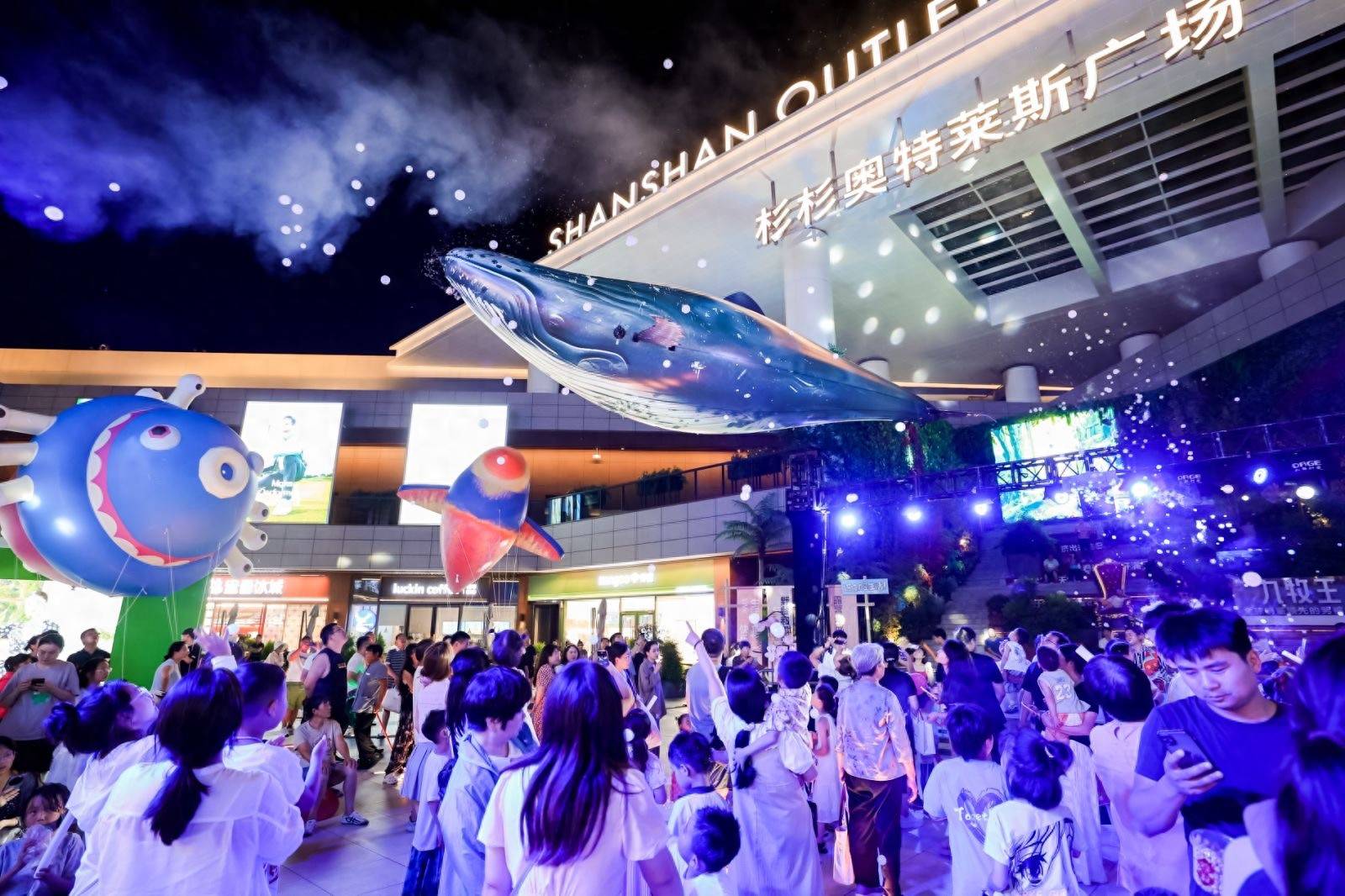
月月有主题 周周有活动 中牟新区全力打造全域消费引力场
Sou Hu Cai Jing· 2025-07-16 11:32
Core Viewpoint - The article highlights the vibrant consumer experience and significant growth in retail sales in the Zhongmu New District, driven by innovative marketing strategies and government support for consumption [3][9]. Group 1: Consumer Experience - The Zhongmu New District has integrated various commercial resources, creating a commercial matrix led by the Shanshan Outlets, which attracts over 120,000 visitors daily [3]. - Events like the "Feitian Kunpeng Bubble Art Week" enhance the shopping experience, combining shopping with family-friendly activities [3][7]. - The district's strategy includes monthly themes and weekly activities to continuously engage consumers and stimulate spending [7]. Group 2: Retail Performance - The Shanshan Outlets achieved a revenue of over 1.3 billion yuan in the first half of 2025, marking a significant year-on-year increase of 26% [7]. - From January to May 2025, the total retail sales of consumer goods in Zhongmu New District reached 9.95 billion yuan, with a year-on-year growth rate of 7.4% [9]. - Specific sectors saw remarkable growth, with automotive consumption increasing by 5%, home appliance sales by 51%, dining by 15%, and department store sales by 27% [9]. Group 3: Government Initiatives - The Zhengzhou government collaborates with platforms like Alipay and Douyin to provide consumption subsidies, enhancing the market atmosphere for spending [9]. - The district has successfully developed a provincial-level brand consumption aggregation area and multiple convenient living circles to boost local commerce [7].