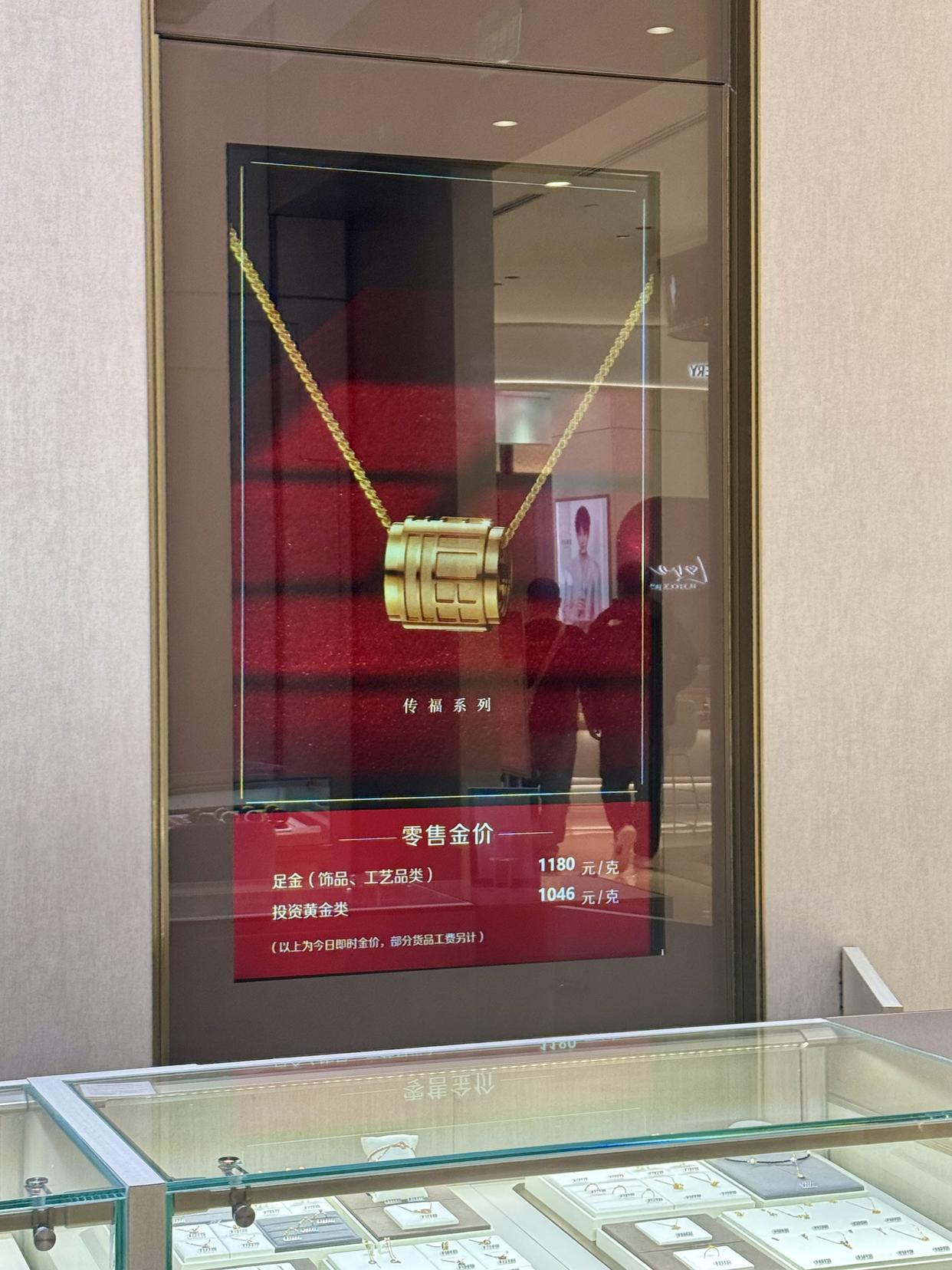
古法金饰品

Search documents
古法金品牌君佩黄金北京首店开业即限流,与老铺黄金争夺高端市场
Jin Shi Shu Ju· 2026-02-24 01:19
Core Viewpoint - The article discusses the rising popularity of traditional gold jewelry brands in China, particularly focusing on the competition among brands like Laopu Gold and Junpei Gold, as well as the strategies they employ to attract customers and establish themselves in high-end markets [3][10]. Group 1: Market Dynamics - The demand for traditional gold jewelry has surged, with Laopu Gold previously dominating the market, but new entrants like Junpei Gold are now vying for attention [10][15]. - Junpei Gold's recent opening in Beijing's high-end China World Mall attracted significant customer interest, leading to long queues and a strong initial sales performance [5][7]. - The competition is characterized by brands positioning themselves similarly to luxury goods, with Junpei Gold aiming to be perceived as a "Chanel" in the gold market, while Laopu Gold is likened to "Hermès" [4][13]. Group 2: Customer Engagement Strategies - Junpei Gold implemented a member-only pre-sale event, allowing select customers to purchase items before the official opening, which created exclusivity and heightened interest [9][19]. - Social media plays a crucial role in attracting customers, with brands utilizing similar marketing strategies to create buzz and urgency around their products [19][21]. - The brands are also focusing on high-end shopping environments, with Junpei Gold and others strategically opening stores in luxury malls to enhance brand visibility and attract affluent consumers [22][23]. Group 3: Pricing and Product Strategy - The pricing strategy for traditional gold jewelry differs from conventional gold retailers, with brands like Laopu Gold and Junpei Gold adopting a "fixed price" model that does not fluctuate with gold market prices, allowing for higher profit margins [26]. - Junpei Gold's products, such as the ruby Pi Xiu pendant, are priced significantly higher than competitors, reflecting a premium positioning in the market [8][14]. - The article notes that the craftsmanship and unique designs of these products are key selling points, with consumers willing to pay a premium for perceived quality and artistry [25][29]. Group 4: Competitive Landscape - The competitive landscape includes not only established brands like Laopu Gold but also emerging players such as Linchao Jewelry and Baolan, which are gaining traction through strategic investments and unique product offerings [14][24]. - The article highlights the importance of craftsmanship and brand reputation in influencing consumer choices, with customers increasingly valuing artisanal quality over mere gold content [25][29]. - The market is evolving, with traditional gold retailers facing challenges as consumer preferences shift towards brands that emphasize design and craftsmanship, leading to a structural change in the industry [26].

最火黄金“三姐妹”,围剿老铺黄金
创业邦· 2026-02-16 03:33
Core Viewpoint - The article discusses the rising popularity of traditional gold jewelry brands, particularly focusing on the competition among brands like Laopu Gold, Junpei Gold, Linchao, and Baolan, which are collectively referred to as the "Four Sisters of Ancient Gold" [4][15][19]. Group 1: Market Dynamics - The demand for traditional gold jewelry has surged, with Laopu Gold's performance and stock price significantly increasing due to consumer enthusiasm [4][14]. - Junpei Gold, established in 2004, has opened multiple stores in high-end malls, including its first store in Beijing's Guomao Mall, indicating a strategic expansion in premium locations [9][19]. - The competitive landscape is evolving, with new entrants like Junpei Gold aiming to capture market share from established players like Laopu Gold, which currently has 31 stores [16][19]. Group 2: Consumer Behavior - Consumers are increasingly drawn to the craftsmanship and unique designs of traditional gold jewelry, with many willing to pay a premium for quality and artistry [30][34]. - The article highlights the importance of social media in attracting potential customers, with brands employing various marketing strategies to create buzz and urgency around their products [22][24]. - Membership programs and exclusive pre-sale events are being utilized by brands like Junpei to foster customer loyalty and enhance the shopping experience [13][20]. Group 3: Pricing Strategies - The pricing model for traditional gold jewelry has shifted, with brands adopting a "fixed price" approach that does not fluctuate with gold prices, allowing for higher profit margins [22][32]. - Junpei Gold's pricing strategy includes a higher price per gram compared to its competitors, reflecting its positioning as a premium brand [16][22]. - The article notes that Laopu Gold's revenue grew by 251% in the first half of 2025, with expectations to surpass the overall performance of major luxury brands in China [32]. Group 4: Industry Trends - The traditional gold jewelry market is experiencing structural changes, with a decline in the number of stores for conventional gold brands while niche brands are thriving [30][31]. - Investment in traditional gold brands is increasing, with Linchao receiving significant funding and Baolan completing a successful financing round, indicating strong investor interest in this segment [19][32]. - The article emphasizes the growing consumer preference for artisanal craftsmanship over mass-produced jewelry, suggesting a potential shift in the industry towards more personalized and high-quality offerings [30][34].
春节消费热情在何处?金价过山车,老铺黄金依然火爆
Sou Hu Cai Jing· 2026-02-14 04:11
Core Viewpoint - The international gold price experienced a dramatic surge, reaching historical highs before a significant drop, influenced by market reactions to U.S. Federal Reserve leadership changes and trading regulations [1][3][4][19]. Price Movements - Gold prices rose from approximately $4600 per ounce at the beginning of January 2026 to a peak of $5598.75 on January 29, marking a nearly 30% increase [1][19]. - Following the announcement of Kevin Walsh as the next Federal Reserve Chair, gold prices plummeted over 11% in a single day, dropping to $4682.55 [4][19]. Market Reactions - The surge in gold prices led to a frenzy among consumers, with jewelry prices in domestic stores rising above 1700 yuan per gram [3]. - The market saw a significant increase in trading activity, with over 220,000 futures accounts liquidated due to margin calls on January 30 [4][19]. Consumer Behavior - Despite the price drop, consumer interest remained high, with long queues at gold stores like the Shanghai Yuyuan Old Shop, indicating strong demand for gold jewelry [7][10]. - Online sales of gold jewelry surged, with a reported 214% increase in sales on platforms like Meituan since the beginning of the year [12][21]. Structural Changes in Consumption - There is a noticeable shift in gold consumption patterns, with a significant increase in demand for gold bars and coins, while traditional jewelry sales have declined [12][15]. - The trend of "light investment" in gold, particularly among younger consumers, is gaining traction, with products like low-weight gold items becoming popular [12][13]. Market Dynamics - Global central banks have been significant buyers of gold, with purchases reaching 863 tons in 2025, and expectations of continued high demand in 2026 [16][21]. - Geopolitical tensions and concerns over U.S. debt have contributed to increased gold investment demand, with 2025 seeing record levels of gold investment [18][19].
界面新闻评选2025年度风光财经人物:从“崇拜英雄”走向“个体觉醒”
Xin Lang Cai Jing· 2025-12-30 08:49
Core Insights - The article discusses the evolution of China's business landscape, highlighting a shift from a focus on quick profits to a deeper appreciation for product quality and professional expertise in 2024 and beyond [1][2][4]. Group 1: Business Evolution - The keyword for 2024 is "breakthrough," indicating a transition from merely selling products to creating high-quality, innovative offerings [2]. - By 2025, the focus has shifted to "deep cultivators" who emphasize professionalism and expertise rather than flashy marketing [2][4]. - The emergence of figures like Zhang Jianzhong and Liang Wenfeng represents a new wave of entrepreneurs who prioritize product quality and technological advancement over traditional business practices [4][10]. Group 2: Industry Leaders - Zhang Jianzhong, founder of Moer Thread, has successfully launched a full-function GPU, achieving a market valuation exceeding 300 billion [14][15]. - Liang Wenfeng, founder of DeepSeek, has gained recognition for his contributions to AI, being named one of the top ten scientists by Nature magazine [20][21]. - Chen Tianshi of Cambrian has seen a remarkable revenue increase of 4347.82% in 2025, driven by the demand for AI computing power [23][24]. Group 3: Consumer Trends - The success of brands like Laopu Gold indicates a shift in consumer preferences, where quality and craftsmanship are prioritized over price [5][57]. - The rise of figures like Xu Gaoming, who leads Laopu Gold, reflects a broader trend of redefining luxury in the Chinese market [57]. Group 4: Corporate Strategies - Companies are increasingly focusing on global competitiveness, with leaders like Wang Xingxing of Yushun Technology emphasizing practical applications of robotics [25][26]. - The narrative of Alibaba's resurgence under leaders like Wu Yongming and Jiang Fan highlights a strategic pivot towards AI and e-commerce integration [29][30]. Group 5: Market Dynamics - The article notes a significant change in the perception of authority in business, with younger generations favoring expertise and innovation over traditional hierarchical structures [7][8]. - The competitive landscape is evolving, with companies like Zero Run Automotive focusing on cost efficiency and product quality to thrive in a challenging market [35][36].

中华文化滋养的黄金企业
Sou Hu Cai Jing· 2025-12-19 06:57
Group 1: Industry Overview - In 2025, international gold prices surged, with London gold prices exceeding $4050 per ounce and domestic gold jewelry prices reaching 1310 RMB per gram, leading to significant growth for gold jewelry companies [1] - Companies like Laopu Gold, Chaohongji, and Laomiao Gold are leveraging traditional culture and craftsmanship to drive growth, with Laopu Gold's e-commerce sales increasing by 1000% and Chaohongji's performance growing over 28% [1][5] - The 20th National Congress of the Communist Party emphasized the importance of cultural innovation, which domestic gold companies are embracing by integrating traditional culture and innovative elements into their products [1] Group 2: Laopu Gold - Laopu Gold, established in 2009, focuses on ancient gold craftsmanship and has positioned itself as a high-end brand, akin to "the Hermes of the gold industry" [2] - The company has developed a unique quality assurance system, requiring each product to pass 12 inspection processes and providing a traceable craftsmanship certificate [2] - Laopu Gold has collaborated with the Palace Museum to launch culturally inspired products, achieving over 2 billion RMB in annual sales for certain collections [3] Group 3: Chaohongji - Founded in 1997, Chaohongji transitioned from traditional gold trading to a brand focused on stylish K-gold jewelry, becoming the first A-share listed jewelry company in China [5][6] - The company emphasizes design and cultural heritage, establishing a jewelry museum to showcase traditional craftsmanship and promote non-material cultural heritage [6][7] - Chaohongji has successfully integrated modern design with traditional techniques, launching popular collections that resonate with younger consumers [7] Group 4: Laomiao Gold - Laomiao Gold, founded in 1906, has built its brand around traditional good luck culture, achieving significant sales through effective marketing strategies [8][9] - The company has introduced innovative product lines that reinterpret traditional symbols of good fortune, appealing to both older and younger demographics [9][10] - In 2025, Laomiao Gold began expanding internationally, opening stores in Macau and Malaysia to promote its brand spirit globally [11]
2025新中式审美内容消费报告
Sou Hu Cai Jing· 2025-12-09 07:20
Group 1 - The emergence of the new Chinese aesthetic is driven by economic growth, policy support, and cultural confidence, with young people exploring traditional cultural elements in a "guarding and innovating" manner, leading to its transition from niche to mainstream appeal [1][10] - The new Chinese aesthetic has penetrated various aspects of daily life, including food, fashion, home decor, and cultural tourism, with traditional ingredients and modern health concepts becoming popular choices [1][15] - The commercial value of the new Chinese aesthetic is being realized, serving as a key marketing tool for brands and becoming a cultural symbol for Chinese brands going global, as seen with stores like Paris Cha Ba Dao and Zhou Dafu [1] Group 2 - The integration of technologies like AI and AR has revitalized the new Chinese aesthetic, particularly in traditional and modern contexts, as demonstrated by innovative presentations during events like the CCTV Spring Festival Gala [2] - The new Chinese aesthetic has gained significant traction on social media, with topics related to it generating billions of views, indicating its widespread acceptance and influence across various demographics [1][15][36] - The popularity of modified Hanfu has made it easier for the general public to experience the beauty of the new Chinese aesthetic in daily life, contributing to its mainstream adoption [20][21]
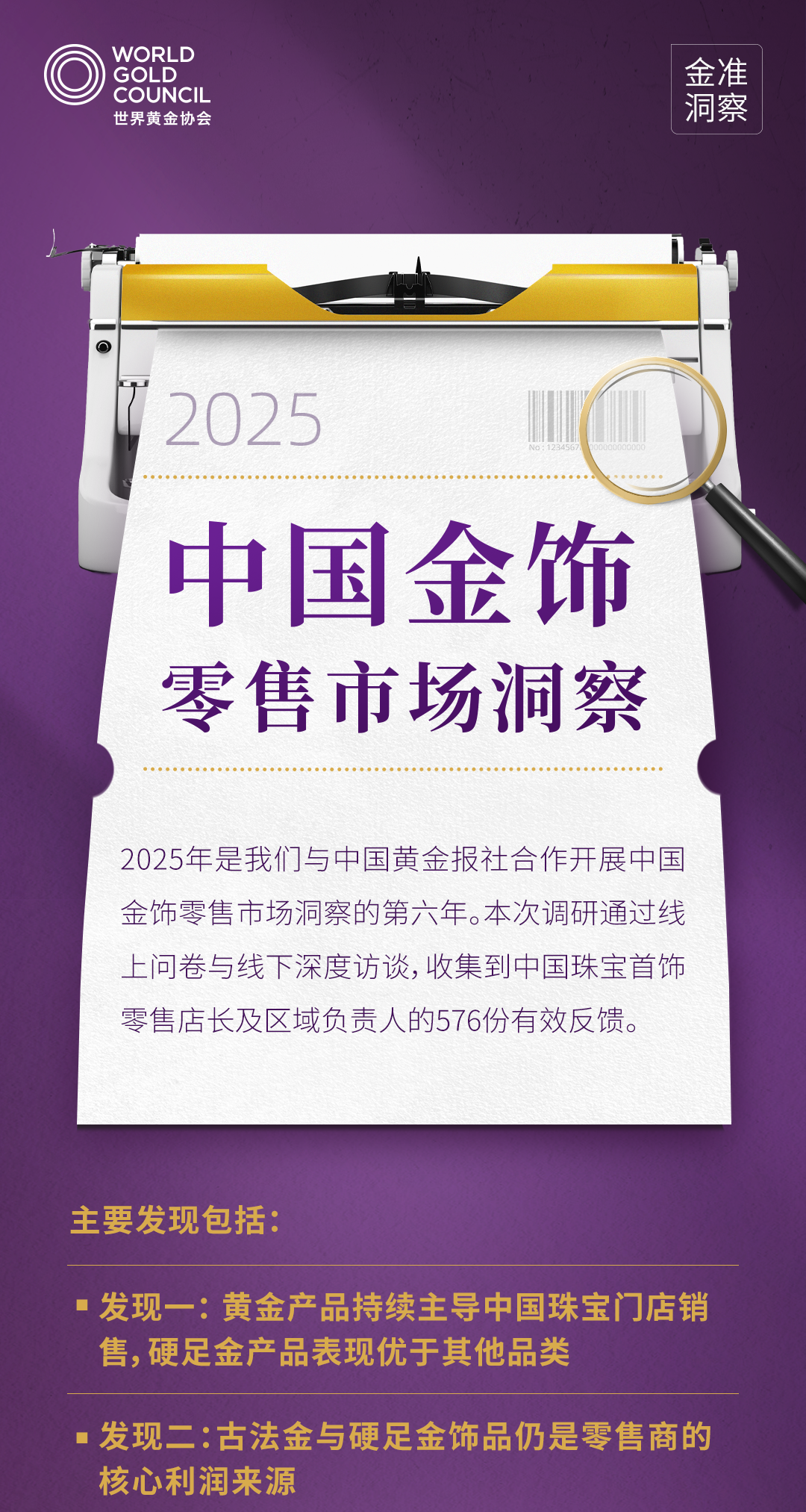
2025年中国金饰零售市场五大发现,自戴需求推动行业增长
Sou Hu Cai Jing· 2025-10-25 05:13
Core Insights - The Chinese gold jewelry retail market is facing intensified competition due to record-high gold prices and slowing income growth, leading to a cautious consumer attitude towards gold jewelry consumption [1] - Despite a seemingly saturated market, consumer spending on gold jewelry remains high, indicating strong consumer attraction [1] Group 1: Market Trends - Gold products continue to dominate sales in Chinese jewelry stores, with hard gold products outperforming other categories [1] - Traditional gold and hard gold jewelry remain the core profit sources for retailers [1] Group 2: Consumer Behavior - Although the weight of gold jewelry products in stores has decreased, consumer spending amounts are still on the rise [1] - "Self-wearing" remains the primary driving force behind gold jewelry sales [1] Group 3: Retailer Outlook - Retailers maintain an optimistic outlook on gold product sales, with "self-wearing" expected to continue driving industry growth [1]

世界黄金协会:自戴”仍是中国金饰销售的核心驱动力
智通财经网· 2025-10-24 11:18
Core Insights - The World Gold Council's report indicates that while total demand for gold jewelry in China may decline in 2025 compared to 2024, consumer spending on gold jewelry is expected to remain high due to seasonal factors driving demand in the second half of the year [1][7]. Group 1: Demand and Spending Trends - In the first half of 2025, total demand for gold jewelry in China fell to 194 tons, a 28% year-on-year decrease, marking the lowest level for the first half of the year since 2009 [5]. - Despite the decline in demand volume, consumer spending on gold jewelry reached 137 billion RMB (approximately 19 billion USD), remaining stable compared to 2024 and not far from the historical peak of 163 billion RMB in 2013 [5][6]. - The proportion of spending driven by "self-wear" purchases increased to 37% in 2025, up from 27% in 2024, indicating a shift towards personal expression and self-satisfaction in jewelry purchases [1][31]. Group 2: Product Performance - Gold products continue to dominate sales in Chinese jewelry stores, with hard gold products outperforming other categories [4][12]. - The sales of ancient gold and hard gold jewelry remain the core profit sources for retailers, despite a general decline in the weight of gold jewelry sold [4][52]. - Retailers reported that 32% of respondents noted an increase in sales of hard gold products in the first half of 2025, making it the best-performing category among gold products [16]. Group 3: Consumer Behavior - The trend towards lighter-weight gold products is evident, with products weighing less than 10 grams accounting for 45% of total gold jewelry sales, up from 37% in 2023 [26][28]. - Young consumers, while still significant contributors to sales, showed a slight decrease in their spending contribution compared to older consumers, likely due to the rising gold prices affecting their purchasing power [36]. - The importance of "self-wear" purchases is reinforced, as this category remains the largest contributor to jewelry store sales, while wedding-related jewelry sales have declined from 24% in 2024 to 19% in 2025 [31][32]. Group 4: Retailer Outlook - Retailers maintain a positive outlook for gold product sales, with 47% expecting growth in the next 1-2 years, despite cautious inventory management due to rising gold prices and economic uncertainties [40][46]. - Over 60% of retailers plan to increase the proportion of lightweight gold products (under 10 grams) in their offerings, reflecting a strategic shift in response to consumer preferences [48]. - The trend of combining gold with other materials, such as enamel and various gemstones, is gaining traction, appealing to younger consumers seeking unique and fashionable designs [23][52].

男子变现2公斤金条净赚了近100万元,金价这么高到底谁在买?
Sou Hu Cai Jing· 2025-10-15 13:21
Core Insights - The gold price has surged, with the price per gram exceeding 1200 RMB, leading to significant profits for investors who purchased gold in previous years [1] - Young consumers are increasingly interested in gold jewelry, with a shift in consumption patterns towards lightweight and aesthetically appealing designs [4][6] - The market is seeing a rise in high-margin "one-price" gold products, which have gained popularity among younger demographics [6] Group 1: Market Trends - The price of gold jewelry has increased by over 80 RMB compared to the period before the National Day holiday, with an annual increase of nearly 50% [1] - The consumption of gold has shifted from a focus on value preservation to a more diverse approach, with younger consumers viewing gold as both a personal reward and a form of savings [4][6] - The popularity of IP collaborations and traditional craftsmanship in gold jewelry has led to higher premiums, with some products priced significantly above the current gold price [7][8] Group 2: Consumer Behavior - Young consumers, particularly those born in the 1990s and 2000s, are driving demand for gold jewelry, favoring designs that can be integrated into everyday fashion [3][4] - The trend of sharing gold jewelry styling on social media platforms like Xiaohongshu indicates a cultural shift towards viewing gold as a fashion statement rather than just an investment [4] - The acceptance of high-priced gold products among consumers is currently supported by rising gold prices, but there are concerns about the sustainability of this trend if prices decline [12] Group 3: Industry Challenges and Opportunities - The gold jewelry market is experiencing pressure from rising raw material costs, prompting companies to focus on high-end IP and traditional gold products to maintain profitability [10] - Companies are encouraged to innovate in product design, optimize marketing channels, and leverage digital transformation to reduce costs and enhance product quality [12] - The long-term success of gold brands will depend on their ability to adapt to changing consumer preferences and market conditions, particularly in the face of potential gold price fluctuations [12]
消费一线观察:金价这么高 到底谁在买?
Xin Hua She· 2025-10-14 06:50
Core Insights - The current spot gold price has reached a new high of $4,143 per ounce, with domestic gold jewelry prices exceeding 1,200 RMB per gram, reflecting an increase of over 80 RMB compared to pre-National Day holiday levels and nearly 50% year-to-date [1] - Young consumers are becoming the main force in gold purchases, with a shift in consumption mindset towards personal enjoyment and savings [3][4] - The gold jewelry market is witnessing a significant trend towards lightweight and aesthetically appealing designs, particularly among the 18-24 age group, whose gold ownership rate has risen to 62% from 37% five years ago [8] Market Trends - The most popular gold items among young consumers are small pieces weighing 1-3 grams, which are often sold at a fixed price rather than by weight, making them more accessible [9] - High-margin "fixed-price" products have seen a notable increase in sales, with companies like Chow Tai Fook reporting a 105.5% year-on-year growth in this category [9] - Collaborations with popular IPs and traditional craftsmanship are driving high premiums in gold jewelry, with some items priced significantly above the current gold price due to licensing fees and custom craftsmanship costs [10][11] Consumer Behavior - The perception of gold has shifted from a traditional investment to a fashionable accessory, with young consumers sharing styling tips on social media platforms [3] - Consumers are increasingly viewing gold purchases as a form of savings, with the belief that rising gold prices can serve as a financial investment [4] - The demand for ancient craftsmanship gold has surged, accounting for 35% of total gold jewelry consumption in China by 2023, indicating a growing preference for unique and culturally significant designs [11] Industry Challenges - Despite the current boom, there are concerns about the sustainability of the IP-driven gold market, as consumer interest may wane once the associated IPs lose popularity [16] - Rising raw material costs are putting pressure on profit margins for companies, necessitating a focus on innovative product offerings and effective brand management to maintain profitability [14][16] - Companies are encouraged to invest in digital transformation and advanced manufacturing technologies to reduce costs and enhance product quality, which is essential for long-term success in a fluctuating market [16]