
名爵ZS

Search documents
高额关税下,中国车企2025年啃下欧洲多少份额?
Sou Hu Cai Jing· 2026-02-27 06:29
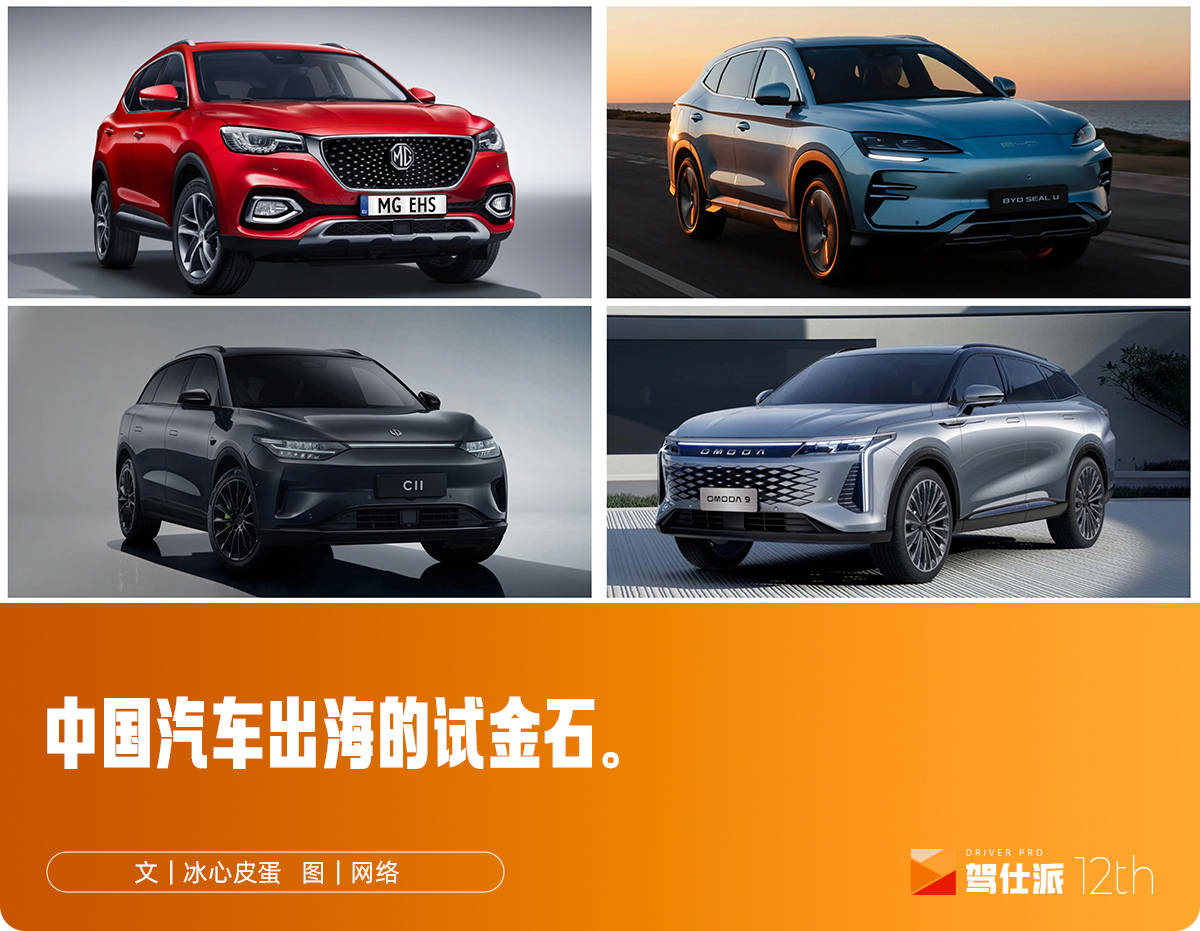
Core Insights - Chinese automotive brands are experiencing growth in Europe, with a total market share of 5.53% in 2025, despite facing high tariffs and trade barriers [8][10][32] - The overall European car market is projected to reach 13.27 million units in 2025, showing a year-on-year growth of 2.4% [3] - Major Chinese brands like MG and BYD are leading the sales, with MG achieving 307,282 units sold, representing 2.32% of the market share [9][10] European Market Overview - The European market includes 32 countries, with a high economic and industrial standard [3] - In 2025, the total new car sales in Europe are expected to reach 13.27 million units, marking a 2.4% increase from the previous year [3] Top Brands in Europe - Volkswagen leads the market with 1.44 million units sold, capturing 10.88% of the market share, followed by Toyota and Skoda [4][5] - Among the top 10 brands, 8 are European, with only Toyota and Hyundai being non-European brands [4] Chinese Brands Performance - Chinese brands collectively sold 734,492 units in Europe in 2025, achieving a market share of 5.53% [10] - MG is the top-selling Chinese brand in Europe, with a sales increase of 26.4% [9][10] - BYD's sales surged by 276.2%, reaching 186,568 units [9][10] Tariff Impact - The EU has imposed temporary anti-subsidy tariffs on Chinese cars, ranging from 17.4% to 37.6%, which significantly affects market entry [7] - The total tax rate for some brands can reach as high as 45.3% when combined with the basic tariff [7] Sales by Country - In Germany, Chinese brands sold 63,603 units, with MG and BYD leading the sales [21][22] - In France, total sales for Chinese brands reached 55,700 units, with MG again being the top performer [26][27] - The UK market saw a total of 196,762 units sold by Chinese brands, with MG achieving a market share of 4.2% [30][31] Model Performance - The best-selling Chinese model in Europe is the MG ZS, with sales of 124,512 units [17] - BYD Seal U also performed well, selling 79,407 units, marking a significant increase [18] Future Outlook - The European market presents both challenges and opportunities for Chinese automotive brands, with potential for rapid growth if trade barriers are reduced [32]



全球化突破!2025年我国汽车出口832万辆,同比增长30%
Hua Xia Shi Bao· 2026-01-28 09:58
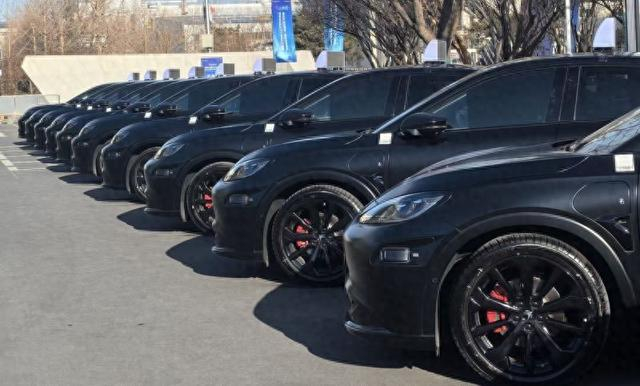
Core Insights - In 2025, China's automobile exports reached 8.32 million units, a 30% year-on-year increase, marking a historical high and reflecting the industry's enhanced competitiveness in the global market [2] - The growth in exports is driven by the rise of new energy vehicles (NEVs), which have become a core growth engine, with overseas markets playing a crucial role in the industry's development [2] Export Volume and Structure - Passenger vehicles accounted for over 80% of total exports, while commercial vehicle exports remained stable, with new energy commercial vehicles emerging as a highlight [3] - In December 2025, the monthly export volume reached 990,000 units, a 73% year-on-year increase and a 23% month-on-month increase [3] - NEV exports totaled 3.43 million units, a 70% increase compared to 2024, with pure electric vehicles making up 28% of exports, hybrid vehicles 13%, and traditional fuel vehicles dropping to 43% [3] Price Trends - The average export price of Chinese automobiles in 2025 was $18,200, a 15.7% increase year-on-year, while the average price for NEVs reached $29,800, 83.5% higher than traditional fuel vehicles [3] Market Performance - In Europe, Chinese automakers achieved significant growth, with December 2025 sales reaching 109,864 units, a 127% year-on-year increase, and a market share of 9.5% [5] - For the entire year, sales in Europe reached 810,000 units, a 99% increase, contributing to a 2.3% growth in the European car market [5] Regional Developments - Southeast Asia saw exports of 1.985 million units, a 24.7% increase, while Latin America recorded 1.652 million units, a 36.8% increase [6] - The Middle East market exported 826,000 units, with NEV exports reaching 128,000 units, a 132% increase [6] Industry Ecosystem - The transformation of China's automobile exports from single vehicle exports to a full industry chain ecosystem is evident, with battery companies establishing production bases globally and entering international supply chains [6] - The export of auto parts reached $89.2 billion, with technology suppliers providing smart driving solutions to global automakers [6]
英国汽车品牌MG在中企旗下重获新生,如今在英国市场供不应求
Guan Cha Zhe Wang· 2026-01-27 08:54
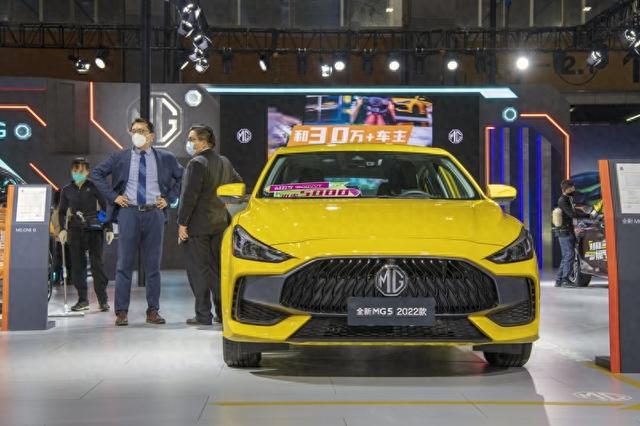
Core Viewpoint - MG, a historic British automotive brand, has experienced a significant revival under SAIC Motor Corporation, becoming a leading player in the UK market with increasing demand and sales growth [1][3]. Group 1: Brand History and Acquisition - MG was founded over a century ago in Oxford and had notable fans, including Elvis Presley and King Charles III, but faced decline leading to the bankruptcy of MG Rover in the 21st century [1]. - The brand was acquired by Nanjing Automobile Group in 2005, which was later taken over by SAIC Motor Corporation, resulting in a shift of production from the UK to China [1]. Group 2: Sales Performance and Market Position - MG's sales in the UK surged from 3,100 vehicles in 2015 to over 85,000 vehicles last year, maintaining a top ten market share [3][4]. - The MG HS SUV became the eighth best-selling model in the UK by 2025, showcasing the brand's growing popularity [3]. Group 3: Strategic Initiatives - MG has updated its vehicle lineup and expanded its dealer network across 90% of the UK, a strategy that has been emulated by other Chinese entrants like BYD and Chery [4][5]. - The brand's appeal is attributed to its affordability and a diverse range of fuel options, including gasoline, hybrid, and electric vehicles [4][5]. Group 4: Market Dynamics and Future Plans - Chinese brands, including MG, sold nearly 200,000 new cars in the UK last year, more than doubling the total from 2024, as they capitalize on market opportunities [4]. - MG plans to expand its product range with smaller and larger SUVs and aims to increase electric vehicle sales to fleet buyers [5][6]. - The company is considering establishing a manufacturing facility in Europe to mitigate challenges related to shipping vehicles from China [6].
加税之下,中国汽车欧洲份额何以翻倍
Zhong Guo Qi Che Bao Wang· 2025-12-24 10:38
Core Viewpoint - The EU's high anti-subsidy tax policy aimed at Chinese electric vehicles has not deterred their market growth in Europe, with Chinese automakers experiencing a dramatic increase in sales and market share despite the tariffs [4][12]. Group 1: Market Performance - In the first ten months of this year, Chinese automakers' sales in Europe surged by 93% year-on-year, with projections indicating annual sales could exceed 700,000 units by 2025 [4][5]. - In October, Chinese automakers achieved a market share of approximately 7%, doubling from the previous year, with total sales reaching nearly 75,000 units [5][6]. - SAIC's MG brand led the sales among Chinese brands in Europe, with a 35% year-on-year increase, while BYD's sales skyrocketed by 208% [5][6]. Group 2: Product Strategy - Following the imposition of the anti-subsidy tax, Chinese automakers quickly adjusted their product mix, reducing the share of pure electric vehicles from 44% to 34% and increasing focus on hybrid models [5][6]. - By October, the sales of plug-in hybrid vehicles surged by 673%, while the share of pure electric vehicles remained significant at 36% [6][7]. Group 3: Competitive Advantages - Chinese automakers benefit from a manufacturing cost advantage of 20% to 30%, allowing them to maintain competitive pricing despite tariffs [7][8]. - The perception of Chinese brands in Europe is improving, with 47% of European buyers considering purchasing a Chinese vehicle, surpassing the interest in American brands [8][9]. Group 4: Long-term Strategy - Chinese automakers are establishing local production facilities in Europe, with BYD's factory in Hungary set to produce 150,000 vehicles annually by 2026, and Chery's joint venture in Spain already operational [9][10]. - Companies are also investing in local R&D centers to adapt products to European standards and consumer preferences, with several brands already establishing such facilities [11]. Group 5: Future Outlook - The competition is shifting from product offerings to ecosystem development, with Chinese companies rapidly expanding their charging networks across Europe [10]. - Ongoing negotiations between China and the EU aim to find alternative solutions to tariffs, indicating a potential for future collaboration [12].
