
和气一号

Search documents
不缺电却狂建核电站?中国的布局藏着三重战略信号!
Sou Hu Cai Jing· 2026-01-31 10:12
Group 1 - The first signal emphasizes strengthening energy security and addressing external dependency issues, as China faces high import reliance on oil and natural gas, with over 70% and 40% respectively. Nuclear power serves as a stable baseload energy source, with annual utilization hours exceeding 7000, significantly higher than wind power's approximately 2000 hours. A single 1 million kW nuclear unit generates about 10 billion kWh annually, sufficient for a city of one million, with projected nuclear power generation reaching 444.7 billion kWh in 2024, equivalent to a reduction of 334 million tons of CO2 emissions, thus reducing fossil fuel consumption and import dependency [2] Group 2 - The second signal focuses on anchoring the "dual carbon" goals and promoting deep energy structure transformation. Nuclear power, with a carbon footprint factor of only 6.5gCO₂/kWh, is one of the lowest in lifecycle carbon emissions. Currently, nuclear power accounts for only 4.72% of the total power generation in China, indicating significant growth potential. Accelerating nuclear power development complements renewable energy sources like wind and solar, which require stable power supply to ensure the safety of the new power system [4] Group 3 - The third signal highlights technological confidence and the upgrade of high-end industrial clusters. China has developed a complete nuclear power industrial system, with over 90% localization of the "Hualong One" technology. The investment for a single nuclear unit is approximately 20 billion yuan, driving the manufacturing of over 80,000 sets of equipment and involving more than 200 companies, generating over 30 billion yuan in output value. The nuclear power industry chain shows significant multiplier effects, extending nuclear technology into civilian sectors and creating new economic growth points [5] Group 4 - Safety remains a fundamental premise for nuclear power development. Chinese nuclear units have operated safely for over 600 years without any incidents classified as level 2 or above. 82.18% of units meet global excellence standards. The "Hualong One" design incorporates both active and passive safety features, ensuring safety even in extreme conditions, while the fourth generation of nuclear power offers inherent safety, addressing public concerns [7] Group 5 - The acceleration of nuclear power construction in China represents a strategic layout focused on current needs and future prospects. It is not only an optimization of the energy sector but also a multidimensional consideration of national security, green development, and industrial upgrading. In the context of a turbulent global energy landscape and climate crisis, nuclear power is becoming a crucial pillar for China’s new energy system, providing stable support for current development and paving the way for sustainable growth [8]

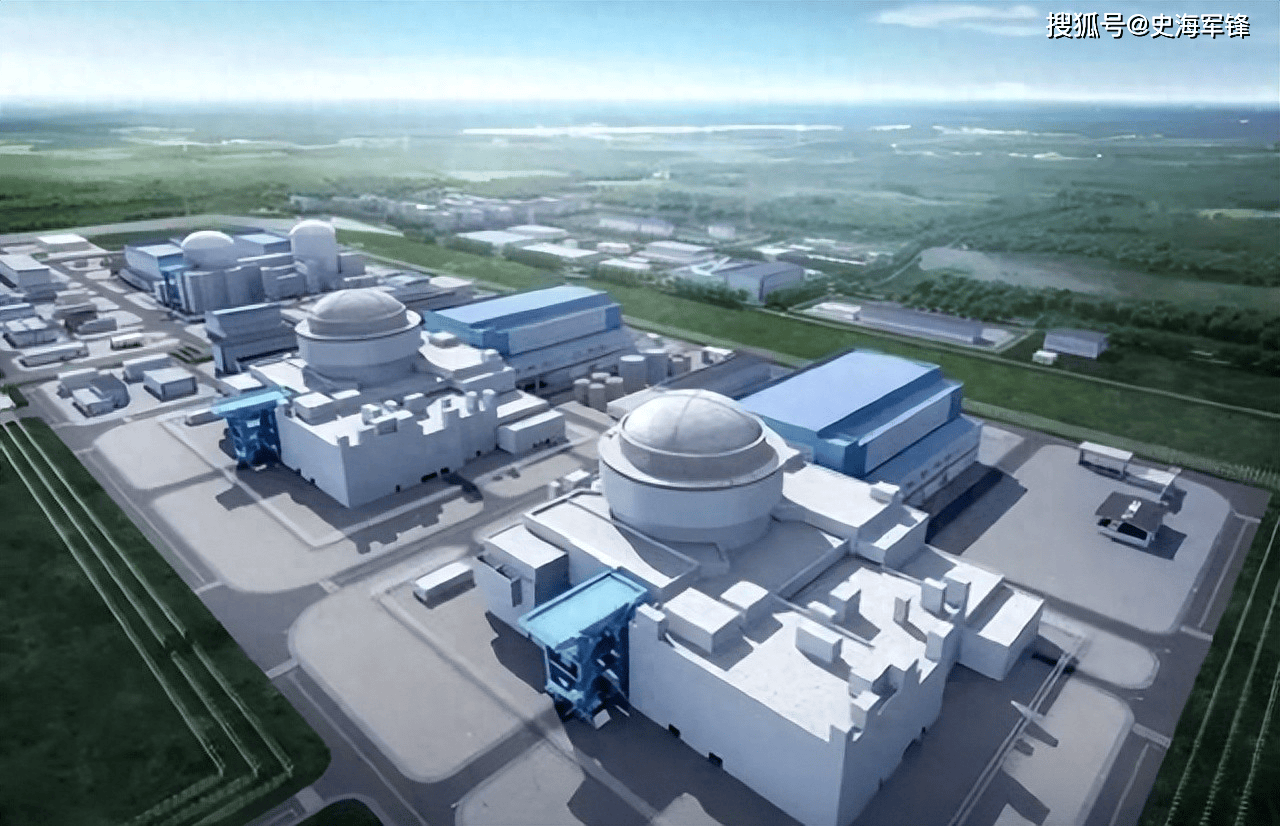
中国核电装机规模位列全球核电企业第三——加快建设世界一流核能企业
Ren Min Ri Bao· 2026-01-18 22:13
Core Insights - The commercial operation of the "Hualong One" Zhangzhou Nuclear Power Unit 2 on January 1, 2026, marks the completion of the first phase of the Zhangzhou Nuclear Power project, reflecting China's commitment to national strategies and high-quality development in the nuclear sector [2] - China National Nuclear Power has achieved significant milestones during the 14th Five-Year Plan, including becoming the third-largest nuclear power company globally in terms of installed capacity [2][4] Group 1: Safety and Operational Achievements - The Qinshan Second Nuclear Power Plant successfully replaced the generator stator using a roof-opening hoisting method, marking a first in the country for simultaneous replacement of large turbine and generator stators, which enhances the unit's power output [3] - The Qinshan Nuclear Power Plant has been operational for over 30 years, with its Unit 1 being the first in China to receive a 20-year lifespan extension, boosting confidence in the nuclear sector [3] - The "Hualong One" has achieved over 1,000 days of continuous safe operation, delivering more than 37 billion kilowatt-hours of clean electricity to society [3] Group 2: Capacity and Development - As of January 1, 2026, China National Nuclear Power operates 27 units with a total installed capacity of 26.212 million kilowatts, and has 18 units under construction or approved for construction with a capacity of 20.647 million kilowatts [4] - The company has also invested nearly 19 billion yuan in research and development during the 14th Five-Year Plan, with nearly 1,500 patent applications and over 4,000 granted patents, driving technological advancements in the nuclear sector [5] Group 3: Technological Innovations - The "Linglong One" project, the world's first land-based commercial modular small reactor, successfully completed its cold test, showcasing China's capabilities in new nuclear energy system design and high-end equipment manufacturing [5] - The "Heqi One" project, which began operations in June 2024, is China's first large-scale industrial nuclear energy steam supply demonstration project, expected to provide 4.8 million tons of industrial steam annually and reduce carbon emissions by 1.07 million tons [6] Group 4: Integration of Party Building and Operations - China National Nuclear Power has emphasized the integration of party building with production operations, establishing a high-quality party building system to ensure the safe and high-quality completion of major maintenance tasks [7] - The company aims to enhance core functions and competitiveness across six dimensions, including safety, operational efficiency, and technological innovation, to accelerate the development of a world-class nuclear energy enterprise [7]

“核动力”蒸汽上线 碳足迹仅为燃煤1/600
Zhong Guo Zheng Quan Bao· 2025-11-30 22:00
Core Insights - The China National Nuclear Corporation (CNNC) has launched the first carbon footprint factor measurement system for nuclear energy industrial steam, marking a significant advancement in the industry and providing a quantifiable "green ID" for nuclear steam [1][2] - The "Heqi No. 1" project in Hainan has commenced operations, establishing a dual demonstration model alongside Jiangsu's "Heqi No. 1," which promotes the standardized and large-scale development of nuclear energy industrial steam [1][4] Industry Development - The carbon footprint of "Heqi No. 1" is only 1/600 of that from coal-fired combined heat and power steam and 1/100 of that from natural gas, highlighting its low-carbon advantages [2] - The establishment of the carbon footprint factor measurement system fills a gap in the industry, providing a scientific basis for the promotion of nuclear energy steam projects across the country [2][3] Technological Innovation - The project utilizes heat from nuclear power plants to produce industrial steam, offering a new approach to reduce overall energy consumption and environmental pollution [3] - The design incorporates a multi-layer safety protection system to address public safety concerns, ensuring the safe operation of nuclear energy steam production [4][5] Efficiency and Environmental Impact - The "Heqi No. 1" project has achieved significant energy efficiency improvements, with thermal efficiency rising from 37% to 42%, converting previously wasted heat into high-value industrial energy [6] - If half of the waste heat from nuclear power plants nationwide is utilized for steam production, it could meet local industrial steam demands, achieving both environmental and economic benefits [6] Future Outlook - The industry plans to have over 30% of nuclear power plants in China providing industrial steam by 2030, potentially replacing over 10 million tons of coal annually [6] - Ongoing projects, such as the Jiangsu Xuwei nuclear heating plant and the Fuzhou nuclear power blue industry park, are set to expand the green energy supply chain, providing replicable zero-carbon solutions for high-energy-consuming industries [6]
“核动力”蒸汽上线碳足迹仅为燃煤1/600
Zhong Guo Zheng Quan Bao· 2025-11-30 20:21
Core Insights - The China National Nuclear Corporation (CNNC) has launched the country's first carbon footprint factor measurement system for nuclear energy industrial steam, known as "Heqi No. 1," which provides a quantifiable "green ID" for nuclear steam and fills a gap in industry certification [1][2] - The "Heqi No. 1" project in Hainan has commenced operations, complementing the Jiangsu "Heqi No. 1" project, marking a new phase in the standardized and large-scale development of nuclear energy industrial steam [1][3] Industry Developments - The carbon footprint of "Heqi No. 1" is only 1/600 of that of coal-fired steam and 1/100 of natural gas steam, showcasing its low-carbon advantages [1][2] - The establishment of the carbon footprint factor signifies a shift from technical exploration to standard leadership in nuclear energy utilization, allowing for quantifiable and verifiable emission reduction effects [2][4] Project Achievements - Jiangsu "Heqi No. 1" has operated safely for over 11,000 hours since its launch in June 2024, supplying over 4.4 million tons of steam, equivalent to reducing the combustion of 400,000 tons of standard coal and cutting CO2 emissions by 1.07 million tons [3][4] - The project has a maximum steam supply capacity of 50 tons per hour, providing clean energy for the CNNC industrial cooperation demonstration zone and supporting the construction of the Hainan Free Trade Port [2][3] Safety and Efficiency - "Heqi No. 1" incorporates a multi-layered safety protection system to address public safety concerns, utilizing a design that physically isolates nuclear and industrial steam circuits [3][4] - The thermal efficiency of the nuclear steam used for industrial purposes can reach over 90%, significantly improving energy efficiency compared to traditional power generation methods [3][4] Future Outlook - The success of "Heqi No. 1" indicates a move towards large-scale development of nuclear energy utilization, with plans for over 30% of nuclear power plants in China to achieve industrial steam supply capabilities by 2030, potentially replacing over 10 million tons of coal annually [4][5] - Ongoing projects, such as the Jiangsu Xuwei nuclear heating plant and the Fuzhou nuclear blue industry park, are expanding the reach of nuclear energy solutions to high-energy-consuming industries across various regions [5]
海南核电核能供汽项目开始供汽
Hai Nan Ri Bao· 2025-11-23 00:46
Core Insights - The Hainan Nuclear Power's steam supply project marks a significant step in China's nuclear energy comprehensive utilization, transitioning from electricity generation to industrial steam supply [1][2] Group 1: Project Overview - The project officially began supplying industrial steam on November 21, 2023, to enterprises in the China Nuclear Industry Cooperation Demonstration Zone [2] - This initiative represents Hainan Nuclear Power's shift from solely generating nuclear energy to becoming a comprehensive energy supply base [2] Group 2: Technical and Economic Aspects - The project is part of the "Harmonious One" initiative by China National Nuclear Corporation (CNNC) and features green, safe, and efficient characteristics [2] - It utilizes a three-tier energy transmission system: nuclear power units, heat exchange stations, and park enterprises, leveraging the mature technology of Hainan Nuclear Power's Units 1 and 2 [2] - The maximum steam supply capacity is 50 tons per hour, and the steam usage costs for enterprises will be reduced by approximately 30% compared to traditional supply models [2] Group 3: Future Prospects - The project is designed to seamlessly integrate with the "Linglong One" small reactor steam supply system, serving as a demonstration platform for the large-scale application of small reactor technology in industrial steam supply [2] - This initiative aims to expand the multi-purpose application scenarios of small reactors and enhance the efficiency and economic value of nuclear energy utilization [2]
“和气一号”新添绿色身份证 核能工业供汽新成果发布
Zheng Quan Ri Bao Zhi Sheng· 2025-11-22 04:10
Group 1 - The core viewpoint of the articles highlights the advancements in China's nuclear energy sector, particularly the launch of the "Heqi No.1" nuclear industrial steam supply project, which marks a significant step towards standardized and large-scale utilization of nuclear energy in industrial applications [1][2][3] - The "Heqi No.1" project has achieved a carbon footprint measurement system for nuclear industrial steam, which is the first of its kind in the country, providing a "green ID card" for every kilogram of nuclear steam produced [1][2] - The project has demonstrated substantial environmental benefits, with its carbon footprint being 1/600 of that from coal-fired steam and 1/100 of that from natural gas steam, showcasing its low-carbon advantages [2][3] Group 2 - The "Heqi No.1" project has supplied over 480 million tons of industrial steam to the Lianyungang petrochemical industry base, resulting in a reduction of 107,000 tons of CO2 emissions and 184 tons of sulfur dioxide [2] - China National Nuclear Corporation (CNNC) has a total of 26 operational units and 19 units under construction or approved, with a total installed capacity of 46.859 million kilowatts, contributing significantly to the country's clean energy goals [3] - The company is actively promoting the comprehensive utilization of nuclear energy in various sectors, including regional heating, industrial steam supply, seawater desalination, and hydrogen production [3]
我国首个核能工业供汽碳足迹因子发布 “和气一号”添绿色身份证
Zhong Guo Xin Wen Wang· 2025-11-21 14:27
Core Insights - The China National Nuclear Corporation (CNNC) has launched the first national carbon footprint calculation system for nuclear energy industrial steam, enhancing the green competitiveness of Chinese products [1][2] - The carbon footprint of nuclear energy steam is significantly lower than that of coal and natural gas, demonstrating its environmental advantages [1][2] Group 1: Carbon Footprint Calculation - The carbon footprint of nuclear energy steam is 1/600 of that from coal-fired combined heat and power (CHP) and 1/100 of that from natural gas CHP [1] - The calculation is based on the operational data from the Jiangsu Nuclear Power "Harmonious One" project, which has been in operation for over a year [1] Group 2: Environmental Impact - The Jiangsu Nuclear Power "Harmonious One" project has provided 4.8 million tons of industrial steam, equivalent to reducing the burning of 400,000 tons of standard coal and cutting CO2 emissions by 1.07 million tons [1] - The project also reduced sulfur dioxide emissions by 184 tons and nitrogen oxides by 263 tons, saving over 700,000 tons of carbon emission quotas annually [1] Group 3: Future Developments - The Hainan Nuclear Power "Harmonious One" project, with a maximum steam supply capacity of 50 tons per hour, is set to provide clean and low-carbon energy for local enterprises [2] - The achievements from the "Harmonious One" project are expected to be replicated in industrial clusters in the Yangtze River Delta and Guangdong-Hong Kong-Macao regions, supporting China's dual carbon strategy [2]
中国品牌,迈出高质量发展新步伐
Ren Min Ri Bao· 2025-10-29 08:12
Core Insights - The emphasis on developing new productive forces and creating world-class enterprises is highlighted by General Secretary Xi Jinping, indicating a focus on innovation and brand strength in Chinese companies [1] - The 2025 China Top 500 Enterprises list shows a continuous increase in the entry threshold, with the number of billion-dollar companies rising from 222 in 2020 to 267 in 2024, and 15 companies reporting revenues exceeding 100 billion yuan [1] Innovation-Driven Brand Strength - Innovation is recognized as the primary driving force for many Chinese companies, leading to the establishment of brand benchmarks [2] - Significant advancements in technology and independent research capabilities are being made, as seen in projects like the "Energy Storage No. 1" and the achievements of Great Wall Motors in safety testing [3][4] Major Equipment Collaboration - The nuclear technology innovations by China National Nuclear Corporation demonstrate the country's strength in exporting nuclear power equipment to multiple countries [5] - Various high-profile projects, such as the C919 aircraft and the "Dream" deep-sea drilling ship, showcase China's growing capabilities in diverse fields [5] Enhancing Brand Value - Companies like Yili and Master Kong are focusing on product quality and innovation, with Yili leading in global dairy brand value and Master Kong leveraging patents for healthier product lines [8] - The emphasis on local resources and high-quality development is evident in companies like Guyu Biotechnology and Yangtze River Pharmaceutical Group, which are enhancing their brand reputation through innovation [9] Global Expansion of Brand Influence - Chinese brands are increasingly making their mark internationally, with companies like Xifeng Liquor and Haier expanding their reach and enhancing brand recognition through innovative marketing strategies [10] - State-owned enterprises like State Power Investment Corporation are actively participating in international energy cooperation, further solidifying their global presence [10] Social Responsibility and Brand Development - Companies are increasingly integrating social responsibility into their brand missions, with initiatives aimed at improving community welfare and environmental sustainability [11][16] - Financial institutions are developing tailored products to support rural economies and enhance financial accessibility, demonstrating a commitment to social impact [15] Conclusion - The ongoing transformation from "Made in China" to "Created in China" reflects a broader shift towards quality and brand strength, positioning Chinese brands for continued success in the global market [17]
中国品牌,迈出高质量发展新步伐(中国品牌 中国故事)
Ren Min Ri Bao· 2025-10-27 22:37
Core Insights - The emphasis on developing new productive forces and creating world-class enterprises is highlighted by General Secretary Xi Jinping, indicating a strong push for innovation and brand recognition in Chinese companies [1] Innovation-Driven Brand Strength - Innovation is identified as the primary driving force for many Chinese companies, focusing on technological advancements and establishing brand benchmarks [2] Research and Development - The "Energy Storage No. 1" project has achieved global records in power capacity, storage scale, and conversion efficiency, showcasing China's capability in key technology breakthroughs [3] - Great Wall Motors has developed an independent testing laboratory that combines active and passive safety testing, breaking international monopolies in key equipment [3] Collaborative Efforts in Major Equipment - China National Nuclear Corporation has exported nuclear power units to eight countries, demonstrating its strength in nuclear technology innovation [4] - Various significant projects, including the C919 aircraft and the "Dream" deep-sea drilling vessel, highlight China's growing capabilities in diverse fields [4] Digital Transformation and Intelligent Upgrades - JD Industrial has addressed long-standing issues in the automotive sector by implementing a digital supply chain solution, achieving domestic substitution within 30 days [5] - Companies like Baidu and China Mobile are integrating AI with traditional industries, enhancing productivity across various sectors [5] Brand Value Enhancement - Chinese companies are increasingly focusing on product quality and brand value, with notable examples including Yili and Kangshifu, which have achieved significant technological advancements [6][7] - The rise of domestic brands is evident as companies like Gu Yu Biotechnology and Yangtze River Pharmaceutical Group expand their product offerings and market presence [7] Global Market Expansion - Haier Group has been recognized in the World Brand Lab's top 500 brands for 21 consecutive years, with a 13% increase in global profit [8] - Companies like State Power Investment Corporation and Hisense are actively participating in international markets, enhancing their global brand influence [8] Social Responsibility and Brand Development - Companies are increasingly integrating social responsibility into their brand missions, with initiatives aimed at improving community welfare and sustainable development [9][12] - The construction sector is focusing on quality and traceability in housing projects, ensuring high standards in delivery and service [13]
核力无限 共创未来 中核集团举办首届全球品牌发布活动
Ren Min Ri Bao· 2025-10-15 22:13
Core Insights - The China National Nuclear Corporation (CNNC) held its first global brand launch event on October 15, showcasing its technological innovations and brand development achievements, aiming to enhance the recognition and reputation of the "CNNC" brand [1] Group 1: Brand and Strategic Initiatives - The event introduced a new brand strategy, seven key brands, and a "1+1+N" social responsibility report matrix [1] - The "Hualong One" brand represents China's third-generation nuclear power technology with complete independent intellectual property rights, contributing significantly to the "dual carbon" goals and symbolizing high-end manufacturing [2] - The "Guo Uranium One" demonstration project is recognized as the largest natural uranium production base in China, reflecting CNNC's commitment to green development and smart mining [5] Group 2: Technological Advancements - "Linglong One" is an innovative small modular reactor technology, recognized for its flexibility and safety, and is seen as a key option for countries along the Belt and Road Initiative to achieve carbon reduction goals [3] - "Heqi One" has achieved large-scale industrial steam supply using nuclear energy, providing 4.8 million tons of industrial steam annually to the Lianyungang petrochemical base, thus promoting green upgrades in traditional industries [7] - "Hefei One" is China's first isotope production technology brand, facilitating the stable production of critical medical isotopes and supporting the sustainable development of China's nuclear medicine industry [8] Group 3: Future Developments - The "China Fusion Three" is the largest and highest-parameter Tokamak device in China, marking significant progress in controlled nuclear fusion research, with plans for global access in December 2023 and achieving major operational milestones in 2024 and 2025 [9][10]