国泰蓝筹精选

Search documents
深夜食堂基金版:“稳”是穿越周期的力量
Zhong Guo Zheng Quan Bao· 2025-11-10 08:53
Core Viewpoint - The current market environment, characterized by volatility and rapid shifts in investment hotspots, necessitates a focus on long-term stability rather than chasing fleeting trends [1] Group 1: Investment Philosophy - The essence of investing in public funds is to achieve asset preservation and appreciation in the equity market, with a focus on smooth and steady returns [2] - A good investment experience is defined by minimizing significant and prolonged losses while allowing investors to hold their positions without the stress of timing the market [2] Group 2: Strategic Approach - The investment strategy is based on macroeconomic analysis, identifying undervalued opportunities from cyclical turning points rather than engaging in short-term trading [3] - The manager emphasizes the importance of asset turnover and trading volume to assess market sentiment and identify potential investment opportunities [3] Group 3: Dynamic Adjustment - The investment approach involves flexible adjustments to the portfolio in response to market style changes, reducing exposure to overvalued assets while increasing weight in undervalued ones [4] - The manager's patience in waiting for the right market conditions, as seen in the strategic positioning in brokerage stocks, highlights the importance of maintaining a balanced portfolio [5] Group 4: Market Context - The recent fluctuations in the Shanghai Composite Index, which briefly surpassed 4000 points before retreating, illustrate the structural characteristics of the current market [6] - The focus on stability is crucial in a volatile market, with the aim of achieving lower overall drawdowns compared to the market average [6]
“稳”是穿越牛熊的力量
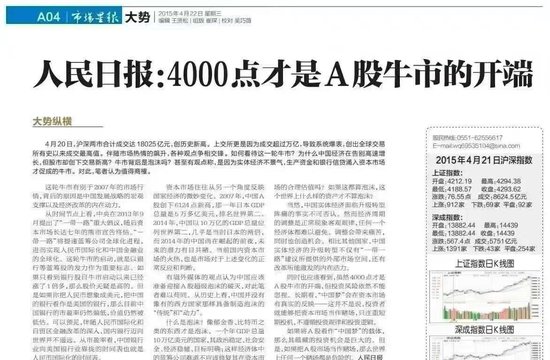
Xin Lang Ji Jin· 2025-11-07 05:40
Core Viewpoint - The current market environment emphasizes the need for stability in investment strategies, particularly as the Shanghai Composite Index approaches the 4000-point mark and experiences volatility [1][9]. Investor Experience - The essence of purchasing mutual funds is to achieve asset preservation and appreciation in the equity market, with a focus on smooth and steady returns while avoiding significant losses [3][9]. - A good investment experience is defined by two standards: minimizing large and prolonged losses, and alleviating the stress of market timing for investors [3][9]. Investment Strategy - The investment philosophy is based on macroeconomic research, focusing on identifying undervalued opportunities from cyclical turning points rather than chasing short-term trends [5][9]. - The manager has increased allocations in public utilities and transportation sectors in anticipation of counter-cyclical policies, while also monitoring "white horse stocks" that are closely tied to China's economic performance and interest rates [5][9]. Dynamic Adjustment - The investment approach involves flexible adjustments to the portfolio in response to market style changes, reducing exposure to high-volatility assets while increasing weight in undervalued assets with reversal potential [7][9]. - The manager's patience in waiting for market opportunities, such as in the brokerage sector, reflects a strategy of maintaining a balanced portfolio to withstand short-term pressures [7][9]. Long-term Perspective - Emphasizing the importance of time in investment management, the strategy focuses on managing risk from a volatility perspective rather than fixating on individual stock performance [8][9]. - The overall goal is to stabilize the portfolio's foundation to navigate through market fluctuations, allowing for a more secure investment journey for clients [9].
深夜食堂第十三季|在波动市场中寻找“稳”的力量
Shang Hai Zheng Quan Bao· 2025-11-06 13:54
Core Viewpoint - The concept of "stability" in investment is often misunderstood as conservatism, but it is actually about active management aimed at optimizing the holding experience and ensuring long-term investment success [1][2]. Group 1: Market Conditions - The Shanghai Composite Index successfully broke through the 4000-point mark on October 28, marking the first time since August 18, 2015, but experienced slight fluctuations on the same day [3]. - The current market is characterized as a "structural market," with only 10% to 20% of stocks doubling in value since September 24 of last year, indicating significant differentiation and a lack of widespread profit-making [4]. Group 2: Investment Strategy - The investment strategy focuses on controlling portfolio volatility to achieve stability during market fluctuations, with the current portfolio positioned at a neutral level, resulting in a significantly lower overall drawdown compared to the market average [5]. - The investment framework emphasizes macroeconomic research to identify turning points and opportunities, with recent allocations to utilities and transportation sectors based on predictions of counter-cyclical adjustments and policy support [5][6]. Group 3: Portfolio Management - The essence of left-side trading is to buy when assets are overlooked, requiring patience and a balanced portfolio to mitigate risks while waiting for market adjustments [7]. - Dynamic balance in portfolio management is crucial, with adjustments made based on market conditions and asset performance, ensuring that the portfolio remains aligned with the investor's objectives [8]. Group 4: Investor Experience - The ultimate goal of a stable investment strategy is to enhance the investor's experience by avoiding significant or prolonged losses and maintaining a smooth upward trajectory in returns [9]. - The philosophy emphasizes that a positive investment experience is achieved when the time spent in profitable conditions outweighs the time in losses, reflecting a long-term view of stability's value [9].
深夜食堂第十三季|对话国泰基金张容赫:“稳”是一种被低估的力量
Zhong Guo Ji Jin Bao· 2025-11-06 05:13
Core Viewpoint - The concept of "stability" is undervalued in volatile markets, as articulated by Zhang Yonghe of Guotai Fund, emphasizing that it is not conservative but rather an active management strategy aimed at optimizing the investment experience and ensuring long-term stability [1][2]. Group 1: Market Conditions - The Shanghai Composite Index successfully broke the 4000-point barrier on October 28, marking the first time since August 18, 2015, but experienced slight fluctuations on the same day, indicating market volatility [4]. - The current market is characterized as a "structural market" rather than a typical bull market, with only 10% to 20% of stocks doubling in value since September 24, 2022, primarily in small-cap and AI-related sectors [5][6]. Group 2: Investment Strategy - The investment strategy focuses on controlling portfolio volatility to achieve stability during market fluctuations, with a neutral overall position that has resulted in significantly lower drawdowns compared to the market average [6][7]. - Zhang Yonghe emphasizes macroeconomic research as a core element of investment decisions, aiming to identify turning points and opportunities based on economic trends, corporate earnings, and liquidity conditions [7][8]. Group 3: Portfolio Management - The investment approach incorporates a strong contrarian mindset, suggesting that opportunities often arise when assets are overlooked by the market [9]. - The strategy involves dynamic portfolio management, adjusting asset allocations based on market conditions and the relative value of assets, ensuring a balance between different investment styles [10][13]. Group 4: Enhancing Investor Experience - The ultimate goal of a stable investment strategy is to enhance the investor's experience by minimizing significant or prolonged losses and maintaining a smooth upward trajectory in returns [15]. - Zhang Yonghe's philosophy aligns with the idea that a positive investment experience is paramount, allowing investors to feel secure in their equity market investments without the stress of timing the market [15].
对话国泰基金张容赫:“稳”是一种被低估的力量
Zhong Guo Ji Jin Bao· 2025-11-06 04:29
Core Insights - The concept of "stability" in investment is emphasized as an undervalued strength, aiming to optimize the holding experience and support long-term investment success [1][2] - The investment strategy focuses on macroeconomic and market judgments to enhance the investment experience for holders, avoiding significant and prolonged losses [2][4] Market Context - The Shanghai Composite Index successfully broke the 4000-point mark on October 28, marking its first time above this level since August 18, 2015, although it experienced slight fluctuations on the same day [3] - The current market is characterized as a "structural market," with only 10% to 20% of stocks doubling in value since September 24, 2022, indicating significant market differentiation and a lack of widespread profit [4] Investment Strategy - The investment approach is centered on controlling portfolio volatility to achieve stability during market fluctuations, with a neutral overall position that has resulted in lower drawdowns compared to the market average [5] - The investment framework involves macroeconomic research to identify turning points and opportunities, with recent allocations to utilities and transportation sectors based on predictions of counter-cyclical adjustments [5][6] Portfolio Management - The strategy includes left-side trading, which requires patience and is supported by a diversified portfolio that allows for waiting on underperforming assets [7] - Dynamic balance in portfolio management is crucial, adjusting asset weights based on market conditions and the actual value changes of assets [8] Investor Experience - The ultimate goal of the investment strategy is to enhance the investor's experience by minimizing significant losses and ensuring a smooth upward trajectory of returns [9] - The philosophy emphasizes that a positive investment experience is achieved when the time spent in profitable conditions outweighs the time in losses, reflecting a long-term view of stability [9]
深夜食堂第十三季|对话国泰基金张容赫:“稳”是一种被低估的力量
中国基金报· 2025-11-06 04:24
Core Viewpoint - The concept of "stability" in investment is undervalued and should be seen as proactive management aimed at optimizing the holding experience and ensuring long-term investment success [2][3] Market Analysis - The recent market is characterized as a "structural market" rather than a typical bull market, with only 10% to 20% of stocks doubling in value since September 24, 2022, primarily in small-cap and AI-related sectors [6][7] - Despite some active trading phases, the median gain across the A-share market is significantly lower than the index gains, indicating a clear divergence in market performance [7] Investment Strategy - The focus on "stability" is crucial for managing portfolio volatility, allowing for sustained performance amid market fluctuations. The overall portfolio positioning has been neutral, with a notable reduction in drawdown compared to market averages [8] - A robust investment framework has been developed, emphasizing macroeconomic research to identify turning points and opportunities for left-side positioning [9][10] Portfolio Management - Left-side trading requires patience, as evidenced by the successful positioning in brokerage stocks that began in the second half of 2023, with benefits realized in 2024 [12] - Dynamic portfolio management is essential, adapting to market style shifts and adjusting asset allocations based on actual value changes [13][14] Investor Experience - Enhancing the investor experience is a primary goal, focusing on avoiding significant or prolonged losses while ensuring a smooth upward trajectory in returns [15][16] - The ultimate aim is to provide investors with peace of mind in equity investments, minimizing the need for complex timing decisions [16]


4000点得而复失,后市怎么看?
Xin Lang Ji Jin· 2025-10-29 02:56
Market Overview - The A-share market experienced a low opening but rose to surpass the 4000-point mark on the Shanghai Composite Index, which was last seen on August 18, 2015, marking a gap of 3723 days [1][4] - The index closed at 3988.22 points after a period of fluctuations [1] Market Sentiment - Market sentiment was optimistic, with the 4000-point level seen as a significant psychological barrier that could attract more retail investment [4] - However, there were cautious voices suggesting that after reaching 4000 points, short-term policy adjustments might occur to prevent overheating in the market [4] Fund Managers' Perspectives - Fund managers expressed a consensus that the overall bullish market framework would continue, despite potential short-term corrections due to profit-taking and high valuations in some sectors [5][10] - Key sectors to watch include leading companies in anti-involution industries such as photovoltaics, new energy vehicles, and chemicals, as well as consumer sectors like meat and dairy products [5] Economic Outlook - The macroeconomic environment is characterized by a transition from rapid growth to structural adjustments, with CPI remaining below 1% and PPI showing negative growth in several months [7] - The focus is on domestic circulation, with high-end manufacturing emerging as a structural highlight amid ongoing global trade tensions [7] Investment Strategy - The equity market is viewed as the optimal allocation direction, with a focus on technology growth sectors and a selective approach to undervalued companies [6][8] - The investment strategy emphasizes identifying companies with strong earnings growth and reasonable valuations, aiming for stable operations and enhanced returns [5][8] Future Market Trends - The market is expected to experience continued volatility after briefly surpassing the 4000-point mark, with divergent views on future trends [15] - Long-term optimism is supported by the "15th Five-Year Plan," which aims to optimize China's economic transformation and enhance market dynamics [15]
如何挑选主动权益基金?
Xin Lang Ji Jin· 2025-09-17 09:30
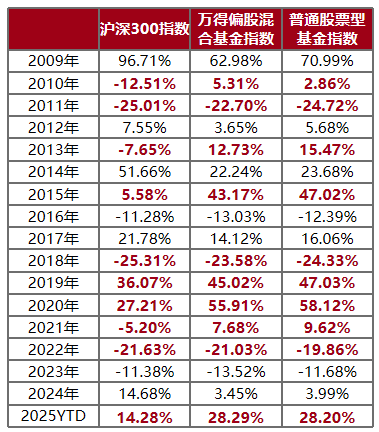
Group 1 - The core viewpoint of the article highlights the strong performance of actively managed equity funds in 2023, with a significant number of funds achieving positive returns and impressive average yields [1][2] - As of August 31, 2023, 99% of ordinary equity funds and 98% of mixed equity funds reported positive returns, with average returns of 27.91% and 27.66% respectively [1][2] - Over the long term, actively managed equity funds have outperformed the CSI 300 index in 10 out of the last 17 years, with five years showing double-digit excess returns [1][2] Group 2 - The article attributes the strong performance of actively managed equity funds in 2023 to the structural market conditions, emphasizing the importance of sector and stock selection [2][3] - Fund managers with deep industry insights and research capabilities are better positioned to capitalize on market opportunities during volatile conditions [3] Group 3 - The selection of actively managed equity funds is fundamentally about choosing the right fund manager, as their decisions directly impact fund performance [3][4] - The article introduces Zhang Ronghe, the proposed fund manager for the Guotai Qiming Return Mixed Fund, highlighting his extensive macroeconomic research background and investment philosophy [4][5] Group 4 - Zhang Ronghe's investment strategy focuses on macroeconomic fundamentals, selecting industries that benefit from economic cycles, and then choosing individual stocks based on specific indicators [5][6] - His management of the Guotai Blue Chip Selection Fund has yielded a 46.40% return over the past year, showcasing his ability to manage diverse risk-return profiles [6][8] Group 5 - Zhang Ronghe emphasizes risk control and client experience in his investment management, aiming to minimize drawdowns and enhance investor satisfaction [7][8] - His approach includes monitoring domestic policy fluctuations and overseas risks, focusing on cyclical sectors and core assets that are expected to perform well in the upcoming economic environment [9]
走近张容赫,更理解了“稳”是一种被低估的能力
聪明投资者· 2025-09-16 07:04
Core Viewpoint - The article discusses the investment strategy and performance of Zhang Ronghe, a fund manager at Guotai Fund, highlighting his unique approach to portfolio management and market analysis [4][48]. Group 1: Investment Strategy - Zhang Ronghe emphasizes a macroeconomic and expectation gap approach, prioritizing macro factors such as economic trends and liquidity conditions in his investment decisions [15][16]. - He focuses on identifying "mispriced" stocks, particularly those with poor price performance but strong fundamentals, diverging from traditional value or trend investing [21][22]. - The portfolio management is characterized by a multi-constraint optimization approach, where various factors such as product settings, client risk tolerance, and performance metrics are considered [28][30]. Group 2: Portfolio Performance - Since Zhang Ronghe took over the Guotai Blue Chip Select Fund, it has shown a return of 48.52% with an excess return of 18.55%, demonstrating strong downside protection [8][20]. - The fund maintains a relatively high equity position, around 60%-95%, and has shown resilience during market downturns, with a notable recovery after significant market drops [5][6][4]. - The top holdings in the portfolio consist of established blue-chip stocks, with each accounting for only about 2% of the total net value, indicating a diversified approach [7][8]. Group 3: Market Analysis - Zhang Ronghe's market outlook is characterized by a contrarian perspective, often identifying positive factors when the market sentiment is negative and vice versa [18][19]. - He believes that the market's consensus can often lead to mispricing, and he actively seeks to exploit these discrepancies [20][19]. - His analysis includes a focus on the cyclical nature of market expectations, adjusting his strategy based on prevailing sentiment and macroeconomic indicators [20][21]. Group 4: Client Management - Zhang Ronghe prioritizes client experience in his portfolio management, ensuring that clients are well-informed and comfortable with the investment strategy [34][36]. - He acknowledges the importance of communication and transparency, especially when the fund underperforms or misses market opportunities [35][36]. - His approach to risk management involves understanding client psychology and ensuring that they can tolerate market fluctuations [36][37].